

Cottage Cheese Lasagna Recipe
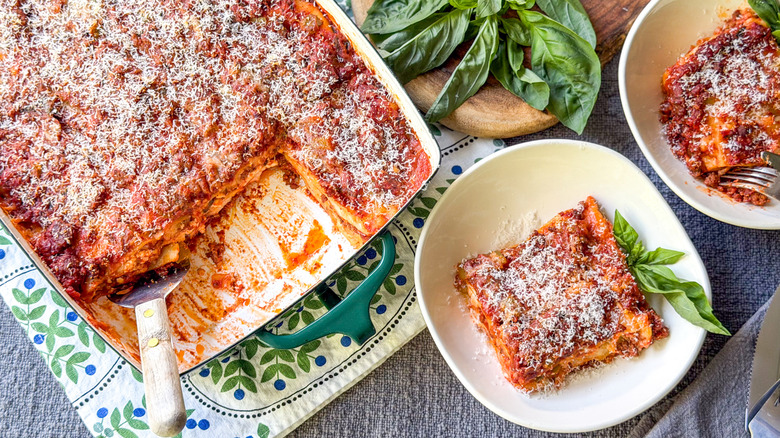
Freshly baked lasagna is truly comfort in a pan. Not only does it conjure up cozy memories, but it is versatile, portable, and perfect for meal prep or freezing leftovers. Recipe developer Julie Kinnaird shares with us her treasured family recipe for cottage cheese lasagna. Passed down from her grandmother, this lasagna was a staple for dinner parties, birthdays, gifting to new neighbors or new parents, and one of the most frequently requested recipes in her household. Kinnaird remembers trying lasagna baked with traditional ricotta cheese for the first time, and how she felt like something was missing. "I loved the subtle texture of the curds and how tangy they tasted. Classic lasagna felt one-dimensional in a way," remembers Kinnaird. Years later, she still pulls out this recipe to share with family and friends.
This cottage cheese lasagna is simple to make, cuts and serves beautifully, and is a perfect dish to make in advance. You can assemble the whole lasagna, cover it with plastic, and chill for up to 3 days, then bake it fresh. You can also freeze an unbaked or baked lasagna, or portion it into individual containers for easy meals on the go. The lasagna stays moist and can be dressed up with a fresh shaving of Parmesan.
Gather the cottage cheese lasagna ingredients
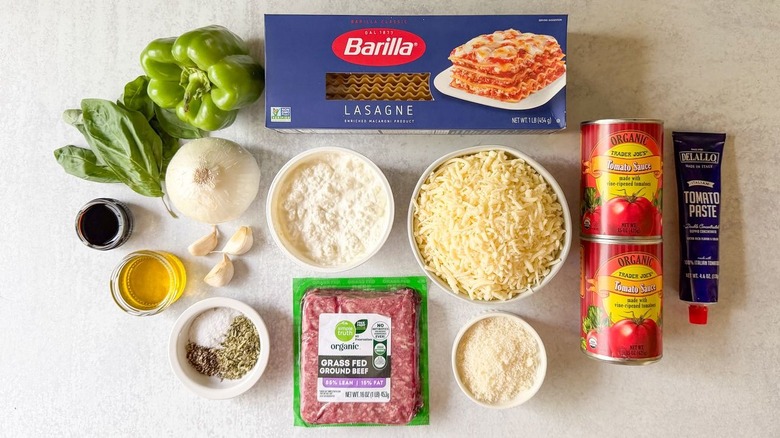
To build the intensely flavorful sauce for this recipe, start with ground beef. Kinnaird prefers using a blend that is 85% lean/15% fat vs. an extra-lean beef, as the fat not only imparts flavor but becomes important for cooking the aromatic vegetables. These include white onion, green bell pepper, and garlic. Dried oregano, kosher salt, and freshly cracked black pepper are used to season the sauce. Tomato paste is an important ingredient for building the sauce. Tomato paste is a highly concentrated tomato product, which means that it has a high concentration of sugars. These sugars caramelize beautifully in the pan, adding richness and deep color to your sauce. Balsamic vinegar contributes more richness and acidity, as well, giving a boost to the plain tomato sauce that is an essential component. Fresh basil adds that distinctive Italian flair, as well as a freshness that contrasts with the dried oregano. You will need some olive oil for preparing your baking dish, and classic dried lasagna noodles (not the oven-ready variety). Select a whole-milk cottage cheese for your filling, as this will have the "meltiest" texture and a velvety richness that fuses with the meat sauce. Whole milk mozzarella and a wedge of Parmesan for grating finish off your cottage cheese lasagna.
Step 1: Brown the ground beef
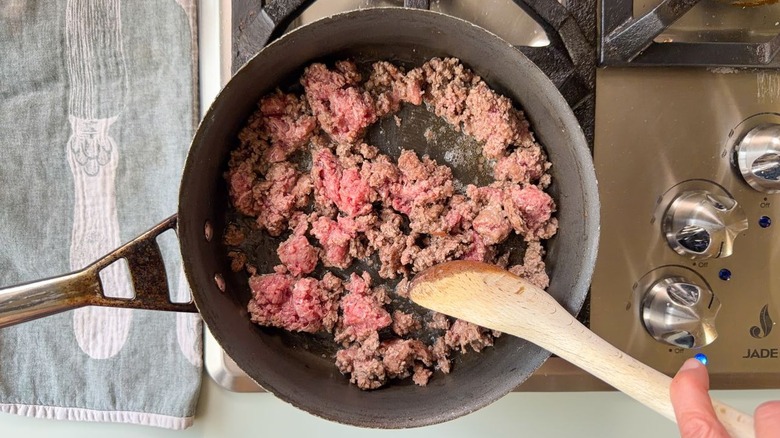
In a large deep skillet, brown the ground beef over medium-high heat, breaking up the meat into small pieces.
Step 2: Add the onion, bell pepper, garlic, oregano, salt, and pepper
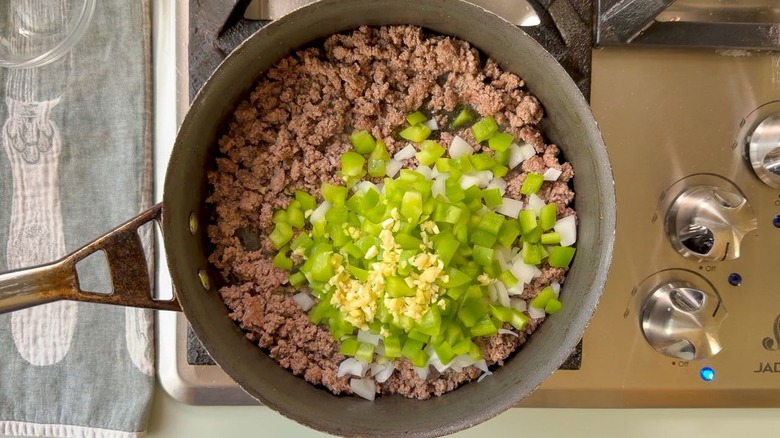
When the meat is nearly browned, add the onion, bell pepper, garlic, oregano, salt, and pepper.
Step 3: Cook until the vegetables are softened
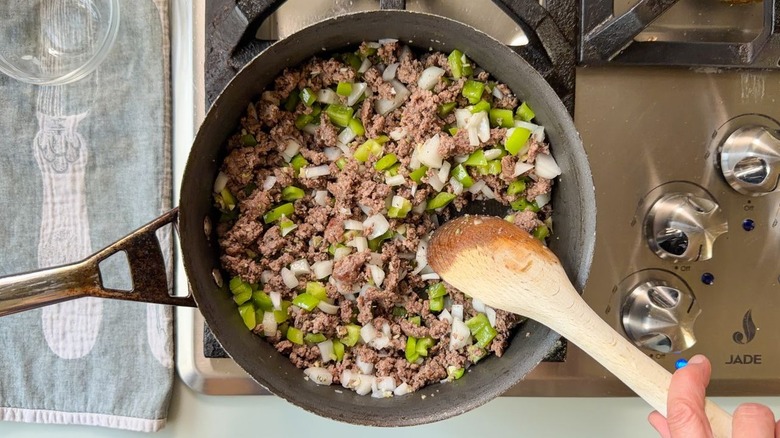
Cook and stir until the vegetables have softened (about 5 minutes).
Step 4: Add the tomato paste
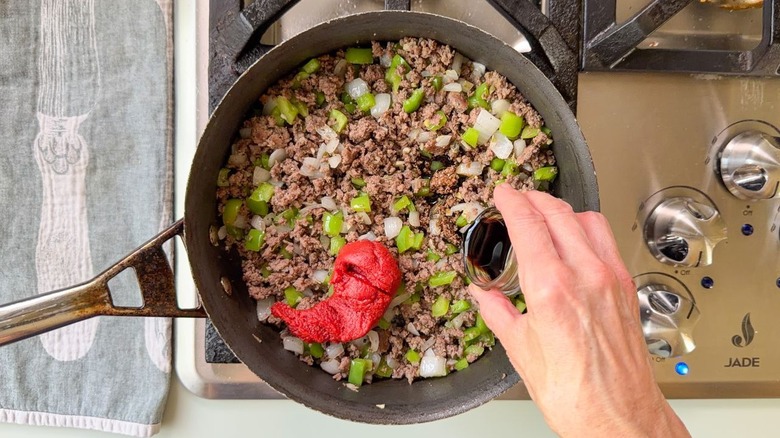
Add the tomato paste and vinegar.
Step 5: Caramelize the tomato paste
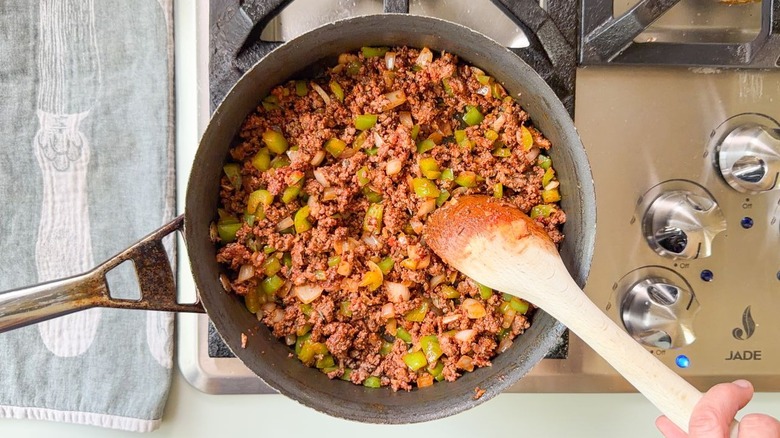
Cook and stir until the paste becomes rust colored.
Step 6: Add the tomato sauce, water, and basil
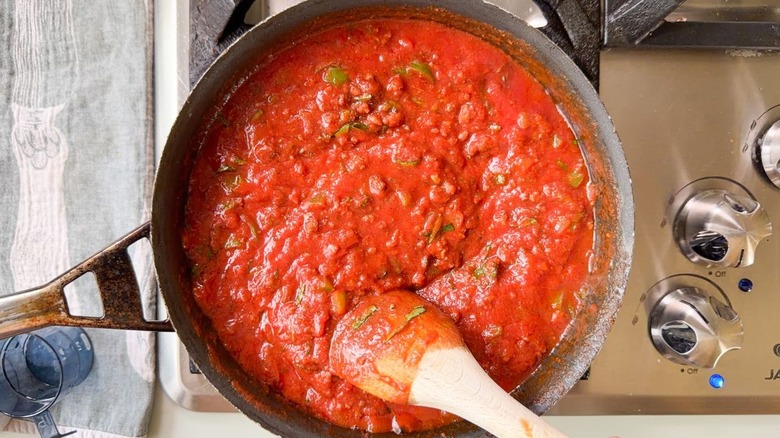
Stir in the tomato sauce, ½ cup water, and basil, then reduce the heat to low, and simmer for 30 minutes, stirring occasionally.
Step 7: Preheat the oven
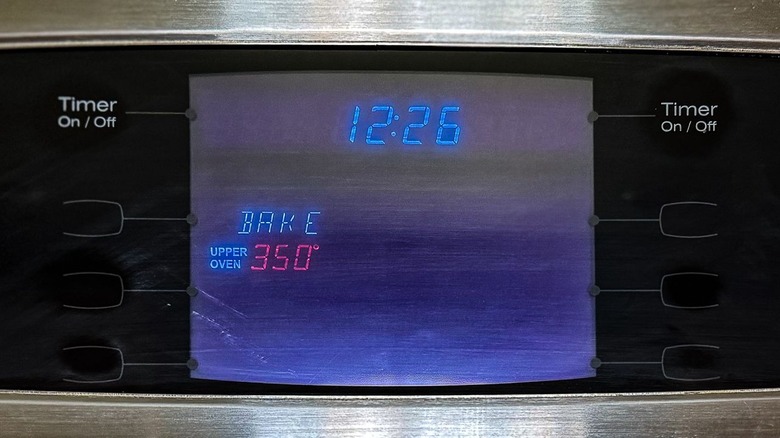
Preheat an oven to 350 F.
Step 8: Oil a baking dish

Brush a 13 x 9-inch baking dish with the olive oil.
Step 9: Cover the bottom of the pan with sauce
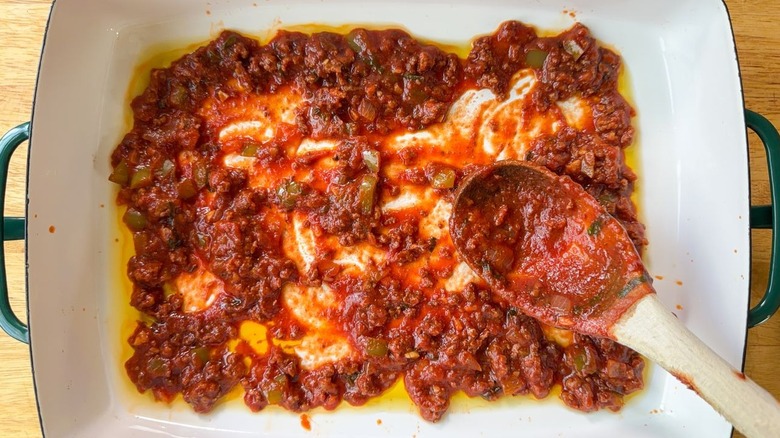
Add 1 cup of the meat sauce to the bottom of the pan.
Step 10: Layer on lasagna noodles
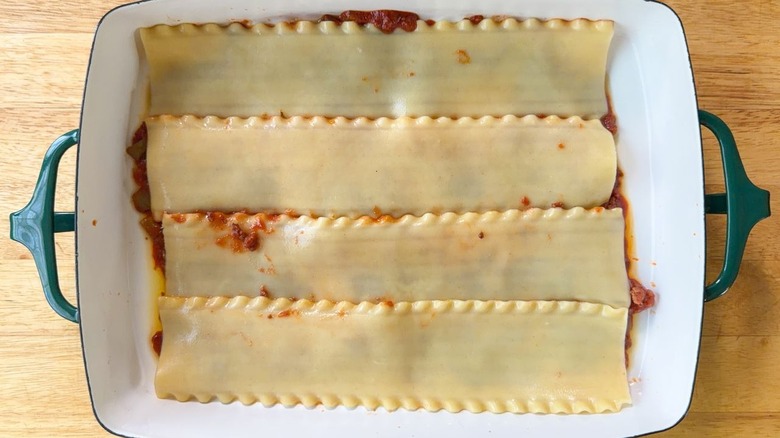
Add a layer of 4 lasagna noodles.
Step 11: Spread on half the cottage cheese
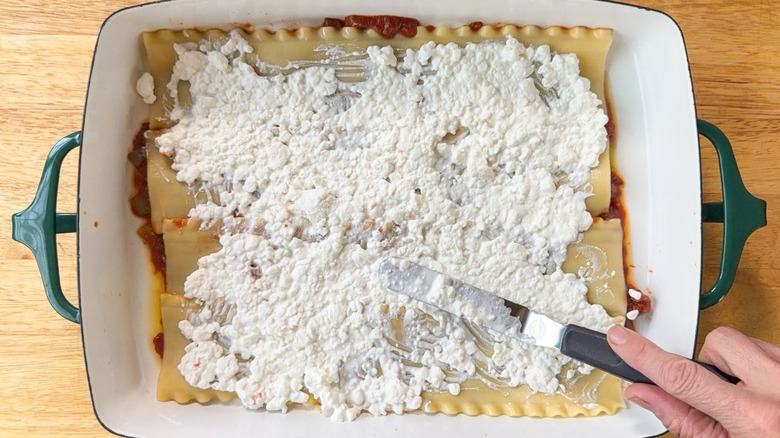
Spread on half of the cottage cheese.
Step 12: Spread on another layer of the sauce
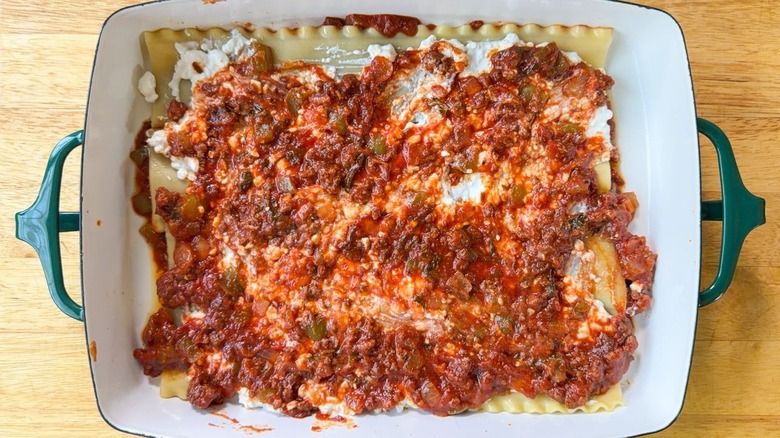
Add 1 cup of the meat sauce in an even layer.
Step 13: Add half of the mozzarella
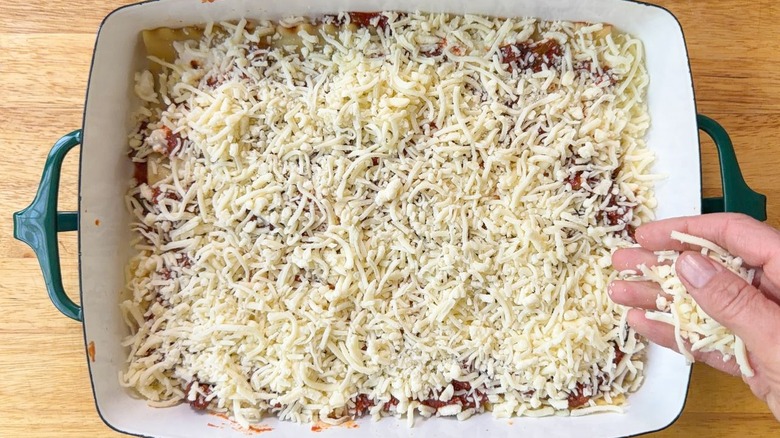
Sprinkle on half of the mozzarella.
Step 14: Repeat the layers
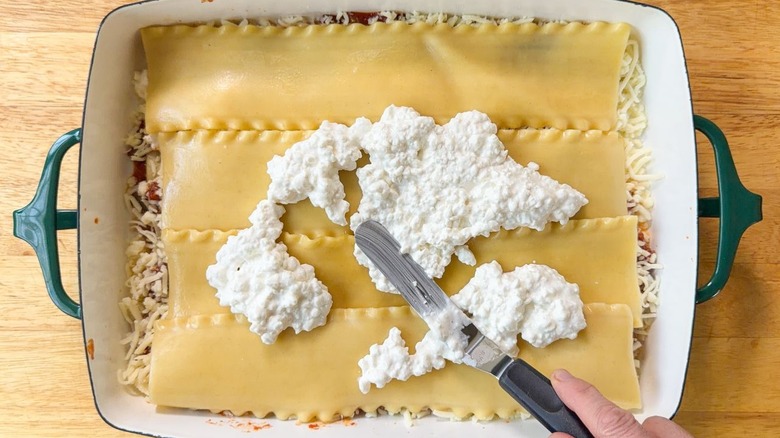
Repeat with another layer of noodles, cottage cheese, sauce, and mozzarella.
Step 15: Finish with the sauce
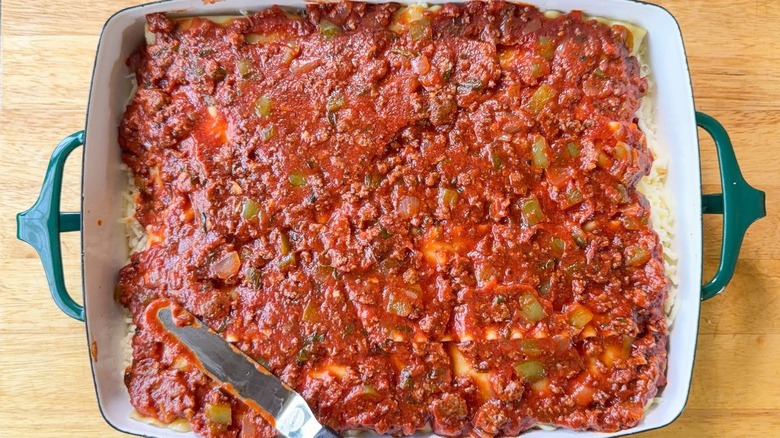
Top with the remaining noodles, then the sauce.
Step 16: Add the Parmesan
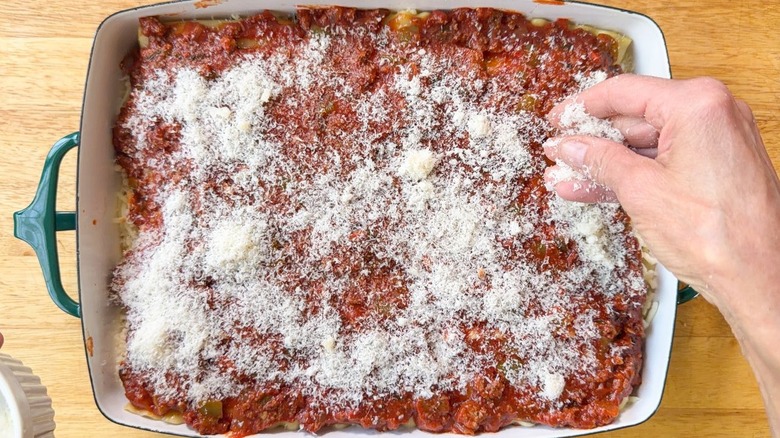
Sprinkle on the Parmesan.
Step 17: Bake the lasagna
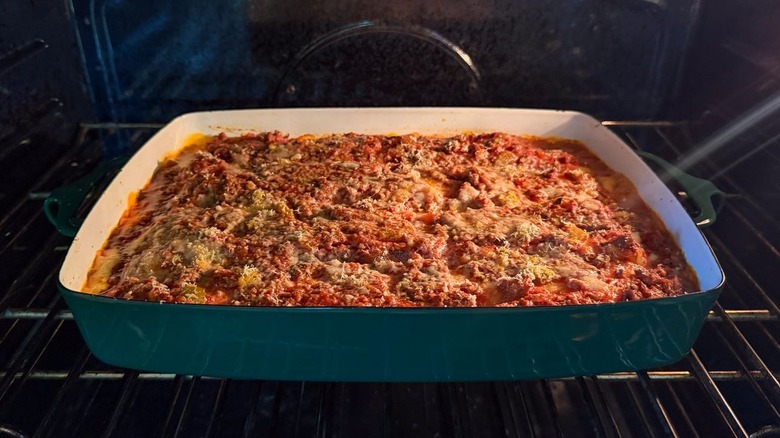
Bake the lasagna for 35 minutes until bubbly and golden on top.
Step 18: Rest the lasagna
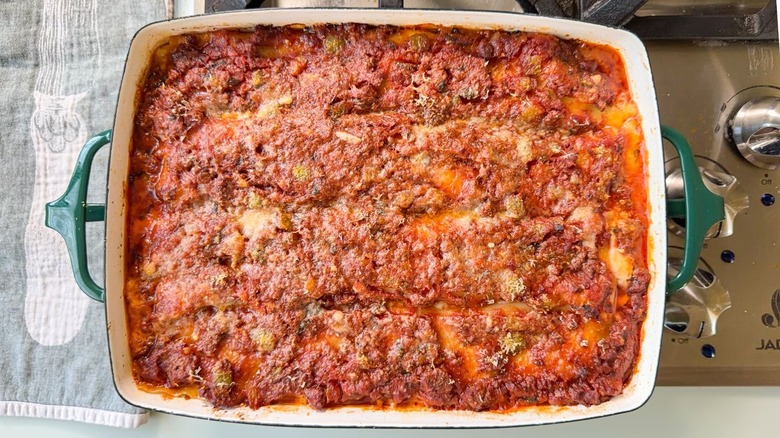
Remove the pan from the oven and let the lasagna cool for 15 minutes.
Step 19: Serve the cottage cheese lasagna
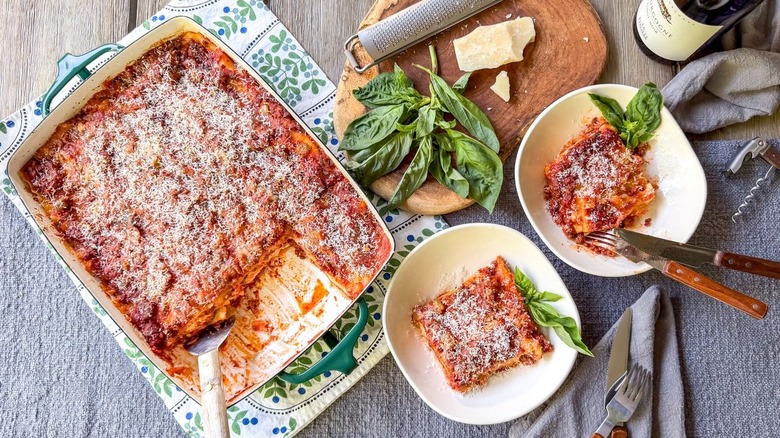
Cut and serve the warm cottage cheese lasagna in shallow bowls.
What can I serve with cottage cheese lasagna?
Cottage Cheese Lasagna Recipe
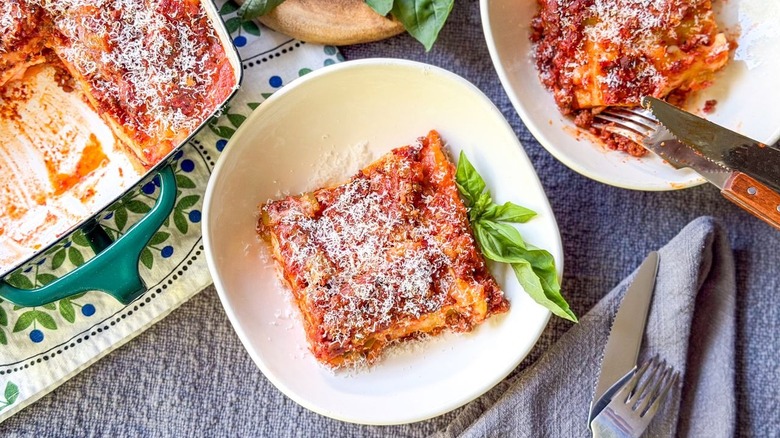
With an flavorful, meaty tomato sauce, plenty of melty mozzarella, and tangy, protein-packed cottage cheese, this lasagna might become a family favorite.
Ingredients
- 1 pound ground beef
- 1 cup diced white onion
- 1 cup diced green bell pepper
- 3 large cloves garlic, minced
- 2 teaspoons dried oregano
- 2 teaspoons kosher salt
- ½ teaspoon freshly cracked black pepper
- ¼ cup tomato paste
- 2 tablespoons balsamic vinegar
- 2 (16-ounce) cans tomato sauce
- ¼ cup finely sliced basil leaves
- 3 tablespoons olive oil
- 12 lasagna noodles, cooked according to package directions and drained
- 1 pint whole milk cottage cheese
- 1 pound shredded mozzarella cheese
- ½ cup grated Parmesan cheese
Directions
- In a large deep skillet, brown the ground beef over medium-high heat, breaking up the meat into small pieces.
- When the meat is nearly browned, add the onion, bell pepper, garlic, oregano, salt, and pepper.
- Cook and stir until the vegetables have softened (about 5 minutes).
- Add the tomato paste and vinegar.
- Cook and stir until the paste becomes rust colored.
- Stir in the tomato sauce, ½ cup water, and basil, then reduce the heat to low, and simmer for 30 minutes, stirring occasionally.
- Preheat an oven to 350 F.
- Brush a 13 x 9-inch baking dish with the olive oil.
- Add 1 cup of the meat sauce to the bottom of the pan.
- Add a layer of 4 lasagna noodles.
- Spread on half of the cottage cheese.
- Add 1 cup of the meat sauce in an even layer.
- Sprinkle on half of the mozzarella.
- Repeat with another layer of noodles, cottage cheese, sauce, and mozzarella.
- Top with the remaining noodles, then the sauce.
- Sprinkle on the Parmesan.
- Bake the lasagna for 35 minutes until bubbly and golden on top.
- Remove the pan from the oven and let the lasagna cool for 15 minutes.
- Cut and serve the warm cottage cheese lasagna in shallow bowls.
Nutrition
| Calories per Serving | 607 |
| Total Fat | 35.9 g |
| Saturated Fat | 16.3 g |
| Trans Fat | 0.7 g |
| Cholesterol | 106.6 mg |
| Total Carbohydrates | 34.3 g |
| Dietary Fiber | 3.7 g |
| Total Sugars | 9.7 g |
| Sodium | 1,333.9 mg |
| Protein | 37.1 g |

What is the benefit of using cottage cheese instead of ricotta in lasagna?
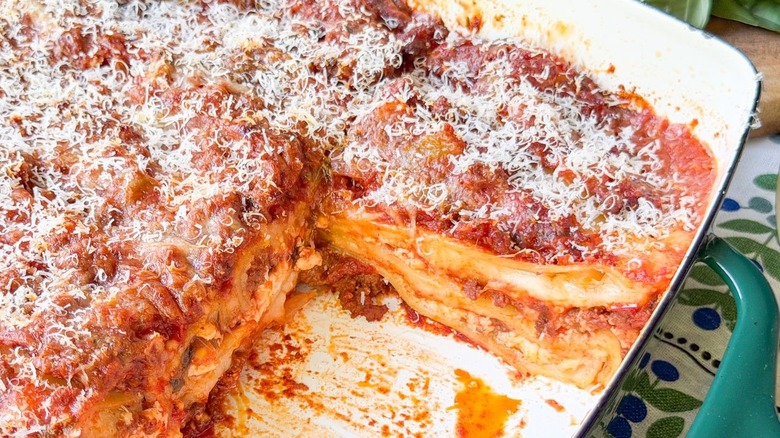
Italian purists may scoff at the idea of using cottage cheese in place of ricotta in lasagna, but the more you learn about both the nutritional and structural benefits of cottage cheese, the easier it is to embrace the switch. In theory, ricotta and cottage cheese are actually quite similar. They are both "fresh cheeses," meaning no aging takes place, but cottage cheese forms a larger curd and can be cut into different sizes (large curd vs. small curd). Ricotta has a smoother and fluffier texture that makes it quite spreadable, whereas cottage cheese retains its texture. Kinnaird says that what she likes the most about cottage cheese is its distinctive tangy flavor, which makes it amenable to a variety of savory preparations. And even if you are not particularly fond of the texture of the curds, in this lasagna recipe, the whole milk curds simply melt into the sauce during baking.
One surprising nutritional fact about cottage cheese is that it is over 70% protein, while ricotta is significantly higher in fat. When it comes to lasagna, cottage cheese also helps to prevent a dry end product, as those curds are able to retain a great deal of moisture and keep the baked pasta more structurally sound while still being moist and tender. Ricotta, on the other hand, has a tendency to absorb moisture and even become a bit chalky or grainy during baking.
What substitutions could I make in this recipe?
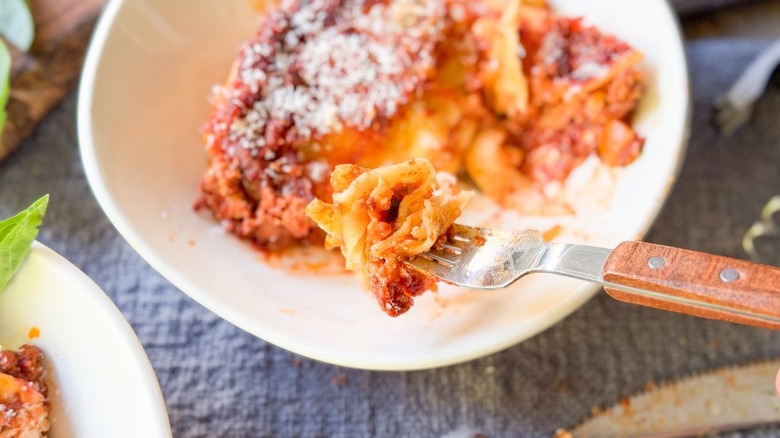
This tried-and-true family recipe is a great template for putting your own spin on the recipe. The sauce is particularly hearty thanks to the ground beef base, but this could be lightened up by using ground turkey or ground chicken. If you want to use one of these poultry products, note that you should add some olive oil to your pan before browning the meat to prevent it from sticking and to add a bit of additional fat. Ground pork could also be mixed in with the beef, in keeping with the Italian flavor profile. If you prefer to create a vegetarian sauce, try adding some diced tomatoes for a bit of texture in place of the meat. Additional vegetables, such as zucchini or mushrooms, would also be add flavor, freshness, and nutrition to the sauce, as would different varieties of bell peppers.
To further "lighten" this recipe, you can try using a 2% milkfat cottage cheese. Kinnaird prefers the richness and flavor of the whole-milk variety, but low-fat cottage cheese will still provide the same protein boost, moisture retention, and tangy flavor. You can even try making your own at home. Feel free to mix in additional cheeses, such as provolone, fontina, Pecorino Romano, or a smoked version of mozzarella.