

Classic Sugar-Coated Beignets Recipe
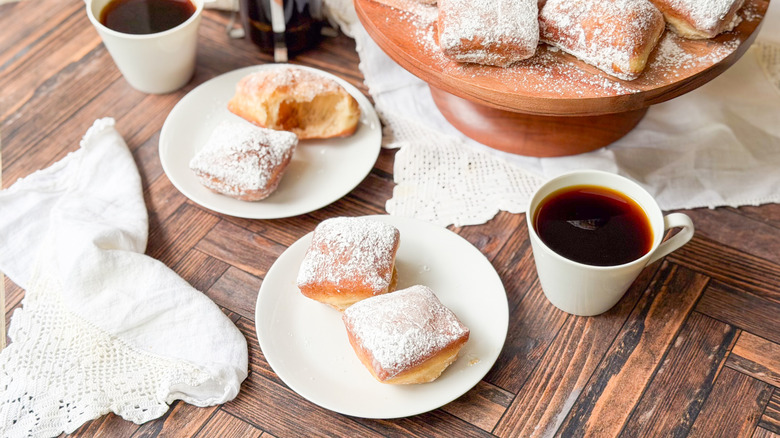
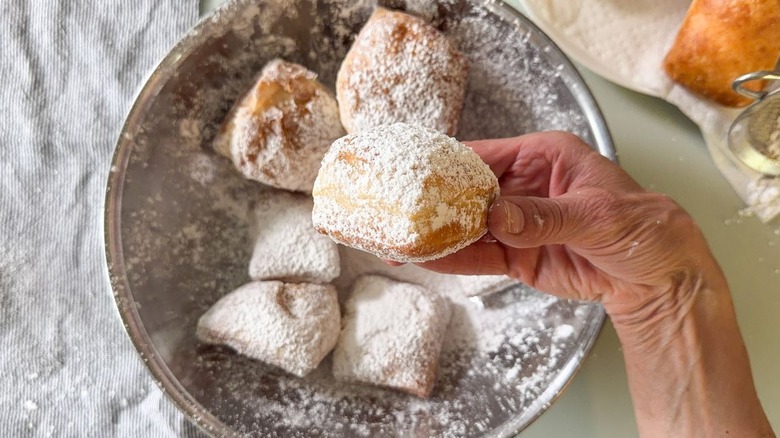
If you have ever had the delicious and entertaining pleasure of visiting Café du Monde in New Orleans' French Quarter, then you understand the art of the beignet. Crispy on the outside, soft and pillowy on the inside, not too sweet (until doused with a healthy amount of powdery confectioner's sugar), and served hot with a side of chicory coffee. Beignets are a New Orleans treasure, but likely have their roots as far back as Roman times. Beignets became a fixture of France in the 1600s, finally reaching Louisiana settlements via colonists in the 1700s. Beignet purists (like Café du Monde) still utilize a traditional and time-honored recipe. I have taken the liberty of making my own edits to classic sugar-coated beignets, using raw cane sugar for extra flavor and bread flour to boost the airy structure of the dough.
Beignets may seem intimidating to take on at home, but if you have a little bit of time and patience, the reward of having your own freshly fried beignets is more than worth it. The beignet dough is very forgiving and easy to work with, and once you master the fry, you will be hooked. Just be sure to have some chicory-laden coffee brewing to accompany your freshly fried treats.
Gather the classic sugar-coated beignets ingredients
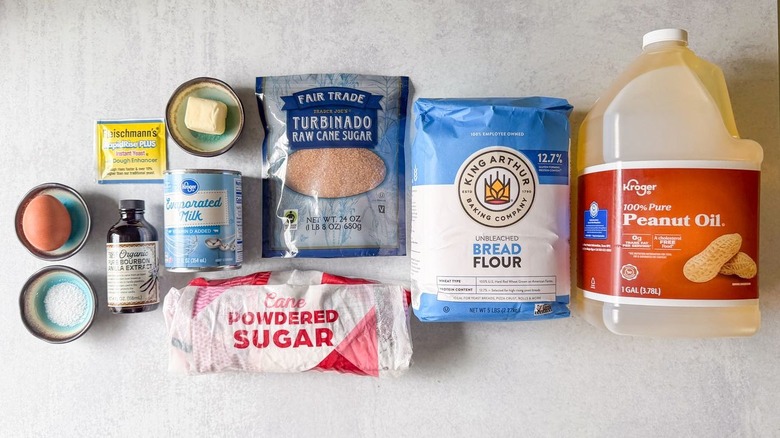
To make your classic sugar-coated beignets, you will start by creating a yeast dough. I like using rapid-rise yeast (the most rapid-rise you can find), as it causes the dough to proof quickly on the first rise, then leads to extra-puffy and pillowy beignets once they start to rise again after you cut them. You will use turbinado sugar (raw cane sugar) to "feed" the yeast in the proofing process, as well as to add a caramel sweetness to the dough. Most traditional beignet recipes call for white granulated sugar, but I like the depth that the turbinado adds. This type of sugar has a larger crystal, however, so give it time to dissolve in the warm water. Egg, evaporated milk, unsalted butter, and vanilla extract also enrich the dough. Why use evaporated milk? This canned milk has a lower water content, so it adds less moisture to the dough (old pastry chef trick). It also has a richer and creamier flavor than fresh milk, and beignets are all about being rich! Bread flour is the secret weapon for successful beignets, however. Bread flour has a high protein content (12-14%) compared to all-purpose, which leads to a chewier, more structured beignet. The higher gluten content in the bread flour helps to keep the pillowy structure intact even after the beignets have been fried in peanut oil. The last (and most fun) step requires confectioner's sugar for dusting and coating the freshly cooked beignets.
Step 1: Add warm water to a mixer bowl
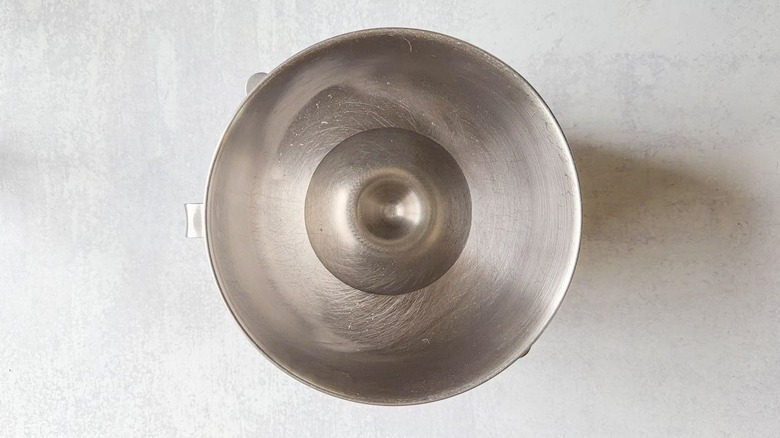
Pour ¾ cup very warm water into a stand mixer bowl.
Step 2: Add the sugar and yeast
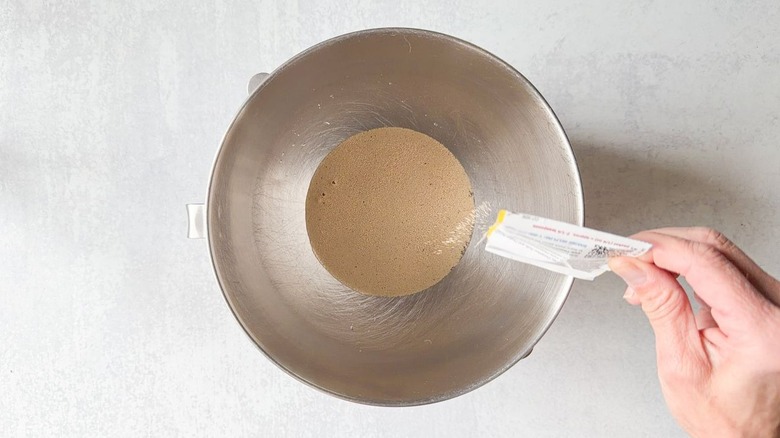
Add 1 teaspoon raw sugar and then sprinkle on the yeast.
Step 3: Proof the yeast
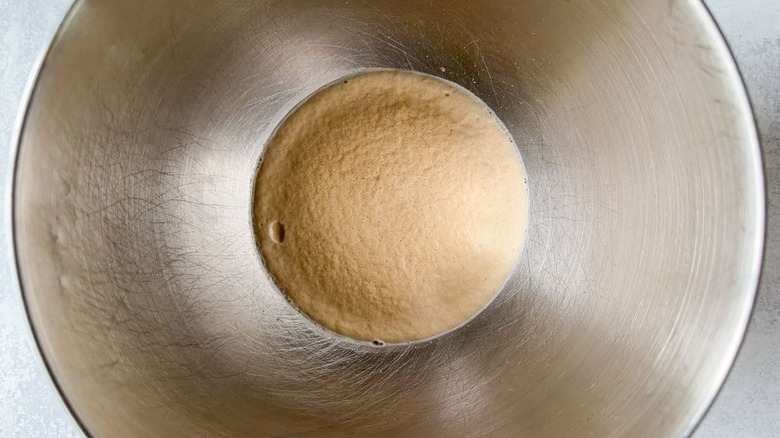
Let the mixture stand for about 10 minutes until the yeast creates a thick, foamy layer on top.
Step 4: Add the evaporated milk, egg, sugar, and vanilla
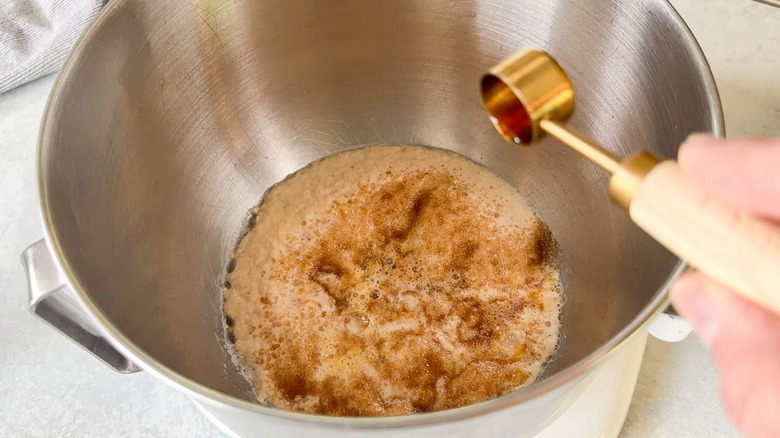
Add the evaporated milk, egg, ¼ cup raw sugar, and vanilla extract to the yeast mixture.
Step 5: Mix on low to dissolve the sugar
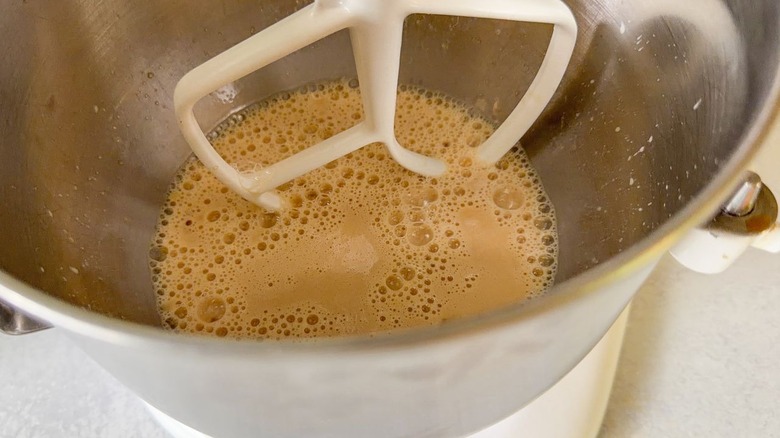
Using a paddle attachment, mix on low for about 1 minute to fully dissolve the sugar.
Step 6: Switch to the dough hook
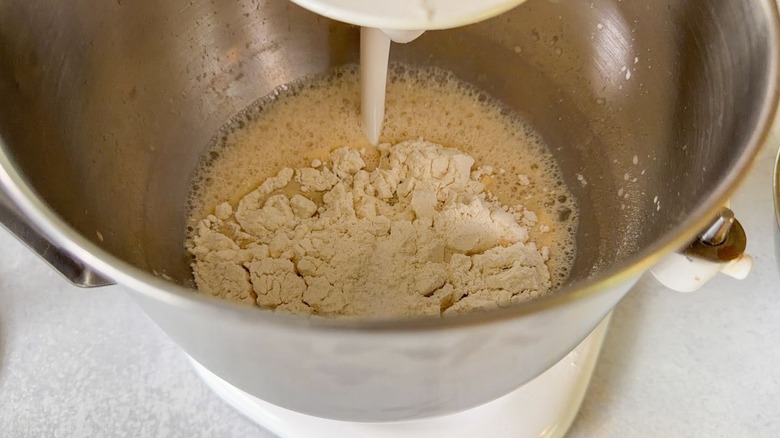
Switch to the dough hook and add the salt and 1 cup of the bread flour.
Step 7: Continue to add flour and mix
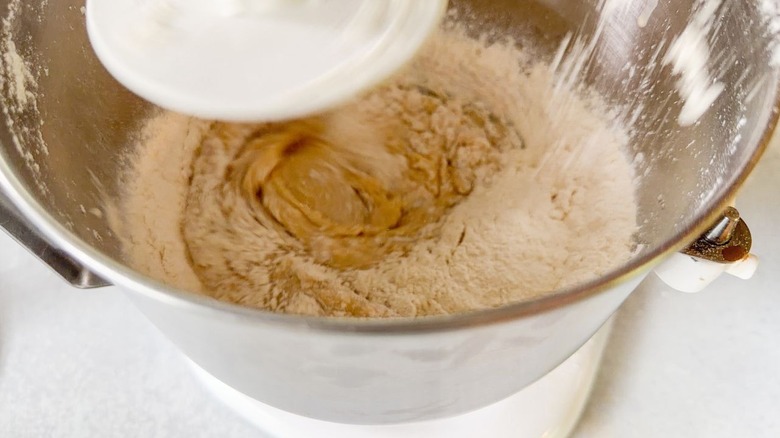
Mix on low speed until most of the flour is incorporated, then continue to add the remaining flour 1 cup at a time, setting aside ¼ cup for rolling out the dough.
Step 8: Add the butter in small pieces
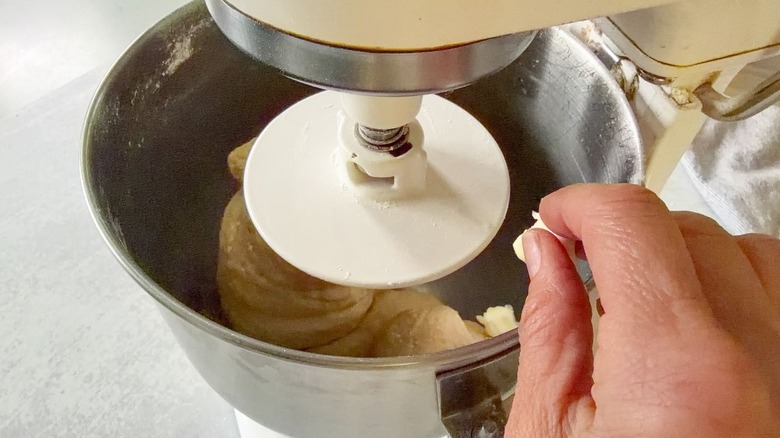
Once the flour has been incorporated, add the butter in small pieces, allowing each piece to be mixed into the dough before adding the next.
Step 9: Finish kneading the dough and shape it into a ball
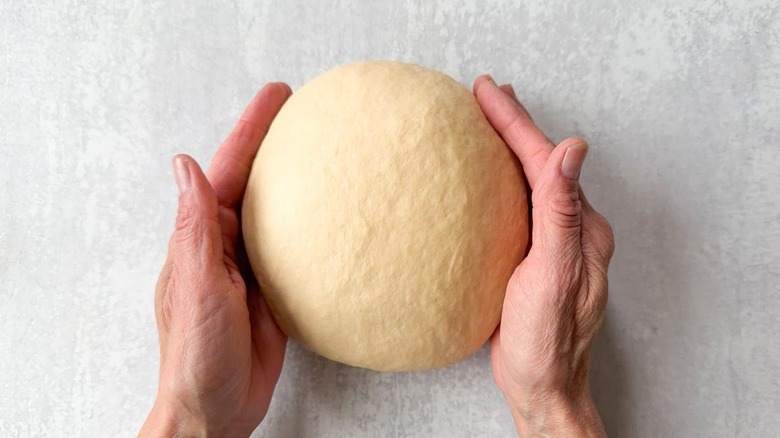
Knead the dough on medium-low speed for 3-4 minutes until it is smooth, then remove the dough from the mixer bowl and shape it into a smooth ball.
Step 10: Oil the mixer bowl and add the dough
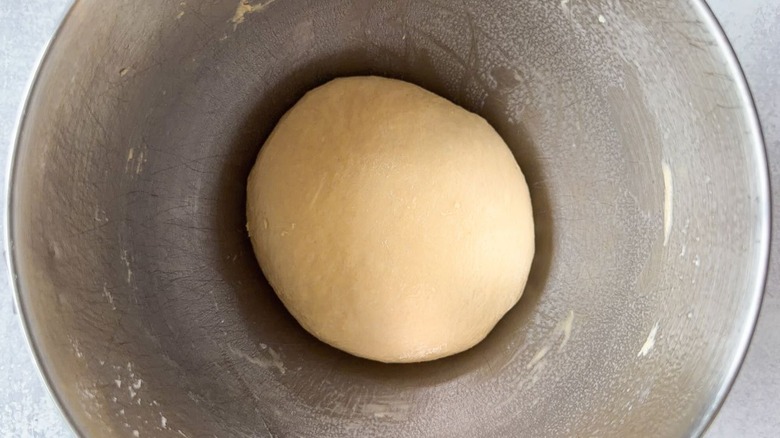
Use a small amount of the peanut oil to oil the mixer bowl and add the dough, turning to coat.
Step 11: Cover the dough
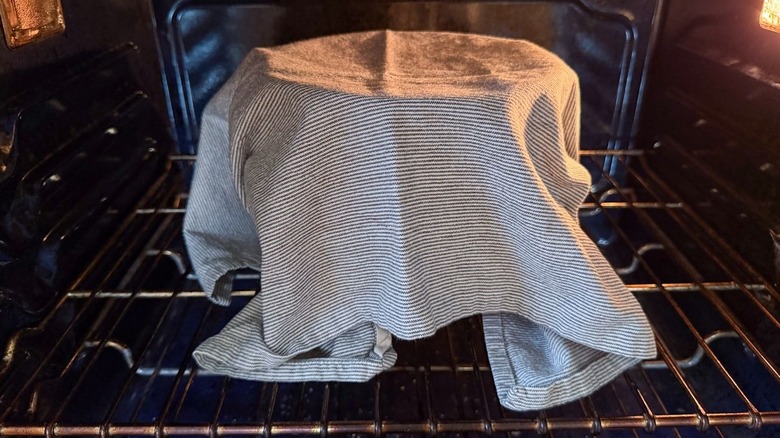
Cover the dough with a layer of plastic and a kitchen towel, then place in a warm, draft-free spot (like the inside of a turned-off oven).
Step 12: Let the dough rise until doubled
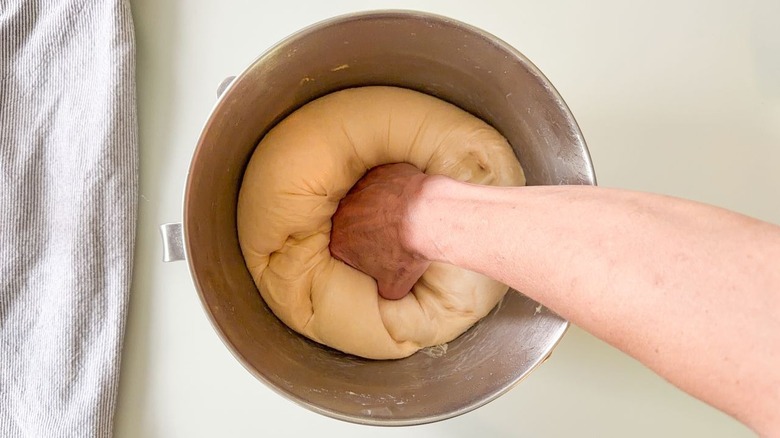
Let the dough rise until doubled (about 1 ½ hours), then punch it down to release the gases.
Step 13: Divide the dough into 2 pieces
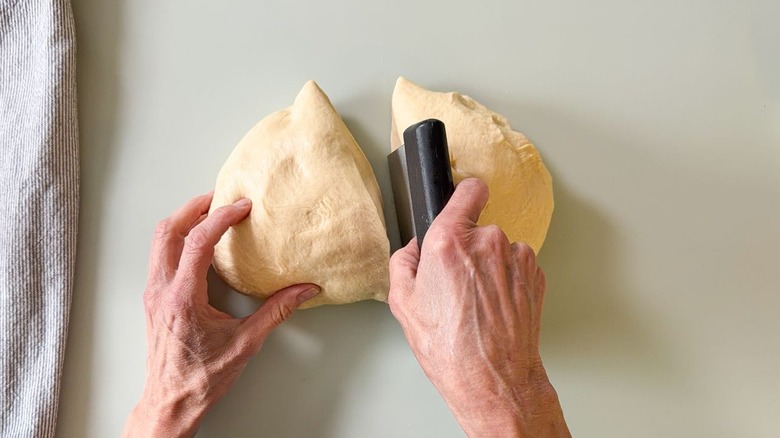
Divide the dough into 2 pieces.
Step 14: Roll out 1 piece of dough
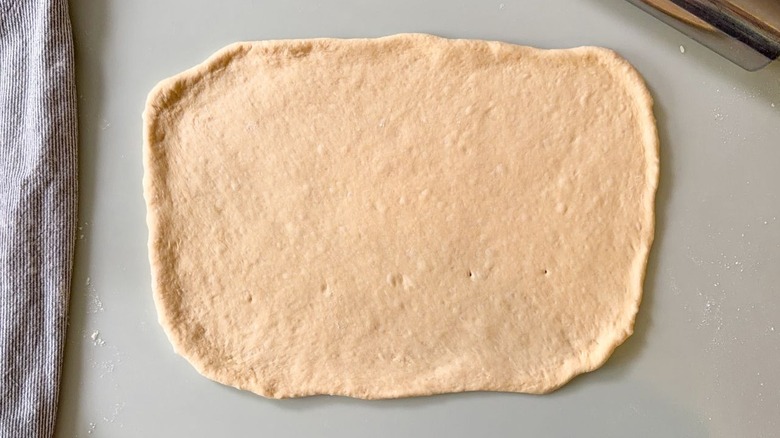
Cover 1 piece with plastic or a towel and roll the other piece into a rectangle about ¼-inch thick on a surface dusted with some of the remaining flour.
Step 15: Cut the dough into squares
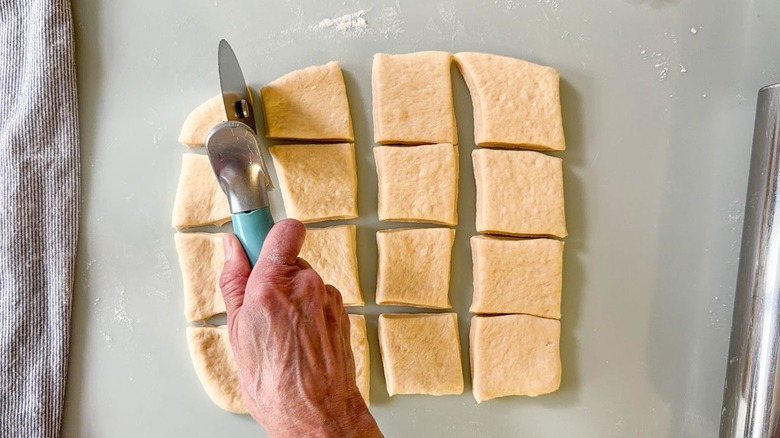
Use a pizza cutter to cut the dough into 2-inch squares.
Step 16: Repeat with the second piece of dough
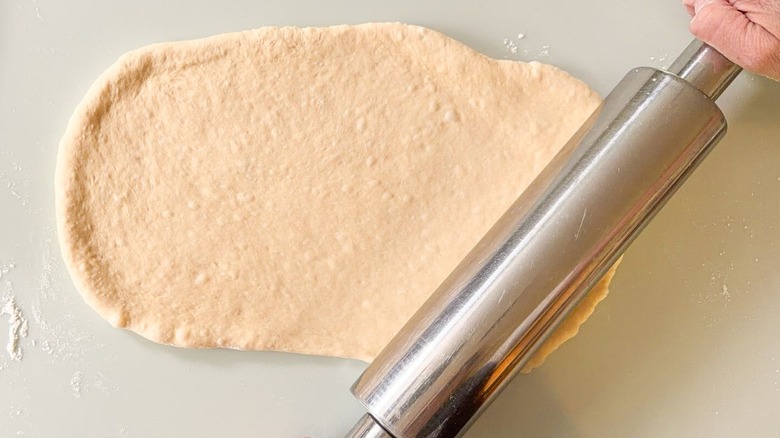
Cover the squares and repeat the process with the other piece of dough.
Step 17: Heat the peanut oil to 360 F
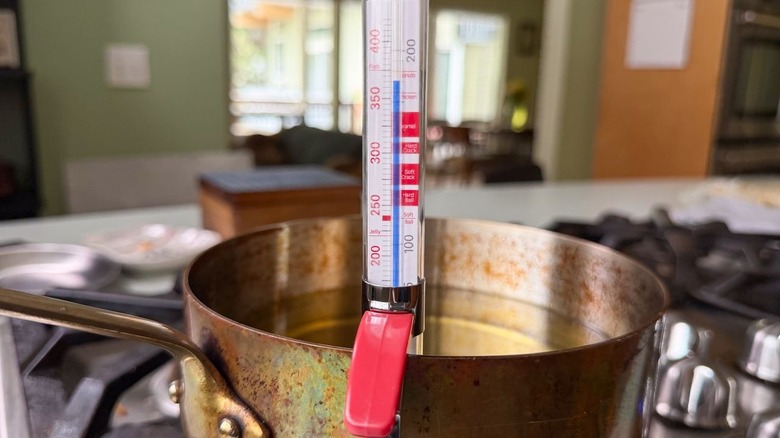
Heat about 2 inches of peanut oil to 360 F in a deep, heavy pot or Dutch oven.
Step 18: Start cooking the dough squares
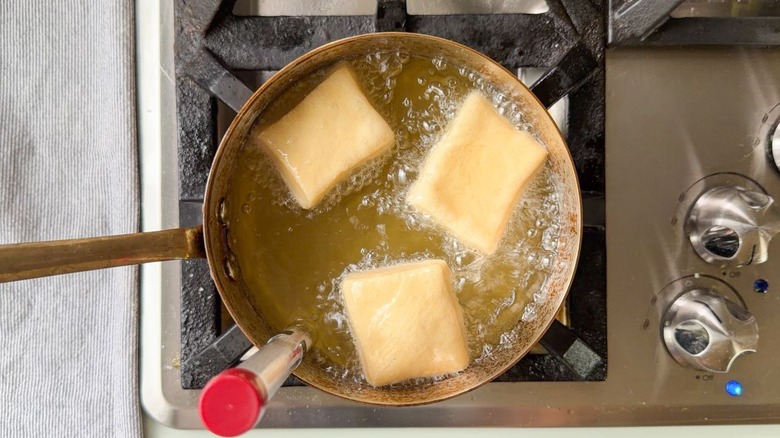
Once the oil is hot, add 3-4 dough squares (depending on the size of your pot) and cook for about a minute until golden brown.
Step 19: Flip the beignets
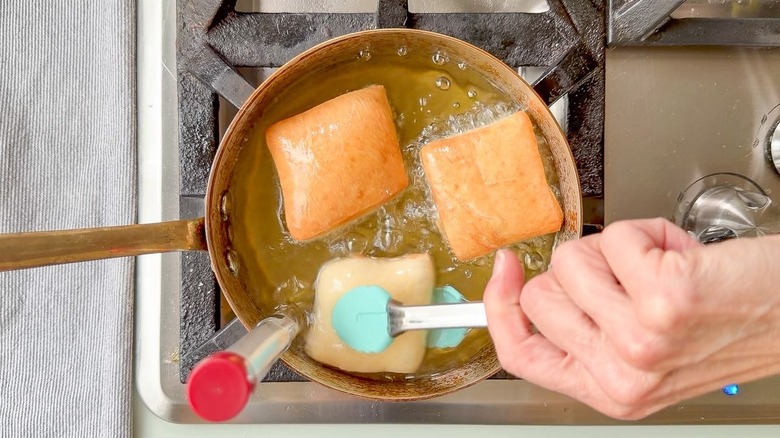
Use tongs or a slotted spoon to flip the beignets and cook on the other side for an additional minute until evenly browned.
Step 20: Remove the beignets with a slotted spoon
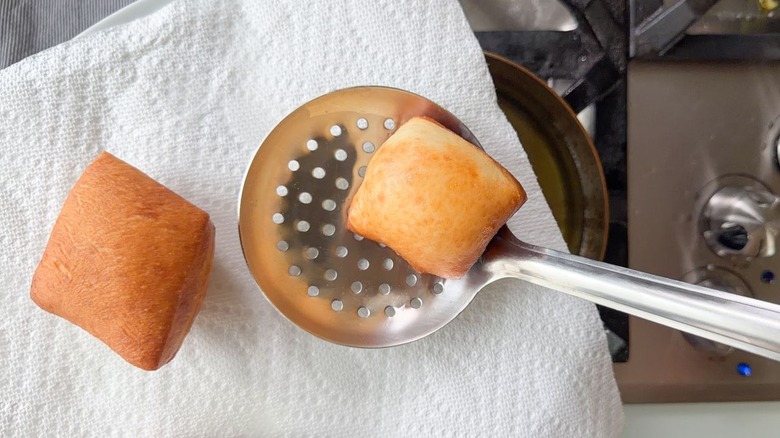
Use a slotted spoon to remove the beignets from the hot oil and transfer them to a paper towel-lined plate or platter.
Step 21: Repeat with the remaining dough
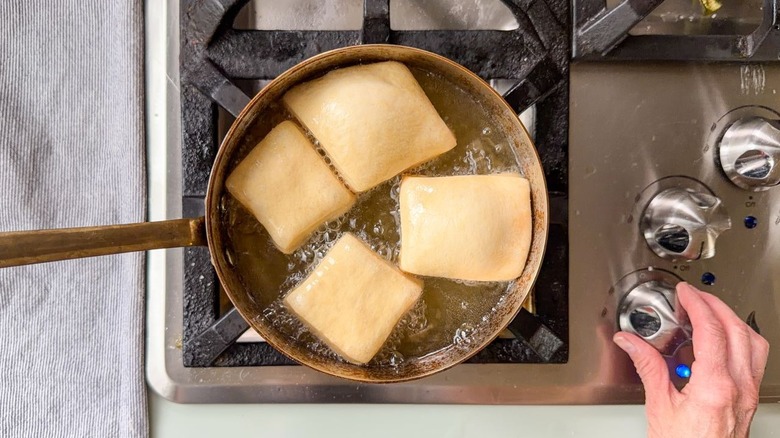
Repeat with the remaining dough, making sure that the oil temperature stays consistent.
Step 22: Toss the beignets in the confectioner's sugar
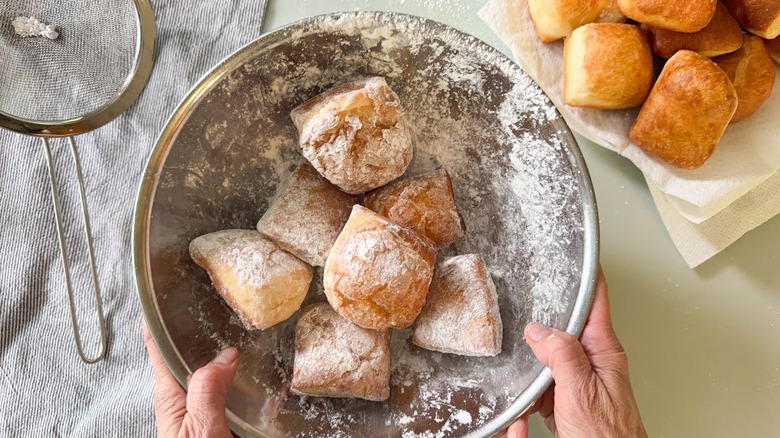
While the beignets are still slightly warm, toss them with some of the confectioner's sugar in batches.
Step 23: Dust the beignets with confectioner's sugar
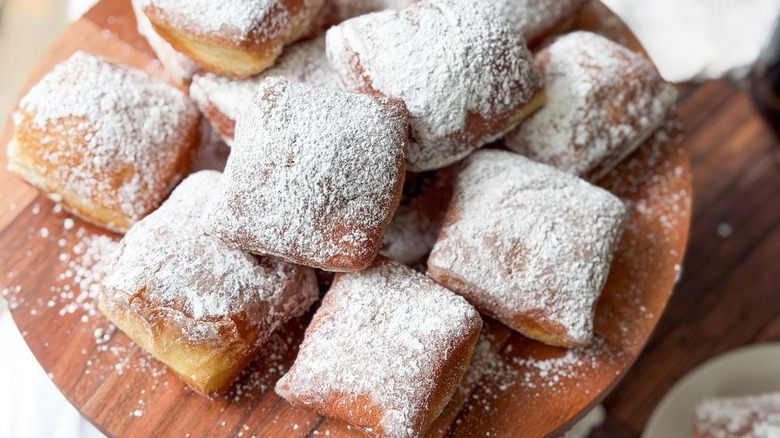
Transfer the beignets to a platter and dust with additional confectioner's sugar.
Step 24: Serve the classic sugar-coated beignets
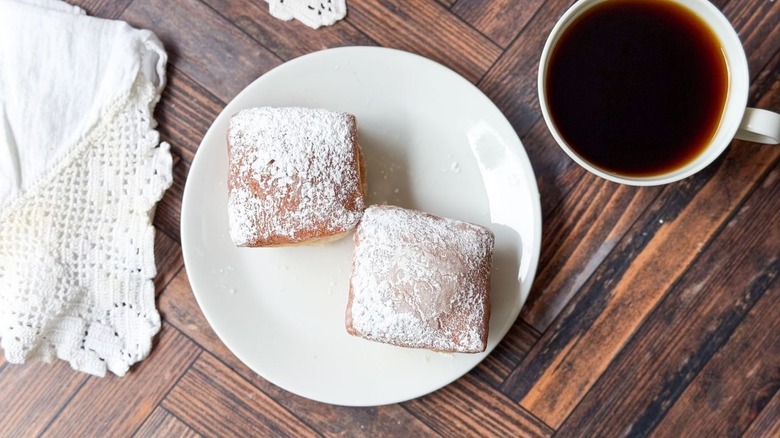
Serve the sugar-coated beignets immediately.
What can I serve with a beignet?
Classic Sugar-Coated Beignets Recipe
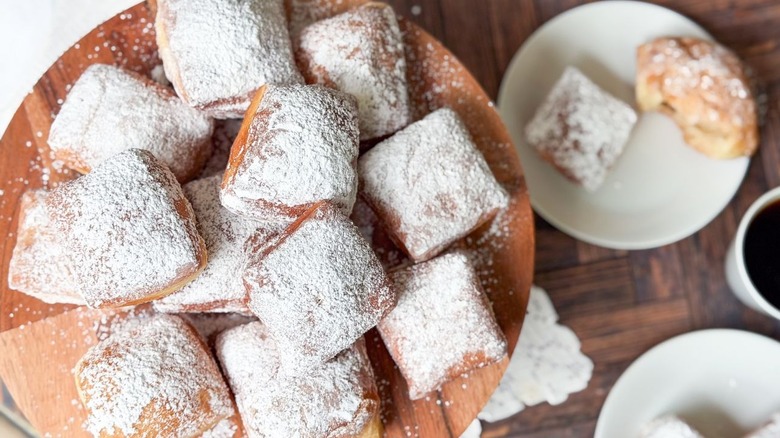
Our classic beignets, which are light and tender inside, crispy on the outside, and a little sweet from a dusting of sugar, will transport you to New Orleans.
Ingredients
- ¼ cup plus 1 teaspoon raw cane sugar, divided
- 1 packet rapid-rise active dry yeast
- ½ cup evaporated milk
- 1 large egg, whisked
- 1 teaspoon vanilla extract
- ½ teaspoon sea salt
- 4 cups bread flour, divided
- 2 tablespoons unsalted butter, room temperature
- Peanut oil, for frying
- 2 cups sifted confectioner’s sugar
Directions
- Pour ¾ cup very warm water into a stand mixer bowl.
- Add 1 teaspoon raw sugar and then sprinkle on the yeast.
- Let the mixture stand for about 10 minutes until the yeast creates a thick, foamy layer on top.
- Add the evaporated milk, egg, ¼ cup raw sugar, and vanilla extract to the yeast mixture.
- Using a paddle attachment, mix on low for about 1 minute to fully dissolve the sugar.
- Switch to the dough hook and add the salt and 1 cup of the bread flour.
- Mix on low speed until most of the flour is incorporated, then continue to add the remaining flour 1 cup at a time, setting aside ¼ cup for rolling out the dough.
- Once the flour has been incorporated, add the butter in small pieces, allowing each piece to be mixed into the dough before adding the next.
- Knead the dough on medium-low speed for 3-4 minutes until it is smooth, then remove the dough from the mixer bowl and shape it into a smooth ball.
- Use a small amount of the peanut oil to oil the mixer bowl and add the dough, turning to coat.
- Cover the dough with a layer of plastic and a kitchen towel, then place in a warm, draft-free spot (like the inside of a turned-off oven).
- Let the dough rise until doubled (about 1 ½ hours), then punch it down to release the gases.
- Divide the dough into 2 pieces.
- Cover 1 piece with plastic or a towel and roll the other piece into a rectangle about ¼-inch thick on a surface dusted with some of the remaining flour.
- Use a pizza cutter to cut the dough into 2-inch squares.
- Cover the squares and repeat the process with the other piece of dough.
- Heat about 2 inches of peanut oil to 360 F in a deep, heavy pot or Dutch oven.
- Once the oil is hot, add 3-4 dough squares (depending on the size of your pot) and cook for about a minute until golden brown.
- Use tongs or a slotted spoon to flip the beignets and cook on the other side for an additional minute until evenly browned.
- Use a slotted spoon to remove the beignets from the hot oil and transfer them to a paper towel-lined plate or platter.
- Repeat with the remaining dough, making sure that the oil temperature stays consistent.
- While the beignets are still slightly warm, toss them with some of the confectioner’s sugar in batches.
- Transfer the beignets to a platter and dust with additional confectioner’s sugar.
- Serve the sugar-coated beignets immediately.
Nutrition
| Calories per Serving | 146 |
| Total Fat | 6.0 g |
| Saturated Fat | 1.5 g |
| Trans Fat | 0.0 g |
| Cholesterol | 8.9 mg |
| Total Carbohydrates | 20.4 g |
| Dietary Fiber | 0.5 g |
| Total Sugars | 7.8 g |
| Sodium | 36.9 mg |
| Protein | 2.6 g |

What is the history behind beignets, and how are they usually served?
We know that beignet-like fried doughs may have ties to ancient Rome or the Middle East, but it was a group of French settlers in Canada known as the Acadians who eventually migrated south into the region of Louisiana, bringing their version of the beignet with them. Fun fact — the Acadians eventually became known as the Cajuns, and they abandoned the original French choux pastry dough for a chewier yeast-based version. This major alteration to the original recipe stuck, and French Quarter beignets have stayed true ever since.
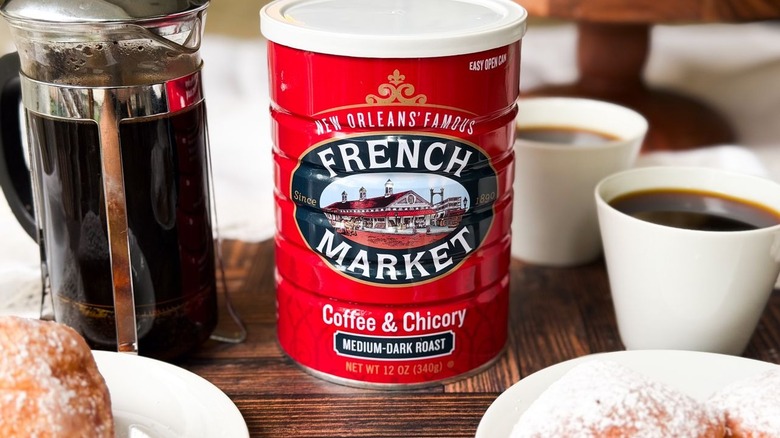
Beignets can be enjoyed for breakfast, brunch, or dessert, but they are always best paired with coffee — especially chicory coffee. Coffee shortages during the Civil War led the people of New Orleans to utilize roasted and ground chicory root as a breakfast brew. As with the traditional preparation of beignets, the use of chicory blended with or as a substitute for coffee also stuck around. Today, eating beignets with coffee in New Orleans is an all-day endeavor of the most delicious kind.
Are there substitutions I can make in this beignet recipe?
If substitutions become necessary in this well-tested recipe, you have a few options, starting with the flour. Bread flour gives the beignets the extra structure they need to stay puffed and airy during and after frying. In a pinch, all-purpose flour can be substituted. You may need to adjust the amount of flour used in conjunction with the liquids, as the absorption will vary. For the milk, you may substitute whole milk for the evaporated, but the same considerations apply. Whole milk will have a higher water content, so you may find you need to add a little bit of extra flour to prevent the dough from being sticky. Lastly, if turbinado is not something you have or want to have on hand, granulated sugar will work just fine.
Some establishments like to push the boundaries with beignets, making savory versions stuffed with crab or sweet ones with fruit or chocolate fillings. If you want to add to your beignets in this matter, just remember that it will be difficult to maintain the crisp exterior once they are filled. For a simpler addition, you can also try flavoring the dough with herbs or spices, or use different types of extracts in sweet preparations.