

Kimchi Mac And Cheese Recipe
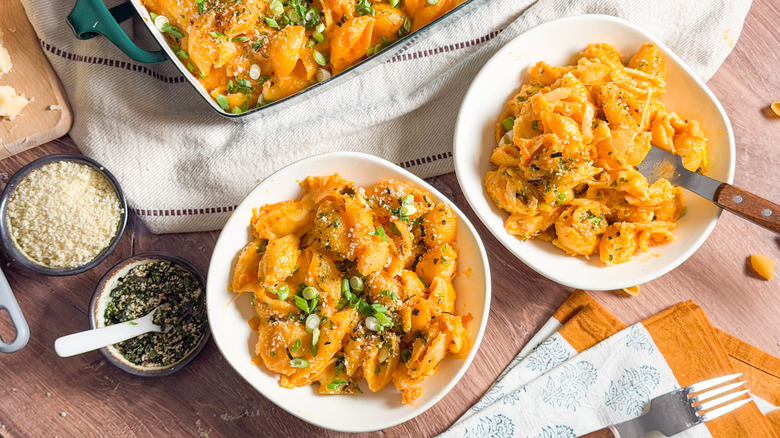
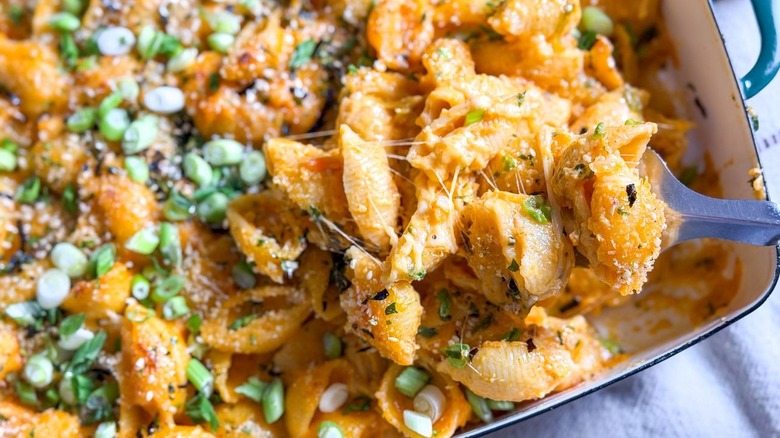
Mac and cheese is unrivaled as a comfort food. With tender, chewy pasta, creamy sauce, and the best balance of salty, tangy cheese with hints of butter and milk, this dish evokes childhood memories, is a fixture at family gatherings, and is also a dreamy template for adding layers of texture and flavor. This kimchi mac and cheese from recipe developer Julie Kinnaird is a sophisticated twist on baked shells and cheese, with punchy cabbage kimchi, zesty gochujang paste, and a crispy panko and furikake topping. Kinnaird uses a blend of tangy sharp cheddar and mellow smoked Gouda to play against the bold flavors of the kimchi. Whole-milk mozzarella is layered in for a wonderful stretchy cheese effect, and nutty Parmesan finishes out a four-cheese harmony.
To build complexity in the flavors of this recipe, Kinnaird starts by caramelizing the kimchi and gochujang paste with a bit of sugar. This adds some extra richness, a touch of sweetness for balance, and also reduces extra moisture from the cabbage. The kimchi is first strained and the reserved brine is used to flavor the cheese sauce, which starts with a simple roux to create a creamy texture. The blend of seaweed and sesame in the furikake seasoning is a surprisingly delicious pairing to the homey essence of mac and cheese.
Gather the kimchi mac and cheese ingredients
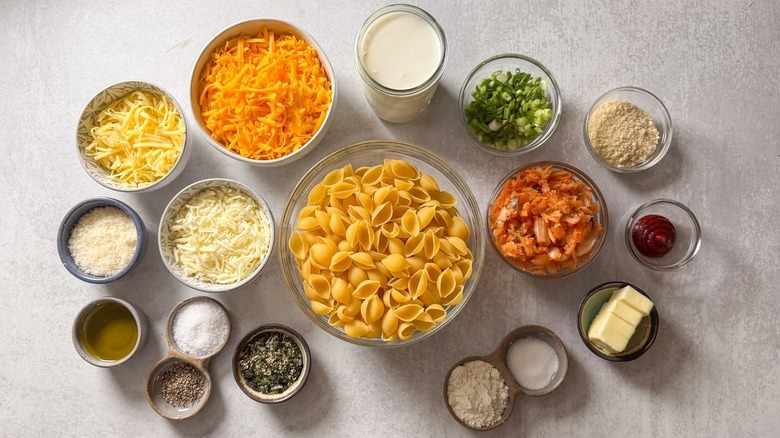
For the "mac" part of this recipe, Kinnaird likes using a medium shell pasta but says that any small chunky style (cavatappi, fusilli, or a sturdy elbow macaroni) will hold up well to the texture of the kimchi. When choosing a kimchi to use in this recipe, Kinnaird advises using a fresh variety from your local grocer or Asian market, or you can be ambitious and make your own. If using jarred kimchi, look for an established Korean brand for better flavor and quality. You will need some olive oil for preparing the baking dish and for tossing with your cooked pasta. Unsalted butter is used both for sauteing the kimchi and gochujang paste with a bit of granulated sugar, as well as for making a roux with all-purpose flour to thicken the whole milk and cheese sauce. Kinnaird likes how a blend of sharp cheddar and smoked gouda pair up with the tangy flavors of the kimchi. She also adds a "surprise" layer of shredded whole milk mozzarella in the center of the baked pasta. The mac and cheese is baked with a sprinkle of grated Parmesan, panko bread crumbs, and furikake. Sliced scallions add a fresh bite and crunch as a garnish for serving. Kosher salt and freshly ground black pepper are used for seasoning throughout.
Step 1: Preheat the oven
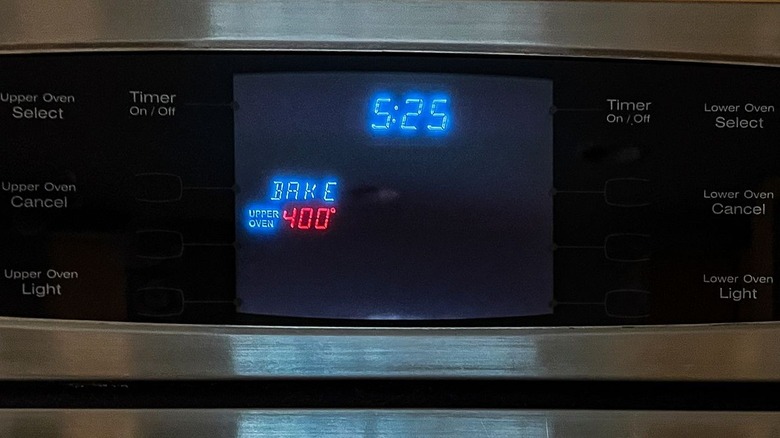
Preheat the oven to 400 F.
Step 2: Oil a baking dish
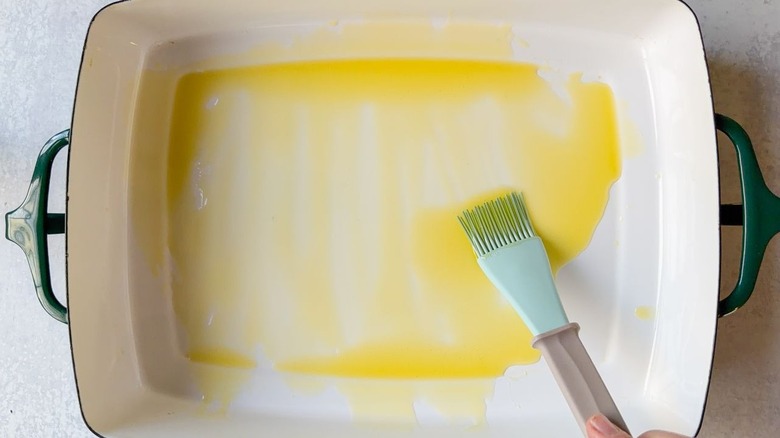
Oil a 13 x 9-inch baking dish with 2 tablespoons of olive oil.
Step 3: Bring a pot of water to a boil
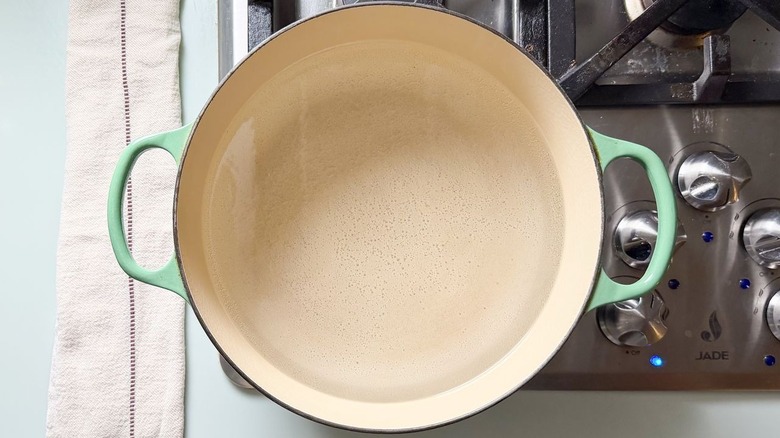
Bring a large, heavy pot of water and 1 tablespoon kosher salt to a boil.
Step 4: Cook the pasta
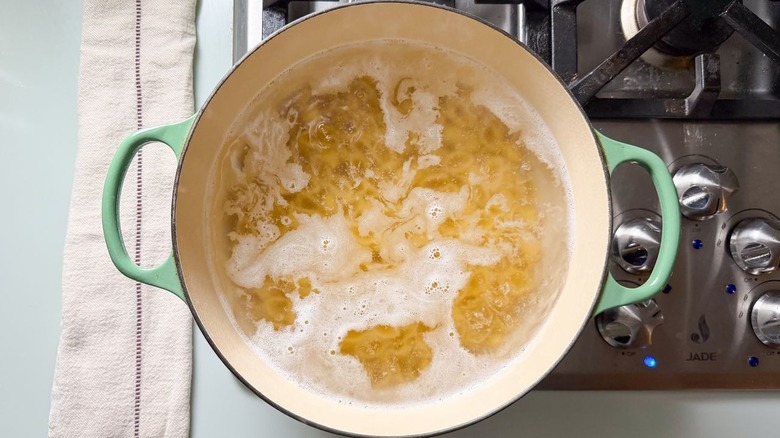
Add the pasta and cook according to package directions until just al dente.
Step 5: Drain and rinse the pasta
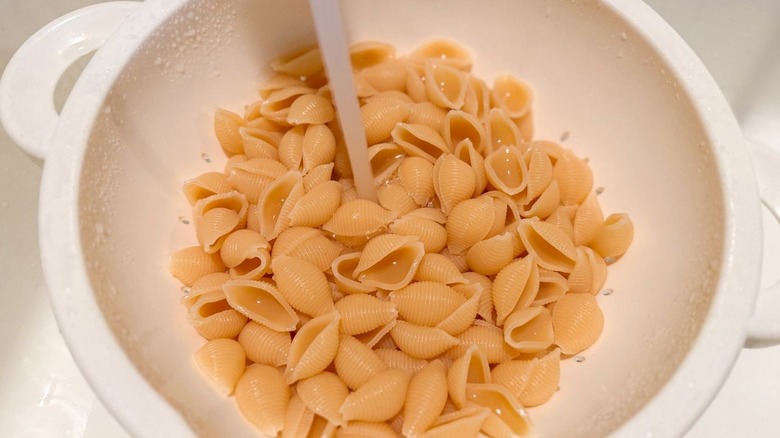
Drain the pasta and rinse briefly with cold water.
Step 6: Toss the pasta with olive oil
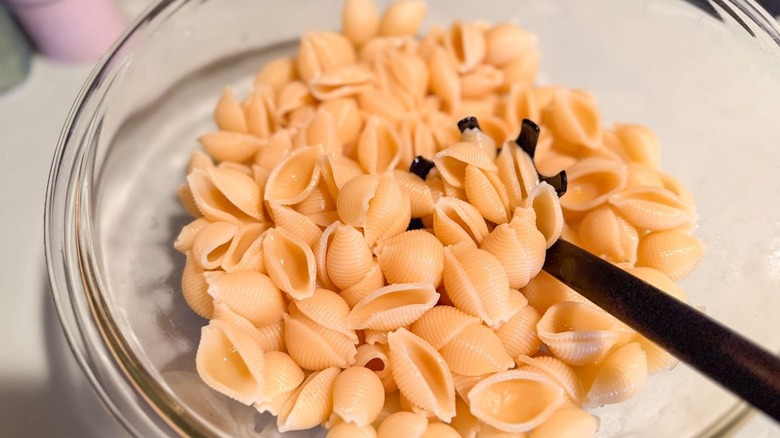
Transfer the pasta to a bowl and toss to coat it with the remaining olive oil. Set it aside.
Step 7: Melt 2 tablespoons of butter
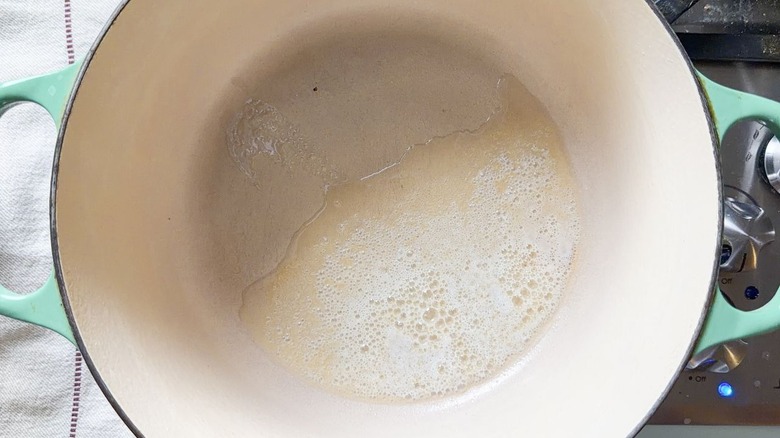
Return the pot to medium-high heat and add 2 tablespoons of butter.
Step 8: Add the kimchi, gochujang, and sugar
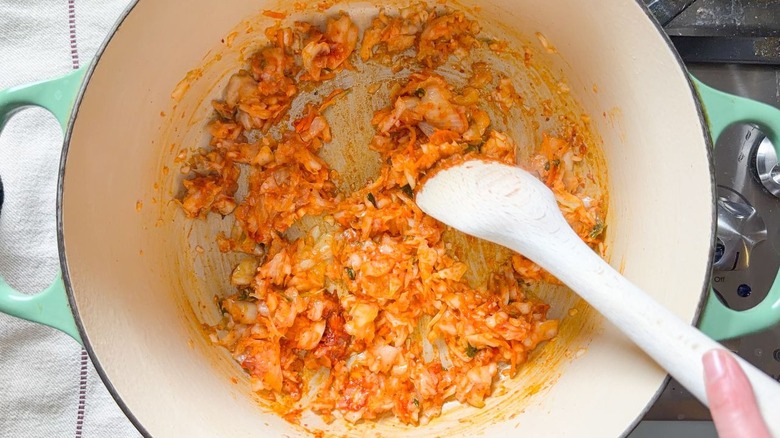
Once the butter has melted, add the chopped and drained kimchi, gochujang paste, and sugar, and cook and stir until the kimchi starts to caramelize (about 2 minutes).
Step 9: Remove the caramelized kimchi from the pot
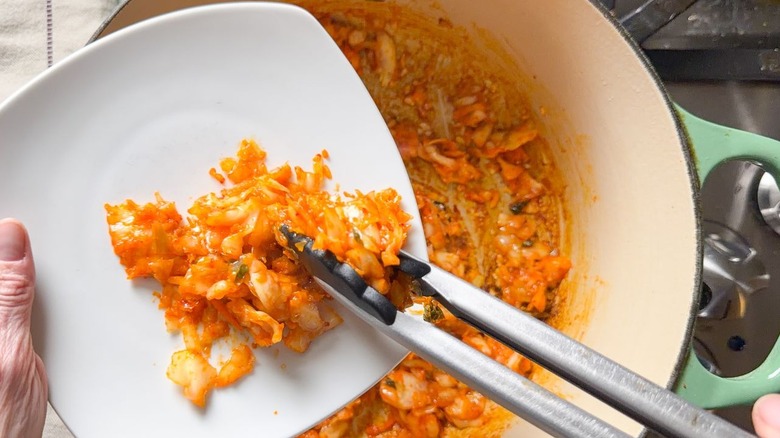
Turn off the heat and remove the kimchi from the pot to a plate and set aside.
Step 10: Add the remaining butter to the pot
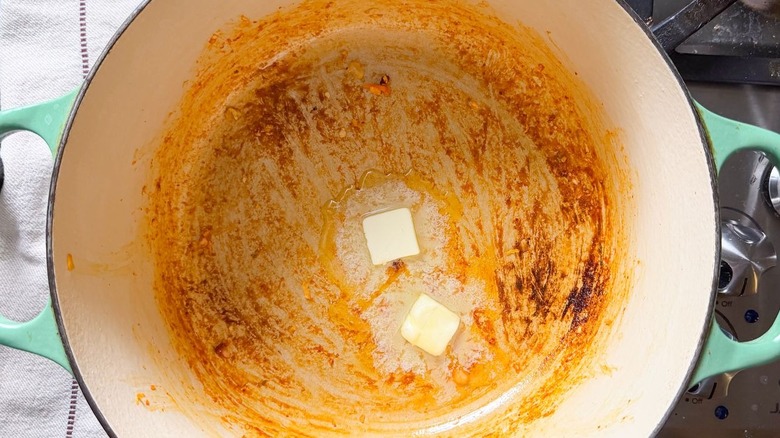
Add the remaining butter to the pot over medium heat.
Step 11: Whisk in the flour
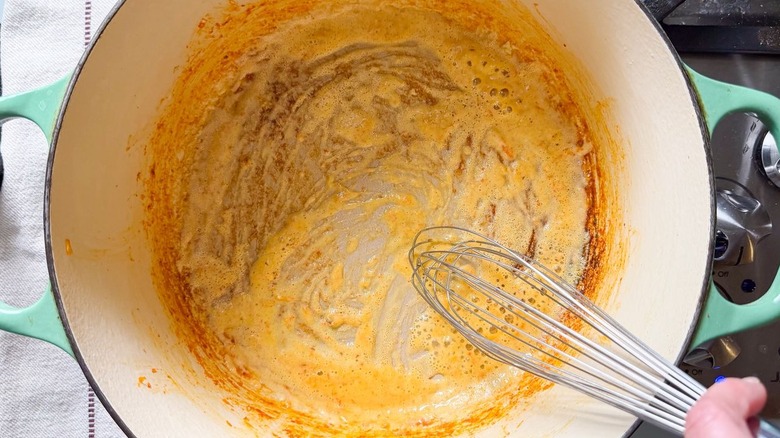
Once the butter has melted, whisk in the flour and cook for 1 minute.
Step 12: Add the milk, pepper, and remaining salt
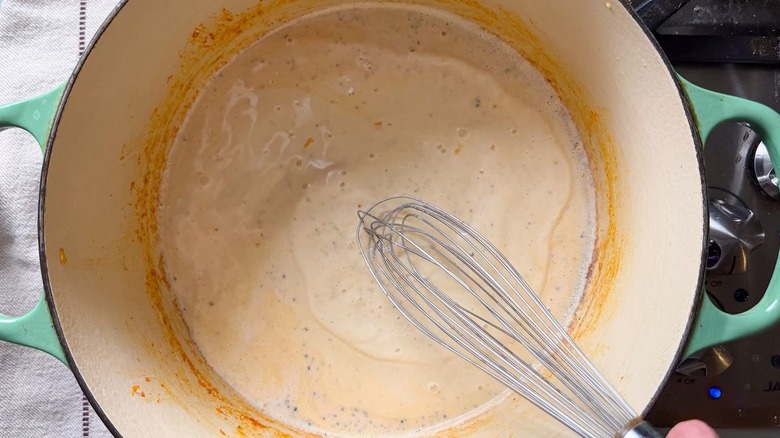
Slowly whisk in the milk, black pepper, and remaining teaspoon salt.
Step 13: Cook until the sauce thickens
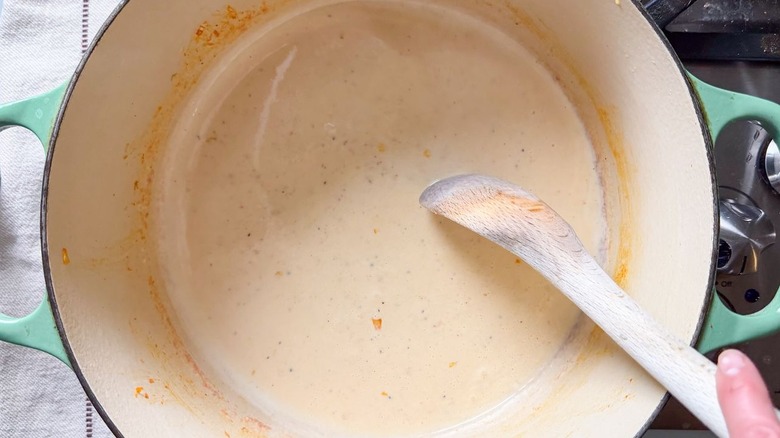
Cook, stirring constantly, until the sauce thickens.
Step 14: Add the cheddar, gouda, and kimchi juices
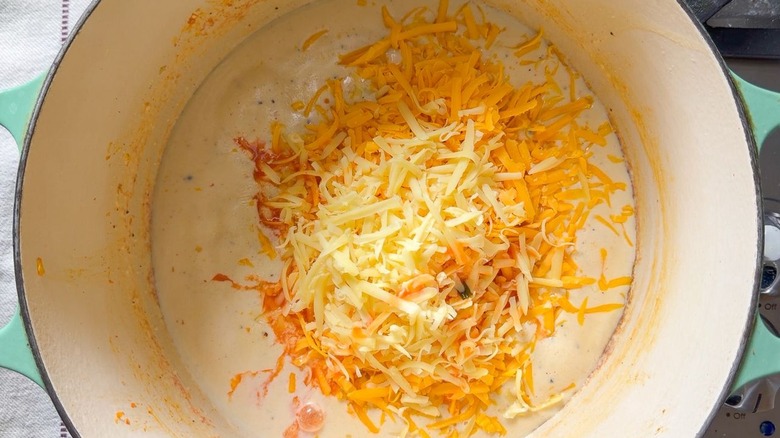
Stir in the sharp cheddar, smoked Gouda, and reserved kimchi juices until melted and smooth.
Step 15: Add the caramelized kimchi and cooked shells
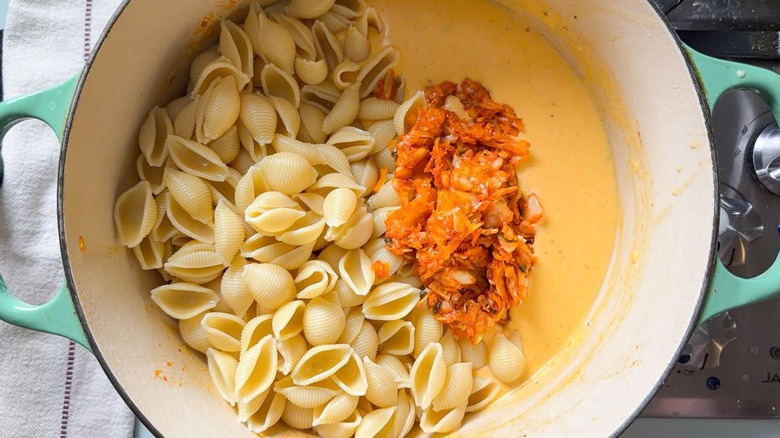
Turn off the heat and add back in the sauteed kimchi and cooked shells, stirring to coat evenly.
Step 16: Transfer half of the pasta to the prepared pan
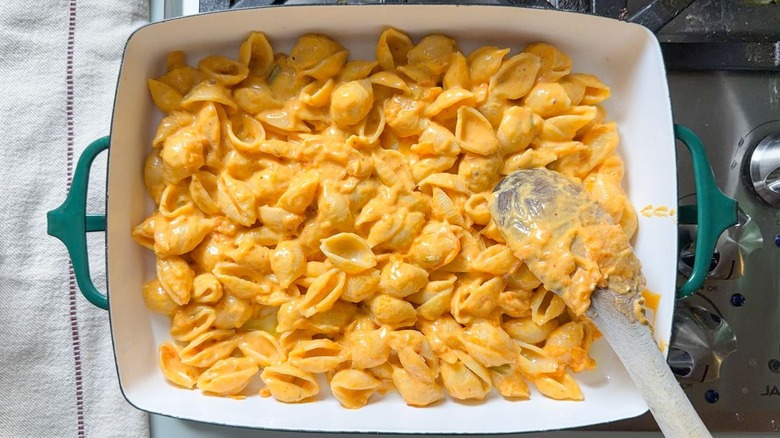
Transfer half of the pasta to the prepared pan.
Step 17: Add the mozzarella
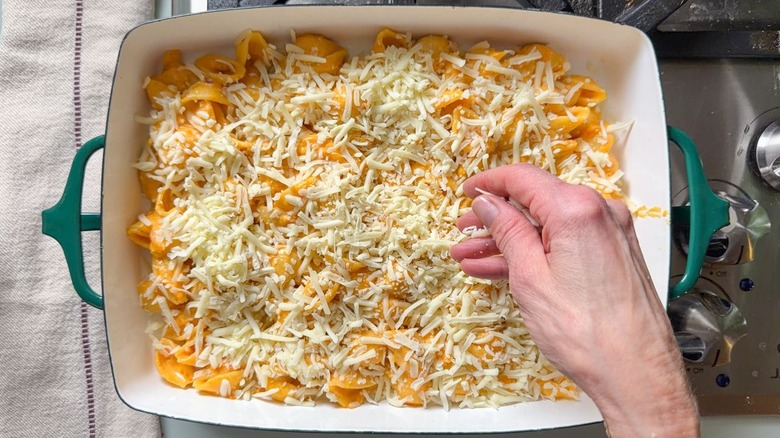
Sprinkle on the mozzarella in an even layer.
Step 18: Finish the dish
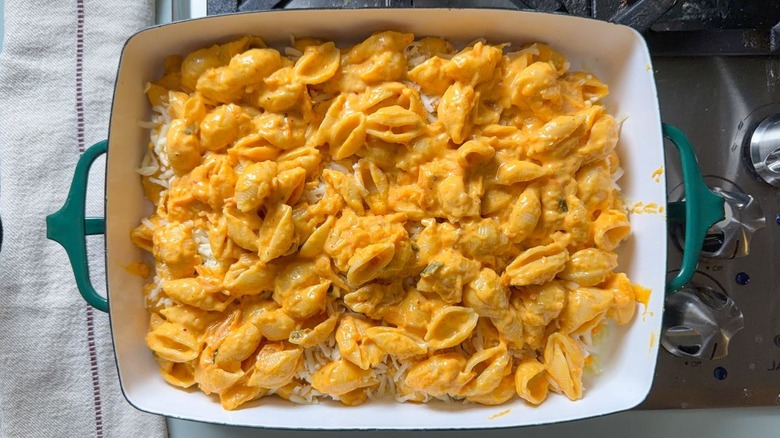
Top with the remaining pasta.
Step 19: Sprinkle on panko, Parmesan, and furikake
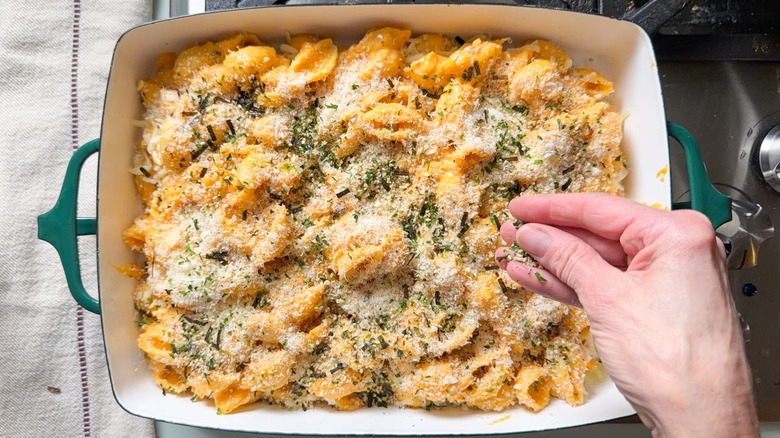
Sprinkle on the Parmesan, panko, and furikake.
Step 20: Bake the mac and cheese
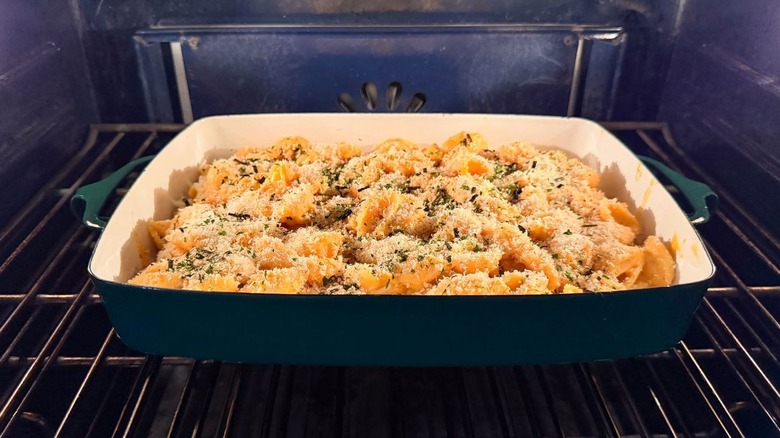
Bake the pasta for 15 minutes until it's bubbly and the panko is golden.
Step 21: Top with the scallions
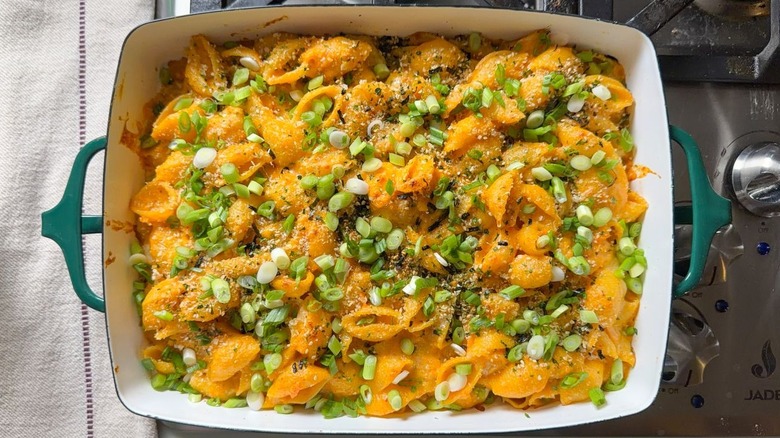
Remove from the oven and top with the scallions.
Step 22: Serve the kimchi mac and cheese
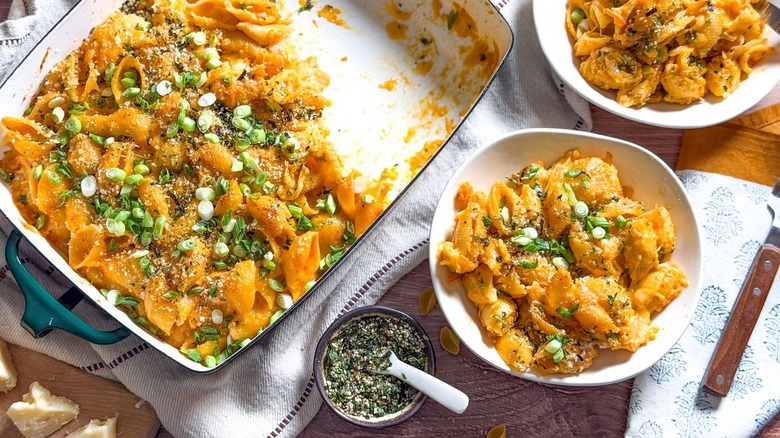
Serve and enjoy.
What pairs well with mac and cheese?
Kimchi Mac And Cheese Recipe
This kimchi mac and cheese is a sophisticated twist on baked shells and cheese, with punchy cabbage kimchi, zesty gochujang paste, and 4 kinds of cheese.
Ingredients
- 4 tablespoons olive oil, divided
- 1 tablespoon plus 1 teaspoon kosher salt, divided
- 1 pound medium shell pasta
- 4 tablespoons unsalted butter, divided
- 1 ½ cups drained and chopped kimchi, juices reserved
- 1 tablespoon gochujang paste
- 1 teaspoon granulated sugar
- 2 tablespoons all-purpose flour
- 2 ½ cups whole milk, room temperature
- ½ teaspoon freshly ground black pepper
- 2 cups (8-ounces) shredded sharp cheddar
- 1 cup (4-ounces) shredded smoked Gouda
- 1 ½ cups (6 ounces) shredded whole milk mozzarella
- ¼ cup finely grated Parmesan
- ¼ cup panko
- 2 tablespoons furikake
- ½ cup thinly sliced scallions
Directions
- Preheat the oven to 400 F.
- Oil a 13 x 9-inch baking dish with 2 tablespoons of olive oil.
- Bring a large, heavy pot of water and 1 tablespoon kosher salt to a boil.
- Add the pasta and cook according to package directions until just al dente.
- Drain the pasta and rinse briefly with cold water.
- Transfer the pasta to a bowl and toss to coat it with the remaining olive oil. Set it aside.
- Return the pot to medium-high heat and add 2 tablespoons of butter.
- Once the butter has melted, add the chopped and drained kimchi, gochujang paste, and sugar, and cook and stir until the kimchi starts to caramelize (about 2 minutes).
- Turn off the heat and remove the kimchi from the pot to a plate and set aside.
- Add the remaining butter to the pot over medium heat.
- Once the butter has melted, whisk in the flour and cook for 1 minute.
- Slowly whisk in the milk, black pepper, and remaining teaspoon salt.
- Cook, stirring constantly, until the sauce thickens.
- Stir in the sharp cheddar, smoked Gouda, and reserved kimchi juices until melted and smooth.
- Turn off the heat and add back in the sauteed kimchi and cooked shells, stirring to coat evenly.
- Transfer half of the pasta to the prepared pan.
- Sprinkle on the mozzarella in an even layer.
- Top with the remaining pasta.
- Sprinkle on the Parmesan, panko, and furikake.
- Bake the pasta for 15 minutes until it's bubbly and the panko is golden.
- Remove from the oven and top with the scallions.
- Serve and enjoy.
Nutrition
| Calories per Serving | 862 |
| Total Fat | 47.2 g |
| Saturated Fat | 23.7 g |
| Trans Fat | 0.4 g |
| Cholesterol | 116.1 mg |
| Total Carbohydrates | 71.5 g |
| Dietary Fiber | 4.2 g |
| Total Sugars | 9.3 g |
| Sodium | 874.3 mg |
| Protein | 37.1 g |

What is kimchi and how is it made?
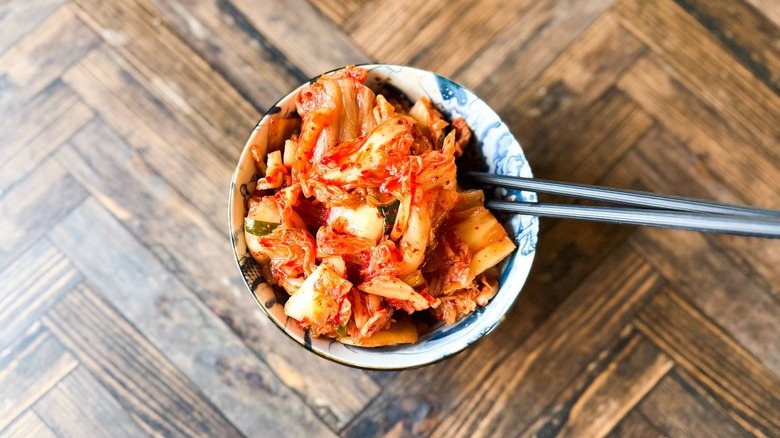
Kimchi is a flavorful fermented Korean staple that has been around for thousands of years, yet has recently peaked in popularity and exposure here in the United States. The term "kimchi" can refer to any number of fermented vegetables, but typically revolves around cabbage. The vegetable mixture slowly ferments with a marinade that can include fish sauce, sugar, gochugaru or gochujang, and garlic for seasoning. The fermentation process leads to the development of probiotics, making kimchi not only a delicious condiment or component in many recipes but an excellent resource for promoting a healthy gut. Although kimchi has become readily available in mainstream grocers, making your own homemade kimchi is an excellent culinary challenge.
As in this kimchi mac and cheese recipe, kimchi can be used in creative ways beyond rice dishes or stews. Kinnaird says that she loves the way spicy kimchi pairs with mellow creamy ingredients, such as deviled egg filling or tuna salad. Kimchi can be a flavorful addition to omelets, works well as a pizza topping with Canadian bacon, and is great added to a patty melt. There are endless ways to pair the fermented goodness of kimchi, and once you start experimenting, you will make kimchi a staple in your home.
How can I switch up this baked kimchi mac & cheese?
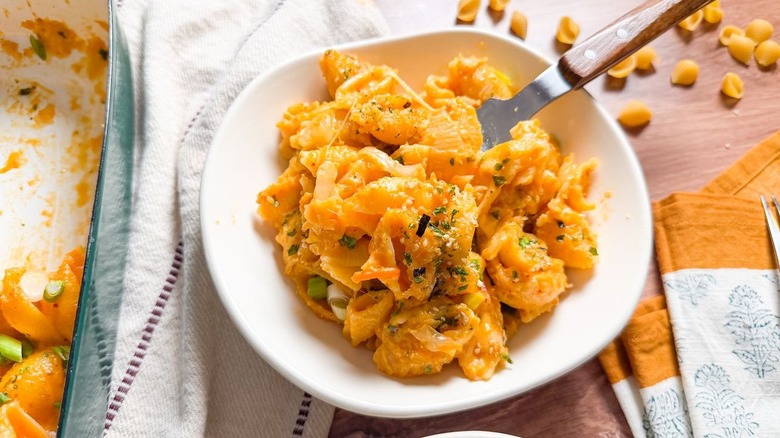
The first way to switch things up with this recipe is by featuring a different shape of pasta. Ribbed shells work well to cling to the sauce and scoop up bits of the flavorful kimchi, but you can get that same effect from other shapes such as cavatappi, fusilli, orecchietti, or penne. If you want to stick with a classic macaroni shape, go for a sturdy Italian bronze-cut variety. The texture of this style of pasta adheres better to sturdy sauces.
There are plenty of cheeses to pair with zesty kimchi and gochujang, as long as they are of a good melting variety. Cheddars, Goudas, Swiss varieties like Gruyère, and certainly mozzarella fit this profile. Monterey Jack and Muenster are also solid options for melting and blending with other cheese flavors. If you want to really bump up the umami and pungency of this dish, consider throwing in some gorgonzola or Danish Blue crumbles for extra flavor.