

Spicy Baked Tteokbokki With Burrata Recipe
We may receive a commission on purchases made from links.
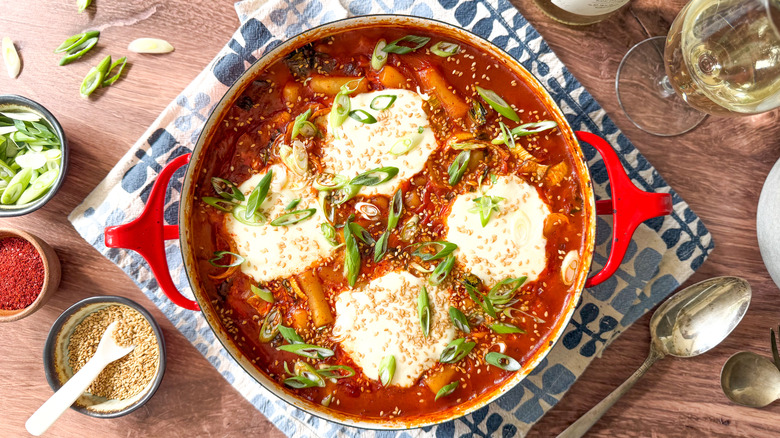
Korean cuisine has a rich and expansive history, encompassing a vast array of ingredients and methods of preparation that are both visually stunning and exciting on the palate. Korean food has steadily grown in popularity with American diners, with classic barbecue and street food dishes having the most traction. One of these is tteokbokki — not easy to pronounce, but delicious to consume. Tteokbokki is not only a nostalgic dish for many Koreans, but a crowd-pleaser that is spicy, savory, sweet, salty, tangy, and toothsome all at once. Our spicy baked tteokbokki with burrata — courtesy of recipe developer Julie Kinnaird – features chewy rice cakes encased in a gleaming sauce made with vibrant gochujang and gochugaru, which is balanced with creamy Italian burrata. This might seem like a disparate combination, but the velvety cheese melting into the umami-laden sauce is a dreamy match.
Kinnaird says she loves this recipe because it takes so little time to prepare, yet tastes like you spent hours in the kitchen developing complex flavors and textures. It is a show-stopping dish to serve at a dinner party, yet comforting and uncomplicated for any night of the week. Once you learn the technique, you can make this dish your own by incorporating other vegetables, hard-boiled eggs, or proteins like crispy tofu or shrimp.
Gather the spicy baked tteokbokki with burrata ingredients
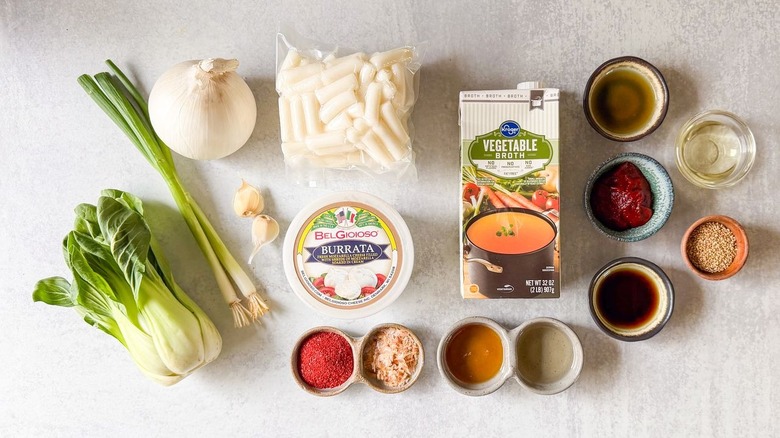
At the heart of this recipe are the cylindrical tteok. This type of tteok can be found in a few different forms in Asian markets and some mainstream grocers, including frozen, fresh, or the shelf-stable variety used here. If using the vacuum-packed rice cakes, you will need to soak them in cold water first to reconstitute them for cooking in the sauce. To make the sauce, you will need peanut oil for sauteing some white onion and whole cloves of garlic, along with gochujang, gochugaru, and a bit of sesame oil for flavor. Honey gives the sauce sweetness and a glossy edge, while bonito flakes and fish sauce fill in for the traditional inclusion of fish cakes in this dish. Rice vinegar gives the sauce its distinctive tang. To help the tteok properly cook into the sauce, you will add some vegetable broth to thin the mixture out before stirring in some crunchy chopped baby bok choy. After giving your tteokbokki an initial bake, it is time to add the burrata to melt into the dish. Sliced scallions and toasted sesame seeds finish off the presentation.
Step 1: Soak the rice cakes
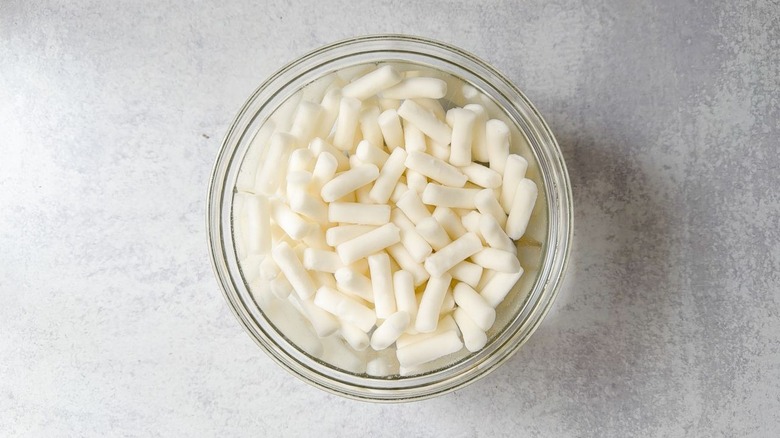
Separate and soak the rice cakes in cold water for 20 minutes.
Step 2: Drain and rinse the rice cakes
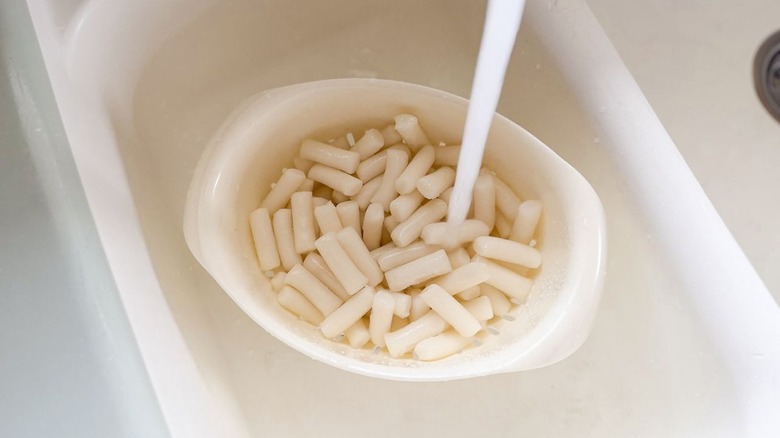
Drain and rinse the rice cakes and set them aside.
Step 3: Preheat the oven
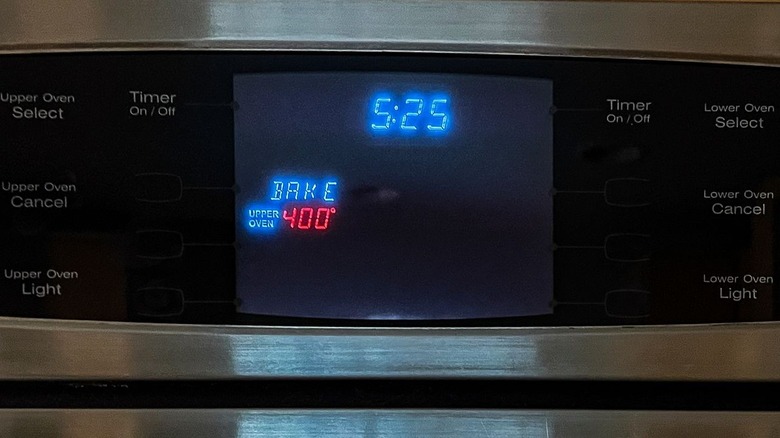
Preheat an oven to 400 F.
Step 4: Heat the peanut oil
In a large oven-safe skillet, heat the peanut oil on medium-high heat.
Step 5: Add the onion and garlic
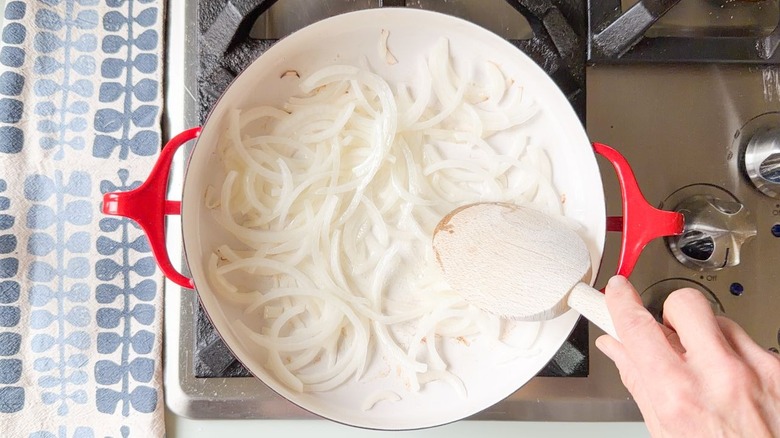
Add the onion and saute until softened (about 5 minutes).
Step 6: Add the garlic, gochujang, gochugaru, bonito, and sesame oil
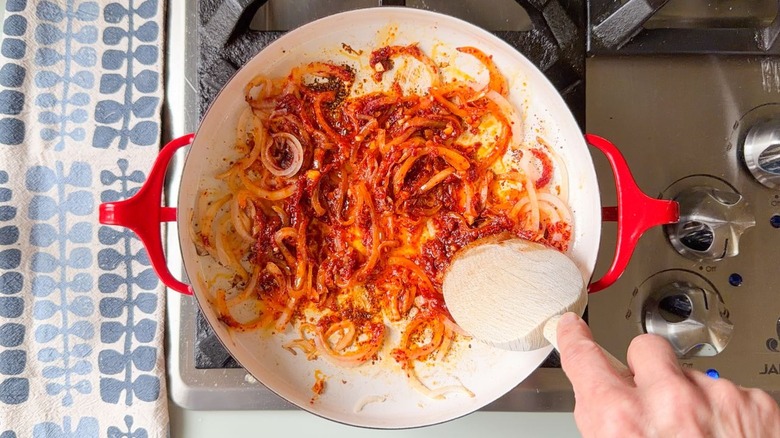
Add the garlic, gochujang, gochugaru, bonito flakes, and sesame oil, cooking and stirring for 1 minute to lightly caramelize.
Step 7: Add the honey, rice vinegar, and fish sauce
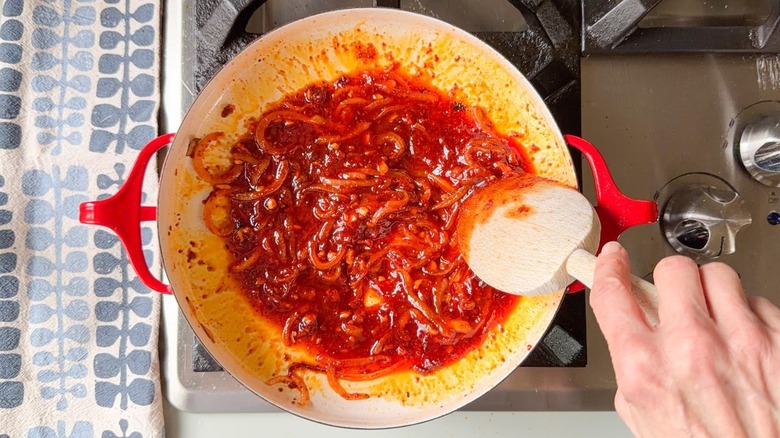
Stir in the honey, rice vinegar, and fish sauce until smooth.
Step 8: Add the vegetable broth
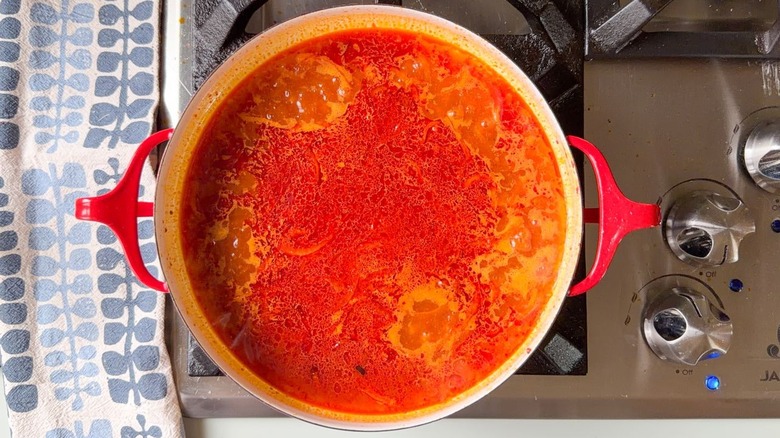
Add the vegetable broth and bring the sauce to a simmer.
Step 9: Add the rice cakes
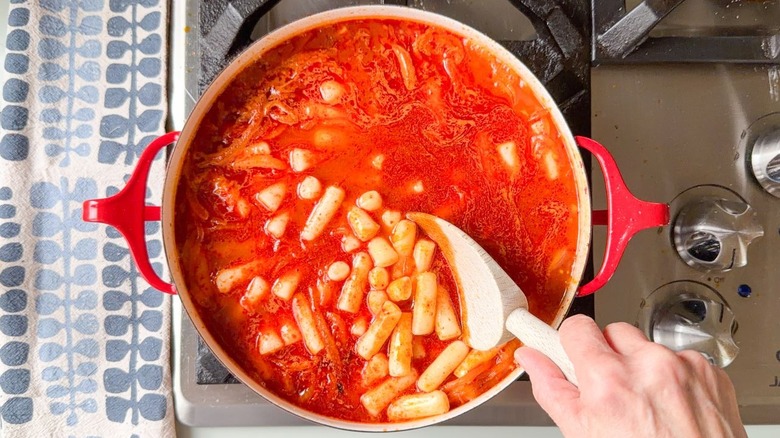
Add the drained rice cakes and simmer for about 7 minutes until the sauce thickens and the rice cakes are tender.
Step 10: Stir in the bok choy
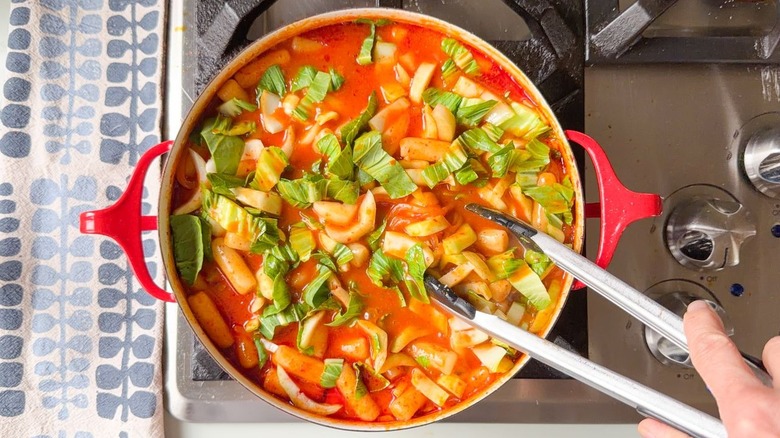
Gently stir in the bok choy and continue to simmer for 3 minutes longer.
Step 11: Place the pan in the oven
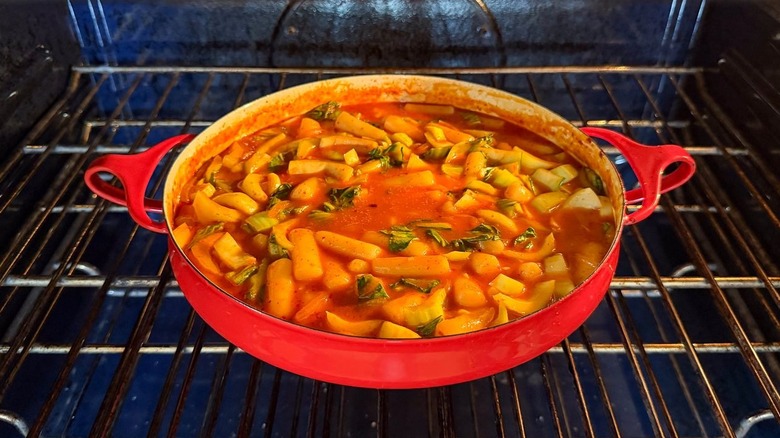
Transfer the skillet to the oven and bake for 10 minutes.
Step 12: Slice the burrata
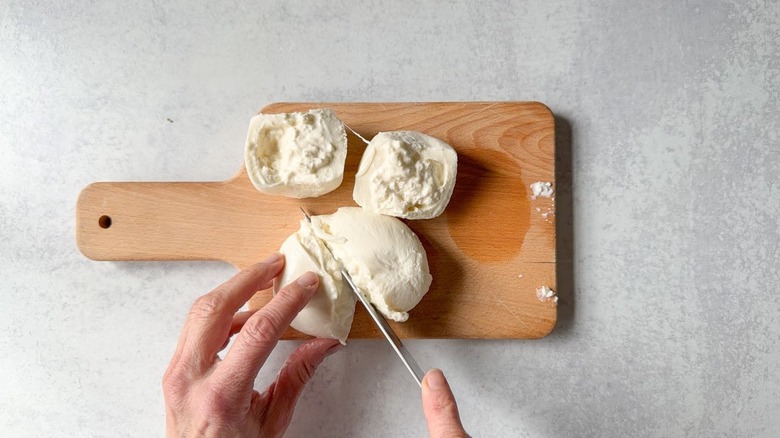
While the tteokbokki bakes, drain the burrata and cut or tear each ball in half.
Step 13: Add the burrata to the pan
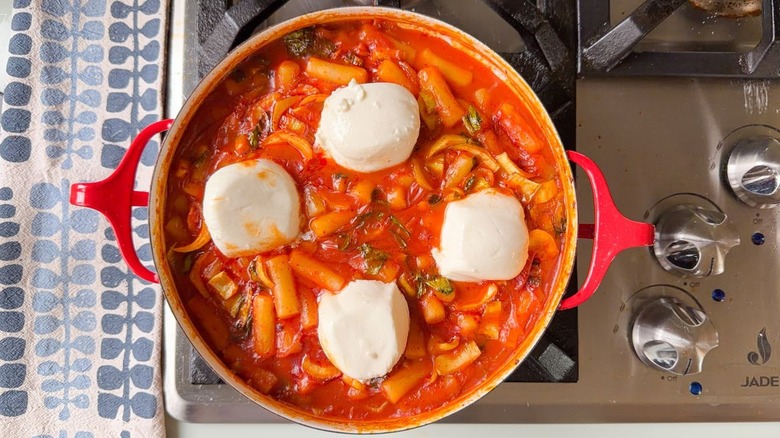
Remove the skillet from the oven and add the torn burrata.
Step 14: Return the pan to the oven
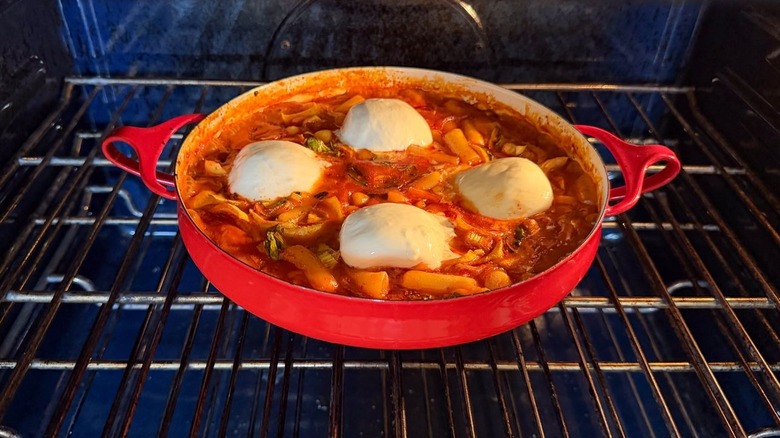
Return the skillet to the oven and bake for another 5 minutes until the cheese starts to melt and the rice cakes are nicely glazed.
Step 15: Garnish with scallions and sesame seeds and serve
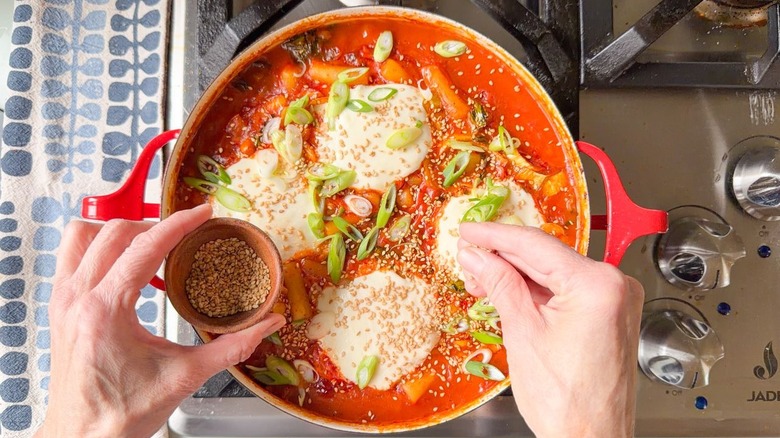
Garnish with the scallions and sesame seeds and serve while hot.
What pairs well with tteokbokki?
Spicy Baked Tteokbokki With Burrata Recipe
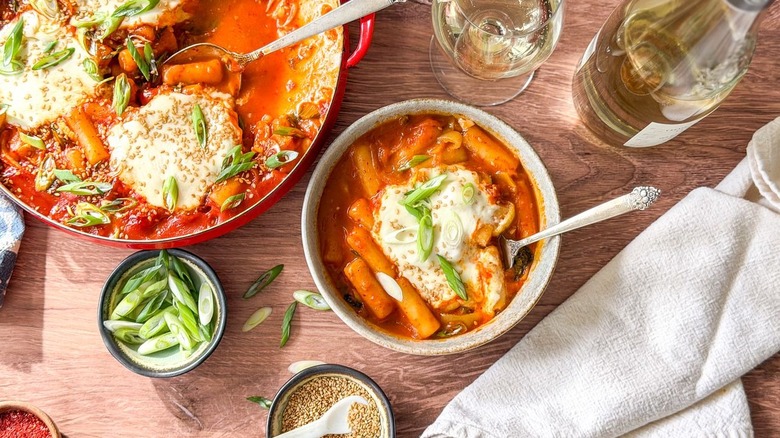
Our spicy baked tteokbokki features chewy rice cakes encased in a sauce made with gochujang and gochugaru, all of which is balanced with creamy burrata.
Ingredients
- 24 ounces Korean rice cakes (tteok)
- 2 tablespoons peanut oil
- 1 cup thinly sliced white onion
- 2 large cloves garlic, peeled and minced
- 3 tablespoons gochujang
- 1 tablespoon gochugaru
- 1 tablespoon bonito flakes
- 1 tablespoon sesame oil
- 2 tablespoons honey
- 2 tablespoons rice vinegar
- 2 teaspoons fish sauce
- 2 cups vegetable broth
- 1 large head baby bok choy, stem end removed and thinly sliced
- 2 (4-ounce) balls burrata
- 2 large scallions, trimmed and thinly sliced
- 1 tablespoon toasted sesame seeds
Directions
- Separate and soak the rice cakes in cold water for 20 minutes.
- Drain and rinse the rice cakes and set them aside.
- Preheat an oven to 400 F.
- In a large oven-safe skillet, heat the peanut oil on medium-high heat.
- Add the onion and saute until softened (about 5 minutes).
- Add the garlic, gochujang, gochugaru, bonito flakes, and sesame oil, cooking and stirring for 1 minute to lightly caramelize.
- Stir in the honey, rice vinegar, and fish sauce until smooth.
- Add the vegetable broth and bring the sauce to a simmer.
- Add the drained rice cakes and simmer for about 7 minutes until the sauce thickens and the rice cakes are tender.
- Gently stir in the bok choy and continue to simmer for 3 minutes longer.
- Transfer the skillet to the oven and bake for 10 minutes.
- While the tteokbokki bakes, drain the burrata and cut or tear each ball in half.
- Remove the skillet from the oven and add the torn burrata.
- Return the skillet to the oven and bake for another 5 minutes until the cheese starts to melt and the rice cakes are nicely glazed.
- Garnish with the scallions and sesame seeds and serve while hot.
Nutrition
| Calories per Serving | 1,015 |
| Total Fat | 29.5 g |
| Saturated Fat | 10.8 g |
| Trans Fat | 0.0 g |
| Cholesterol | 44.8 mg |
| Total Carbohydrates | 157.9 g |
| Dietary Fiber | 9.4 g |
| Total Sugars | 13.0 g |
| Sodium | 1,299.4 mg |
| Protein | 30.0 g |

How is burrata different from fresh mozzarella?
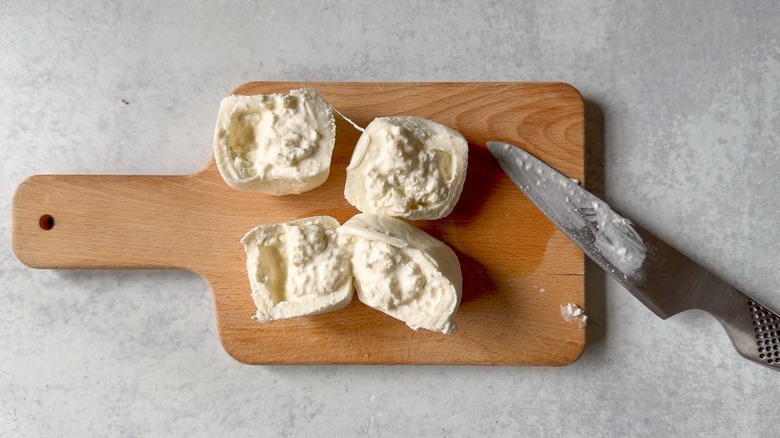
Mozzarella is likely Italy's most beloved cheese, and it has evolved over time from fresh spheres into string cheese snacks and shreds galore at every pizza joint. Fresh mozzarella is soft and elastic with a mild flavor and delicate texture that works in fresh salads or baked dishes. In Italy, fresh mozzarella is often eaten as an appetizer simply dressed with grassy olive oil and a grind of black pepper. Mozzarella is made by a process of stretching the curd, then kneading it in water to continue creating the stringy threads that melt so well. It can then be formed into balls or logs that are ready for consumption.
Burrata takes things one step further and uses that stretchy exterior of fresh mozzarella to encase a delightful surprise inside of creamy stracciatella. While stracciatella was developed out of humble roots, to use up scraps of leftover mozzarella curds, the texture and flavor is so luxurious that it seems fit for royalty. The process of combining fresh cream with the mozzarella scraps produced this unique and irresistible cheese, which is wonderful with everything from toasted bread to charcuterie to fresh fruit desserts.
How are tteok made and what are some other ways to use them?
Rice cakes are an integral part of Korean cuisine, found in cylinders, ovals, and spheres. They are used in endless sweet and savory preparations, and are considered both a comfort food and a celebratory food. Tteok are made from glutinous rice grains or flour, which is steamed or pounded into an elastic dough that can be rolled or pressed into various shapes. The process of making tteok at home is a bit laborious, but luckily they are fairly easy to find in fresh, frozen, or shelf-stable form. Having tteok on hand makes it easy to prepare a number of Korean dishes in no time at all.
While spicy tteokbokki is likely the best-known dish featuring tteok, there are many street food staples and sweet treats that highlight the chewy cakes. You can fry and skewer tteok with tiny sausages to create Sotteok Sotteok, or create a donut-esque dessert called Gaeseong juak. Think of tteok as noodles to use in soups or casserole preparations. With their mild flavor and pleasing bite, tteok might just become a staple in your pantry.