

11 Boxed Mac And Cheese Hacks Everyone Should Know
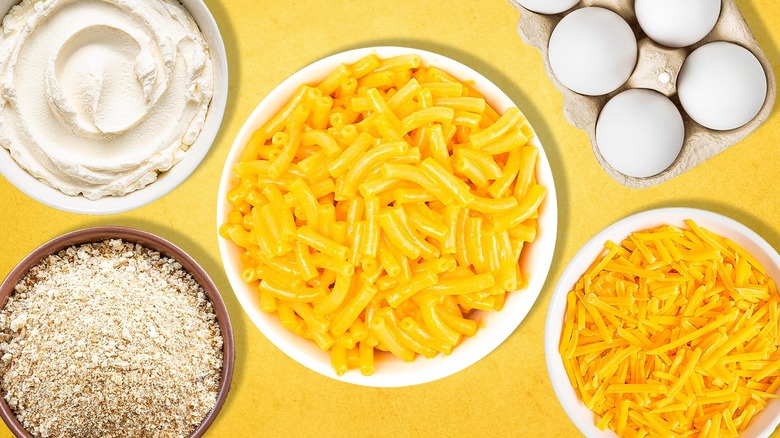
Boxed mac and cheese often gets a bad rap for being low-brow. After all, it was created with convenience and affordability in mind rather than gourmet aspirations. And while there are many boxed mac and cheese brands to choose from, let's be honest — even the best of them can be a little ho-hum. However, it doesn't have to be that way. The way you cook your boxed mac and cheese can make all the difference, taking it from bland and boring to something that tastes homemade.
Most boxed mac and cheese brands suggest a simple three-step cooking process. You simply boil the noodles until tender, then drain them and stir in some butter or margarine, milk, and the cheese packet. It's designed to be a fool-proof process that gives you predictable results. But all it takes is a few extra steps along the way to make your boxed mac and cheese so much creamier, heartier, and more flavorful.
Think of these boxed mac and cheese hacks as shortcuts to better flavor and texture. Some focus on technique, like how you cook the noodles or build the sauce, while others rely on simple pantry upgrades or easy add-ins. None of them are overly complicated, but they can shift your store-bought mac and cheese from a quick filler meal to something you'll actually look forward to eating.
1. Brown your butter first
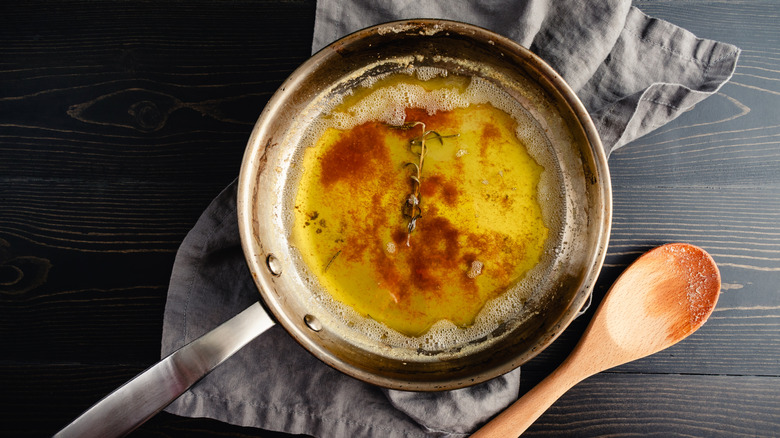
While there are plenty of extra ingredients that can upgrade your mac and cheese, you don't necessarily have to start raiding your pantry. One simple hack involves an ingredient that's already called for in the instructions: butter. Instead of just stirring it into your hot noodles, consider browning your butter beforehand to give your mac and cheese a richer, nuttier flavor.
Brown butter (or buerre noisette if you want to use the fancy French term) is butter that's cooked down gently until the milk solids turn brown and caramelize. The amber-hued elixir only takes a few minutes to make, but it can seriously amp up the flavor and aroma of your mac and cheese. You'll get lovely toasted notes that are rich and nutty with hints of caramel.
To brown your butter, simply add a few cubes to a hot pan. Keep in mind that some of the liquids in the butter will evaporate as it cooks down, so you may want to add a little extra. Swirl the butter around until it starts to foam and turns a dark golden color, then take it off the heat and pour it into a bowl so that it doesn't continue cooking and burn. When your noodles are ready, simply stir in your browned butter.
2. Combine your ingredients before cooking
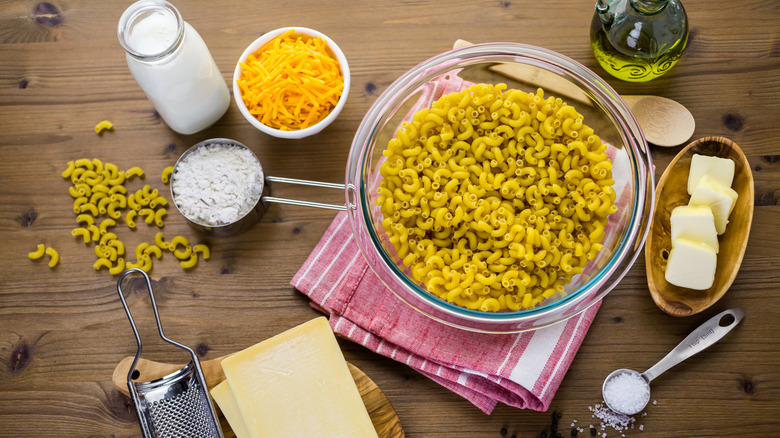
Making boxed mac and cheese isn't exactly arduous. But what if we told you there was a way to streamline the process even more and make clean up even easier? There's a trend going around TikTok and food blogs that suggests skipping a step on the instructions for gooier mac and cheese, and it involves combining all your ingredients in one pot or pan with no straining needed.
The no-drain method is pretty simple. All you have to do is place your pasta noodles in a saucepan or pot and pour just enough water to barely cover them. Then, you stir in a few pats of butter and the cheese powder, mix well, bring everything to a boil, then reduce the heat and let it simmer. When the noodles are just about al dente, add the milk and simmer until creamy.
There are a few reasons people love this technique. For one, you don't need to deal with the hassle of draining a scalding hot pot of noodles, which cuts back on potential accidents. You also won't need to clean said colander. In addition, the pasta absorbs more flavors as it cooks with the ingredients, and the pasta water adds starch that gives the dish a creamier texture.
3. Save some of your pasta water
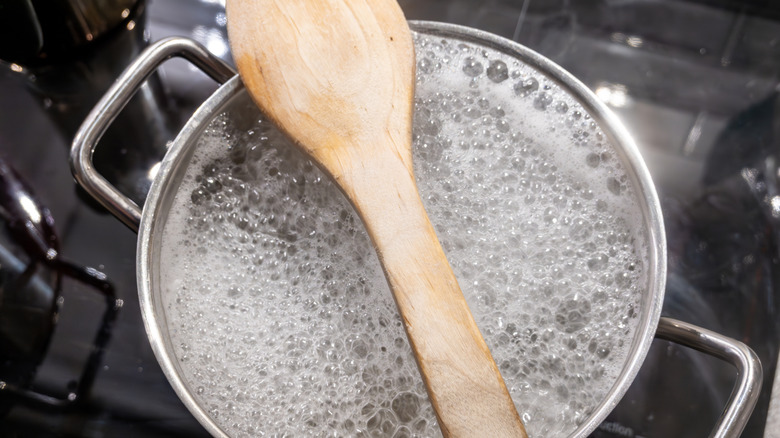
The one-pot method of making mac and cheese is pretty brilliant, but there is one potential downside: Your noodles can get mushy if you add too much water or milk. And with everything together in one pot, you can't really take your noodles out without losing some of that cheesy, buttery flavor. If you're worried about overcooking, but still want a luscious flavor and texture, make your noodles the traditional way, but save some of your pasta water.
When pasta is simmered in water, it releases starches that make the water look cloudy. That may seem unappealing, but the starches actually help sauces bind better to your pasta, and they can impart a smooth silky texture. And if you salted the water, that also adds extra flavor. So, instead of dumping your pasta water down the drain, consider holding onto it and using a few spoonfuls in your mac and cheese.
You can even take things one step further and keep leftover pasta water in your fridge for other dishes. It's great for thickening up soups, stews, pan sauces, and gravies. You can also simmer veggies in it, and use it in bread, pizza crust, or pancakes. It should keep for about three to five days in the fridge, or you can freeze it for up to a few months.
4. Stir in an egg for extra creaminess
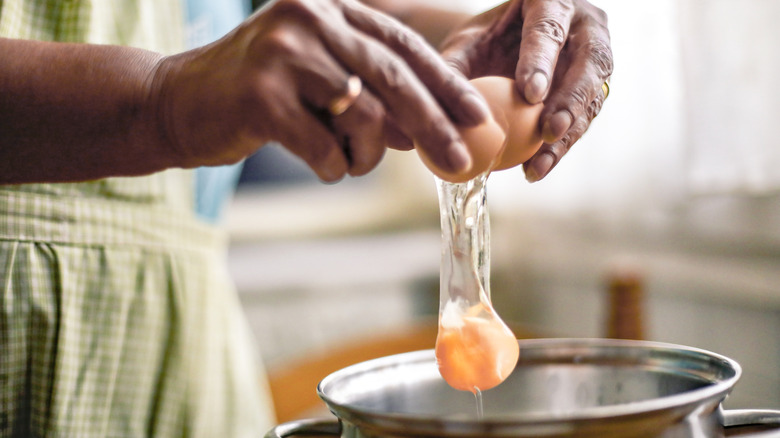
What do you do when you're craving boxed mac and cheese, but realize you're missing some key ingredients? No milk? No butter? No problem. An egg can add creaminess and help emulsify the cheese sauce so that it sticks to the noodles. Even if you have butter and milk on hand, an egg is a great dairy-free mac and cheese upgrade that can add extra protein to the dish. You can opt for just egg whites to thicken the dish slightly and cut back on the cholesterol. Just the egg yolk will add richness, while the whole egg can add both flavor and body.
The main thing to remember when adding egg to your mac and cheese is that you don't want the egg to cook too fast and scramble or curdle. The best way to avoid this is to temper your eggs first by adding them to a separate bowl and whisking in small amounts of hot water or milk. Then, you can either pour the egg yolk directly into the hot noodles along with the milk and cheese or stir the eggs into a pan with the cheese packet and milk, whisking constantly until it's smooth for a velvety cheese sauce that you can pour over the pasta.
5. Swap out the milk for something richer
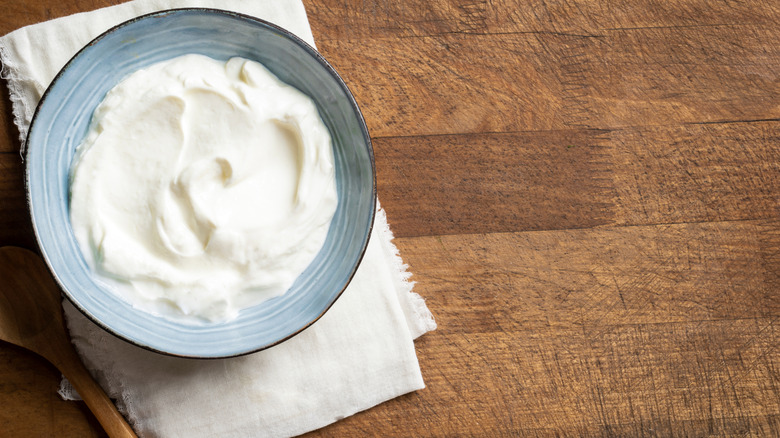
One of the major problems people have with boxed mac and cheese is that the sauce can be too soupy. One way to fix watery mac and cheese is to simmer the sauce down until it thickens up, but that can also overcook the noodles and turn everything into a soggy mess. If you want to ensure your sauce is thick and creamy from the onset, consider replacing the milk with something richer.
Heavy cream is a great stand-in for milk because it already has a ton of body from the additional fat content. Just add a splash or two until you reach your desired consistency. The result is a sauce that coats the pasta instead of pooling at the bottom of the bowl. Plus, the richness will give your mac and cheese a more intense dairy flavor.
If you don't have heavy cream, Greek yogurt or sour cream can also add creaminess and a bit of tang that pairs nicely with the sharpness of the cheese powder. Add a dollop or two to your pasta along with the butter and cheese packet and stir well. If you find that it's too thick, a splash or two of pasta water can help thin it out a bit and pull everything together.
6. Amp up the cheese
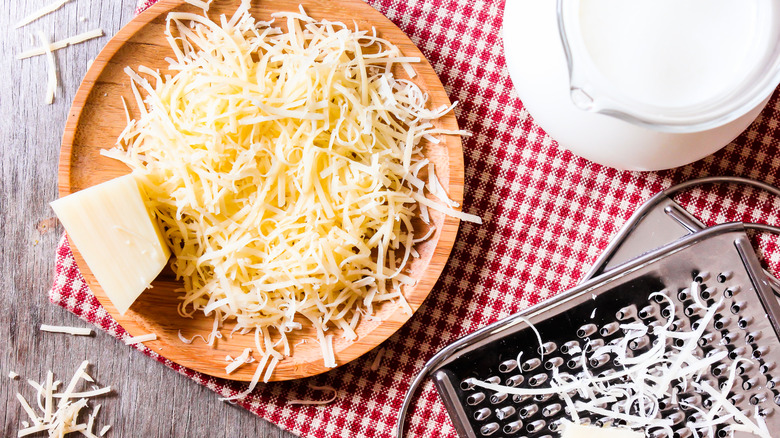
Most boxed mac and cheese kits come with a packet of cheese powder or a pouch of sauce that technically contains real cheese, but most of us can probably agree that it rarely tastes like the real deal. No one buys a box expecting an artisan cheddar experience, especially when the powder is neon orange. If you really want to make your boxed mac and cheese pop, extra cheese is an absolute must.
The easiest way to up the cheese quota in your mac and cheese is to grate some easily meltable cheese and sprinkle it into your noodles along with your butter, milk, and cheese packet mix. Cheddar is a great choice because it adds sharpness. Mild cheeses like mozzarella and Monterey Jack can make your sauce extra gooey without being too overpowering.
If you prefer stronger flavors, Gruyeré can bring nutty, earthy notes, and a sprinkling of Parmesan can add salty, umami goodness. Don't discount the creamy cheeses either. Both cream cheese and goat cheese can add tanginess and a rich smoothness to the sauce. Brie can also make your boxed mac and cheese feel a bit more sophisticated. On the other hand, Velveeta is a fun, kid-friendly add-in that matches up well with the flavors already present in many cheese packets.
7. Season beyond the packet

Boxed mac and cheese packets get the job done to some extent, but they can be pretty one-note. Many contain a few spices for extra flavor, like small amounts of salt, paprika, and turmeric, but usually not enough to really make the sauce sing. A few extra spices or herbs can completely change the flavor.
If you keep a well-stocked spice rack, you already have what it takes to upgrade boxed mac and cheese. A few shakes of garlic salt or garlic powder can add depth to your cheese sauce, and even simple cracked black pepper can add heat and complexity. You can also try combinations that take inspiration from global flavors. For example, oregano, basil, and parsley can give your mac an Italian profile. Curry powder can put an South Asian twist on the dish, and cumin, cayenne, and Tajín can bring to mind Mexican flavors.
Condiments can also jazz up your boxed pasta. Dijon mustard is a popular mac and cheese flavor booster because the acidity helps cut through the richness of the dairy and adds some zest. If you're a fan of mouth-tingling flavors, try some hot sauce, gochujang, or chili crisp. Prefer your sauces a bit sweeter? Barbecue sauce and ketchup are great choices. And if you really want to go all out, truffle oil is a luxe touch.
8. Stir in a can of soup
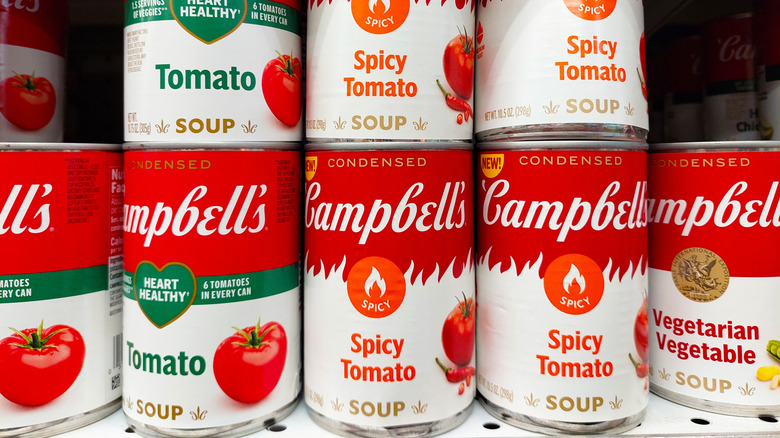
One easy way to give boxed mac and cheese a major flavor boost is with something you probably already have in the cupboard: a can of soup. It's cheap, simple, and surprisingly effective. Plus, it can add nostalgic flavors to a dish that probably already brings back plenty of fond childhood memories. Just add a few spoonfuls into your finished mac and cheese and stir to combine the flavors.
There are several canned soups that can elevate mac and cheese. Tomato soup works particularly well because it adds zingy acidity that can balance out the richness of the butter, milk, and cheese. Creamy soups like cream of mushroom, cream of chicken, and broccoli and cheese can enhance the smooth texture of the sauce and add extra flavor. Chunky soups can also bulk up your pasta.
The main thing to keep in mind when mixing soup into boxed mac and cheese is that some canned soups contain a lot of sodium, so you might want to consider using unsalted butter. In addition, you want to make sure that you use just enough soup to add flavor, but not so much that your pasta sauce is watery (unless that's what you're going for). Start small, stir often, and stop when you have the consistency where you want it.
9. Load it up with protein and veggies
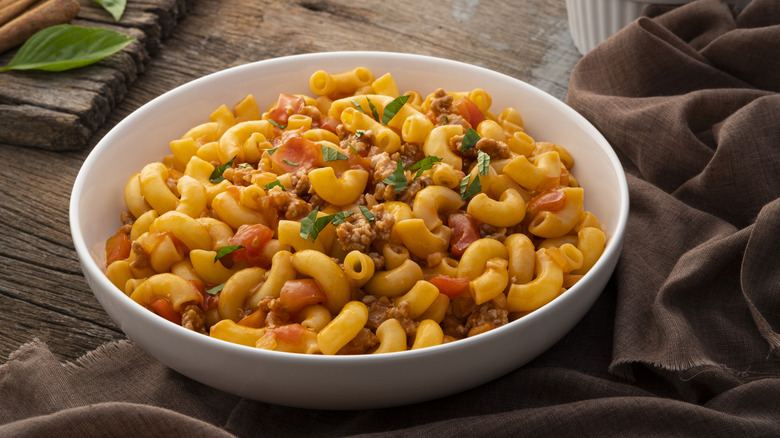
How many people remember the classic parent move of slipping peas, carrots, or broccoli into a pot of mac and cheese? Sliced hot dogs were another sneaky addition. While those were (and still are) classic ways to amp up mac and cheese with extra nutrients and protein, there's nothing to say you can't get creative and opt for something a tad more gourmet.
Brightly colored veggies can add pops of color to your boxed mac and cheese, making it more visually appealing and taking the flavor and texture up a notch. Think blanched broccoli or spinach for some greenery or diced tomatoes for sweetness and juiciness. Sliced jalapeños can add heat, while roasted poblanos will add smoky vegetal goodness. Kimchi provides heat and a slight touch of funk.
You can also add heft to your mac and cheese with a wide variety of meats. Bacon is a top choice because it's salty and fatty, adding to the richness of the dish. For something a little more decadent, consider adding leftover brisket to your mac and cheese or stirring in some pulled pork or hearty chili. You can also go the seafood route and add a can of tuna, some sautéed shrimp, or even leftover lobster.
10. Add texture with breadcrumbs
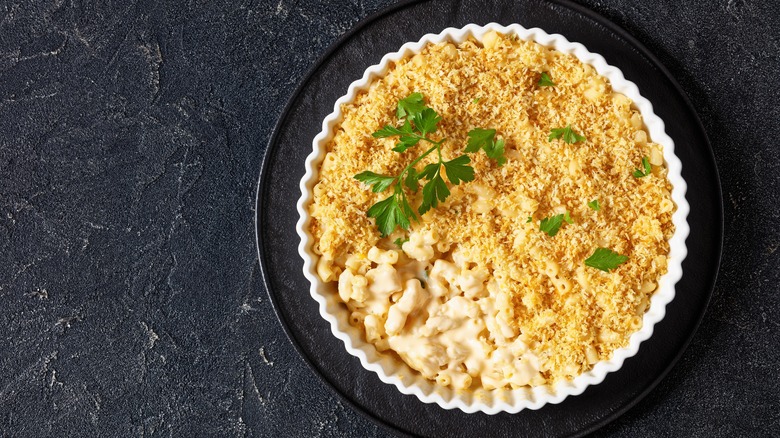
There's something to be said for slippery macaroni noodles coated in a creamy cheese sauce. But after several forkfuls, the texture can start to feel a bit monotonous. That's why many recipes for home-cooked mac and cheese call for a layer of crunchy breadcrumbs. It adds textural variation that keeps things interesting, plus another layer of flavor. There's no reason you can't apply the same technique to boxed mac and cheese
Most crispy mac and cheese toppings start by sautéing panko or other breadcrumbs in butter or oil with seasoning like garlic salt or fresh herbs. As that's toasting in the pan, toss your cooked pasta with the sauce ingredients and transfer it to a baking dish. Sprinkle the breadcrumbs on top and pop the dish under the broiler for a few minutes until the breadcrumb topping crisps up.
Alternatively, you can simply sprinkle your crispy breadcrumb mixture over the top of your cooked and sauced mac and cheese. It may not be as crispy as the broiled version, but it will still add some nice crunch. If you don't have breadcrumbs, you can make some with leftover bread ends and crusts, or simply crush up some saltine crackers or potato chips and sprinkle them over top. You can also think outside the box with other crispy toppings like crushed Cheetos or flavored Doritos.
11. Skillet-fry your leftovers
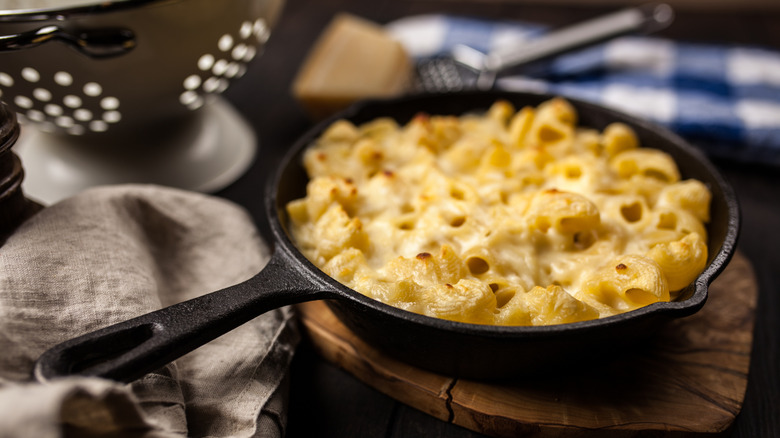
Leftover boxed mac and cheese is one of those foods that never tastes quite as good the next day. The noodles soak up the sauce, and what was once creamy turns into a solid block. Sure, you can microwave it, but then it just turns rubbery. Before you give up and toss out those leftovers, though, consider using a cast iron pan to give your day-old mac and cheese new life.
A cast iron skillet is perfect for reheating mac and cheese because the oiled surface of the pan will crisp up the noodles on the bottom, while transferring heat to the top layer and softening it up. They key is to add some milk to the pasta first so that it doesn't burn or dry out. Add oil to the hot pan and wait until it's shimmering before adding the pasta. For the best results, cover the pan so the heat and moisture get dispersed evenly throughout.
Another trick that some people use to get the most out of their leftover mac and cheese is mixing it with beaten eggs, forming it into patties, and frying it until crispy and golden. You can also sandwich your mac and cheese in a waffle maker. Just add a thick scoop of the leftover pasta into the waffle maker, close the lid, and within a few minutes you'll have a crispy, cheesy snack.