

Flourless Italian Gianduja Chocolate Cake Recipe
We may receive a commission on purchases made from links.
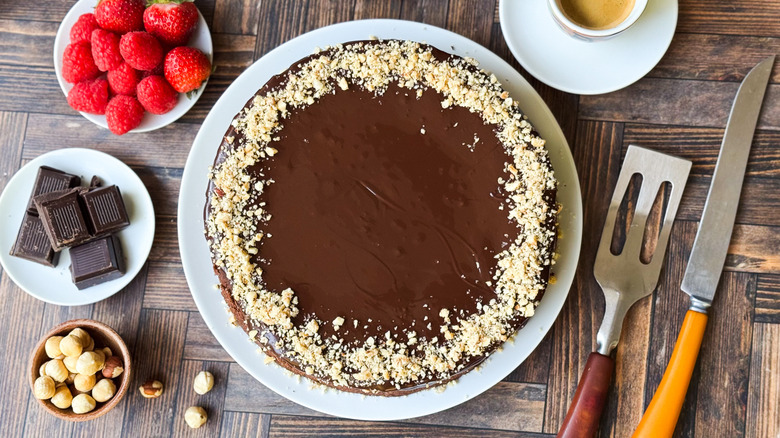
Chocolate flourless cake is a dreamy marriage of fudge and warm pudding, with a delicate, silky smooth texture and intense chocolate flavor. It typically has the benefit of also being gluten-free, with structure being created by a plentiful amount of eggs and gentle cooking. Recipe developer and former pastry chef Julie Kinnaird takes chocolate flourless cake to the next tier with her flourless gianduja Italian chocolate cake. Inspired by her travels in Italy, Kinnaird added ground toasted hazelnuts to her traditional chocolate flourless cake recipe, then lightened it up a bit by separating the eggs and folding stiffly beaten whites into the batter for a more airy texture.
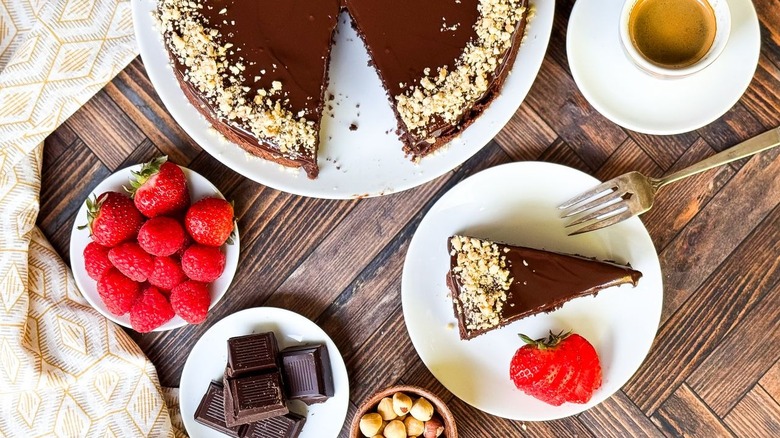
Gianduja is a combination of either milk or dark chocolate and toasted hazelnut paste. The toasty sweetness of the hazelnuts perfectly complements the velvety texture and slightly bitter, earthy flavor of the chocolate. In this recipe, the toasted and ground hazelnuts create structure, while the dark chocolate and butter add richness. Hazelnut liqueur enhances the nutty sweetness, and the baked cake is finished with a glossy chocolate glaze and more toasted nuts for texture. This cake pairs beautifully with fresh berries or a scoop of vanilla bean gelato, and will satisfy the most discriminating chocolate lover.
Gather the flourless Italian gianduja chocolate cake ingredients
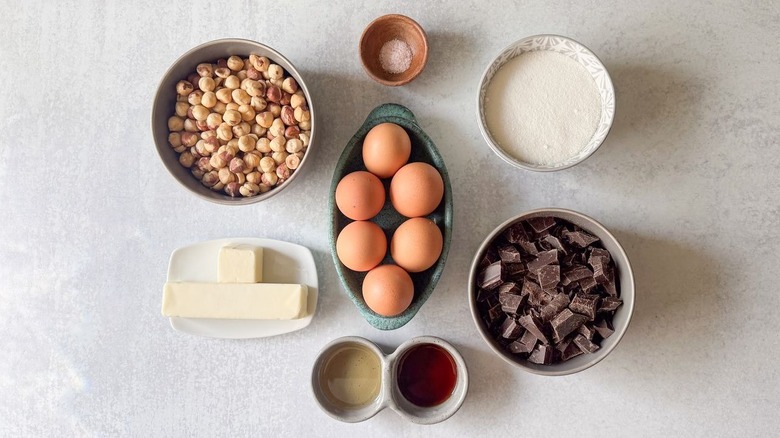
The recipe list for this cake is not long, so it does make a difference to have the highest quality ingredients for the most decadent taste. This cake relies on good-quality dark chocolate for its rich, velvety flavor. Freshly roasted hazelnuts provide structure in place of flour, additional fat for richness, and a pure nutty flavor. Kinnaird says to look for a chocolate that has at least 70% cacao and is made with real cocoa butter and no additional oils, stabilizers, or artificial ingredients of any kind. The fewer the ingredients with chocolate, the better. This will ensure a chocolate that will melt smoothly for both the batter and the shiny glaze that crowns the baked cake. You will need fresh, large eggs that you will separate into yolks and whites. The whites are whipped to add volume and lightness to the batter. Granulated sugar and sea salt add a balance of sweetness and savoriness, and unsalted butter melts into both the cake mixture and the chocolate glaze. Vanilla extract complements and enhances the slightly bitter chocolate flavor, while Frangelico hazelnut liqueur brings out the nutty, toasty sweetness of the hazelnuts.
Step 1: Preheat the oven
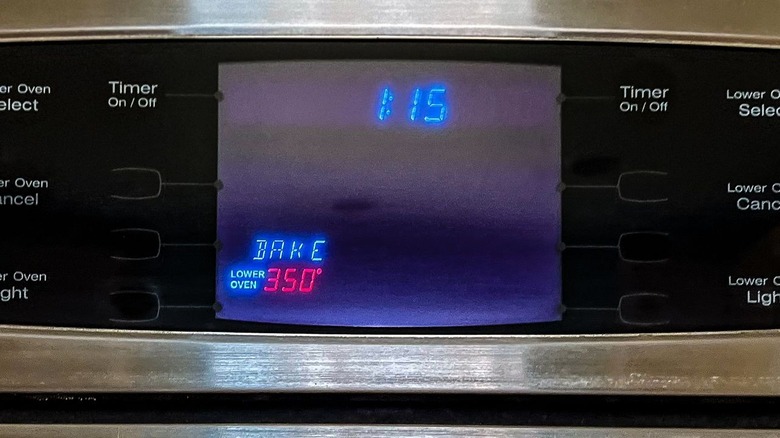
Preheat the oven to 350 F.
Step 2: Prepare a springform pan
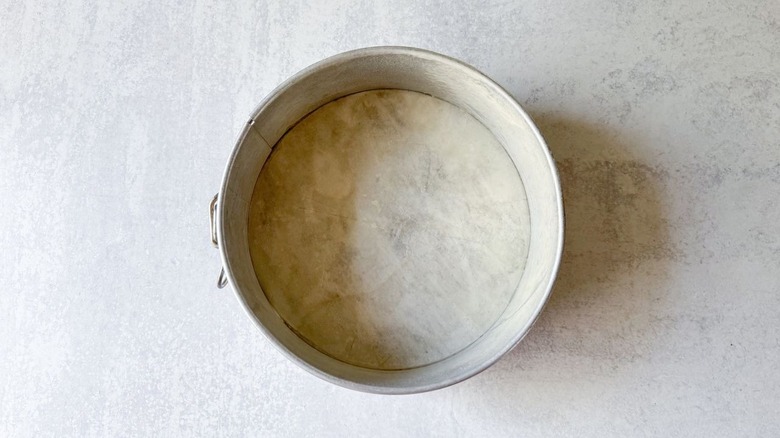
Coat the inside of a 9-inch springform pan with non-stick baking spray and line the bottom with a parchment paper circle.
Step 3: Melt the chocolate for the cake
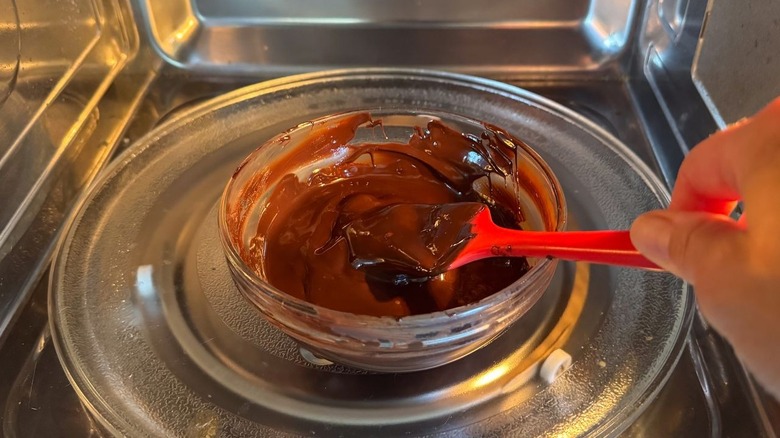
Place the chopped chocolate in a microwave-safe bowl and heat at 30-second intervals on medium power just until melted, stirring after each and being careful not to overheat. Cool slightly.
Step 4: Chop the hazelnuts
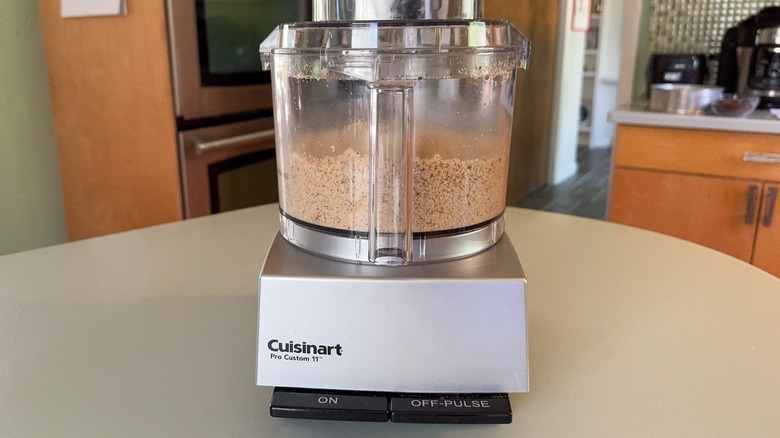
Add the hazelnuts to a food processor and process them till finely chopped.
Step 5: Set aside some of the hazelnuts for garnish
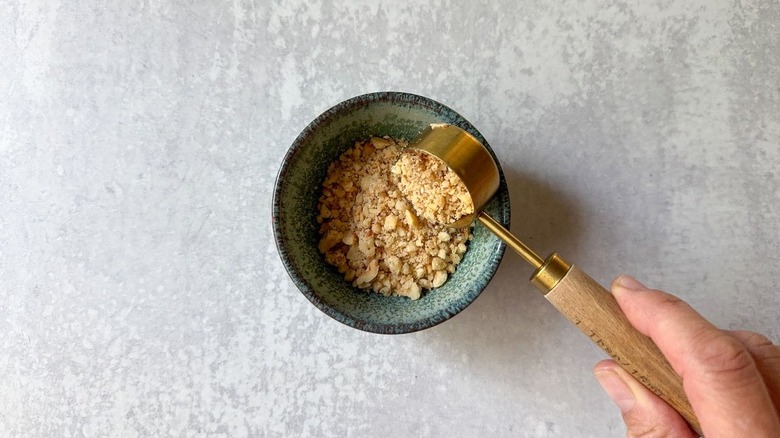
Set aside 2 tablespoons of chopped hazelnuts for garnishing the cake.
Step 6: Beat together the butter and sugar
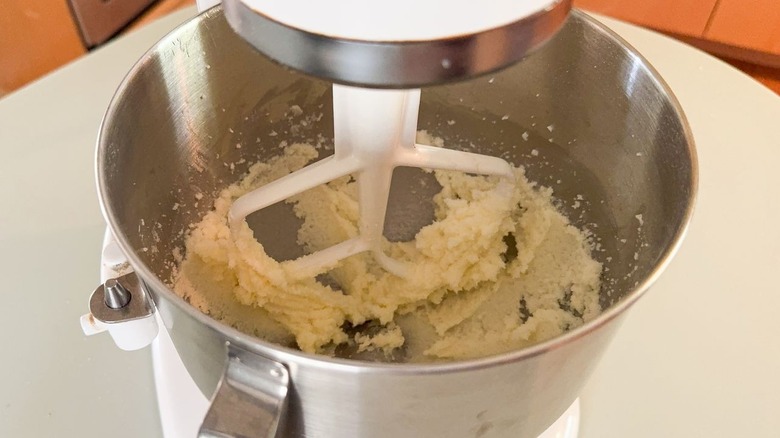
In a stand mixer or using a hand-held mixer, beat the butter and sugar until light and fluffy.
Step 7: Add the yolks
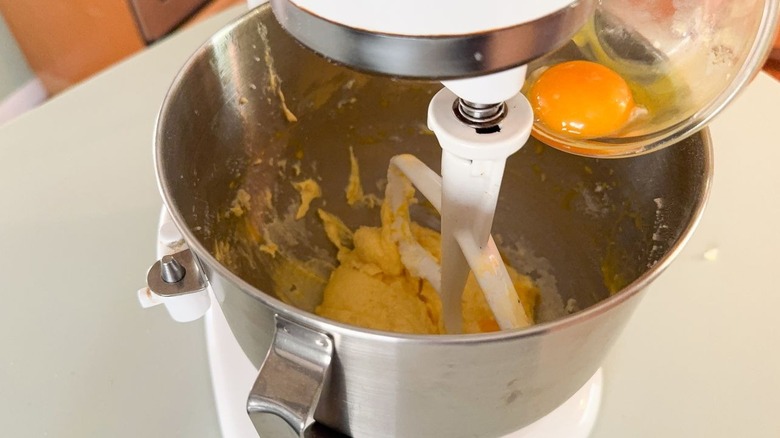
Gradually add the yolks until fully incorporated.
Step 8: Add the chocolate, hazelnuts, Frangelico, vanilla, and salt
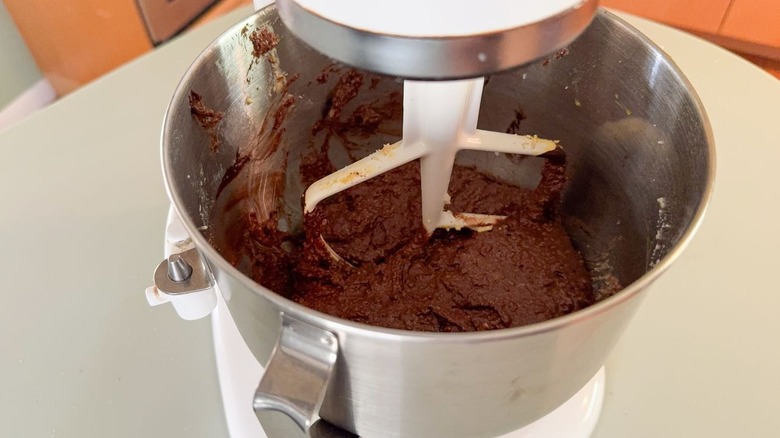
Mix in the melted and cooled chocolate, chopped hazelnuts, Frangelico, vanilla, and salt.
Step 9: Beat the whites to stiff peaks
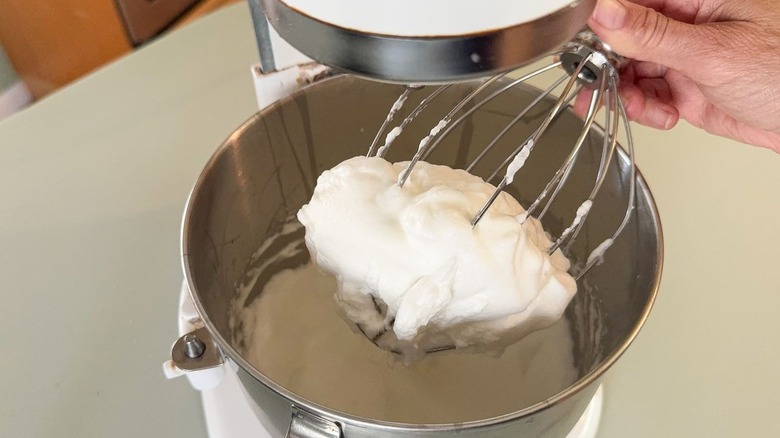
In a separate mixer bowl with a clean whip or beaters, beat the egg whites until stiff peaks form.
Step 10: Fold some of the whites into the chocolate batter
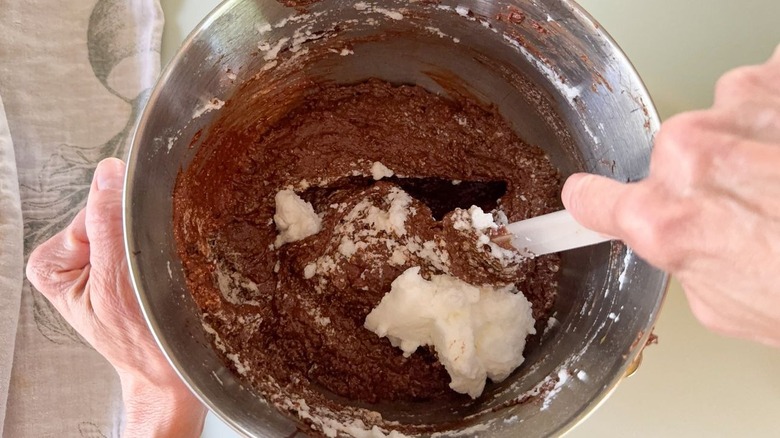
Gently fold ⅓ of the whites into the chocolate hazelnut batter to lighten it.
Step 11: Fold in the remaining whites
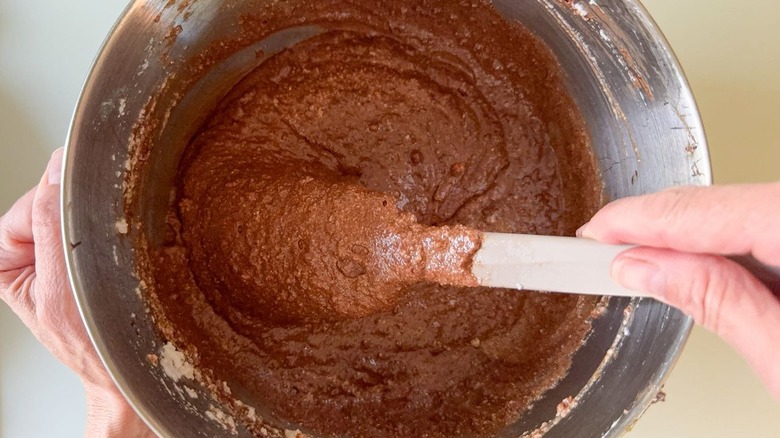
Carefully fold in the remaining whites until the batter is uniform.
Step 12: Add the batter to the springform pan
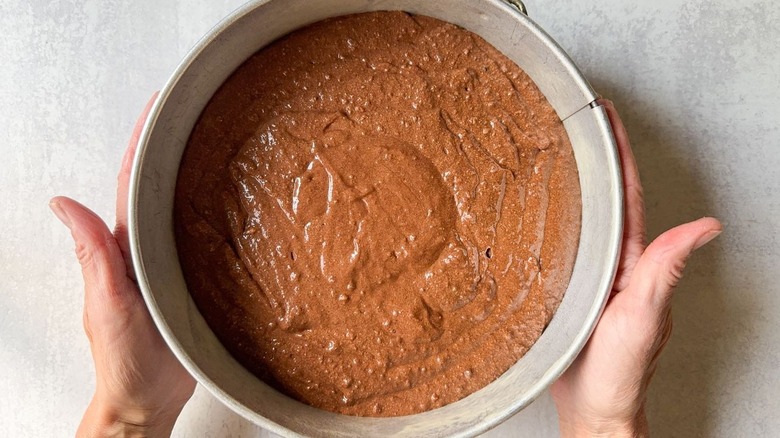
Transfer the batter to the prepared pan.
Step 13: Bake the cake
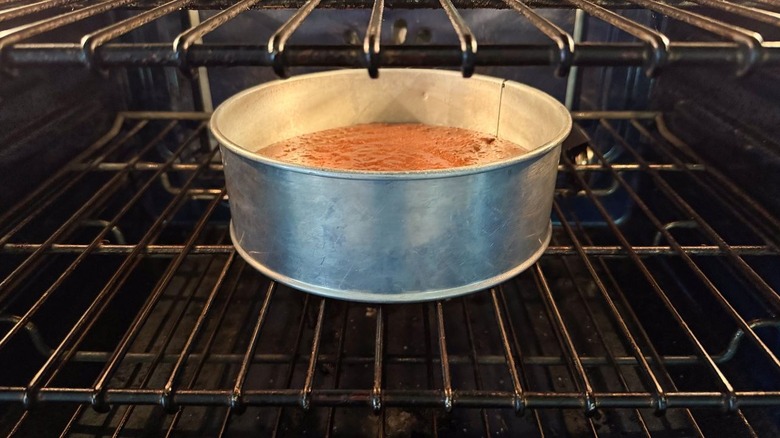
Bake the cake for 45-50 minutes until the cake springs back lightly when touched.
Step 14: Cool the cake
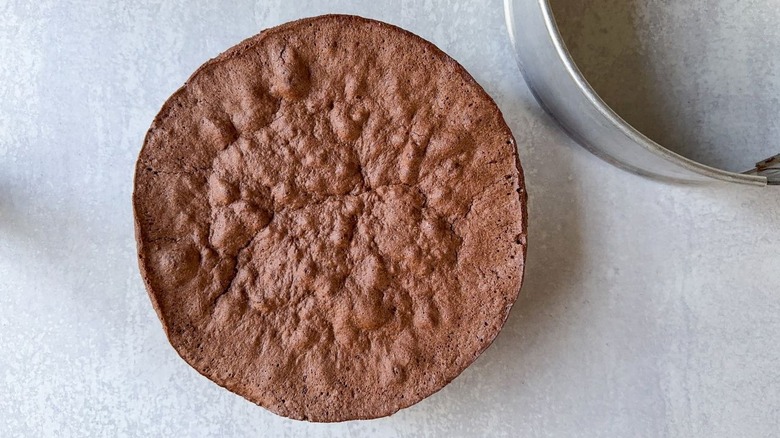
Cool the cake in the pan for 1 hour, then carefully release the springform side.
Step 15: Invert the cake onto a serving platter
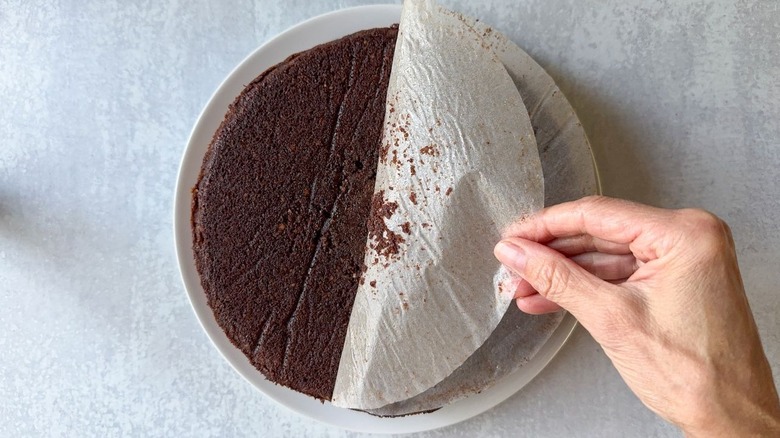
Invert the cake onto a serving platter or plate so that the top crust is down. Carefully remove the pan bottom and parchment paper.
Step 16: Make the glaze
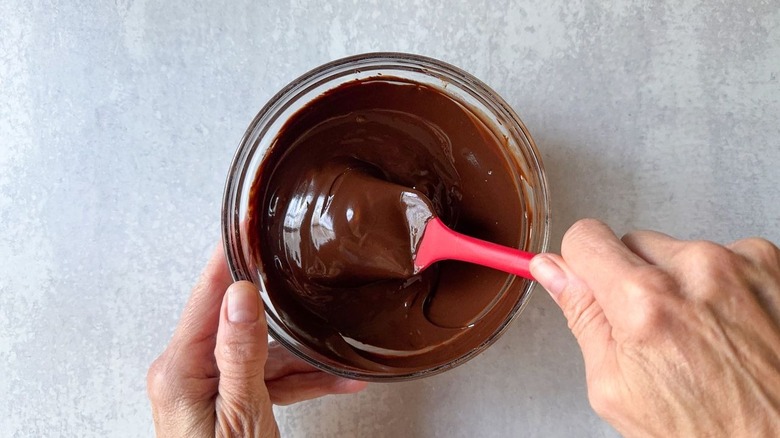
To make the glaze, place the chocolate and butter in a microwave-safe bowl and melt together on medium power at 30-second intervals, stirring after each until smooth.
Step 17: Spread the glaze over the cake
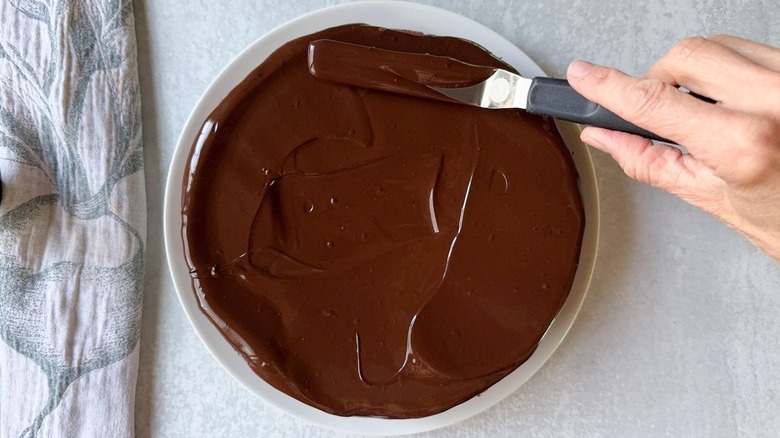
Pour the warm glaze over the top of the cake, allowing some of it to drip over the sides.
Step 18: Garnish with the remaining chopped hazelnuts
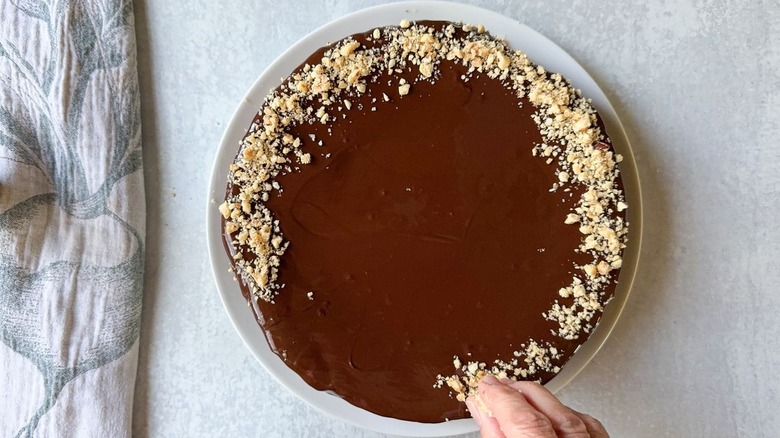
Sprinkle the reserved chopped hazelnuts around the edges of the cake.
Step 19: Refrigerate the cake
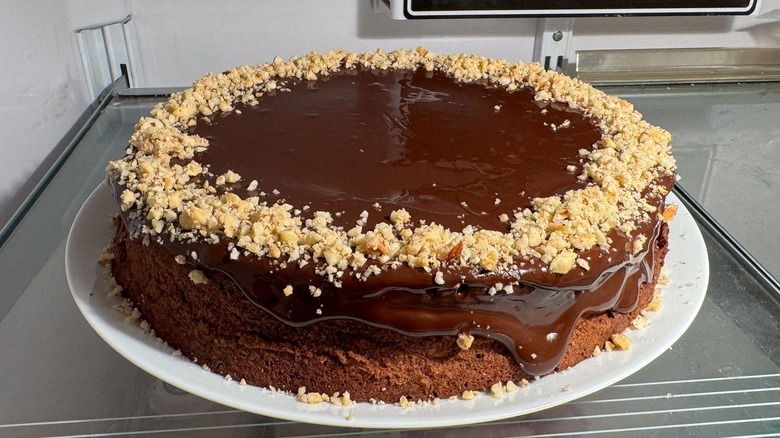
Refrigerate the cake until the glaze is set (about 45 minutes).
Step 20: Slice and serve the cake
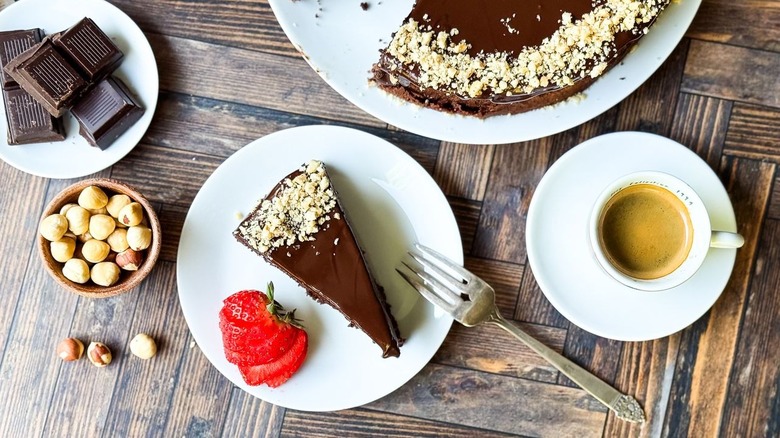
Slice and serve the cake at room temperature. Cover and refrigerate any leftover slices.
What pairs well with flourless chocolate cake?
Flourless Italian Gianduja Chocolate Cake Recipe
We take chocolate flourless cake to the next tier with our Italian gianduja chocolate cake, which features ground hazelnuts, Frangelico, and chocolate glaze.
Ingredients
- For the cake
- 8 ounces chopped dark chocolate
- 2 cups toasted and skinned hazelnuts
- 8 tablespoons unsalted butter, softened
- 1 cup granulated sugar
- 6 large eggs, separated
- 2 tablespoons Frangelico liqueur
- 1 tablespoon vanilla extract
- ½ teaspoon sea salt
- For the glaze
- 6 ounces chopped dark chocolate
- 2 tablespoons unsalted butter
Directions
- Preheat the oven to 350 F.
- Coat the inside of a 9-inch springform pan with non-stick baking spray and line the bottom with a parchment paper circle.
- Place the chopped chocolate in a microwave-safe bowl and heat at 30-second intervals on medium power just until melted, stirring after each and being careful not to overheat. Cool slightly.
- Add the hazelnuts to a food processor and process them till finely chopped.
- Set aside 2 tablespoons of chopped hazelnuts for garnishing the cake.
- In a stand mixer or using a hand-held mixer, beat the butter and sugar until light and fluffy.
- Gradually add the yolks until fully incorporated.
- Mix in the melted and cooled chocolate, chopped hazelnuts, Frangelico, vanilla, and salt.
- In a separate mixer bowl with a clean whip or beaters, beat the egg whites until stiff peaks form.
- Gently fold ⅓ of the whites into the chocolate hazelnut batter to lighten it.
- Carefully fold in the remaining whites until the batter is uniform.
- Transfer the batter to the prepared pan.
- Bake the cake for 45-50 minutes until the cake springs back lightly when touched.
- Cool the cake in the pan for 1 hour, then carefully release the springform side.
- Invert the cake onto a serving platter or plate so that the top crust is down. Carefully remove the pan bottom and parchment paper.
- To make the glaze, place the chocolate and butter in a microwave-safe bowl and melt together on medium power at 30-second intervals, stirring after each until smooth.
- Pour the warm glaze over the top of the cake, allowing some of it to drip over the sides.
- Sprinkle the reserved chopped hazelnuts around the edges of the cake.
- Refrigerate the cake until the glaze is set (about 45 minutes).
- Slice and serve the cake at room temperature. Cover and refrigerate any leftover slices.
Nutrition
| Calories per Serving | 537 |
| Total Fat | 39.8 g |
| Saturated Fat | 15.9 g |
| Trans Fat | 0.0 g |
| Cholesterol | 119.4 mg |
| Total Carbohydrates | 37.3 g |
| Dietary Fiber | 5.8 g |
| Total Sugars | 26.9 g |
| Sodium | 122.4 mg |
| Protein | 9.2 g |

What is the best way to toast and skin hazelnuts?
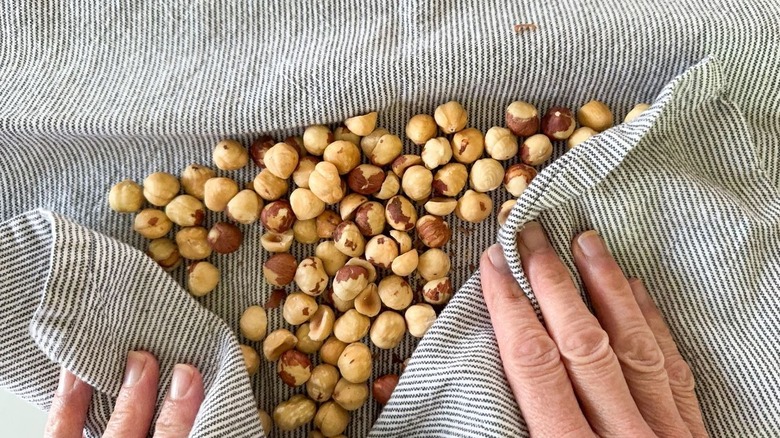
Hazelnuts have a complex flavor that is buttery and sweet, with subtle hints of cocoa and coffee. They have smooth, round shells that can be tough to split open with a nutcracker, and a papery dark brown skin that adheres to the creamy beige flesh inside. Although freshly cracked hazelnuts are delicious to eat, the skins have a bitter taste that can affect the finished flavor of baked goods. Removing hazelnut skins is an important step, especially before using them in sweet preparations.
Kinnaird became quite an expert at roasting and peeling hazelnuts while working in an Italian trattoria. Almost daily, she would toast sheet pans laden with raw hazelnuts to be used in cakes, tarts, and cookies. Her tried and true method was to place the nuts in an oven preheated to 350 F for about 15 minutes, stirring once to evenly distribute the heat. Once the nuts had a toasty aroma, were slightly browned, and the skins could be easily loosened, she would cover the pans with large kitchen towels as they cooled. Kinnaird would then vigorously rub the warm hazelnuts with the kitchen towels to loosen the skins. Once the majority of the skins had been removed, the nuts were ready for use.
One additional method for removing hazelnut skins is by blanching them. In this case, the raw hazelnuts are dropped into boiling water that contains baking soda. After cooking briefly, the nuts are transferred to an ice bath where the skins can be rubbed off by hand. The nuts still need to be roasted to dry them out and bring out their oils and toasty flavor.
What is gianduja and how is it made and used?
Many people in the United States have become familiar with the creamy chocolate hazelnut spread labeled as Nutella, which has become as common as peanut butter on grocers' shelves. Yet, before Nutella became a household name there was another Italian confection by the name of "gianduja" or "gianduia." Originating from Turin in the Piedmont region of NW Italy, where hazelnuts are plentiful, gianduja was created out of necessity during wartime when chocolate was scarce. Local chocolatiers extended their supplies of chocolate by adding hazelnut paste, and in turn, a delicious new delicacy was born.
Gianduja is found not only in paste form, but as a solid chocolate confection or as an ingredient in treats such as gelato and tortes. Gianduja is made by roasting, skinning, and either pureeing or chopping hazelnuts, then adding them to melted or preferably tempered chocolate. In a spread form, gianduja can be layered into cakes or used to fill tart shells or profiteroles. It is also delightful when used to adorn pancakes, croissants, or waffles.