

14 Nostalgic Potato Dishes We Wish Would Make A Comeback
Comforting, filling, and oh-so versatile, potatoes are the perfect addition to any meal. You can prepare them in plenty of ways, including classic dishes like creamy mashed potatoes, crispy fried potatoes, and loaded baked potatoes. But what about the potato dishes that don't appear on dinner tables as often as they used to? We're talking old-school dishes your grandma might have served for Sunday dinner, fancy sides that once graced restaurant menus, and hearty creations that were at every potluck and family gathering.
If you're looking to switch up your potato game, there are several old-school potato dishes that we think are well deserving of a comeback. Take pommes Anna, with its thin, buttery layers, Delmonico potatoes' cheesy goodness, and fluffy potato biscuits that are pure comfort. Several dishes can also stand alone as main meals, and a few potato desserts that may sound strange but taste surprisingly good. These nostalgic potato dishes may be less common today, but they're totally worth another look.
1. Pommes Anna
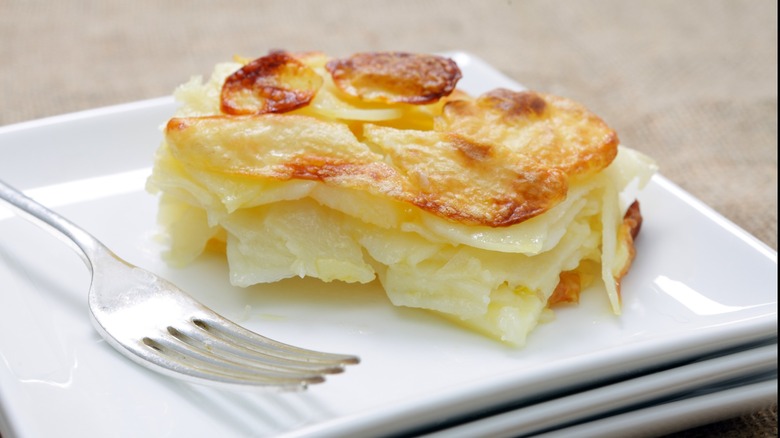
Pommes Anna (aka pommes de terre Anna) is a layered potato dish that rose to fame in France during the 1800s. Rumor has it that a chef named Adolphe Duglère created it at the Café des Anglais in Paris for Anna Deslions, a famous courtesan and café patron. It's easy to see why the dish was a huge hit: thin slices of potatoes cooked until crispy and brown on the outside, and buttery and tender on the inside. It takes some know-how to get right, but many will tell you it's well worth the effort.
You only need four ingredients for classic pommes Anna: thinly sliced potatoes, clarified butter, salt, and pepper. The trick is to press the water out of the potatoes before cooking, then layer everything in a skillet or pan. You can cook the potatoes on the stovetop first, then press them down and finish cooking them in the oven, or vice versa. Flip the potatoes onto a plate, and you have an elegant dish that looks like potato au gratin, but without the heavy cream and cheese.
2. Potatoes O'Brien
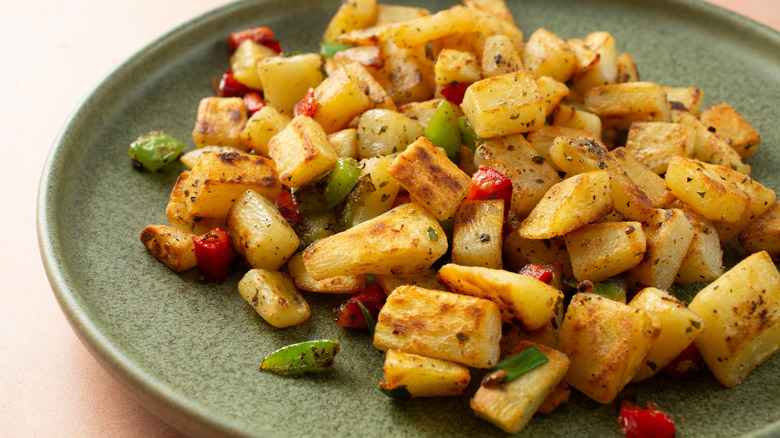
If you're looking for a breakfast potato dish that's a bit snazzier than home fries or hash browns, look no further than potatoes O'Brien. Its history is a little murky, but most accounts say it was created around the turn of the 20th century at a restaurant either in Boston or possibly New York City. Either way, people loved the diced potatoes with bell peppers and onions, and the dish spawned many variations.
Potatoes O'Brien is pretty easy to make at home: throw home fries in a skillet with cooking oil or fat and cook until crispy, then add diced onions and bell peppers. Salt and pepper are a must, but you can also get creative with spices like cumin and cayenne pepper. Add-ins like bacon and chorizo can also amp up the flavor. If you want to modernize this century-old dish, consider adding fun condiments like chili crisp or hot honey.
3. Fondant potatoes
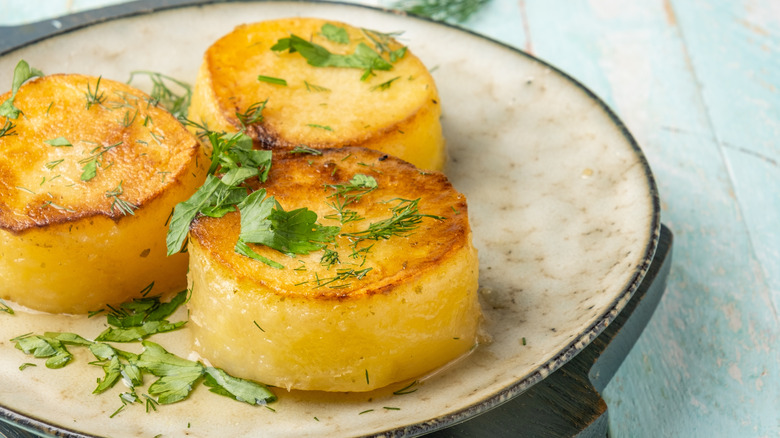
Over the centuries, the French have developed numerous brilliant cooking techniques for all manner of ingredients. And when it comes to the humble potato, pommes de terre fondantes, or fondant potatoes, are about as clever as it gets. The name translates to melting potatoes, and that's the sensation you get when you bite into one of these golden orbs, caramelized on the outside and velvety soft inside.
The cooking method for fondant potatoes is similar to how you might treat a steak. Start by cutting the potatoes into thick discs and seasoning them with salt and pepper. Then sear them in oil or fat until nicely browned on the outside. Add garlic and fresh herbs like rosemary and thyme to the pan, pour in some stock, then braise the potatoes in the oven until they're soft enough to slice with a butter knife. With its rich flavor and contrasting crunchy and creamy textures, it's easy to see why this classic French dish is gaining renewed interest.
4. Pennsylvania Dutch potato filling
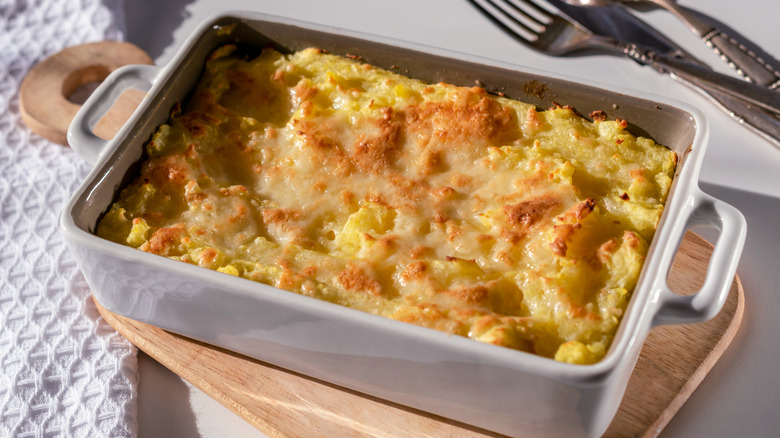
For many folks from Pennsylvania, potato filling brings back memories of holiday dinners and time spent in the kitchen with their grandmothers. The dish dates back to the 18th century, when many German immigrants settled in the region. Made with inexpensive, readily available ingredients, it was an efficient way to turn potatoes and day-old bread into a hearty meal that could feed a crowd.
Pennsylvania Dutch potato filling is the perfect Thanksgiving dish because it's basically a cross between mashed potatoes and stuffing. Although recipes vary, it typically features mashed potatoes mixed with diced and sautéed vegetables and cubes of white bread. Sometimes the mix includes butter, milk, and eggs, along with salt and pepper. Then everything goes into a casserole dish and bakes until golden brown on top. It's traditionally served alongside roast turkey, gravy, and other Thanksgiving staples. However, it's also great any time of year and pairs well with all sorts of roasted meats.
5. Duchess potatoes
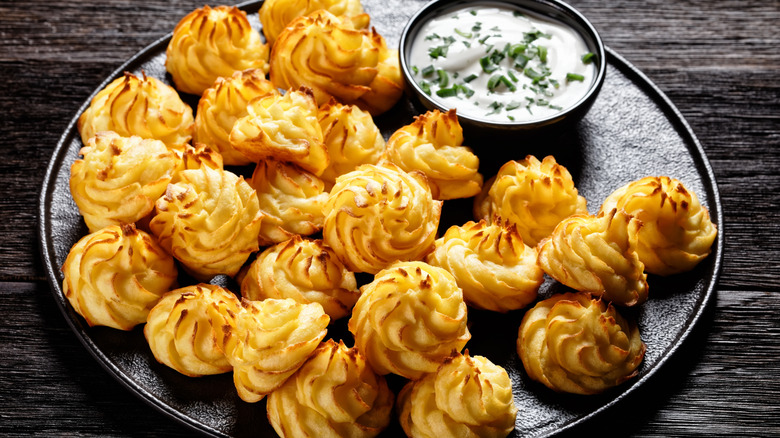
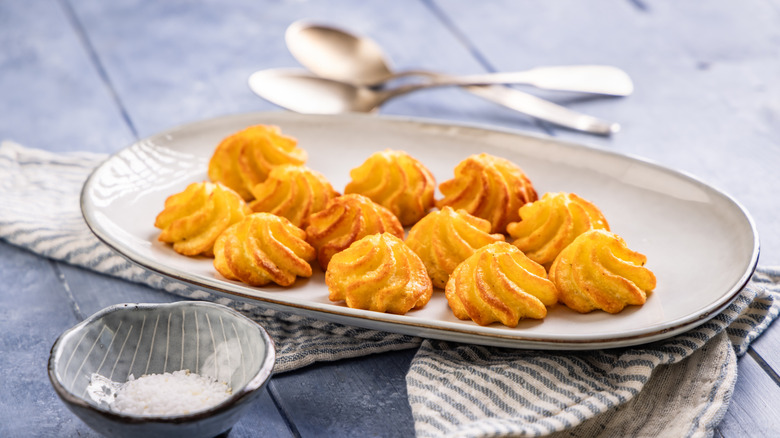
During the 1960s and 1970s, duchess potatoes were the star side dish at fine-dining restaurants. With their golden ridges and piped swirls, these dressed-up mounds of mashed potatoes were the quintessential sophisticated side dish. But the recipe is much older, with roots in French cooking dating back to the early 19th century. Given the name, you might think the dish was favored by a particular duchess, but there's no definitive record of that. Many believe the name simply alludes to the dish's elegance.
Duchess potatoes take a little bit of work to prepare, but they're one of those fancy potato side dishes that are sure to impress dinner guests. They start with a mixture of mashed potatoes, butter, cream, egg yolks, salt, pepper, and nutmeg. Transfer the mixture to a piping bag fitted with a star tip, then squeeze it onto a baking sheet in tightly packed rosettes. Brush each rosette with melted butter, then bake until the outsides are golden and crusty and the insides are airy.
6. Potato cakes
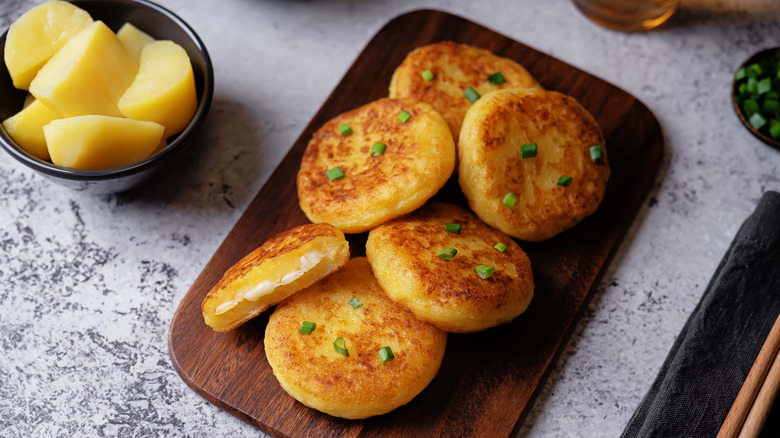
While some old-school potato recipes aim to transform humble spuds into something more elegant, potato pancakes are about as basic as you can get. That may be why so many cultures around the world have their own variations of this simple dish, some dating back centuries. Jewish latkes, Swiss rösti, and German Kartoffelpuffer are just a few examples. Although the ingredients and techniques vary, the idea is to turn potatoes into crisp, golden cakes you can serve as a side dish or enjoy on their own.
At their most basic, potato pancakes consist of grated or mashed potatoes held together with a binder like flour and eggs. They're often shaped into flat cakes and fried in fat or oil until crispy. Some versions also include add-ins like onions and fresh herbs. Common condiments include sour cream and applesauce. You can also go all out with luxe toppings like caviar, crème fraîche, and lox. And if you prefer something sweeter, you can also turn sweet potatoes into fluffy pancake stacks.
7. Delmonico potatoes
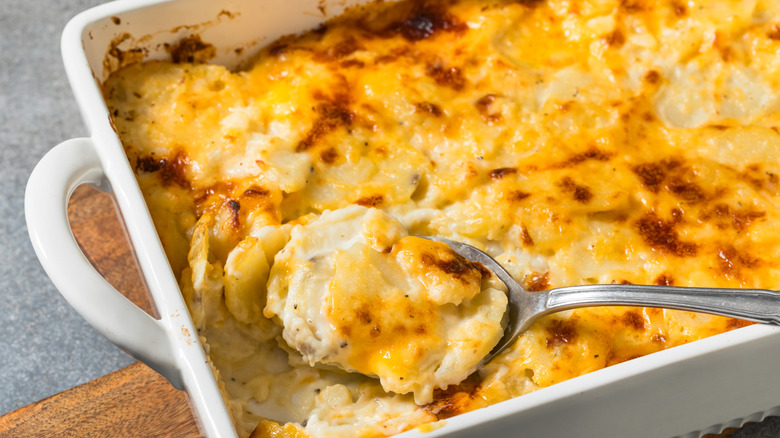
When Delmonico's Restaurant opened in New York City in 1837, it became the country's first fine-dining restaurant. Chef Alessandro Fellippini helmed the kitchen in the early days and created the thick, juicy Delmonico steak the restaurant became famous for. Fellippini also concocted a creamy, cheesy side dish called Delmonico potatoes to go with the steak, and patrons loved it. Rumor has it Abraham Lincoln was a huge fan. The dish has since faded slightly into the background, along with some other old-school creations the restaurant gave birth to, like lobster Newburg and baked Alaska, and we're not sure why, as it's absolutely crave-worthy.
The original recipe for Delmonico potatoes featured boiled and grated potatoes, milk, cream, butter, Parmesan, and nutmeg, baked until lightly browned, then garnished with chopped chives. Over the years, many cooks have put their own spins on the dish, adding ingredients like cheddar cheese, onions, sour cream, breadcrumbs, and crushed saltines. At the end of the day, the goal is a rich, creamy, and utterly comforting potato casserole-style dish.
8. Potato biscuits
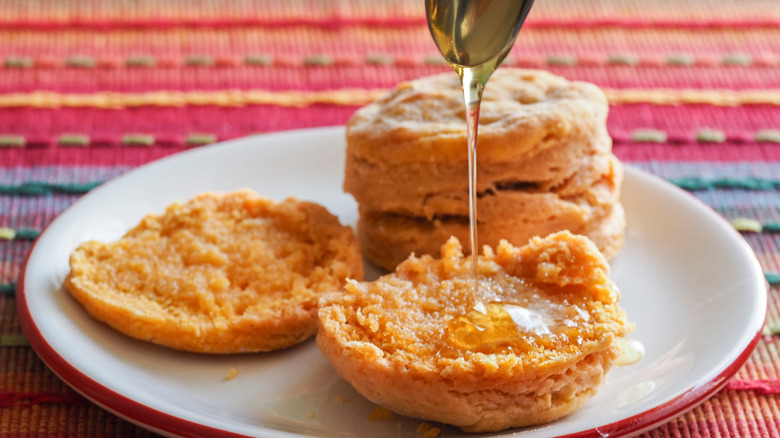
Potatoes may seem like an odd ingredient to add to biscuits, but cooks have used them as add-ins for centuries. In fact, Thomas Jefferson had a recipe for sweet potato biscuits that made it onto the menu at the First Continental Congress in 1774. The recipe called for sweet potatoes mixed with flour, milk, salt, butter, baking powder, and brown sugar. He also added warming spices like cinnamon, ginger, and allspice, plus pecans for some crunch.
White potatoes have also been used in historical biscuit recipes. In fact, potato biscuits were a common staple during WWI. During that time, governments urged people to eat less wheat so that it could be reserved for soldiers. Innovative cooks found that potatoes made for a decent substitute in biscuits. Recipes for potato biscuits from that time often include mashed potatoes mixed with ingredients like milk, eggs, butter, sugar, salt, yeast, and flour (albeit much less flour than your typical biscuit). You might think the biscuits would be stodgy, but if you get the ratios right, you can still end up with perfectly light and fluffy biscuits.
9. Lyonnaise potatoes
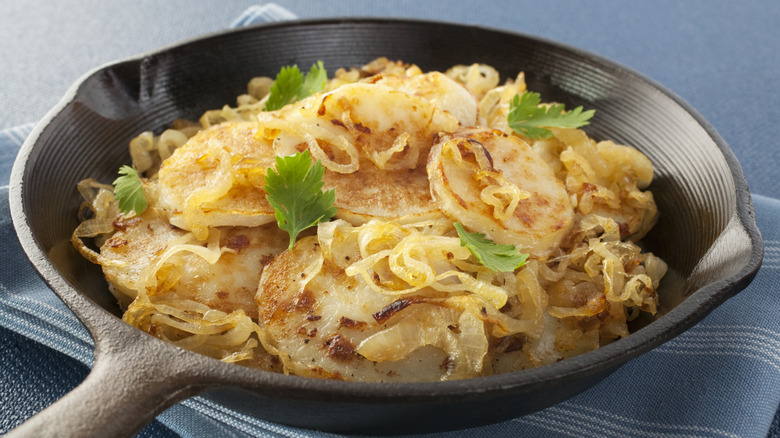
Looking for a potato dish that's easy to make, but also incredibly flavorful? Lyonnaise potatoes (aka pommes de terre à la Lyonnaise) are a classic French dish dating back to the early 1800s and later popularized by chefs like Auguste Escoffier in the early 1900s. It features potatoes that are boiled, sliced, and fried in butter, then tossed with caramelized onions and parsley. The end result is a mix of crunchy and soft textures with sweet, savory, and rich buttery flavors.
There are a few different ways to make Lyonnaise potatoes. You can boil the potatoes with the skin on for extra-crispy edges when you fry them, or peel them first. Either way, most recipes suggest waxy potatoes like Yukon Golds, since they hold up better in the pan. Some cooks also recommend adding vinegar or lemon juice to the boiling water to help the potatoes firm up. For frying, you can use oil, butter, or a mix of both. And don't forget to season well with salt and pepper before serving.
10. Bubble and squeak
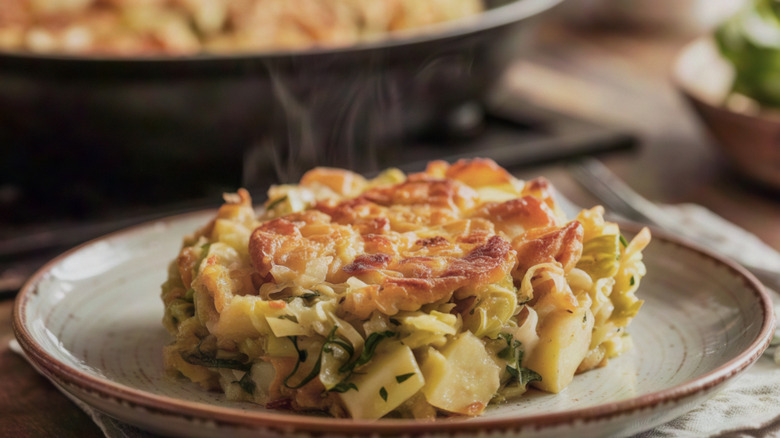
The traditional British dish named bubble and squeak dates back to the 18th century, and it's a clever way to use up roast-dinner leftovers. Thanks to its name, you might expect an oddball dish, but it's actually quite basic. The main ingredients are usually mashed potatoes and cabbage fried in a pan, although cooks can add whatever leftovers are on hand. The dish gets its name from the sound the ingredients make as they're cooking.
One of the great things about bubble and squeak is how versatile it is. You can use any leftover foods you have lying around, including veggies, meats, and herbs. Most folks will tell you the key is to cook the mixture in something flavorful like butter or bacon fat, and to press it down so it crisps up nicely. Once it's browned on the bottom, you flip it to get the same effect on the other side. It's a popular breakfast dish that pairs well with fried eggs, sausage, and bacon. It also makes for a homey and comforting meal any time of day.
11. Pommes soufflés
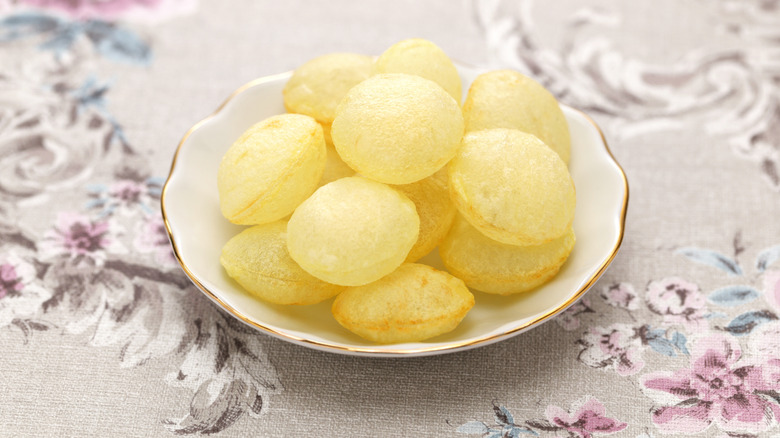
Crispy yet puffy and light, pommes soufflées are a classic French dish with an interesting origin story. Legend has it that a chef named Jean-Louis-François Collinet was cooking a meal for King Louis Philippe I sometime in the 1830s, and one of the dishes was thinly sliced fried potatoes. After he dropped the potatoes into boiling oil, Collinet learned the king would be late, so he took the potatoes out and added them back only when the king was closer. To his surprise, the potatoes puffed up into delightful balloon-like shapes.
Pommes soufflés made their way to America via a chef named Antoine Alciatore, who would go on to open Antoine's Restaurant in New Orleans, Louisiana. It's now the oldest family-run restaurant in the U.S., and it still serves soufflée potatoes today. If you can't make it to New Orleans, you can try making them at home, but it's a bit tricky. The key is using starchy potatoes like Russets and screaming hot oil, especially on the second fry.
12. Funeral potatoes
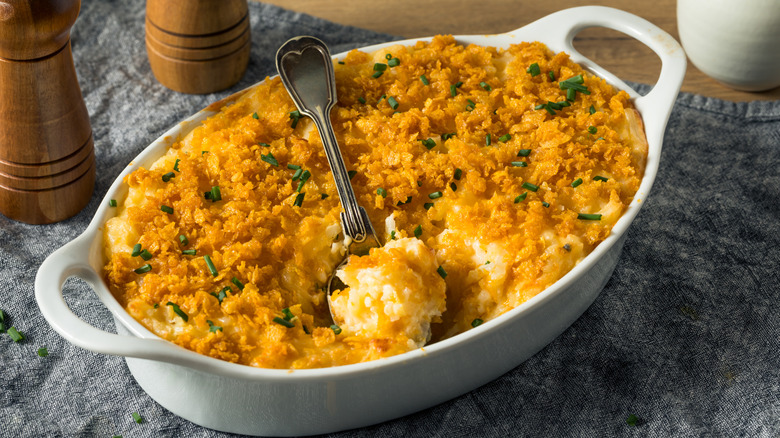
Despite its somewhat somber name, funeral potatoes are a comforting, cheesy potato casserole dish that brings back fond memories for many people in Utah. Recipes vary from family to family, but it typically includes hash browns or tater tots with some kind of creamed soup, cheese, butter, sour cream, and seasonings like salt, pepper, and onion powder. Everything gets piled into a casserole dish and topped with something crunchy like cornflakes or breadcrumbs, then it's baked until bubbling and golden on top.
No one knows who created the first funeral potato casserole, but it originated in the Mormon community in Utah, possibly around the 1950s. Many credit the Latter-day Saints Relief Society with popularizing the dish, as the organization often served it at community events and brought it to people who were sick or in mourning. That's also how it got its name. The dish definitely has old-school vibes, but many devotees will tell you it's the perfect addition to any gathering or holiday spread.
13. White potato pie
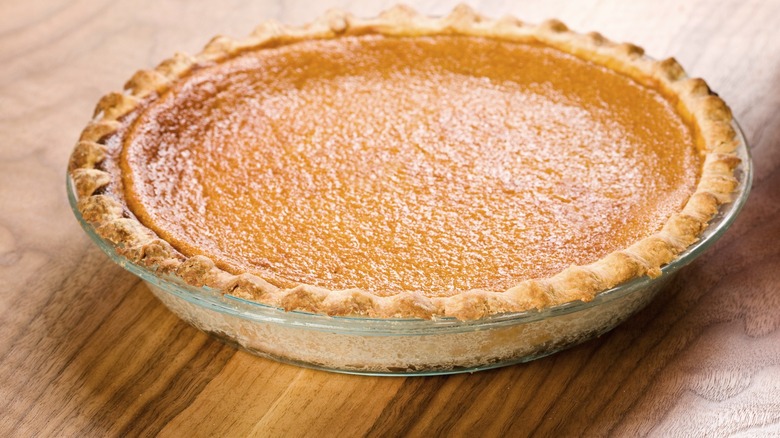
Sweet potato pie is a classic dish that's been around for centuries and never seems to go out of style. Its lesser-known cousin, white potato pie, has its own history, though it doesn't get nearly as much attention. Recipes for the pie started appearing in and around Maryland and Virginia as early as the 1800s, and many believe they came from recipes brought over from Europe. The pie has become less common over time, but it hasn't disappeared, as many families still make it using recipes passed down through generations.
The first step to making a white potato pie is deciding whether to use waxy or starchy potatoes. Waxy potatoes like Yukon Golds are slightly creamier, while starchy potatoes like russets get much fluffier when you boil and mash them, so it depends on the consistency you want. After boiling and mashing the potatoes, you mix them with ingredients like sugar, butter, eggs, evaporated milk, lemon, and sometimes nutmeg. Then pour the mixture into a pie crust and bake until the filling sets.
14. Potato candy
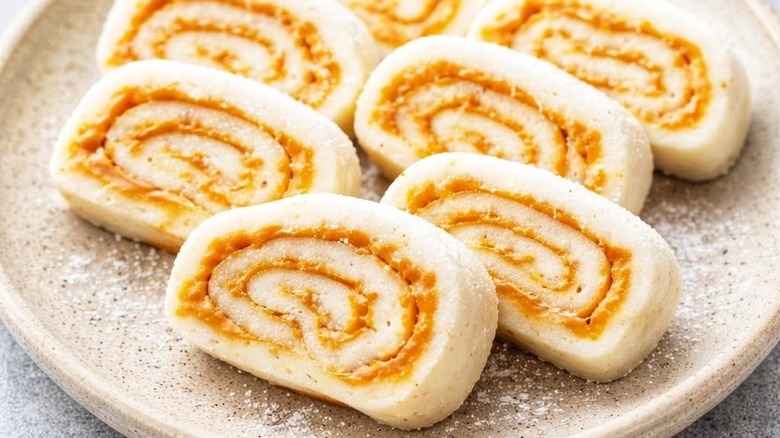
As many dishes on this list show, potatoes can also make sweet treats, including candy. One old-school confection that was popular during the Depression era was potato and peanut butter candy. Easy to make, it features just three affordable ingredients: mashed potatoes, icing sugar, and peanut butter. All you have to do is create a dough with the potatoes and icing sugar, layer it with peanut butter, then roll it up and let it sit in the fridge for a few hours. Once firm, you can slice it into pinwheels and serve.
In Maine, another potato candy became popular long before the Depression era. It was born at a confectionery called Seavey's Sweets in the early 1870s, featuring smooth mashed potatoes mixed with coconut and covered in chocolate. The shop called the candies Needhams (likely after a local preacher named George C. Needham), and they're still around today. Other versions of chocolate-covered potato candies are often simply referred to as Maine potato candies.