

Refried Mayocoba Beans Recipe
We may receive a commission on purchases made from links.
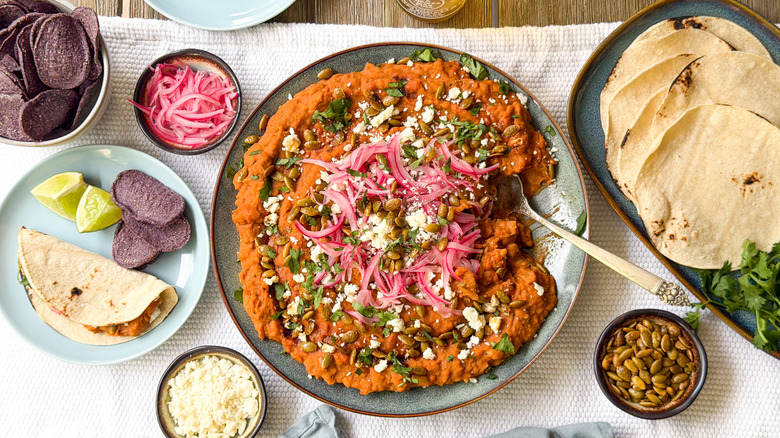
Refried beans often get a bad rap. The canned varieties that line the shelves in the grocery store often have an overly starchy, pasty texture. They tend to be loaded with sodium and exhibit a one-dimensional flavor. There is also the misconception that the "re" in "refried" indicates that the beans have already been fried, then fried again, possibly in lard or in low-quality vegetable fats. Yet, even with all of these factors playing against them, refried beans are incredibly versatile, and though very popular in restaurants, most people don't know how easy it is to make high-quality refried beans at home. My recipe for refried Mayocoba beans will not only walk you through the basic bean cooking process, but will introduce you to a lesser-known bean variety that you are guaranteed to fall in love with. Peruvian Mayocoba beans become supple and creamy when cooked and are the perfect vehicle for delivering a finished dish filled with the flavors of dried chiles, smoky charred vegetables, citrus, and an irresistible brown butter miso emulsion. Topped with quick-pickled red onions, chile oil-toasted pepitas, nutty cotija cheese, and zesty fresh cilantro, these refried beans are a meal in themselves.
To amp up the flavor in these refried Mayocoba beans, you will start by charring an entire head of garlic, a white onion, and an orange in a dry skillet. This imparts a rich smokiness that carries through in the cooking. Making a puree from softened chiles, the garlic, and a bit of cooking liquid infuses the beans with intense flavor. And the only "frying" of your beans involves enrichment from the nutty brown butter, emulsified with miso paste and smoked paprika. There are so many layers of flavor and texture in this dish that you might never think of refried beans in the same way again.
Gather the refried Mayocoba beans ingredients
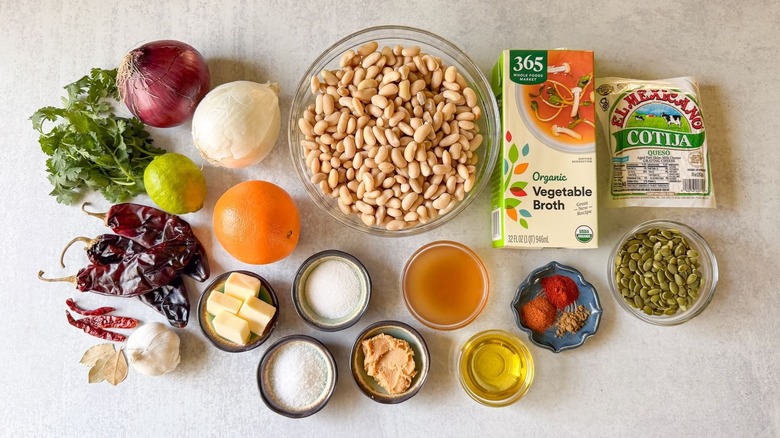
This recipe for refried Mayocoba beans calls for pre-soaked dried Mayocoba beans. To do this, you will need to get started the day or night before by first rinsing and sorting your beans in a colander. Rinsing will remove any dust or small particles (as they are a product of the earth), but sorting will ensure that you don't wind up with tiny stones or damaged beans in the mix. This is as simple as running your fingers through the beans as they rinse under cold water to look for anything amiss. Once your beans are clean, put them in a large pot and cover them by a couple of inches with cold water. Put a lid on and let your beans soak for at least 12 hours or up to 24. Once the beans have soaked, give them another quick rinse and they will be recipe-ready.
To make the quick-pickled onion, you will need apple cider vinegar, granulated sugar, and sea salt for your brine. You will thinly slice a small red onion and add a bay leaf for flavor. To cook the beans, you will first char a whole head of garlic, a small white onion, and a navel orange. Along with the beans, you will use vegetable broth as your cooking liquid, dried New Mexico chiles, chile de árbol peppers, and more bay leaves. While your beans simmer, you will need raw pepitas, avocado oil, ancho chile powder, smoked paprika, ground cumin, and sea salt to make a batch of chile oil-toasted pepitas. For the "refrying" of your cooked beans, you will create a brown butter emulsion from unsalted butter, more avocado oil, white miso, and more smoked paprika. You will finish your beans with some fresh lime juice, crumbled cotija cheese, and fresh cilantro.
Step 1: Make the brine for the onions
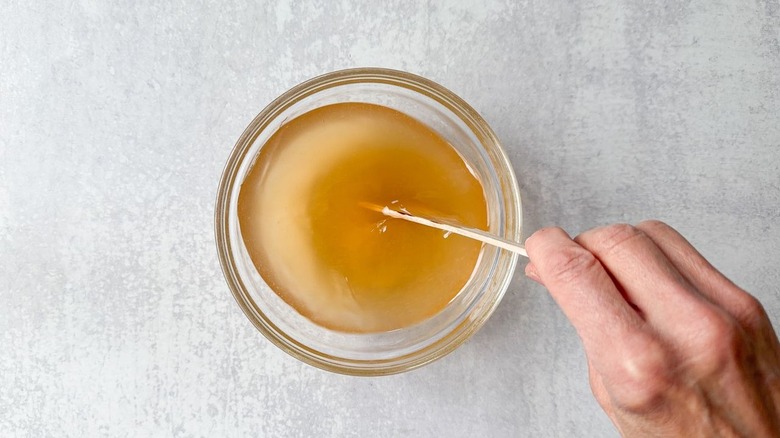
Combine the apple cider vinegar, ½ cup warm water, sugar, and sea salt in a small bowl, stirring to dissolve.
Step 2: Place the onions and bay leaf in a jar
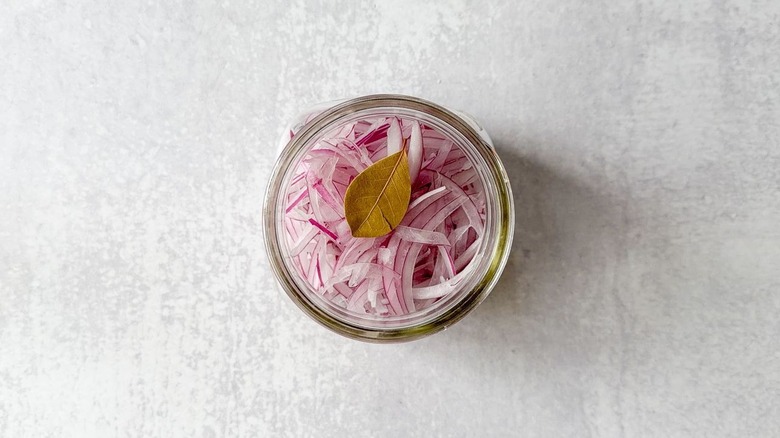
Place the onions and bay leaf in a glass jar to fit.
Step 3: Add the brine
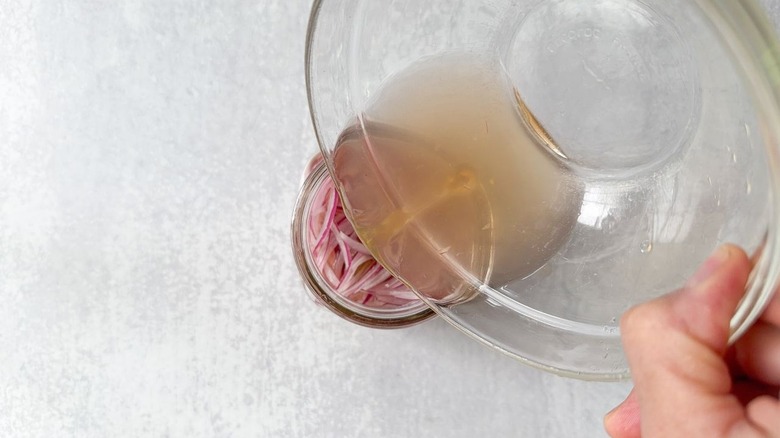
Pour the brine over the onions.
Step 4: Cover the jar
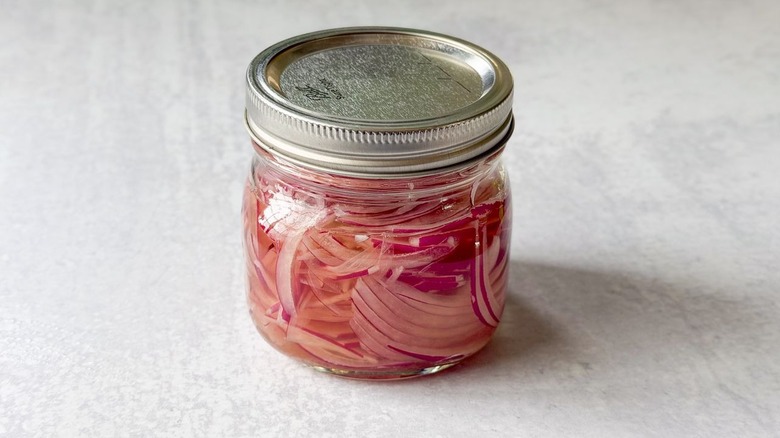
Cover the jar and let it sit at room temperature while the beans are cooking.
Step 5: Slice the garlic head
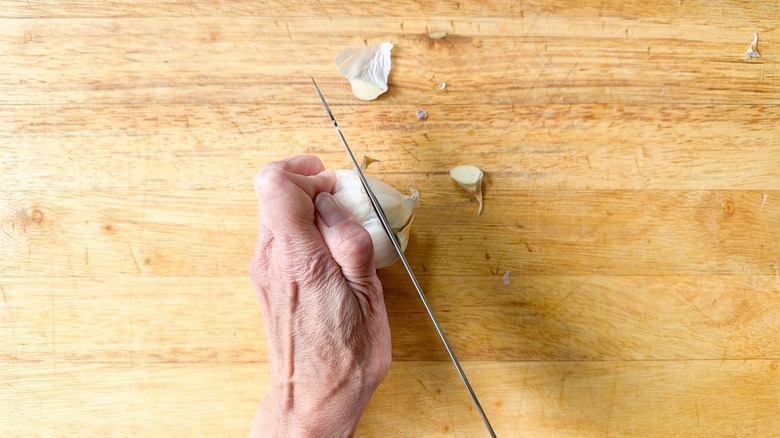
Remove the outer papery layers from the garlic head and cut off the top third horizontally to expose the cloves.
Step 6: Add the orange, onion, and garlic to a Dutch oven
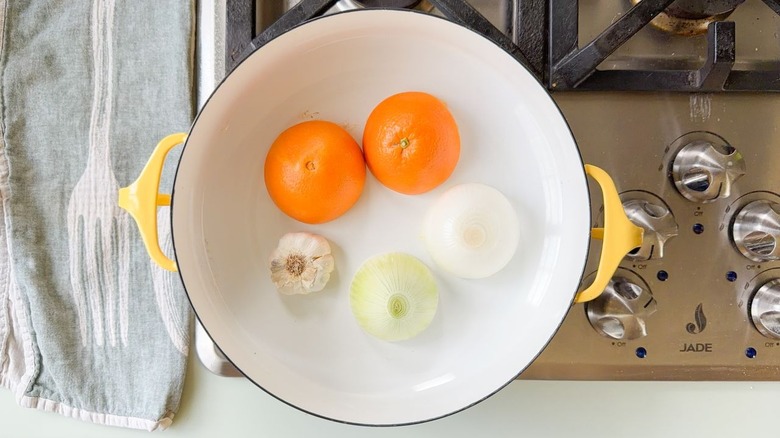
In a heavy Dutch oven or other large pot, place the onion halves, trimmed garlic head, and orange halves cut-side-down over high heat.
Step 7: Dry sear until caramelized
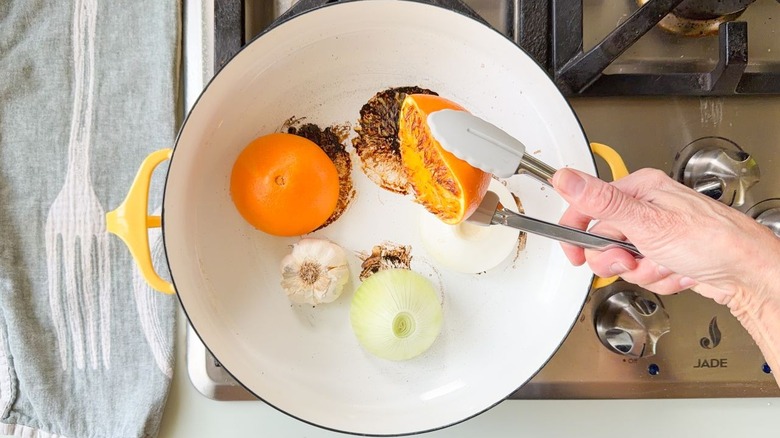
Dry sear for 5 minutes until deeply caramelized and charred. Remove the oranges and set aside.
Step 8: Add the beans, broth, vinegar, chiles, and bay leaves to the pot
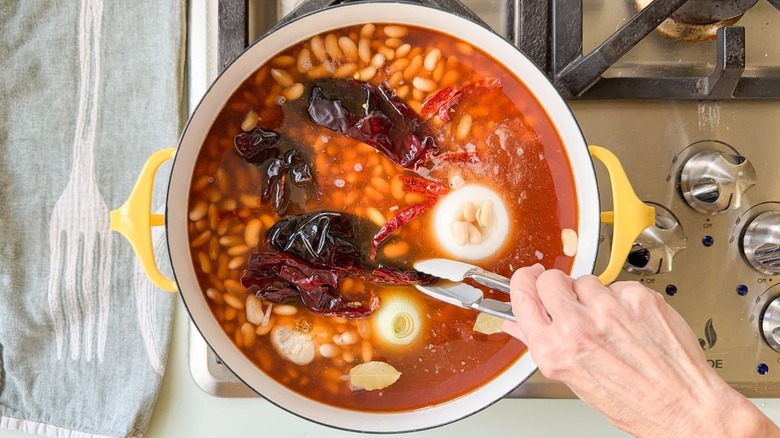
Add the soaked beans, broth, apple cider vinegar, dried chiles, and bay leaves to the pot with the charred onion and garlic.
Step 9: Squeeze in the juice from the orange
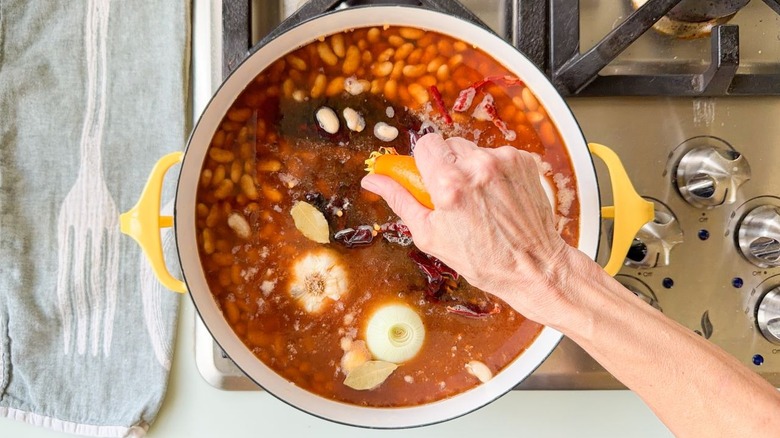
Squeeze in the juice from the oranges and discard the peels.
Step 10: Bring the beans to a boil
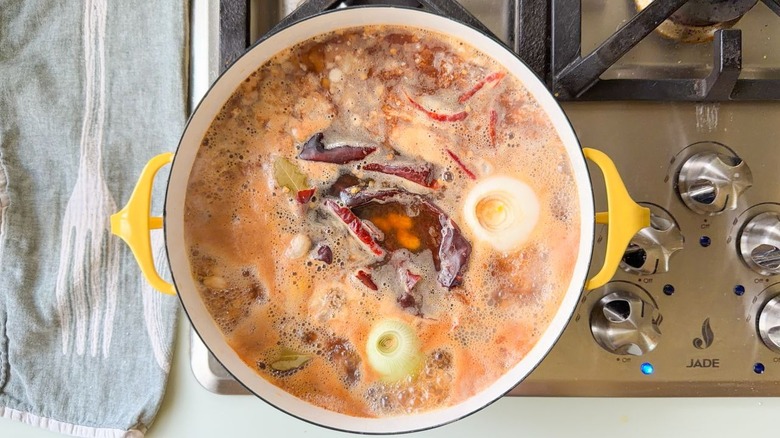
Bring the beans to a boil over medium-high heat.
Step 11: Cover the pot and simmer
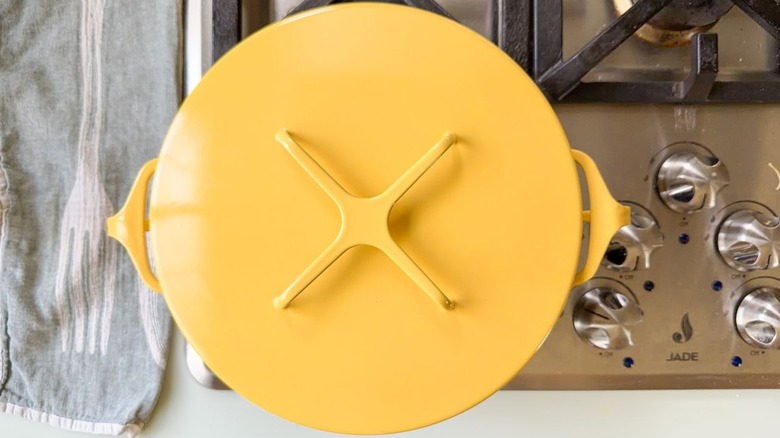
Reduce the heat to low, cover the pot, and simmer for about 2 hours until the beans are very soft.
Step 12: Start the chile oil toasted pepitas
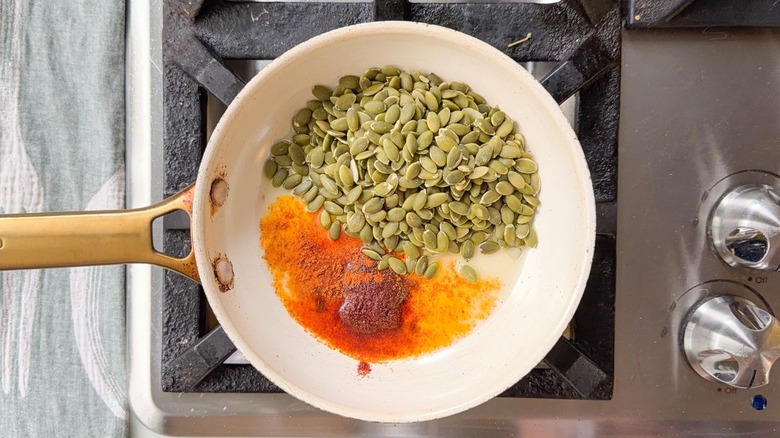
While the beans are cooking, combine the pepitas, avocado oil, chile powder, smoked paprika, and cumin in a small skillet over medium-low heat.
Step 13: Cook and stir for 2 minutes
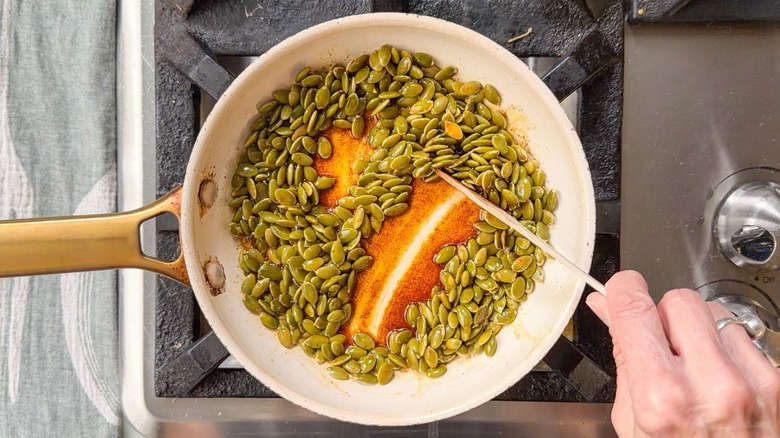
Cook and stir for about 2 minutes until the spices are fragrant and the pepitas start to pop.
Step 14: Transfer the pepitas to a bowl
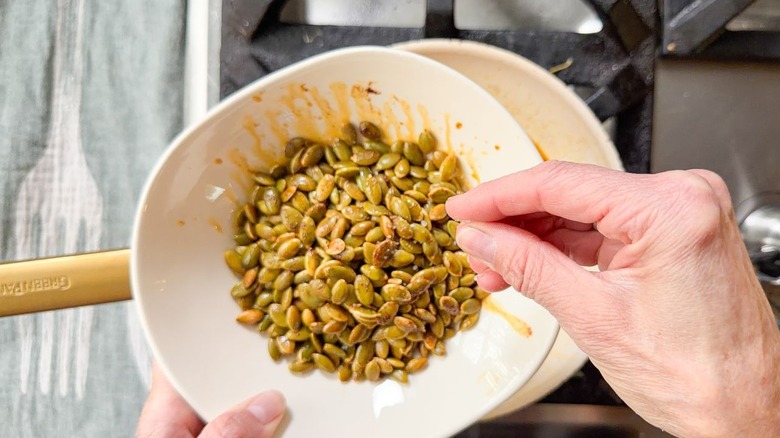
Spoon the pepitas into a shallow bowl and toss them with the salt. Reserve any residual oil in the pan.
Step 15: Remove the garlic, chiles, onion, and bay leaves
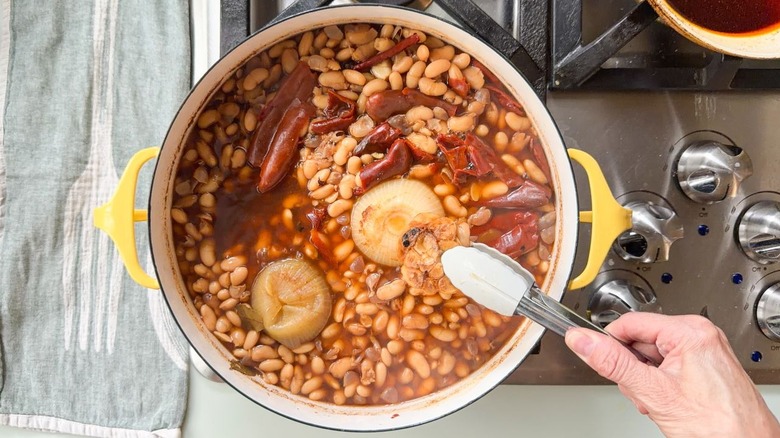
Once the beans are tender, remove the garlic head and chiles and set them aside. Discard the onions and bay leaves.
Step 16: Squeeze the garlic cloves into a blender
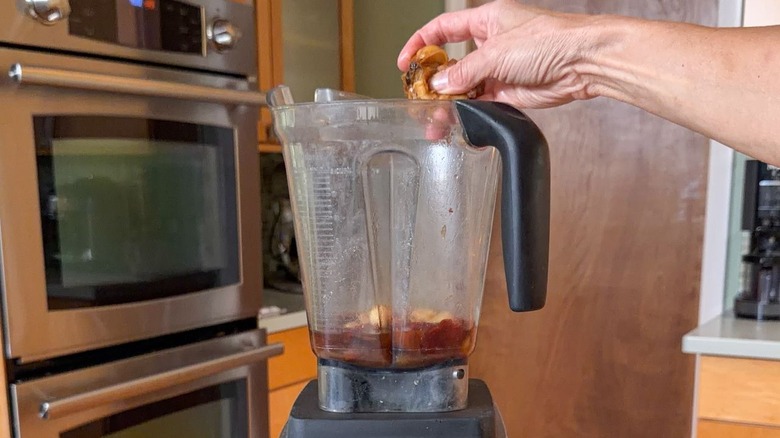
Once the garlic is cool enough to handle, squeeze the softened garlic cloves into a blender along with 1 cup of the cooking broth and the softened chiles.
Step 17: Blend the chiles and garlic until smooth
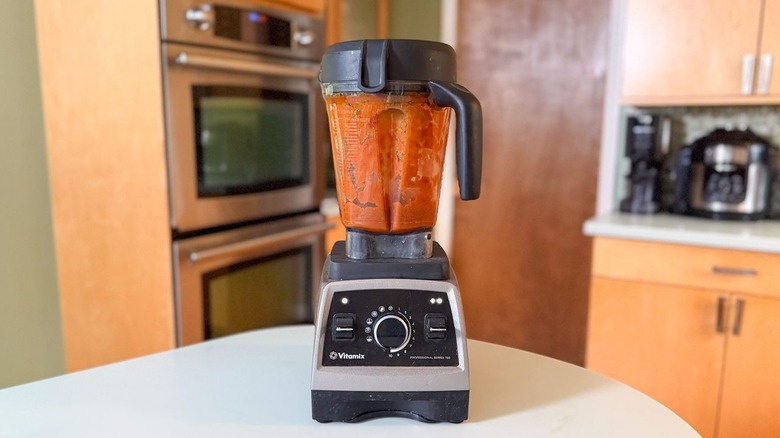
Blend until completely smooth and set aside.
Step 18: Drain the beans
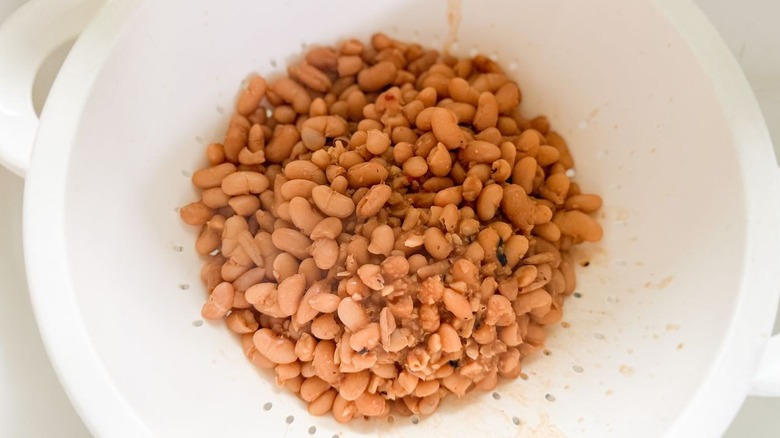
Drain the cooked beans, reserving the cooking liquid in another pot or large heat-proof bowl.
Step 19: Melt the butter with the oil
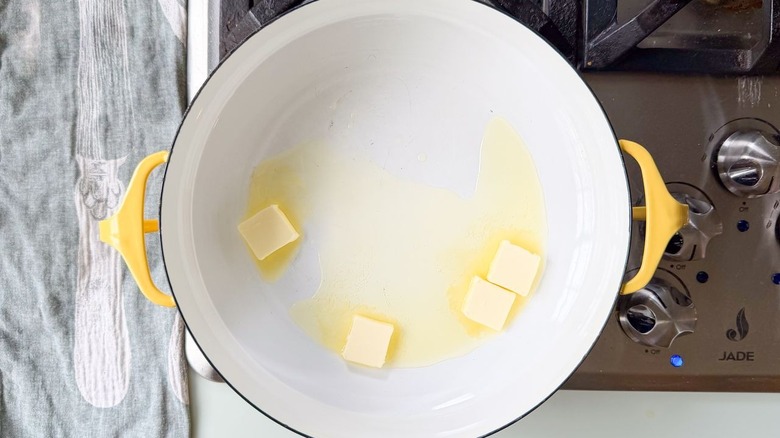
Wipe your Dutch oven clean and melt the butter with the oil over medium-low heat.
Step 20: Brown the butter
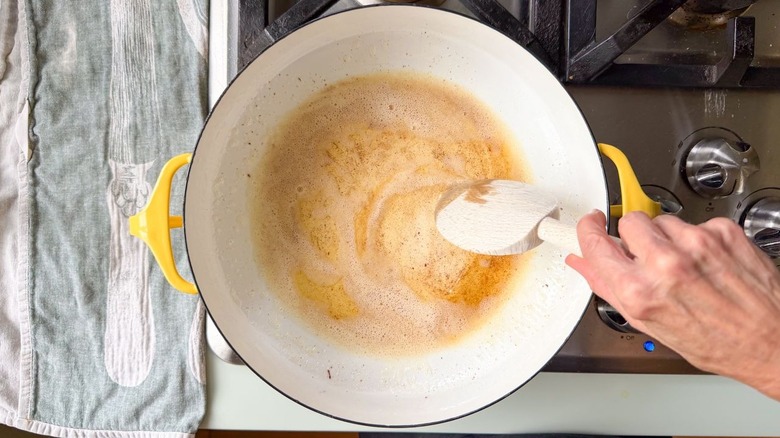
Continue to cook until the mixture smells nutty and the milk solids start to brown.
Step 21: Whisk in the miso paste and smoked paprika
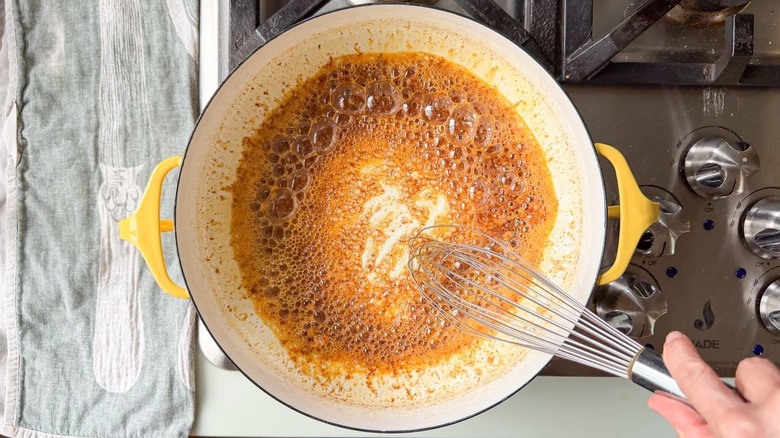
Turn the heat to low and whisk in the miso and smoked paprika until smooth.
Step 22: Add the beans and chile-garlic emulsion to the pot
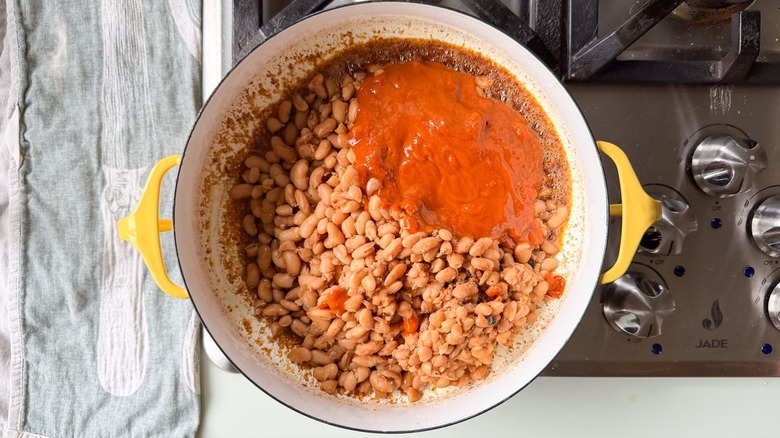
Add the drained beans and blended garlic-chile mixture to the brown butter miso in the pot.
Step 23: Mash the beans
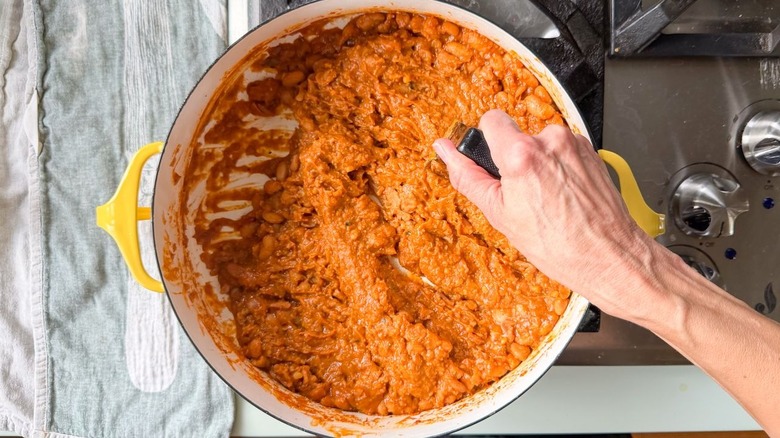
Mash the beans by hand using a potato masher or the back of a spoon.
Step 24: Whisk in lime juice and some of the cooking liquid
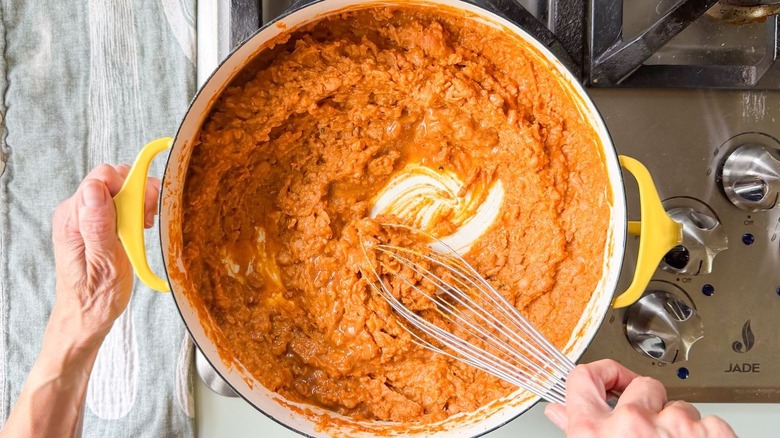
Whisk in the lime juice and some of the reserved cooking liquid until the beans are glossy (about ½ cup).
Step 25: Garnish the beans and serve
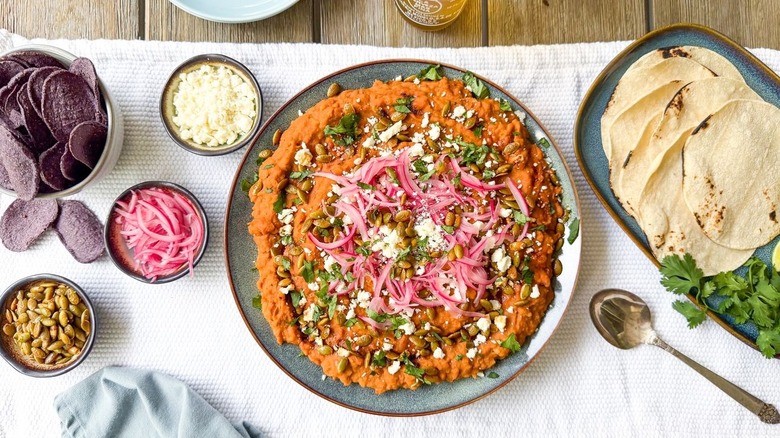
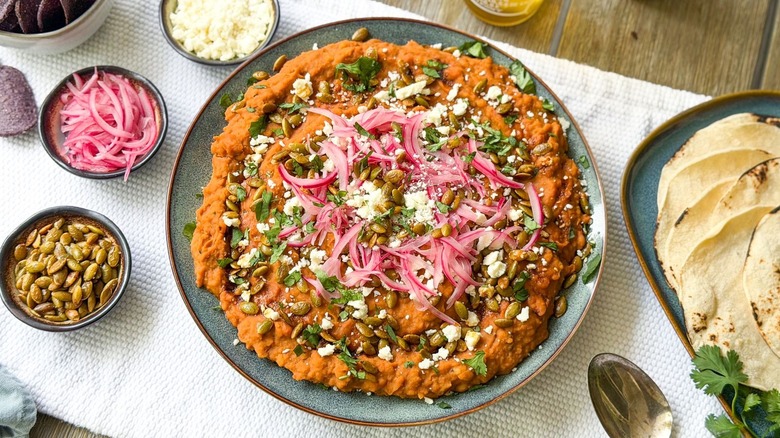
Spread the beans into a wide, shallow serving bowl and top with drained pickled onions, the pepitas and pan oil, cotija cheese, and cilantro to serve.
What can I serve with refried beans?
Refried Mayocoba Beans Recipe
Our elevated refried beans are made with dried Mayocaba beans simmered in a smoky broth and refried in miso brown butter, topped with chile-oil-toasted pepitas.
Ingredients
- For the quick-pickled onions
- ½ cup apple cider vinegar
- 1 tablespoon granulated sugar
- 1 teaspoon sea salt
- 1 small red onion, peeled, halved, and very thinly sliced
- 1 small bay leaf
- For the beans
- 1 head garlic
- 1 small white onion, halved and papery skin removed
- 1 navel orange, halved
- 1 pound dried Mayocoba beans, soaked in water overnight, drained, and rinsed
- 6 cups vegetable broth
- 2 tablespoons apple cider vinegar
- 3 dried New Mexico chiles, stems and seeds removed
- 3 dried chile de árbol peppers, stems and seeds removed
- 2 bay leaves
- For the chile oil toasted pepitas
- ½ cup raw pepitas
- 2 tablespoons avocado oil
- ½ teaspoon ancho chile powder
- ½ teaspoon smoked paprika
- ¼ teaspoon ground cumin
- ¼ teaspoon sea salt
- For finishing the beans
- 4 tablespoons unsalted butter
- 2 tablespoons avocado oil
- 2 tablespoons white miso
- ½ teaspoon smoked paprika
- 2 tablespoons fresh lime juice
- ¼ cup crumbled cotija cheese
- ¼ cup chopped fresh cilantro leaves
Directions
- Combine the apple cider vinegar, ½ cup warm water, sugar, and sea salt in a small bowl, stirring to dissolve.
- Place the onions and bay leaf in a glass jar to fit.
- Pour the brine over the onions.
- Cover the jar and let it sit at room temperature while the beans are cooking.
- Remove the outer papery layers from the garlic head and cut off the top third horizontally to expose the cloves
- In a heavy Dutch oven or other large pot, place the onion halves, trimmed garlic head, and orange halves cut-side-down over high heat.
- Dry sear for 5 minutes until deeply caramelized and charred. Remove the oranges and set aside.
- Add the soaked beans, broth, apple cider vinegar, dried chiles, and bay leaves to the pot with the charred onion and garlic.
- Squeeze in the juice from the oranges and discard the peels.
- Bring the beans to a boil over medium-high heat.
- Reduce the heat to low, cover the pot, and simmer for about 2 hours until the beans are very soft.
- While the beans are cooking, combine the pepitas, avocado oil, chile powder, smoked paprika, and cumin in a small skillet over medium-low heat.
- Cook and stir for about 2 minutes until the spices are fragrant and the pepitas start to pop.
- Spoon the pepitas into a shallow bowl and toss them with the salt. Reserve any residual oil in the pan.
- Once the beans are tender, remove the garlic head and chiles and set them aside. Discard the onions and bay leaves.
- Once the garlic is cool enough to handle, squeeze the softened garlic cloves into a blender along with 1 cup of the cooking broth and the softened chiles.
- Blend until completely smooth and set aside.
- Drain the cooked beans, reserving the cooking liquid in another pot or large heat-proof bowl.
- Wipe your Dutch oven clean and melt the butter with the oil over medium-low heat.
- Continue to cook until the mixture smells nutty and the milk solids start to brown.
- Turn the heat to low and whisk in the miso and smoked paprika until smooth.
- Add the drained beans and blended garlic-chile mixture to the brown butter miso in the pot.
- Mash the beans by hand using a potato masher or the back of a spoon.
- Whisk in the lime juice and some of the reserved cooking liquid until the beans are glossy (about ½ cup).
- Spread the beans into a wide, shallow serving bowl and top with drained pickled onions, the pepitas and pan oil, cotija cheese, and cilantro to serve.
Nutrition
| Calories per Serving | 431 |
| Total Fat | 19.1 g |
| Saturated Fat | 6.0 g |
| Trans Fat | 0.0 g |
| Cholesterol | 19.0 mg |
| Total Carbohydrates | 50.0 g |
| Dietary Fiber | 12.0 g |
| Total Sugars | 7.6 g |
| Sodium | 554.4 mg |
| Protein | 18.8 g |

What are Mayocoba beans? Are there any substitutes I can use in this recipe?
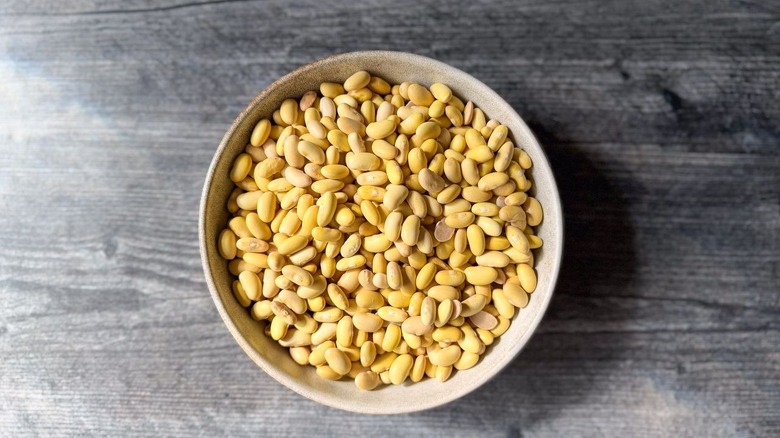
Mayocoba beans might not be a household pantry staple, but they are an exquisite bean variety to become familiar with. The dried beans have a light tan or yellow hue (they are also known as canary beans) and are primarily grown in Peru and other regions of Central and South America. These beans have a relatively thin skin, which is appealing for preparations where a soft, almost custardy outcome is desired. They cook down relatively quickly and mash or puree easily, with the skins dissolving into the mix. When cooked on their own, Mayocoba beans also have a mild, almost sweet flavor, which makes them versatile in pairing and as a template for an array of spices and seasonings.
The closest kin to the Mayocoba variety in terms of flavor and texture is the pinto bean. Pintos are relatively standard for making refried beans, and could definitely be used in this recipe. If you want to keep the dish unique, try using different types of white beans such as navy, great northern, or cannellini. These white beans have skins that are a bit more rigid, but they still produce a creamy interior after being soaked and cooked.
What are some other ways I can use these refried Mayocoba beans?
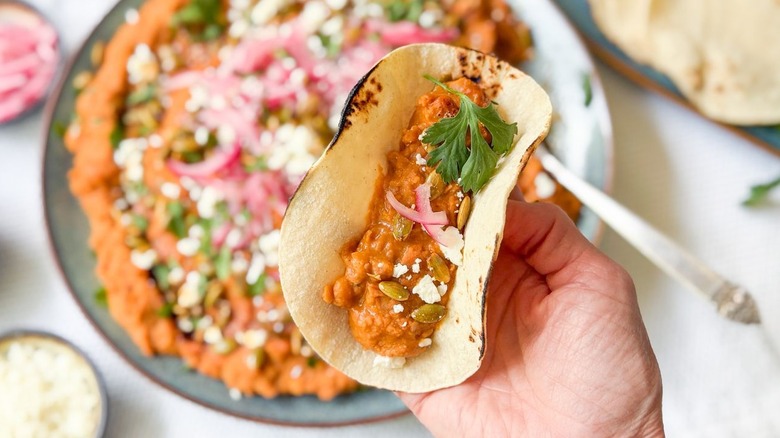
I love having a big batch of homemade refried beans on hand, as they are versatile in innumerable ways. The richness and complexity of these refried Mayocoba beans lend them to a host of creative preparations. Some standard popular preparations would be tacos, burritos, enchiladas, tostadas, or amazing chimichangas. The beans can be highlighted on their own, or combined with shredded or ground meats, fresh or sauteed vegetables, and a variety of cheeses. Sheet pan tacos are a favorite of mine, with corn tortillas loaded with the refried beans and sharp cheddar that oozes out and creates nutty, crispy edges while baking. You can also make next-level breakfast burritos or huevos rancheros.
If you want to think beyond standard Mexican or Tex-Mex fare, try spreading a thin layer on a pizza with grilled eggplant, oyster mushrooms, and Gruyere. Mix the cold beans with a bit of panko, egg, and sauteed shallots to form croquettes to flash fry in peanut oil. You can also use these beans as a thickener for vegetable or tomato soup by stirring in a small amount at the end of cooking.