

9 Canned Foods Everyone Ate In The '60s
We may receive a commission on purchases made from links.
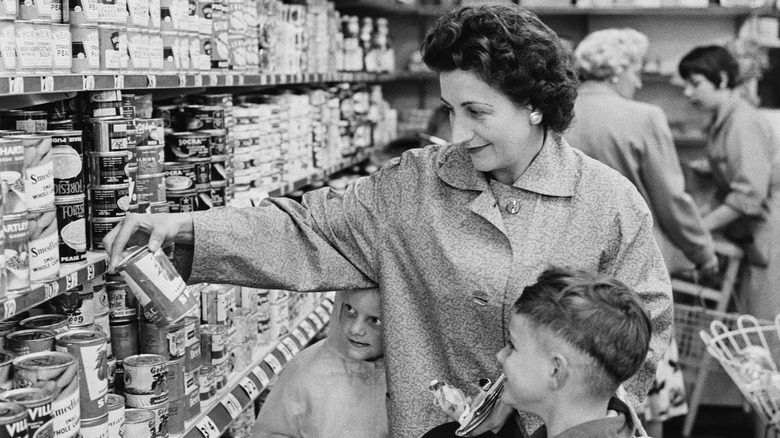
The 1960s were a boom time for convenience foods in America, and canned goods played a starring role in kitchens across the country. As people embraced modern appliances at home and more women joined the workforce, canned foods gave families an easy way to get dinner on the table with minimal effort. From vegetables and soups to meats and desserts, the wide variety of canned goods available meant they could be used in everything from weeknight meals to holiday recipes.
The allure of canned foods was about more than just convenience and speed, however. Another big selling point was that they contained shelf-stable ingredients that could be stored in the pantry for long periods of time. In a post-World War II landscape, many people were still operating under frugal mindsets when it came to food, and having a fully stocked pantry could alleviate stress. While some of these canned foods may not be popular today, or even around at all, you can still find a few in stores. Here are nine canned foods that everyone ate in the '60s.
1. Chef Boyardee's Beefaroni Pasta
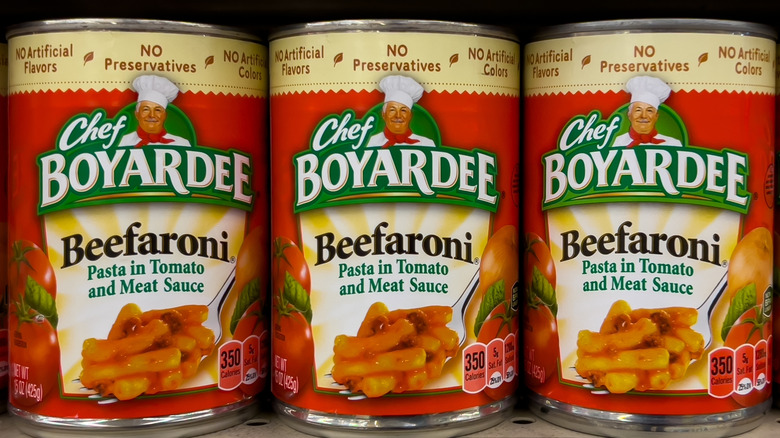
Chef Boyardee canned foods were extremely popular in the 1960s, and Beefaroni, in particular, was basically a cultural icon. Countless catchy commercials showcased children happily singing, "Hooray for Beefaroni!" as they sprinted through the streets, presumably on their way to eat a bowl of canned pasta. According to the marketing, Beefaroni was for the whole family, but it also contained "more bodybuilding protein for kids" than other meals, supposedly giving kids all the energy they needed for the day.
Beefaroni was especially helpful for kids with busy parents – all it really needed was to be heated up. Chef Boyardee heavily pushed the "real Italian" aspect of Beefaroni in its advertising, as it did with many of its other canned pasta dishes. In other words, it might've been easy and cheap, but it was also, according to the ads, an international treat made by a real chef from Italy who became a canned food celebrity.
2. Popeye Spinach
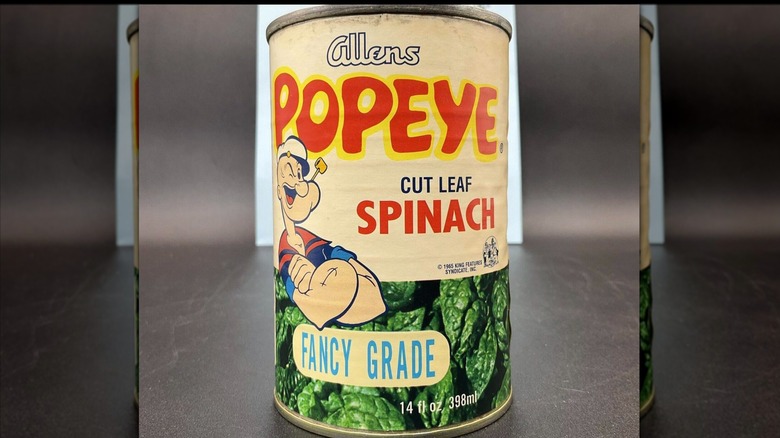
Canned spinach became popular in the 1960s because of one cartoon sailor who absolutely adored it. When Popeye cartoons started being televised in the '60s, kids actually began wanting to eat vegetables – canned spinach, specifically, since Popeye loved it so much and it made him strong whenever he gulped down a can. The Steele Canning Company licensed Popeye himself in 1966, slapped him on the packaging, and the cartoon basically acted as an advertising machine for canned spinach.
Popeye canned spinach is still sold today, albeit under a different company. The Allen Canning Company, now just known as Allens, bought Popeye Spinach in 1978, before later being acquired by McCall Farms. The canned vegetable comes in three different varieties: Leaf Spinach, Leaf Spinach (No Salt Added), and Chopped Spinach. And, although it's not as popular in the present day, it can be used to make some pretty tasty dips, like this 5-cheese spinach artichoke dip.
3. Campbell's condensed soups
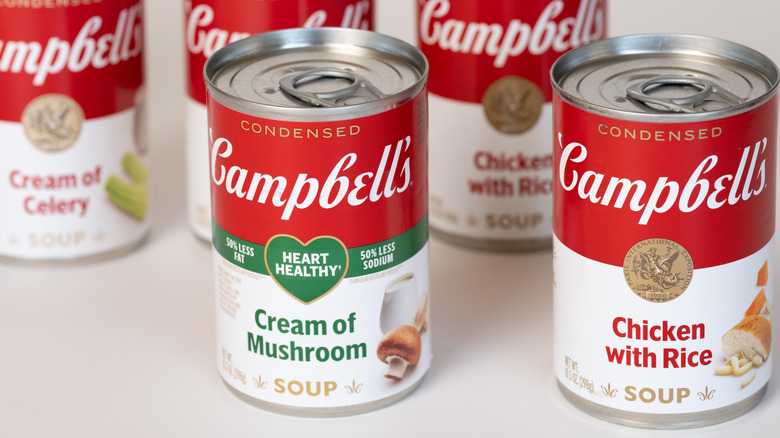
Campbell's condensed soups — and the wall-mounted can openers that opened them — were ubiquitous in 1960s kitchens, as they were affordable, easy to prepare, and shelf-stable. They were also extremely versatile and could be used in a wide range of meals. Sure, you could add water and have soup for dinner, and that would be a fine option. But plenty of other popular dishes incorporated the soups, such as casseroles, sauces, and meatloaf. Another reason Campbell's soups were so popular, however, was the way they were advertised.
Commercials played catchy jingles about how soups and sandwiches were the perfect pairing, doubling down on the convenience of the meal. Campbell's even participated in the paper dress trend of the 1960s (cheap dresses with funky graphics made mostly of a cellulose, Dura-Weave, that were meant to be thrown away after one or two wears) and made cheap paper-like dresses covered in a collage of classic red and white cans.
In 1962, the Campbell's can was even celebrated (sort of) in the art world when Andy Warhol's Campbell's Soup Cans paintings were first displayed at a gallery in Los Angeles. Despite its association with the 1960s, Campbell's soup is still popular today and available in a wide variety of flavors (and, frankly, there are a few discontinued Campbell's soups we'd like back).
4. Underwood Deviled Ham Spread
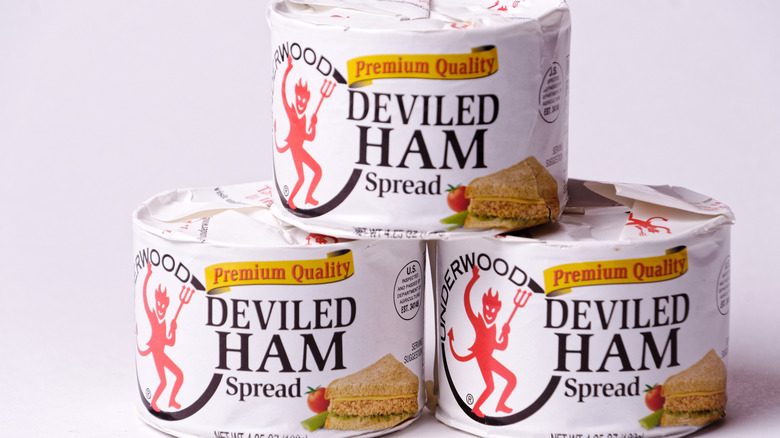
Underwood Deviled Ham Spread had been around for decades by the time the '60s arrived, but it was still a staple in American pantries. The canned meat is made up of ground ham and seasonings, including spicy ones like mustard powder and chili. It is an extremely versatile product that can be used on sandwiches and appetizers (ground ham on crackers, anyone?). One print advertisement from 1960 even showed the ham product used in a "snow cap spread," which was an elegant-looking meat pie with a mountain of cream cheese (or sour cream) on top.
The little devil on the can was easily recognizable, as it had been on cans of Underwood Deviled Ham since 1870. Back then, though, the devil mascot was much scarier looking (long claws, mean expression) than it was by the time the '60s came around. And, like its mascot, this ham spread has some major longevity as it's still sold to this day at grocery stores (which makes it the oldest registered trademark in the U.S.). All that said, Underwood Deviled Ham Spread definitely still has what it takes to be one of the canned meats you should have in your pantry.
5. Sweetened condensed milk
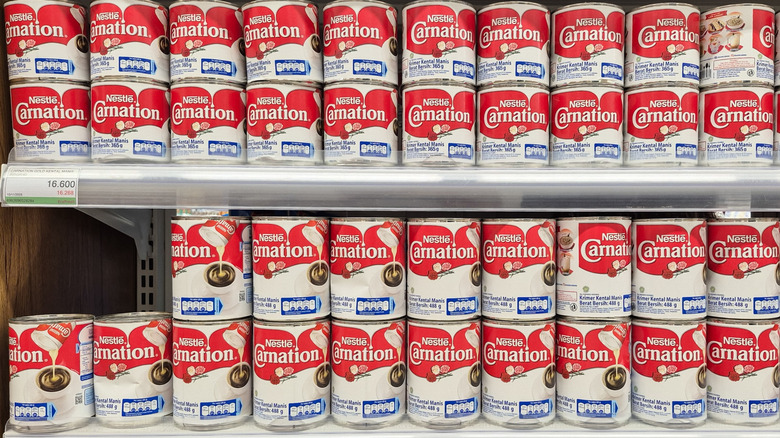
Sweetened condensed milk cans were found in plenty of pantries across America during the 1960s. The thick and sugary canned dairy product could be used in many homemade desserts, including puddings, pies, and candies. Since it has a rich texture and concentrated sweetness, it was a convenient add-in that could stand in for a host of other ingredients. There were a few different popular brands, like Eagle Brand, Milkmaid, and Dutch Baby, among others. And since it could last a long time in the pantry, families usually kept a few cans on hand
The different brands used creative marketing to build loyalty — for example, Eagle Brand released little booklets of recipe ideas as a means of advertising, a common tactic for popular food brands at the time. And one of Milkmaid's marketing campaigns involved placing various educational facts and pictures of animals on the inside of the can labels for customers to collect and place in a booklet. For many bakers, canned condensed milk remains a staple to this day (and can be used to make the fudgiest of brownies).
6. SpaghettiOs
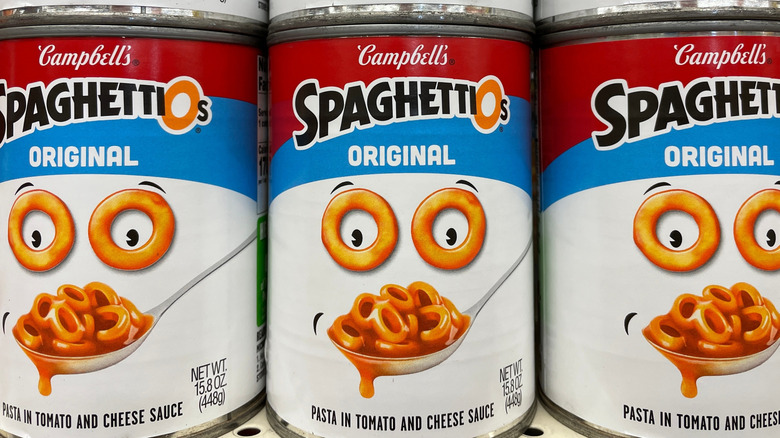
SpaghettiOs came to be in 1965, offering a new take on a familiar comfort food — canned spaghetti, but this time, in ring form. The can of pasta in tomato sauce was easy to prepare, and a major selling point was that you could eat it with a spoon, which was easier. Ads in the 1960s showed kids and adults alike attempting to eat regular spaghetti, but it was just too messy and slippery, and kept falling off the fork. Enter SpaghettiOs — now everyone was in less distress, without their pasta going everywhere.
SpaghettiOs was also in heavy competition with Chef Boyardee to be the preferred canned pasta among American families. In an old-school canned food battle, SpaghettiOs eventually lost to Chef Boyardee, which sold more cans. In fact, SpaghettiOs had to endure a bit of a brand makeover to stay relevant. Although it had always been owned by Campbell's, the Franco-American part of the brand label was dropped – it just wasn't recognizable enough to compete with Chef Boyardee. Campbell's slapped its own label onto the can instead, giving it some of that familiar red-and-white branding. Still, over 50 years later, SpaghettiOs, like Chef Boyardee, remains one of the most recognizable canned pasta products in the U.S.
7. Franco-American Gravy
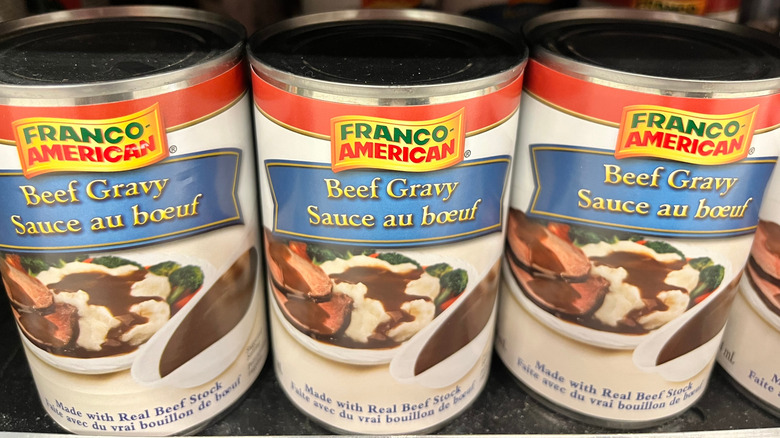
Convenience food of the 1960s extended beyond ready-to-eat pasta, soups, and sides. With Franco-American canned gravy, meals could incorporate the flavor of homemade gravy without any of the effort. From meat dishes to mashed potatoes, families cracked open cans of the popular beef-flavored gravy to pour on top of dinners. And like so many other convenience foods, Franco-American gravy also had its own catchy ad jingle.
Although the beef flavor had been popular on American pantry shelves throughout the previous decade, it was the '60s when Franco-American built on this success and introduced several new flavors. Chicken, Mushroom, and Chicken Giblet Gravy were all released during the decade, giving families even more choices when it came to smothering and covering their meals. Print advertisements also gave home chefs examples of how to use the gravy, with recipe ideas like beef croquettes, meatloaf, and savory beef sandwiches. Franco-American Gravy still exists today, but is mostly distributed across Canada.
8. Canned pudding snacks
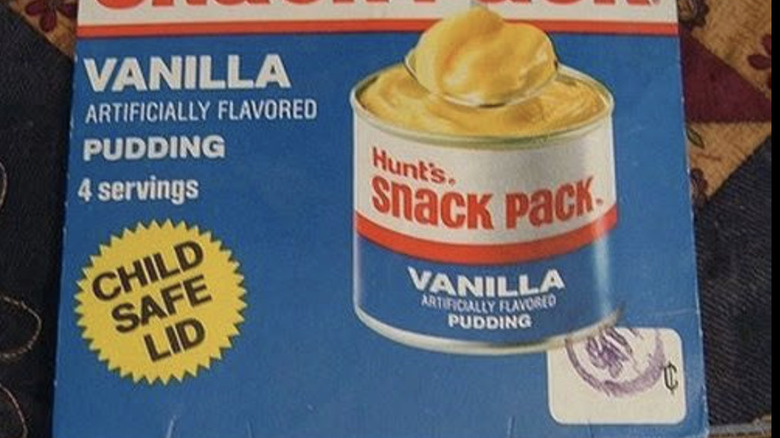
Long before refrigerated pudding started showing up in kids' lunchboxes, canned pudding snacks were very popular. Multiple brands joined in on the trend, including Hunt's and Bounty (Campbell's), among others, in flavors like chocolate, vanilla, and butterscotch. The ads prominently stressed that you didn't need to cook these pudding snacks as they were conveniently prepared for you. Bounty ads touted that the canned puddings were "the fanciest pudding you never cooked," showing several flavors in glass serving bowls.
Folks on Reddit who used to enjoy the Hunt's version fondly remember the snack, with many of them recalling that licking the lid usually meant cutting your tongue. In fact, licking the lid went directly against the orders of the talking horse mascot from the 1960s commercials, who instructed children to throw the top away after opening the can.
Though canned pudding is more difficult to find in stores these days, you can grab Chef's Quality on Amazon. You can also readily find plastic cups of the dessert that don't require refrigeration in stores and online, such as Snack Pack.
9. SPAM
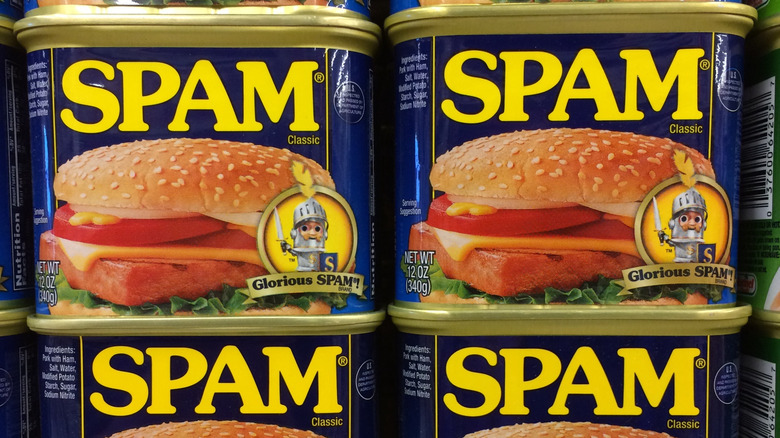
Canned meat was one of the cooking trends that defined the 1960s – and although SPAM was already a household name by the time the decade arrived, its popularity continued. People jumped on the SPAM train after it was used for military rations during World War II. The meat was (and still is) made of pork shoulder and ham, plus a few other ingredients, and it could be added to everything from sandwiches (also known as SPAMwiches) to breakfast plates. At one point, SPAM and Bisquick even teamed up to promote SPAMcakes, a hybrid of pancakes and SPAM.
The popularity of SPAM spawned a trend, and other brands started creating their own competing versions such as Treet, Prem, and Mor. There was even a chopped beef in a can variation called Bif. A couple of these products still exist today, but SPAM remains the most well-known of the bunch and is still ubiquitously sold at most grocery stores and online. It also comes in a large variety of flavors and packaging options – with some variations containing lower levels of sodium, like SPAM Lite and SPAM 25% Less Sodium.