

6 Forgotten Things That Were In Every 1960s Kitchen
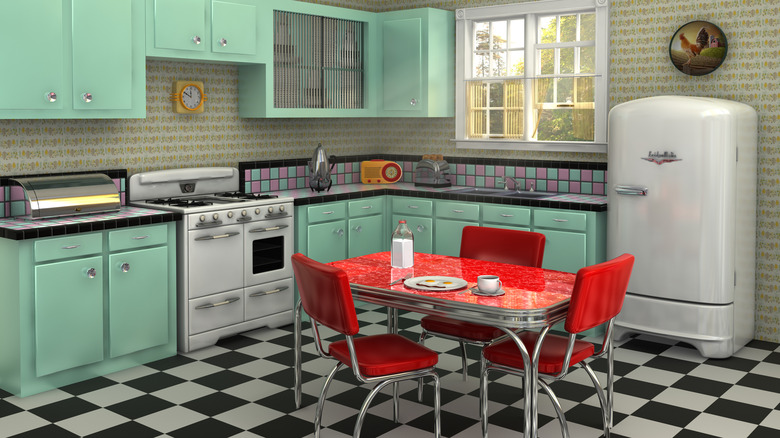
Mid-century modern kitchens represent a classic style that is having a bit of a resurgence in 2026. Wooden wall panels, funky shapes, and pleasantly muted colors are staples for this sultry yet retro design type. While plenty of people are rushing to decorate their spaces with this vintage look in mind, 1960s kitchens weren't just about aesthetics — they also contained a lot of functional devices and gadgets that are no longer commonly used in today's homes. While updated versions still exist, many of these items have simply been lost to time with the rise of more modern appliances like smart refrigerators, air fryers, and espresso machines.
We've compiled a list of retro kitchen items from the '60s that have been all but forgotten. For those who are interested in vintage lifestyles, it's fascinating to think that these six almost obsolete tools might have been used by our grandparents as they cooked dinner every night.
1. Rotary egg beaters
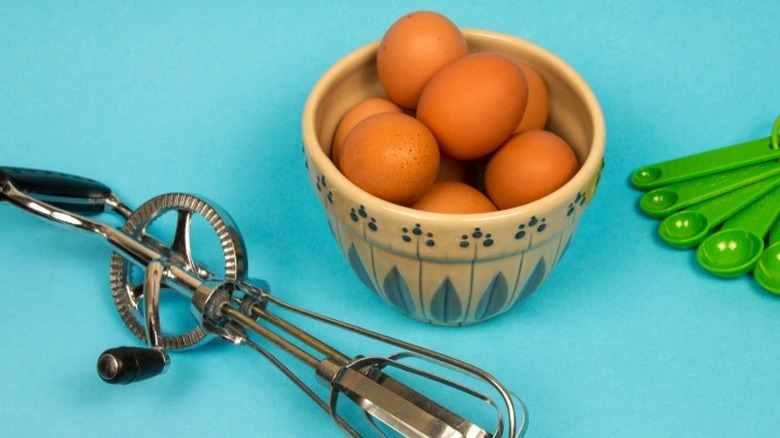
Currently, stand mixers are all the rage. They're often found on wedding registries and have multiple settings that can speed up or simplify baking techniques, such as whipping, kneading, and creaming. Before electric mixers, however, cooks often faced a choice between whisking ingredients by hand or using a rotary egg beater. These devices featured cranks and gears that you could wind to make the beaters spin at different rates. Anyone who has whisked ingredients manually in a bowl understands how taxing it can be. A staple in 1960s kitchens, the rotary egg beater gave home chefs' wrists and biceps a break.
This device makes the process of whipping much quicker and requires only a little more effort than an electric whisk. It even drastically cut down the time it takes to whisk egg whites into meringue. Some versions of this tool included clamps that fixed the beaters to the counter for more sturdy use (similar to a modern stand mixer), although this was not a common feature found on household egg beaters in the 1960s.
2. Kitchen scales
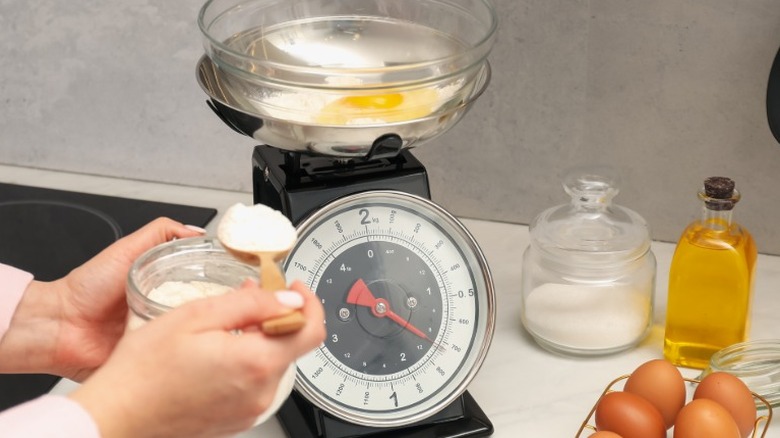
Today, home cooks often use measuring cups while baking, and many modern recipes give measurements in cups rather than in weight. Measuring cups are also popular because they look neat and aesthetic, and are easy to use, store, and clean. Back in the early 1900s, however, many home cooks used scales – particularly spring scales — to get their measurements just right. Scales provide accuracy and consistent results and don't cause the problems that can arise with measuring cups, such as accidentally compressing ingredients while scooping, leading to overfilling.
When digital scales came into the picture in the mid-20th century, they quickly became very common due to being simple to use and more precise than spring scales. They were also popular because of the boom in electronic products following World War II.
3. Coffee percolators
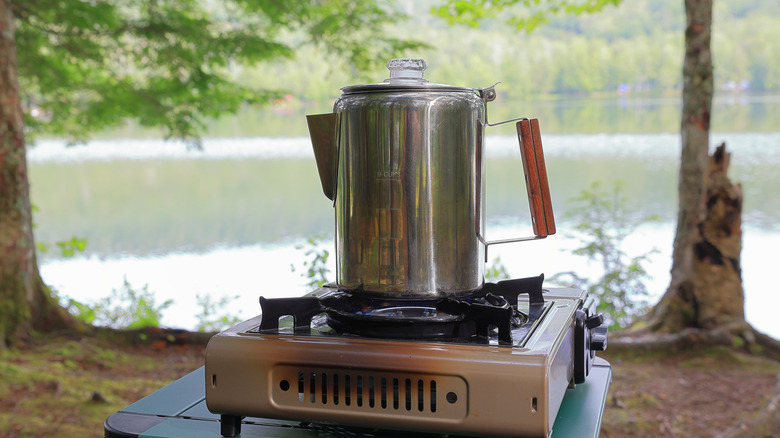
Coffee has long been a staple in household kitchens and is one of the most popular drinks in the U.S. Percolators were a very common coffee brewing apparatus for years, up until the 1970s. Patented in 1889 by Hanson Goodrich, percolators could be found in most kitchens and were used to make coffee on the stovetop. The percolator base is filled with water, with coffee grounds placed in the basket above, and then heated on the stove. This brings the water to a boil and forces it up through a tube into the basket, where it is steeped through the coffee grounds before being poured into your mug, producing a hot cup of joe.
While coffee percolators were popular, these old-school coffee makers admittedly have a hidden flaw: They can leave your coffee tasting bitter if it's left boiling for too long. Another downfall of the coffee percolator was the steady rise of instant coffee, which is much simpler and obviously quicker than traditional brewing methods.
4. Milk doors

Back in the days when a milkman delivered dairy products straight to your home, there was a designated place to leave milk bottles. Milk doors were popular in 1920s apartments, but were also a thing in the '60s. If they didn't already have one, homeowners were encouraged to install milk doors for convenience instead of letting their milk bottles sit outside.
These small cubbies had one door built on the outside of the house and another that could be opened in the kitchen, separated by a small storage space. Storing the milk indoors like this helped to protect it from the elements as well as prevent it from being stolen by passersby or lapped up by animals. The milk door was also the ideal place to stash empty bottles for pickup. You can still find them in some vintage homes, although they are no longer used due to modern refrigeration and the fact that the job of the milkman is no longer common.
5. Recipe card boxes
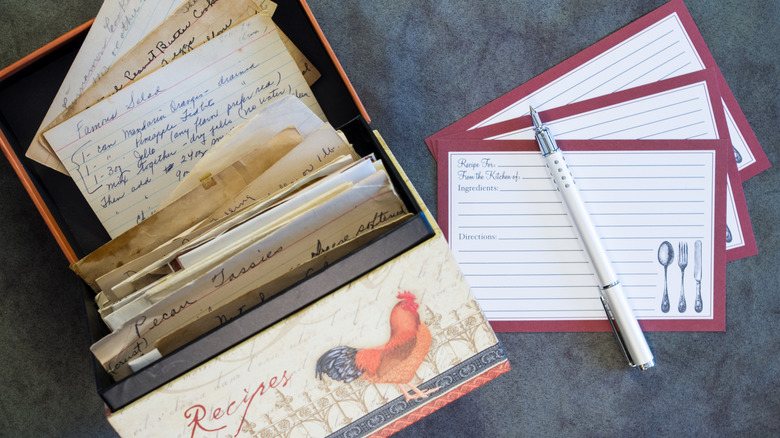
Cooks in the '60s couldn't just search the internet for instructions. Instead, many collected their favorite recipes –- including vintage recipes that were passed down through generations and contemporary recipes they found in magazines — and kept them in a tidy box for easy access.
People organized their recipes using index cards, which were sometimes available via subscription from publications like Life Magazine. Betty Crocker was also famous for its convenient storage box that was sold on its radio show, and which included index cards that could be restocked through the mail.
Home cooks could also record their own personal recipes to add to their recipe boxes. This allowed them to keep them for future reference, trade them with friends and family, and pass them down to children and grandchildren, creating a handy record of eating habits and delicious dishes across the decades.
6. Wall-mounted can openers
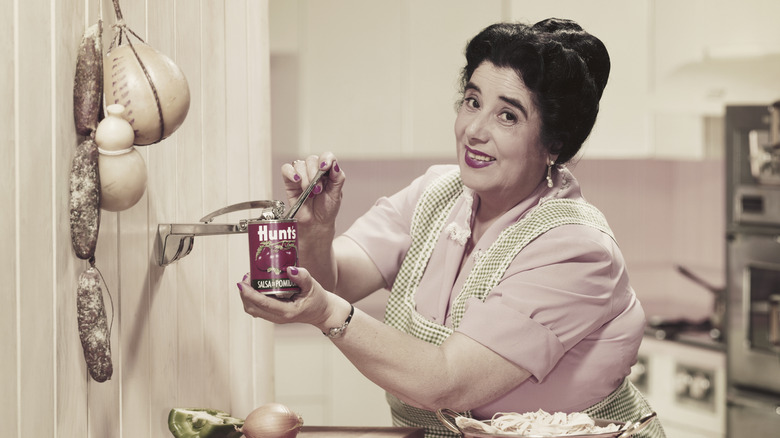
It's very common for households to use electric can openers in the 21st century, although hand-operated devices are still the go-to method in many countries. (If you've ever wondered how people opened cans before the invention of the can opener, it often involved crude tools like hammers, chisels, and even bayonets.) Earlier versions of the can opener were very popular and were typically installed on the walls of kitchens instead of being found in drawers.
Wall-mounted can openers operated by a crank were commonplace in most 1960s kitchens, but were originally introduced a few decades earlier. They were praised for being extremely easy to use and were manually operated, consisting of a small jagged wheel that was strong enough to cut through metal cans. One prominent brand for these products, Dazey Corporation, was a frontrunner in the industry in the '60s and is one of the earliest companies to sell the wall-mounted can opener.