

19 Foods Packed With Antioxidants That Aren't Blueberries
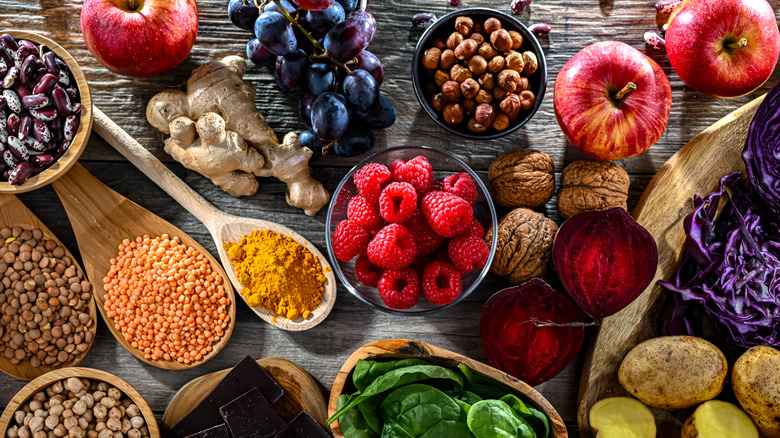
Eating foods rich in antioxidants is key to a healthy diet. Simply put, antioxidants are naturally occurring compounds that help to protect your body's cells from damage. Your body naturally creates some antioxidants on its own, but there are also a ton of foods — like blueberries, famously — that can help you load up on these healthy compounds that work hard to keep your cells healthy. That said, blueberries aren't the only foods that can help you get the antioxidants you need to feel your best. There are so many other fruits, vegetables, and spices that can help you increase your antioxidant intake.
If you're not a fan of blueberries, or simply want other ways to add antioxidants to your diet, we've got you. From pecans to red grapes to artichokes, there are a ton of healthy and delicious ways to get the antioxidant boost your diet needs. Let's take a look at the foods you'll want to add to your grocery list to add antioxidants to your diet — without requiring you to load up on blueberries.
Blackberries
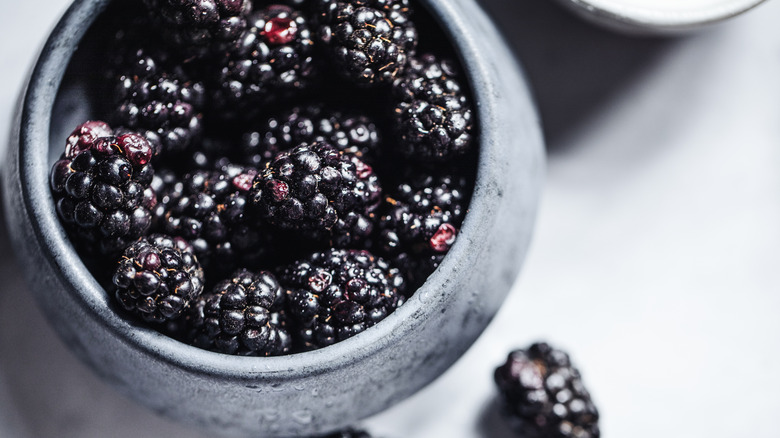
Blackberries offer a host of vitamins that work double-duty as antioxidants. Each berry adds vitamin C, vitamin K, and manganese to your diet. The tart berries also offer polyphenols, an antioxidant that can help combat inflammation in the body. While blackberries are great to snack on by themselves, you can also add them to a morning smoothie to give yourself some extra nutrients as you start your day.
Apples
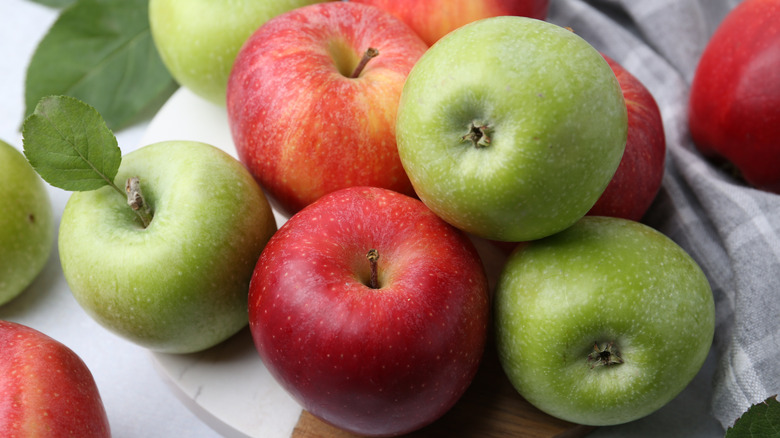
There's some serious truth to the old saying: An apple a day can indeed help keep the doctor away. Apples have antioxidants including phloridzin and quercetin. While research is ongoing, phloridzin may have anti-cancer properties, while quercetin is known for its ability to reduce inflammation in the body. Pro tip: If you're enjoying an apple on its own, go for honeycrisp — they're one of the absolute best apples for just snacking.
Strawberries
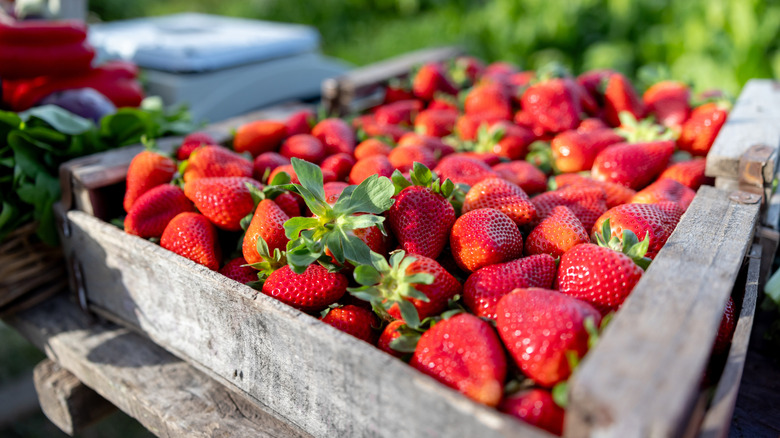
If you're over blueberries, grab a pound or two of strawberries instead next time you're at the grocery store. The way that you choose ripe strawberries at the store can actually impact the amount of antioxidants you take home. You'll want to look for super deep red strawberries, as a dark red color is a clear indicator of high antioxidant levels.
Raspberries
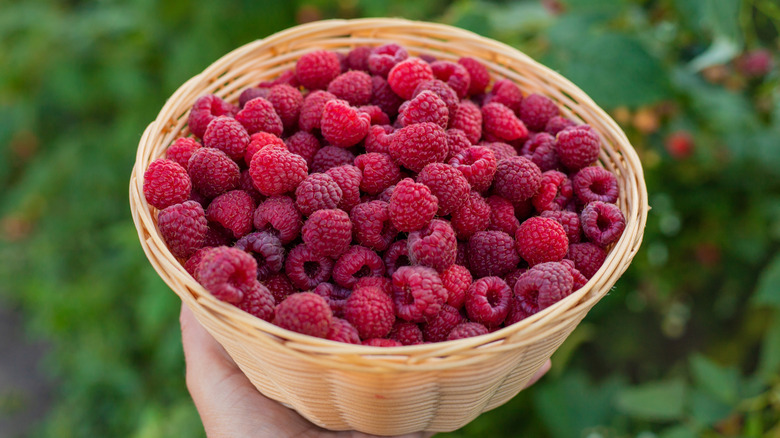
Soft and sweet with just the right amount of tang, raspberries are a welcome addition to breakfast and dessert alike. When you eat raspberries, you're actually supporting your heart health. Antioxidants including ellagitannins, anthocyanins, and vitamin C have been shown to support the cardiovascular system, and may even play a role in keeping arteries clear.
Red grapes
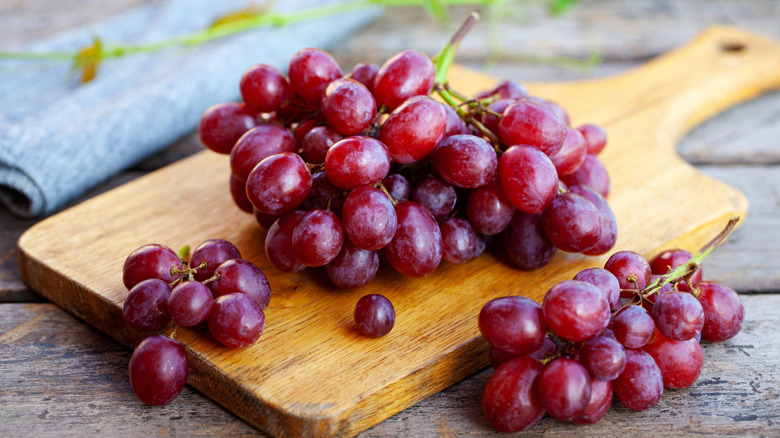
Red grapes are packed with resveratol, an antioxidant that's known for preventing cancer, reducing inflammation, reducing arthritis symptoms, and supporting heart health. While red wine has been touted as a healthy choice due to its resveratol content, you certainly don't need to drink alcohol to get the antioxidant into your system. Simply eating red grapes or drinking red grape juice does the job.
Mangoes
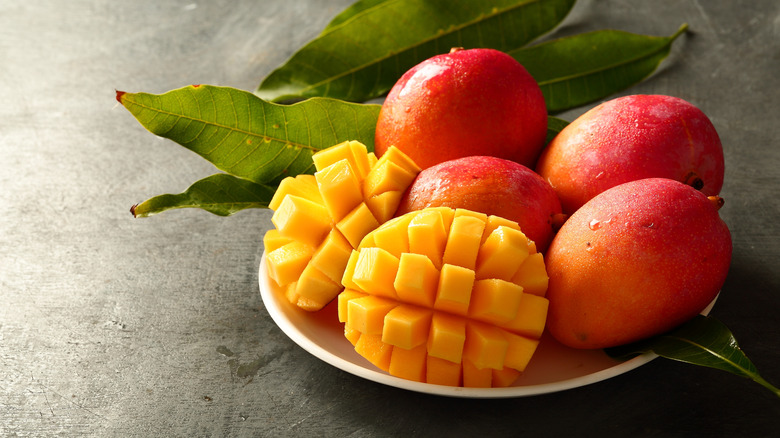
When you slice into a mango and see the bright orange or yellow goodness that lies just underneath the peel, you're catching a glimpse of the work of beta-carotene. Mangoes are loaded with the antioxidant, and it's what creates a mango's vibrant color. Beta-carotene can support the immune system, and it's been linked with a lower risk of cancer.
Figs
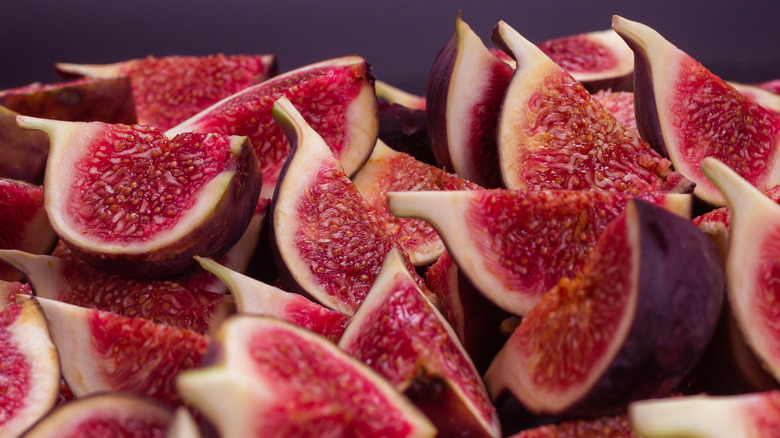
Like blackberries, figs contain polyphenols. These antioxidants can help to protect the body against chronic disease, so it's a smart move to make eating figs a part of your routine. You can certainly enjoy fresh figs, but they're also delicious cooked — you can try impressing your guests at your next cookout by throwing some figs on the grill for dessert. Like strawberries, darker figs will give you higher levels of antioxidants.
Kale
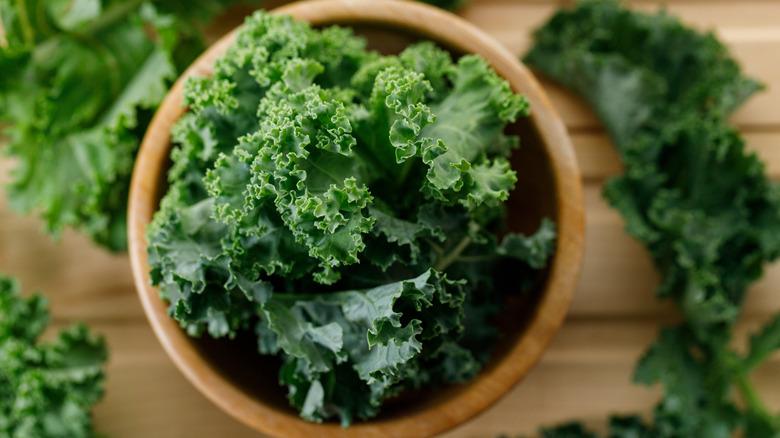
Kale has a solid reputation as a nutritional rock star, so it's no surprise that each serving offers a heavy helping of antioxidants. It offers the beta-carotene found in mangoes, the polyphenols found in blackberries and figs, the quercetin found in apples, and the vitamin C found in raspberries — all in one vegetable. Try roasting it in the oven with olive oil and salt take the edge off its natural bitterness.
Spinach
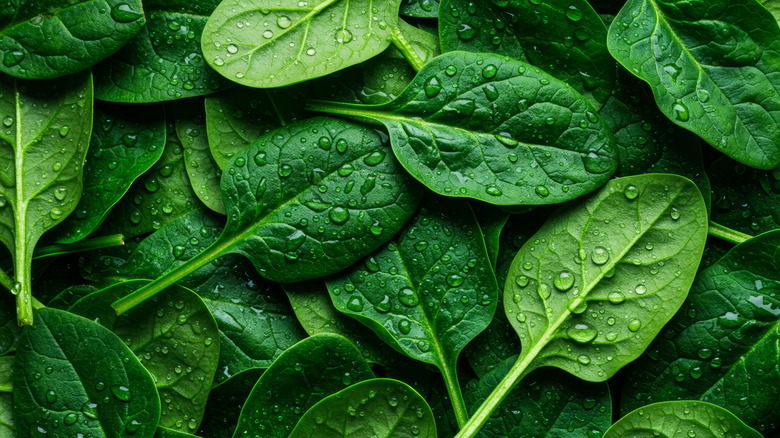
Spinach — specifically, raw, chopped spinach — provides a large amount of lutein, an antioxidant that supports vision health. Eating spinach raw offers more lutein than eating it cooked, and chopping it before eating helps to increase the amount of lutein available. To enjoy raw spinach, be sure to wash it thoroughly, then enjoy it blended in a smoothie, as part of a salad, or as a fresh, nutrient-packed sandwich topping.
Artichokes
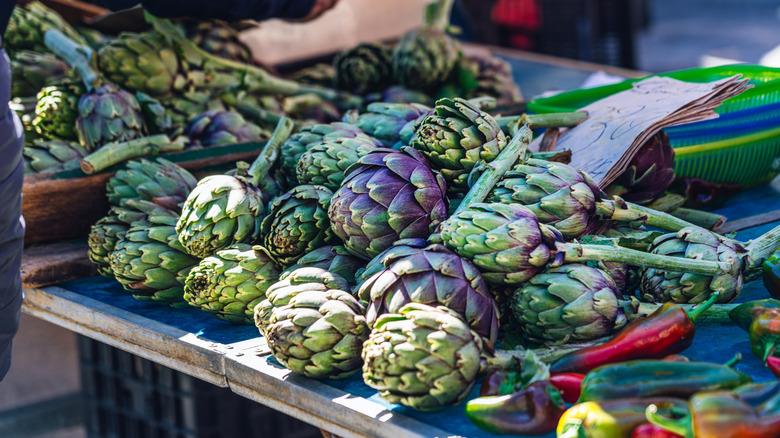
The often-overlooked artichoke has more antioxidants than any other vegetable. When you eat artichoke hearts (or the fleshy part of the leaves), you're getting anthocyanins, polyphenols, vitamin C, and other antioxidants that can work to protect against cancer. They have also been shown to help with tummy troubles due to their high fiber content. If you're going with a fresh artichoke over the jarred version, it's important that you understand how to cook a whole artichoke and eat it safely.
Red cabbage
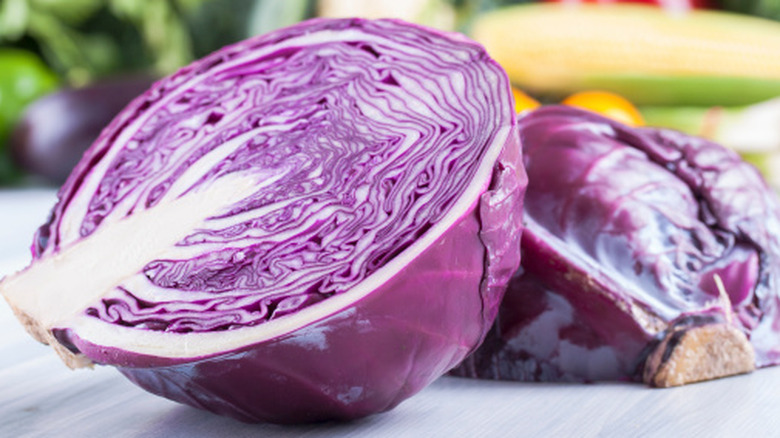
All cabbage has some antioxidants, but red cabbage antioxidant levels are especially high. The crunchy vegetable gets its gorgeous color from antioxidants called anthocyanins — research shows that this specific type of antioxidant is especially powerful for protecting cardiovascular and neurological health. You can chop it up to add a burst of color and crunch to a salad, or you can make sauerkraut with red cabbage to give it a vibrant hue.
Sweet potatoes
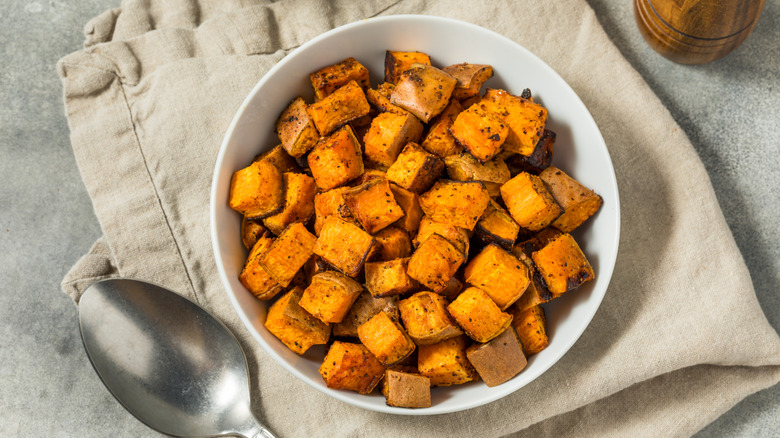
Sweet potatoes aren't just delicious — they're also a great way to get an antioxidant boost. The orange root veggies are loaded with polyphenols (specifically anthocyanins) and beta-carotene. Sweet potatoes can support a healthy immune system, regulate the metabolism, and help calm inflammation in the body. Try scoring your spuds before cooking to create the absolute best baked sweet potatoes you've ever made.
Cooked tomatoes
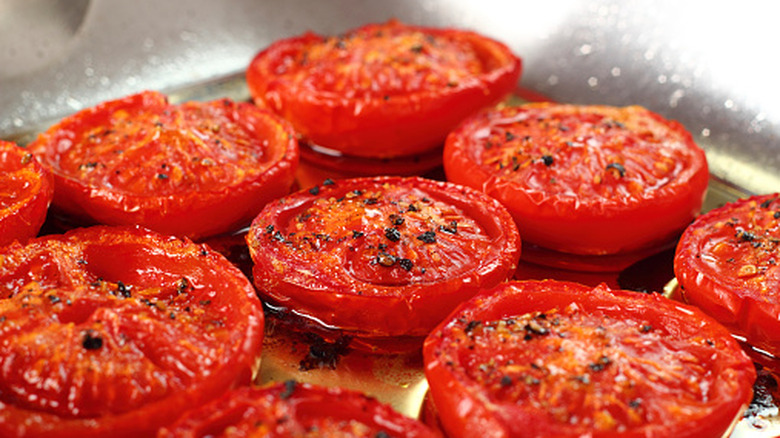
Believe it or not, that delicious marinara sauce you enjoy each time you take a bite of pizza actually supports your health. Cooked tomatoes are loaded with lycopene, an antioxidant that can offer relief from bone, heart, liver, and nervous system conditions. Tomato sauce, oven-dried cherry tomatoes (they're a great way to elevate pizza), and tomato soup can all help you get a helping of antioxidants.
Pecans
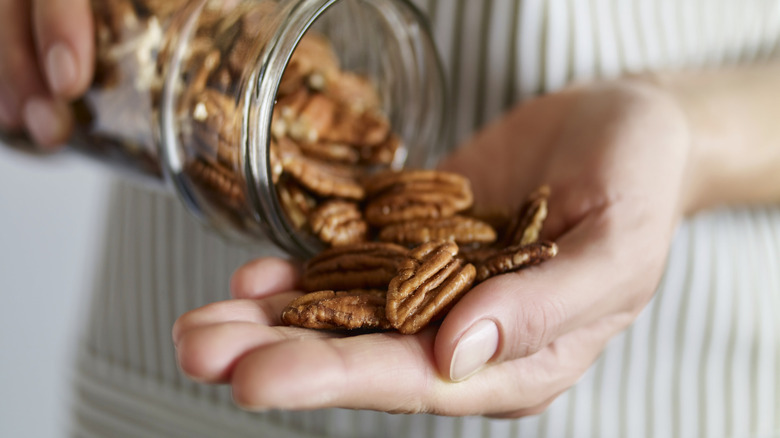
Fruits and vegetables aren't the only foods that can help you get your daily dose of antioxidants — pecans are among the most antioxidant-rich nuts. 100 grams of pecans offer more than 24 milligrams of vitamin E, a powerful antioxidant that supports vision, brain, blood, and skin health. In the mood for a sweet treat with health benefits? Try making homemade candied pecans — you'll only need two ingredients.
Ground cloves
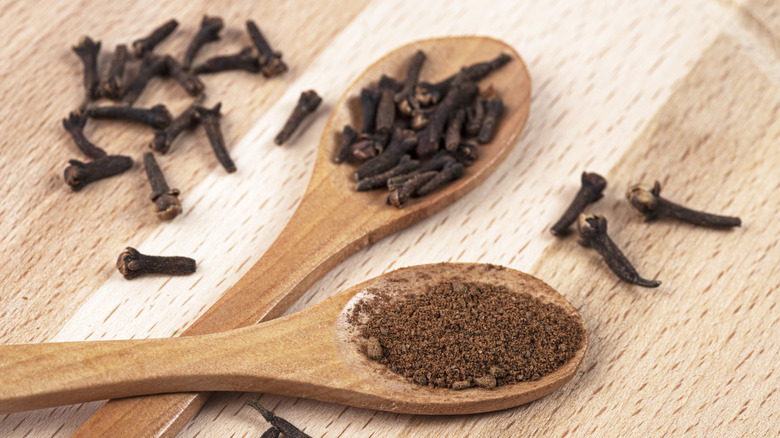
You might not think to look to your spice cabinet for antioxidants, but cloves have a ton of health benefits. They offer antioxidants like beta-carotene, manganese, and eugenol, a powerful antioxidant that serves as both antimicrobial and anti-inflammatory agents.
Cinnamon
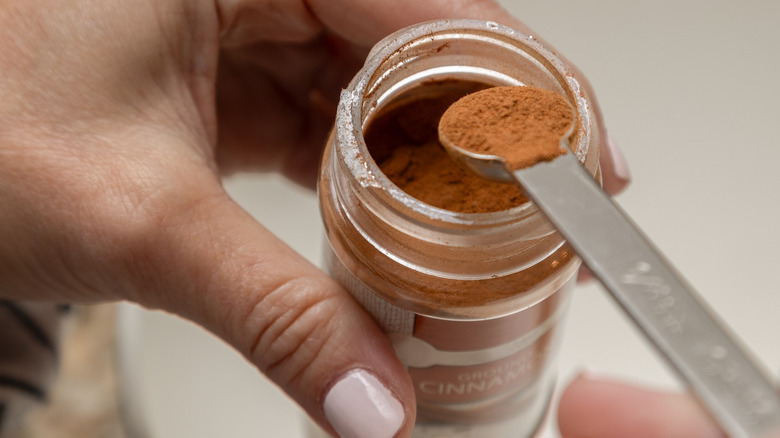
Whether you love it in your oatmeal or sprinkled on top of your favorite roast chicken dish (seriously), cinnamon offers the perfect blend of sweetness and spice — and it's good for you, too. Antioxidants in cinnamon include polyphenols, procyanidins, cinnamic acid, and coumarin, which works to relieve inflammation in the body.
Turmeric
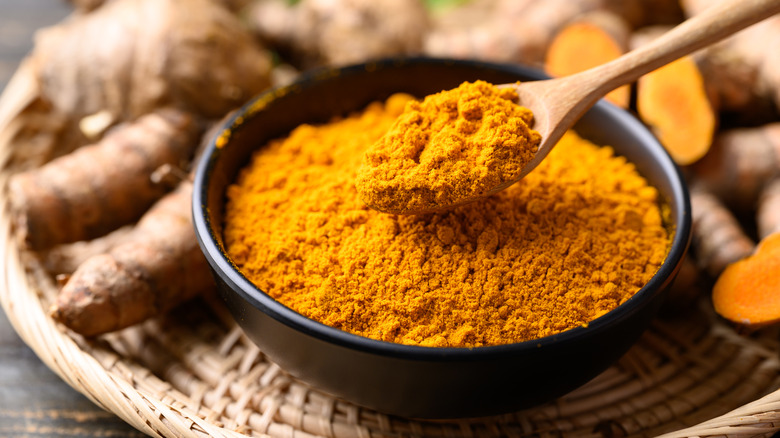
Turmeric is packed with a polyphenol antioxidant called curcumin, which researchers believe may prevent cell damage. There are several ways to incorporate the rich golden root into your diet. Try making tea using powdered turmeric, mixing some into milk with some cinnamon and ginger for an antioxidant-loaded golden milk latte, or using the root to create poultry-based dishes that have a rich, earthy je ne sais quoi.
Ginger
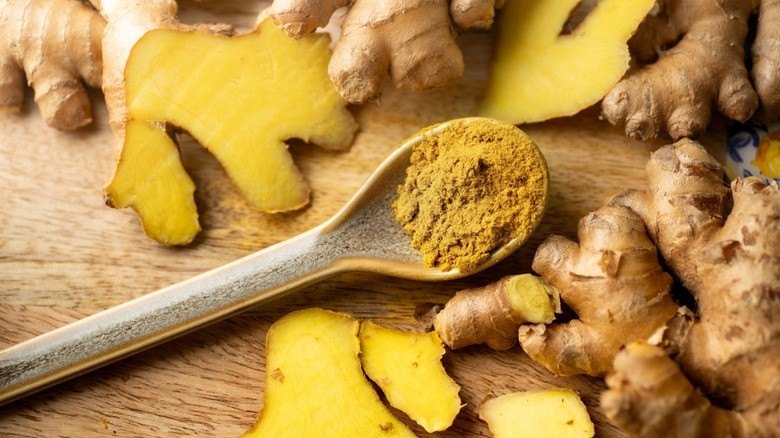
You've likely been told to drink ginger when you're sick, or to enjoy ginger lozenges when you're nauseous. It turns out the effect of ginger isn't all in your head — researchers believe that the antioxidants in ginger, (including gingerol and zingerone, actually work as immunomodulators. These compounds can help the immune system fight off pathogens.
Dark chocolate

It's true — there really are health benefits to eating dark chocolate every day. Polyphenols and flavonoids (including catechins) are present in dark chocolate, and are known for promoting cardiovascular health and protecting against certain cancers. When you're shopping for dark chocolate, be sure to choose one that's at least 70% cocoa for maximum antioxidant-related benefits.