

15 Myths About Aldi That Simply Aren't True
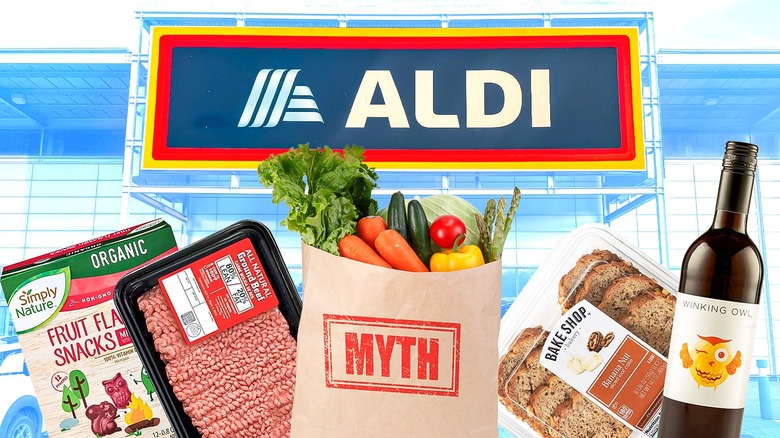
From the first time we walked into Aldi, we knew we were hooked. College students on a budget, busy families looking for kid-approved foods that don't break the bank. Anyone who is simply overwhelmed by a massive grocery store like Walmart can appreciate everything that Aldi has to offer. Granted, the experience of visiting an Aldi is very different than that of another grocery store, be it Walmart, Kroger, or Albertsons — there are some things that new shoppers need to mentally prepare themselves for before stopping in for the first time.
From "paying" for a shopping cart to thinking that its ground beef contains horse meat, there are numerous myths that need to be dispelled about this popular grocery store. As self-proclaimed super fans, we took it upon ourselves to read up on the FAQs, do the research, and offer a comprehensive guide that all future (and current) Aldi shoppers need to reference.
1. You have to pay a quarter to use a cart
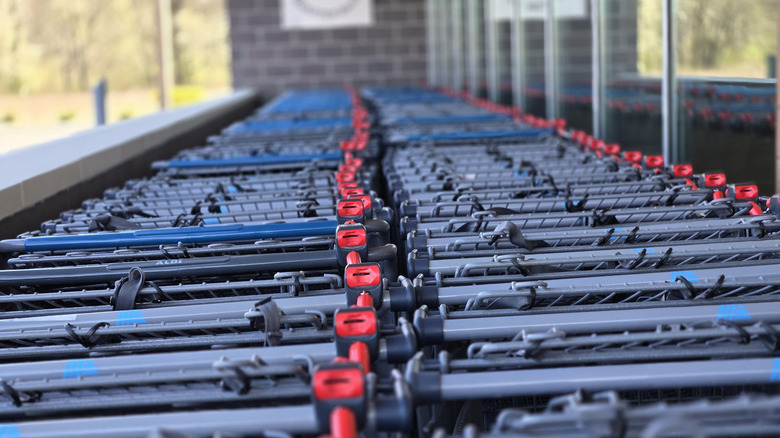
The quarter myth is one of the most obvious ones out there, and it's noticeable the moment you pull into the store. Unlike other grocery stores, where carts run amok, primed to hit unsuspecting cars, Aldi keeps its carts chained in front of its stores. You don't necessarily have to "pay" to use a cart at Aldi; all you need to do is pop a quarter into the receptacle, unlatch the cart, and continue on with your shopping. Once you check out and load up your vehicle, you can return your cart to the carriage area, attach the chain, and get a quarter back. According to Aldi, the reason for this unique system is so it doesn't have to hire staff to return all the stray carts back to the corral. At this point, we wonder why other grocers haven't adopted a similar policy.
You shouldn't let this Aldi myth stop you from shopping there, and the only really annoying thing that you have to do is always keep a quarter in your pocket, cup holder, or purse. You may even want to invest in a cute quarter holder for your keychain.
2. The produce isn't worth buying
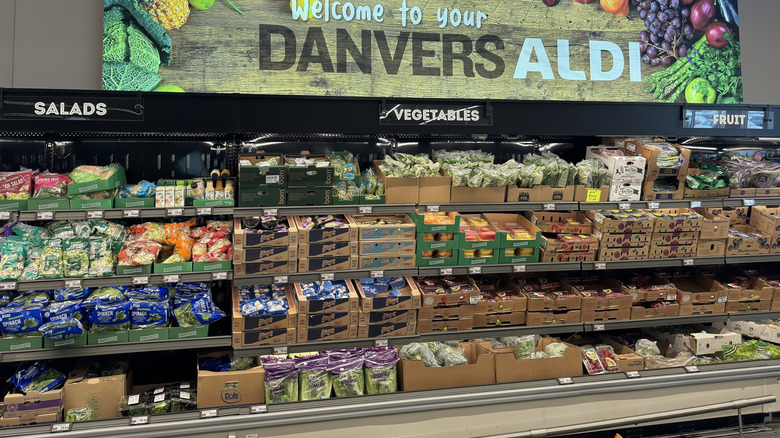
Aldi's produce is one of the major points of contention for the brand. Many folks have taken to social media, including Reddit, to complain about how its produce tends to either not be very fresh or go bad quickly after it's purchased. However, this isn't a universal experience among customers. The likely reason why Aldi's produce toes the line of over-ripeness is that it often sources its vegetables and fruit from local farmers. Presumably, working with nearby farmers not only ensures that customers are supporting local agricultural, but it also limits the distance that the produce has to travel from the farm to the store, thus decreasing shipping costs.
It's also important to note that bad produce is a feature of almost every grocery store. We've all gotten onions that are squishy on the inside or bananas that have a soft spot or two regardless of where we're shopping. As a customer, you can use your sleuthing skills to ensure that the produce you are getting is high-quality. If you aren't satisfied with your purchase, Aldi has a great return policy (more on that later). If you're concerned about the quality of your produce, be sure to give it a sensory inspection — touching, smelling, and looking — before buying.
3. It doesn't carry name-brand products
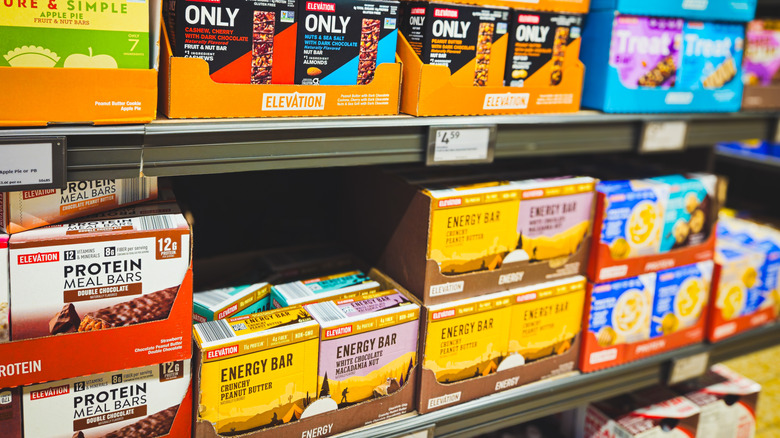
Aldi, like its distant cousin Trader Joe's, sells a lot of in-house branded products. This includes everything from breakfast foods to specialty cheeses and delicious dips. The grocer estimates that about 90% of its products are from in-house brands, meaning the other 10% is occupied by name-brand foods. If you look hard enough, you can find brands like M&Ms, Haribo, Coca-Cola, and Gatorade on its shelves, though they occupy far less space than its in-house products.
However, this begs the question: are the name-brand products actually priced better than what you would find at other stores? The answer to this isn't entirely clear, and it's certainly dependent on the brand you're buying. It also depends on the store you're comparing it to, as grocers like Walmart tend to have better prices than others. While some research has shown that Aldi's name-brand items may be cheaper than at these other grocers, the selection isn't always reliable.
4. Aldi sold horse meat to U.S. consumers
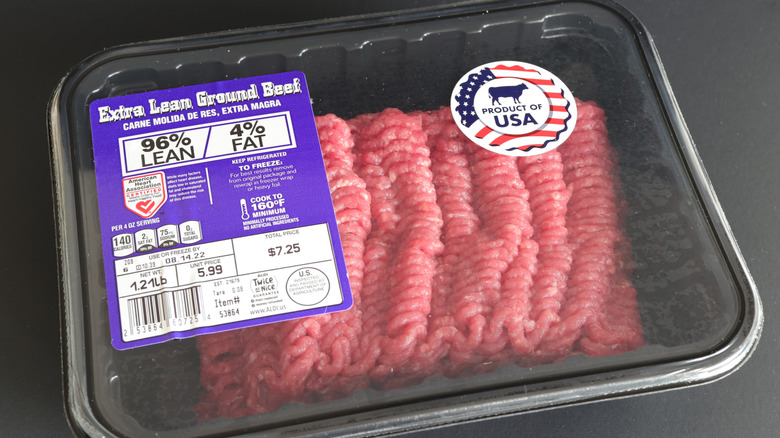
The only product that gets more flak at Aldi than its produce is its meats. One instance that folks like to bring up often is the horse meat scandal, which didn't affect any U.S.-based Aldis. However, it's still an example of how complex the supply chain of any grocer is.
In 2013, Aldis in the U.K. removed some of its ground beef products, including frozen burgers and lasagna, from shelves after suspecting that they were contaminated with horse meat. Future testing revealed that some of the affected Comigel products sold at the stores contained anywhere between 30% and 100% horse meat instead of ground beef, which incited panic among consumers. Comigel, the French supplier, also supplied tainted products to other producers and suppliers, like Swedish food producer Findus, and faced legal action as a result. Comigel tried to blame its own supplier, Spanghero, for the mix-up, but there was a lot of back-and-forth as to who was at fault. Regardless, there were massive recalls for affected products, and European consumers reportedly still bought fewer frozen beef burgers and meals following the incident.
5. Aldi and Trader Joe's are run by the same company
One of the most common myths about Aldi is its relationship to another popular niche grocery store: Trader Joe's. Aldi initially started as a family business between the two Albrecht brothers. In 1961, the brothers decided to split their operation after a skirmish about selling none other than cigarettes. Karl Albrecht started running Aldi Süd in the southern part of Germany, while his brother Theo went on to run Aldi Nord in the north. Aldi Süd went on to operate U.S. Aldi locations, while Aldi Nord eventually purchased Trader Joe's from Trader Joe (Joe Coulombe) himself in 1979.
Today, Aldi Süd and Aldi Nord continue to operate in Europe. The northern branch of the family tree operates locations in Belgium, Spain France, the Netherlands, and Poland, while Aldi Süd controls those in U.K., Ireland, Australia, and China. While Trader Joe's and Aldi may have some shared lineage, they are not operated by the same company.
6. You can't find organic items at Aldi
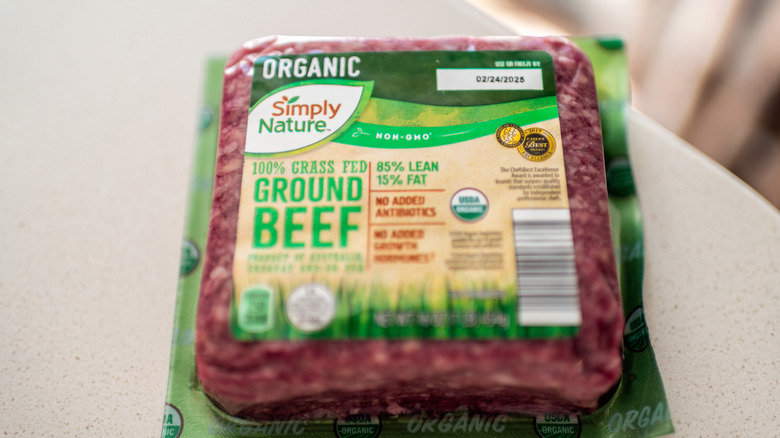
With prices that low, it seems silly to think that Aldi would even offer premium food labels. However, any Aldi super fan knows that the store doesn't cut corners when it comes to product quality or diversity. Aldi carries many organic and non-GMO products on its shelves, including those under the Simply Nature brand. If you're trying to eat organic on a budget, pay your local Aldi a visit and stock up on grass-fed organic meats, berries and salad fixings, and snacks. Meanwhile, its Never Any! meat line is free from antibiotics, added hormones, and animal byproducts.
Besides offering these options for consumers, Aldi has also taken things a step further and removed monosodium glutamate (MSG) and synthetic colors from its products, instead using natural and plant-based dyes. It's also made an effort to label Bisphenol-A (BPA)-free packaging and prints its receipts on BPA-free paper.
7. Aldi distributes coupons
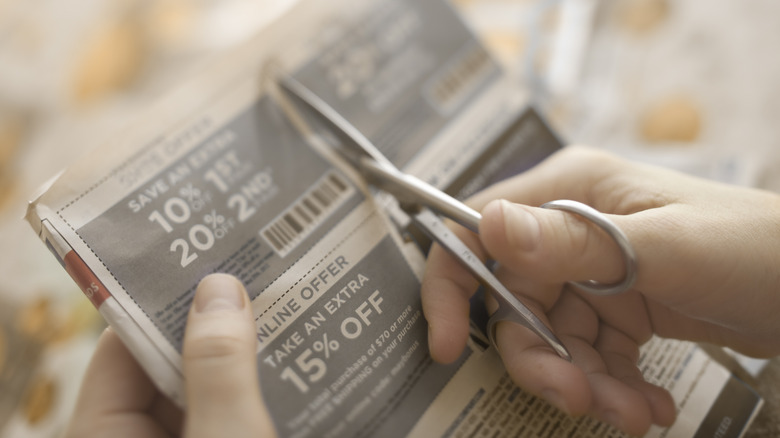
Coupon clippers may want to look elsewhere for deals, as you won't find any 25% off or BOGO clippables in the weekly Aldi flyer. The grocer has made the decision not to offer any sort of coupons to its customers, either online or in print. However, customers may want to keep an eye on their mailboxes, as local stores may offer some coupons to commemorate grand openings or other events.
That's not to say that Aldi doesn't offer markdowns or deals from time to time. You may see prices slashed in stores, or find stickers for a couple of dollars off on certain products. These price drops can be found in the Aldi flyer, located both in stores and online. Check it out before you plan your grocery list for the week — no clipping required!
8. Everything at Aldi is sold under the same brand
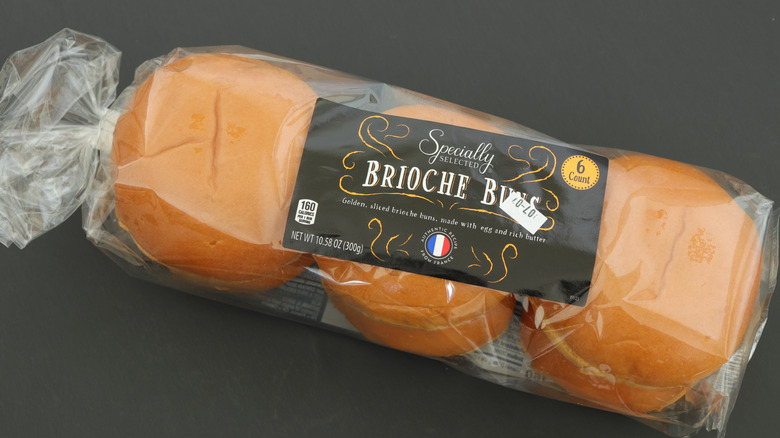
Although Aldi is known for its in-house brands, you will not see Aldi chips, Aldi eggs, or Aldi milk. Rather, you'll get to experience the litany of brands under the Aldi umbrella — which kind of makes you feel like you're shopping in a regular ol' grocery store as you try to decide whether to purchase the regular L'Oven Fresh buns or the Specially Selected ones.
The in-house brands will vary by section, but there are a few that shoppers should be familiar with. The Bake Shop covers most of Aldi's bakery section, though you will see its premium Specially Selected brand making an appearance as well. Park Street Deli covers most of the dips, while Friendly Farms is at the helm of the dairy section. Mama Cozzi's Pizza Kitchen is another favorite of the chain, and Barissimo's coffee-adjacent products will keep you fueled up and ready to shop. The grocer says that offering in-house brands like these helps cut down the marketing and advertising budget, which means keeping things more affordable for customers.
9. Aldi only sells groceries
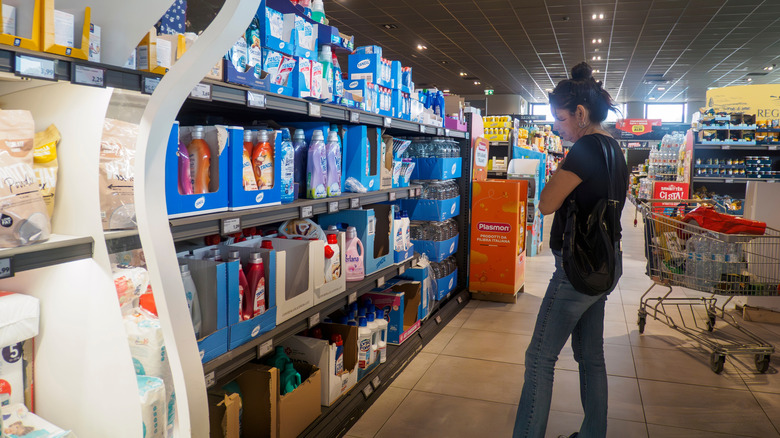
A grocery store is designed to sell groceries, sure, but Aldi offers so much more than that. According to its website, the grocer also offers a limited number of Aldi Finds — about 100 each week — that cover everything from personal care and beauty to cookware, pet supplies, plants, and more. There may only be a single aisle dedicated to all of these items, though we can assure you that it's worth perusing every time you shop.
This aisle, which sometimes goes by the "Aisle of Shame," is infamous among Aldi shoppers — and it's not because people walk away with bad items. It's because people walk into Aldi with the intention of buying bread, milk, and eggs, and leave with a candle, pumpkin-shaped pot, and doormat instead. If you want to prepare yourself (and your budget), you can take a look at its website or circular to see what Aldi Finds will land in stores that week.
10. Aldi offers customers free bags, regardless of state
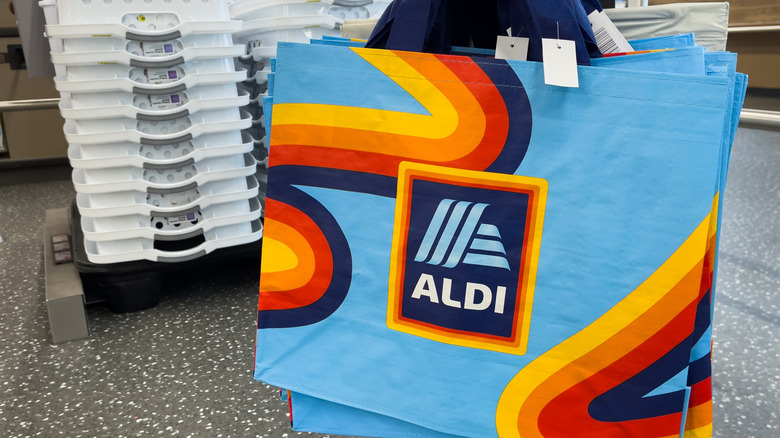
Who knew that plastic bags could be such a point of contention? Some states have made moves to outlaw plastic bags, and you won't expect to see any in Aldi's checkout lanes either — unless you decide to buy them. The store does not offer any free bags to customers, a move that it says cuts down on waste and costs. You will find some reusable bag options in the checkout lanes in different sizes; we've found that their costs vary based on location and material. Otherwise, you may just want to set a reminder to grab your bags out of your cart when you arrive (we have some cute reusable grocery bag suggestions if you need to stock up).
Another important thing to note about Aldi's checkout process is that it will not bag your groceries for you. Not only does it keep the line moving, but it also allows you to pack your bags how you'd like. After checking out, move your cart to the designated bagging location and get to work.
11. Its return policy is complicated
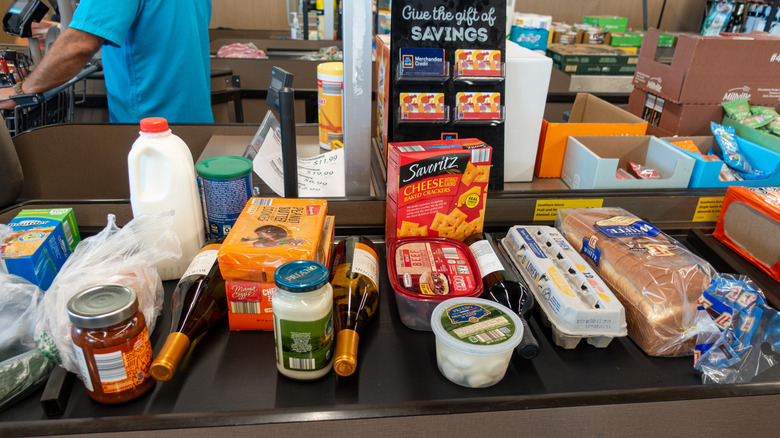
The only thing we love more than a grocery store with a great selection is one that has an excellent return policy. Many folks don't realize that Aldi has one of the best policies in the business — called the Twice as Nice Guarantee. The policy states that if a customer isn't satisfied with their purchase, they can return the product to the store. Aldi will not only refund you for the product, but it will also give you a replacement. If you would like a monetary refund for your product, you will need to keep your receipt. Otherwise, you will get an Aldi gift card loaded with the current retail price that you can spend as you wish.
This policy does have some caveats, though. It doesn't apply to non-food Aldi Finds (like candles, decor, and clothing), alcohol, national brands, or for non-quality-related concerns. You must also return the product packaging to the store to receive the refund.
12. Its baked goods don't compared to stores with an in-house bakery
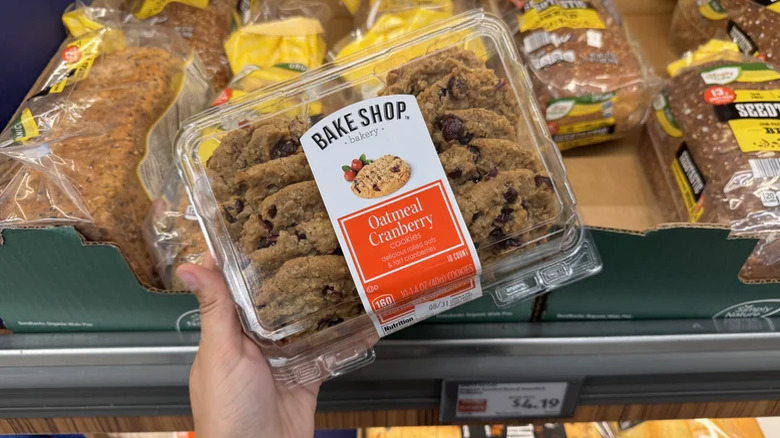
Aldi differs from other grocery stores in more ways than one. Besides just offering great deals and in-house brands, it does not have a bakery in-store (or at least, not anymore). While this may make alarm bells go off — as how can a store without a bakery offer anything fresh? — it would be a mistake to discount the baked goods and bread section of the store. Some of the best baked goods it offers include its cookies (especially the oatmeal cranberry and kitchen sink cookies), blueberry muffins, naan, Hawaiian sweet rolls, and artisan white bread. You wouldn't even be able to guess that these goods were baked beforehand, as they rival the texture and flavor of any bakery.
Like any bakery, though, some of the items are misses. However, based on our personal experience, these items tend to be few and far between. You're better off avoiding its hot dog buns, pita bread, cinnamon rolls, and pain au chocolat if you're after a quality bake — though, if worst comes to worst, the "Twice as Nice Guarantee" is always available.
13. Aldi's wines are not worthy of note
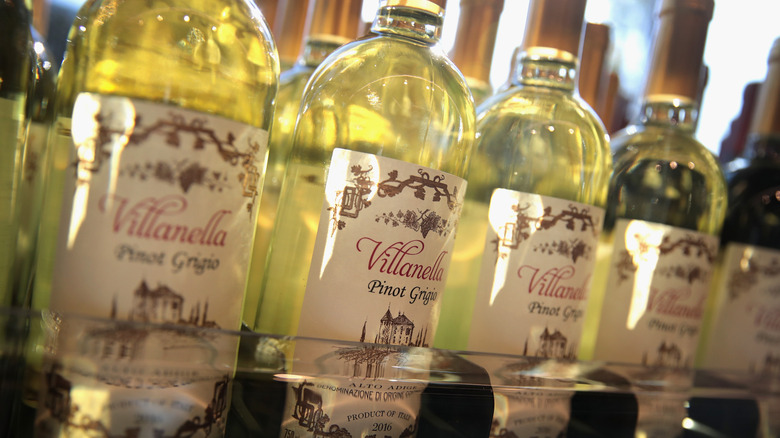
Believe it or not, some Aldi stores do sell alcohol (along with everything a bartender needs for great and affordable cocktails and non-alcoholic beverages). While this can vary by state, you should consider yourself lucky if you can find beer and wine at your local Aldi. You may even find bottles that receive high praise, including the 2014 William Wright Vintner's Reserve pinot noir and the 3 Rein's red blend.
Not only are many of these selections affordable, but they also boast high praise from wine reviewers and professionals. The William Wright pinot noir, for one, won a gold medal from the Beverage Tasting Institute World Wine Championship in 2017 — not bad for a budget-friendly red. As with any wine retailer, there are going to be bottles that aren't as good, so make sure you do your research ahead of time. This will help you decide which bottles to add to your cart and which to skip.
14. Aldi's groceries aren't as good as name-brand stores
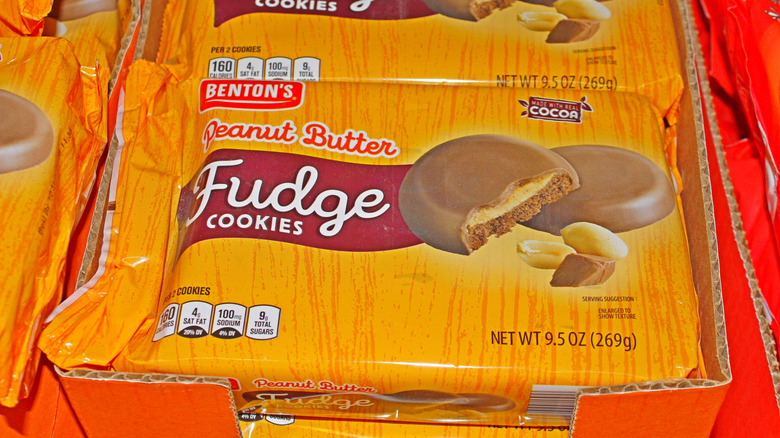
Generic grocery products can, of course, be hit or miss. However, Aldi's in-house brands have shown time and time again that they can measure up — or perhaps even surpass — than more expensive name brands. Some of its dupes that taste just like the real thing include the Aldi's Berryhill hazelnut spread, which looks and tastes just like more expensive Nutella. Benton's peanut butter sandwich cookies are also one of our favorites; this peanut-buttery twist on an Oreo is just like a Nutter Butter.
When compared side-by-side in taste-tests, some reviewers even preferred the Aldi-branded product more than name-brand. This is the case for Benton's speculoos, which are said to be better than Biscoff, Specially Selected premium marinara, which supposedly gives Rao's a run for its money, and the Countryside Creamery Irish butter (Kerrygold, whom?).
15. Aldi items stick around forever
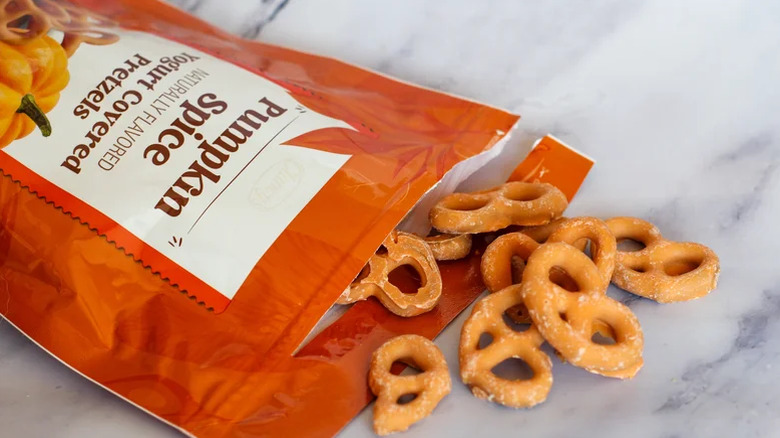
Aldi giveth and Aldi taketh away. Some of its products are so good that it's almost as if the store knows just when to retire them, much to the chagrin of its loyal customers. Such is the case for our beloved Park Street Deli garlic feta dip that made an appearance in stores in summer 2025. This creamy, salty, and deeply garlicky spread kept the vampires away for a while, and we almost cried when we noticed that its case was removed from the refrigerated section at the grocery store. Its seasonal products are also ones that never stick around for very long. In the fall, expect to see pumpkin spice everything, while the spring is filled with beloved Easter treats like its fan favorite carrot cake sandwich cookies. These products can be seemingly whisked away into the night, only to appear next year, or in some cases, never again.
Customers have reported that their store inventory usually changes on Sundays and/or Wednesdays. If a product is so in demand that customers are flocking to the store to buy it, though, chances are that the shelf may be clear by the time you visit. After all, the Aldi Finds slogan is "Here today, gone tomorrow" — though that might just apply to all of its products at this point.