

You Can Thank The '90s For These Iconic Food And Drink Trends
We may receive a commission on purchases made from links.
Like it or not, it has been nearly 40 years since 1990 — and, just as with music, fashion, and decorative motifs, '90s trends are making their way back to the dining world. Trends are famously cyclical, and those related to food and beverage are no exception.
Several events and phenomena left their marks on American dishes and drinks in the '90s. There was an explosion of Italian-influenced cuisine in the United States, spurred in large part by chef Marcella Hazan's release of "The Essentials of Italian Cooking" cookbook, as well as a general celebration of global flavors on the American plate in the wake of evolving international policy and growing immigrant populations. Additionally, food media was having a moment in the sun in the '90s — restaurant critics were writing up classic, experimental, and extravagant meals at fine dining restaurants, while television shows were exposing the nation's dining body to eye-catching cocktails and desserts.
Decades later, many of these '90s trends are back with a vengeance — some of them are showing up in plates and glasses just as they were back then, while others are taking different forms with some 21st-century flair. Here are 11 food trends from the '90s that we still can't stop thinking about.
1. Sun-dried tomatoes
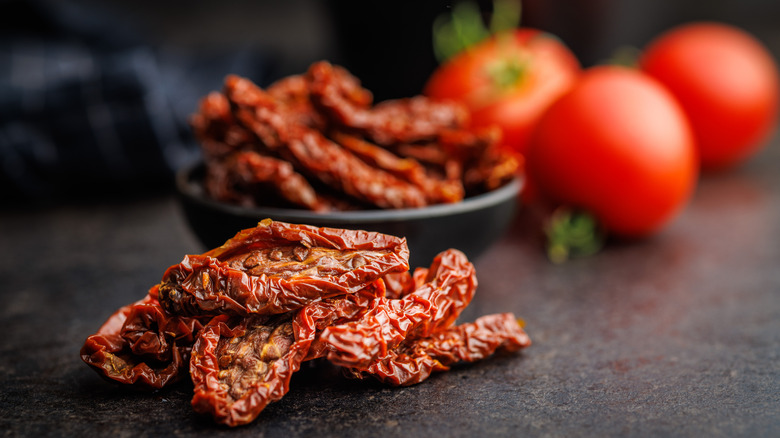
One of several foods on this list with roots in centuries-old recipes, the sun-dried tomato traces its origins to Indigenous preservation techniques dating back to 700 B.C.E. Centuries later, regions of Italy, including Calabria and Sicily, embraced the method, incorporating sun-dried tomatoes into beloved dishes such as pasta and pizza.
In the early 1980s, the upscale Italian-American grocery chain Dean & Deluca catapulted the hyper-concentrated umami gems into stardom in the United States by including them in a Christmas-ready gift bowl. Just a few years later, the grocer was selling 250 pounds of sun-dried tomatoes every week. The sun-dried tomato quickly became a must-have ingredient in the United States and, throughout the 1990s, was a key fixture in both home entertaining and restaurant kitchens.
While in the 2020s, you might not see sun-dried tomatoes as often at your favorite restaurant, you will certainly find them in myriad of recipes. A few we recommend adding them to include chicken gnocchi soup, Marry Me chicken, and elevated steak Alfredo.
2. Colorful martini spinoffs
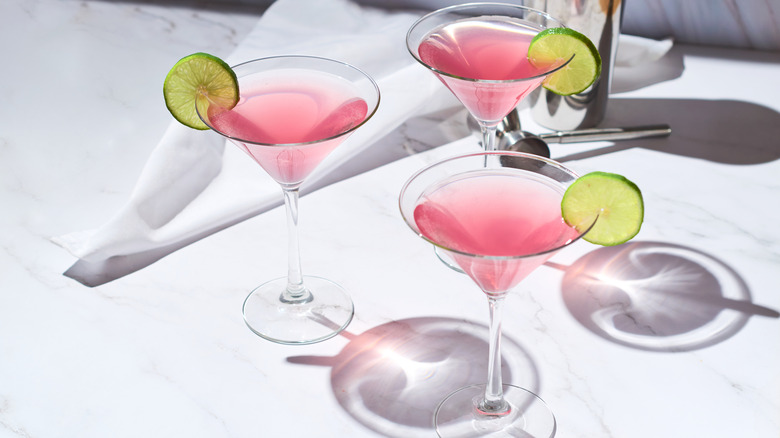
This 19th-century cocktail, in its original form, exploded once again in the 1990s; the neon-colored martini had a particular stronghold on the drinking population during this decade. In this case, both national media and local bar ingenuity are to thank.
In 1996, West Hollywood bar Lola's on Fairfax claimed to have invented the bright-green apple martini, which primarily consists of vodka and sour apple liqueur (although more recent iterations get fancy with additions such as fresh lemon and apple juices). Two years later, popular television show "Sex and the City" hit screens across the United States — and, when Sarah Jessica Parker's Carrie Bradshaw dazzled scene partners and viewers alike with her pink Cosmopolitans, this riff on the martini, fashioned with citrus liqueurs and cranberry juice, also quickly gained traction.
Today, martini menus are unique and seemingly limitless. At cocktail and home bars across the country, find creamy, orange-tinged martinis made with Thai iced tea and color-changing blue-purple elixirs made with butterfly pea flower syrup. You can even add a fall vibe with this 4-ingredient apple martini with a cinnamon sugar rim.
3. Stuffed-crust pizza
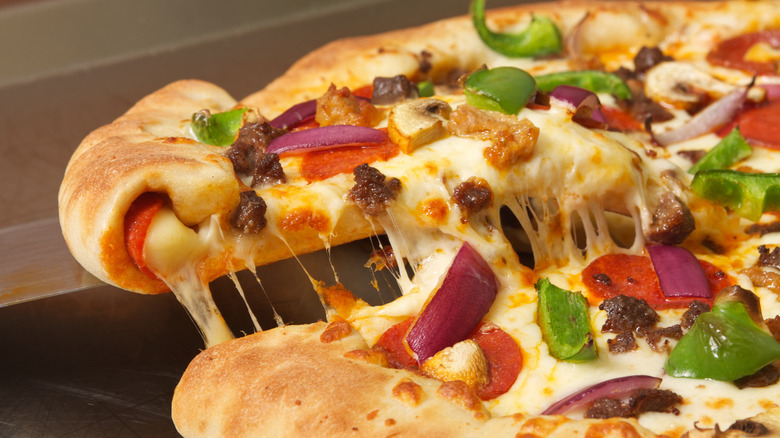
A roundup of nostalgic dishes and drinks would be incomplete without a nod to this '90s pizza trend that's still going strong today. But despite its current uniqueness, the origin story of stuffed-crust pizza is unexpectedly contentious.
In the late 1980s, entrepreneur Anthony "The Big Cheese" Mongiello invented what would eventually be known as the stuffed-crust pizza. Mongiello's patent illustrations depict the familiar comfort food of today, with logs of string cheese bordering the perimeter of both circular and square pizza crusts. Mongiello pitched the idea to national fast food chains, such as Pizza Hut and Papa John's, as well as frozen brands, including DiGiorno and Tombstone.
However, after Pizza Hut rejected his idea, the company debuted its own stuffed-crust pizza in 1995. The Mongiello family sued Pizza Hut in 1999, but the brand moved for summary judgment, and a judge concluded that it had not infringed Mongiello's patent. To this day, Mongiello is still spreading the word about the true origin story of stuffed-crust pizza — but, in the meantime, several other brands have caught on and still carry this style of pie, including Little Caesars, Papa John's, and Red Baron.
4. Molten lava cake
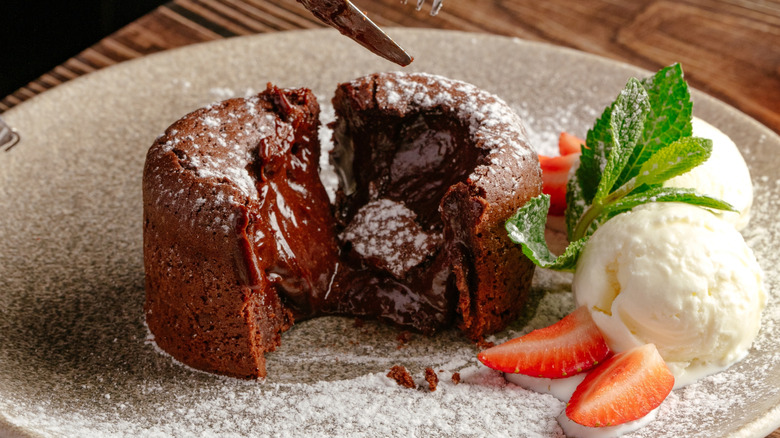
Just as with the stuffed-crust pizza, the advent of the molten lava cake is also nebulous and deeply contested. In the 1980s, two French chefs claimed to be the cake's true inventor.
Early in the decade, chef Michael Bras published a recipe for "coulant au chocolat," which boasted ultra-rich ganache centers that could easily be flavored with ingredients such as coffee extract. However, in the late 1980s, chef Jean-Georges Vongerichten claimed to have invented the molten chocolate cake after underdoing his chocolate sponge in the oven. While this dispute did not make it to court, 1990s publications told different stories about the dessert's creator.
The molten lava cake went on to erupt in United States fine dining kitchens in the 1990s, and several fast-casual restaurants still champion them in the 2020s — including Chili's, which boasts an à la mode version with chocolate and caramel sauces, as well as Domino's, whose cakes come in sets of three and are topped with a picturesque dusting of powdered sugar. What's even better, though, is making your own with this chocolate molten lava cake recipe.
5. Lunchables
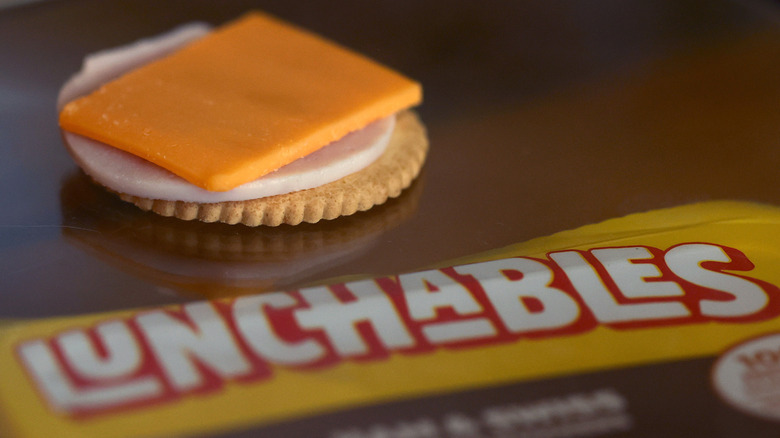
Oscar Mayer's Lunchables went mainstream in the '90s, as they occupied a growing demand for quick, easy snacks for school-aged children. They were among the few food products of the era that were popular with parents and kids alike. Parents loved them for their convenience, while kids enjoyed the fun, tactile activity of putting together a miniature pizza pie or stacking deli meats and cheeses on individual, buttery crackers. It doesn't hurt that the packs sometimes contain dessert — and that the dessert is usually something chocolatey.
These snacks were the gold standard of 1990s school cafeteria currency, but what is perhaps more interesting is how the Lunchables phenomenon has stuck around through the decades. Not only has Lunchables itself introduced new snack pack varieties, such as those with spicy nachos or peanut butter and jelly sandwiches, but several spinoffs have emerged since the original Oscar Mayer product.
Next to Lunchables in the grocery store, you'll now find snack packs from public figures such as content creator MrBeast, as well as options that highlight organic, natural, and protein-rich ingredients. The category has also inspired a wave of content creators who share recipes for healthy adult versions of Lunchables and offer tips for assembling satisfying, portable snack packs for workdays, school lunches, and busy afternoons.
6. Pesto
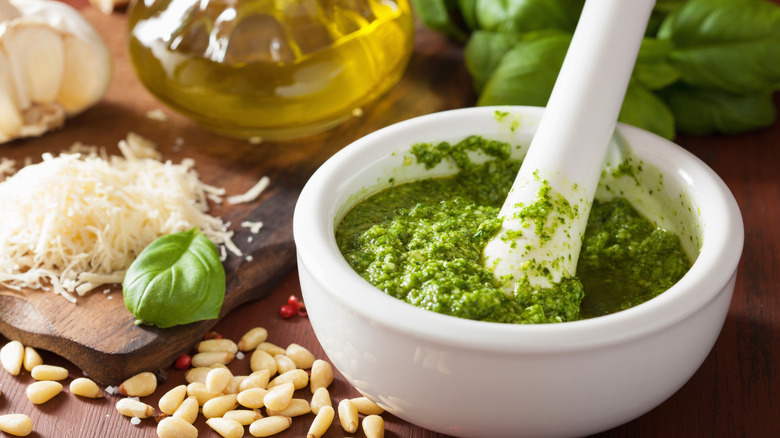
The recipe for this oil-based Italian condiment, made with basil, pine nuts, Parmesan cheese, olive oil, and garlic, can be traced back to the 19th century, when chef Giovanni Battista Ratto included it in his iconic cookbook, "La Cuciniera Genovese." But it wasn't until the 1990s, when pesto became a go-to convenience food and a staple of Italian-inspired cooking, that the vibrant green sauce seemed to be everywhere.
In the '90s, basil-based pesto was dolloped liberally on fast-casual pizza, spread over chicken sandwiches, and mixed into pasta for a quick and flavorful meal. In the 2020s, however, chefs, home cooks, and packaged food brands have expanded beyond the classic Genovese version, embracing regional Italian variations as well as inventive new interpretations. Recipes for Sicilian red pesto, made with sun-dried tomatoes (talk about a '90s comeback!), have become increasingly popular, alongside spicy, creamy Calabrian pesto, and versions made with alternative greens such as carrot tops, arugula, and cilantro.
7. Bagel Bites
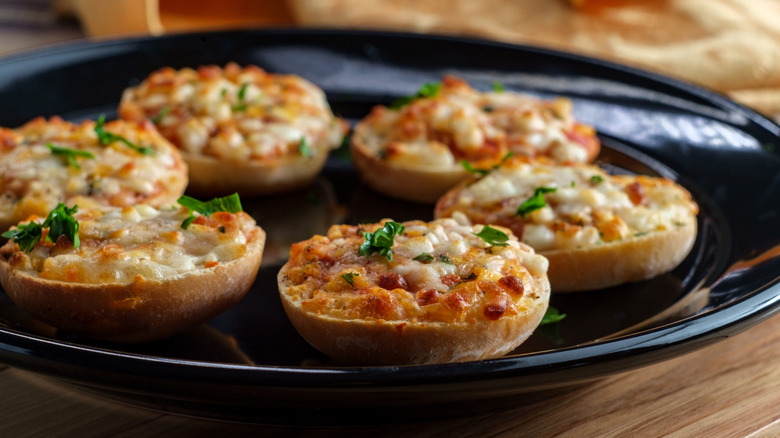
Bagel Bites were invented by Florida entrepreneurs Robert Mosher and Stanley Garczynski in the late 1980s, when the duo worked 16-hour days churning out the popular pizza-topped mini bagels. The product quickly became a multimillion-dollar business that sold to Heinz in 1991.
Under the corporation's Ore-Ida brand, Heinz took a strategy similar to that of Lunchables in marketing the bites as an easy-to-assemble and "wholesome" snack for children at any time of day. Just like Lunchables, Bagel Bites were easily marketable as both a snack and a full meal.
Today, the Bagel Bites brand has expanded its lineup with toppings such as three-cheese, sausage-and-pepperoni, and even cheeseburger fixings. Several consumer packaged goods brands are also still capitalizing on Mosher and Garczynski's original success by adapting the product to special diets, such as gluten-free and organic. These bite-sized delights are teeming with nostalgia — but they also have never really left the game.
8. Caesar salad
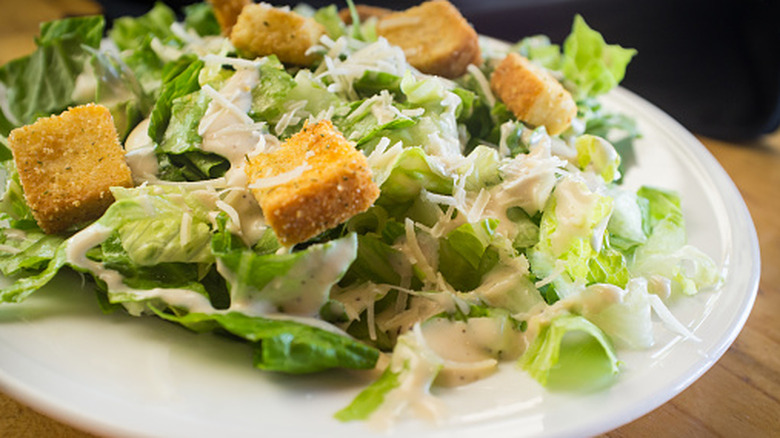
Yet another Italian recipe that gained notoriety in the 1990s, the Caesar salad was invented in 1920 by chef Caesar Cardini in Tijuana, Mexico. Seventy years later, the iconic dish of romaine lettuce, Parmesan cheese, croutons, and anchovy-based salad dressing had a renaissance.
In the '90s, the Caesar salad had many allurements. For one, it was a fitting accompaniment to the Italian and Italian-inspired cuisine that Americans were beginning to cook at home during the decade. It also complements a protein-rich topping, such as grilled chicken, making it another filling and easy-to-assemble meal for home cooks and families. Caesar salad was (and still is) a perfect filling for a wrap — another major 1990s trend.
Now, in the 2020s, Caesar salads are once again all the rage. Their ability to be dressed up with luxe ingredients or served as a no-frills side or entrée has placed them front and center on menus across the United States. Countless content creators have gone viral for their riff on the classic salad, while some mixologists have even begun fusing the salad dressing with martini cocktails in yet another '90s-inspired mashup!
9. Wraps
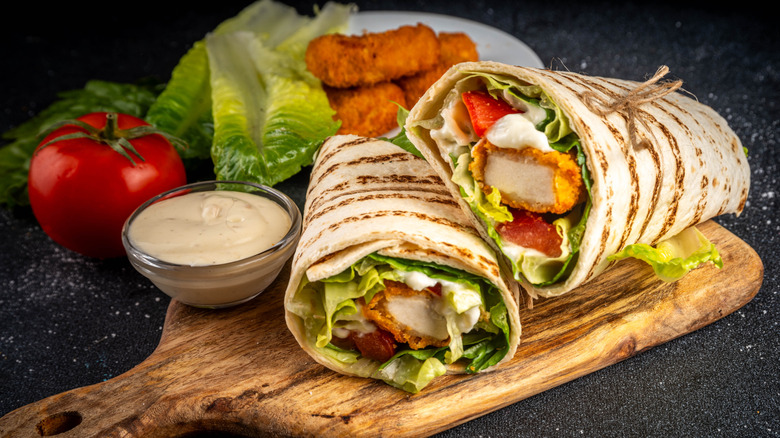
Speaking of Caesar salad wraps, this portable sandwich, which had long before been a staple in countless global cuisines, took off in both United States kitchens and fast-casual restaurants during the 1990s. Their rise to trendiness is not unlike many other dishes of the '90s — the wrap was revered for its unparalleled portability and convenience, its propensity to be filled with international ingredients, and its status as a vessel for wellness-centric cooking.
Popular wraps in the '90s included, of course, the Caesar salad, as well as fillings such as crispy chicken and bacon, Greek salad staples like olives and feta, and chicken fajitas. Nearly 40 years later, many of these same wraps are doing numbers in fast-casual restaurants, grocery stores, and households across the country.
Today, McDonald's snack wraps, stuffed with crispy chicken, ranch dressing, and spicy pepper sauce, are a permanent fixture of the fast food chain's menu. Chick-fil-A and fast-casual chain Sweetgreen also offer wraps.
10. Baked brie
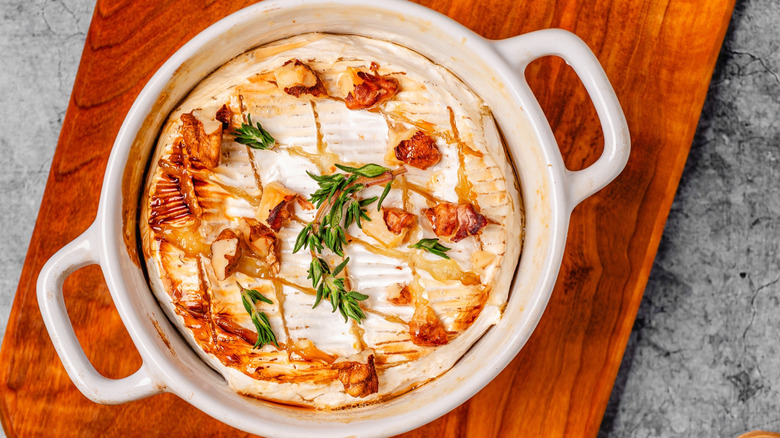
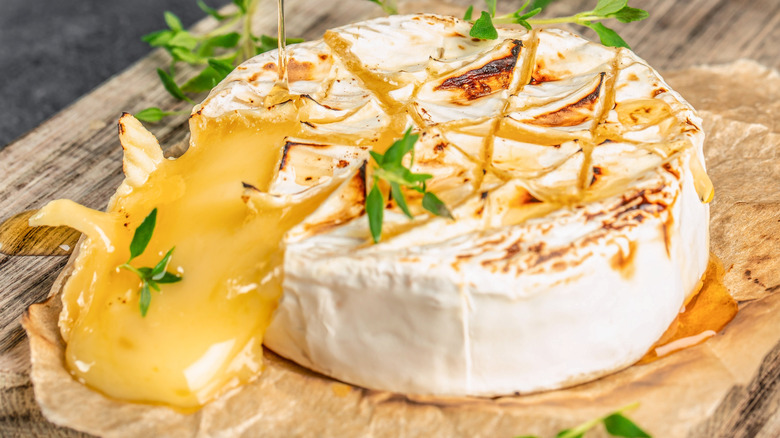
Baked brie began popping up on restaurant menus and dinner party tables in the 1990s and was another emblem of an easy-to-make snack that still tasted luxurious and cheffy. Just like sun-dried tomatoes, brie's roots trace back to the 700s B.C.E.
While the cheese originated in Meaux, France, it was praised throughout history across Europe. Charlemagne and Henry IV were both fans. It is safe to say that, centuries later, brie is not going anywhere — including in its baked form — in United States culinary trends. Brands such as Campbell's and Pepperidge Farm have marketed baked brie en croute, or encased in a round of golden-brown puff pastry, as a no-fail recipe, and others for this easy appetizer for home entertaining continue to populate online. The list of sweet and savory toppings for baked brie is never-ending, from honey and jam to bacon and tomato sauce.
11. Malt drinks
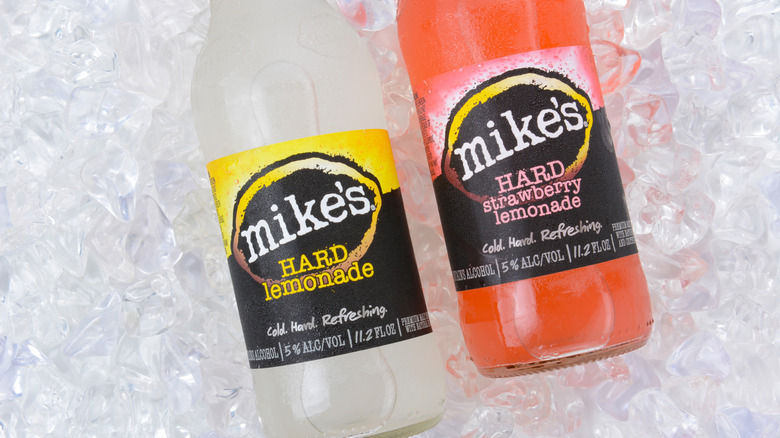
The explosion of "malternatives," or no- and low-alcohol-by-volume beverages with a tad more complexity than soda, led to a malt-based drinks trend in the United States in the 1990s. Whether you liked them clear and clean or fruity and complex, there was a malt beverage for everyone during the decade.
One of the most popular malt-based beverages included now-discontinued clear, citrus-flavored alcoholic beverage Zima, which rapidly gained popularity in the 1990s and was marketed as a lighter, less sweet, and less carbonated alternative to beer and wine coolers. On the flip side, the sweet-flavored Mike's Hard Lemonade, which hit shelves in 1999, is still a popular malt beverage today.
It is important to note that, internationally, malt sodas such as Latin American Malta Goya, Nigerian Maltina, and German Vitamalz were popular long before the 1990s. Today, all of those malted drinks, and many more, are also still staples across the globe.