

21 Spices And Herbs To Keep On Deck When Cooking Mediterranean Food
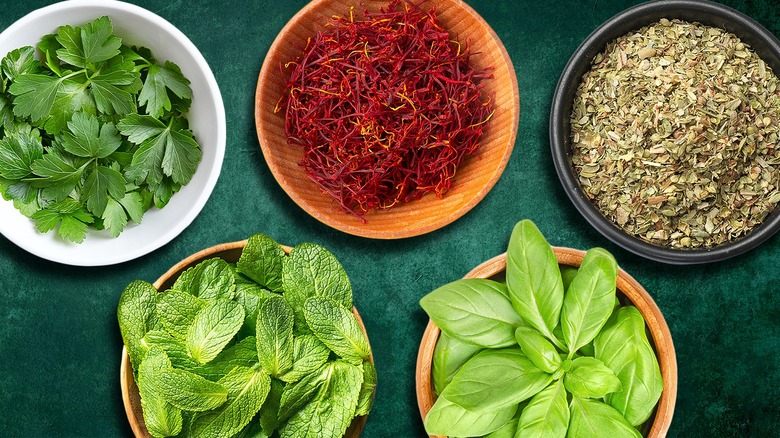
When it comes to culinary traditions, few are as diverse and complex as those hailing from the countries surrounding the Mediterranean Sea. The Mediterranean diet is considered by many to be a gold standard for health and wellness, owing to its inclusion of lean proteins, legumes, whole grains, and monounsaturated fats. But, what truly separates Mediterranean food from other cuisines, is its use of specific spices and herbs to enhance recipes and give them distinct flavor.
As a professional chef who has a degree in cultural anthropology studying the food habits of cultures across the Mediterranean, I have long held an interest in, have researched, and regularly use these spices and herbs extensively. Each has unique characteristics can transform dishes in different ways that can provide complexity to even the simplest of recipes, from a vegetable side dish to a meat marinade. Read on to discover the spices and herbs to keep on deck when cooking Mediterranean food.
1. Basil
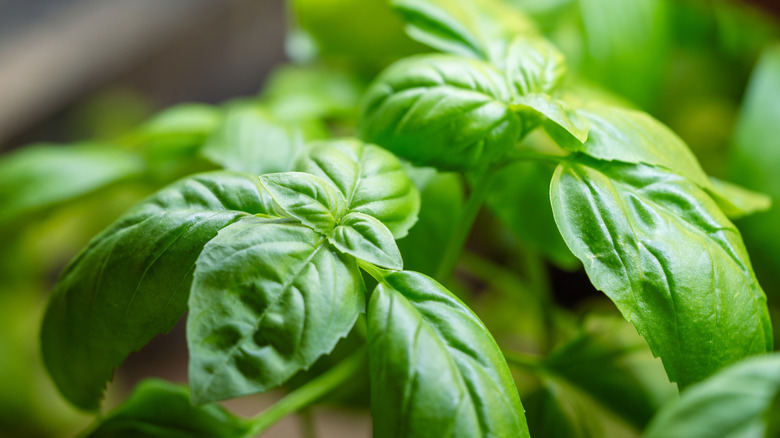
One need look no further than a classic pesto to know that basil is an integral herb in the Mediterranean kitchen. Italy is the Mediterranean country where you will most frequently find sweet basil on the menu. The most common type used there is sweet or Genovese basil.
Genovese basil is characterized by its larger leaves, intensely earthy aroma, and sweet, yet piquant, taste, which lends a warmth and brightness to any recipe. Though sweet basil is most frequently added to dishes in its fresh format, it can also lend flavor to soups and stews in its dry iteration. When using fresh basil, it should be torn or cut immediately before use to prevent the leaves from bruising.
2. Mint
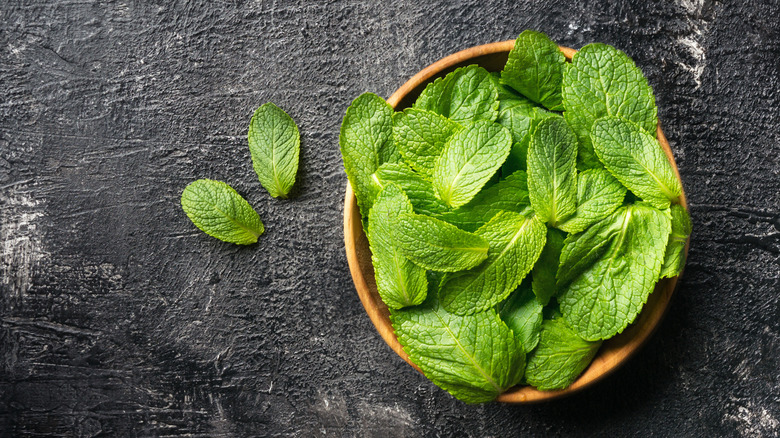
Mint is another fresh herb that frequently makes an appearance in Mediterranean cooking, particularly in countries across North Africa, Greece, and Italy. The two varieties that are favored in these countries are spearmint and peppermint, though Moroccan mint (a type of spearmint) is also a cornerstone of the mint tea drinking traditions of that country.
Again, while fresh and dry mint may feature in recipes, the fresh variety is preferred for its intense aroma and invigorating flavor in many dishes, from beverages to sauces to desserts. When deciding what type of mint to pick for a recipe, milder spearmint is more often used in savory applications and drinks, while intense peppermint is ideal for desserts.
3. Parsley
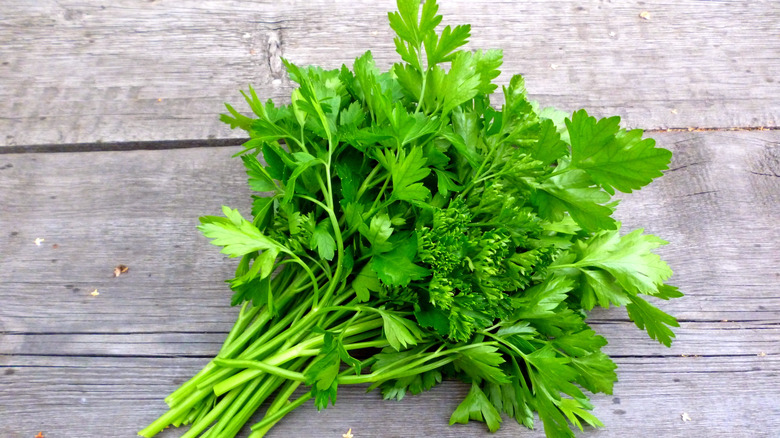
Americans often see parsley as an afterthought, haphazardly tossed onto a plate as a lowly garnish to spruce it up. However, parsley is an herb that enjoys immense popularity in dishes of all kinds, from salads to sauces to marinades, across the Mediterranean.
What's more, the type of parsley most Americans are familiar with is the curly leaf variety, but flat leaf or Italian parsley is the kind you will most often find in recipes made in Moroccan and Greek households alike. Flat leaf parsley is characterized by a bright, grassy, earthy taste that is slightly bitter, yet punctuated by a hint of spice that is ideally suited to savory dishes of all kinds. Though it can be used in its dry iteration, fresh parsley is far more flavorful and can be grown year-round indoors.
4. Oregano
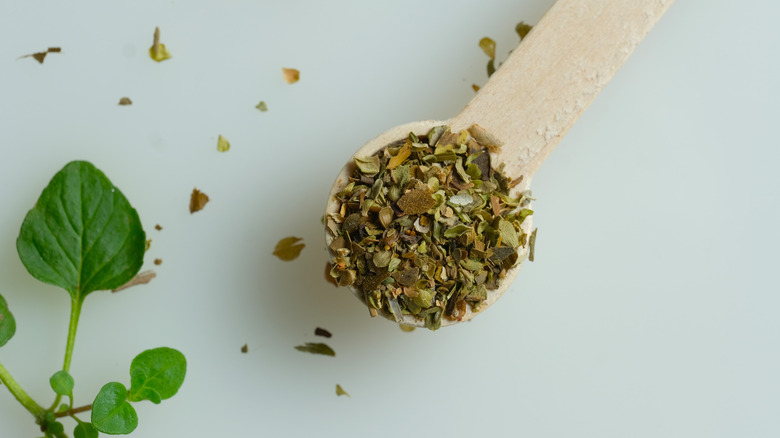
Oregano is an herb that some of us have a love/hate relationship with because of its assertive flavor. That said, it is a quintessential ingredient in Mediterranean food, especially in Italian, Greek, and Turkish recipes. This herb is found in a number of varieties, some of which are more well-suited for ornamental purposes than culinary ones.
The type most often found in Mediterranean dishes is origanum vulgare or Mediterranean oregano. This variety is indigenous to the region and is a member of the mint family, which gives it a much more fragrant, earthy, intense flavor that has elements of spice and bitterness to it. Though it can be used in both fresh and dried forms, the latter is more common in recipes, like tomato sauce or a kebab marinade.
5. Paprika
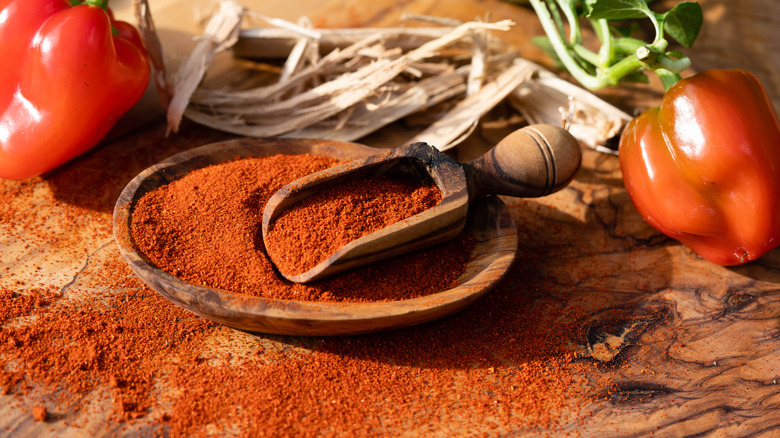
Another oft-overlooked spice in the United States is paprika. Many of us are barely familiar with the brown-hued, flavorless stuff that is sprinkled atop deviled eggs, but have never actually used it in cooking. This is a shame, as it is integral to Mediterranean culinary traditions, particularly the foods of Spain.
Paprika is essentially a dehydrated, pulverized pepper. It comes in a number of different varieties, ranging from sweet to spicy. It is also available in regular and smoked varieties, which are slow-dried using smoke. Some of the best uses for paprika are as a seasoning for meat, soups, and stews, including classic dishes like paella and shakshuka. That said, it can also lend complexity to sweet recipes, particularly those featuring dark chocolate.
6. Saffron
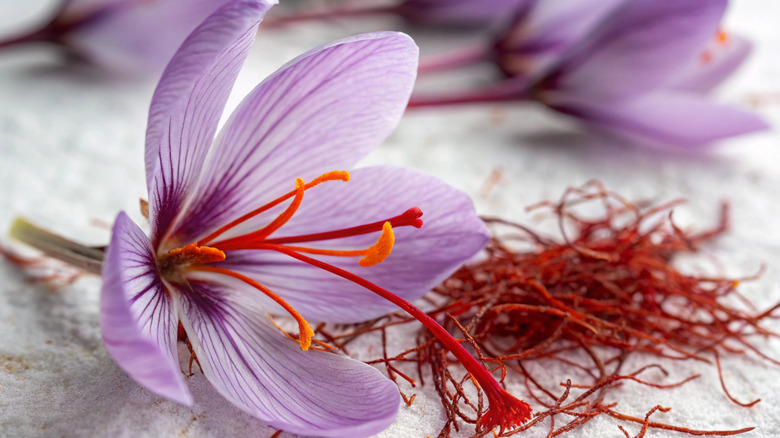
Perhaps the most exotic and expensive of all the spices used across the Mediterranean is saffron. A saffron thread is the stigma of a specific type of crocus flower, the sativus, which can be found growing throughout Spain, Morocco, and Greece. Each flower yields just three of these threads, and they have to be meticulously harvested by hand, which is why this spice is so costly.
Saffron is most often associated with rice dishes across the Mediterranean, like paella. That said, it also features prominently in soups, stews, and even desserts owing to its distinctive floral flavor and the vibrant crimson hue it lends to these dishes. Quality saffron should always be purchased in whole threads, not powdered, and it should have a rich red color.
7. Cumin
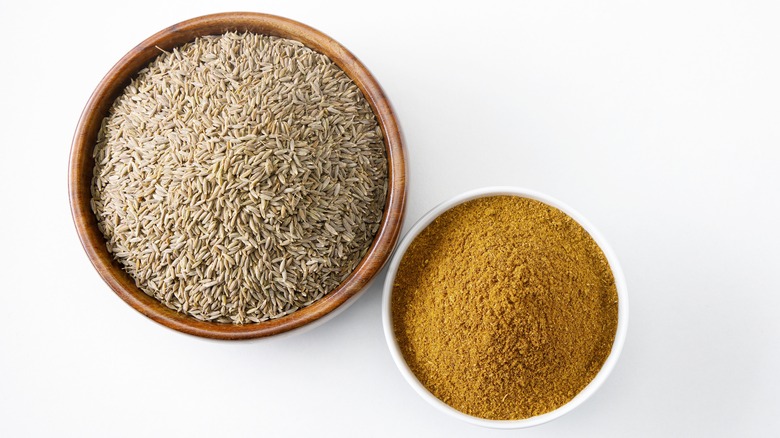
While cumin is often associated with Mexican or Latin American cuisines, it is a foundation of many Mediterranean dishes, particularly across North Africa. This spice can be found in whole and ground varieties, which both lend different elements to various dishes, from bread to hummus to stews. It is also a key component of ras el hanout, a spice blend found in Morocco that is a staple of every household.
The flavor of cumin is most often considered to be earthy, smoky, nutty, and slightly bitter. It is a spice that must be used with finesse, as it can quickly overwhelm a dish. That said, when properly incorporated, it can instantly deepen the savoriness of any dish and give it a complexity unlike virtually any other spice.
8. Cinnamon
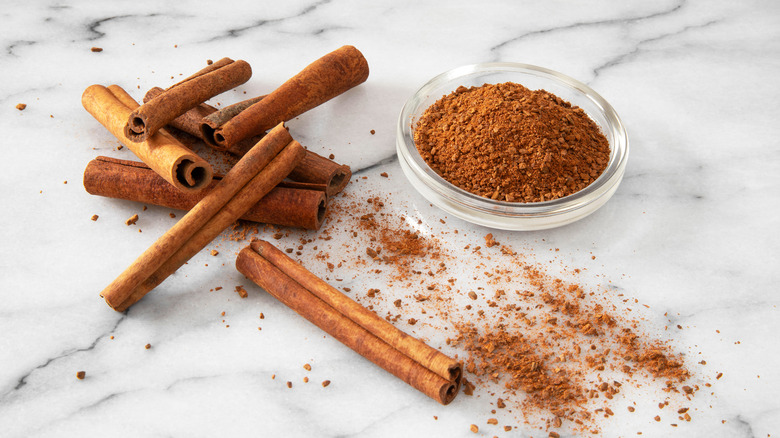
Though not strictly Mediterranean in origin, cinnamon plays an important part in the culinary traditions of countries across the Mediterranean. This spice, which is the bark of a type of Laurel tree that is indigenous to Southeast Asia, comes in a number of different culinary varieties. The type most often found in Mediterranean food is Ceylon or True cinnamon.
This type of cinnamon has mellow notes of sweetness, spice, fruity, and floral notes, punctuated with just a hint of bitterness. While it is certainly featured in dessert recipes of all varieties, cinnamon is as integral to savory dishes, especially across North Africa. Here you will frequently find it accompanying meat tagines, where it is paired with fruit, or in recipes like b'stilla, where it is combined with chicken, ground nuts, and phyllo dough into a pie.
9. Thyme
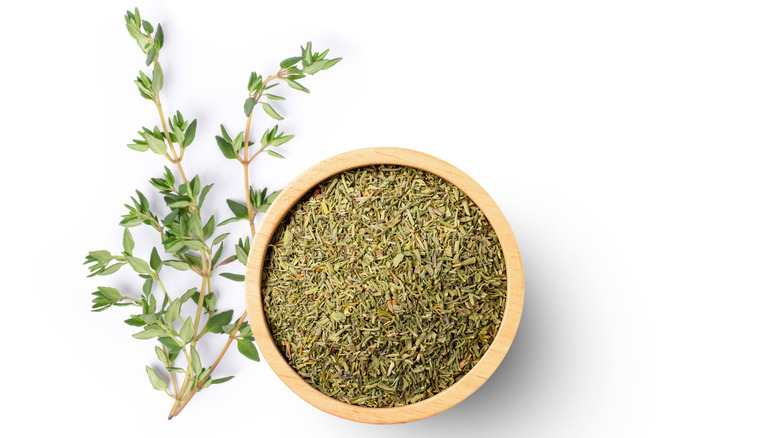
Though often associated with France, thyme is an herb with roots that extend across the countries spanning the Mediterranean. This herb is a member of the mint family and shares many of the same characteristics, including a strong aroma and citrusy, floral flavor notes, which makes it an ideal candidate for sweet and savory applications alike.
Though there are several different varieties, common, lemon, and French thyme are the types most frequently found in Mediterranean recipes. Both fresh and dried thyme have their uses in the kitchen. The dried variety is easily incorporated into soups, stews, and baked goods, while fresh thyme is ideal for use in cocktails and desserts. Fresh thyme is also a key component of a bouquet garni, which is used to lend flavor to stocks, braises, and sauces.
10. Dill
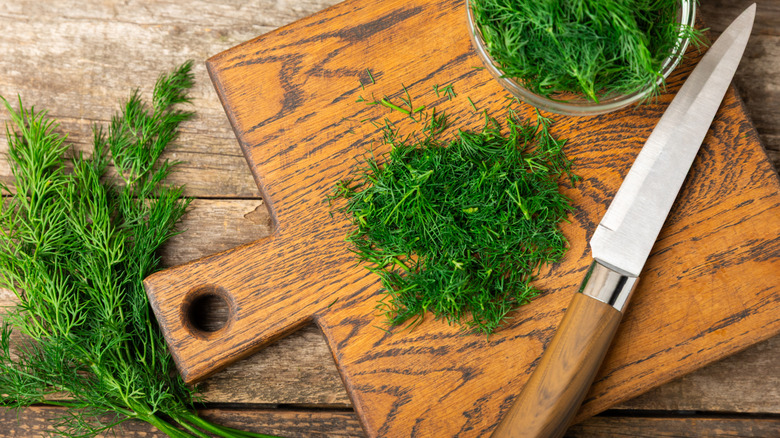
A primary ingredient in pickles and atop a platter of smoked salmon, dill is a versatile herb that is appreciated by cultures across the Mediterranean, especially those along its Eastern borders, like Greece. Dill can be found in cooking in a number of permutations, from fresh or dried leaves to seeds. Each of these lends a distinctive flavor that can completely transform a dish.
The flavor of dill tends to be grassy, citrusy, and, in some cases, slightly licorice-forward. It works best in savory dishes and citrus-forward beverages or cocktails. Some popular Mediterranean recipes featuring dill include tzatziki, cucumber salads, sauces accompanying fish or seafood, meat marinades, and rice dishes, like spanakorizo.
11. Rosemary
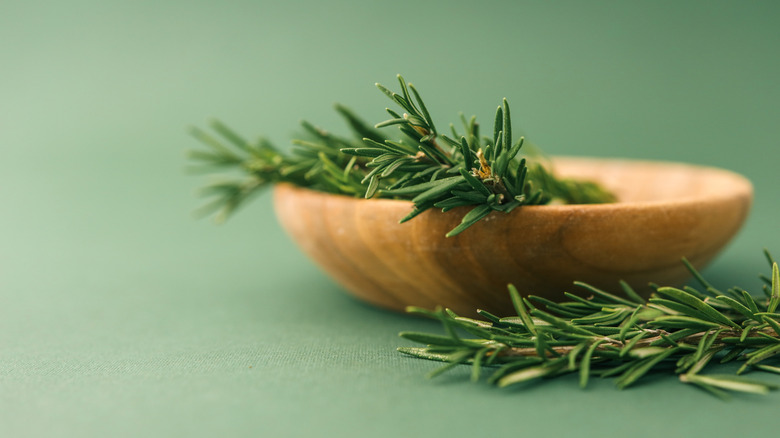
One herb that has played a prominent role in Mediterranean cuisine, dating back to ancient Rome and Greece is rosemary. This evergreen plant, which is in the same family as mint, thyme, oregano, and basil, has a pungent flavor that is piney, woodsy, and citrusy. It can be used in fresh or dried forms, though it should always be added with discernment, as it can often overtake other ingredients in a dish.
Like fresh thyme, rosemary is a core component of a classic bouquet garni. It also provides flavor for baked goods, like homemade focaccia. Dried rosemary is often added to meat marinades, sauces, soups, and stews. And, though it may seem counterintuitive, it can be a transformative element in sweets recipes, like cakes, cookies, and jams.
12. Fennel
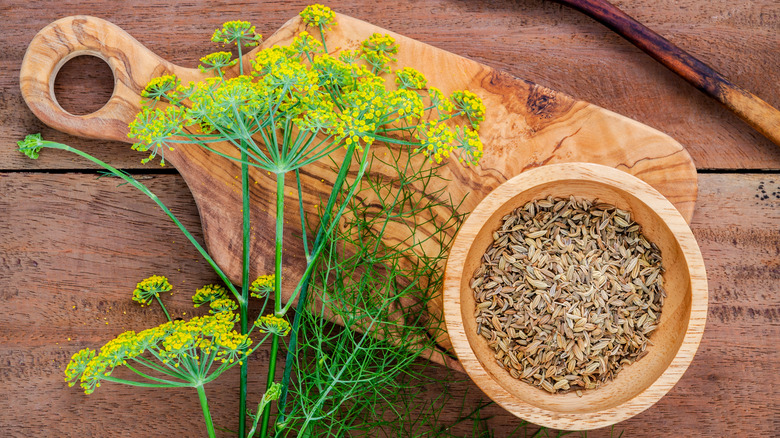
Another common ingredient found in recipes across the Mediterranean is fennel. This licorice-flavored plant comes in a number of varieties, most notably Florence or bulb fennel and sweet fennel. Bulb fennel can be used as a vegetable that can be added to salads or roasted, but its fronds, as well as those of sweet fennel, are primarily used as fresh or dried herbs. Fennel is also available in seed form, which can be used whole or ground into a powder and tossed into soups, stews, or sauces.
Fennel fronds resemble fresh dill in morphology, being delicate and featherlike. Because they are so fragile, they should be added toward the end of the cooking process or used raw for maximum flavor. It can be transformed into a refreshing spin on pesto that pairs well with fish, and it is ideally-suited to salads featuring citrus fruits.
13. Fenugreek
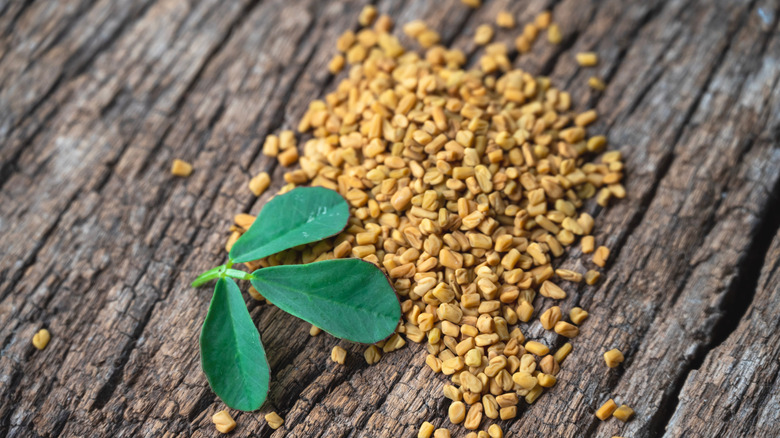
Though often mistaken for fennel, fenugreek is an uncommon spice with a flavor all its own that is frequently used in recipes produced across the Mediterranean, particularly in North Africa. This spice, which is a member of the pea family, typically comes in seed form or is toasted and ground into a powder. Its sweet and bitter flavor is punctuated with notes of maple and nuts.
Fenugreek is ideal for savory meat recipes or vegetarian stews needing a boost of complexity. Because its flavor is potent, fenugreek should be used sparingly and in conjunction with other bold spices, like cumin and coriander. Additionally, soaking the seeds overnight can help minimize bitterness, giving them a more nuanced flavor.
14. Sage
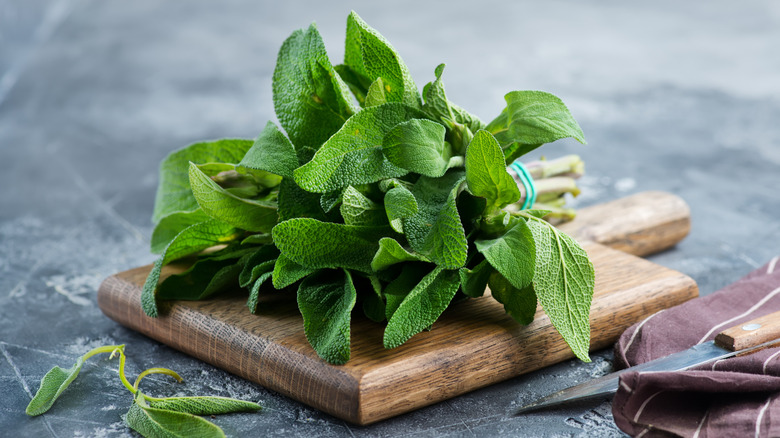
When you think of sage, does a Thanksgiving turkey come to mind? If so, you may be surprised to know that this herb is indigenous to the Mediterranean and features heavily in dishes from countries that flank the northern parts of the region, including France, Italy, and Greece. Another relative of mint, this herb is known for its assertive aroma and its unique, velvety-textured leaves.
The taste of sage can vary from woodsy and citrusy to spicy and bright, depending on the variety. It can be used fresh or dried and is often fried for use as a garnish on dishes, a process which helps to tame its assertive flavor. It is often added to tomato sauces and creamy pasta recipes and is frequently paired with poultry, winter squash, and legumes.
15. Tarragon
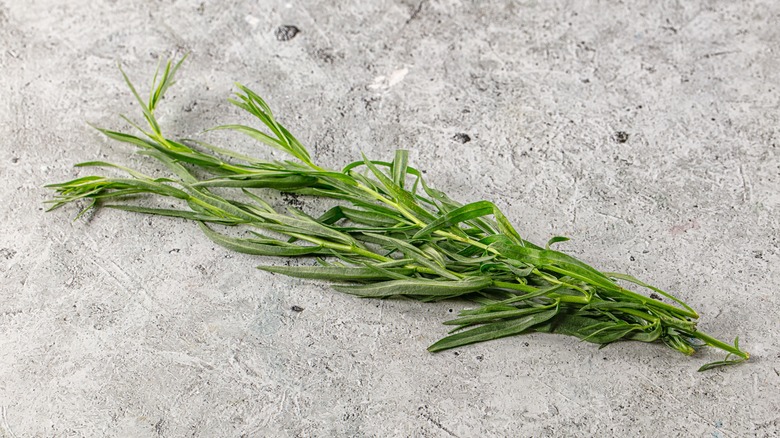
Tarragon is a fresh herb that is most frequently associated with the culinary traditions of France, though it is grown all across the Northern Hemisphere. It is a key ingredient in a classic French béarnaise sauce and one of the primary herbs included in a fine herbs blend. Its long, slender leaves have a distinctive licorice-forward flavor that is bittersweet and can be applied to sweet and savory dishes alike.
Though tarragon can be used both fresh and dried, the former is easier to work with and to add with finesse. This herb pairs beautifully with poultry and seafood equally well and is ideally-suited to balancing out the flavors of acidic components in a recipe, such as citrus, vinegar, and tomatoes.
16. Lavender
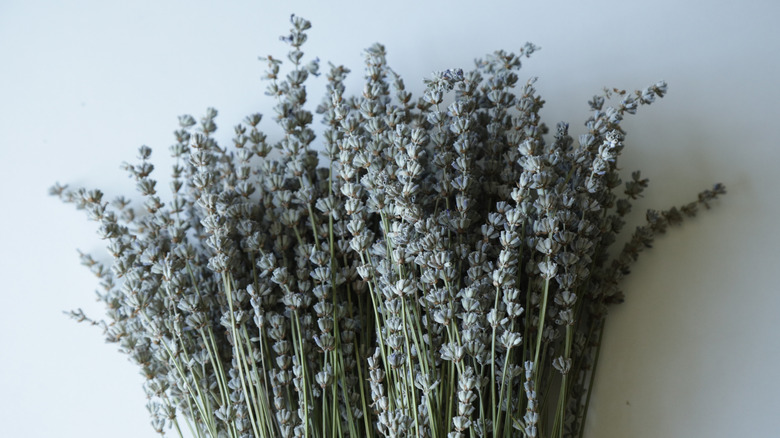
Among the most beloved edible flowers that feature prominently in recipes from Spain to France to Italy is lavender. Its distinctive floral aroma and taste make it a powerhouse in both sweet and savory recipes. It is a key component to a classic herbes de Provence blend and is often added to beverages for a dose of complexity.
Lavender is most frequently used in its dried format for culinary purposes. Because it is so pungent, it should be added with discernment. It is often added to baked goods, like breads, cakes, and cookies. It is also a great juxtaposition to sweet jams or honey-based desserts. And, it is uniquely well-suited to pairing with roast meats, where it can help amplify those caramelized, savory flavor notes.
17. Sumac
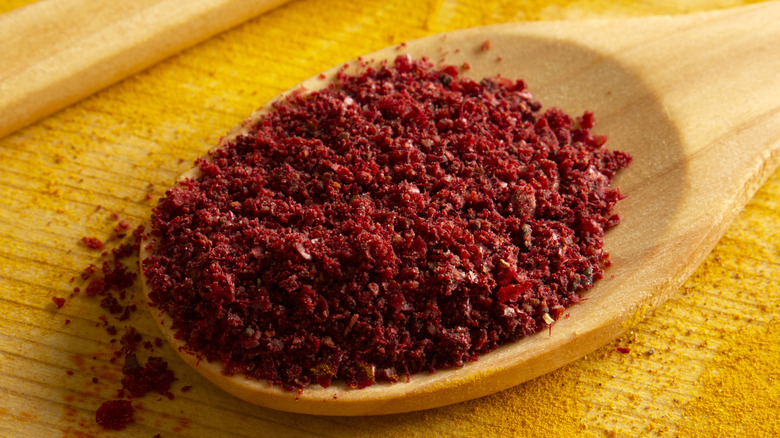
Not to be confused with poison sumac, the edible variety is a spice that hails from crimson-hued berries that grow on the branches of the sumac tree or shrub. These are dried and ground into a powder that is used to season a variety of dishes, particularly in countries located along the Eastern Mediterranean and flanking the Middle East.
The flavor of sumac is uniquely tart and almost citrus-like in nature. It can easily be used as an accompaniment to or replacement for lemon zest or juice in many recipes as long as you don't mind the subtle change in color it can impart on a dish. Sumac works brilliantly in dressings, marinades, and as a seasoning for meat and fish. It can also be a powerhouse ingredient in dessert and cocktail recipes, where its tanginess can add a layer of complexity.
18. Ginger
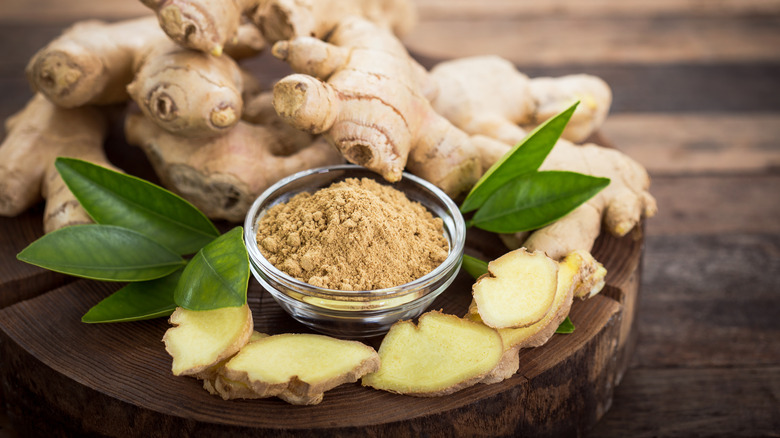
While ginger may more often be associated with Asian and Southeast Asian culinary traditions, it is an important ingredient in the cuisines of countries across the Mediterranean, particularly those in North Africa. This root can be used fresh or dried into a powder, though the two are not interchangeable.
Sweet, yet sharp, dried ginger tends to be more potent and lends heat and complexity to savory and sweet dishes alike. In Morocco, for example, it is often paired with meat, fruit, and cinnamon in savory tagines, but is also used in honey-filled desserts, like briouat, and delicate almond-flavored cookies and cakes. Lastly, you will find it transformed into a tisane or type of hot beverage that is consumed to aid in digestion after a particularly rich meal.
19. Cloves
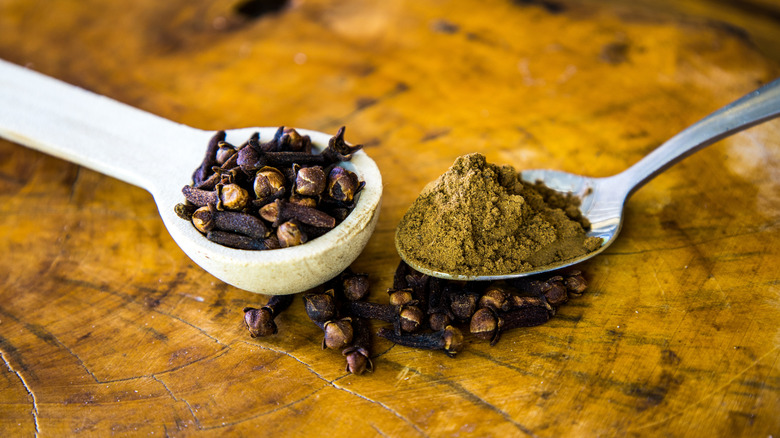
Though not native to the Mediterranean, cloves, both whole and ground, are often found in the culinary traditions of Greece and, to a lesser degree, Italy. The flower buds of a type of tree, cloves have an assertive aroma and a sweet, yet piquant, flavor that can lend sophistication to savory and sweet dishes.
It is frequently paired with classic warm spices, like cinnamon, nutmeg, and allspice in recipes for hot drinks and desserts. It is also a key ingredient in baklava. That said, it works beautifully in recipes like stifado, a hearty beef stew, and a classic pastitsio, where it is included in the meat filling and is a component of the creamy béchamel sauce that is poured over the top of this dish.
20. Coriander
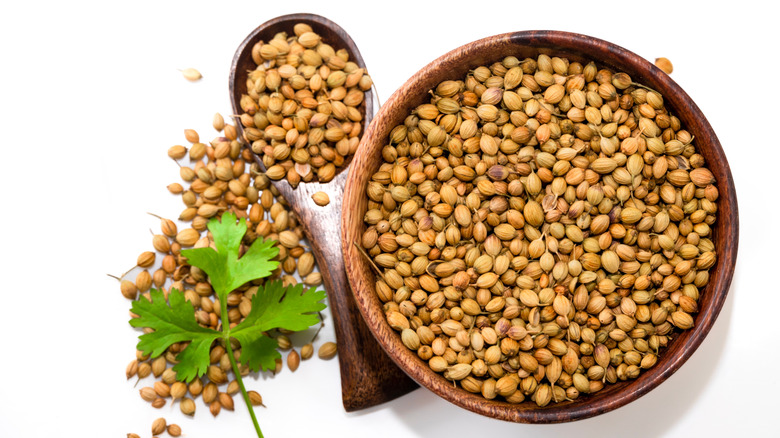
Though not found throughout the Mediterranean, coriander and its leafy counterpart, cilantro, are used extensively in North African cuisines, like those of Morocco and Algeria. Coriander seed can be used whole or ground and has a distinctive, earthy, citrus-forward flavor that is entirely unique from cilantro. The two are not interchangeable, occupying very unique spaces in recipes, both sweet and savory.
Dried coriander is most frequently added to soups and stews, though it is a staple seasoning for kofta or meatballs. When it comes to desserts, its citrusy taste can enhance pastries, cakes, and even sauces featuring fresh fruit or preserves. Cilantro, by contrast, is perhaps most often associated with a verdant Moroccan sauce known as chermoula.
21. Black peppercorn
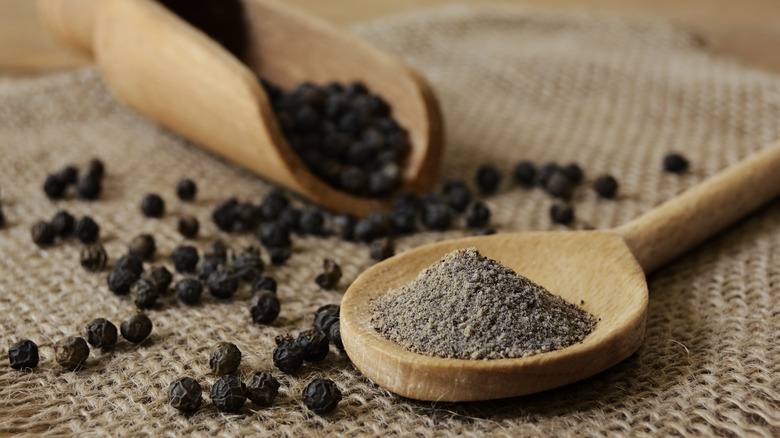
No discussion about staple Mediterranean herbs and spices would be complete without including black peppercorns in the mix. Peppercorns are a quintessential ingredient in every corner of the Mediterranean. They lend heat and sophistication to a wide cross-section of dishes, from meat stews to breads to fancy desserts.
Though black peppercorns may be the most commonly found variety in these parts, white and green types are also used. These different-hued peppercorns come from the same plant, but are harvested at different stages of ripeness. Green ones are underripe, while white ones are fully ripened, but skinned before use. Pink peppercorns, though often used interchangeably, actually come from a different plant altogether.