

10 Unique Mixers To Add To Tequila
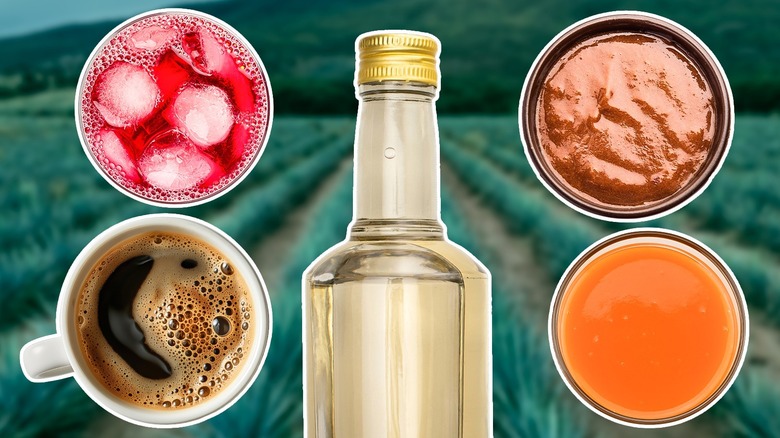
When most people think of mixers to go with tequila, citrus juices are often the first things that spring to mind. However, tequila is a versatile spirit that can pair well with a wide range of add-ins beyond just lime or grapefruit juice. Tequila has unique tasting notes that change depending on which expressions you're drinking. Some tequilas are fruity and floral, while others are more earthy and mineral tasting, or nuanced with notes of spices and oak. With that in mind, you can match those notes with different mixers to create a variety of delicious tequila cocktails.
Blanco tequilas are the purest expressions because they aren't aged in barrels, so you don't get extra flavors from wood. Many people consider blancos the best tequilas for margaritas and other tequila cocktails because they bring agave freshness but don't clash too much with mixers. Blancos typically go well with other refreshing ingredients like fruit and vegetable juices and agua fresca-style infusions.
Reposados can also work well in cocktails because they add extra depth thanks to the subtle hints of oak and spice they get from resting in barrels. Some people love mixing reposados with spicy ingredients like chile liqueurs or purees and juices. And while purists will tell you that añejo and extra añejo tequilas are best for sipping straight, they can actually pair beautifully with strong mixers like coffee. Need some more inspiration? These are 10 unique mixers that can elevate your tequila cocktail game.
1. Prickly pear juice
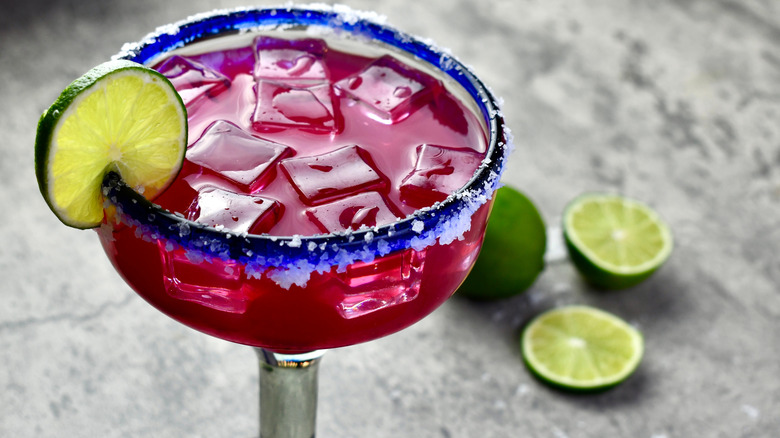
Sweet, fruity, and refreshing, prickly pear juice is a natural match for tequila. Prickly pears grow on the nopal cactus (aka prickly pear cactus), along with edible cactus paddles called nopales. The plant is native to Mexico and the American Southwest. Round and sometimes slightly oblong, the prickly pear fruit can be red, pink, orange, brown, or green in color. Each fruit is covered in long spines called glochids that need to be removed before you can get to the juice inside.
The best way to cut a prickly pear is to grab the fruit with tongs and burn the glochids off. Once those are gone, you can rinse the fruit to get rid of any leftover debris. You may want to wear gloves just in case there are any tiny spines left that aren't visible. Then, you can cut off the ends of the fruit, make an incision in the skin from top to bottom, and peel it away from the flesh. You can either mash or blend the fruit and strain it to remove the seeds.
Prickly pear juice has a unique flavor that many describe as similar to watermelon, pear, and kiwi. Some also say it tastes a bit like bubblegum. Those flavors pair well with the fresh agave notes you get from blanco tequilas. The juice is sweet, but not overly tart, so you may want to consider creating a prickly pear margarita with lime juice to give your cocktail some extra acidity.
2. Tamarind puree
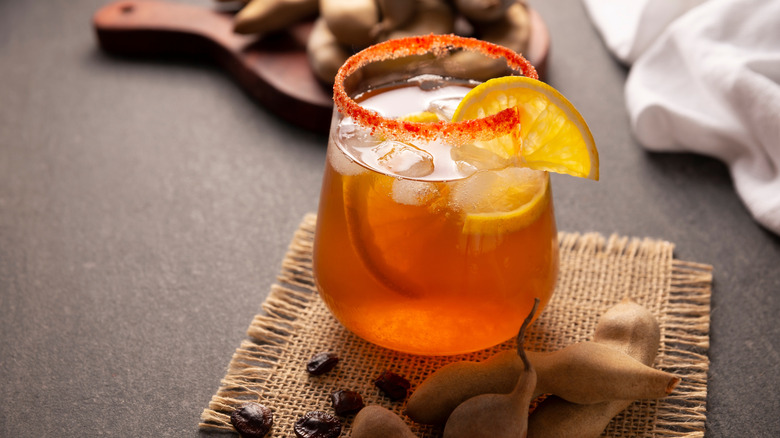
With its sweet-sour intensity, tamarind puree is a bold mixer that plays beautifully with tequila's earthiness. Tamarind trees are native to Africa, but they also grow in abundance in Asia and other tropical regions, including Mexico. The trees produce fruit that grows in long, brown pods. Crack open a ripe pod and you'll find sticky brown fruit inside with seeds. The pulp tastes sweet, tart, and sometimes a little earthy. It's often used in dishes like soups, curries, and stews, but it can also be a great cocktail mixer.
Tamarind comes in many forms, including whole pods, jarred paste, and compressed blocks. The paste is the easiest to use for making cocktails because you can scoop it straight out of the jar. If you're using whole pods, you'll need to take the pulp out of the shell and let it soak in boiling water. When it's softened, you can strain the pulp and use it as-is or puree it. You can follow the same process with the condensed blocks.
In Mexico, tamarind shows up in everything from candies to cocktails. It works particularly well with tequila because it complements the sweetness of the agave and adds acidity. Tamarind complements blancos by keeping things crisp and bright, but it can also work well with reposados and añejos because it balances the caramel and vanilla notes. You can swap the lime juice for tamarind puree in a margarita or make a tamarind paloma with tequila, soda, and tamarind instead of grapefruit. Tamarind also works nicely in spicy cocktails.
3. Cucumber juice
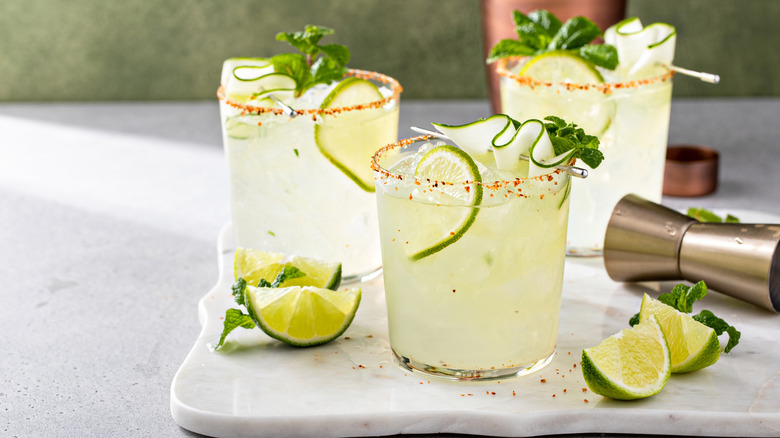
When the weather turns hot, cucumber juice is perfect for making your tequila cocktails crisp and thirst-quenching. Although often considered vegetables, cucumbers are technically berries because they grow from flowers and contain multiple seeds inside. Yet, the flavor is vegetal, which makes it great for balancing the peppery notes in tequila. Cucumber works especially well with blanco tequila because of its brightness and fresh, cooling effect.
The easiest way to make cucumber juice is to blend cucumbers in a food processor or blender. Some people peel the cucumbers first to make them easier to pulp and because the skin can sometimes taste bitter. After it's blended, you can use the cucumber juice as-is or strain it to remove any bits. Some people also like to add sugar to sweeten it or lemon juice for a pop of acidity. The juice tastes best when it's freshly made, but you can also store it for a day or two in the fridge.
Cucumber juice is often used in Mexican non-alcoholic drinks called aguas frescas, which are essentially flavored waters. Add a splash of tequila and you instantly have a boozy twist on a classic. Cucumber margaritas are popular and typically feature tequila, cucumber juice, and lime juice. You can also add agave syrup or sugar for sweetness and mint to enhance the fresh herby notes. You may also want to consider making a ranch water cocktail with tequila, soda water, and splashes of cucumber juice and lime.
4. Espresso or cold brew coffee

Mexico already has a long tradition of coffee cocktails, from the carajillo to Kahlúa, so it makes sense to bring tequila into the mix. Coffee's roasted, bitter, and chocolatey notes work beautifully with reposado and añejo tequilas, which often have hints of caramel, oak, and vanilla. You could just add a splash of tequila to a regular cup of coffee, but using espresso or cold brew kicks things up a notch.
Espresso differs from coffee in that the beans are typically ground much finer, and it's brewed by filtering hot water through the beans at high pressure. The result is a super concentrated caffeine beverage with beautiful crema on top and a luscious mouthfeel. Meanwhile, cold brew coffee is made by steeping ground coffee in cold water for anywhere from 12 to 24 hours. The process draws out the natural oils in the beans and gives the drink an intense flavor and slightly silky texture.
One popular way to use espresso with tequila is to make an espresso tequila martini. Like a regular espresso martini, it includes espresso and coffee liqueur, but instead of vodka, you can use reposado or añejo tequila. Some people also add Licor 43, a sweet Spanish liqueur that tastes like vanilla and citrus. Cold brew coffee is great for cocktails that are shaken and served over ice. For example, you could whip up a revitalizing sipper using cold brew concentrate, tequila, and tonic water.
5. Chile liqueur
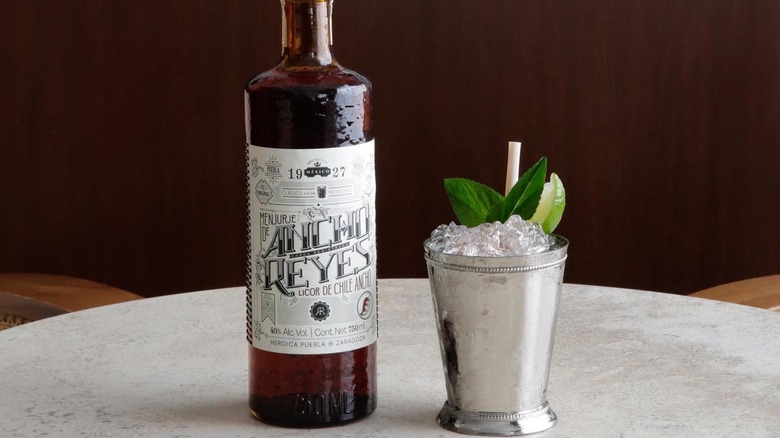
If you're a fan of spicy tequila cocktails, you may have experimented with using sliced or muddled jalapeños in your margaritas or perhaps found some unique ways to use Tajín in drinks. But what if there was a way to infuse spicy goodness into your cocktails without the fuss of fresh peppers or the crunch of raw spice? Enter Ancho Reyes: a chile liqueur that packs a decent hit of heat, along with earthy, smoky, and sweet flavors.
Ancho Reyes is produced in Puebla, Mexico, using ancho chiles that grow in the rich, volcanic soil of the region. The regular version features ripe, red ancho chiles that are sun-dried for 15 to 20 days, then hand-sliced with scissors and macerated in cane sugar spirit for six months. Ancho Reyes Verde is made with young green ancho chiles that are fire-roasted, mashed, and also macerated in cane spirit. The regular version is rich with notes of chocolate, tobacco, and chile spice. The Verde is brighter and more vegetal.
Blanco tequila and Ancho Reyes play well off each other, with the sweet agave notes complementing the spice and earthiness of the chiles. When combined in a margarita, you get a cocktail that's fresh and tangy with subtle heat and extra layers of flavor. Ancho Reyes is also a great addition to a Bloody Maria, which is essentially a Bloody Mary, but with tequila instead of vodka. Even a citrusy paloma can benefit from a touch of Ancho Reyes spice.
6. Hibiscus syrup or tea
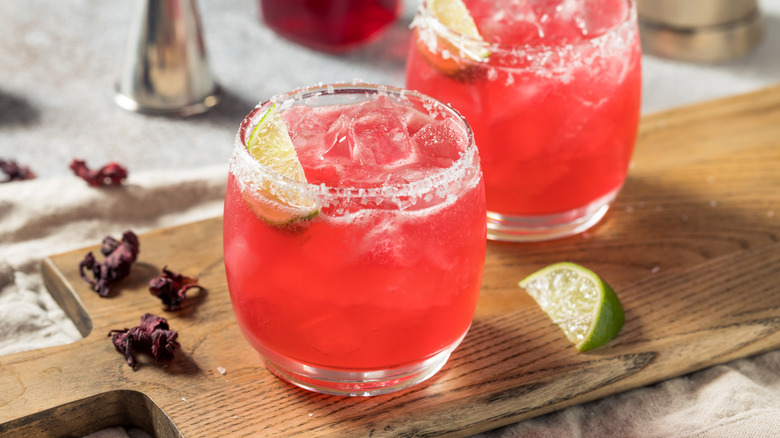
Known as "flor de Jamaica" in Mexico, hibiscus is a plant that produces vibrant red and pink edible flowers. The flowers are often dried and steeped in water to make tea and agua fresca. They can also be eaten whole, ground into powder, or turned into syrups. The flavor is bright and tangy with floral notes, making it a great addition to tequila cocktails. Blancos are a perfect match because they're also typically bright, but mild enough to let the flavor of the hibiscus come through.
A simple hibiscus tea can add tart cranberry-like notes to tequila cocktails and eye-catching pink and fuchsia tones. However, if you want a more concentrated flavor, consider making a hibiscus simple syrup. All you need is water, sugar, and dried hibiscus flowers. Just combine the water and sugar in a saucepan, simmer until the sugar dissolves, then add the hibiscus flowers, stir, and remove the pan from the heat. Once the syrup has cooled, you can strain it to remove the flowers.
Hibiscus syrup works well in margaritas because it adds sweet and tart notes and a vivid pop of color. However, it's also versatile enough for other tequila drinks. Try it in palomas for a floral twist, mix it with tequila and sparkling water for a refreshing hibiscus spritz, or combine it with tropical fruit juices like pineapple or guava for summery vibes. You can even add a splash to stirred tequila cocktails with spicy bitters for more layered, complex flavors.
7. Carrot juice
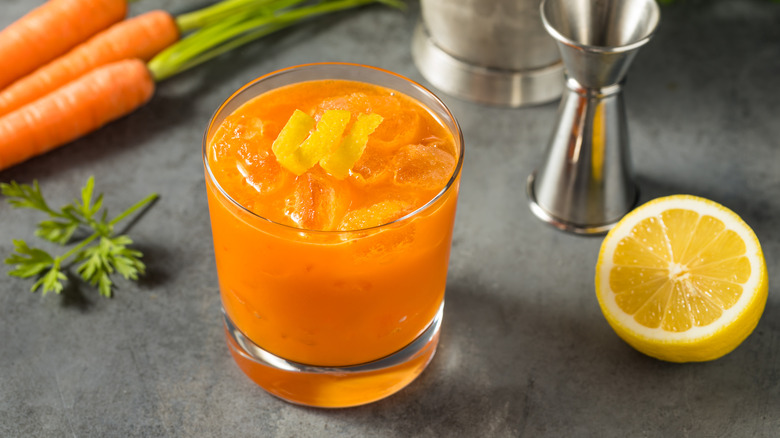
For a mixer that's vibrant, slightly sweet, and completely unexpected, carrot juice is worth trying with tequila. There's a common misconception that carrots are sugar bombs, but that's not actually true. They have just enough to give them a touch of sweetness, but you also get vegetal notes that line up well with the flavor of a fresh tequila blanco or even a lightly oaked reposado. Carrot juice also works well as a base for layering other flavors like citrus and herbs.
The easiest way to make carrot juice is with a good-quality juicer. However, if you don't have a juicer, a blender is the next best thing. Just throw your carrots in with some water to create a juice as opposed to a pulp. In terms of how many carrots you need for juice, about a pound of carrots will yield roughly one cup of juice. You might also want to consider straining the juice to get rid of any fibers and create a smooth texture that will blend better in cocktails.
For a simple carrot margarita, you can combine tequila and triple sec with carrot juice and a splash of lime. Carrots and ginger are a match made in heaven, so some people also like to add ginger, either blitzing fresh ginger with the carrots or adding ginger syrup. The ginger adds subtle spiciness and a bit of zing. You can also try blending your carrots with other juices like pineapple, mango, or guava to give your tequila cocktails a tropical twist.
8. Horchata
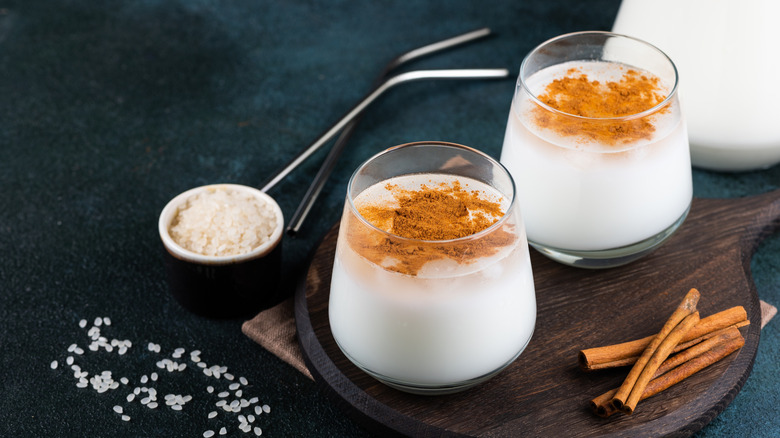
Creamy cocktails might not be the first thing you think of with tequila, but horchata is a pretty good pairing. This popular Mexican drink has its roots in Southern Spain, where it was, and still is, made by soaking tiger nuts (aka chufa) in water to create a creamy drink. When the Spanish arrived in the Americas, there were no tiger nuts available, so they adapted the drink to include white rice and cinnamon. Nowadays, many people add milk as well.
Horchata isn't particularly difficult to make at home, but it does take some time. The first step is to add hot water to uncooked white rice and cinnamon sticks. Then, you let that sit for several hours or even overnight. The mixture gets blended, strained, and combined with milk. Of course, you can always leave the milk out if you want a non-dairy drink. Some people also add flavor enhancers like vanilla and sugar at the end.
Horchata's sweet, creamy, and warming spice notes pair well with oaky reposados and rich añejos. If cool and creamy is what you're going for, a horchata margarita might do the trick. Simply shake up some tequila with horchata and serve it in a glass rimmed with cinnamon or sugar. You can also add a splash of flavored liqueur to make it more of a dessert cocktail. Nutty, chocolatey, and coffee-flavored liqueurs work well. For a creamy, caffeinated cocktail, you could also blend horchata with iced coffee and tequila.
9. Kombucha
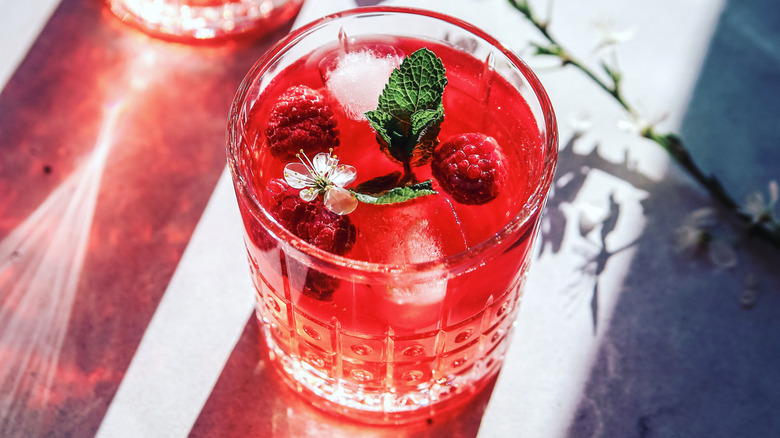
With its tangy kick and natural effervescence, kombucha gives tequila a light, sparkling edge. It's one of just a few natural drinks that will give you the same boost as coffee, and it contains small amounts of alcohol, so it makes a great cocktail mixer. Plus, kombucha comes in many flavors, which makes it ideal for experimenting with different types of tequila. For example, fruity kombuchas can work well with crisp blancos, while bolder flavors might pair better with warm reposados.
Kombucha may seem like it's a relatively new thing, but it actually dates back centuries. It's made by combining sweetened tea with bacteria and yeast. As the drink ferments, it becomes fizzy and develops probiotics that can be beneficial for gut health. Many people also believe that kombucha can help alleviate a wide range of health issues, but conclusive research is limited. What we do know for sure is that kombucha can give tequila cocktails a nice bubbly kick.
If you like fizzy cocktails but aren't so keen on sugary sodas, kombucha is a great alternative. For something simple, mix tequila with lime juice and a citrus or ginger-flavored kombucha for a refreshing highball. Grapefruit kombucha can stand in for soda in a paloma, while hibiscus or berry-flavored kombucha can make for a vibrant margarita. If you want a little more complexity, try pairing jalapeño-infused tequila with mango or pineapple kombucha for a fruity and spicy Mexican-inspired drink.
10. Pickle juice
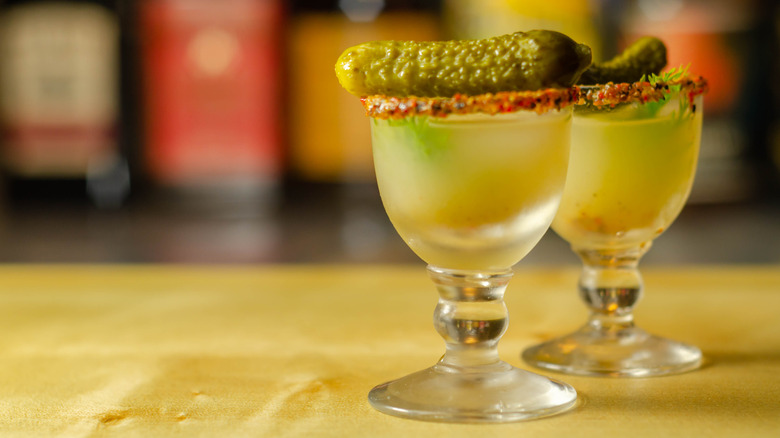
If you've ever chased a shot with pickle juice, you already know how well the brine can work with alcohol. Tequila is no exception. The salty tanginess of the pickle juice balances the peppery, vegetal notes of tequila, while the vinegar can cut through the heat of the alcohol without taking away from the agave flavors. The brininess works particularly well with blanco tequilas because their clean, crisp profiles let the pickle's sharpness shine.
Dill pickles are a classic choice if you're planning on using pickle juice in your libations. The herbal notes of the dill pair well with refreshing cocktails like margaritas. However, you can also branch out and try pickles brined with other ingredients. For example, spicy pickles are often mixed with chiles like jalapeños and habaneros, which can bring some serious heat to your cocktails. Bread and butter pickles have a slightly sweeter brine that can go nicely with fruity drinks.
The easiest way to try out the tequila-pickle juice combo is to do a pickleback – a shot of tequila followed by a chaser of pickle juice. You can also try shaking up some pickle juice with tequila and drinking it all in one go. Pickle juice works in a wide range of drinks as a mixer. You can add a splash to a spicy margarita to bring in some mouth-puckering tang or create a savory highball with tequila, pickle juice, and Club soda. The vinegary brine can also add acidity and depth to a Bloody Maria.