

10 Cooking Trends That Defined The 1960s
We may receive a commission on purchases made from links.
Cooking culture in the 1960s was an interesting mixture of extravagance and convenience. Thanks to magazines like Good Housekeeping and Ladies' Home Journal, there was no shortage of kitchen creativity, and this era of cooking came to define much of the American cooking culture we see today. Like any bygone era, looking back at the popular trends of the 1960s offers insight into what American culture looked like then.
For the most part, cooking trends of the 1960s were pretty wild by today's standards. The Kennedy administration's focus on economic growth meant increased prosperity for American families. Coupled with the rise of convenience-based supermarkets, the domestic cook's home menu was only limited by their creativity. As exciting as all this culinary freedom was, the 1960s ushered in some truly horrifying recipes that have continued to live on in infamy. For better or worse, these are some of the cooking trends that defined the 1960s.
1. French-inspired cuisine
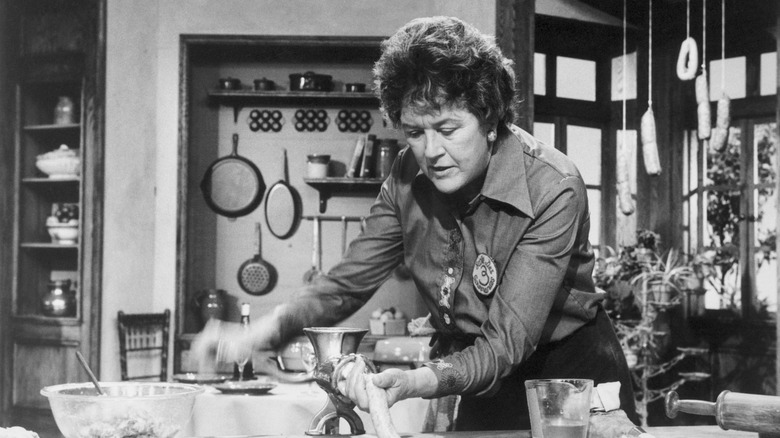
Of all the international cultures that influenced America's kitchens in the 1960s, none was as popular as French cuisine. When Jacqueline Kennedy hired renowned French chef René Verdon to take over management of the White House Kitchen, it was associated with the First Lady's iconic sense of style. With this high-profile adoption, homemakers across the country started brushing up on their French technique.
Lucky for them, American chef and food personality Julia Child stepped in to make French cuisine more accessible for home cooks. Her books, "Mastering the Art of French Cooking" and "The French Chef Cookbook," were major influences on home chefs in the 1960s. Child's television show "The French Chef" effectively brought her into the homes of burgeoning chefs and helped French cuisine become a national trend.
Mastery of French cuisine became not only a creative outlet but a culinary flex when hosting a dinner party. Coq au vin, boeuf bourguignon, and cassoulet became staples in home cooks' arsenals, and mastering these recipes inspired home chefs to be more adventurous in the kitchen.
2. Freezer meals
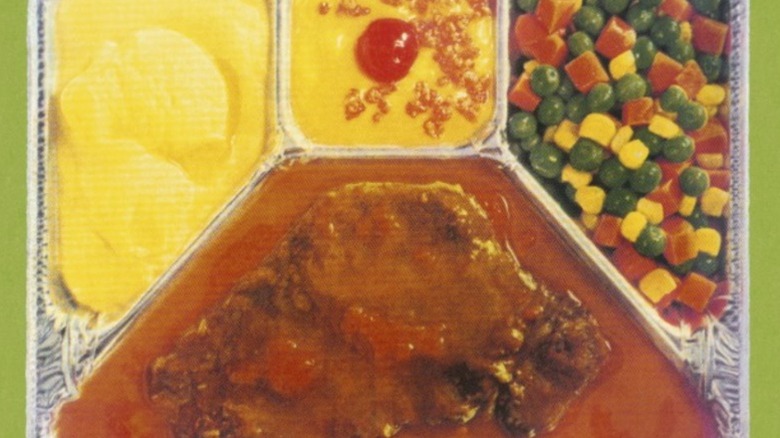
In addition to the French techniques that were flourishing throughout home kitchens across America, cuisine that didn't require much effort was also gaining in popularity. As refrigerators and freezers became more common in American households, ready-made frozen meals grew more common in supermarkets. The most popular of these products was arguably the TV dinner, which had become a veritable kitchen powerhouse.
Frozen, ready-made meals were originally conceived as an airline food innovation, but it was the Swanson company that got the idea to think bigger. Swanson marketed frozen meals to the supermarket crowd and saw the proliferation of television sets as an advertising opportunity, which is how the term "TV dinner" came to be. With a dining option prioritizing convenience, freezers across the country were stacked with meals from Swanson, Banquet Foods, and Morton Frozen Foods. Even high-profile celebrities like Barbara Streisand weighed in on the popularity of these frozen meals: she told "The New Yorker" that TV dinners were responsible for the "best fried chicken I know."
3. Nordic Ware baking molds
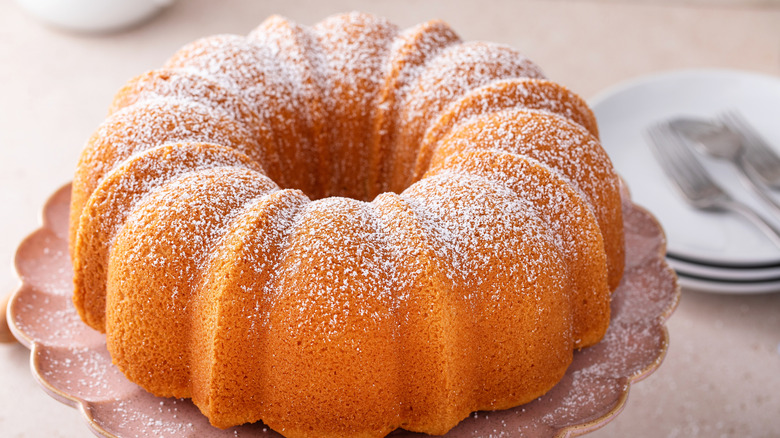
While convenience and extravagance seldom go hand-in-hand, the molded Bundt pan helped many hosts and hostesses create eye-catching but low-effort desserts. These aluminum pans came cast in all manner of shapes, sizes, and patterns, and all it took to make gorgeous baked desserts was your batter of choice. The bakeware's circular shape and geometric design translated perfectly to cakes, making it easy to whip up a showstopping dessert in a hurry.
Nordic Ware is among the most popular Bundt pan manufacturers — it has been in the bakeware business since the 1950s. The brand's large selection and durable construction made its Bundt pans into kitchen staples across 1960s America and have helped the brand endure until today.
Though cakes got the most mileage out of Bundt pans in the 1960s, creative cooks started using them for many other dishes. Jell-O saw a decided uptick in popularity during the 60s, and its malleable qualities worked well with a Bundt pan to create wobbly, jewel-toned dishes. Some of these recipes were tasty and refreshing like Under the Sea Salad, which combined lime Jell-O, cream cheese, and pears. Others, like Jellied Chicken Salad and its cold chicken and veggies packed in gelatin, are pure nightmare fuel.
4. Spreads and dips
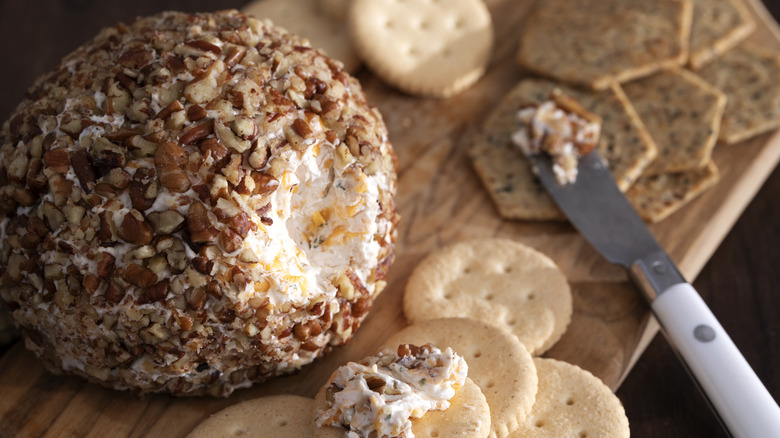
With supermarkets stocked with convenience food and home chefs pushing themselves to new heights in the kitchen, dinner parties became a chance to flex in the 1960s. This meant making sure guests had plenty of finger foods to munch on while they did their pre-meal mingling. Snacks and small bites became flexes in their own right as spreadable and dippable food like onion dip made with cream cheese, sour cream, onion soup mix was a party favorite, as were cheeseballs which were made with everything from green onion to canned crab.
Like many cooking trends of the 1960s, spreads and dips caught on because they could be assembled quickly and required relatively few ingredients. These snacks were also easy to assemble in visually appealing ways, thanks to specifically designed servingware like the "chip and dip."
While many of these dip and spread recipes have stuck around, there are a few horrifying examples that seem to have perished before the 1980s. Such examples typically involve cold, spreadable protein like tuna mousse — often molded into the shape of a fish no less — and chicken liver paté, which are among the most egregious offenders.
5. Main courses with a title
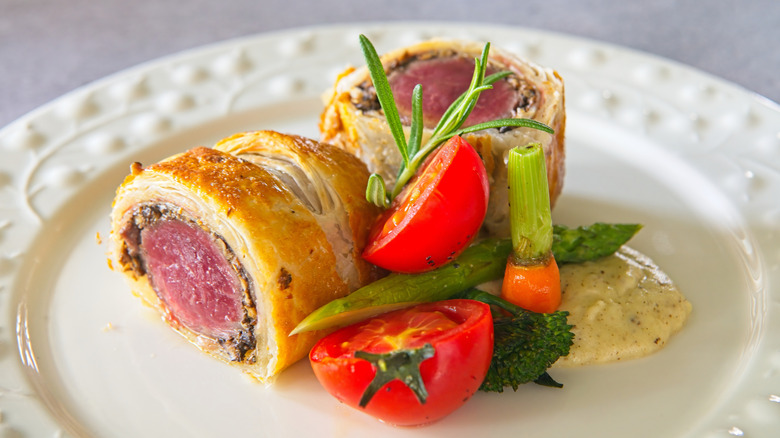
With international flavors informing much of 1960s haute cuisine, dishes with a distinct, regional moniker became increasingly popular. When dishes like beef Wellington from Great Britain and chicken Kiev appeared on a restaurant's menu, diners were impressed. It implied that the kitchen had mastered some foreign techniques, and home chefs were often eager to follow suit.
While many of these dishes leaned into their impressive levels of technicality, there were plenty of named dishes that became popular because they were easy. Chicken a la King was a fairly simple dish of chicken and mushrooms prepared in a creamy sauce that could be served over rice, noodles, or with toast. Beef stroganoff followed suit with its sliced steak or meatballs tossed in a creamy brown gravy-like sauce and served over egg noodles.
6. Liver
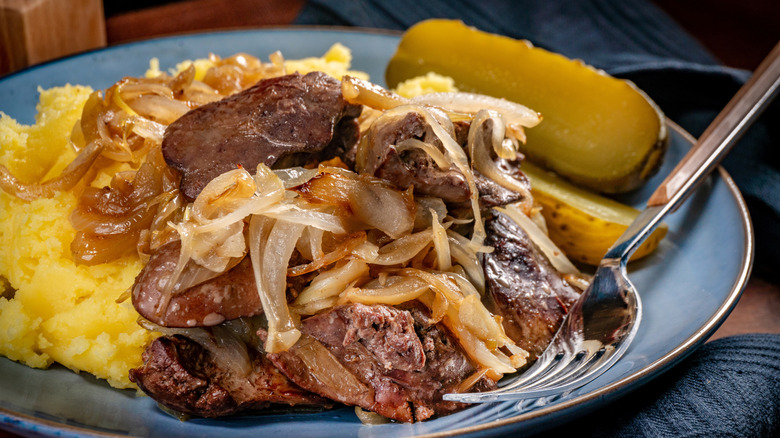
Today's diners are hard-pressed to find a plate of liver and onions on a restaurant menu, but back in the 1960s, liver was a popular protein option in American kitchens. It was a holdover from Depression era that appealed to the working class because of its economy. However, liver's presence in French cuisine with recipes like veal liver Lyonnaise — a fancier, francophile version of liver and onions — made it popular among the upper class as well. The liver's ability to be emulsified and served in paté or mousse also made it a popular ingredient in party snacks.
As American diners grew to prefer steak cuts from the butcher shops and started eschewing organ meat and offal, liver became something of an antique among home chefs. Outside of the off-putting aromas and acquired flavor, there's nothing objectively wrong with liver — it's still considered to be a nutritious, high-protein cut of meat and continues to be enjoyed throughout the world. There are plenty of liver apologists who still extol the virtues of liver and onions, but the jury is still out on whether we'll see a true comeback for this protein.
7. Stuffed snacks
The widespread popularity of spreads and dips simply wasn't enough for the hosts and hostesses of the 1960s. Now that they had perfected their cheeseball and paté recipes, they needed an edible vessel to really seal the deal. Thus began the rise of the classic mixture of mayo, mustard, hard-boiled egg yolk, and a sprinkle of paprika, stuffed into boiled egg white halves — which became a staple of 1960s entertaining.
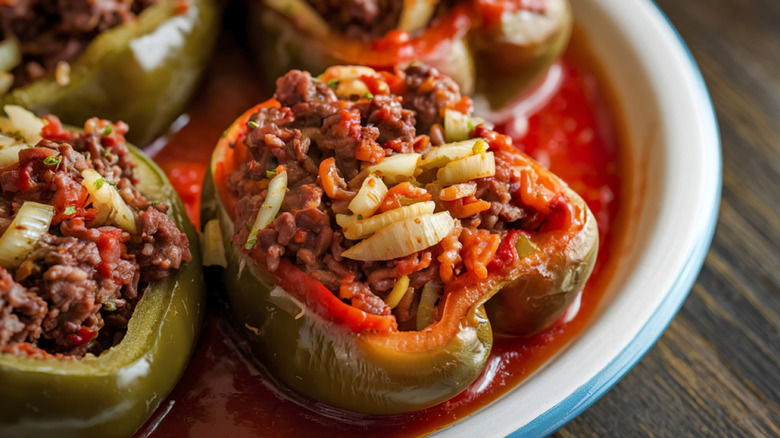
The aesthetics of stuffed snacks made them lovely for dinner party table settings, but their practicality made them popular on weeknights as well. Rows of bell peppers stuffed with ground beef and rice set in casserole dishes were a common dinnertime staple. As were Eastern European cabbage rolls, made with boiled cabbage leaves wrapped around the same beef-and-rice stuffing, into a quick, meaty meal.
8. Canned meat
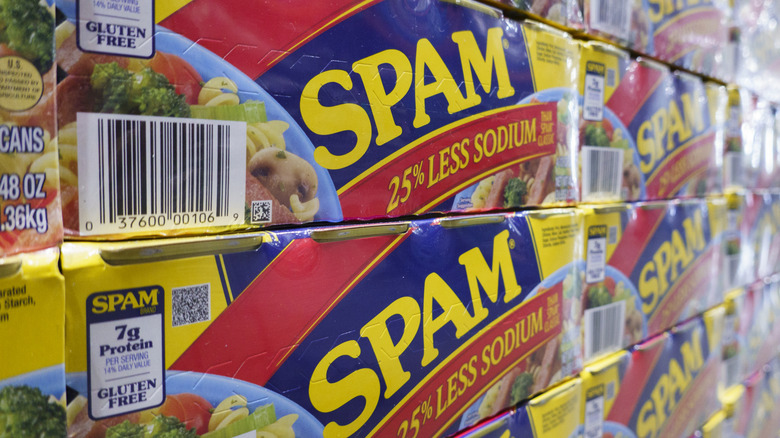
There was a plethora of ready-made ingredients outside the frozen food aisle, and canned meats were among the most popular. Spam is one of the most enduring examples of canned meat's popularity, and it's as popular today as it ever was. Perhaps its enduring popularity comes from the brand's economy — frugal shoppers today get a nice bang for their buck with Spam, and this has always been the case with America's favorite canned meat. Some lesser-known canned proteins included Vienna sausages, which still line the canned meat section of the grocery store and remain popular for their versatility.
Today's grocery stores still stock many of the same brands and products folks enjoyed in the 1960s, but a few canned options remain lost to history. For example, canned pork brains and canned bacon aren't typically found in mainstream grocery stores. The now-defunct brand Armour Star produced a brand of canned ribs that seems to have been lost to the annals of history, which is perhaps for the best.
9. Fiery tableside presentation
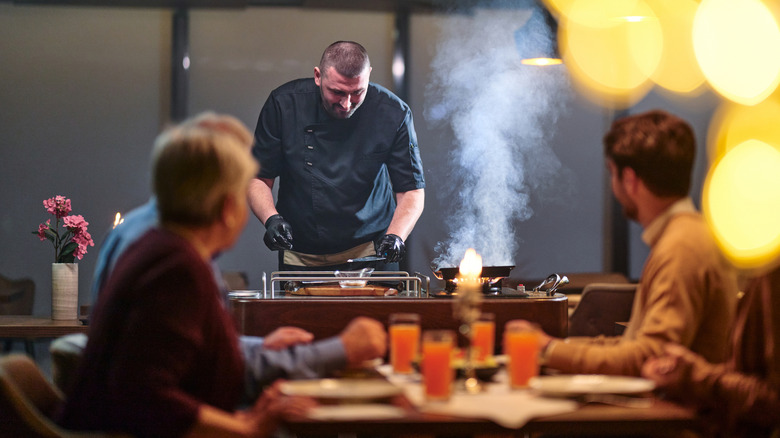
The flambé technique of dousing a dish in liquor and lighting it on fire tableside may not be not be as impressive as it once was, but it was all the rage in the 1960s. There were plenty of recipes that called for this fiery tableside presentation, the quick, incendiary burst of flame that accompanied several classic French entrees and desserts was most likely just for show.
That didn't stop restaurants and home cooks from attempting flaming recipes like steak Diane, a dish of steak and mushrooms doused with a bit of cognac before incineration. Complicated desserts like baked Alaska, with its layers of cake and ice cream enveloped in a dome of browned meringue often got a fiery flourish tableside before it was sliced and served. We also can't forget cherries jubilee, which is a dessert topping of cooked cherries doused in torched brandy.
As far as impressing your date in the 1960s went, the flambé technique was a surefire way to make an impression. These days, diners that are looking to impress their social media followers are contributing to a kind of flambé renaissance — it's a spectacle after all, and we all know how well spectacle does in the age of social media.
10. Raw proteins
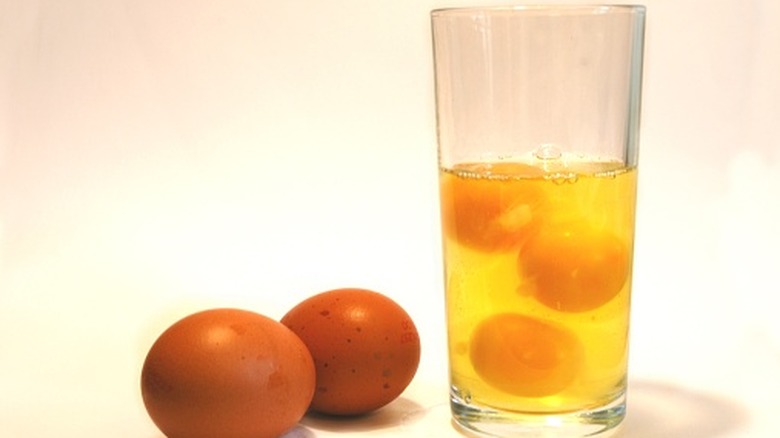
Nothing is more convenient than simply not cooking your ingredients, which is perhaps one of the reasons why raw proteins rose in popularity during the 1960s. The USDA has some pretty clear messaging about consuming raw or undercooked protein, but cracking a raw egg into your orange juice was considered a protein shake back in the day. Thanks to the classic "Ladies' Home Journal Cookbook" published in the early 1960s, a recipe calling for this unholy union became a popular breakfast option for those on the go.
Before it was determined that consuming raw eggs posed an increased risk of contracting salmonella, they were often employed as hangover cures. The classic prairie oyster, which was nothing more than a raw egg splashed with Tabasco and Worcestershire sauce, was often downed in a single gulp to clear one's head after a night of drinking.
The Midwest delicacy known as the cannibal sandwich slapped raw ground beef and onions between two slices of bread for a quick, hearty lunchtime meal — perhaps more palatable than raw eggs, but that's up for debate. In a world where beef tartare is considered haute cuisine, it's feasible that this dish could be made into something that wouldn't poison you. Probably best to leave such things to the professionals, however.