

Fool-Proof Homemade Pizza Dough Recipe
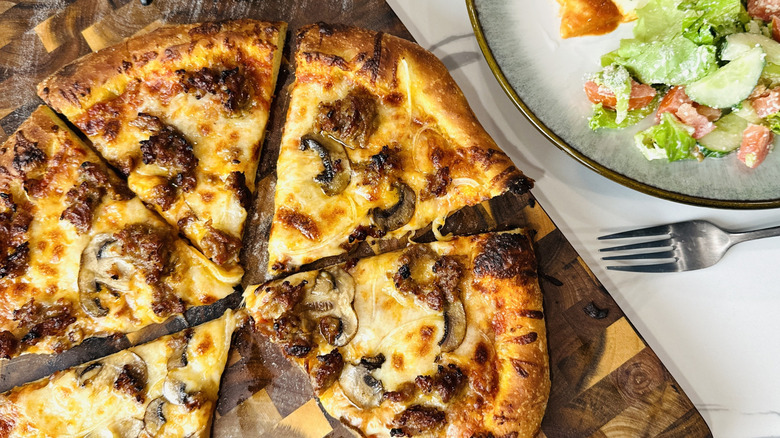
Homemade pizza doesn't always rival takeout, but thankfully, this fool-proof pizza dough recipe is a crowd-pleasing exception. With minimal stretching (no real kneading required), and a long, cold rest of at least 24 hours or up to four days (yes, really), this mostly hands-off method delivers big on flavor and texture with very little effort.
As a recipe developer and someone who has made this dough at home countless times, I can truly attest to its fool-proof nature. What I love about this method isn't just how easy the process is, but how flexible it becomes once the dough is resting in the fridge. The dough can chill for the bulk of the week — meaning I can pull it out for a quick weeknight dinner option whenever the need arises.
Once you've got this pizza dough down, the toppings are endless, from classic pepperoni or seasonal veggies, to anything else you're craving. Feel free to get creative, or double up the recipe so everyone can top a portion with what they love most. We'll even walk you through the steps to preparing, topping, and baking the dough, meaning that you can follow this recipe from start to finish for your next pizza night, no takeout necessary.
Gather the ingredients for fool-proof homemade pizza dough
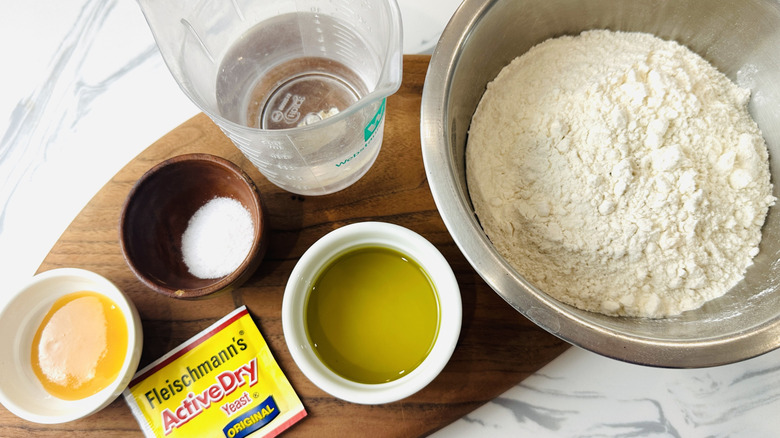
Just a handful of key ingredients are needed to prepare homemade pizza dough, and you might already have most or all of them on hand. Warm water is used to hydrate active dry yeast, along with a touch of honey to give the yeast something to feed on. The honey also adds a mild sweetness, which helps balance the dough's flavor and encourages deeper browning in the oven. Active dry yeast holds up well during the long resting period, but instant yeast can be used as a substitute, if needed.
Bread flour has a higher protein content than all-purpose, helping to give the pizza dough the strength it needs to develop that ideal crisp edge and chew. All-purpose flour can be used in its place, but the finished crust may be slightly softer and less structured. Kosher salt rounds out the flavors, and olive oil adds just enough fat to tenderize the dough, add a subtle flavor, and improve the overall texture and crispness.
If you do choose to take this recipe a step further and construct full pizzas on the dough, make sure to have your favorite sauces, cheeses, and toppings on hand.
Step 1: Bloom the yeast
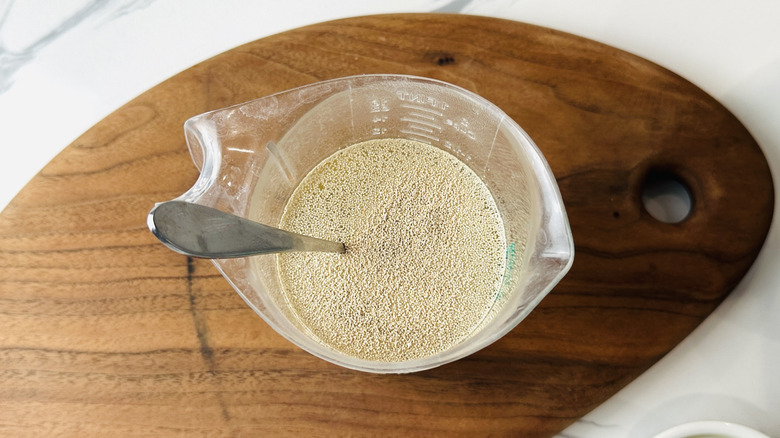
In a liquid measuring cup or small bowl, stir to combine water, honey, and yeast. Cover and set aside for 5-10 minutes or until foamy.
Step 2: Combine flour and salt
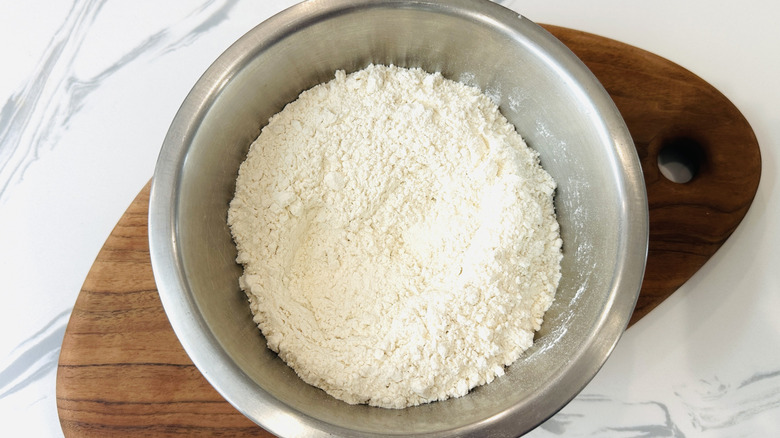
In a medium bowl, stir to combine flour and salt.
Step 3: Mix dough
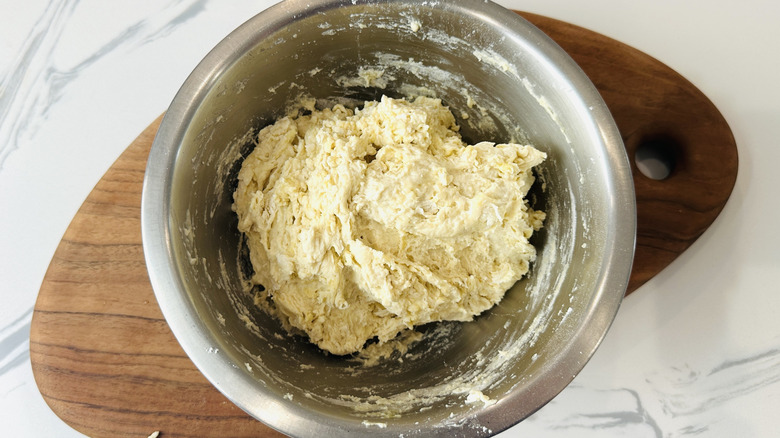
Add yeast mixture and olive oil to flour mixture. Stir lightly until no dry ingredients remain visible.
Step 4: Cover and rest
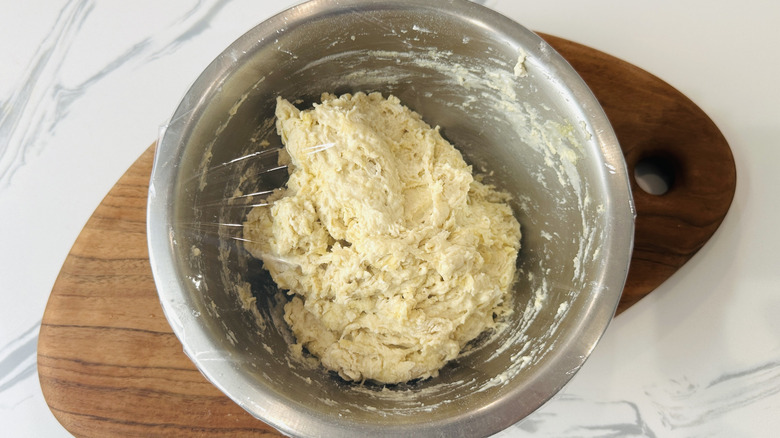
Cover and set aside for 15 minutes.
Step 5: Stretch dough
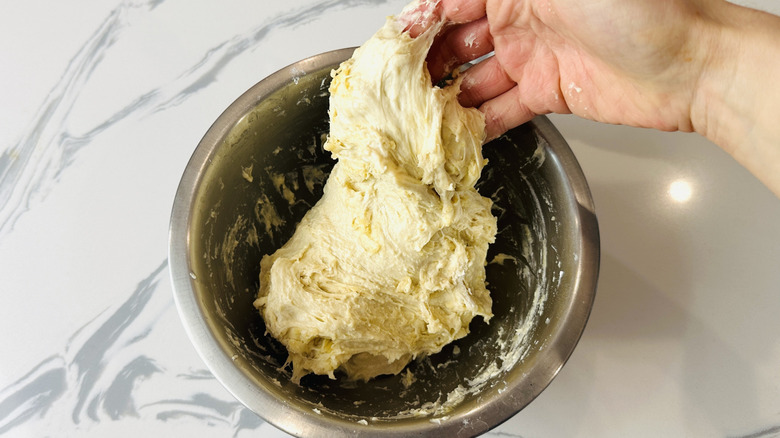
Use your fingertips to stretch one corner of the dough upward, then fold it onto itself.
Step 6: Repeat the stretching process
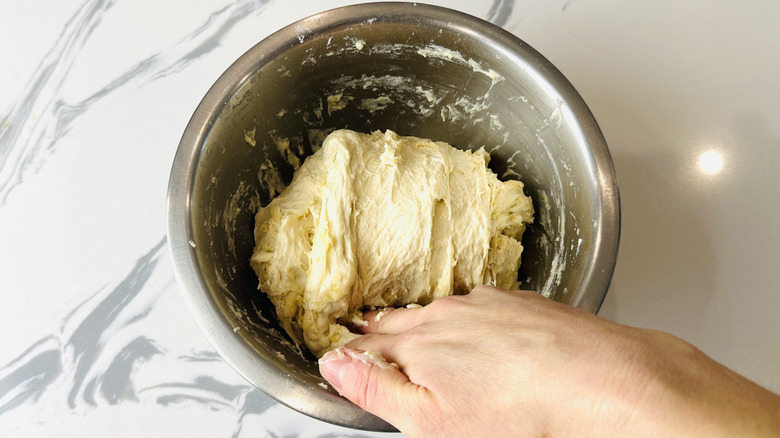
Repeat three times, making your way around the dough.
Step 7: Set aside
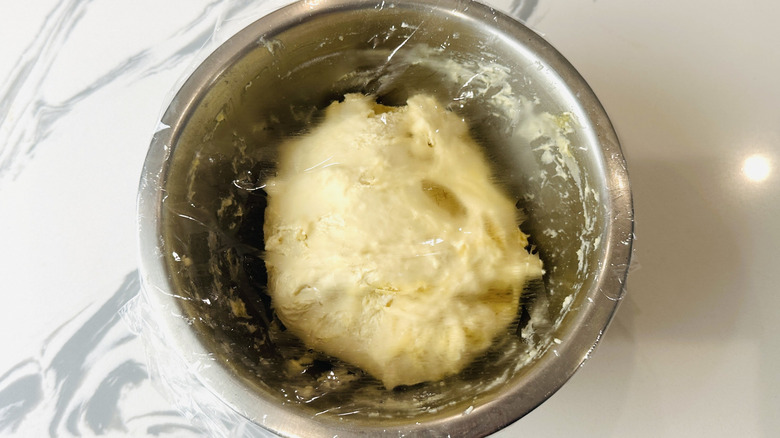
Cover and set aside for 15 minutes.
Step 8: Repeat folding and resting
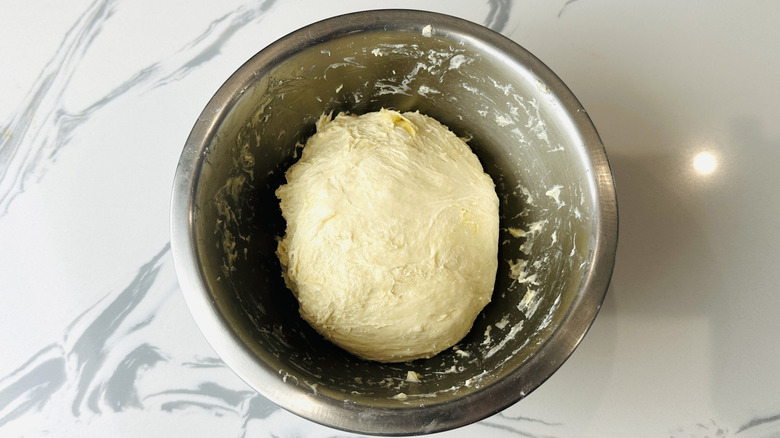
Repeat the folding process and resting process: Fold each corner of the dough onto itself, then rest for 15 minutes.
Step 9: Oil plates
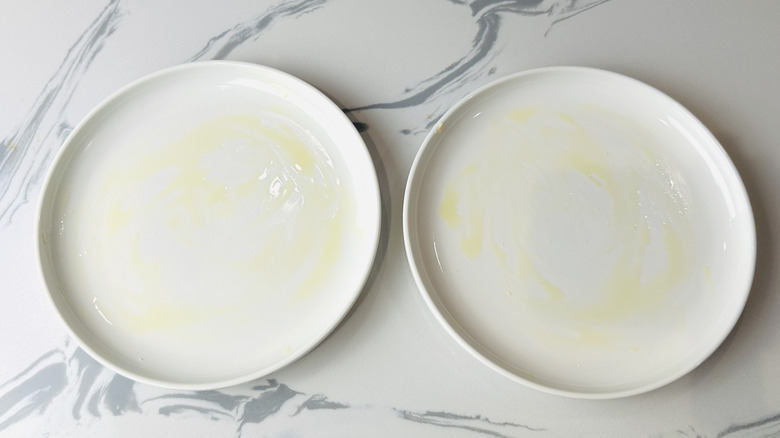
Lightly oil two rimmed plates or bowls with olive oil.
Step 10: Divide dough in half
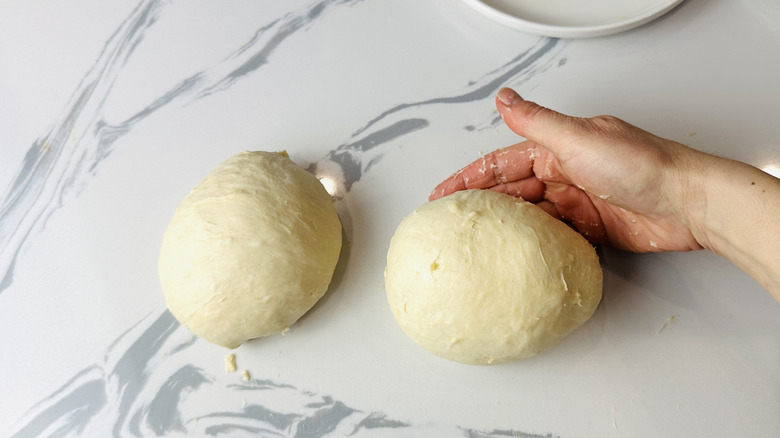
Divide dough into two pieces, and form each half into a ball.
Step 11: Cover dough with plastic wrap
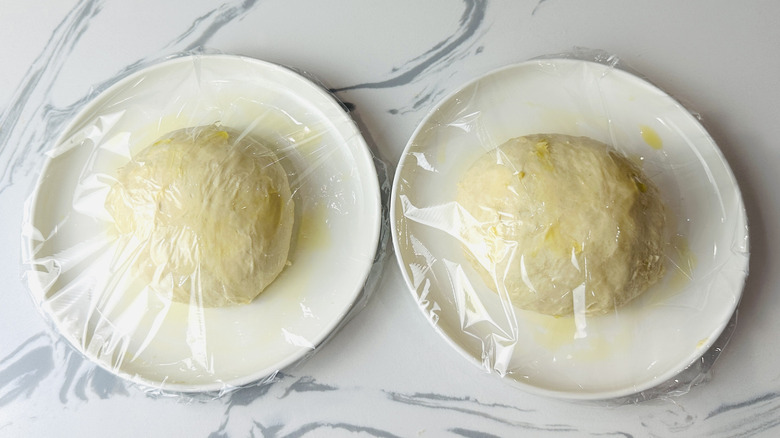
Place one ball on each plate and cover with plastic wrap.
Step 12: Chill the dough
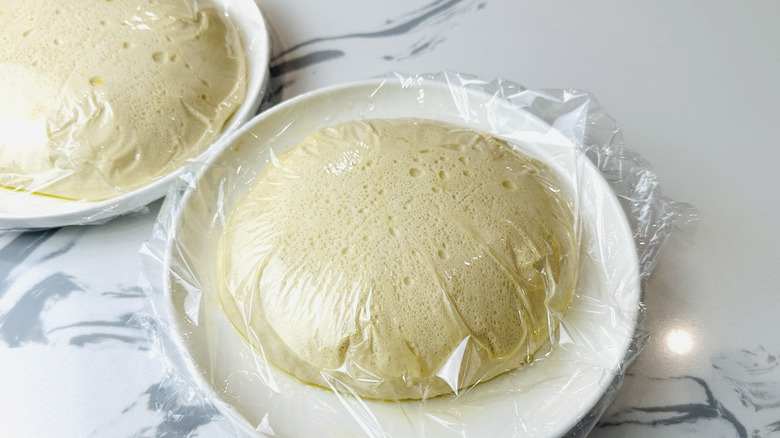
Refrigerate the dough for at least 24 hours, or up to 4 days.
Step 13: Preheat the oven
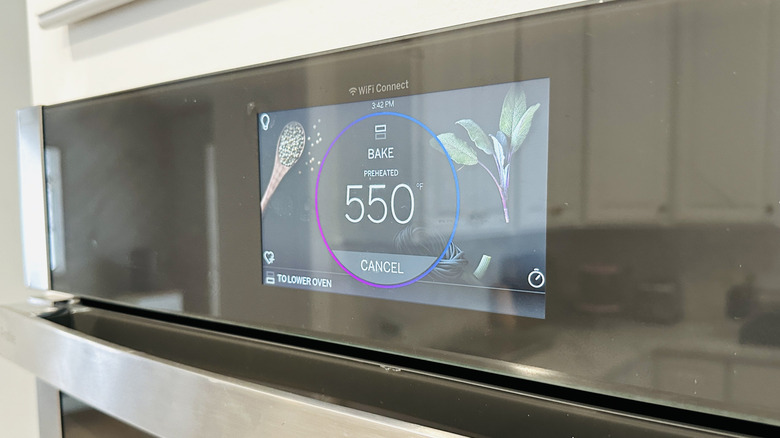
When ready to use, preheat the oven to its highest temperature (typically 500 F to 550 F) before shaping the pizzas.
Step 14: Flour your surface
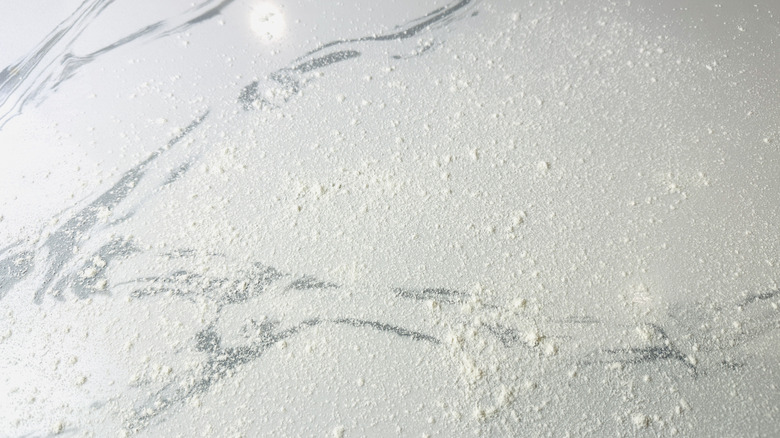
Lightly dust your work surface with flour.
Step 15: Press a border into the dough
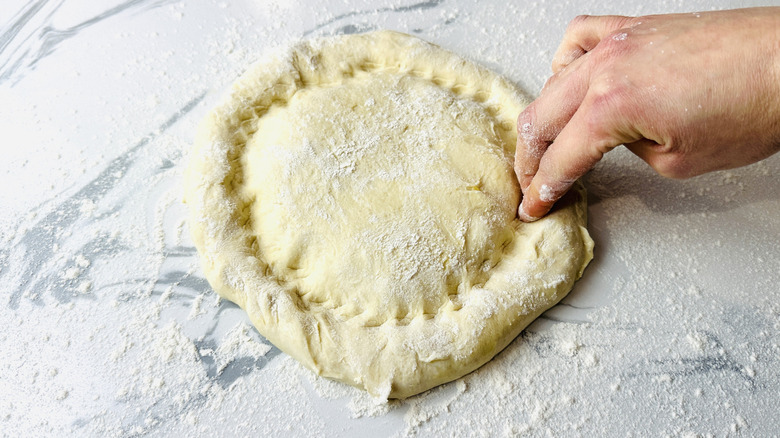
Place one round of chilled dough onto the floured surface, and press a border lightly all around the edge (about 1-inch in) to form a crust.
Step 16: Stretch out the dough
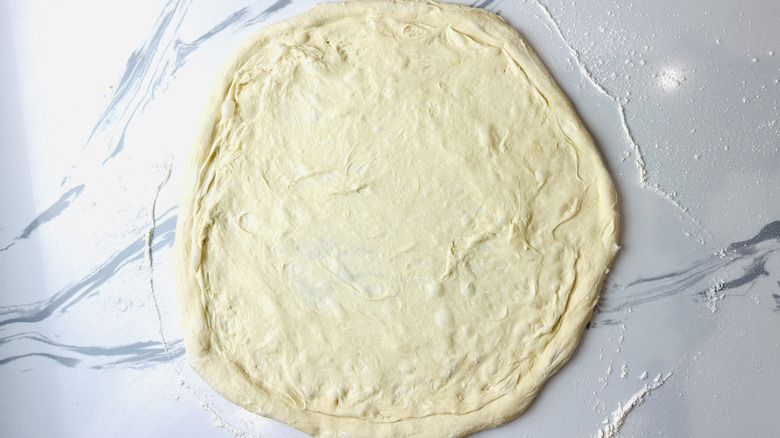
Use your hands to stretch the center of the dough, leaving the crust intact, until you reach a 12- to 14-inch round.
Step 17: Dust a baking sheet
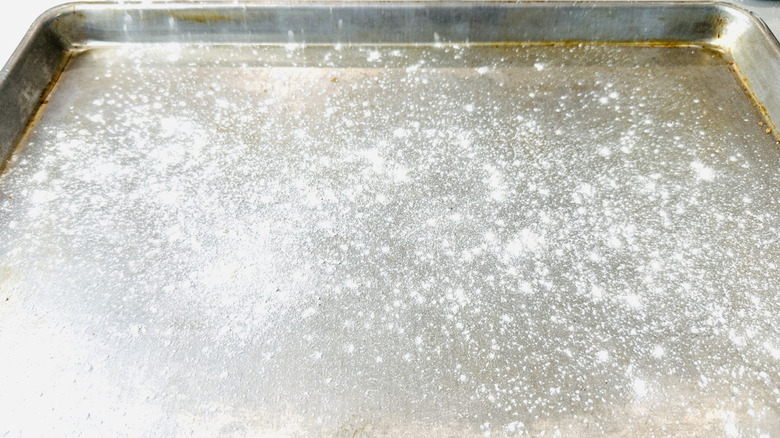
Lightly dust a baking sheet with flour (or cornmeal).
Step 18: Transfer dough to baking sheet
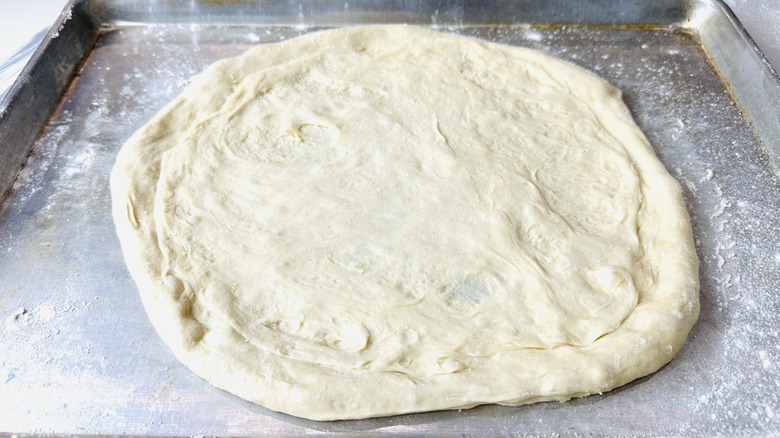
Immediately transfer the dough to the baking sheet.
Step 19: Top dough with your favorite pizza toppings
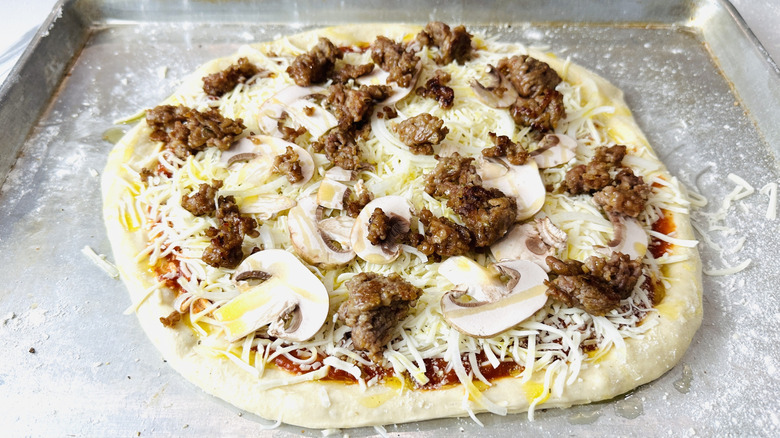
Top with sauce, cheese, and your favorite toppings. Drizzle with olive oil.
Step 20: Bake the pizza
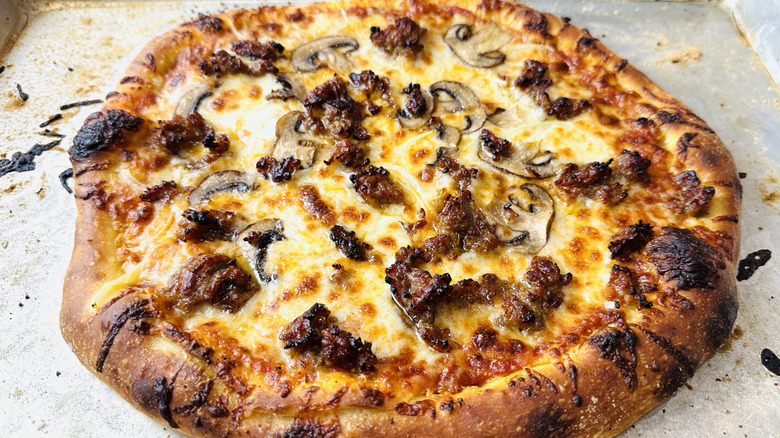
Bake for 6-8 minutes, or until deeply browned and bubbling.
Step 21: Make the other pizza before serving
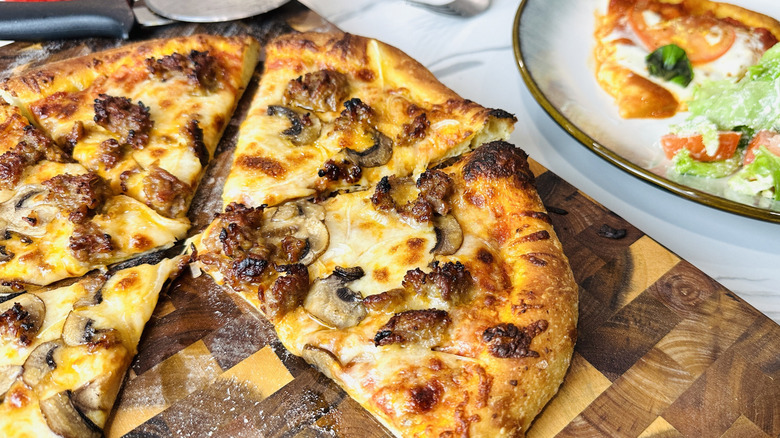
Repeat with remaining dough and serve immediately.
What to serve with fool-proof homemade pizza dough
Fool-Proof Homemade Pizza Dough Recipe
This fool-proof homemade pizza dough recipe requires virtually no kneading, instead relying on an overnight proof to get achieve a perfectly soft dough.
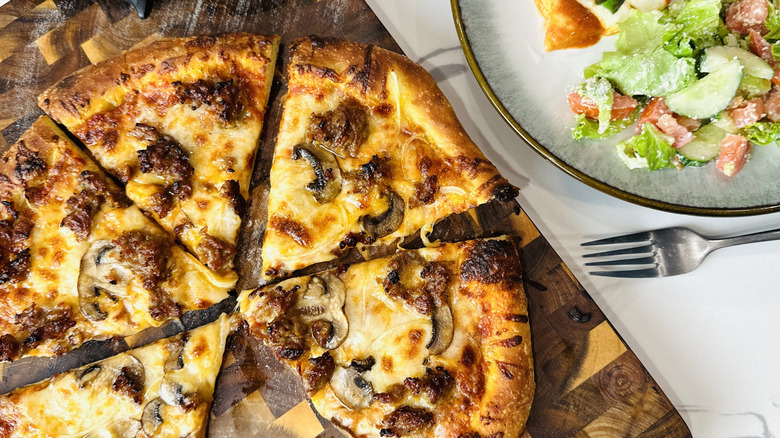
Ingredients
- 1 ¼ cups warm water
- 1 ½ teaspoons honey
- 1 teaspoon active dry yeast
- 3 ¼ cups bread flour, plus additional for shaping
- 1 ½ teaspoons kosher salt
- ¼ cup olive oil, plus additional for greasing
Optional Ingredients
- Pizza sauce, cheese, toppings, and olive oil for drizzling
Directions
- In a liquid measuring cup or small bowl, stir to combine water, honey, and yeast. Cover and set aside for 5-10 minutes or until foamy.
- In a medium bowl, stir to combine flour and salt.
- Add yeast mixture and olive oil to flour mixture. Stir lightly until no dry ingredients remain visible.
- Cover and set aside for 15 minutes.
- Use your fingertips to stretch one corner of the dough upward, then fold it onto itself.
- Repeat three times, making your way around the dough.
- Cover and set aside for 15 minutes.
- Repeat the folding process and resting process: Fold each corner of the dough onto itself, then rest for 15 minutes.
- Lightly oil two rimmed plates or bowls with olive oil.
- Divide dough into two pieces, and form each half into a ball.
- Place one ball on each plate and cover with plastic wrap.
- Refrigerate the dough for at least 24 hours, or up to 4 days.
- When ready to use, preheat the oven to its highest temperature (typically 500 F to 550 F) before shaping the pizzas.
- Lightly dust your work surface with flour.
- Place one round of chilled dough onto the floured surface, and press a border lightly all around the edge (about 1-inch in) to form a crust.
- Use your hands to stretch the center of the dough, leaving the crust intact, until you reach a 12- to 14-inch round.
- Lightly dust a baking sheet with flour (or cornmeal).
- Immediately transfer the dough to the baking sheet.
- Top with sauce, cheese, and your favorite toppings. Drizzle with olive oil.
- Bake for 6-8 minutes, or until deeply browned and bubbling.
- Repeat with remaining dough and serve immediately.
Nutrition
| Calories per Serving | 532 |
| Total Fat | 15.4 g |
| Saturated Fat | 2.1 g |
| Trans Fat | 0.0 g |
| Cholesterol | 0.0 mg |
| Total Carbohydrates | 83.3 g |
| Dietary Fiber | 2.9 g |
| Total Sugars | 2.5 g |
| Sodium | 470.7 mg |
| Protein | 13.8 g |

What are tips for making successful pizza dough?
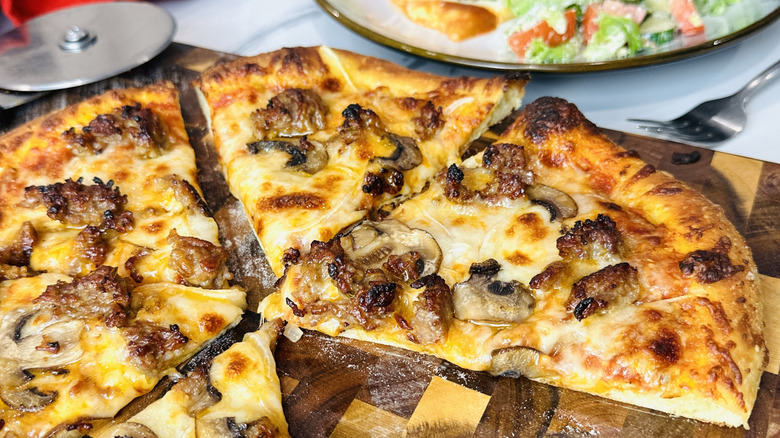
A fantastic homemade pizza isn't out of reach. It's as simple as keeping some pro tips in mind for the best results every time. A good place to start is with the right ingredients: yeast that's active and fresh, a high-protein bread flour (or 00 flour if you're feeling fancy), and a hint of honey (or sugar), and kosher salt for the most well-rounded flavor. Be sure to measure accurately, whether using a kitchen scale or by spooning and leveling your cup measurements for the right ratios.
Timing is also a crucial component of any good dough. No-knead recipes rely on light stretching (if at all) and lots of time for the dough to mature, hydrate, and organize its gluten structure for the ideal texture. Handle the rested dough carefully, especially when shaping, to avoid popping all of those lovely air bubbles that create a light, blistered crust.
The final key ingredient when making homemade pizza? Heat, and lots of it. You'll want to take plenty of time to preheat your oven to its highest setting. If you have a pizza stone, this is the time to use it — leave it in the oven while it preheats to help crisp up the bottom crust.
Do I have to refrigerate the pizza dough overnight?
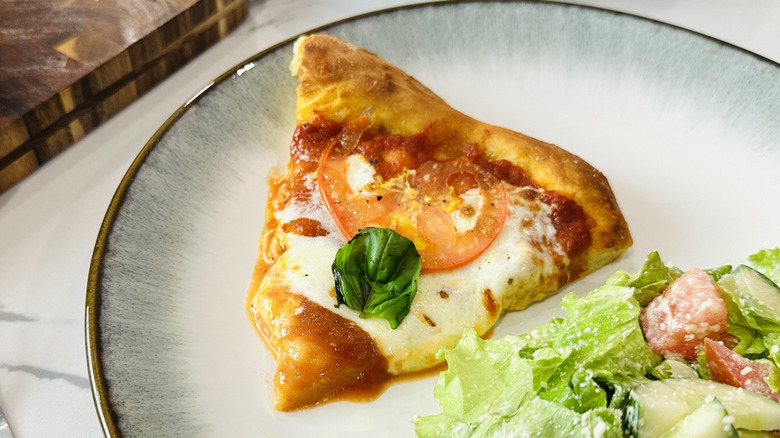
No-knead doughs need time to properly develop. It's about more than just resting — an overnight rise allows the dough to ferment slowly, giving the yeast in the dough the chance to produce acids and alcohols that give the pizza dough its flavor and extensibility (ability to stretch).
While an overnight rise at a minimum is recommended, there's no reason you can't speed up the process in a pinch. Simply stretch and fold the dough as directed, then set aside, covered, to rest at room temperature for an hour or two to rest before using.
While a shorter method will work, expect a more mild flavor and slightly tighter crumb. Take your time when shaping the dough, and avoid adding extra flour, which will only cause it to shrink back and tighten up even more. While the overnight rise can be skipped, it is one of the easiest ways to improve homemade pizza dough without any extra effort.