

15 Cuban Foods And Drinks Everyone Should Try At Least Once
We may receive a commission on purchases made from links.
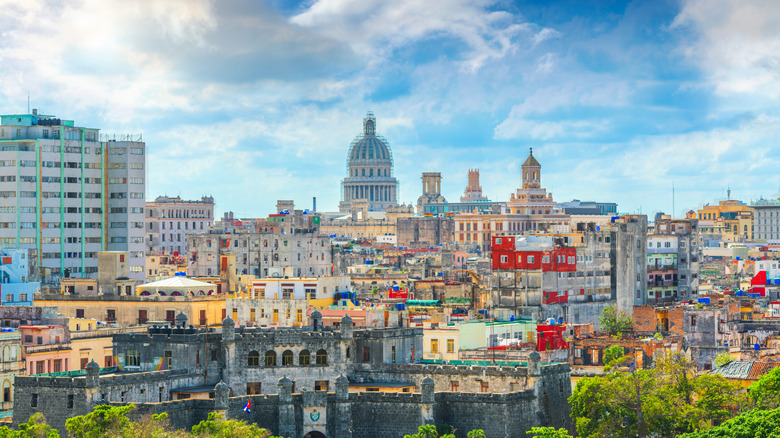
What comes to mind when you think about Cuba? Perhaps the prized cigars or classic cars rolling down cobblestone streets. If, when you think of Cuba, you don't know what to picture when it comes to food you wouldn't be alone — it's a cuisine that is far under-appreciated and perhaps misunderstood. Unless you're in a major city a Cuban restaurant can be hard to find, and knowing what to order once you find one is another challenge.
We've spoken with five Cuban chefs, including Patricia Valencia of Cantina Cubana in New York, Michelle Bernstein of Café La Trova and La Cañita Ocean Drive, and Alfredo Nogueira of Cane & Table and Cure, to learn what it is about Cuban food that they love. These are the dishes they want everyone to try, the cocktails to enjoy, the desserts to indulge in. Eve Aronoff of Frita Batidos in Michigan wants to remind the reader that Cuban cuisine is "made up of a melting pot of cultures that have combined and evolved over time." Like many Caribbean countries the food is a dance of indigenous, African, Spanish, and Chinese influences, a harmony of flavors and ingredients that will win over your palate and your heart. Behind each plate there's thousands of years of history.
Ana Acela Perez of El Puro Cuban Restaurant in Charlotte, North Carolina shares that "Cuban food is about balance, patience, and love. [It] isn't flashy — it's soulful, and that's what makes it special." There are countless Cuban dishes to enjoy, but the ones on this list are some of these chefs' very favorites, the dishes they think everyone should try at least once. If you haven't already, you just might need to look up the closest Cuban restaurant to run to after reading and see for yourself.
1. Sweet plantain omelette
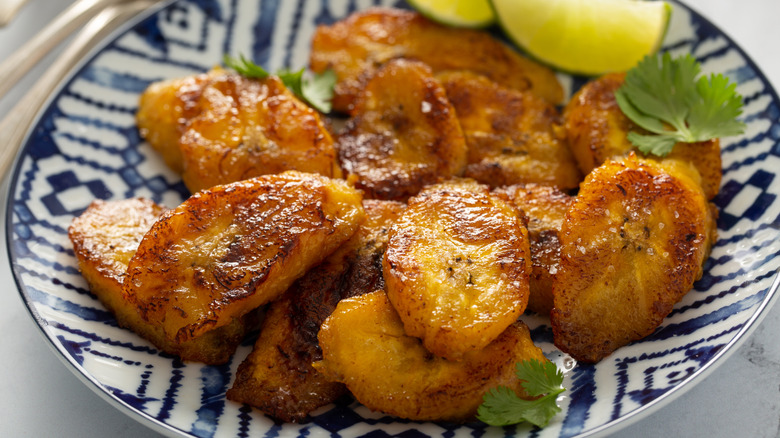
Plantains in the Caribbean are as prevalent a side dish as potatoes in the United States, and while there's often some confusion on the difference between plantains and bananas, potatoes are actually the best similarity to draw. Plantains are much starchier than bananas, especially when unripe, which makes them ideal for smashing into tostones or using in dishes like mofongo, one of Puerto Rico's many delicious staples. When ripe and sweet, a plantain is more similar to a banana, although they're rarely eaten raw as they tend to be a bit more thick and chewy.
While plantains are an important pairing to many meals at all times of the day in Cuba, Patricia Valencia especially enjoys them at breakfast time. "The best Cuban breakfast that you can have to start the day is a sweet plantain omelette with a cafe con leche." Patricia says this dish, which features fried sweet plantains sliced and cooked into an egg omelette, is the perfect way to energize your day and put a smile on your face.
2. Congrí
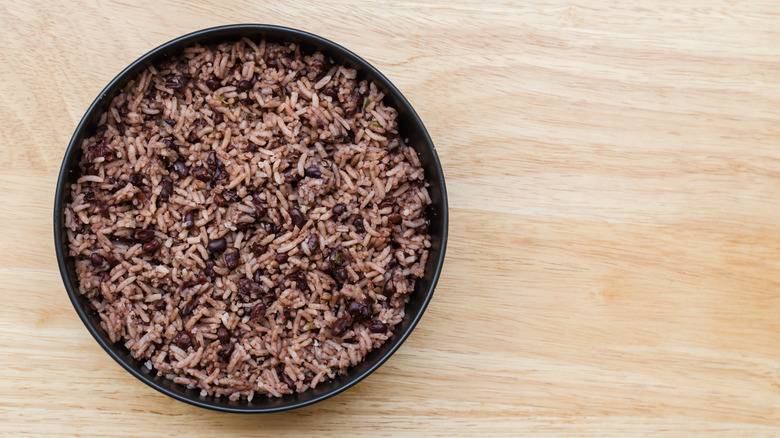
Congrì is, at first look, a simple dish of rice and beans — but it should not be underestimated. Ana Acela Perez says, "It's not just beans and rice, it's how they're cooked. Cuban beans are simmered low and slow, seasoned with sofrito (garlic, onion, peppers, bay leaf, cumin), and cooked until the flavors really develop. The rice is fluffy but fragrant. It's everyday food, but done with intention."
This dish is so integral to everyday life in Cuba that Patricia Valencia says they "used to call the black beans Cuban caviar, because it was something that must be at the table." If you find yourself in a Cuban restaurant, this dish is a must-order, but you can also utilize recipes online to make it for yourself. The technique and ingredients that go into congrì may just open your mind to new possibilities with the simple ingredients.
3. Pan con lechón or bistek
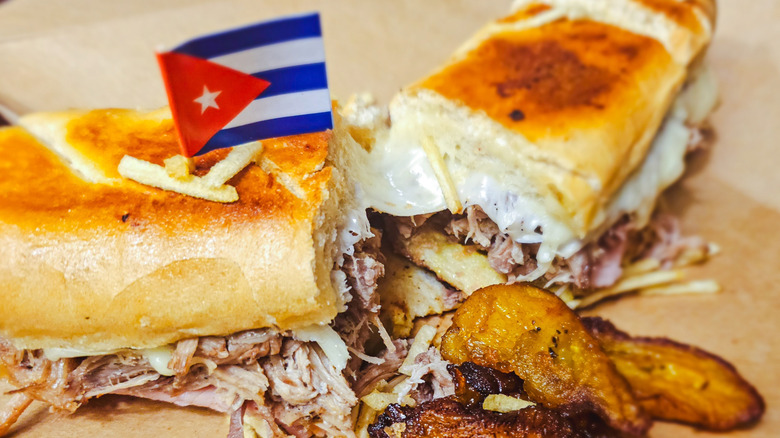
While the Cubano or Cuban sandwich made with roasted pork and ham is probably the most well known of Cuban foods, a few of the chefs we interviewed wanted to draw attention to some lesser known sandwiches that are still equally as delicious. For Ana Acela Perez, it's pan con lechón (lechón being pork) that's at the top of her list of favorite Cuban street foods, made with "slow-roasted pork, mojo, and soft Cuban bread." For any Cuban sandwich, choosing the right bread is an important factor — it should be soft, with a light crust and easy bite. Once you have the right bread, it's the meat that really shines.
Michelle Bernstein is more nostalgic about pan con bistek. "It's simple, a steak sandwich, but to me there's nothing more perfect. [A] fulfilling dish that can defeat my hunger like no other." Pan con bistek is "layered with crispy potatoes, mayonnaise, caramelized onions and delicately chewy steak. It's the best."
4. Yuca con mojo
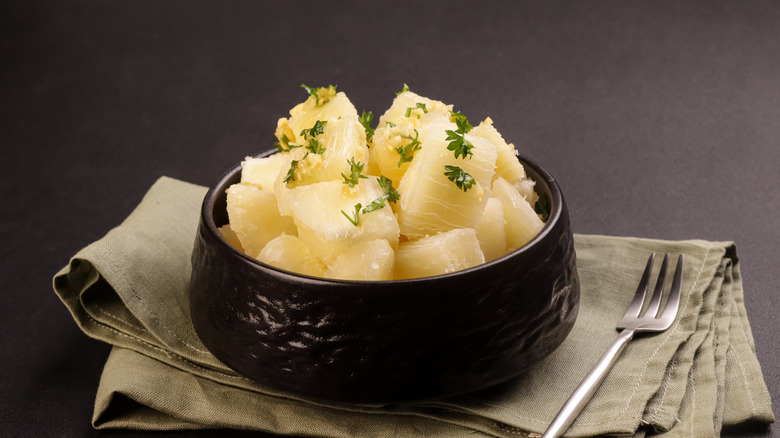
Yuca is a root vegetable that's very similar to a potato but with a slightly different flavor and texture. Also called cassava, when this starchy root is boiled and cut it's incredibly versatile and can be used in many different dishes. In Cuba, yuca con mojo is a favored side dish that one might compare to potato salad (sans mayo).
The cubed, peeled, and cooked tuber is marinated in a vibrant oil-based sauce and used as an accompanying dish for stewed meats and plates like congrí. The sauce, made with thinly sliced onions, olive oil, citrus juice, garlic, and herbs like oregano and cumin, brings the yuca to life as it absorbs all that flavor. For Ana Acela Perez, it's a dish that exemplifies Cuban cuisine. "Cuban food is about balance, patience, and love. Dishes like picadillo, yuca con mojo, vaca frita, and flan may seem simple, but they carry history and memory. Cuban cuisine isn't flashy — it's soulful, and that's what makes it special."
5. Ropa vieja
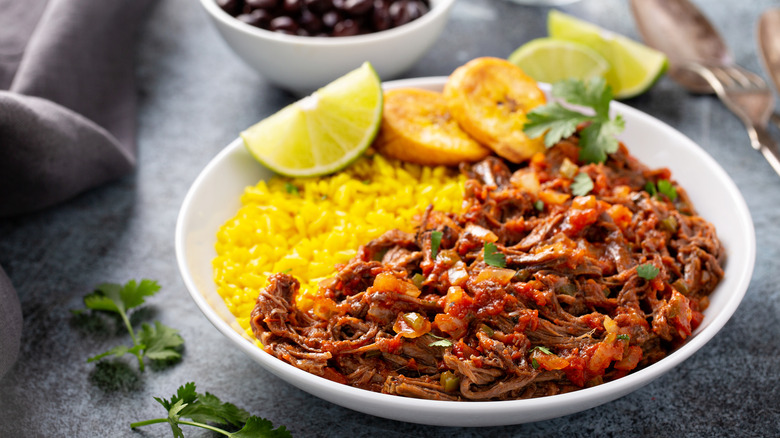
If you speak any Spanish, you may recognize the direct translation of this dish to be "old clothes." While the name may not be the most appetizing, it tells a story of the dish's long history. Michelle Bernstein says the "the shredded old clothes title depict[s] the historical journey, the slow simmer showing patience and the comforting nature of the dish — rustic and addictive."
The plate is made with slow-cooked and pulled beef, packed with so much flavor that Patricia Valencia says her and her husband can't "resist our desire to go back to Cuba and visit our family and enjoy their food." It's one of our must-try National dishes of Latin America, the combination of the flavorful meat with sides like black beans, rice, and plantains making for an utterly delicious meal.
6. Cuban cocktails

Given that rum originated in the Caribbean with its abundance of sugar cane, it should come as no surprise that many of the islands are known for signature cocktails and drinks. The mojito is one of the most iconic, made with sugar, rum, lime, and a quantity of fresh mint that will help cut through those humid Caribbean days. The first written record of the cocktail was in Cuba, its history going back almost a hundred years.
While the mojito is famous for a reason, it's not the only Cuban cocktail worth mentioning. The daiquiri also originated from the island, and while it is very similar in ingredients to the mojito, Michelle Bernstein says they're "equally delicious and dangerous as they go down really easily."
Also worthy of note are the Cuba libre, a cocktail made by adding a touch of lime juice to your rum and coke, and the El Presidente, a four-ingredient cocktail with more mysterious origins. Patricia Valencia says Cuban cocktails are "iconic," and that having one at a local bar will always make you feel refreshed.
7. Sopa de perro
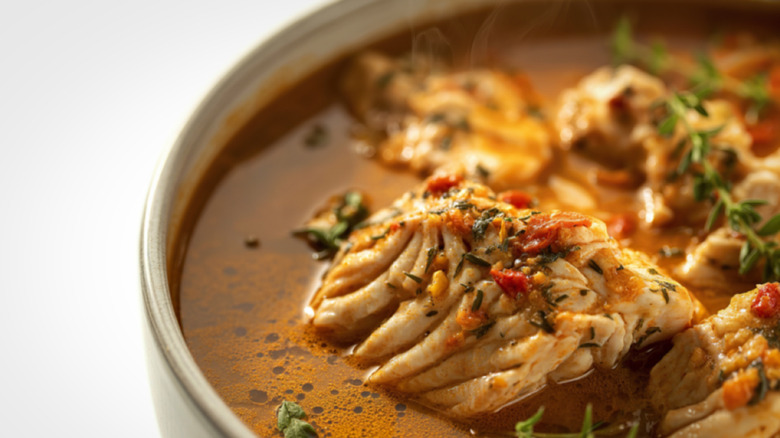
If you're familiar with Spanish, don't let the name of this soup scare you away before trying it. It's not actually made of dog, but rather uses a sauce with ají (a yellow pepper) potatoes, onion, and vinegar to coat a fish called pez perro, also referred to as hogfish.
The result is a vibrant soup that Alfredo Nogueira says is one of his favorite Cuban seafood dishes. "My mother is from a coastal town called Caibarién which is famous for stone crabs. They also have a famous dish called 'sopa de perro' or 'soup of the dog.' It is a delicate fish stew with a touch of spice and potatoes." While this particular dish may be hard to recreate without access to the fish, it would be a rare treat to enjoy if you ever do visit Cuba.
8. Croquettes de jamón
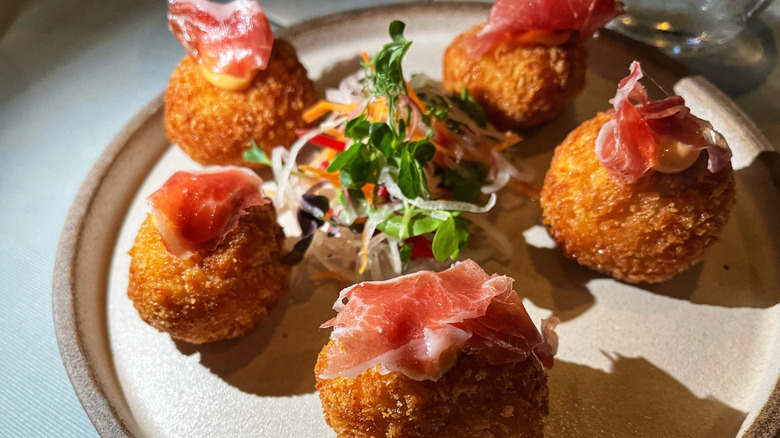
Croquetas (also spelled croquettes) are a staple of Spanish tapas — the ideal snack to consume when sipping on Spanish wine — and they're equally as popular in Cuba. The balls are made by cooking a sticky dough of butter, flour, and milk in a pot, which is then cooled, shaped into balls, and deep fried. The flavorings and the seasonings that go into the dough can vary, but ham is a classic pairing as the rich saltiness of the meat shines on the backdrop of creamy dough.
Alfredo Nogueira says, "Croquettes de jamon are the best snack. You start with a béchamel and mix in ham, herbs and lemon then cool it, bread it, and fry it. They are even better the next day cold!" Croquetas are so rich and hearty, they may just be the perfect snack to pair with a strong Cuban cocktail.
9. Rabo encendido
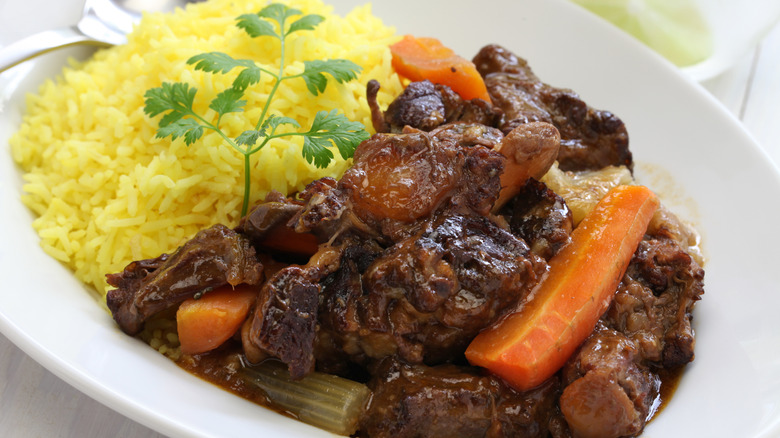
Ropa vieja is not Cuba's only beef-based dish that has earned itself a reputation, but where the country's national dish is made of shredded steak, rabo encendido uses prized oxtail. Seared until golden brown and slowly simmered in a compilation of spices specific to Cuban cuisine, the result is a tender, flavorful stew that pairs wonderfully with a side of rice and fried sweet plantains.
Patricia Valencia says this dish truly represents Cuban cuisine. "[So] much flavor in the sauce and the beef is very tender, which makes you ask for more." This is a great dish to order in a Cuban restaurant, although if you're looking for another way to cook oxtails to perfection there are many easy-to-follow recipes available.
10. Frita Cubano
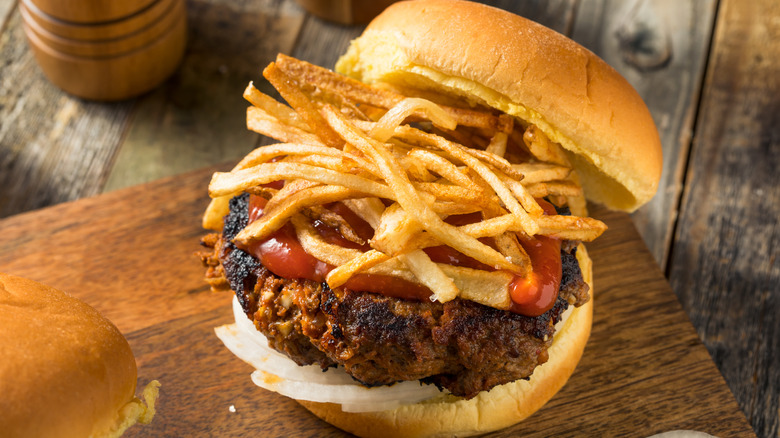
If the Cubano, pan con lechón, or pan con bistek didn't already prove that Cubans know their way around a sandwich, The Frita Cubana surely seals the deal. Basically, it's a burger, but they've taken that concept and elevated it into a more marvelous approach. The patty is a combination of pork and beef that's seasoned heartily with garlic, cumin, and paprika. It's paired with a tomato and vinegar-based sauce loaded with more herbs and seasonings, and atop the patty are piled crispy shoestring fries.
Alfredo Nogueira, when asked about his favorite Cuban street foods says, "The Frita Cubana is the ultimate." Lots of countries outside the U.S. love a good burger, but few have gone so far in making a version that's uniquely their own.
11. Enchilado de langosto
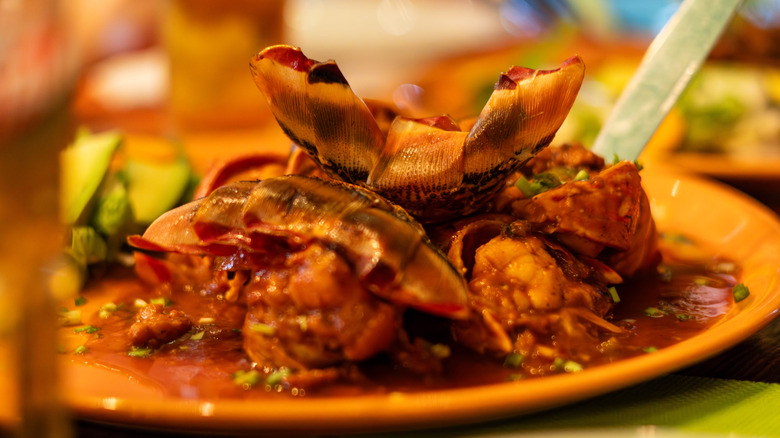
Pork and beef are prevalent in Cuba where seafood may be harder to find, but there's one dish that three of our chefs agreed was a highlight amongst seafood dishes. A stew of lobster in rich Creole sauce, enchilado de langosto is rich with spices. Michelle Bernstein says "simmered in a delicious red sauce with delicate spices like paprika and cumin, peppers and tomatoes, this style of stew is also made with Spiny Lobster, sometimes okra is added into the stew as well, which I love."
Ana Acela Perez adds that "Cuban seafood is all about clean, balanced flavors and letting the freshness speak for itself, without overcomplicating the dish." The best way to let a star ingredient like lobster shine is to use simple ingredients and a lot of care.
12. Ironbeer
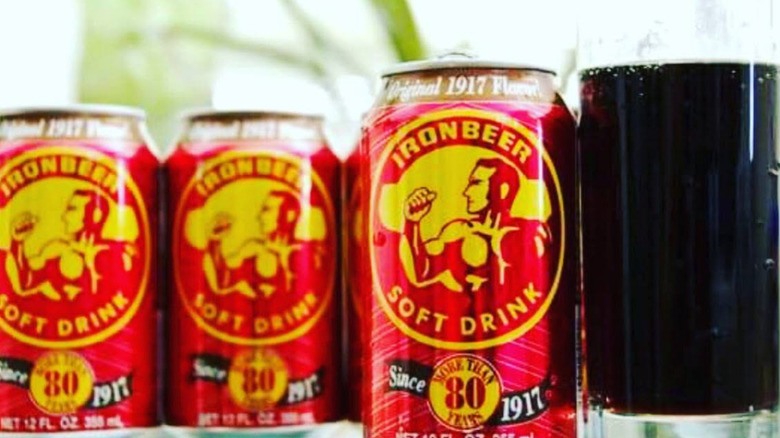
Soda is a common trait around the world. Everyone has a brand of soda they flock to, whether it's Japan's creatively packaged Ramune or Peru's uniquely flavored Inca Kola. In the U.S., of course, the debates between Pepsi and Coke or one's favorite brand of root beer can be heated, but in Cuba there's one soda that really stands out: Ironbeer.
Alfredo Nogueira says "I love a good mojito or even a rum and coke, but the most iconic drink to me is Ironbeer. It is an old-school Cuban cola that is very similar in flavor to Dr. Pepper." If you're a soda enthusiast who loves to try flavors from around the world, don't worry — you can buy Ironbeer on Amazon if you're itching to try it.
13. Lechón asado
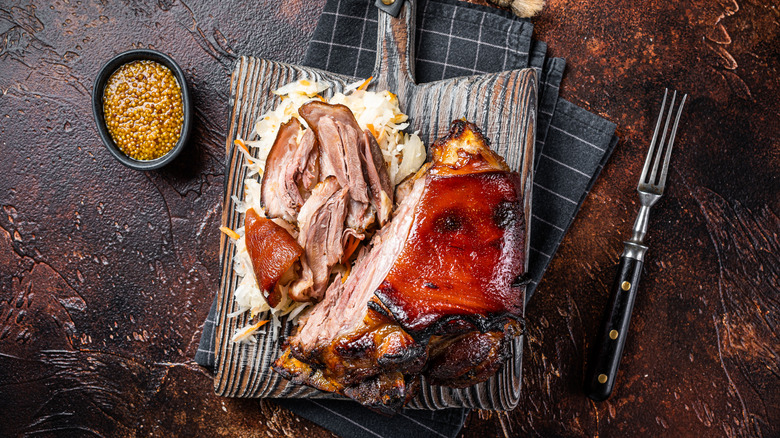
When you think of Cuban food, it's very likely that the first thing to come to your mind is a whole pig slowly spinning in circles on a spit, the skin becoming golden and crunchy, the fat sizzling as it drips into the fire. There's something about tropical island life that begs for this experience — waiting patiently for the food to be ready, knowing it will be so, so worth it in the end, enjoying the moment and passing the time with good company and refreshing cocktails.
Alfredo Nogueira says that whole roast pig, served with sides of yuca and mojo and congrí, is the dish that best exemplifies Cuban cuisine as a whole for him. It's a meal, and a process, that few Americans have the pleasure of enjoying, but if you ever find yourself in the vicinity of someone willing to take the time and effort to cook lechón asado, you simply must partake.
14. Pasteles de guava
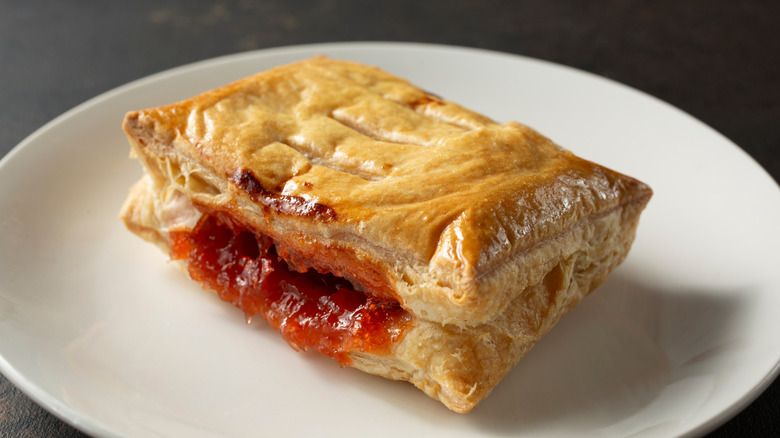
A lot of Cuba's signature dishes are heavy on the meat and starch, with large portion sizes and hearty ingredients. But when it comes to small and accessible, sweet and indulgent, the pasteles and buñuelos with jammy guava filling and flaky pastry exteriors are hard to top. Alfredo Nogueira says they're one of the most nostalgic Cuban foods for him, one that he "would only get on trips to visit my family in Miami."
A sweet pastry, you can enjoy pasteles de guayaba (or guava) in the morning alongside a cup of coffee, as an afternoon snack, or in the evening for dessert. Patricia Valencia says "you can have it at any time of the day with coffee or batidos (smoothies)." Just keep in mind when searching for it that this treat is more likely to be found in a Latin bakery than on a restaurant menu.
15. Cuban dulce de leche
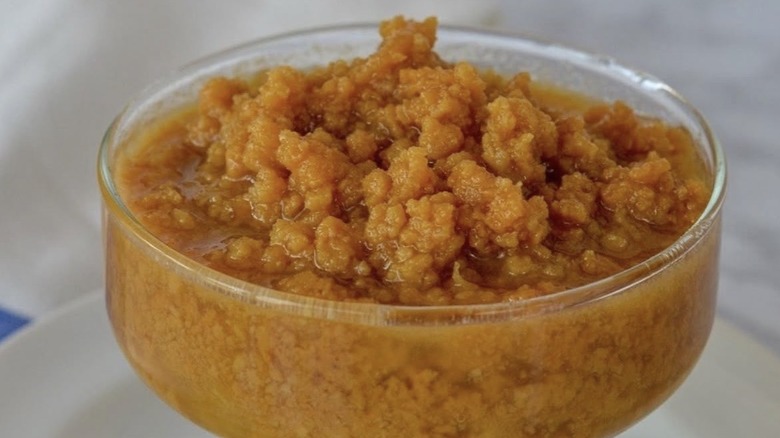
Dulce de leche has become a favorite flavor in the U.S., making appearances on coffeeshop menus, in cookies, snacks, and various desserts. It's basically a caramel sauce that's made with cooked milk, resulting in a creamier, fattier version of caramel. You can make it at home yourself with a can of sweetened condensed milk, but the Cuban version is a little different than the smooth, chunk-less kind most of us are used to.
For Ana Acela Perez, this is one of the most nostalgic Cuban treats she can think of. "It's a traditional sweet made with milk that curdles," she says, reminiscing on how her mother used to patiently stir the pot of dulce de leche when she was growing up. "It has a very distinct texture — soft little milk curds suspended in a sweet, caramelized syrup, almost like a squeaky, cottage-cheese–style consistency. The flavor is rich and comforting, with notes of caramel and often hints of cinnamon, citrus zest, or even a touch of vanilla."