

All The Colors Of BBQ Sauces Explained
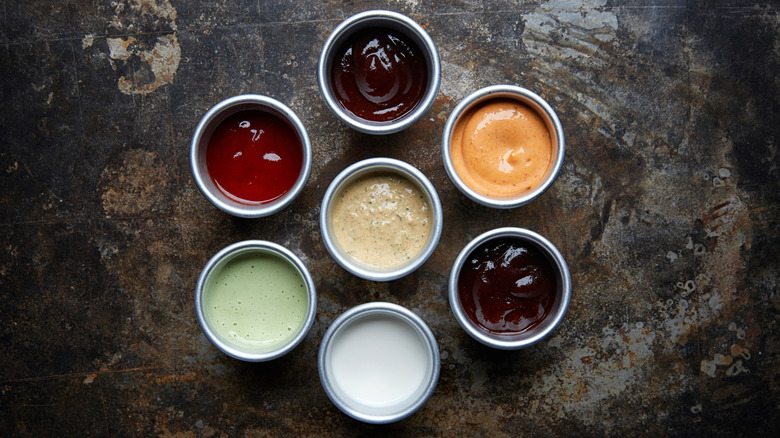
When you think of barbecue sauce, brown and red are probably the first colors that come to mind. That's because many store-bought barbecue sauces stick to the classic Kansas City-style sauce formula with ingredients like ketchup and molasses that give the sauce rich, earthy tones. But barbecue sauces come in far more colors than just the classic reddish-brown. In the United States alone, regional barbecue sauces range from white to yellow, orange, purple, and black. Several global styles also come in a variety of hues.
Barbecue sauce typically gets its color from its base. For example, swapping ketchup and molasses for mayo gives you a creamy white tone, while mustard adds yellow hues. Some sauces also use a lot of vinegar, which makes them thinner and lighter in color. Additional ingredients like herbs, spices, chiles, and soy sauce can also change the hue. Here's a look at the different colors barbecue sauce can take on, along with some popular regional and international variations of each.
1. Red
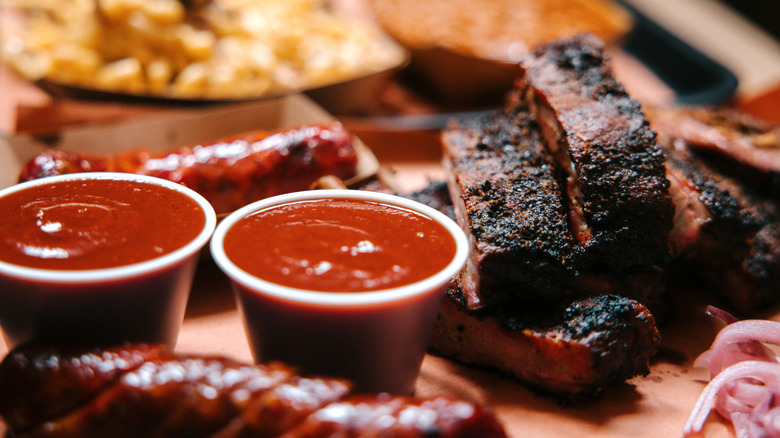
Many commercial barbecue sauces in the United States have deep red hues because they're tomato-based. This sauce style originated in the American South and has become one of the most common across the country. Recipes vary, but most include a ketchup base with sweeteners like molasses or brown sugar, plus an acidic ingredient like vinegar or mustard.
One of the most popular styles of red barbecue sauce is Kansas City-style sauce. This thick, sweet, tangy sauce typically includes ketchup, molasses, brown sugar, sautéed onions, vinegar, cayenne pepper, and chili powder. Memphis-style and St. Louis-style barbecue sauces are similar but thinner and punchier, thanks to more vinegar.
Char siu sauce is a Chinese barbecue sauce that also sports a vibrant red color. Traditionally, it gets its signature red hue from fermented red bean curd. However, some cooks use red food coloring if red bean curd isn't available. The sauce also features sweet and savory ingredients like honey, soy sauce, hoisin sauce, five-spice powder, and white pepper. It's typically used to marinate roast pork, but you can also use it to baste meats like chicken, duck, and spare ribs.
2. Dark Brown
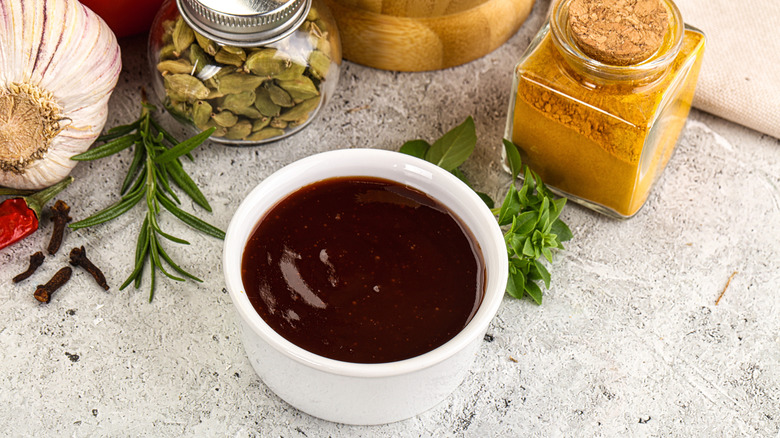
Dark brown barbecue sauces can be wild cards, with numerous ingredients that can add depth. Some start with a ketchup base and load up on brown sugar and molasses, making them sticky, dark, and sweet. Savory elements like Worcestershire sauce can boost umami, while ingredients like coffee, liquid smoke, spices, and meat drippings can add layers of richness.
That deep brown hue isn't exclusive to American barbecue sauces. Japan's tonkatsu sauce is a great example of a dark brown sauce packed with flavor. It often starts with veggies and fruits, such as tomatoes, carrots, onions, prunes, and apples. They cook it down and mix it with vinegar, sugar, and spices. The sweet, sour, and savory sauce is often served with crispy fried pork cutlets, although it's also great on barbecue meats.
If you want to add a Caribbean twist to your next cookout, consider whipping up a Jamaican jerk sauce. This fiery, dark-brown sauce features Scotch bonnet peppers blended with garlic and spices like allspice, cinnamon, nutmeg, ginger, and thyme. Some recipes also call for add-ins like soy sauce, sugar, and scallions. The paste then gets rubbed on proteins like chicken, fish, and pork before cooking.
3. Yellow
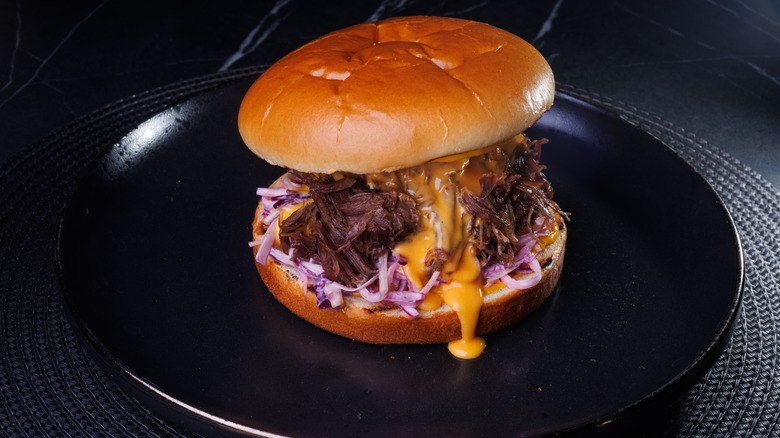
Head to a barbecue joint in South Carolina's Lowcountry, and there's a good chance you'll come across a vibrant golden-hued barbecue sauce. It's called Carolina Gold, and it gets its sunny hue from yellow mustard. Although its origins are slightly murky, many believe German immigrants who settled in the area created it, building on their traditions of using mustard with pork dishes.
A classic Carolina Gold sauce features yellow mustard, along with ingredients like apple cider vinegar, brown sugar, and hot sauce or cayenne pepper. Some people also add ketchup and Worcestershire sauce to add more depth. The zingy sauce is a great match for pork dishes like pulled pork, ribs, and chops. It's also a perfect pairing for steak.
If you prefer your barbecue sauce with a touch more heat, ají amarillo sauce is a spicy yellow sauce that can brighten up barbecue dishes. It hails from Peru and features bright yellow and orange ají amarillo peppers that are both fruity and fiery. You make it by grinding the peppers with onions and garlic into a paste, then mixing in mayonnaise, crema (or sour cream), and sometimes lime juice. You can drizzle it on chicken wings, use it as a meat marinade, or serve it as a dip.
4. Orange/Amber
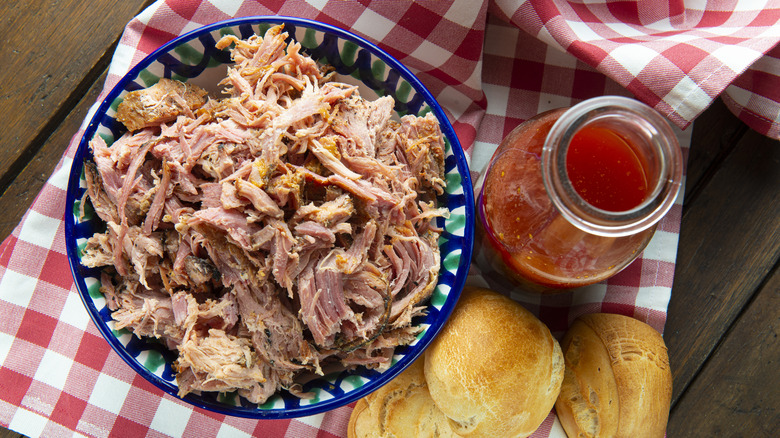
Some of the earliest American barbecue sauces were simple affairs, featuring just butter, vinegar, and peppers. Thin, pale orange, and full of bite, the sauce was perfect for cutting through the fat of grilled and smoked meats. This style of barbecue sauce still prevails in the Eastern Carolinas today, where it's often used as a mop for whole-hog barbecue and as a finishing sauce.
In Eastern North Carolina, many barbecue sauces start with a base of apple cider vinegar and include simple add-ins like salt, pepper, brown sugar, red pepper flakes, and hot sauce. On their own, the orange-toned sauces can be pretty piercing. However, add them to pulled pork, and they create the perfect balance of acidity, richness, and heat. It's part of what makes North Carolina barbecue unique.
In other parts of the Carolinas, you can find barbecue sauces that pack a similar vinegary punch, but with deeper amber hues and more sweetness thanks to the addition of ketchup. For example, in North Carolina's Piedmont region, barbecue sauces often feature ingredients like apple cider vinegar, ketchup, brown sugar, and hot sauce or red pepper flakes. They're also used on pulled pork and other classic barbecue dishes like smoked chicken.
5. Green
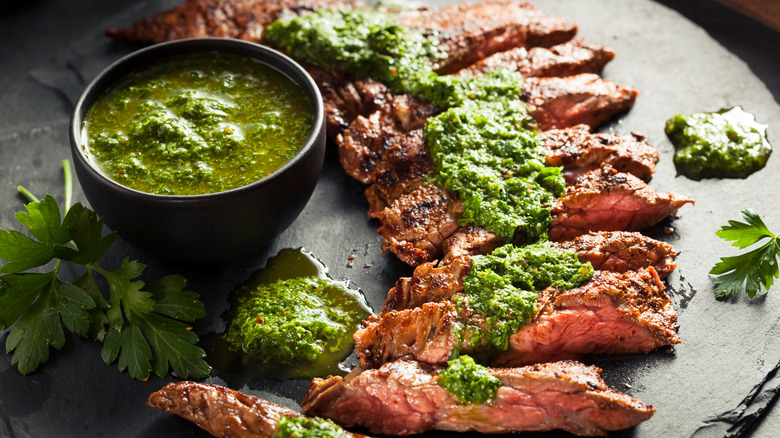
If you're looking for a refreshing alternative to sweet and vinegary concoctions, green barbecue sauce can add vibrancy and a splash of color to your meat. These sauces often include ingredients like fresh herbs, chiles, and tomatillos, and they can add textures you don't get from a typical, uniformly smooth barbecue sauce. Plus, there are plenty of varieties to experiment with.
One of the best-known green sauces for grilled meats is chimichurri, a zesty, herb-packed condiment from Argentina. Although recipes vary, the sauce often includes parsley, oregano, garlic, olive oil, red wine vinegar, and chili flakes. It's fresh and herbaceous with a zesty kick, which makes it ideal for drizzling over rich meats like steak and pork chops. It also tastes great on potatoes, grilled veggies, and eggs.
Salsa verde is another popular green sauce that pairs beautifully with dishes like carne asada, brisket, al pastor pork, and grilled and roasted chicken. It typically features tomatillos that are simmered with garlic and jalapeños, then blended or mashed with onion, cilantro, and lime juice. There is also an Italian version of salsa verde that's equally bright, but more umami-flavored, with its mix of parsley, olive oil, garlic, anchovies, and capers.
6. White
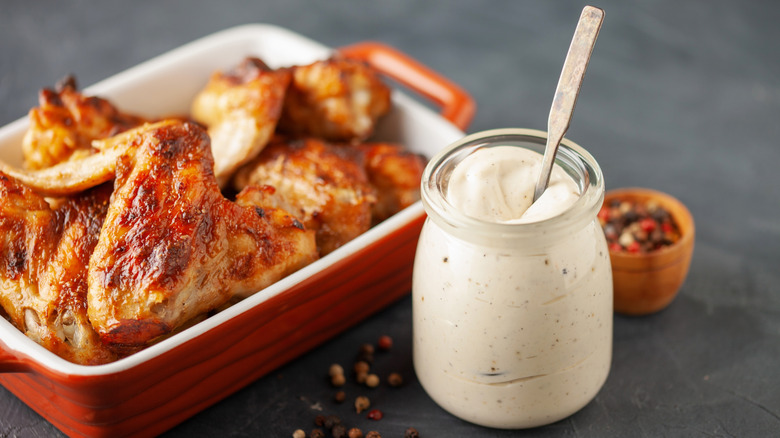
Alabama is part of America's "barbecue belt," and as such, it's home to some tasty barbecue sauces. One of the most distinctive is a white barbecue sauce often simply called Alabama white sauce. It dates back to 1925, when Robert Gibson opened Big Bob Gibson Bar-B-Q in Decatur, Alabama, and began selling chicken bathed in a tangy white sauce. The restaurant is still going strong today, and the sauce has inspired numerous variations.
The key ingredient in white barbecue sauce is mayonnaise, which gives it a creamy base. Gibson also added vinegar to give it more tang, along with flavor enhancers like horseradish, apple juice, black pepper, and cayenne powder. Some cooks also get creative and add extras like lime juice, garlic powder, brown sugar, mustard, and cayenne pepper or hot sauce.
At Big Bob Gibson Bar-B-Q, whole smoked chickens get dunked into the sauce so that they're thoroughly coated. The creaminess adds a nice texture to the meat, and the acidity complements the chicken's smoky flavors and juiciness. But you don't have to stick to just chicken. The sauce can be used with everything from pulled pork to burgers, grilled fish, coleslaw, and french fries.
7. Purple/Burgundy
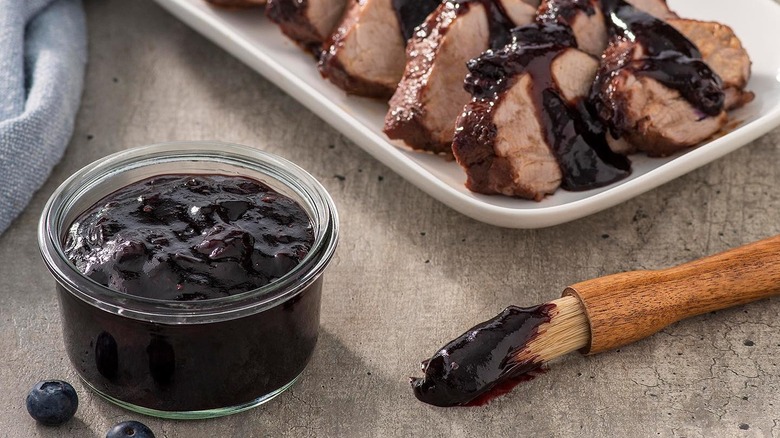
Purple is one of the more unusual colors for a barbecue sauce, but it's not entirely unheard of. Usually, the color comes from dark fruits like blueberries, blackberries, or black currants. The fruit is typically simmered down, then blended with ingredients that balance the sweetness, like vinegar, spices, and sometimes fiery elements like chipotle chiles. Some cooks also add jam to barbecue sauce for color and fruity flavor, but if you go that route, watch the sugar content so the sauce doesn't become cloyingly sweet.
Red wine can also give barbecue sauce a slightly purplish or burgundy hue. It also adds fruity flavors, acidity, and a hint of warmth from the alcohol. Many barbecue sauces that feature red wine are tomato-based and include punchy ingredients like vinegar, brown sugar, garlic, and chili powder. Most recipes call for a bold red wine that can stand up to bold flavors, like a Cabernet Sauvignon or Zinfandel. The rich, fruity flavor makes the sauces great companions for beef, lamb, and other richly flavored meats.
8. Black
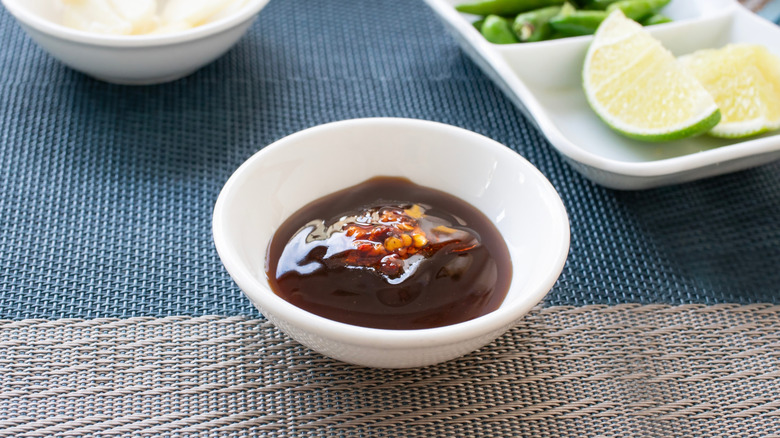
Black barbecue sauces tend to have big, savory flavors to match their bold color. That's because they usually include umami-rich ingredients like soy sauce or Worcestershire sauce. Some also include charred ingredients and dark spices. Add black garlic to your barbecue sauce, and you'll get a much darker sauce, with a sweetness many liken to molasses and an extra punch of umami.
Japan has several dark sauces that are commonly used with grilled meat. Yakiniku sauce (also called tare) starts with a base of soy sauce or tamari (another soy-based sauce) and additions like mirin, rice vinegar, ginger, garlic, and green onion. Teriyaki sauce also features a soy sauce base, plus sweeteners like honey or sugar and mirin. Both sauces are often used as glazes for proteins or for dipping.
In America, one of the most distinctive black barbecue sauces comes from Kentucky. It goes by many names, including Owensboro black barbecue dip, Kentucky mutton dip, or simply mutton dip. It features a Worcestershire sauce base, along with lemon juice, vinegar, black pepper, tomato paste or ketchup, and brown sugar. The sauce works as both a barbecue mutton baste and a dipping sauce.