

Swedish-Style Rice Pudding Recipe
We may receive a commission on purchases made from links.
I love a comforting dessert that can be dressed up or down, express international influences, and transform to fit any season. Rice pudding is a great example of such a dessert that checks each and every box. Although it may be quite basic by nature, creamy, rich rice pudding is the perfect template for customization. You can serve it hot or cold, make it with leftover rice or freshly cooked grains, and enhance it with any number of mix-ins or sweet additions.
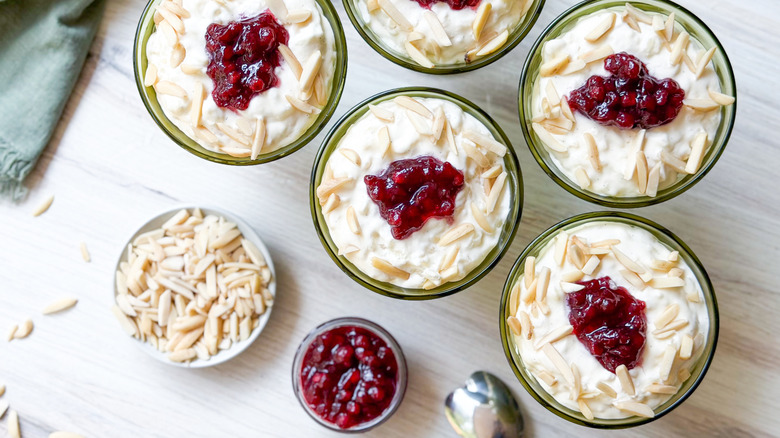
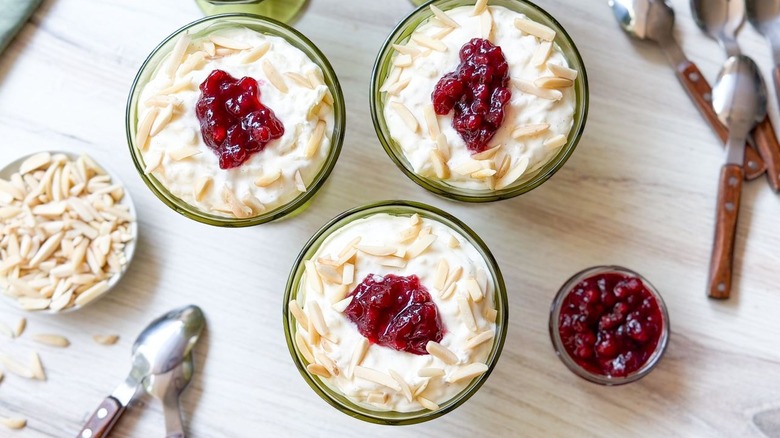
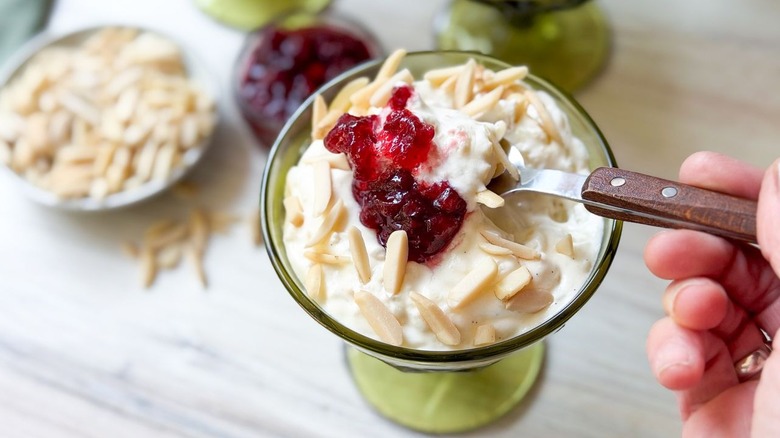
Coming from a Swedish family, knowing how to make a good rice pudding is a must. It's the type of dessert that graces everything from yule boards to midsummer buffets and ordinary days in between. This Swedish-style rice pudding recipe is my version of a warm-weather dessert. It features short-grain arborio rice that's cooked down with milk, sugar, and vanilla until tender and creamy. The pudding base comes together with freshly made whipped cream, which lightens up the texture of the cooked rice and adds a luxurious creaminess. Lingonberry jam serves as a Swedish-inspired garnish, adding a vibrant pop of color and a delectable tart flavor profile to the mix that contrasts wonderfully with the otherwise rich, creamy pudding.
Gather the Swedish-style rice pudding ingredients
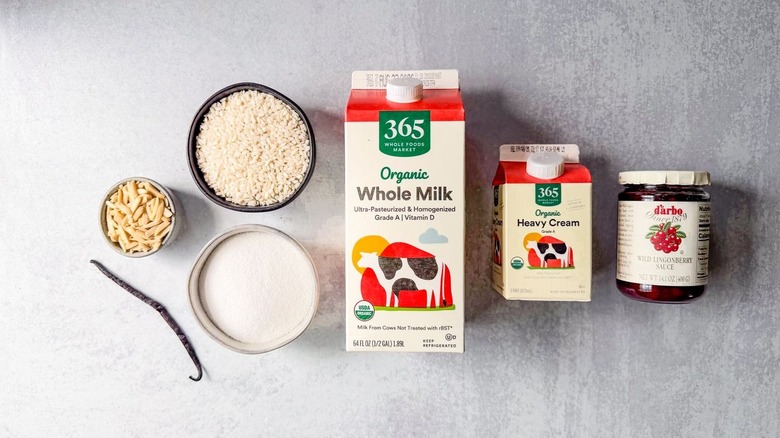
The ingredients for this Swedish-style rice pudding are simple, so selecting high-quality options will yield the tastiest result. You will need whole milk for cooking the arborio rice, along with granulated sugar, and a whole vanilla bean. Using a vanilla bean rather than vanilla extract gives this pudding even more depth of flavor, and there is also something just so charming about the tiny black vanilla bean seed flecks in the pudding.
Next, you will need heavy cream to whip and fold into your cooked and cooled pudding. Wild lingonberry sauce (or preserves) finish off the pudding, adding a contrasting tart flavor and vibrant color. I also like to sprinkle on some raw blanched and sliced almonds to give the pudding a bit of crunch and extra Scandinavian flavor, though this is optional.
Step 1: Add the milk to a large saucepan
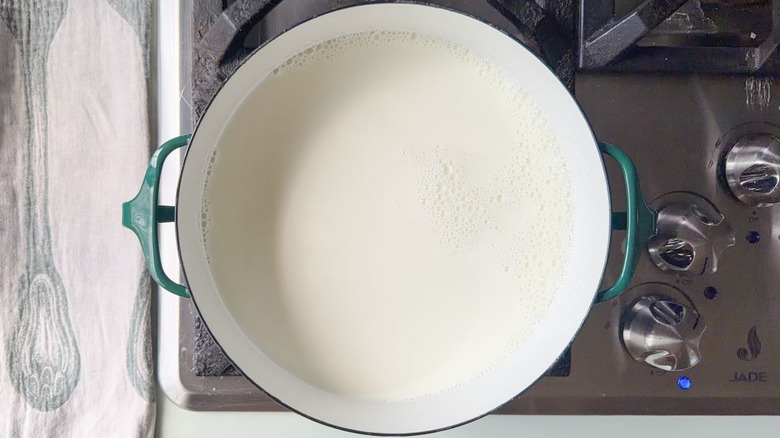
Add the milk to a large, heavy saucepan over medium-high heat.
Step 2: Split the vanilla bean
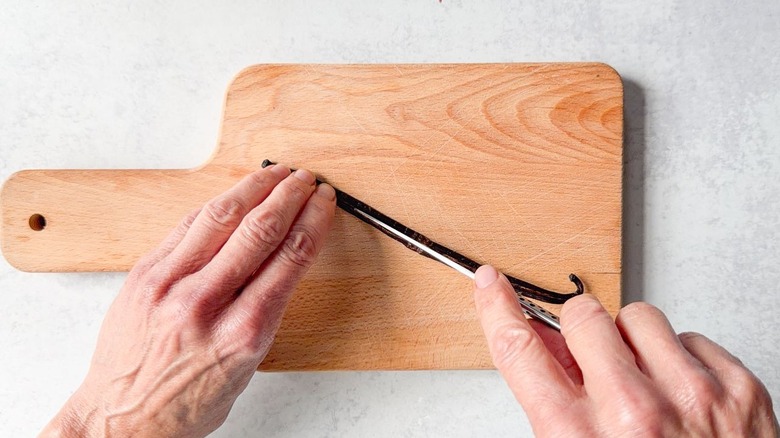
Use the tip of a small, sharp knife to split the vanilla bean lengthwise.
Step 3: Scrape the vanilla bean seeds into the pan
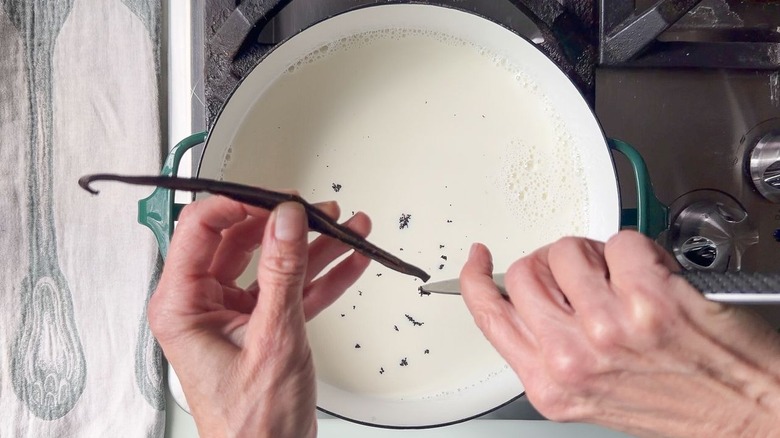
Scrape the vanilla seeds into the milk, then add the pod.
Step 4: Bring the milk to a boil
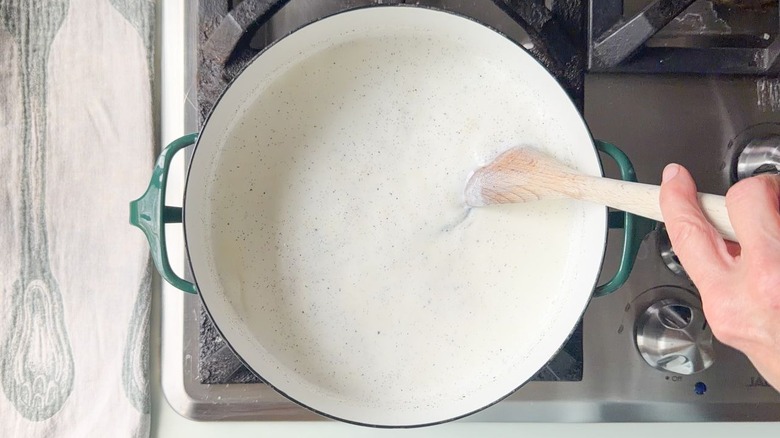
Bring the milk just to a boil, stirring frequently to avoid scorching.
Step 5: Add the rice and sugar
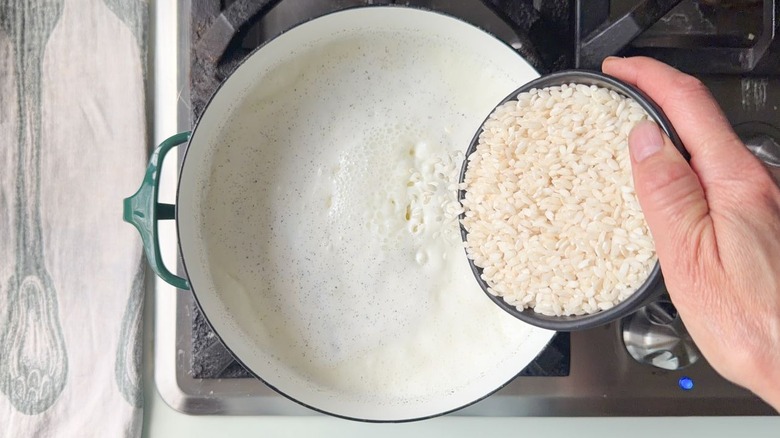
Add the rice and sugar and bring back to a simmer.
Step 6: Cook the rice until tender
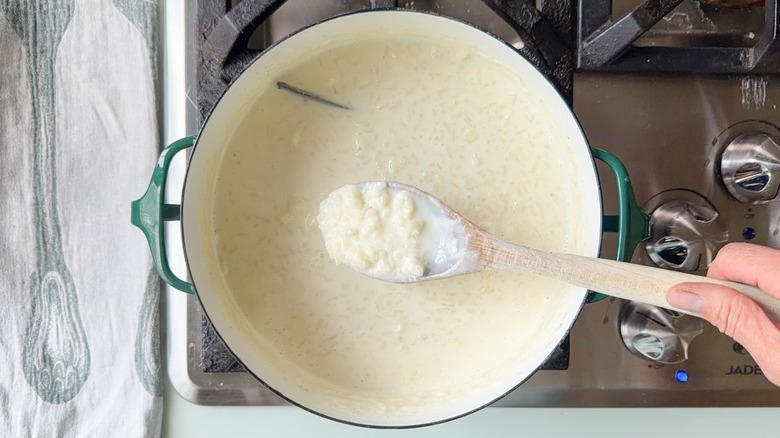
Cook for about 1 hour, stirring frequently, until the rice is tender and most of the milk has been absorbed.
Step 7: Remove the vanilla bean pod
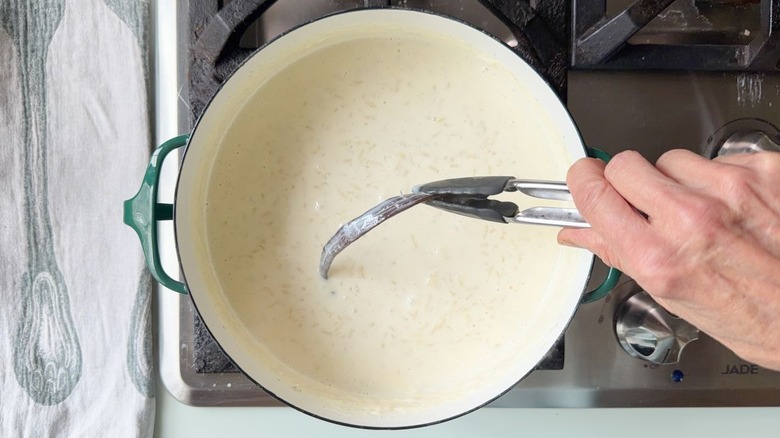
Remove the vanilla pod and transfer the cooked rice to a large heat-safe bowl to cool completely, stirring often.
Step 8: Cover and chill the rice
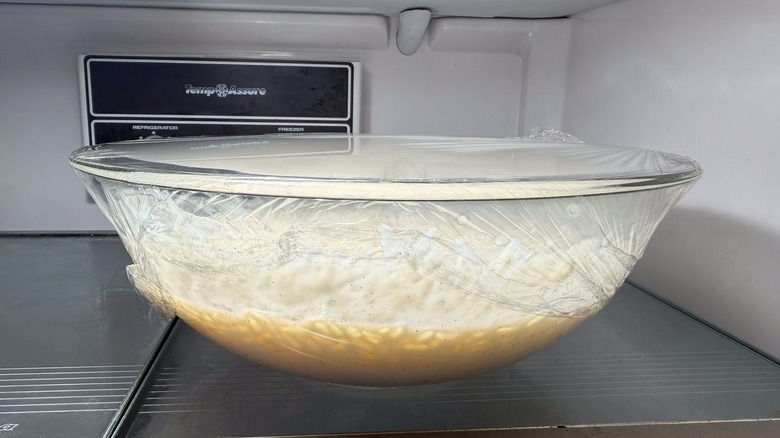
Once the rice has cooled, cover it and chill for 1 hour.
Step 9: Whip the cream
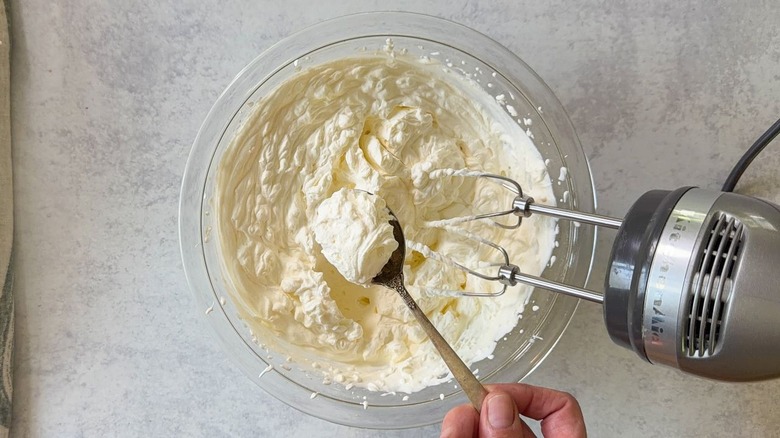
Whip the cream to soft peaks using a hand or stand mixer.
Step 10: Fold the cream into the rice pudding
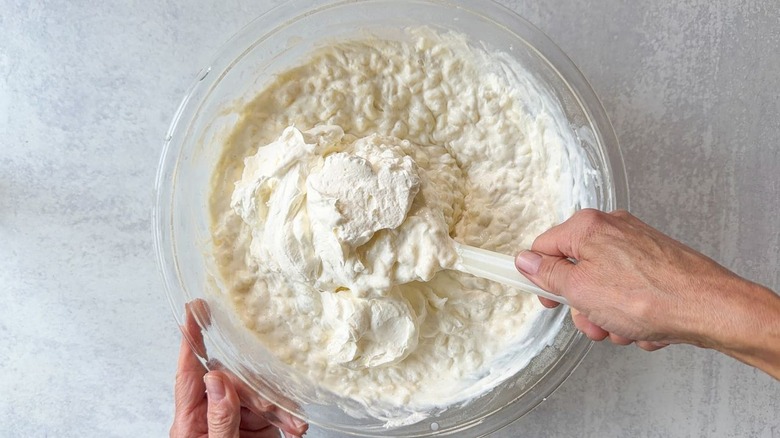
Fold the cream into the chilled pudding.
Step 11: Divide the pudding into individual bowls
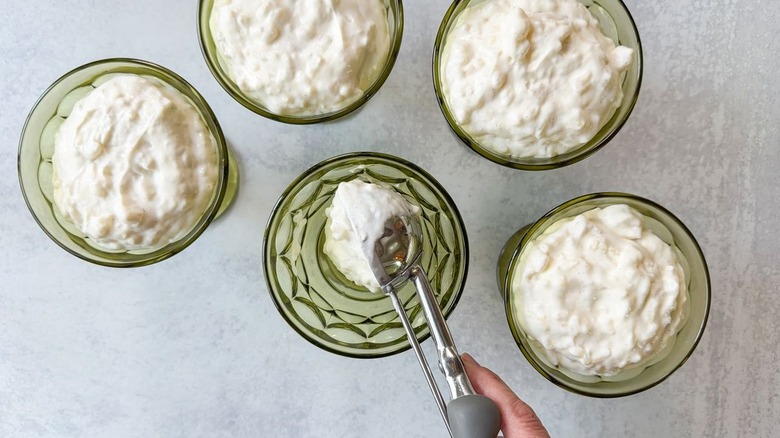
Divide the pudding between bowls.
Step 12: Top pudding with lingonberry sauce
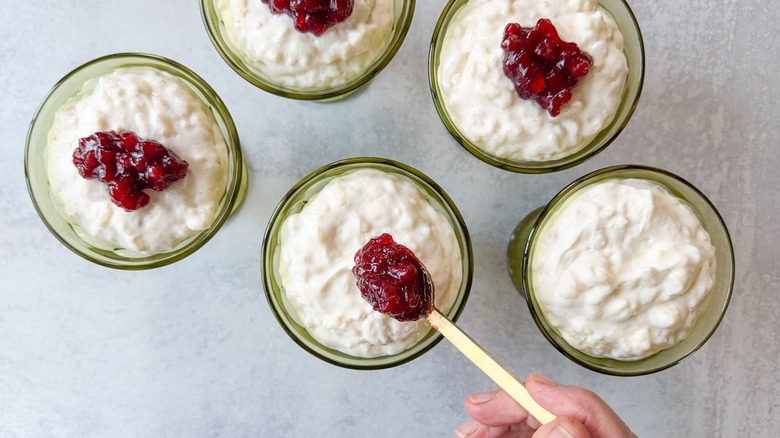
Spoon some of the lingonberry sauce onto each pudding.
Step 13: Garnish with almonds and serve the Swedish-style rice pudding
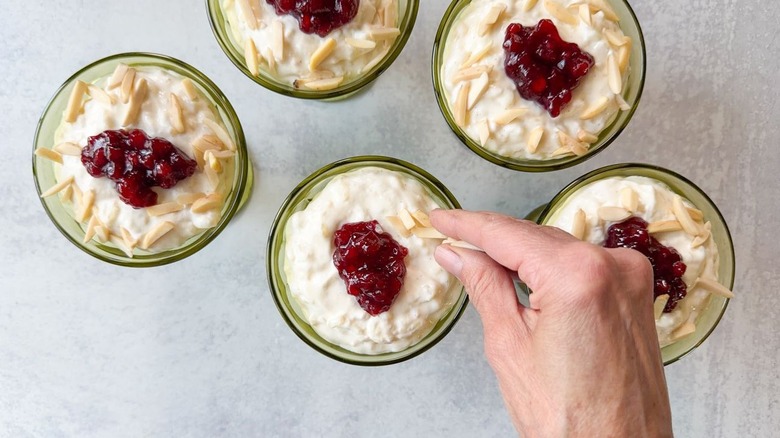
Garnish with the almonds and serve immediately.
Pairs well with Swedish-style rice pudding
Swedish-Style Rice Pudding Recipe
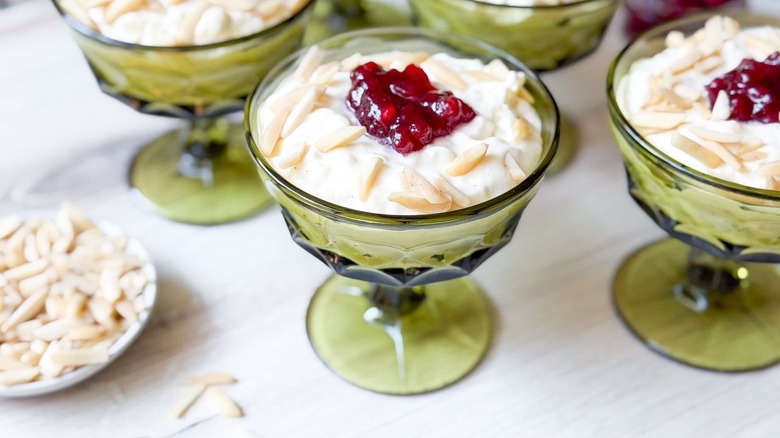
Our Swedish-style rice pudding recipe features a creamy arborio rice base, fluffy whipped cream to lighten the texture, and a topping of tart lingonberry sauce.
Ingredients
- 8 cups whole milk
- 1 vanilla bean
- 1 ¼ cups arborio rice
- 1 cup granulated sugar
- 1 ½ cups heavy whipping cream
- ½ cup lingonberry sauce or preserves
- ⅓ cup blanched almonds
Directions
- Add the milk to a large, heavy saucepan over medium-high heat.
- Use the tip of a small, sharp knife to split the vanilla bean lengthwise.
- Scrape the vanilla seeds into the milk, then add the pod.
- Bring the milk just to a boil, stirring frequently to avoid scorching.
- Add the rice and sugar and bring back to a simmer.
- Cook for about 1 hour, stirring frequently, until the rice is tender and most of the milk has been absorbed.
- Remove the vanilla pod and transfer the cooked rice to a large heat-safe bowl to cool completely, stirring often.
- Once the rice has cooled, cover it and chill for 1 hour.
- Whip the cream to soft peaks using a hand or stand mixer.
- Fold the cream into the chilled pudding.
- Divide the pudding between bowls.
- Spoon some of the lingonberry sauce onto each pudding.
- Garnish with the almonds and serve immediately.
Nutrition
| Calories per Serving | 401 |
| Total Fat | 18.3 g |
| Saturated Fat | 10.1 g |
| Trans Fat | 0.4 g |
| Cholesterol | 49.9 mg |
| Total Carbohydrates | 51.8 g |
| Dietary Fiber | 1.1 g |
| Total Sugars | 32.4 g |
| Sodium | 83.4 mg |
| Protein | 8.2 g |

Is it possible to make this rice pudding in advance?
There are a few ways to make this Swedish-style rice pudding in advance. First, you can prepare the pudding from the point of cooking all the way through folding in the whipped cream, before covering and chilling. This can be done up to five days in advance, but three would be a preferable amount of time for optimal freshness and texture. You will lose a bit of volume from the cream when you gently re-stir and spoon into dishes, but the pudding will still be fresh and tasty. To avoid the re-stir, portion the pudding into serving dishes after the whipped cream has been folded in and cover each dish with plastic to prevent a skin from forming on the surface. Do not add the lingonberry sauce or almonds until just before serving, as the sauce will start to spread into the pudding and the almonds may become soft.
My preference for advance preparation is to cook the rice with the milk, sugar, and vanilla bean, then cover and chill this base until ready to serve. At that point, you can whip the cream and fold it in fresh, giving the best texture to your prepped pudding. You can then divide the pudding between dishes, garnish, and serve.
Can I use a different variety of rice or make other substitutions in this rice pudding recipe?
The first type of Swedish rice pudding I learned from my grandmother was a baked version, served hot from an enormous pot. For this variation, she would use what she referred to as "cheap rice," or a basic all-purpose long-grain white rice. This type of rice yielded a pudding that had a very soft texture, often a bit too mushy for my taste. Once I started playing around with the family recipes, I opted for short-grain arborio in both the warm and cold versions of the pudding, aiming for the creamy texture with just a slight toothsome bite, like the one you'd find in risotto. Arborio's high starch content makes it an ideal type of rice for rice pudding, as the starch releases during the cooking process, making for a deliciously creamy dessert. That said, lots of rice types would work here. Basmati would give the pudding a wonderful nutty flavor, while brown rice varieties would add a bit more fiber and earthy undertones.
If you want to make some other subtle changes, consider using turbinado sugar in place of the white granulated sugar. This will give your rice pudding a nice hint of caramel. If lingonberry sauce is hard to come by, try using raspberry preserves instead. You can also incorporate a bit of ground cardamom or cinnamon into the pudding base to enhance the warm flavor profile.
What are tips for making perfect whipped cream?
Whipped cream is a crucial component to this rice pudding recipe, and it can truly make or break the texture of your final dish. You want the cream to reach soft peaks so that it seamlessly folds into the crevices between the rice grains. For me, the difference between a successful whip and curdled disappointment isn't just in how long you whip the cream, but it comes down to the preparation, too.
Start with very fresh and cold heavy cream. Next, make sure that the bowl and any whisks or beaters you are using are cold as well — a brief stint in the freezer will get the job done. Chilling the tools helps to prevent the fat in the cream from getting too warm once you start beating. Begin by whipping your cream at a low speed, and gradually increase the speed until you reach the correct soft peak consistency. This gradual speed increase process allows the cream to form small air bubbles that will ultimately hold the shape of the whipped cream longer, as opposed to larger bubbles that might form at higher speeds, but ones that are more prone to bursting or deflating down the line.