

10 Mistakes To Avoid Making Homemade BBQ Sauce
We may receive a commission on purchases made from links.
Barbecue sauce is a must-have condiment for grilling. Not only does it add the perfect amount of flavor to an otherwise bland protein, but a proper sauce can also encourage caramelization, which further enhances flavor and texture. Most people reach for store-bought barbecue sauce (like the ones our taster tried and ranked), but if you are looking to get a truly delectable flavor from this condiment, making it yourself is the way to go.
But what are the secrets to truly great homemade barbecue sauce, and how do you create one that rivals what you can buy at the store? Well, we reached out to a couple of experts to find out, including Jess Pryles, author of "Prime Cuts: The Complete Guide to Choosing, Understanding, and Cooking Meat" and judge on Food Network's "Pitmasters," and Hugo Miranda, owner and executive chef of The Butcher's Block LA. They shared some of the most common mistakes people make with homemade barbecue sauce, as well as how to correct them and ensure your sauce turns out perfect every time.
1. Mistake: Being too heavy-handed with your sweeteners
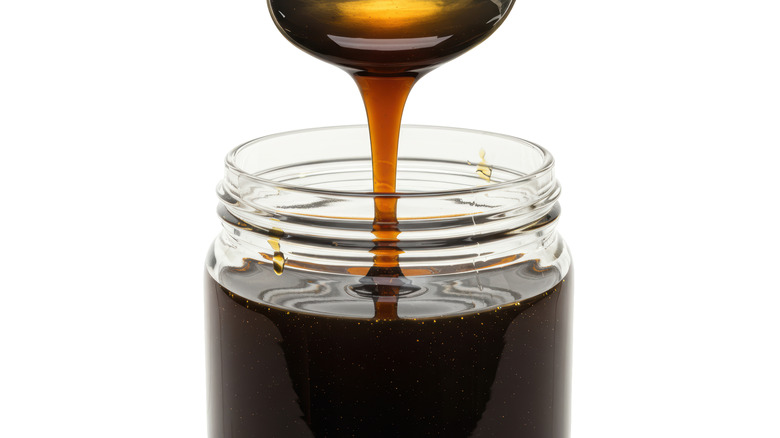
Make no mistake: Barbecue sauce is far from a dessert sauce. However, it does need a decent amount of sweetener, both for flavor and to help the meat develop the perfect crust. "Sweeteners balance acid and heat, and they help create that sticky, glossy finish," says cookbook author Jess Pryles, to which chef Hugo Miranda agrees. Pryles shares several popular sweeteners that she likes to use in her barbecue sauces. "Brown sugar gives you depth with molasses, honey is softer and more floral, and maple is a little more distinct," she says, noting that she makes her sweetener selection based on her protein.
Hugo Miranda recommends prioritizing balance when deciding which sweetener to use. "The choice depends on the flavor profile you're looking for, but the goal is always to create a balance between sweet, sour, and savory flavors," he says. Although you might be inclined to reduce the amount of sweetener you add to the sauce, just know this is an important part of any barbecue sauce recipe and should not be skipped.
2. Mistake: Not tailoring your sauce to your protein
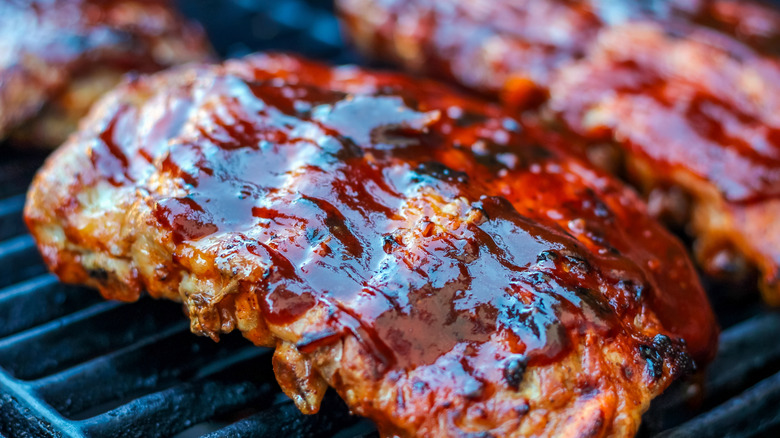
There are so many regional barbecue styles, and just as many types of regional barbecue sauces. A big factor in selecting the "right" barbecue sauce for your protein is the protein itself. For example, you can't coat ribs in the same sweet, sticky, hickory-infused sauce you would use for a brisket because doing so would distract from the flavors that you worked so hard to create.
"Different proteins benefit from different flavor profiles, so choosing the right barbecue sauce can elevate the overall dish," says Hugo Miranda. For brisket, he suggests using a sauce that enhances the meat's richness and flavor — meaning you're better off opting for one that balances sweetness, tanginess, and acidity. Pork chops are better suited to bolder, tangier, and smokier sauces, he says.
Jess Pryles offers similar suggestions, recommending a sweet, tangy, or mustardy sauce for pork and a peppery, vinegary, or savory sauce for a rich cut of beef. "Chicken works well with brighter, lighter, honey-style sauces," she says. Vinegar-based sauces are best with whole-hog or pulled pork — in true Carolina style. All that's to say: Don't lose your meat in the sauce, and look to those regional barbecue styles for inspiration on what to add to yours. Otherwise, you may risk ruining your cut entirely.
3. Mistake: Adding too much salt to your sauce

The one thing you will come to realize with barbecue sauce is that everything has its place. Sweetness, acidity, and, of course, salt. You get salt from adding not only salt crystals to your barbecue sauce, but also using salty ingredients — like Worcestershire sauce, soy sauce, and condiments like ketchup and mustard. And, if you're not tasting as you go, it can be easy to go overboard. "You can't take salt out, so you have to dilute it," says Jess Pryles. Of course, it would just be easier to add salty ingredients (as well as really any components) incrementally so you can make adjustments. A proactive, rather than reactive, approach would do you well.
But, if you fail to heed our advice, take another tip from the pros: Correcting an overly salty sauce often involves playing with your other ingredient ratios. "If a barbecue sauce is too salty, I like to balance it with a little sweetness and acidity. Ingredients like honey, brown sugar, fruit, or a splash of vinegar can help round out the flavor," says Hugo Miranda. "The key is making small adjustments and tasting as you go until the sauce feels balanced."
4. Mistake: Not experimenting with ingredients

Barbecue sauce can be boring — but only if you let it. Our experts offered plenty of suggestions for elevating your sauce by adding unexpected, unconventional ingredients.
"Fruit is a great one — I love blitzing in frozen blueberries or blackberries to bottled sauces," says Jess Pryles. Frozen fruits are relatively inexpensive, and adding them to your barbecue sauce is one of the best ways to use them. A blackberry barbecue sauce would be excellent paired with pork, as the acidity and wine-like undertones would elevate the protein. You can also add apple butter (or, if you prefer, pureed store-bought apple pie filling, which we tried and ranked) to complement the pork's subtle sweetness and give your dish a fall twist.
Hugo Miranda agrees with Pryles' fruit suggestion. "Fresh fruit adds natural sweetness, complexity, and acidity that can create a unique flavor profile while still complementing traditional barbecue ingredients," he says. Miranda also likes using fajita seasoning in barbecue sauce. "Paired with brown sugar, it creates a balance of citrusy, smoky, and sweet flavors that adds depth and complexity to the sauce while enhancing the traditional sweet, tangy, and savory elements that make great barbecue sauce," he says.
5. Mistake: Skipping the acid
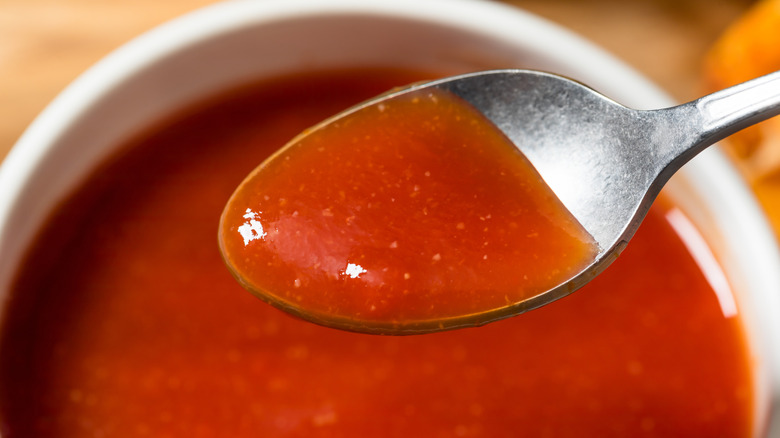
Acidity is the last point of the barbecue sauce triangle, alongside sweeteners and salt. "Acid plays a critical role in barbecue sauce because it helps brighten flavors and balances the sweetness and richness of the other ingredients. It enhances the natural flavors of both the sauce and the meat while creating that signature tangy barbecue taste," says Hugo Miranda. He recommends adding either apple cider vinegar or citrus juice to the sauce. Again, "harmony" is the operative word — the vinegar should never eclipse the sweetener, saltiness, savoriness, or any other flavors in the sauce. "When developing a sauce, I gauge the balance by taste; the acidity should be noticeable and lively without overwhelming the palate," he says.
Jess Pryles agrees, noting that apple cider vinegar specifically can prevent cloying or heavy sauces. She adds that acidity can also cut through fat, which is helpful, considering many popular barbecued meats are high in fat and can feel heavy on the palate. As with the salt and sweetness, taste as you go here.
6. Mistake: Overdoing the liquid smoke
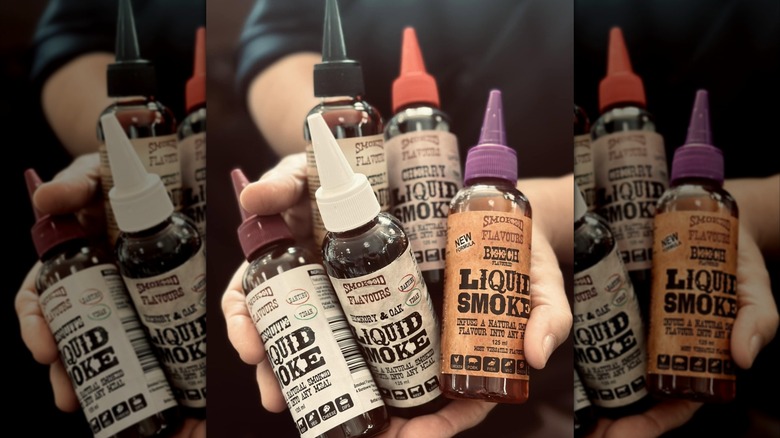
We wish everyone could afford an outdoor smoker (you can find our recommendations for wood-fired ones here), but the reality is that not everyone will have the luxury of owning one or want to spend countless hours using it. Luckily, there is a simple substitute: liquid smoke. This condiment comes in many flavors and forms and is an easy way to replace the smoked flavor in a barbecue sauce.
However, there are some important caveats you'll want to keep in mind when adding it to your sauce — mainly, don't be heavy-handed with it. "Liquid smoke can be a great addition if you're not cooking with a smoker, but it should be used sparingly since a little goes a long way," says Hugo Miranda. "It's definitely up to personal taste, but if you do like smokier sauces, add it a little at a time — [it's] very concentrated and starts to taste artificial fast," Jess Pryles agrees. You may only need to add a few drops to your sauce to get the point across, so a small bottle will usually do — like this 3.5-ounce set from Wright's on Amazon.
Miranda offered some ways to tell when you've gone overboard with the liquid smoke or smoky seasonings. "Whether you're using liquid smoke or seasonings, you'll know you've added too much when the smoky flavor starts overpowering the sweetness, tang, and spices in the sauce. The smoke should enhance the overall flavor profile, not dominate it," he says.
7. Mistake: Avoiding shortcuts
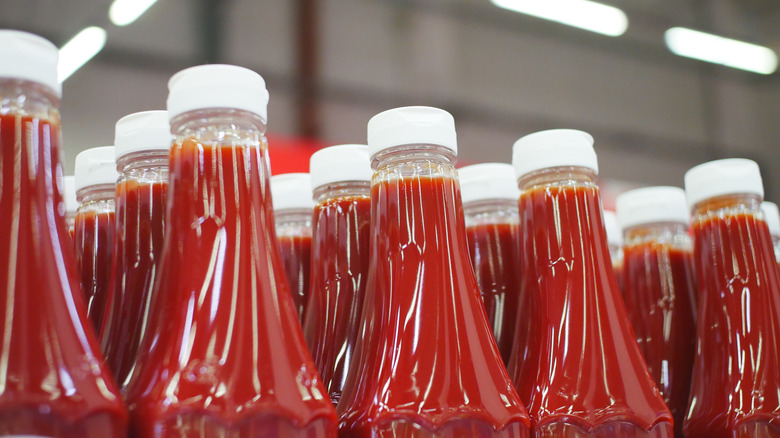
No one likes to admit they use shortcuts in anything — especially if they try to pass it off as homemade. However, if you are a barbecue sauce newbie, you shouldn't eschew store-bought supplements (not "solutions") that can make your life a lot easier and save you from buying small amounts of a bunch of different ingredients. "I always start with three core ingredients: ketchup, mustard, and a sweetener such as honey, brown sugar, or granulated sugar," says Hugo Miranda. By leaning on these starter condiments, you'll have more ways to explore and build on that sauce. "With those fundamentals in place, you can create a delicious sauce without overcomplicating the process," he says.
In addition to ketchup, Jess Pryles recommends adding tomato paste to your recipe. She also offers an alternative (or supplement) to sweeteners — one you may already have in your pantry. "Jam or preserves are also great because they bring fruit flavor, sweetness, and body all at once," she says. Who could say no to a peach-bourbon barbecue sauce made with preserves?
8. Mistake: Not cooking your barbecue sauce
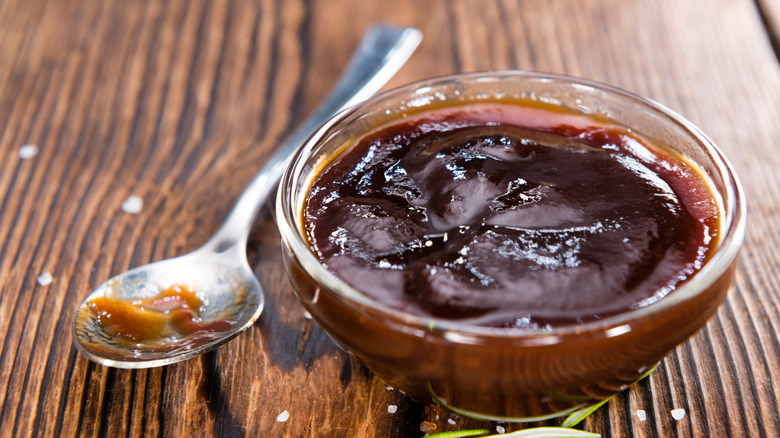
You may not think to cook barbecue sauce — especially if this is your first time making it yourself. But neglecting to do so can have some consequences on the consistency and flavor of the sauce. Jess Pryles likens it to cooking a red sauce, which helps deepen the flavors. "Cooking helps the sugar dissolve, the spices bloom, the sharp edges mellow, and the sauce thicken," she says, and she recommends simmering most sauces for 15 to 30 minutes. Hugo Miranda recommends going for slightly longer. "Most tomato-based sauces made with ingredients like ketchup, mustard, vinegar, and sweeteners benefit from being cooked over low heat for about 45 minutes," he says.
However, there is a very thin line between barbecue sauce that is too loose, too thick, and overcaramelized. You're working with sweeteners and sugars, which burn if they are exposed to too high a heat for too long. However, if you don't cook your sauce long enough, you won't get the viscosity you're craving. "The best way to thicken it is to continue cooking it over low heat, allowing excess moisture to evaporate while the natural sugars slowly caramelize. As the sauce reduces, it develops a richer texture and a syrup-like consistency that's ideal for glazing meats," says Miranda. He also notes that not all barbecue sauces, including tangy, bright, vinegar-based sauces, require cooking.
9. Mistake: Neglecting the spices

If you are making a homemade barbecue sauce, take our advice and cruise through your spice rack. Spices offer punchy aromas and flavors that you just can't get from mixing ketchup, sugar, and mustard together. "Quality spices make a big difference because they provide fresher, more vibrant flavor. Since barbecue sauce relies on layers of flavor, fresh spices help create a more balanced and flavorful final product," says Hugo Miranda. He likes adding paprika, onion powder, black pepper, garlic powder, and cayenne to his sauces.
Jess Pryles offers similar spice suggestions, and she recommends adding mustard as well. It's important to note here that not all spices can be used heavy-handedly, either. "Be judicious with cumin — it's a very strong flavor," she says. If you want to enhance the flavors even more, you may want to try blooming your spices in a bit of oil — just note that doing so and cooking your barbecue sauce again can cause those flavors to overcook and taste acrid if you're not careful.
10. Mistake: Incorrectly storing your sauce
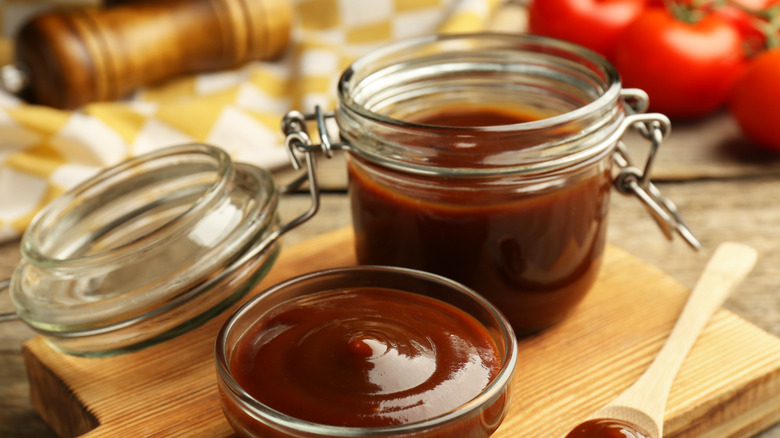
We doubt that anyone is making single batches of barbecue sauce for their recipes. And if you're making enough barbecue sauce to feed an army (or just a hungry group of guests at your next backyard gathering), you'll want to store the leftovers properly. Otherwise, you may risk all of your hard work going to waste.
The first tip our experts offered was to cool the sauce completely, then transfer it to a clean, airtight container. "Most homemade sauces are good for about one to two weeks. For longer storage, freeze it in small portions," says Jess Pryles. It's generally not recommended to refreeze barbecue sauce once it's thawed, so we recommend freezing it in small portions that you can defrost in the fridge as needed. The best way to freeze sauces is flat in a bag. That way, you take up less space in your freezer and can easily grab the sauce you need based on the protein you're cooking.