

17 Creative Ways To Use Fresh Basil This Summer
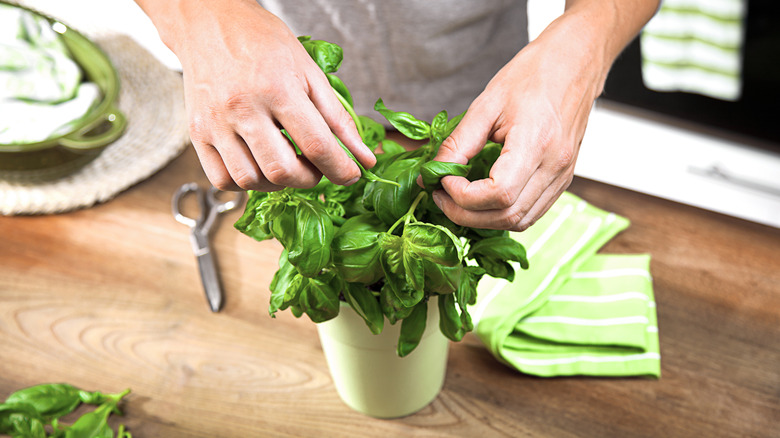
There is no better time of year to experiment with fresh-from-the-garden ingredients than summer. Many types of produce are in season during the warmer months, and some green-thumbed home cooks may even venture to grow some of their kitchen staples themselves. For one, a flourishing basil plant will supply you with leaves all summer long, though you might run into an issue fairly quickly: You have too much basil, and not enough ways to use it.
Sure, you can stick a leaf on top here and there as a garnish, but basil's multidimensional flavor makes it an ingredient that's more than just a pretty face. Depending on the variety you select, the herb can offer clovey, peppery, minty, and anisey flavors, allowing it to be used in both sweet and savory recipes. It also pairs well with other summery ingredients, including melons, stone fruits, and berries, meaning that you can play off in-season produce to create captivating, flavorful, and visually stunning dishes. So what are you waiting for? Check out these tasty and creative ways to use up a surplus of basil this summer.
1. Add it to your favorite summery beverage
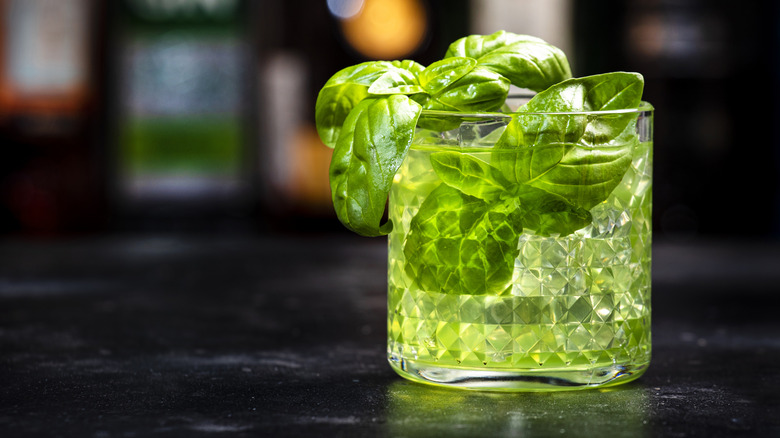
If you find yourself with a ton of basil this summer, look to your favorite drinks for ways to use it. Basil's naturally anisey, floral flavor pairs well with tons of different beverages — both alcoholic and not — and using it is an easy way to make your sippers more seasonally inspired. Our roasted strawberry and basil lemonade recipe can be spiked or kept booze-free; roasting the fruit brings out its sweetness and helps it better mesh with the clovey undertones of the basil.
If you prefer a boozier libation, try your hand at a gin basil smash, which pairs a floral and expressive dry gin with muddled basil and lemon juice. Muddling brings out the basil's aroma and flavor, though you could also serve the herb in your drinks in the form of ice cubes or as a syrup. We also recommend mixing the herb with vinegar to make a cocktail shrub; utilizing blueberry and balsamic vinegar would really add to the cocktail's seasonal appeal.
2. Make a basil-infused simple syrup
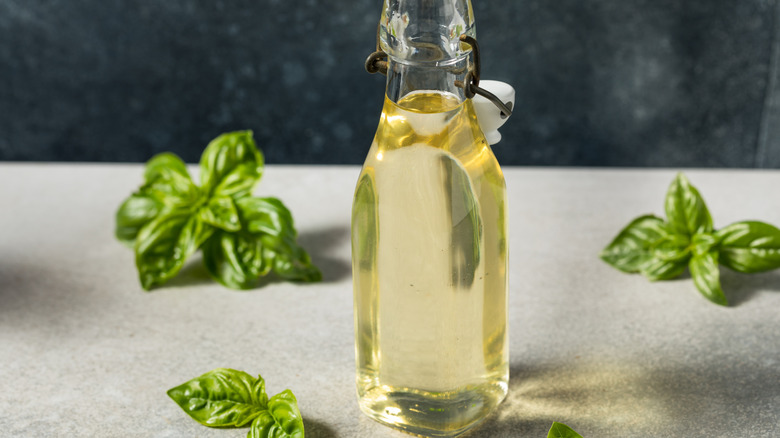
One of the challenges of working with a herb like basil is that it's not always conducive to adding to recipes due to the consistency of its leaves. No one likes biting into a surprise basil leaf. However, if you make it into a syrup, you can easily add a basil essence to drinks and food without worrying about altering their texture.
Use equal parts basil leaves, sugar, and water to make your syrup, and strain out the leaves before bottling it. It'll stay fresh in your fridge for about a month, though since there are so many ways to use it, you might find yourself restocking often. Not only can you stir the syrup into iced tea and lemonade or use it for cocktails, but you can also drizzle it onto cakes and baked goods to infuse them with a fresh, herbal flavor.
3. Mix it into some mayonnaise
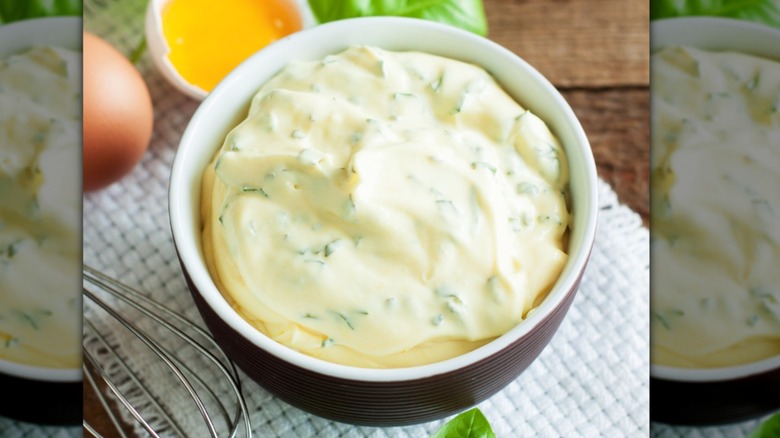
Basil isn't the easiest condiment to spread, and not all instances warrant a swipe of pesto. If you're looking to add it to foods like sandwiches, consider adding fresh basil to your mayonnaise instead. Add as much basil as you'd like (we recommend starting with ½ cup and adding more as needed) to a cup of mayonnaise, and blend it up in a food processor until smooth and creamy. What's nice about this hack is that you can use one of the best store-bought mayonnaise brands to mix with it.
This flavorful mayonnaise can be used in all sorts of ways. Swipe it on your bun to upgrade a beef burger, or use it in your next tomato sandwich or BLT. You can even add it to egg or tuna salad to give them a herby pop. It keeps in the fridge for a couple of weeks, and you'll definitely have no shortage of ways to use it.
4. Create a delectable pesto
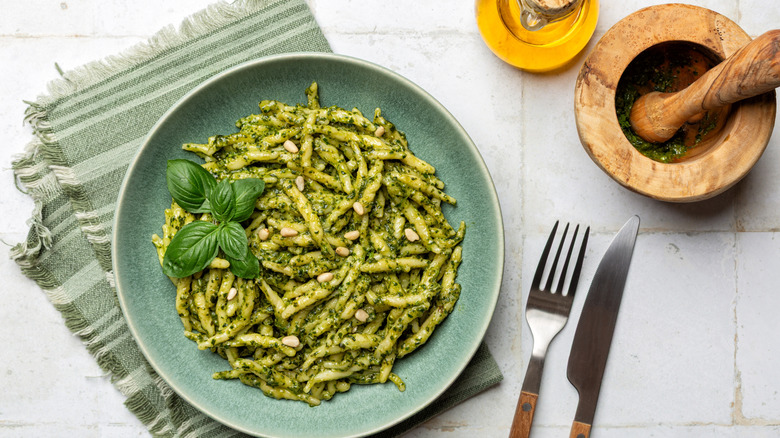
Okay, okay, we'll agree that a basic basil pesto is one of the most predictable ways to use a surplus of basil. But we should point out that this is a great idea, simply because store-bought pesto isn't cheap, and growing your own herb and making your own is an easy way to ensure that you will always have this condiment-sauce hybrid on hand. And even if you don't have a ton of basil, you can always cut the herb with spinach for extra nutrients and bulk. You can even get creative with your sauce by swapping out the standard EVOO for a more flavorful infused oil.
Pesto can be used in so many ways. It's a standard pasta sauce, as its oil content allows it to cling to the noodles and impart a delightfully herbal flavor to each bite. We also like using it as a dip for mozzarella sticks or french fries, as it has the perfect amount of acidity and garlicky pop to balance the respective dippers' richness.
5. Add it to your favorite soups
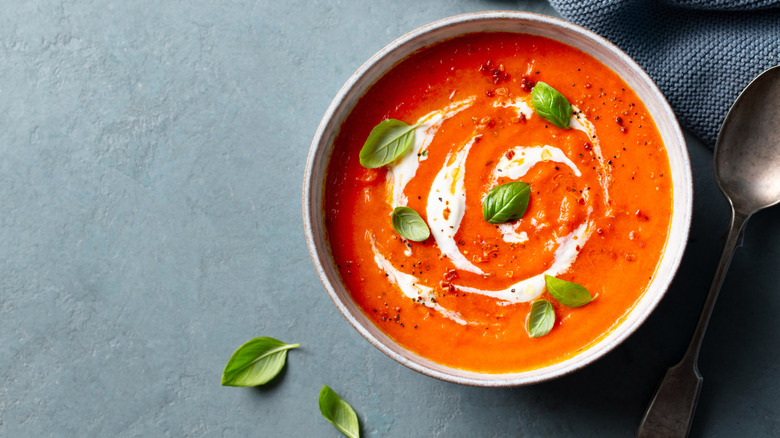
You might be familiar with adding dried basil to your favorite soups, but fresh basil can elevate their flavor, too. The important difference between fresh and dried herbs in this context, though, is when you add them. While you might add a couple of shakes of dried basil at the start of a soup recipe, if you want to preserve the brightness and flavor of fresh basil, be sure to add it at the end of the cooking process. A few sprigs of basil on top of the bowl will do you well, as would a drizzle of basil oil or a spoonful of pesto artfully swirled into the bowl. That way, you're not cooking off all that delicious basil flavor.
If your brain immediately goes to tomato soup (like our roasted tomato version), you likely wouldn't be the only one. The sweet tomatoes pair well with the colorful and bright basil. But really, any soup of Italian origin, like our super creamy one-pot lasagna soup or classic pasta e fagioli, could benefit from basil.
6. Use it in Asian-inspired fare
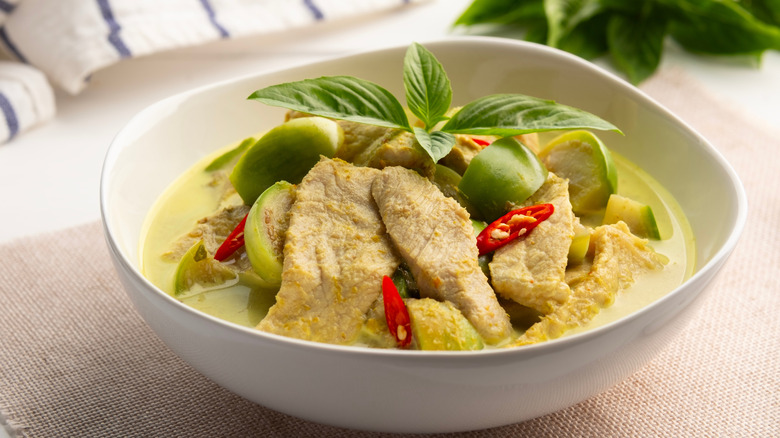
When you think of basil, your mind might immediately go to the basil traditionally used in pesto or Italian-inspired recipes. However, there are other types of the herb worth trying, including Thai basil. Thai basil is known for its bolder and spicier profile, along with its unique, slender leaf shape. It's grounded in anise notes, which is why the herb has been employed in many Asian-inspired recipes. It's precisely this flavor that makes Thai basil a great addition to your cooking repertoire.
If you are just exploring this herb, get started with our crispy Thai basil beef recipe, which puts the herb center stage. The Thai basil in the slaw adds a great complementary flavor to the other components. You can also use it in homemade green curry or other Thai favorites beyond just pad Thai.
7. Mix it into a salad
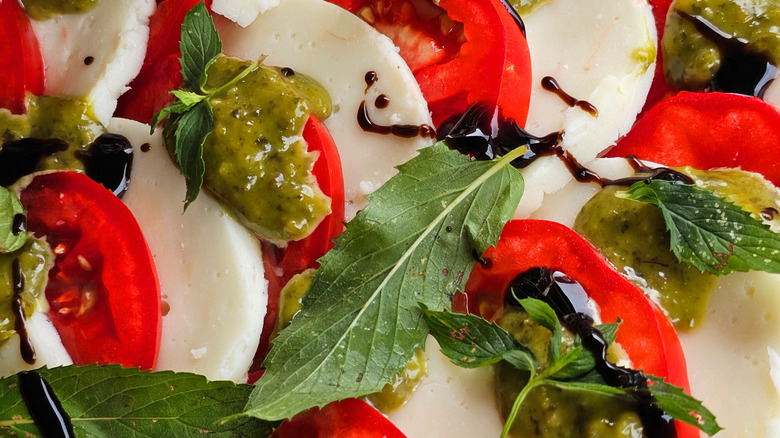
Basil is the herb of the summer, which is why it's a striking addition to your favorite light and fresh salads. You might already know one of the most obvious uses for basil: Caprese salad, which combines fresh tomatoes, milky mozzarella, basil, and balsamic, but there are many more summery salads worthy of a basil addition. This green bean and tomato panzanella salad, for example, could easily be basil-ified by swapping the olive oil in the vinaigrette with a herb-infused oil. The substitute would complement the charred tomatoes particularly well. Our deconstructed watermelon gazpacho, meanwhile, calls for basil as an anise-y accompaniment to the sweet melon, spicy jalapeños, and nutty slivered almonds.
Even salads that aren't greens-based could benefit from some basil. Potato salad, for one, is often very starchy and heavy, so using a basil-infused mayonnaise in our old-fashioned potato salad recipe would be a great way to cut through its richness.
8. Dry it and save it for later
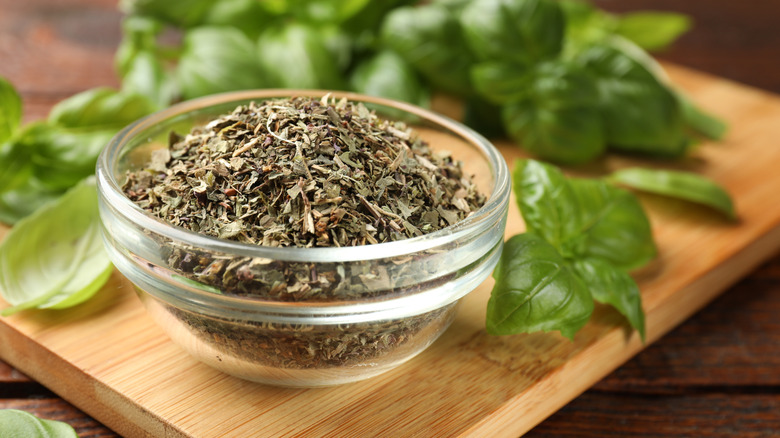
There will be instances when you simply have too much basil on your hands and no way to use it all before it goes bad. If you find yourself in this predicament, try drying the leaves to make them shelf-stable. That way, you can incorporate dried basil into your favorite recipes all year-round.
The easiest way to dry the leaves, of course, is with a dehydrator. However, not everyone can justify purchasing this niche appliance just for drying basil. You can use your oven on the lowest heat setting instead; just make sure to lay your leaves in a single layer so that the air can circulate around them. The herb also retains its aromatic properties better if the leaves are left whole. When you're ready to use them, you can crush them with your fingers or a mortar and pestle. To stave off mold, keep your leaves in an airtight container in a dry, dark location.
9. Add it to a pie crust
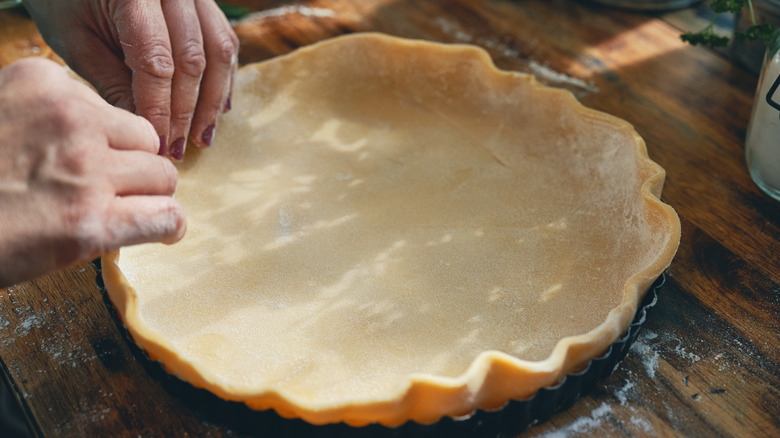
We love experimenting with pie crusts because it's not only simple to do, but you can also play with different seasonings to complement your fillings. You can use either dried or fresh basil for your crust. Chop the fresh leaves finely before adding them to your flour and fat mixture. This upgraded crust works with any fruit that pairs well with basil; we're partial to a lemon meringue pie. The herbaceous flavor will pair well with the lemon, but the basil never becomes the center of attention — which is a good thing. You could also easily integrate the basil leaves into a graham cracker or cookie crust for cheesecake or cream pies.
If you don't feel comfortable adding the basil to the crust, you could add it to the filling instead. Blueberry and basil are one flavor combination that we love, especially come summer; simply chop up the leaves and mix them in with your fruit. You can also use strawberries or peaches — just stay away from fruits that have very bold flavors and would eclipse the lovely basil undertones.
10. Candy it to use as a garnish
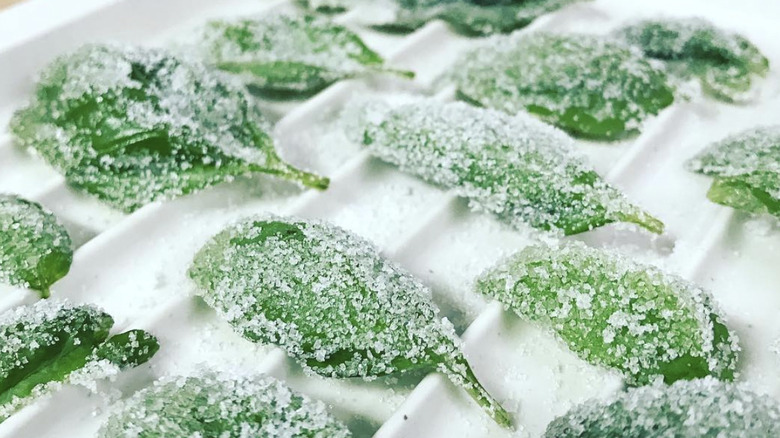
Basil is a culinary workhorse, offering flavor and aromatic dimension to any recipe it's added to. However, it can also be used to visually upgrade your favorite recipes. Rather than just adding a basil chiffonade as a garnish, consider candying the leaves instead. You can do this by spraying the clean, dried leaves with oil, sprinkling them with granulated white sugar, and microwaving them. The sugar will be very hot, so be sure to let them sit for a few minutes before adding this colorful garnish to your favorite recipes. Another way to candy basil is by dipping the leaves in egg whites — or carefully applying the whites with a paintbrush — before dipping them in sugar and letting them dry.
There are endless ways to use this garnish, and the added benefit is that it is 100% edible. Pop a few on top of your bowl of ice cream or lemon loaf for color, or use them to garnish a strawberry galette or a classic slice of apple pie.
11. Make a basil ice cream, sorbet, or granita
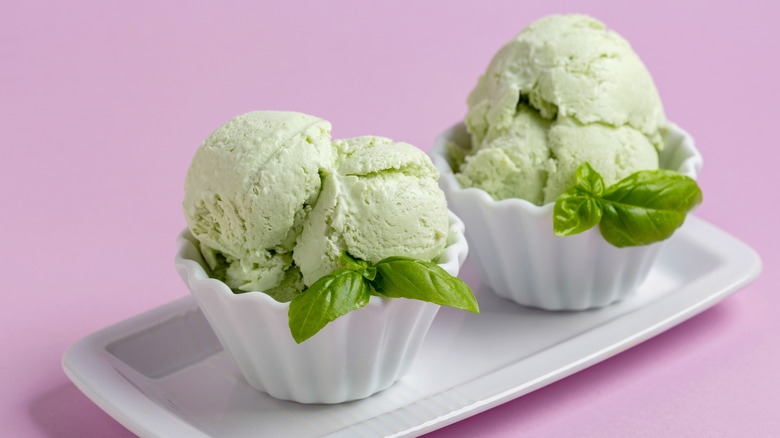
We admit it, we have a thing for basil ice cream. It's not a flavor you would think would work, but the herb offers a surprisingly pleasant anise flavor that complements a sweet cream base well. If you try this flavor at home, you'll ideally want to simmer the fresh leaves in the cream and strain them out, as biting into an icy basil leaf isn't anyone's idea of a fun time. That way, you can use your basil-infused cream in an ice cream maker or a no-churn recipe. For a dairy-free sorbet, you can use citrus juice, water, basil leaves, and plenty of sweetener instead of cream.
If you prefer something a little lighter, a basil granita may also be in order. Muddle the fresh basil leaves with a simple syrup, steep them, then pour the strained mixture into a large, flat baking pan. You'll need to freeze, agitate the mixture by scraping with a fork, and refreeze the mixture so that the ice crystals form. It's an easy (but time-consuming) process, but the sweet, refreshing treat will be well worth it.
12. Freeze it in ice cubes
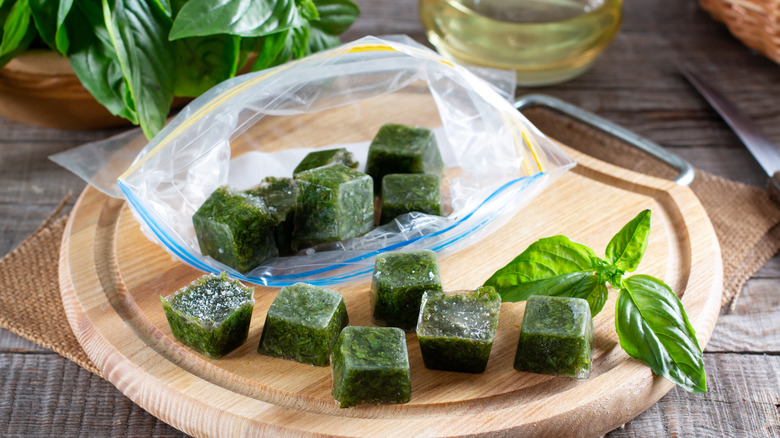
When you dry basil, you miss out on a lot of its flavor and aromatic properties. But when you freeze it in an ice cube tray, you capture all of that freshness in a single, easy-to-use serving. Add the chopped basil to the tray with oil, then let it freeze until solid. You should make sure to dry the leaves as much as possible to reduce the amount of ice that forms. Once the cubes are hard, you can plop them into a resealable bag. When you have a recipe that could use a hint of that bright, basil flavor, like a soup, simply drop a cube in.
If you prefer, you can also blanch and freeze the whole leaves, which will help preserve their color. That being said, freezing anything will alter its texture, so if you're planning to garnish a dish, you may want to use fresh leaves instead of frozen ones.
13. Use it as a fresh topping on homemade pizza

Basil and pizza is an obvious pairing — and one that fans of Margherita pizza will likely know well. This herb adds not only color to an otherwise plain-looking pie, but it also adds plenty of bright flavor. Based on our experience, basil is a herb that you'll want to tuck underneath the cheese before baking your pie, rather than using it as a traditional topping on top of the cheese, because it can burn really quickly.
You can also use basil-infused components on your pie. A drizzle of basil oil would make an excellent base for a four-cheese pizza, while swapping classic tomato sauce for pesto would add dimension and earthy flavor to your recipe.
14. Brew a tea with it
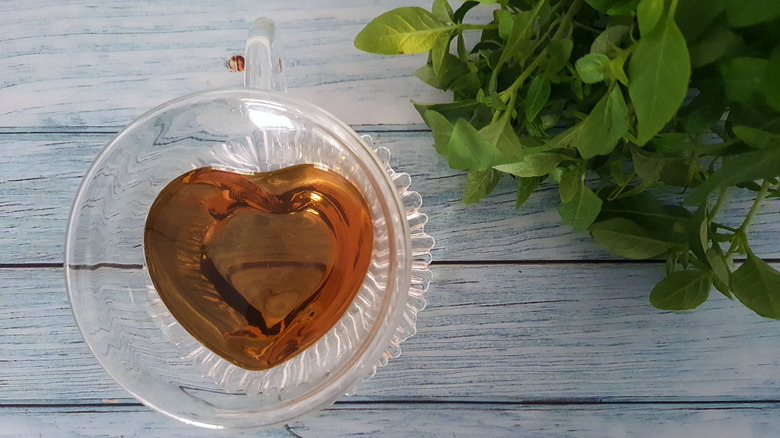
When you think of tea, your mind might immediately go to Earl Grey, English breakfast, or chamomile. But many types of herbs can be used in tea in some form or another — including basil. You can use fresh or dried leaves for this; the process is similar for both forms. Add your washed basil leaves to a container, add boiling water, and let the mixture steep for anywhere from 15 minutes to an hour. Once the basil has infused, you can strain it out, add your sweetener, and serve it over ice, or reduce the steeping time and drink it hot.
There are many types of basil that can be added to tea, and you can mix and match them depending on the flavor profile you're after. The bright purple hue of Persian basil, for example, makes it a colorful choice, while Blue Spice basil's unique color and complex flavor make it excellent for sipping. If you prefer a citrusy tea, such as for an iced tea recipe, try brewing yours with citrus basil, which has lemon balm undertones.
15. Bake it into a dessert

Herbs aren't as uncommon in desserts as you may think. Instead of grabbing thyme or rosemary for your next bake, consider using basil instead. It pairs well with lemon, blueberry, and stone fruits like peaches, nectarines, and cherries, which should give you a good jumping-off point for ideas. That being said, basil can also be used in desserts where the primary flavor is neutral — like vanilla. If you want to bridge savory and sweet, try adding basil to a basic olive oil cake, which you can top with basil (or regular) whipped cream and fresh fruit. Fruity muffins are a great place to play with herbs like basil, too, and you can add texture by making a nutty streusel for the top of them (we recommend adding pistachios to it for earthiness).
Outside of desserts, you can also integrate basil into breads. Focaccia is a relatively forgiving choice and will soak up the flavor of the herb, while a basic no-knead Dutch oven bread could also benefit from a basil addition.
16. Make a basil-infused whipped cream
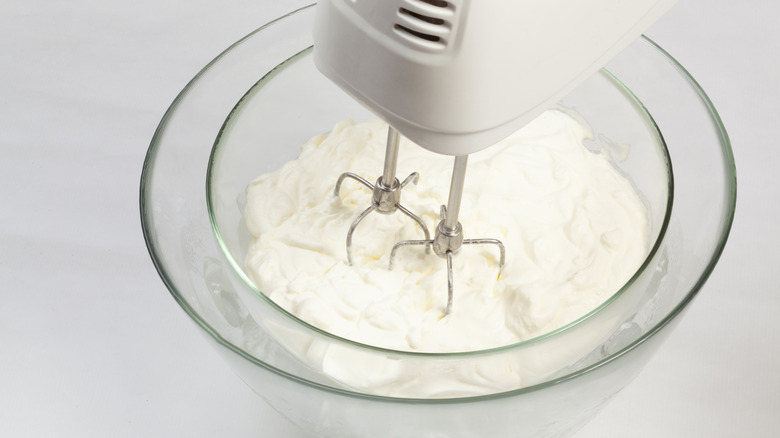
Not all desserts are conducive to adding basil, but the good news is that you can give your sweet treats a herby flair by adding basil to the garnish — specifically, the whipped cream you spoon on top. The cream softens the blow of the basil, giving you a shivery, light basil essence rather than a full-fledged smack of anise and cloves. To infuse your whipped cream, let your basil sit in the cream mixture (just make sure to refrigerate it, as cream is perishable). Once your leaves have been strained out, you can prepare your basil whipped cream whichever way you prefer — in a stand mixer, by hand, or in a Mason jar. If you need a basic tutorial, check out this basic but foolproof whipped cream recipe.
You can even use this cream for savory applications by omitting the sugar or sweetener and vanilla extract. Think of how gourmet a bowl of pasta marinara would be with basil whipped cream piped on top.
17. Turn it into a flavorful compound butter
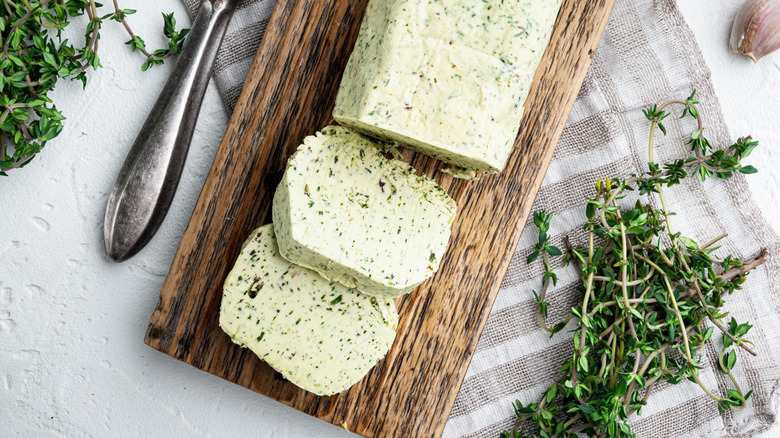
Oh, compound butter, how we love thee. Seriously, there's nothing better than slathering a slice of warm bread with butter — except when that butter has been infused with fresh herbs. And making it couldn't be simpler; all you need to do is mix the herbs together with softened butter, transfer the mixture to a piece of wax or parchment paper, and store it until you're ready to use it.
There are plenty of uses for compound butter, including on meats, spread on bread, or even melted and drizzled on popcorn. A sun-dried tomato bread would be particularly tasty when flavored with this butter, and you can easily upgrade a plate of plain buttered noodles by using a basil compound butter instead of your trusty stick of sweet cream.