

Dutch Oven No-Knead Bread Recipe
We may receive a commission on purchases made from links.
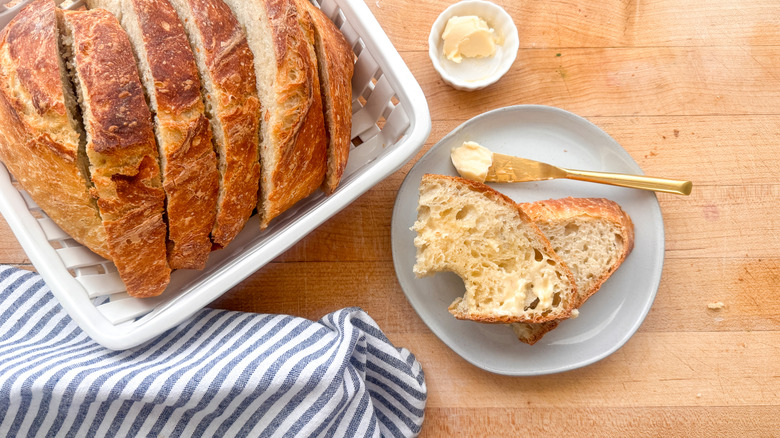
Nothing beats the aroma and flavor of freshly-baked bread, but many home bakers shy away from homemade bread recipes for fear of complicated measurements and labor-intensive kneading steps. That's exactly where this Dutch oven no-knead bread recipe — which involves a few steps and no prior baking experience — comes into play. The secret is cooking the bread in a Dutch oven, which traps the steam while it cooks, resulting in that picture perfect crust on the outside and soft, tender texture on the inside. This staple bread recipe conveniently doesn't require a stand mixer or any fancy tools, just a handful of pantry staples and a bit of patience.
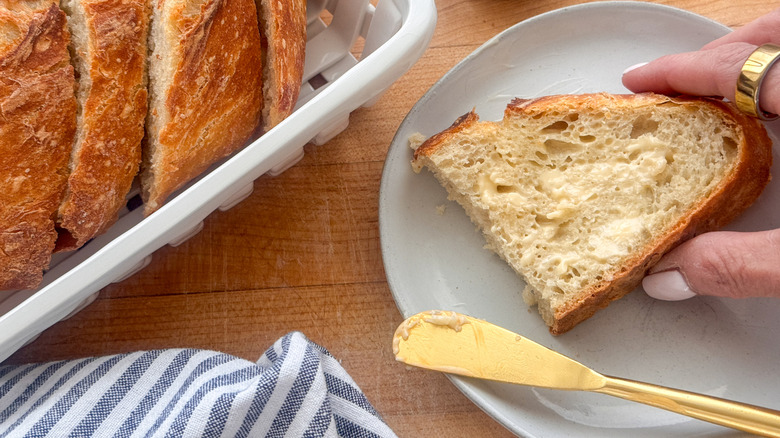
Recipe developer Miriam Hahn brings us this recipe and says, "The nice thing about this recipe is the ingredients are pantry staples so you can make this bread any time you want. It's perfect for days that you will be home getting things done, and you can let the dough rise and run through the simple steps." This bread is great on its own with a smear of butter, paired with a hearty curry for dinner, or used for various sandwiches for lunch.
Gather the ingredients for Dutch oven no-knead bread
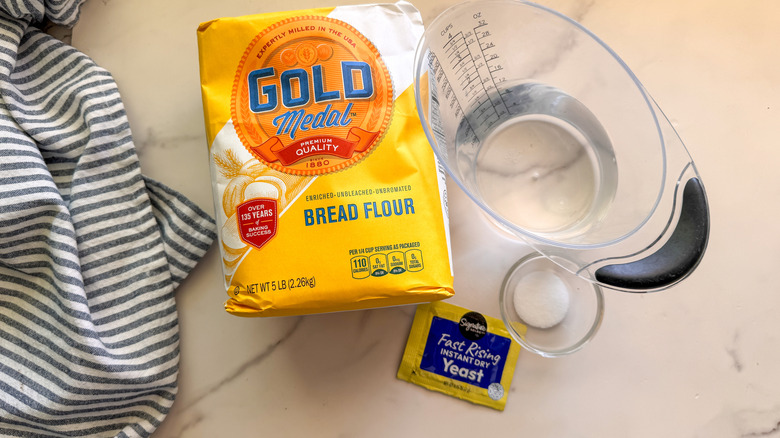
To make this recipe, you only need bread flour, instant yeast, salt, and water. Note that bread flour is strongly preferred for this recipe, but all-purpose flour will work in a pinch.
Step 1: Measure out the flour
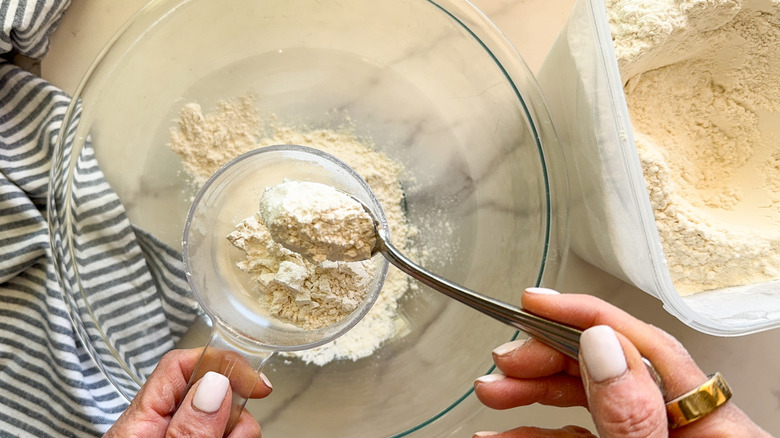
To measure the flour, spoon it lightly into a 1-cup measuring cup, then transfer to a large bowl. Repeat this process two more times until you've measured out 3 cups of flour.
Step 2: Add yeast and salt
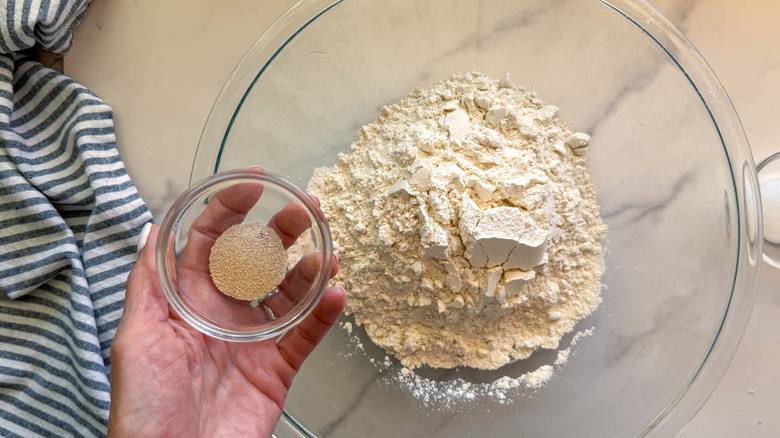
Add the yeast and salt and whisk to combine.
Step 3: Heat up the water
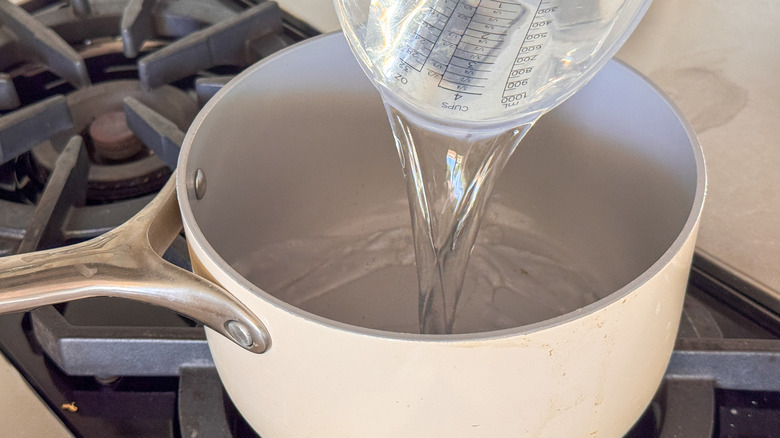
Add the water to a small pot over medium heat. Check the temperature with a food thermometer, removing from heat once the water reaches 105 F to 120 F.
Step 4: Add the water to flour mixture
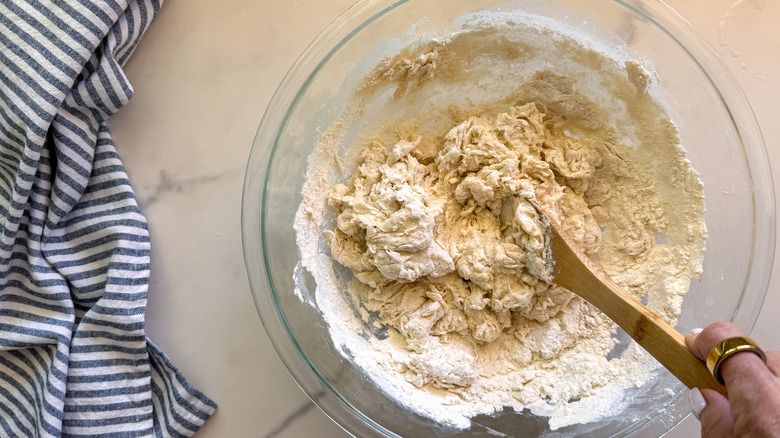
Add the water to the flour mixture and stir.
Step 5: Cover the dough and rest
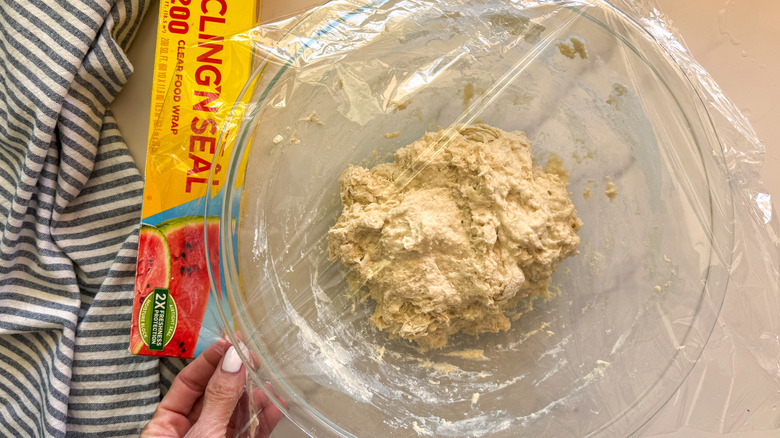
Cover with plastic wrap and let sit for 3 hours.
Step 6: Fold the dough
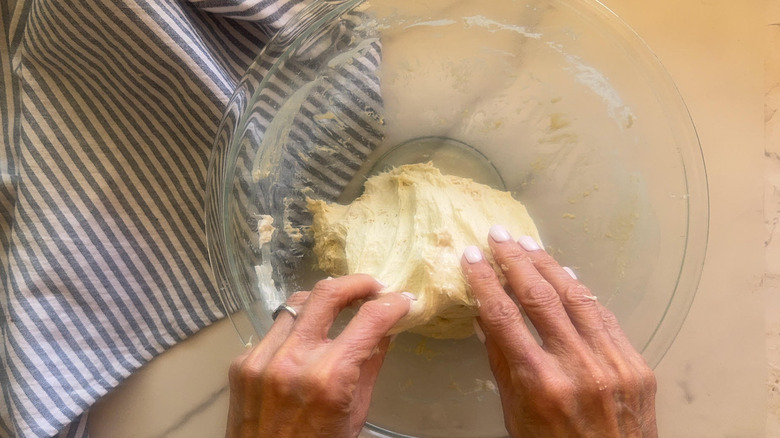
While the dough is in the bowl, wet your hands and reach for the top end of the dough, lift it up and fold it over the dough towards you. Repeat this folding process three more times.
Step 7: Repeat folding on board
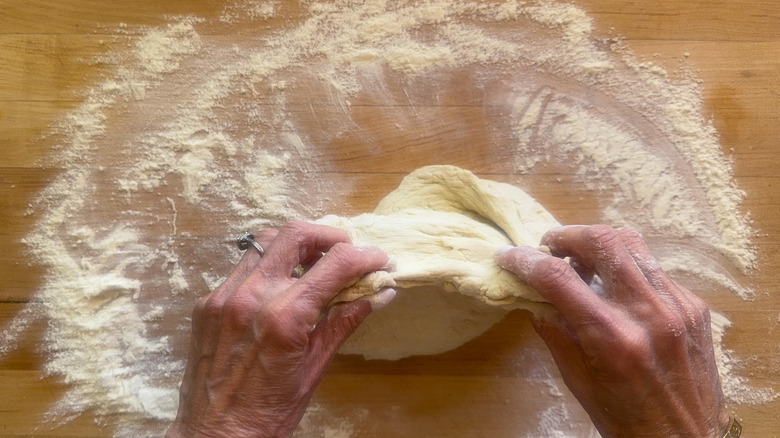
Transfer the dough to a well-floured surface and sprinkle the dough with a tablespoon of flour. Repeat the folding technique about 10 more times on the board.
Step 8: Place dough in bowl
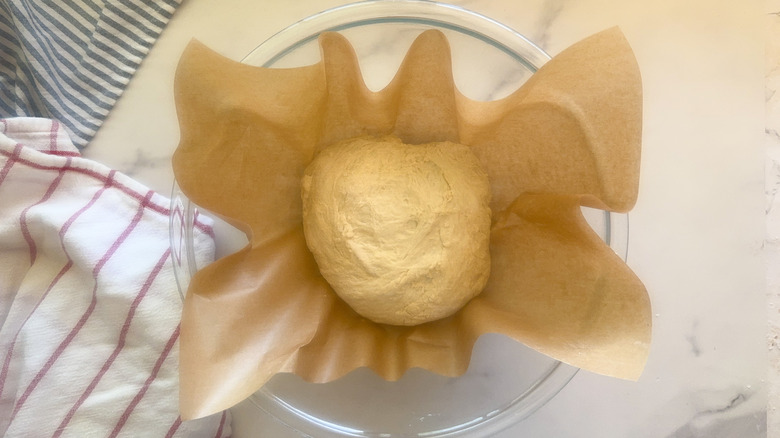
Place the dough into a bowl with parchment paper, cover with a towel, and let sit for 30 minutes.
Step 9: Place a Dutch oven into a preheating oven
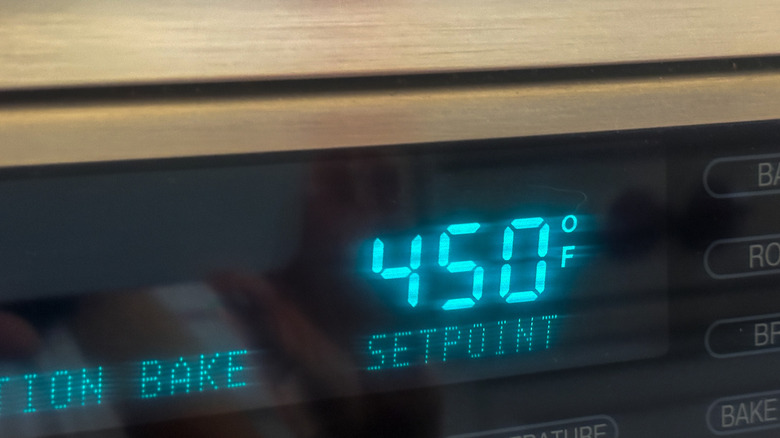
Place a Dutch oven into a cold oven and set the temperature to 450 F.
Step 10: Place dough with parchment into warm Dutch oven
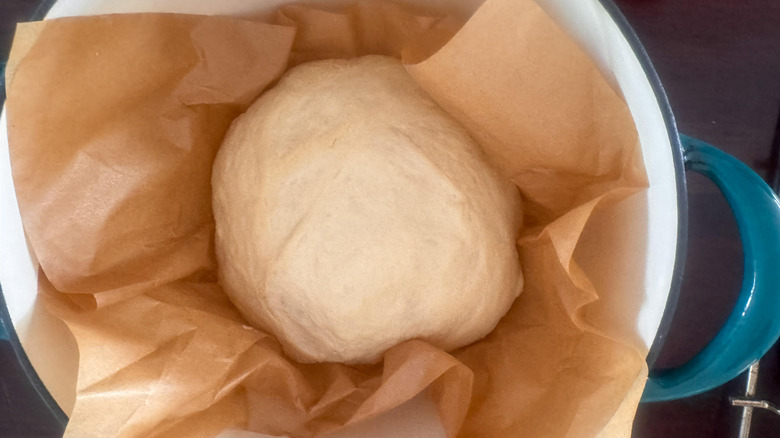
When the oven temperature reaches 450 F, carefully remove the Dutch oven and place the parchment paper and dough into the pot.
Step 11: Score the loaf
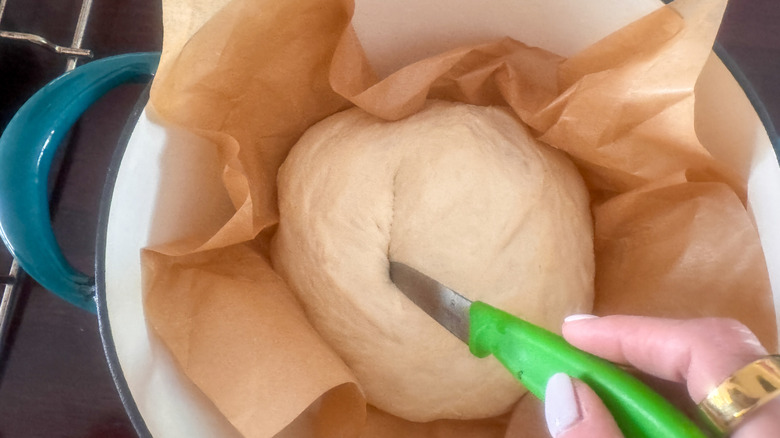
Use a sharp knife or bread lame to score the top of the dough with a single slash or an X shape, about ½-inch deep. (This controls where the loaf opens up as it bakes.)
Step 12: Cover and bake the bread
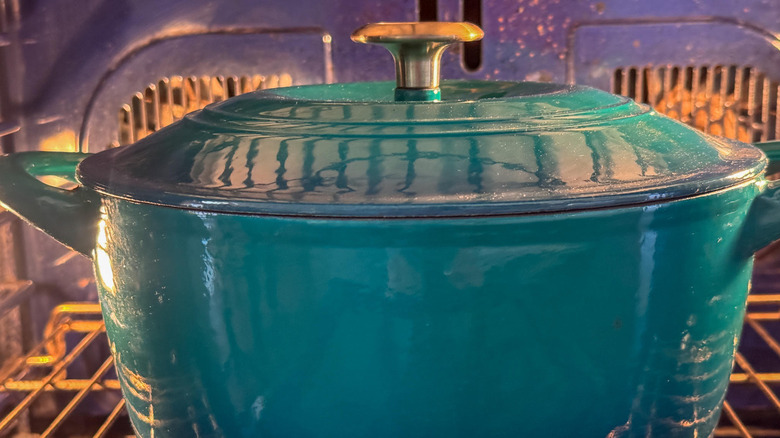
Cover the pot and bake for 30 minutes.
Step 13: uncover and bake the bread some more
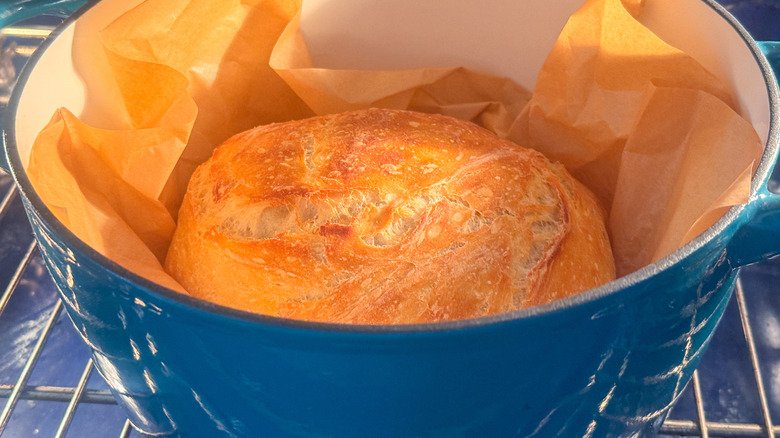
Remove the lid from the Dutch oven and bake for 10 more minutes.
Step 14: Cool and slice the bread
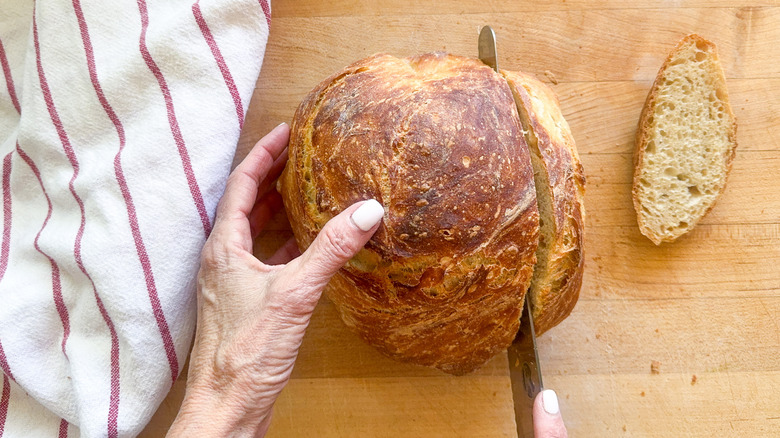
Let the bread cool on a rack for 15 minutes before slicing and serving.
Pairs well with Dutch oven no-knead bread
Dutch Oven No-Knead Bread Recipe
Our Dutch oven no-knead bread recipe relies on pantry staples for an easy-to-make, perfectly crusty everyday bread that pairs well with just about any meal.
Ingredients
- 3 cups all-purpose or bread flour, plus more for shaping
- ¼ teaspoon instant yeast
- 1 teaspoons salt
- 1 ½ cups water
Directions
- To measure the flour, spoon it lightly into a 1-cup measuring cup, then transfer to a large bowl. Repeat this process two more times until you’ve measured out 3 cups of flour.
- Add the yeast and salt and whisk to combine.
- Add the water to a small pot over medium heat. Check the temperature with a food thermometer, removing from heat once the water reaches 105 F to 120 F.
- Add the water to the flour mixture and stir.
- Cover with plastic wrap and let sit for 3 hours.
- While the dough is in the bowl, wet your hands and reach for the top end of the dough, lift it up and fold it over the dough towards you. Repeat this folding process three more times.
- Transfer the dough to a well-floured surface and sprinkle the dough with a tablespoon of flour. Repeat the folding technique about 10 more times on the board.
- Place the dough into a bowl with parchment paper, cover with a towel, and let sit for 30 minutes.
- Place a Dutch oven into a cold oven and set the temperature to 450 F.
- When the oven temperature reaches 450 F, carefully remove the Dutch oven and place the parchment paper and dough into the pot.
- Use a sharp knife or bread lame to score the top of the dough with a single slash or an X shape, about ½-inch deep. (This controls where the loaf opens up as it bakes.)
- Cover the pot and bake for 30 minutes.
- Remove the lid from the Dutch oven and bake for 10 more minutes.
- Let the bread cool on a rack for 15 minutes before slicing and serving.
Nutrition
| Calories per Serving | 186 |
| Total Fat | 0.9 g |
| Saturated Fat | 0.1 g |
| Trans Fat | 0.0 g |
| Cholesterol | 0.0 mg |
| Total Carbohydrates | 37.3 g |
| Dietary Fiber | 1.3 g |
| Total Sugars | 0.2 g |
| Sodium | 222.9 mg |
| Protein | 6.2 g |

What are tips when making the no-knead bread?
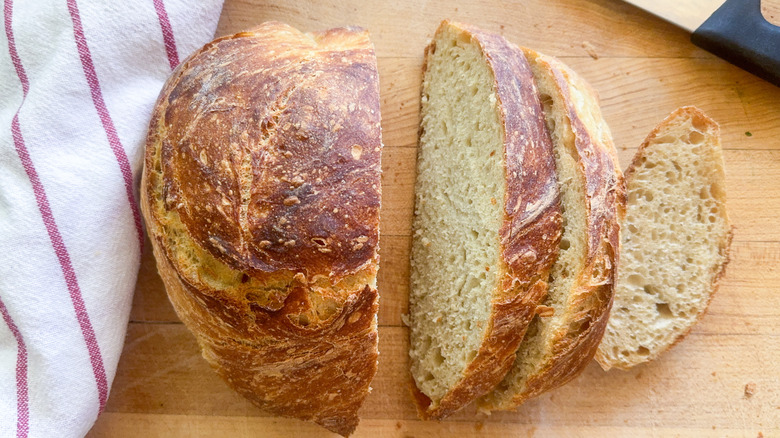
Although this recipe is simple and straightforward, there are a few tips to make sure your bread comes out perfectly. First off, when measuring the flour, it is very important to resist the urge to scoop out the flour directly from the container or bag. This will pack it down and result in too much flour and a dense loaf. Spooning it into the measuring cup is a fool-proof method for using the correct amount of flour.
The water temperature is key to developing the dough by activating the yeast. If it is too hot it will deactivate the yeast, and if it's too cold it won't activate it. It is best to use a thermometer, but if you don't have one, test the water using the baby bathwater test. Put a finger into the water, and if it is comfortable enough that you would use it for a baby's bath, the temperature is perfect.
You'll need at least 3 hours for the rest time for the dough. Be sure to set a timer so you don't cut this step short. If it is cold or drafty in your kitchen, you can extend the time by an hour if needed. When working with the dough after this step, it will be sticky, so wetting your hands before folding will help. After baking, although it is tempting to cut right into the bread, it must cool first for at least 15 minutes to complete the baking process.
Can I add extras to the no-knead bread dough?
This bread recipe is a good base for many different types of mix-ins. For a classic savory loaf, add 1 tablespoon of chopped fresh rosemary and 1 tablespoon of olive oil in step 4, when you add the water to the flour and salt mixture. Another delicious savory option is a Mediterranean approach. Add ½ cup chopped kalamata olives and 1 teaspoon of dried thyme. Be sure the olives are completely dry before adding, so they don't add extra moisture. You'll add these into the bowl in step 4. Roasted garlic is another great option. You can roast the garlic in a pan, or do the standard oven method where you cut off ¼ inch of the top, wrap it in foil, and roast for 45 minutes in a 400 F oven. Once it cools, squeeze the cloves into the dough, or chop them for a more even distribution.
For a cheesy loaf, add ½ to 1 cup of shredded cheese. Fold this in after the dough has rested, when you are shaping the dough. A simple way to add some flavor is with everything seasoning. Just sprinkle some on the top of the dough right before baking. If you're going for a sweeter version, add ½ teaspoon of cinnamon and 1 tablespoon of sugar to the dough in step 4.