

Chefs Avoid Ordering These Trendy Meals At Restaurants
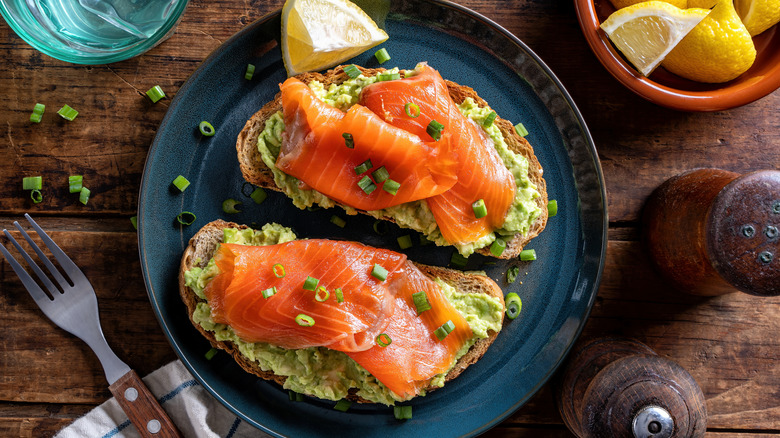
Food saturates our feeds at an impressive rate now that everything "goes viral." In attempts to make a splash, restaurants will give in to the siren song of over-the-top creations meant to gain clicks. Many As-Seen-On-TikTok sensations, while fun, don't always translate into meals you'll realistically feel like buying in real life. Sure, Gen Z influencers have reason to push the hottest bites, but the execution might lack substance, or simply jack up the check.
A lot of social media food trends eventually fizzle out – remember pesto eggs and baked feta pasta? — and leaping into crazes of the moment isn't always indicative that the meal itself will be any good. "I tend to skip overly 'Instagrammable' dishes, the ones designed more for photos than flavor," says Jacinto Perez, a chef at Constantino's Pasta Bowls located in Greenwich, Connecticut. "A lot of trendy meals lean on gimmicks rather than quality ingredients or technique."
Seasoned chefs have the kind of know-how to steer us away from us away from schticks. Which is why, as you'll soon discover, they're understandably skeptical when it comes to overhyped plates. If you're curious about that gilded pizza or rainbow brunch stack, the pros we spoke with provided enough intel on dishes should be avoided. Let's rethink these 8 trendy meals when dining out.
Truffle fries
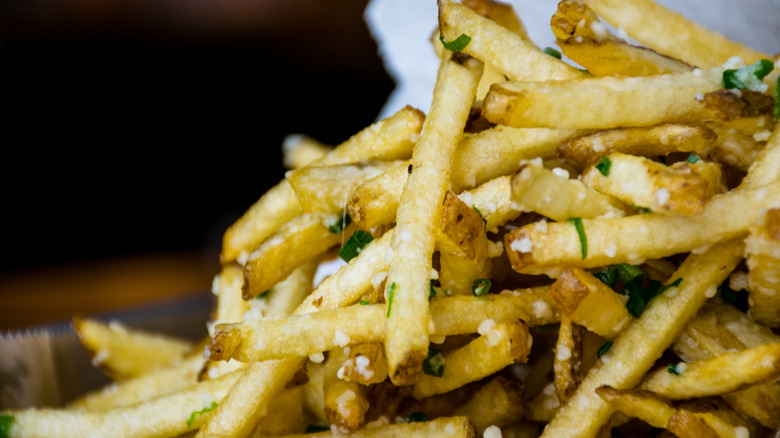
Truffle oil is one of the first things that comes to mind for "trendy" food, especially on french fries. With a hit of Parmesan cheese and minced herbs, those crispy spuds sell like hot cakes (or potatoes). Buzzy gastropubs unfortunately understand that it will sell because it's "gourmet" — and nothing else."Too many restaurants use it as a shortcut to justify a higher price tag, and it ends up feeling more like a gimmick than good cooking," explains executive chef and co-owner of R House in Miami, Rocco Carulli.
Pepe Moncayo, executive chef at Arrels and ART DC at Arlo in Washington, D.C., isn't a fan due to its pungency: "It can take over everything on the plate, leaving little room for balance or nuance."And though it's swanky on the surface, truffle oil, in addition to the up-charge, isn't actually rendered from the mushroom at all. It's artificially engineered (hence why Martha Stewart loves to hate this ingredient fad). Manufacturers rely on a chemical to create the funky, umami bite because real truffles are incredibly expensive. In conclusion, "guests are paying a premium for a product that's more about the illusion of luxury than actual quality," says Chef Juan Carlos "JC" Lavelle from Miami's Adrift Mare.
Look, we're not here to dissuade against your favorite side dish. It's just that as a whole, restaurants are exploiting the frenzy on purpose — and hoodwinking customers who believe they're paying top-dollar for the real deal.
Charcuterie boards
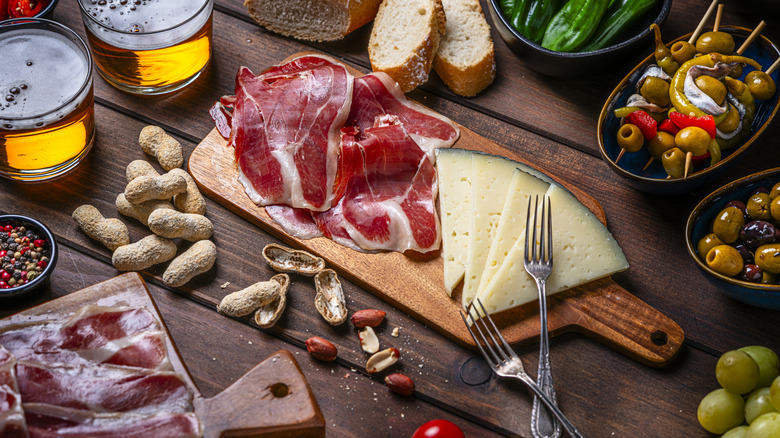
Cheese boards have become exceptionally fashionable in recent memory. Online, it's normal to scroll through elaborately curated spreads bursting with salty pickles to imported Manchego. Although grazing on savory snacks is tempting ahead of your main course, Olivia Roszkowski, a chef and instructor at the Institute of Culinary Education, isn't convinced the starter deserves your time. "I usually avoid ordering dishes that don't require too much skill or time to make and that are essentially just assembled by the kitchen," she explains.
Building a presentable charcuterie plate couldn't be easier. Most restaurants probably aren't crafting the mortadella or cheddar themselves — they're shopping at places like Trader Joe's or Costco, and dumping the contents on an oak platter. Which partly explains their appeal for wanting to entertain at home on a budget, not necessarily the steep price of having staff in the back room carve a focaccia loaf into squares or what have you.
Frankly, the impulse to snap shots of your appetizer plate is understandable, but it's wise to be discerning when it's on a restaurant menu. Just because a place draws thousands of likes on its smorgasbord doesn't indicate any special touches went into it. We'd trust a cheesemonger or butcher shop, as they're showcasing their artisanal products. The garden-variety wine bar fussing with Keebler Club crackers, on the other hand, would be better off skipped.
Steak
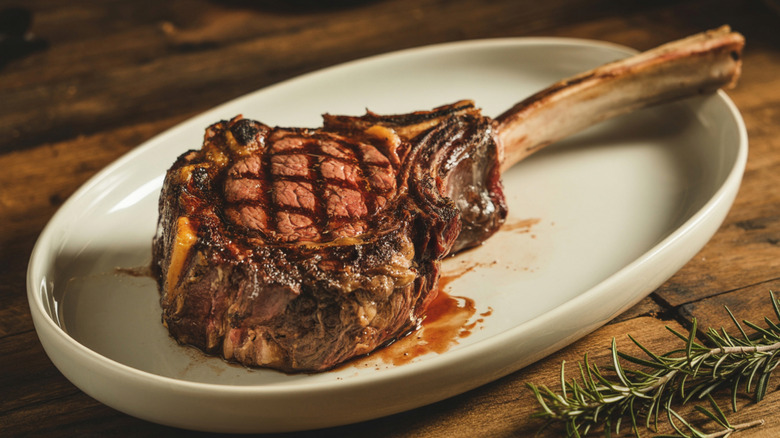
As timeless and trend-proof as they seem, steaks deliver the kind of wow-factor we see sizzling across the web. Visiting a must-try steakhouse in Los Angeles would naturally inspire engagement from followers lusting after succulent T-bones or porterhouses recorded for posterity. But talk to people who work with food for a living, and you'll discover that they give chops the side-eye. "I would say steak is a great example of something you can make better and cheaper at home 90% of the time," says Zak Fishman, whose chain Prime Pizza specializes in Big Apple-inspired pies in the heart of Los Angeles. "The value is never good and it is often overcooked, underseasoned or both!"
Janice Carte, a professional chef behind the cooking service Tiny Spoon Chef, agrees with this sentiment, even emphasizing how a chophouse dinner isn't entirely unthinkable for a home cook to pull off. "Paying three times the price for something I can cook better myself feels like a waste," Carte says. "With a cast iron pan and a few simple, classic sides, you can recreate a steakhouse meal at a fraction of the cost." Certainly, it's not overrated to enjoy a well-cooked cut of meat. Some spots really know what they're doing. But at others, the glamour of your surroundings could be diverting attention from fatty, chewy culets (and other signs of a cheap steak).
Colorful pancakes
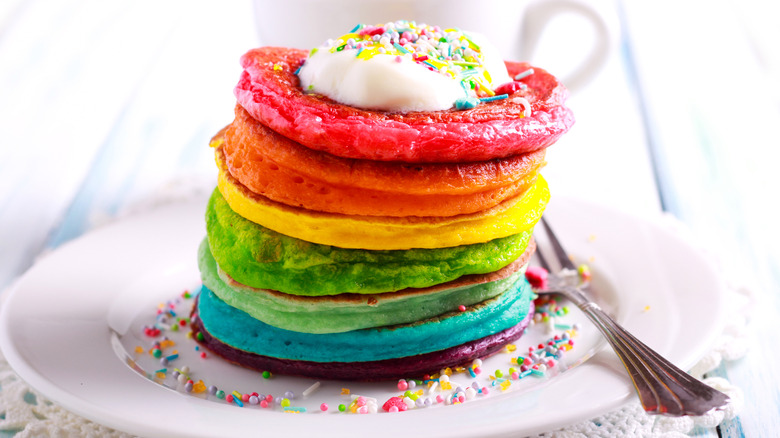
Infusing a little fun into ordinary meals is one of the fad food's reliable formulas. For a while, restaurants were barfing up rainbow-colored everything, from birthday cakes to breakfasts, and chefs are over it. Some of our experts are not fans of the unicorn trend — specifically with pancakes — because they cater to the superficial, indicating the restaurant is less concerned with quality. "I tend to steer clear of anything that screams 'Instagram bait' — dishes that are clearly built more for likes than for flavor," explains Juan "JC" Carlos Lavelle. You can't justify $25 for middling flapjacks all on its own. But eateries have figured out that diners will give in when the stack oozes sparkly confetti sprinkles (even if the recipe is identically underwhelming).
Generally speaking, the brunch plate will be overpriced when its appeal rides simply off of looks. If you want to avoid the hyped-up morning meal, there's no reason not to fire up the griddle at home. Following a basic buttermilk pancake recipe will deliver the same fluffy results. They can be mixed from scratch or assembled from a mix — either method is super simple — and dyed with whatever fantastical colors you wish. Avoiding unicorn pancakes on the menu lets you pocket the difference for a later entrée that'll blow you away instead.
Avocado toast
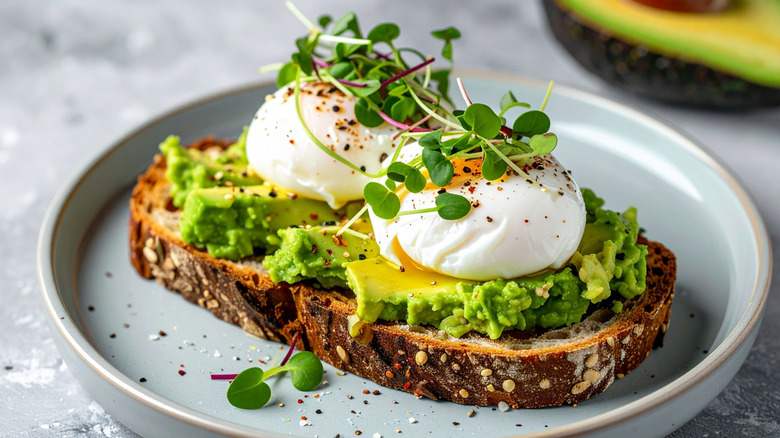
The internet's love for avocado toast still lingers on, and it's hard not to understand why. Stylish presentation, healthful toppings, usually pictured with a dreamy latte on the side — it's aesthetics personified, which is catnip for the Instagram crowd. Unfortunately, it's not worth ordering this trendy breakfast at restaurants. Brunch places are notorious for inflating prices, and while it's not the cheapest bite on the block, avocado toast isn't exactly the most labor-intensive bite a spot can fix.
Out of the experts we spoke to, Juan "JC" Carlos Lavelle was most outspoken against ordering avocado toast out. He pulls no punches, but don't worry: millennial bashing is not the rationale. It's the lack of imagination, followed by its ease. From his perspective, "smashed avocado on mediocre bread" is deviously overpriced for the level of skill it takes to whip up from scratch. "I can put together something better in my sleep and for a quarter of the cost," he says.
The rare business could be out there delivering hand-kneaded spelt or spreading on house-made ricotta, true. Then again, nobody has to be a professional to know how to smear green mush on a slab. We guarantee sourcing quality bread and avocados — plus any garnishes you like — would absolutely rival your favorite coffeehouse's, minus the maxed-out charge.
Salads and grain bowls
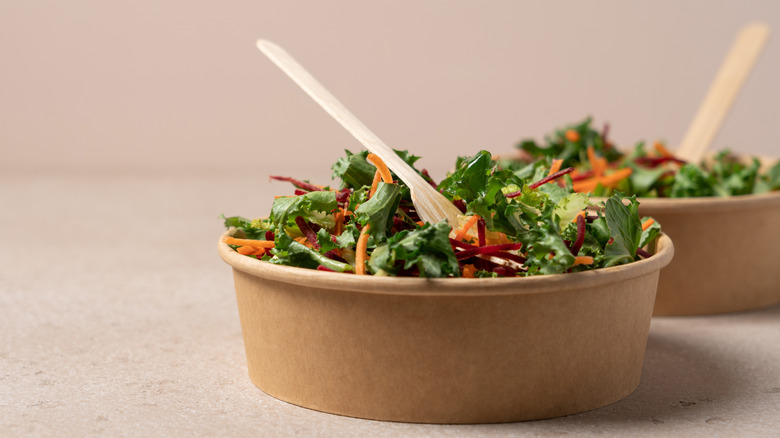
Salads and grain bowls have really taken off. They're healthy and tailored for snatching up in a hurry — highly important as any office worker hustling on their break can tell you. According to chefs, though, the fast casual approach doesn't always reward quality. "Dishes that rely on pre-made ingredients won't showcase the same level of technique and freshness as those that are made-to-order," says Olivia Roszkowski.
Surely you've noticed how quickly those assembly-line chains move. Staff practically hop from station to station to scoop rice, beans, and the rest of the works to build your afternoon meal. Kitchens keep up this pace since they have convenient supplies on hand, and without the carrots shredded or pork already grilled, customers would be looking at a much longer wait time than they can afford.
Not to mention, many places play it safe with the recipes that do end up on the menu — which is boring. "I can't justify spending $14 on a bowl of greens with a Dijon vinaigrette and a few radishes," laments Janice Carte. "It's rare that I see enough creativity or substance to make me want to order one as an appetizer." Unless there's a scratch-made dressing or guac in the mix, you could spruce up a store-bought bagged salad and essentially come up with the same thing at home.
Meals with gold leaf
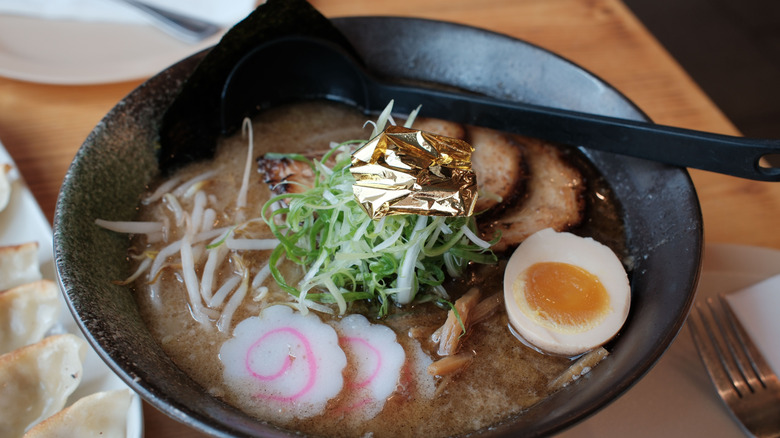
Ingredients like edible gold can be counted on to draw scrutiny from veteran chefs. Anytime there's a headline about restaurants serving 24-karat fish and chips, seasoned foodies pound pavement to get a load of the indulgence. Yet Juan "JC" Carlos Lavelle doesn't buy into this trend. In fact, he's naturally, suspicious whenever dining spots roll out the gilded touch. "I'm all for creativity, but when the focus shifts from taste to spectacle, it usually means corners were cut somewhere."
While real gold leaf can absolutely be extravagant, procuring it isn't the sort of investment foodies would assume it is. For example, Barnabas Gold says it's possible to spend $25 on a single sheet. And more to the point, restaurants tend to slap it onto regular foods that boast nothing extraordinary in the prep or recipe. It's literally all style without substance, and not terribly involved with improving the dish in any meaningful sense. Nor will it be a good value (which probably isn't the point — but we digress). What guests will be charged an arm and a leg for, more or less, is an ordinary entrée, like pizza or tacos, except garnished with some shimmer.
Obviously, aesthetics matter in presenting delicious food. But is a lacquered tomahawk going to change our lives to the tune of $5,000? Most likely, no. Jump off the bandwagon.
Pasta
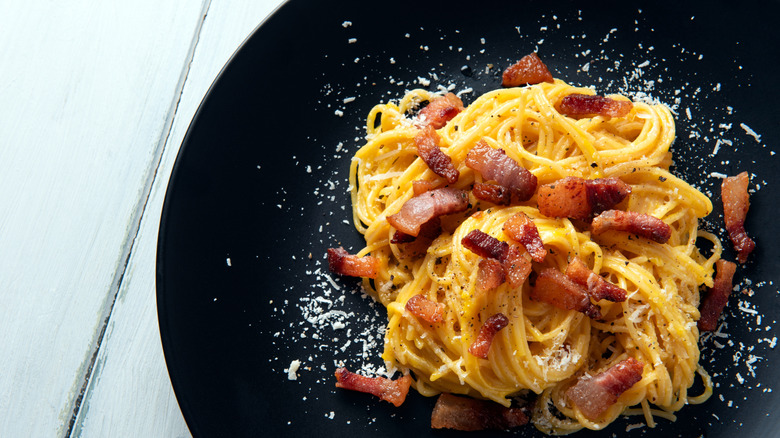
Italian cuisine has experienced a massive boost recently. Maybe it's a result of the Tomato Girl Summer aesthetic, but perfectly-sauced pasta is always accruing reel after reel. To our dismay, professional cooks have found the authenticity lacking in sit-down spaces. That glamorous twirl of angel hair risks a mushy, overcooked mess in the wrong hands, and you'll know it from tasting it. Plus, the bulk of ingredients aren't spend-y in the slightest. Noodles, cream, salt, pepper, and other supplies get a massive mark-up when pasta is produced in a restaurant.
Seeking out a renowned trattoria is your best bet, yet even upscale destinations can sling flops every once in a while. Alfonso Platone, who's the general manager at the Donatella Boutique Hotel's namesake restaurant in Miami, suggests brushing up on a recipe yourself. Platone's vice is spaghetti carbonara, but it's applicable to any specialty. "I prefer to make my carbonara at home, where I control everything, from the texture, the salt, the cheese and of course, the guanciale, which is a must-have ingredient for a true carbonara."
Daniel Patino, the co-founder and executive chef at casual chain Salad and Go, offers us another helpful tip. Assess whether those noodles pass muster by sticking to the basics. "I always go for the dish that sounds the simplest," reveals Platino. "Those are often the hardest to execute, and they tell you everything about the chef's caliber."