

16 Best Vegetables To Plant In The Fall
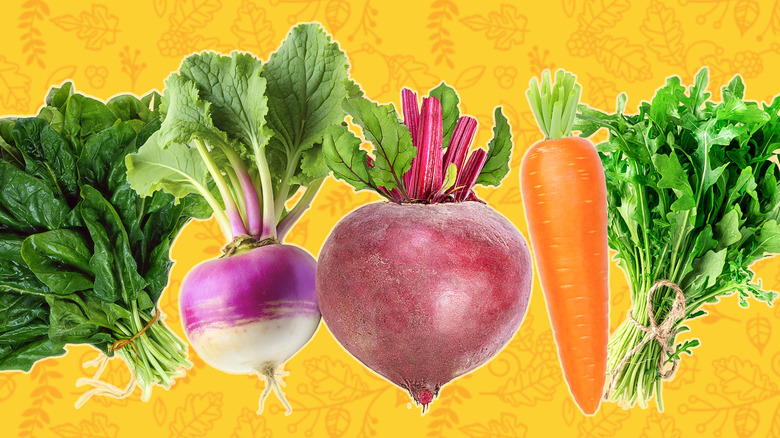
We may receive a commission on purchases made from links.
If you're a beginner vegetable gardener, there's a lot you may not know. For one thing, not all produce is worth raising yourself; some fruits and veggies are best avoided. Also, lots of vegetables get overlooked as a source of protein. And perhaps most importantly, growing your own vegetables is not just a summer game; there are lots of species you can plant in the fall with great success.
"Most home gardeners are conditioned to think of spring as the beginning — and sometimes the only — growing season," says James Mastaler, founder of Pistils & Pollen. Lindsey Chastain, homesteader at The Waddle and Cluck, also reminds us that garden centers at big box stores tend to become holiday centers come fall. This can confuse consumers into believing that gardening is done. The same goes for other purveyors, agrees Lucie Bradley, gardening and greenhouse expert at Easy Garden Irrigation. "Seed producers and suppliers also keenly market to us early in the year, but by the fall are turning their attentions to planting flower bulbs for spring," she says. The result is that there's less encouragement for the average gardener to tend to their crop.
"In truth," Mastaler says, "fall offers a second chance to grow food, often with fewer pests, more manageable temperatures, and better-tasting greens." Plus, there's more room to experiment in the garden, which is helpful if you're a beginner. Accordingly, let's take a look at the best vegetables to plant in the fall.
1. Spinach
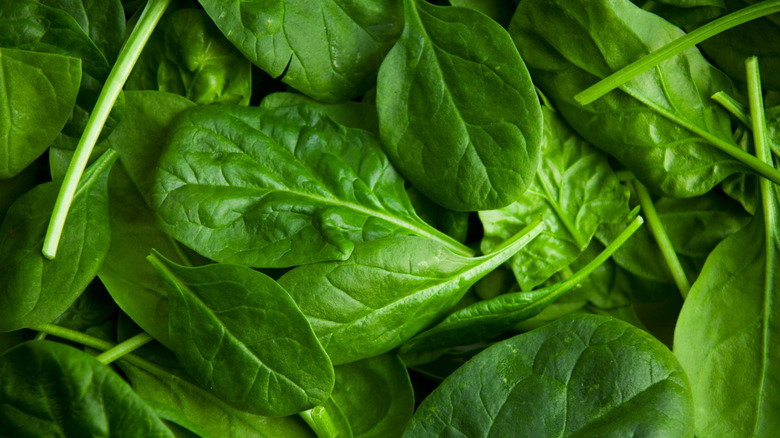
A classic for winter soups, salads, and casseroles, spinach is a great contender for your list of fall gardening vegetables. For starters, spinach is great for your health. "Widely considered a superfood, spinach is packed full of vitamins A, C, and K, minerals including folate, iron, and magnesium, and antioxidants," Lucie Bradley says.
Furthermore, fall is a season tailor-made for spinach growing. Thankfully, it fares well in cooler temperatures, and the more hardy varieties can even last through winter with minimal protection. Better yet, Lindsey Chastain says that cooler temps can make spinach sweeter and more tender. She also points out that spinach grows quite quickly: "Even for those with shorter growing seasons, it's a great choice."
As far as specific varieties go, Bradley advocates for two varieties above all. Mikado F1 is good in stir fries and raw in salads, while Apollo F1 is wonderful as a baby green in salads, or cooked and served with a roast.
2. Kale
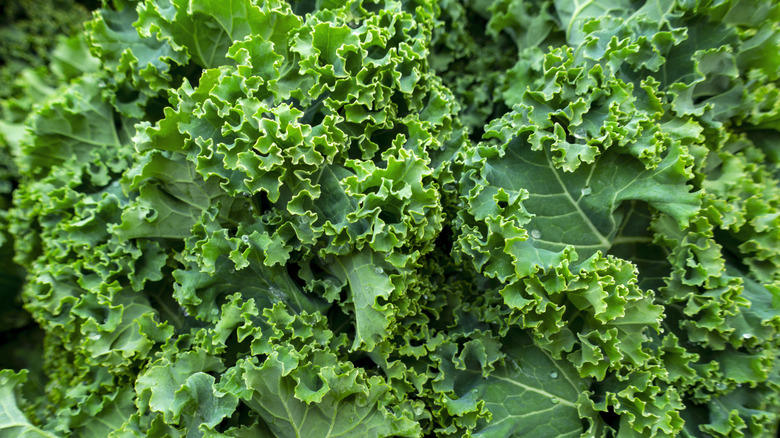
Kale, another leafy green, is also one of the better vegetables to plant in the fall. "Kale is super hardy and can take the cooler temps even into the beginning of winter. Like spinach, the cooler temps make it have a sweeter flavor," Lindsey Chastain says. "Plus, you can harvest just the outer leaves and keep it growing all season." This ever-bearing quality makes kale a low-maintenance plant that you sow once, then harvest from continually until the cold finally gets to it.
Even better, James Mastaler says that it's relatively pest-resistant, meaning you don't have to look after it as closely as your summer plants. In his community garden, he typically plants several types of kale so that he can harvest well into November. Considering he's from Chicago, where the weather is known to get quite cold in the winter, that's saying something.
3. Collard greens
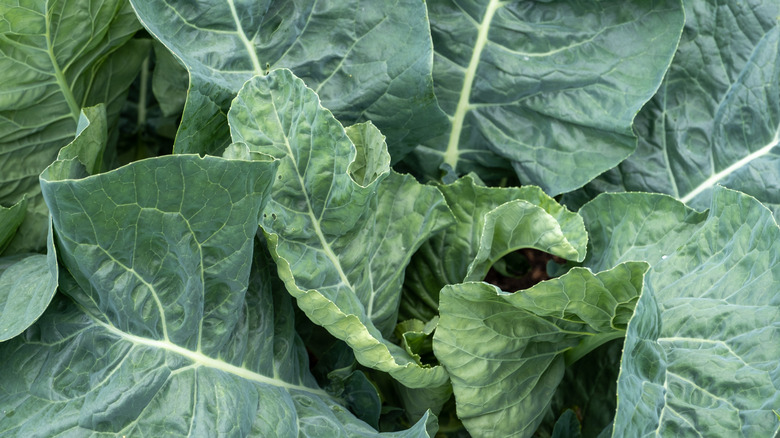
While often considered a Southern tradition, collard greens are delicious no matter where you live. The cold temperatures make these naturally bitter greens taste sweeter, as is the case with its cousin kale and other brassicas: Veggies such as broccoli, cabbage, Brussels sprouts, and bok choy, among others. Unlike in summer, where hot weather and long days can make them bolt (go to seed) and taste bitter, dropping fall temperatures improve your product and justify your labor.
Therefore, if you want to get the most out of collards, treat them as a fall veggie. "Select varieties...have been bred to be extremely cold-hardy, such as Champion with its blueish-green leaves and vigorous growth or Morris Heading with its mild flavor, made sweeter if picked just after a frost," Lucie Bradley advises. Like other greens, she says, it appreciates nutrient-rich soil, good drainage, at least six hours of sunlight, consistent moisture, and elbow room — thinning to about 12-18 inches should do it.
4. Lettuce
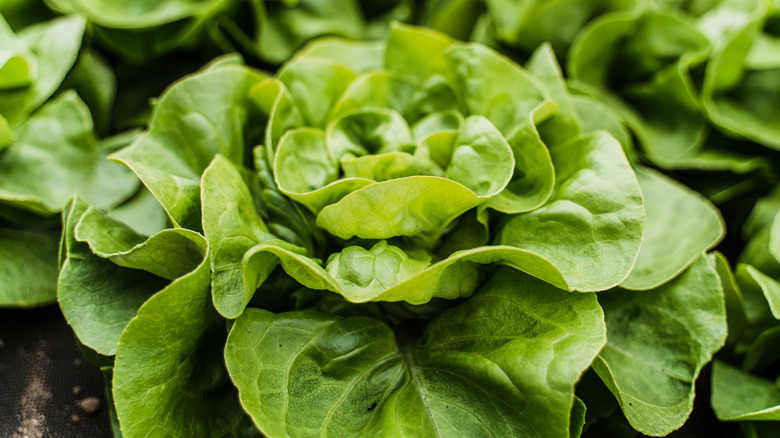
Lettuce prices are skyrocketing at the store and likely to remain high for a while, making it one of the best vegetables to plant in the fall (at least if your pocketbook is a concern). "Lettuce grows very quickly, so it can be harvested in the shorter fall season," Lindsey Chastain explains. Fall varieties, like butterheads or loose-leaf lettuce, are your best garden choices. Chastain likes to stagger her plantings, putting each one in the ground a few weeks apart, to keep the fresh lettuce coming all season.
If you don't have a lot of space in your garden, lettuce has shallow roots, which makes it one of the vegetables amenable to growing in pots. James Mastaler prefers to put them in containers or tuck them into the corners of his garden beds for quick, repeated harvesting. In fact, if you don't feel like trying your hand in the great outdoors this fall, lettuce is actually one of the easiest veggies to grow inside.
5. Arugula
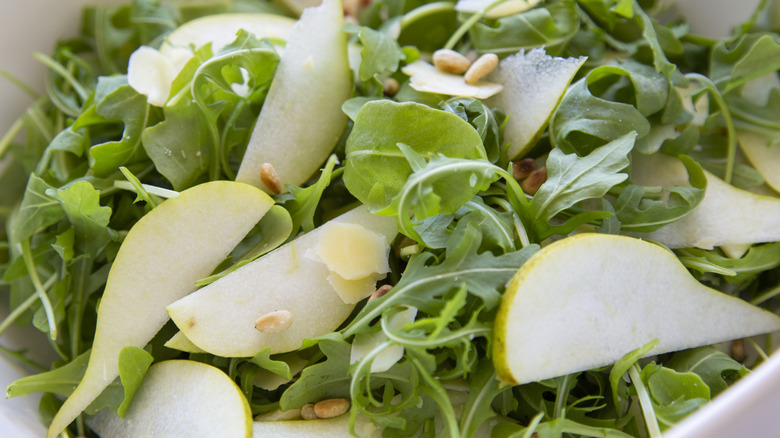
Another member of the brassica family, arugula has pretty, feathery leaves and a sharp, peppery bite that is delicious raw, sautéed, in soup, and in various other cooked dishes. Like its cousins, it gets better in cooler temperatures and can withstand light frosts. Plus, the thermometer drop makes it less susceptible to bolting and reduces pest activity, reminds Lucie Bradley. Argula is "a great 'cut-and-come-again' crop" that you can harvest as soon as three to four weeks or wait a fortnight for a more mature plant. Really, though, arugula is delicious at any stage, which is why it's one of our favorites to plant in the fall.
Which arugula varieties you choose will depend on your planting and harvesting priorities. "Select varieties like Even Star Winter or Tuscan, which have great tolerance for colder temperatures," Bradley advises, "or for faster growth, choose Astro or Speedy."
6. Broccoli
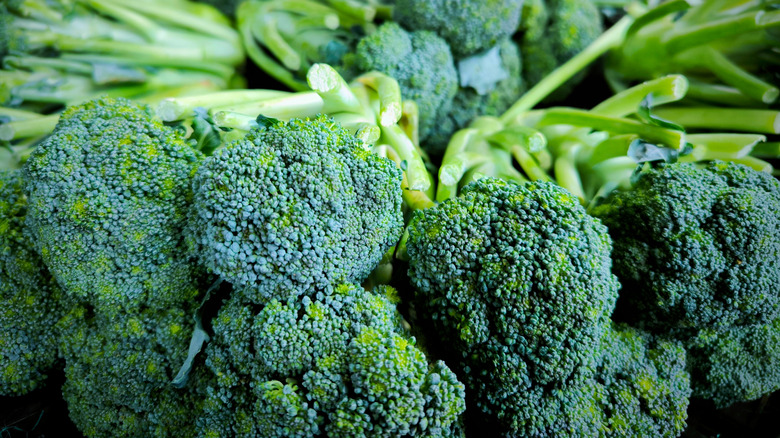
Guess what? Broccoli is also a brassica. Starting to see a pattern? That's because the brassica family produces many of the best vegetables to plant in the fall, and broccoli is no exception. Lucie Bradley says that it's a superfood that is cool-temperature-loving, has a good outdoor germination rate (so you don't have to mess with indoor starts), and is easy to grow.
Bradley suggests selecting fast-growing varieties, like Belstar or Calabrese, that are more conducive to thriving in fall temperatures. However, she says, De Cicco is a good variety if you have more time before harvesting. "You can continue to grow and harvest the side shoots after the main head has been harvested," she says.
Just make sure to plant your broccoli somewhere protected from the wind, and test the soil, amending for nutrients where necessary. Broccoli needs good, rich soil, Lindsey Chastain says. Dig in your amendments, such as compost, with a good trowel — the Fiskars Ergo Garden Trowel should work — before planting.
7. Cauliflower
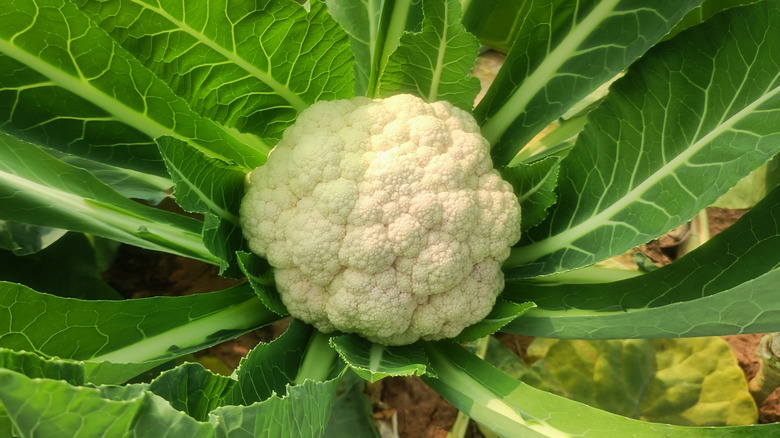
Also on the list of brassicas, cauliflower is as delicious baked simply with olive oil and parmesan as it is in more laborious dishes: Think non-mushy cauliflower rice for bowls, air fryer cauliflower steaks, and even roasted cauliflower tacos with the works. No more boring veggies over here!
Cauliflower loves cooler temperatures and can survive frosts down to 28 degrees Fahrenheit. Indeed, it's the summer you've got to worry about, where this veggie finds it difficult to grow a nice head. And unlike spring, where temperatures are cooler but warming fast, fall gives you a nice, long, cool growing period, where the beginning of winter poses no threat. To give your cauliflower the best chance at success, it's important to make sure you nurture your garden after two growing seasons. Prior to sowing your seeds, it's important to remember to add nutrients back into the soil a few weeks prior to planting, with things like compost or manure.
Watering is another concern. "Although the fall will be cooler and usually wetter, you still need to keep in mind that your fall crops will often need consistent moisture to flourish," Lucie Bradley says. Although it may rain in the fall, it shouldn't be your only means of watering your plants. Make sure plants get enough water, focusing especially on newly sown seeds and young plants, so that they can establish a healthy root system.
8. Brussels sprouts
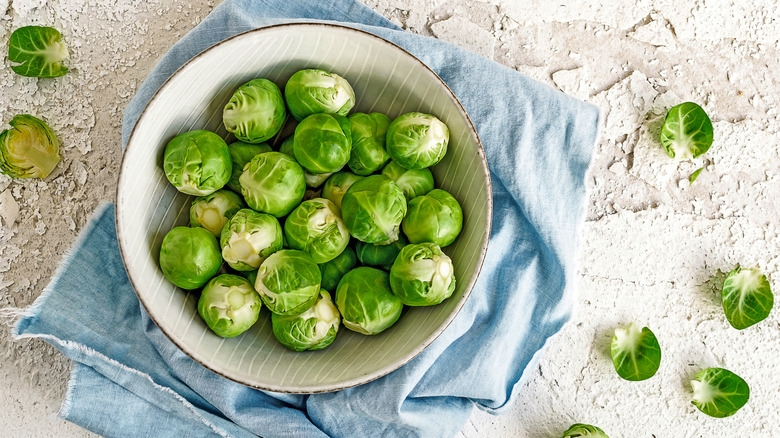
Brussels sprouts are another nice, cool-weather crop, if their constant presence at the holidays is any indicator. At this point, you won't be at all shocked to learn that they're a brassica and have therefore earned their spot on this list. Some like them roasted with a package of bacon, cut into lardons and fried in a pan, then poured over the top of the halved Brussels sprouts, drippings and all. Toss, broil, and serve alongside meat or as a side dish with quiche. Yum!
To harvest sprouts in the fall, where they will keep producing until a hard freeze, you should plant them in mid or late summer. The length of your season will be determined by your first frost, so it's important to check that before planting. Make sure you read the directions about days to germination on the seed packet or ask about starts at the garden center, then count backward from the hard freeze date and plant accordingly.
9. Carrots
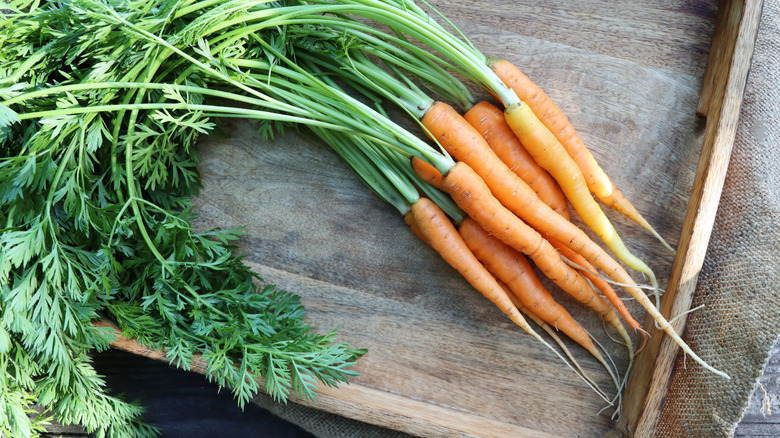
Carrots are another vegetable that thrives in the fall when the cooler temperatures help to make them sweeter. That's because the natural sugars in carrots concentrate as the temperatures drop. This helps to protect them from the freezing temperatures that start to set in come late fall.
"Carrots take a while [to grow], so the earlier you plant, the better," Lindsey Chastain says. "As the temps get even colder, put some shredded, dried leaves on the soil to mulch, and you can keep harvesting as the winter temps roll in."
If you take good care of them, you may be able to harvest your carrots well into winter, right up until the ground freezes solid — which in some areas, it never does. Lucie Bradley recommends varieties such as Paris Market and Little Finger if you want to focus on fast growth.
10. Radishes
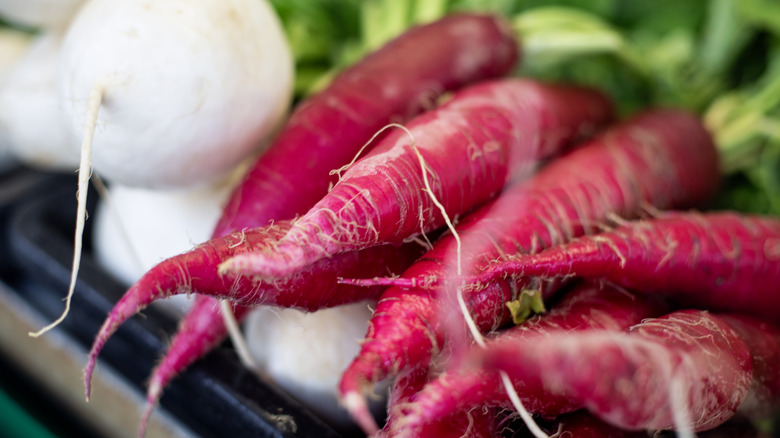
A cruciferous veggie that is brassica-adjacent, radishes are another great vegetable for fall planting. They're easy, tasty, and beautiful sliced on salads or charcuterie boards. "Radishes are quick to mature — sometimes in just three weeks — which makes them perfect for short fall windows," James Mastaler says. He likes to sow them directly into containers or after harvesting his summer crops. Because they're so easy, they're great to experiment with if you're a new gardener, and they're fun to grow with kids as well. Plus, the fall version is friendlier to those who have sensitive palates as "their spicy bite mellows with cool weather," according to Mastaler.
Note that, like other fall veggies, radishes can get sensitive if the temperatures get too low. "Be prepared to protect your fall crops from quick changes in the weather and lower temperatures by having garden fleece or cloches at hand," Lucie Bradley advises. Otherwise, harder frosts and freezing temperatures can kill your radishes before you're able to get to them.
11. Beets
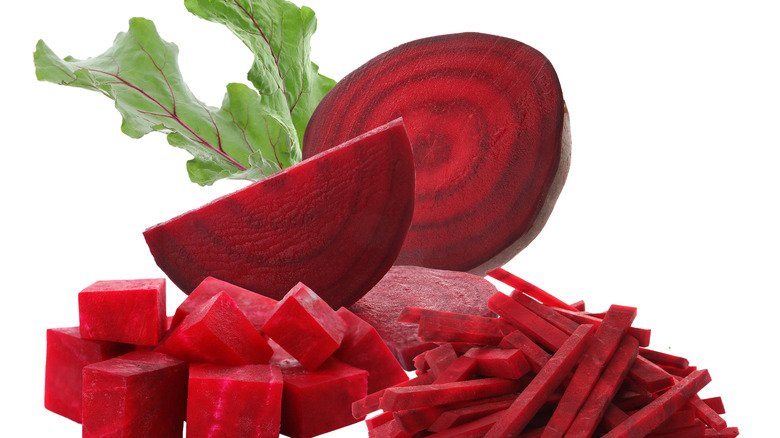
Like carrots, beets produce sugars to protect their roots from freezing when the colder temperatures roll in. For that reason, they're a great vegetable to plant during the fall season. "Growing beets in the fall results in increased flavor and sweetness, which means sweeter, more tender beets when harvested," Lucie Bradley says. She loves varieties such as Winterkeeper and Boltardy, which would be great for at-home gardening. The cold, crisp temperatures also deepen their color, Lindsey Chastain says, which makes them a prettier, more aesthetically pleasing addition to salads and side dishes. And, James Mastaler adds, their leafy tops can be harvested like chard, for cooking or blending into smoothies.
Make sure that, like other veggies, beets get enough water, especially at first. The Flexzilla Garden Hose and Suncast 175-Foot Wicker Style Resin Hose Hideaway with Hose Guide make for the perfect long-distance watering system and will ensure that your soil stays moist all season.
12. Turnips
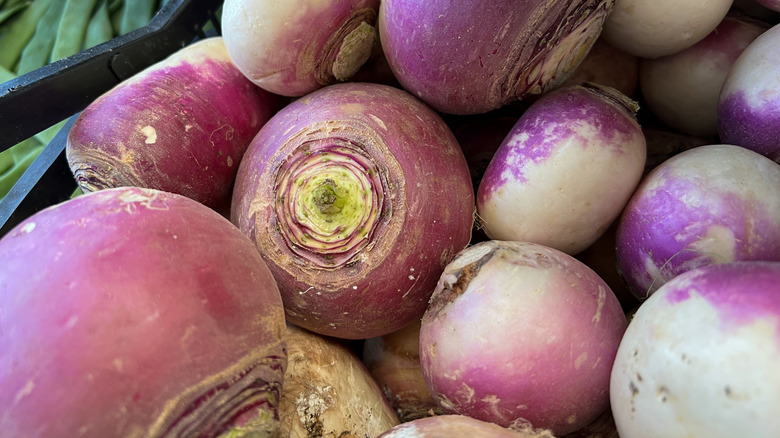
Like beets, carrots, and different types of leafy vegetables, turnips benefit from the sweetening and tenderizing effects of cooler weather. "Ideally, select varieties known to be particularly cold-hardy, such as Purple Top White Globe, which takes around 50 days from sowing to be ready to harvest, or Amber Globe, which takes about 60 days to mature," Lucie Bradley recommends. She likes the latter, which has a sweet, fine-grained, pale yellow root.
If you're planting later in the season, however, you can prioritize speed in the types of turnips you choose to plant. Bradley's preferred varieties that are quick to harvest include white-fleshed and delicate-tasting Hakurei, which matures in 30 days, or French heirloom veggie Des Vertus Mateau, which is ready in 35 days. Remember to give turnips loose, well-drained, amended soil and lots of sun so that they grow and mature properly.
13. Garlic
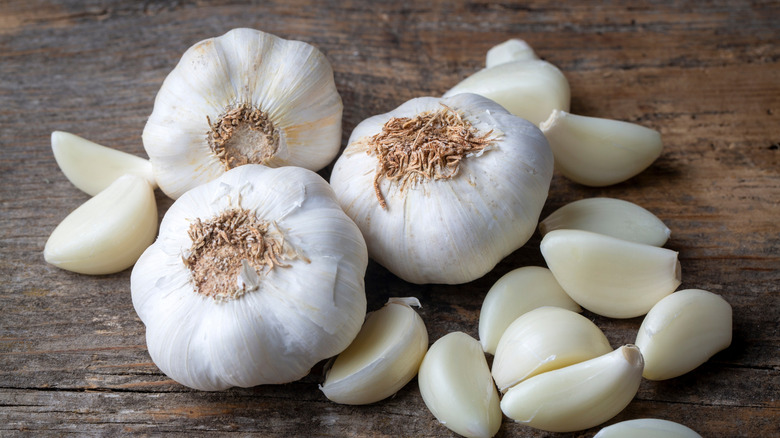
Lindsey Chastain says she loves to plant garlic in the fall, but advises gardeners not to be misled by this aromatic staple. Unlike many veggies, garlic won't be ready to harvest right away. Rather, it needs time to mature in the soil throughout the winter and spring so that it's ready to be pulled come summer. Thankfully, garlic is relatively easy to dry and store long-term, so one harvest is likely to last you until your next planting season. Therefore, even though you won't get to enjoy its pungency right away, it's still great to plant in the fall. And if you keep the cycle going every autumn, you'll enjoy eating year-round.
James Mastaler says that garlic is a nice seasonal bridge because he's able to plant it in the fall and continue tending to it throughout the winter and spring. "It's a great way to stay connected to the garden through the colder months."
14. Peas
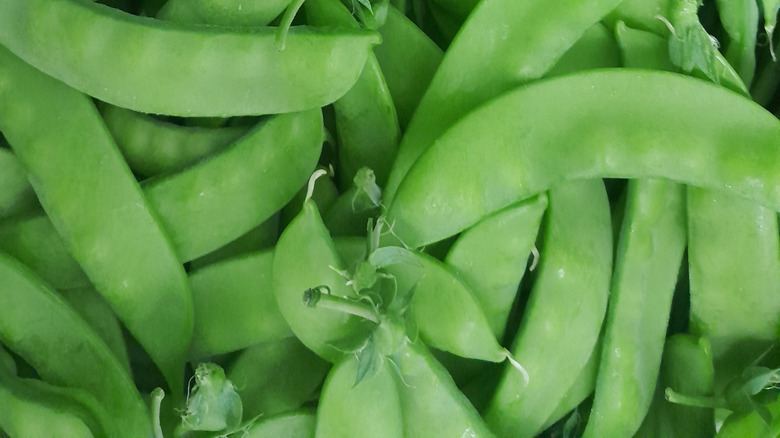
While they are the ultimate spring garden champion, peas are great for fall planting as well. Although they won't produce with the same abundance that they will in spring, they're still delicious and sweet in the fall months. You should also know that shelling peas are a dicey fall proposition. Instead, stick to sugar and snap pea varieties, where you eat the pods and therefore the peas themselves needn't be mature. Peas also want support when they grow. Tomato cages, like this Legigo Tomato Cage Six-Pack, work well to keep the plants raised while you wait for them to fruit.
Typically, peas take between 70 and 80 days to mature, about 10 days longer than in spring. "Fall gardening requires a bit of thinking ahead," James Mastaler says. You need to be aware of your area's first frost date in order to know when best to plant crops for optimal maturity. In Mastaler's Chicago garden, that means July or August seed sowing. He also reminds that plants still need water despite the colder weather, so don't forget to keep them hydrated. In addition to ensuring careful watering practices, you should also make sure to keep your plants' leaves clean.
15. Chard
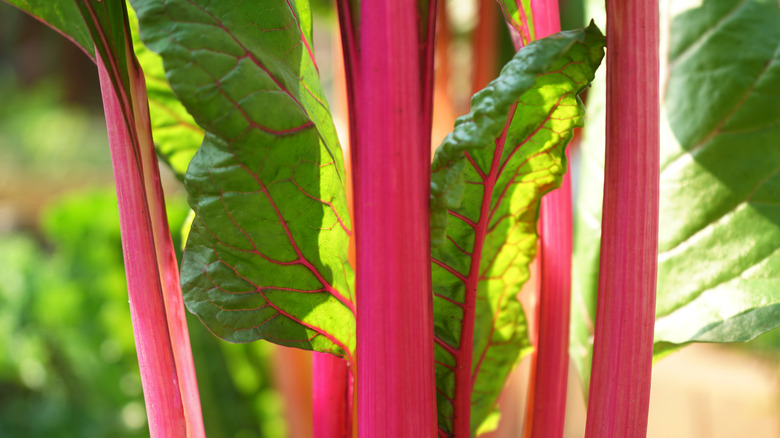
James Mastaler suggests that Swiss chard is the MVP of fall garden veggies. "It tolerates light frosts and provides both beauty and nutrition late into the season." He loves that it adds color to his garden, as well as the fact that it will keep producing even after the weather dips below 32 degrees F at night. If you want to keep it growing even longer, you can use cold frames, contraptions made of a wood, plastic, or metal frame with plastic stretched over them. This turns your bed into a tiny greenhouse, protecting plants longer. If you don't want to build them yourself, try the Quictent Portable Mini Cloche Greenhouse.
Remember that you can also extend your harvest season with succession planting. Planting a few every week or so instead of all at once means you'll be able to harvest them throughout the season. This is also an opportunity to amend the soil. By adding extra nutrients to the soil, you'll ensure that your garden has soil that's ready to take on more plants come spring.
16. Cabbage
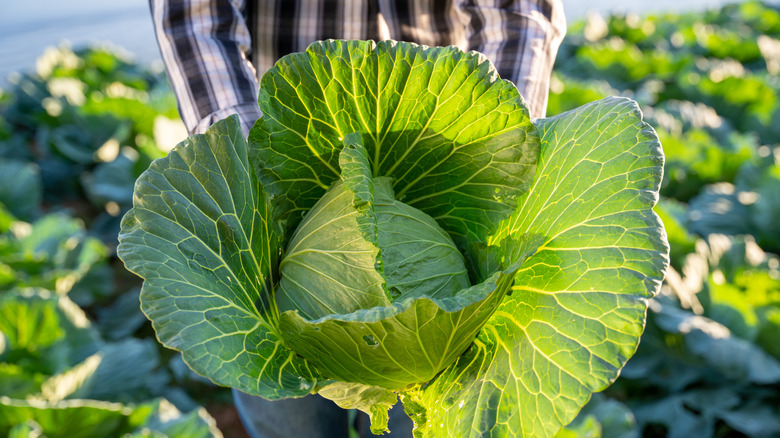
Rounding out the list of optimal fall veggie plants is the incredibly versatile cabbage. It is tasty sautéed or baked, in soup and with dumplings, and it's well-suited to cool weather. To grow cabbage in the fall, find out the frost date for your area, work backward a week or two, and set that as your harvest date. Then plant your seeds between 50 and 75 days before that, using early-maturing varieties.
Overall, James Mastaler says that you shouldn't be afraid to think of your fall garden as a fresh start. Regardless of your summer gardening outcomes, fall provides less pressure to try again. He also encourages peppering in some pollinator-preferred flowers that'll help flowering late-season crops like tomatoes.
Additionally, he says, this is a great season for nurturing your soil. "Adding compost, mulching, or cover cropping can help prepare your garden for the next season while still growing food today," Mastaler concludes.