

12 Tequila Brands With Their Own Dedicated Distilleries
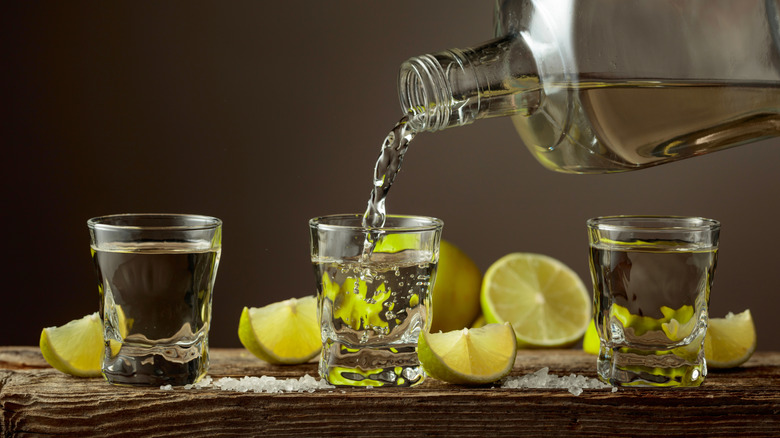
If you're a fan of tequila, you're probably aware that true tequila can only come from Mexico. But do you know exactly where your favorite bottles are produced? Most tequila on the market today comes from shared distilleries, where dozens and sometimes hundreds of brands are produced under a single roof. While that model makes it easier for new labels to enter the market, it often means less control over how the tequila is made. However, a small number of brands actually own their own distilleries.
So how can you tell if your tequila comes from a shared distillery? That's where the NOM (Norma Oficial Mexicana) comes in. It's a four-digit, government-issued number that identifies the distillery behind each bottle. Every bottle that's legally recognized as tequila will have this number listed on the label. And if you look up the NOM on sites like Tequila Matchmaker, you can see exactly how many brands are produced at the distillery.
Of course, just because a tequila is made at a shared distillery doesn't mean it's inferior. Some of the most respected tequilas on the market come from facilities that produce multiple brands. But there's something to be said for brands that operate their own distilleries and are the sole brand under their NOM. With full control over every step of the process, these producers often have a singular vision and a more hands-on approach. Here are some notable tequila brands that are the sole occupant of their distillery with no other labels made under their NOM.
Tequila Fortaleza - Los Abuelos (NOM 1493)
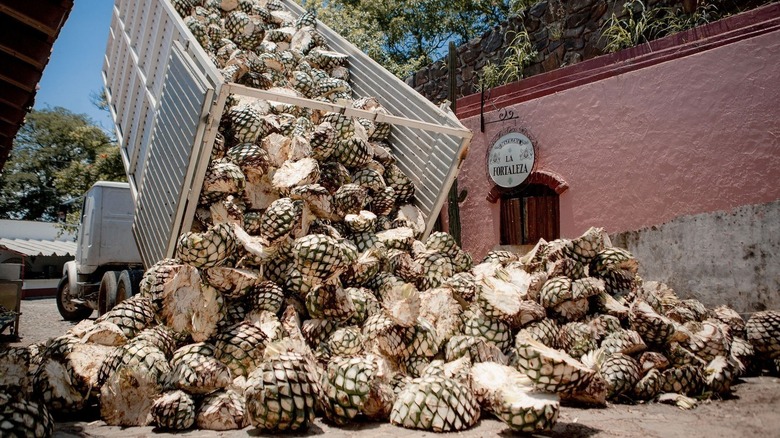
The family behind Tequila Fortaleza has been in the tequila business since 1873, when Don Cenobio opened a distillery in a town called Tequila and pioneered the steam cooking process. His grandson, Don Javier, played a key role in establishing the Denomination of Origin for tequila and built the Fortaleza distillery that still stands today. In 1999, Javier's grandson, Guillermo, revived the Fortaleza distillery, and in 2005, he launched Tequila Fortaleza, also labeled as Los Abuelos in Mexico.
The Fortaleza distillery sits on a hill overlooking the Tequila Valley and contains much of its original equipment. The family uses traditional and artisanal methods to make the tequila, including steaming the agave piñas in stone ovens, extracting the juice with a stone tahona wheel, fermenting it in wooden tanks, and distilling it in copper pots that are over 100 years old.
There are several Fortaleza expressions to choose from, including a blanco, blanco still strength, reposado, and añejo. The brand also offers limited edition winter blends. The expressions come highly recommended by experts, particularly the winter blends and the añejo, which some say is one of the best añejo tequilas on the market. If you want to see where all the magic happens, Fortaleza offers guided distillery tours in both English and Spanish.
Patrón (NOM 1492)
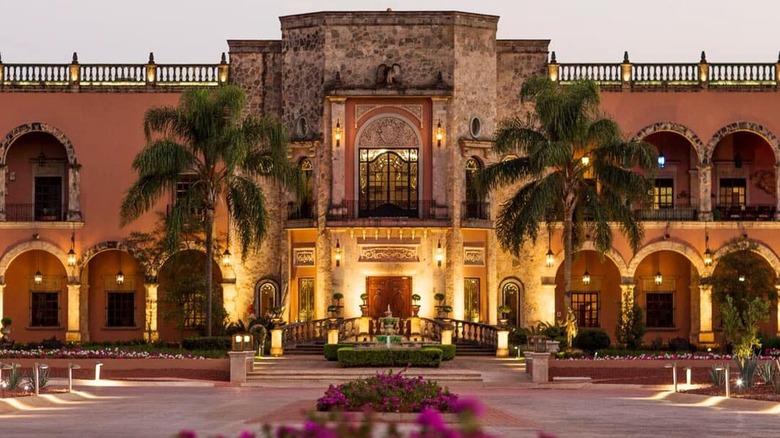
Few tequila brands are as widely recognized as Patrón. The company was founded in 1989 with the goal of producing premium 100% agave tequila. In the beginning, the company worked with the Siete Leguas and El Viejito distilleries to produce its tequila but later opened its own distillery called Hacienda Patrón in 2002. In 2005, Patrón bought the El Viejito facility when the owners moved to a new location.
Located in Atotonilco el Alto in the Jalisco highlands, Hacienda Patrón is a sprawling estate that houses the main distillery, a yeast lab, chapel, dining areas, and a tasting room. The exclusive La Casona hotel is also on the property, but rooms are hard to come by because it's invitation-only. Casa Patrón is in downtown Atotonilco, and it's where Patrón produces its roller mill tequila.
All of Patrón's tequilas start with hand-chopped agave piñas that are cooked in brick ovens, then crushed with tahonas and roller mills. The juice is fermented, then distilled in copper pot stills. Patrón offers a wide range of expressions, including the standard silver, reposado, añejo, and extra añejo. There are also innovative creations like the Gran Patrón Burdeos that's finished in Bordeaux wine barrels and the Ahumado (smoked) expressions.
Volcán de Mi Tierra (NOM 1523)
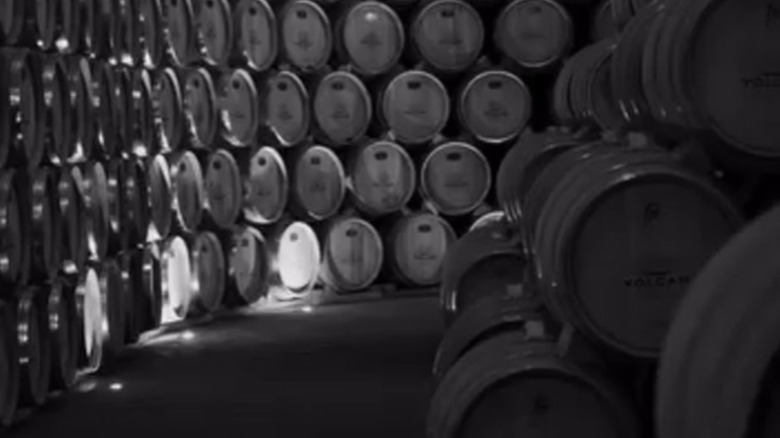
Although Volcán de Mi Tierra just launched in 2017, there's a wealth of experience behind the brand. The company is a collaboration between Moët Hennessy and the Gallardo family, who are fifth-generation tequila makers. The family has been living in the foothills of the Tequila Volcano since 1774, and they draw on their intimate knowledge of the terroir and distilling techniques to produce the tequila at the Agrotequilera de Jalisco distillery.
What sets Volcán de Mi Tierra tequila apart from other brands is that it uses a blend of highland and lowland agave to create its expressions. You get the fruity, floral notes from the highland agave and earthy, mineral notes from the lowland agave. In addition, the company is committed to producing 100% agave tequila with no additives.
Volcán de Mi Tierra currently offers five expressions made with traditional methods like cooking the piñas in stone ovens and fermenting the juice in wooden tanks. The blanco and blanco tahona are the purest forms of the tequila, while the reposado offers hints of oak. The Cristalino is a blend of reposado and añejo tequilas, and the X.A. Xtra Assemblage is a blend of reposado, añejo, and extra añejo tequilas.
Siete Leguas (NOM 1120)
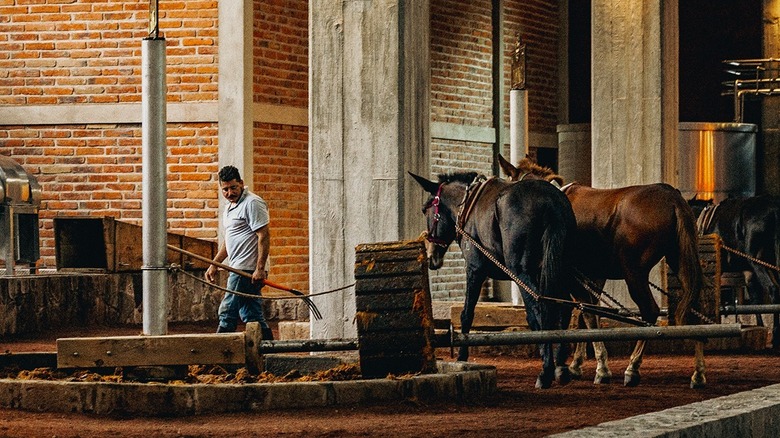
Founded by Ignacio González Vargas in 1952, Siete Leguas is all about artisanal tequila produced in small batches. The brand was named after General Francisco (Pancho) Villa's horse, El Siete Leguas, and it refers to the seven leagues the horse would tirelessly travel taking the general into battle every day. Although Siete Leguas once worked with Patrón, it now focuses solely on its own tequila.
Siete Leguas owns two distilleries in Atotonilco el Alto. El Centenario is the original, and it has brick ovens and a stone tahona wheel that's pulled the old-school way by mules. There, the juice is fermented and distilled with agave fibers. La Vencedora is the newer distillery with brick ovens and roller mills. Siete Leguas' expressions are a blend of tequilas from both distilleries.
With its unique techniques like using wild criollo agave and natural yeasts from fruit trees on the properties, as well as including the agave fibers in the final stages of production, Siete Leguas offers unique flavor profiles that you don't find in many other tequilas. You can choose from a blanco, reposado, añejo aged two years, the Siete Leguas de Antaño aged five years, and the Single Barrel aged between eight and 12 years. Siete Leguas is also open to visits by appointment.
Suerte Tequila (NOM 1530)
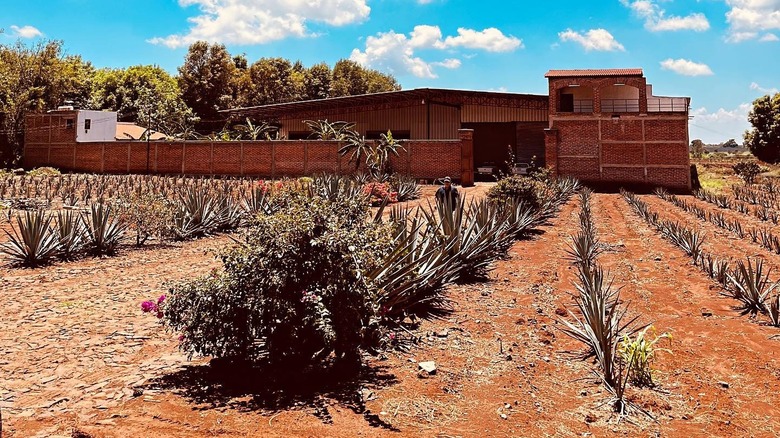
Launched in 2012, Suerte Tequila is produced at the Tequilera Simbolo distillery in Atotonilco el Alto. The brand was founded by Laurence Spiewak and Lance Sokol, two Boulder-based entrepreneurs who wanted to make artisanal tequila. The duo teamed up with master distiller Pedro Hernandez Barba, whose family previously owned the distillery. The name means "luck" in Spanish.
Suerte owns not only the distillery where its tequila is produced but also the land with agave fields. It uses agave from its own land and sources extra from local farmers. Only mature agave that's at least six years old is harvested, and the piñas are slow-roasted in ovens for 56 hours. Then, every piña is crushed with a one-and-a-half-ton volcanic stone tahona wheel. The juice is fermented for 72 hours, then it's double-distilled, first in stainless steel stills, then in copper stills.
There are currently four Suerte expressions to choose from. The blanco is herbal and fresh, making it a great tequila for margaritas. The blanco still strength is distilled to 104 proof and bottled as-is with no water added to bring down the alcohol by volume (ABV). Then there is a reposado aged seven months in oak barrels and an añejo aged for two years. The company also makes canned tequila cocktails.
El Tequileño (NOM 1108)
El Tequileño has a lengthy history in the town of Tequila. The distillery was established by Don Jorge Salles Cuervo in 1959. As you might guess from his name, he is indeed a member of the Jose Cuervo family. When he branched out on his own, he began producing tequila made with highland agave and volcanic spring water. Today, the distillery is helmed by his grandson, Antonio Salles, and it still produces only its own tequila.
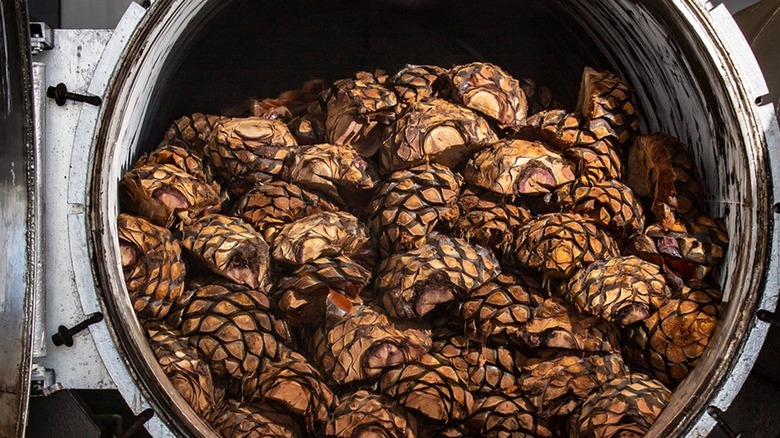
La Guarreña distillery has expanded over the years, and it now includes a boutique hotel called Casa Salles on the property. Hotel guests and outside visitors can book tastings and distillery tours. While there, you can learn how the agave piñas are steamed in autoclaves, milled, and fermented in open-air tanks with naturally occurring yeasts from mango trees on the property. The final steps are distilling the tequila in copper stills and aging it in wooden barrels.
If you join a guided tasting, you'll get the chance to sample several of El Tequileño's expressions. Picks could include the blanco, reposado, and cristalino. Some tastings and tours include premium tequilas like the Gran Reserva reposado and añejo. There are also food pairing sessions where you can discover some of the best foods to pair with tequila.
Chinaco Tequila (NOM 1127)
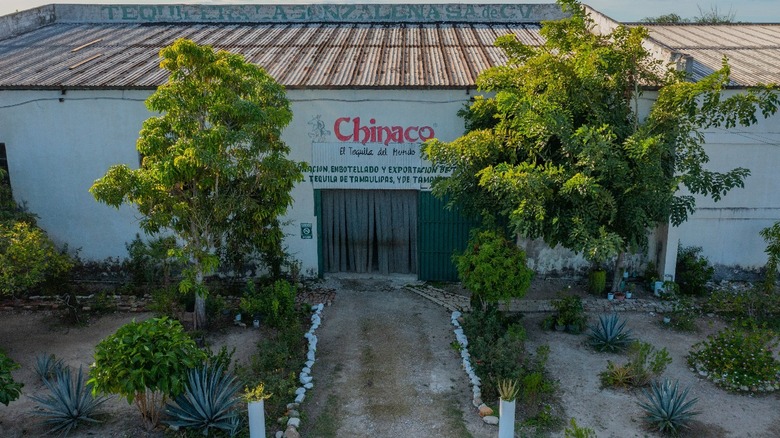
While the majority of tequila is made in the state of Jalisco, there are four other states where it can legally be produced: Nayarit, Michoacán, Guanajuato, and Tamaulipas. The La Gonzaleña distillery is the only tequila distillery in Tamaulipas, and it only produces Chinaco Tequila. Established in 1972 by Don Guillermo González Diaz Lombardo, the business is still run by his family today.
The agave for Chinaco Tequila comes from the family's ranch as well as local farms in the area. The family makes a point to plant over 60,000 saplings every year that come from the mother plants to ensure that the supply is sustainable and the quality remains consistent. The agaves are roasted in autoclaves, crushed with a sugarcane press, then fermented with proprietary yeast for 72 hours, and distilled in copper stills.
Chinaco offers several expressions, all of which are additive-free tequilas. You can opt for the bright blanco, soft reposado, or rich añejo. Special bottles include a limited-edition 50th anniversary añejo, a still-strength blanco, and an extra añejo. And if you happen to be in Tamaulipas, Chinaco offers tours so that you can learn about the process and sample the tequila at its source.
Don Julio (NOM 1449)
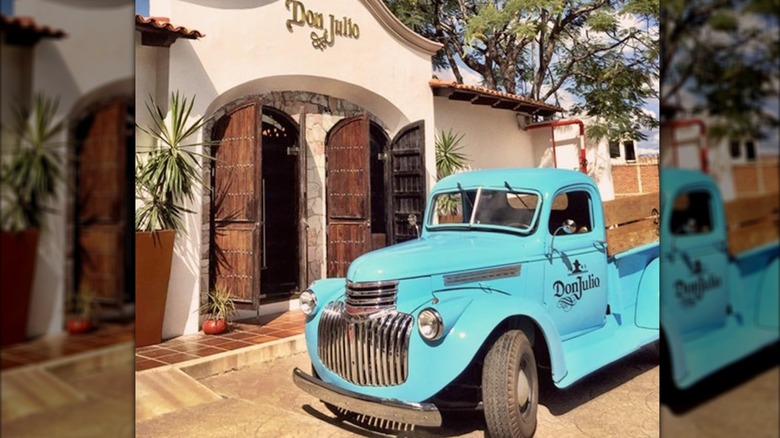
In 1942, Don Julio González built La Primavera distillery in the Jalisco highlands. Although he was 17 years old, his attention to detail and passion for quality tequila eventually grew the business into an internationally recognized brand. The distillery is now run by master distiller Enrique De Colsa, who studied under González and carries on many of his traditions to this day.
La Primavera is now called the Don Julio distillery, and it's located in Atotonilco el Alto at about 6,500 feet above sea level. Production at the distillery is massive with over 20,000 liters of tequila being made every day. The process starts with chopping the piñas and steaming them in stone ovens for 48 hours, then milling them and fermenting the juice for at least 26 hours with proprietary yeast. The tequila is twice distilled and either bottled right away or rested in wooden barrels.
While the Don Julio company (now owned by Diageo) keeps many traditions intact, the brand has never been afraid to experiment with new techniques. In addition to the blanco, reposado, and añejo expressions, you'll find unique bottles like the Rosado that's finished in Portuguese port wine casks and the special Don Julio 70 Cristalino featuring añejo that's filtered until crisp and clear.
El Ateo (NOM 1635)
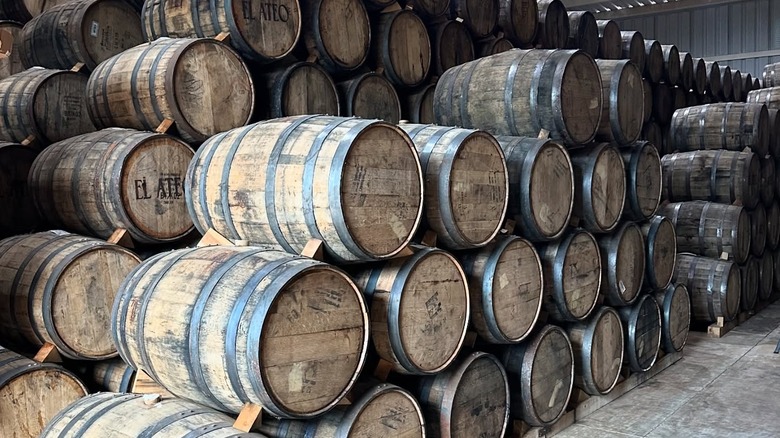
El Ateo is a relatively new tequila brand, but it traces its history back to 1953, when a visionary named Don Luis Villalobos Obregón planted the first agave plants in Guanajuato in the rugged hills of Romito. The company was founded by Obregón's grandson, Luis Ángel Villalobos. His name for the brand translates to "The Atheist," which honors some words of wisdom his grandfather gave him about doing things well in life.
The El Ateo distillery is called Plantaciones Tequilana, and it's located in Arandas, Jalisco. The team uses traditional methods to produce the tequilas, including cooking the piñas in stone brick ovens and crushing them with tahona wheels. The juice goes into stainless steel tanks where it ferments with natural yeasts, then it's distilled in stainless steel pots with copper coils. American oak bourbon barrels are used for resting and aging.
Verified as additive-free, the El Ateo tequilas are already making waves in international markets. The company currently makes a blanco, a 100-proof still strength blanco, a reposado that's rested for six months, and an añejo that's aged between 13 and 14 months. Each expression comes in a recycled glass bottle, and the labels feature great thinkers such as Aristotle, Freud, and Hegel.
Código 1530 (NOM 1616)
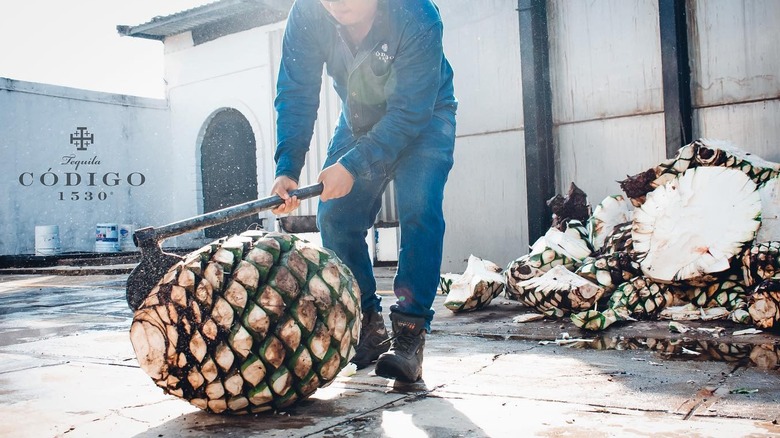
In many parts of Mexico with deep tequila-making traditions, families have passed down their own recipes for generations, producing small batches not for the market, but for sharing with friends and relatives. That's the tradition in Amatitán, a small town in the Tequila Valley where Código 1530's recipe originated. For years, it was enjoyed only within the local community before the family of artisan distillers decided to share it with a wider audience.
The Varo Destileria is a small distillery that only produces Código 1530 tequila based on old codes and traditions. The expressions start with lowland agave that's crushed with a proprietary chopper, then the juice is fermented with local yeast. After distillation, the tequila is either bottled at the source or allowed to rest in Napa Valley Cabernet French oak barrels.
If you want to try Codigo 1530 at its purest, the blanco is the way to go. According to most tasters, it's clean, grassy, and easy to sip. From there, you can branch out to the other expressions like the reposado, añejo aged 18 months, cristalino, and extra añejo aged for six years. There are also several special bottles including limited-edition bottles, rosa tequilas, and extra añejos aged 13 and 14 years. Codigo 1530 also makes ancestral and artisanal mezcals.
Real De Ixtlán (NOM 1628)
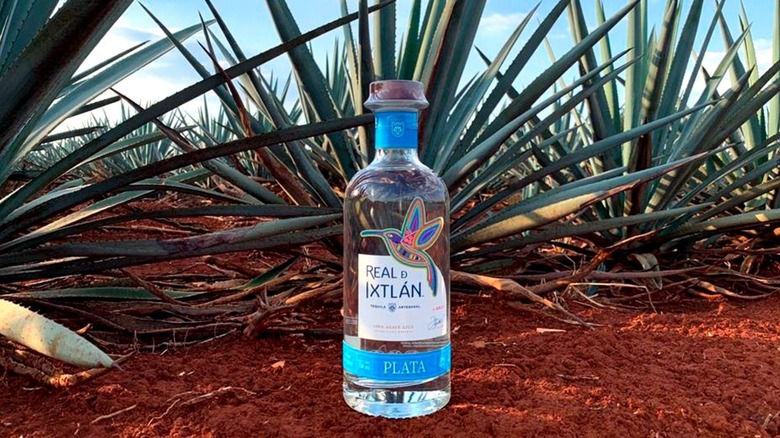
Located north of Jalisco along the Pacific Coast of Mexico, Nayarit is one of only a handful of states allowed to produce tequila. However, to date, there haven't been too many brands coming out of the region. That's part of what makes Real De Ixtlán so intriguing. The company is proud to be a 100% Nayarit-produced brand that operates out of the Dehat distillery in Ixtlán del Rio, which is not too far from the Jalisco border.
Real De Ixtlán makes three expressions, each of which feature labels with symbols from Wixarica culture, such as a hummingbird to represent good fortune and a leaping deer that represents a spiritual guide. The plata is bright and fruity with notes of agave and hints of vanilla. The reposado is rested in American white oak barrels for three months to give it a pale amber hue and notes of wood and spice. There is also a cristalino that won a gold medal from the USA Spirits Ratings 2024 for its notes of fresh agave, grilled fruit, and citrus.
Sierra Tequila (NOM 1451)
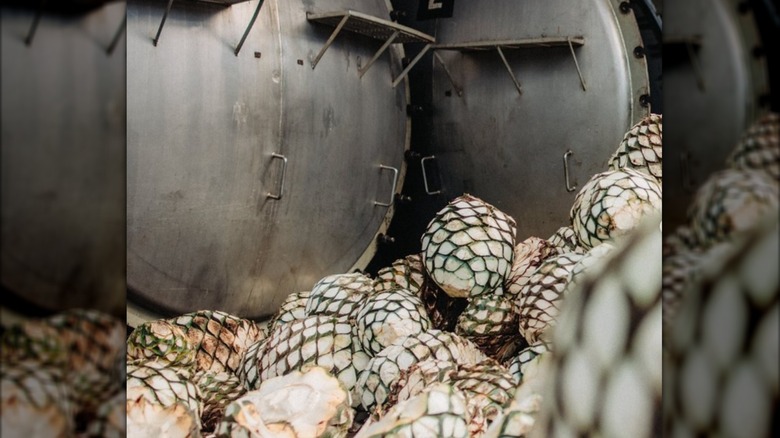
The Destilerias Sierra Unidas distillery is located in Guadalajara and has been owned by the same family for four generations. It's the sole producer of Sierra Tequila, which is made with agaves sourced from valleys and highlands close to Guadalajara. The company employs roughly 300 agave experts who oversee every step of the growing process, from monitoring the soil to choosing the best young agaves to plant.
Once the agaves have matured and are harvested, the piñas are chopped and cooked in autoclaves with low-pressure steam for 24 hours. The juice is extracted with roller mills and fermented with the family's special yeast strain. The tequila is distilled twice and then left to rest in stainless steel tanks for some time before being bottled or put in American bourbon barrels to age.
Sierra Tequila produces two categories of tequila. The regular line meets the sugar standard all tequilas must follow with 51% of the sugars coming from agave, and the remainder coming from Mexican sugar cane. There are two expressions: a blanco and a reposado. Then there is the Sierra Antiguo line that features 100% agave tequila, meaning all of the sugars come from agave. The expressions include a plata, a reposado, and an añejo that's aged up to 18 months.