

Teriyaki Mushroom Noodle Bowls Recipe
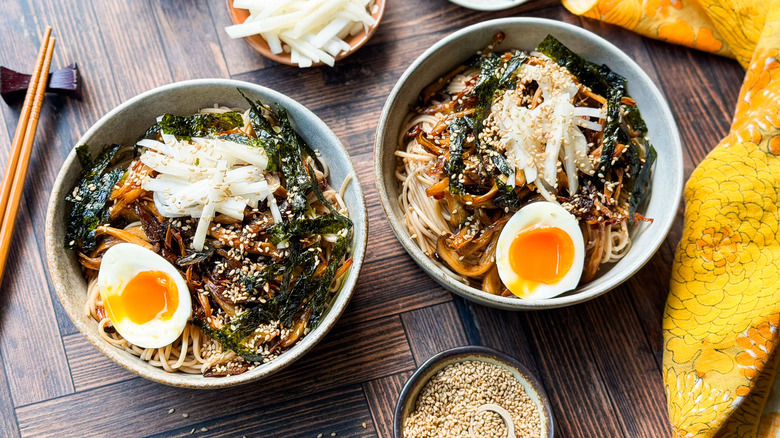
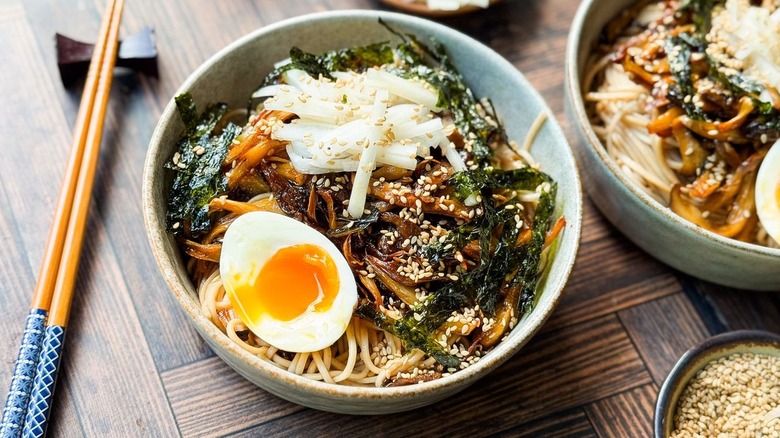
Bowls are a popular menu and at-home item for a quick, comforting, and versatile meal. Built on a starch like rice or noodles, then topped with proteins, vegetables, and sauces, bowls are the ultimate all-in-one meal. What I love when composing a good bowl is to incorporate contrasting textures, temperatures, and a balance of flavors so that each bite is a bit of a delightful surprise, and these teriyaki mushroom noodle bowls have all of those elements. Starting with a base of lightly dressed, earthy soba noodles, layers are built with shreds of roasted and homemade teriyaki-glazed mushrooms, thin and crisp strips of nori seaweed, toasted sesame seeds, and a velvety jammy egg. The crowning glory is a cool and crisp topping of quick-pickled Asian pear and daikon radish slaw. These bowls are true umami bombs from start to finish.
Bowls are often popular meal-prep items, and this recipe can work that way, as well. The soba, mushrooms, teriyaki sauce, slaw, and 6-minute eggs can all be prepared in advance and stored separately in your refrigerator for up to 3 days. The bowls can be assembled as needed (minus the egg) and given a gentle reheat in the microwave. You can re-warm the intact cooked eggs in a bath of warm water, then peel and serve as usual.
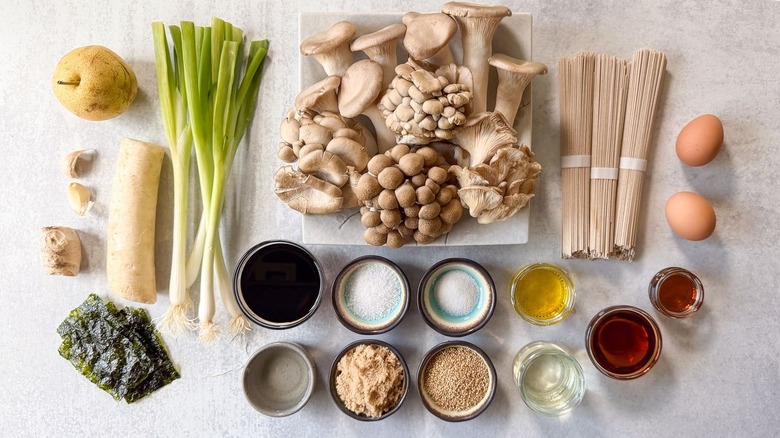
Gather the teriyaki mushroom noodle bowls ingredients
Step 1: Preheat the oven
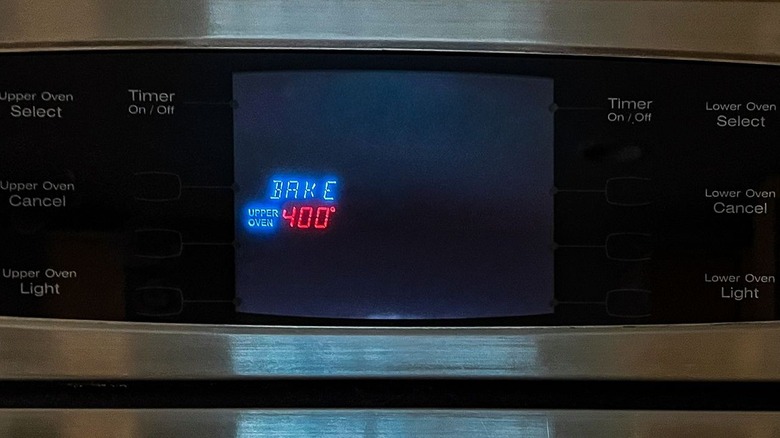
Preheat the oven to 400 F.
Step 2: Prepare a baking sheet
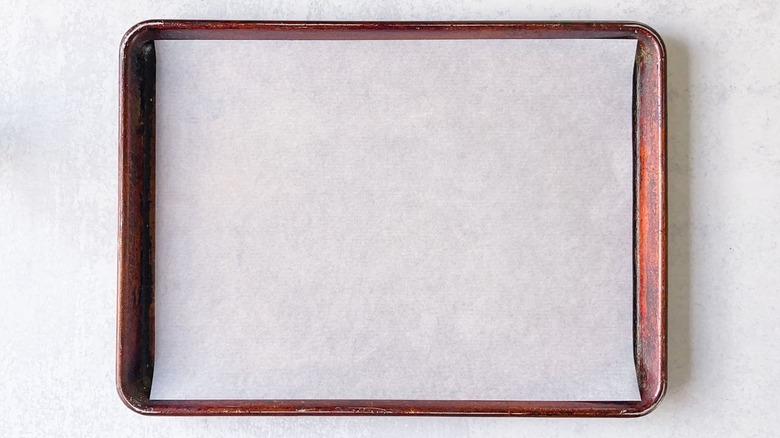
Line a baking sheet with parchment paper.
Step 3: Pull the mushrooms into strips
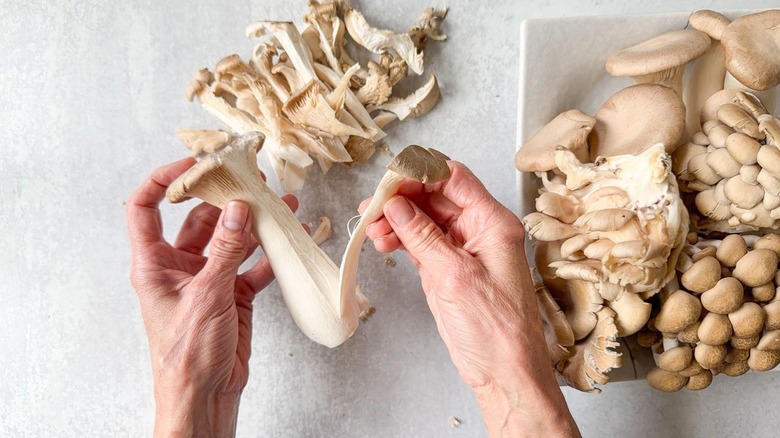
Pull or shred the mushrooms into thin strips.
Step 4: Toss the mushrooms with olive oil and sea salt
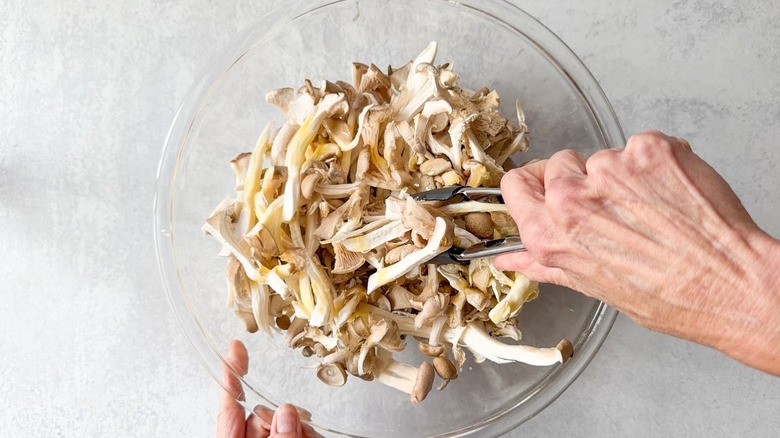
Toss the mushroom shreds with the olive oil and 1 teaspoon sea salt in a large bowl.
Step 5: Roast the mushrooms
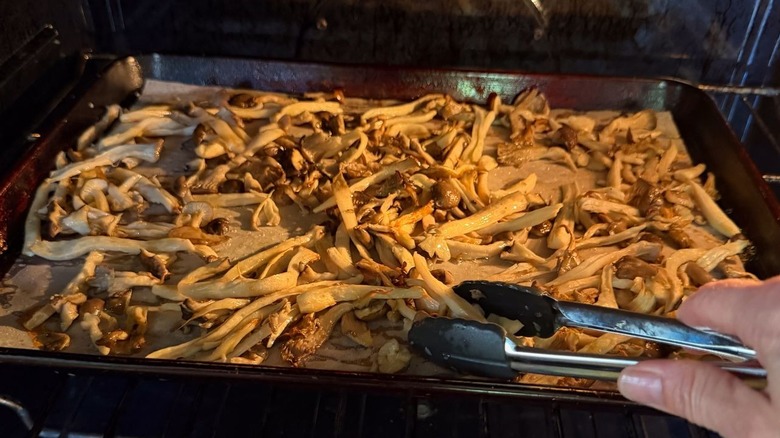
Spread the mushrooms in a single layer on the baking sheet and roast for about 25 minutes until the edges are crispy, stirring a few times.
Step 6: Mix the slaw brine
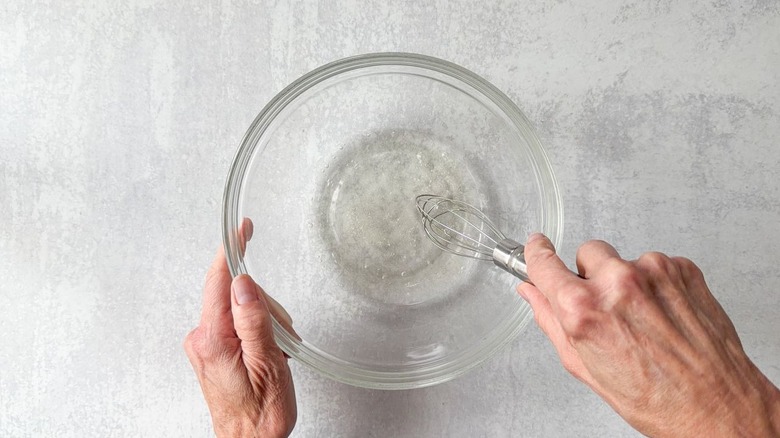
While the mushrooms roast, whisk together ¼ cup rice vinegar, the sugar, and ¼ teaspoon sea salt in a medium bowl.
Step 7: Add the Asian pear and daikon
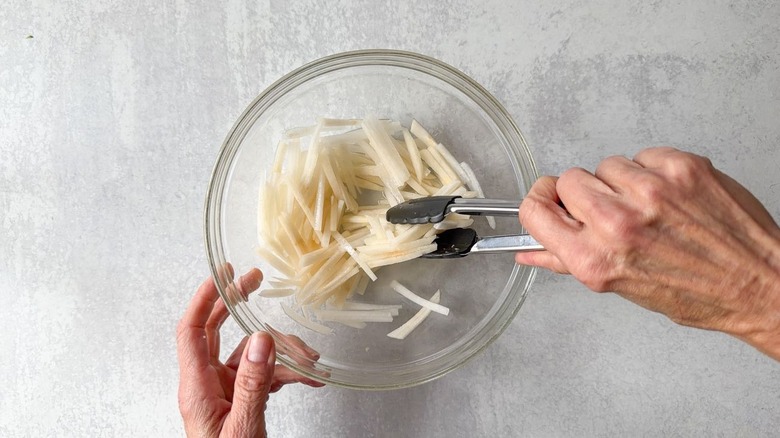
Add the Asian pear and daikon, tossing to coat.
Step 8: Let the slaw pickle
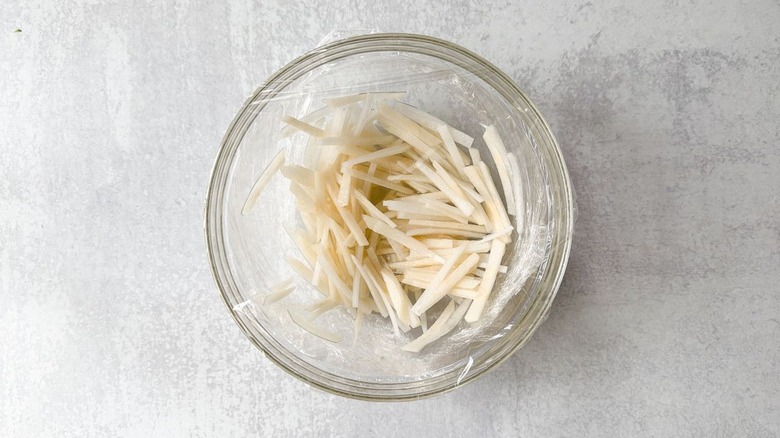
Cover the mixture to pickle and set aside at room temperature.
Step 9: Bring water to boil
Bring a pot of water to a boil.
Step 10: Lower the eggs into the pot
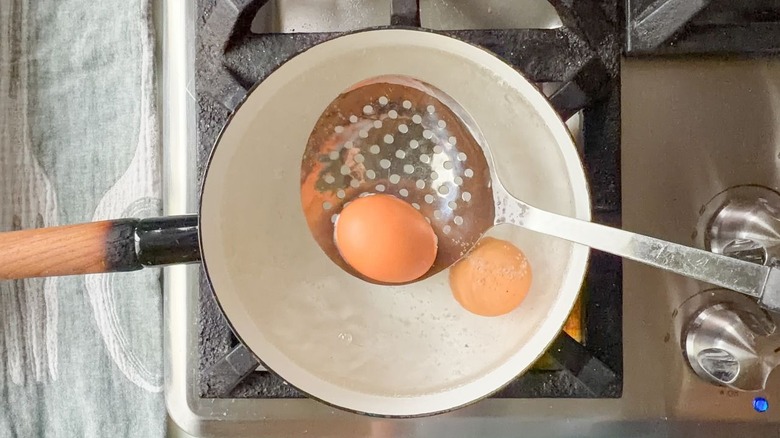
Carefully lower the eggs one at a time into the pot.
Step 11: Cook the eggs for 6 minutes
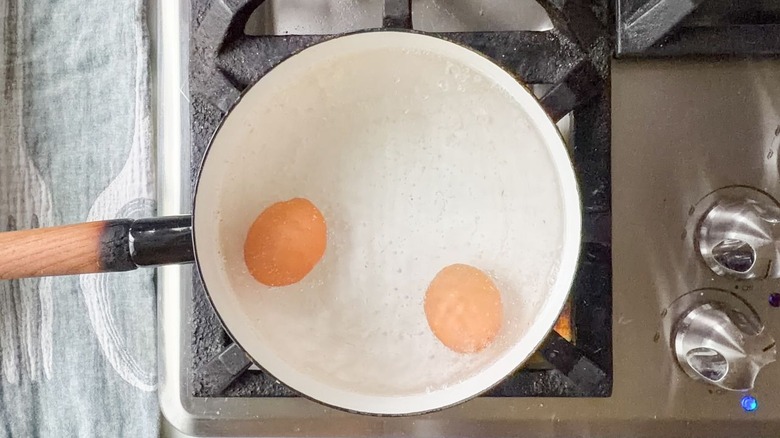
Set a timer for 6 minutes and cook the eggs at a gentle boil.
Step 12: Prepare an ice bath
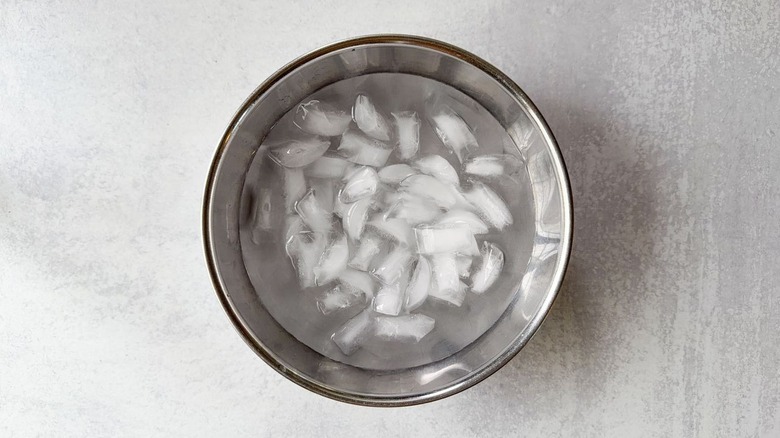
While the eggs cook, prepare a bowl with ice cubes and cold water.
Step 13: Submerge the eggs in the ice bath
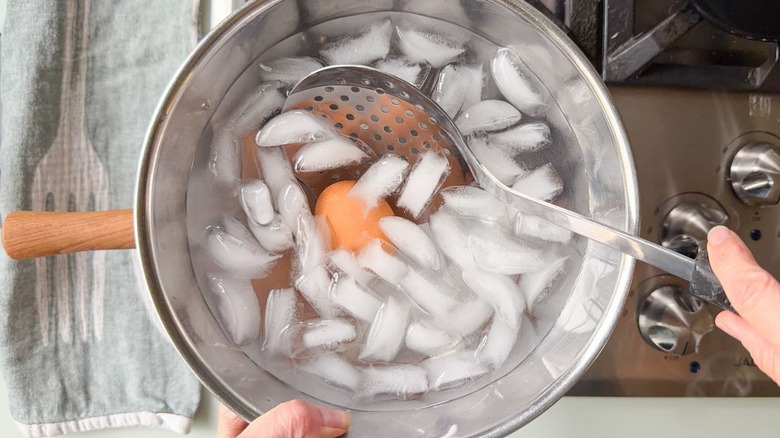
Immediately remove the eggs from the pot with a slotted spoon and submerge in the ice bath. Let sit for 5 minutes.
Step 14: Peel and halve the eggs
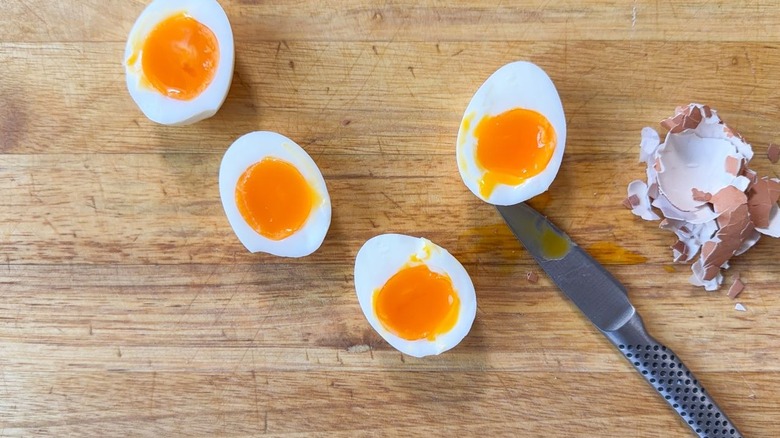
Peel and halve the eggs.
Step 15: Dry-char the scallions
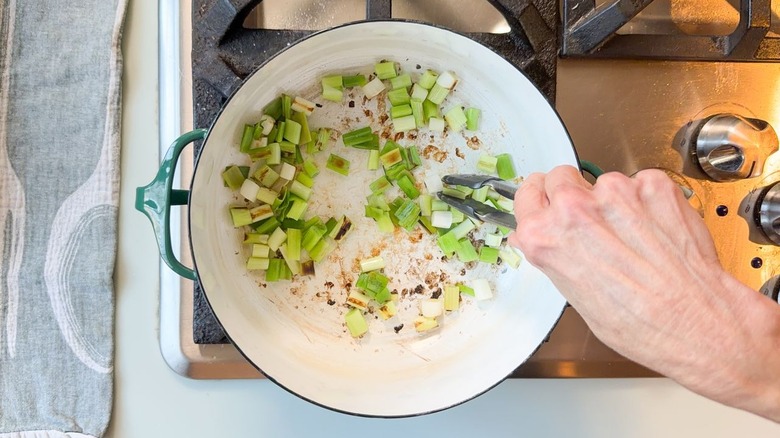
Heat a pot over medium-high heat and add the scallions to dry-char for about 2 minutes.
Step 16: Add the remaining teriyaki sauce ingredients
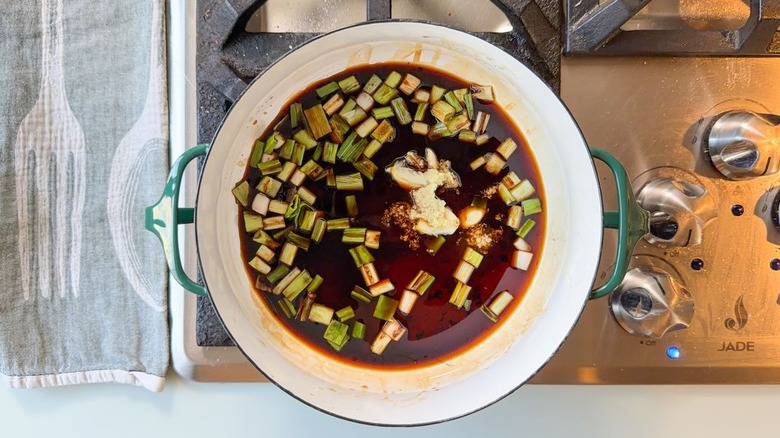
Lower the heat and add the soy sauce, mirin, sake, brown sugar, ginger, and garlic.
Step 17: Simmer the teriyaki sauce
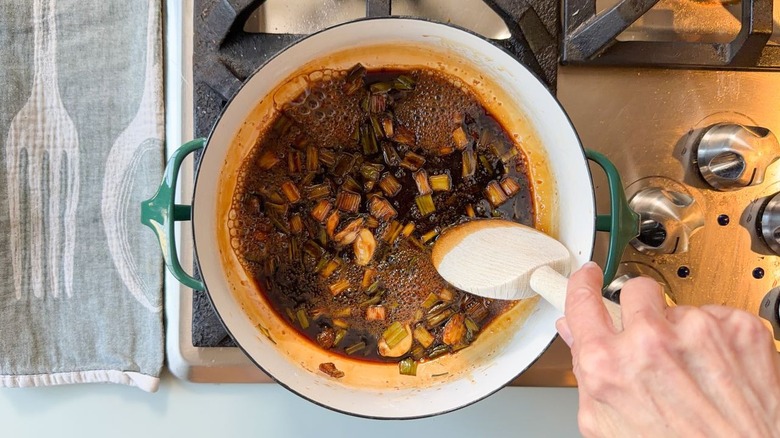
Simmer the teriyaki sauce for about 10 minutes until syrupy.
Step 18: Strain the sauce
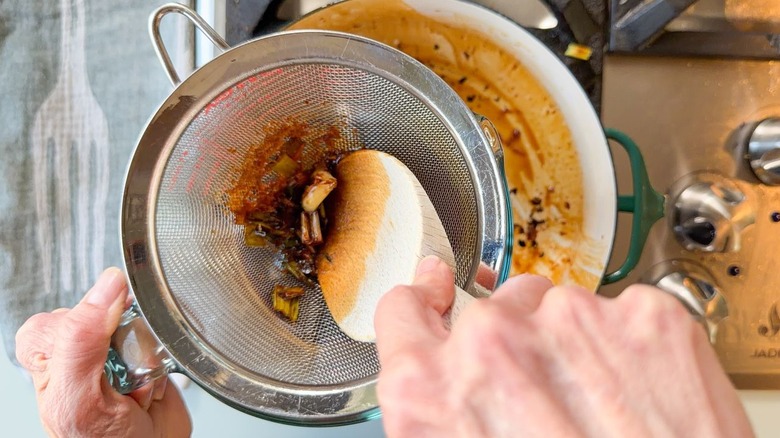
Strain the sauce through a fine-mesh sieve set over a heat-proof container, pressing on the solids before discarding.
Step 19: Set aside 2 tablespoons of the sauce
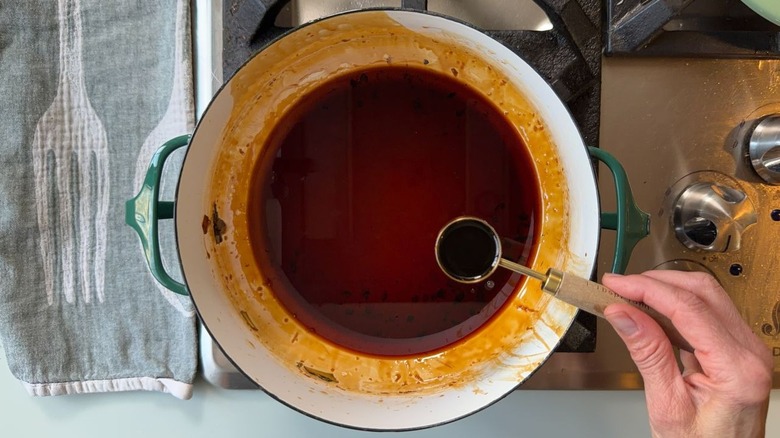
Set aside 2 tablespoons of the teriyaki sauce, then return the sauce to the pot.
Step 20: Add the roasted mushrooms to the sauce
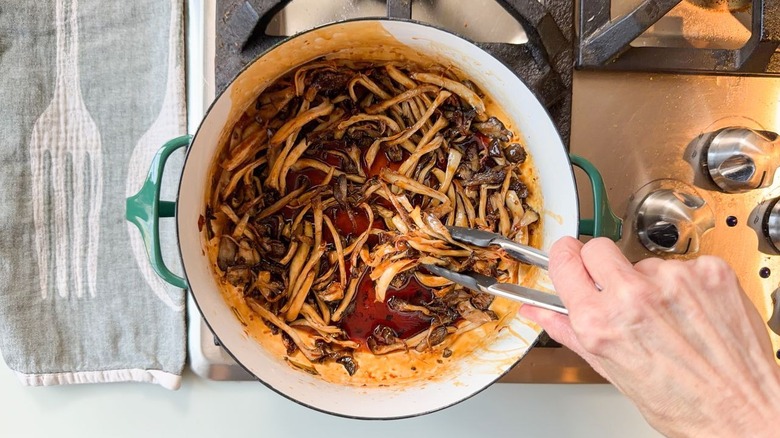
Add the roasted mushrooms, gently tossing to coat. Keep warm.
Step 21: Cook, drain, and rinse the soba noodles
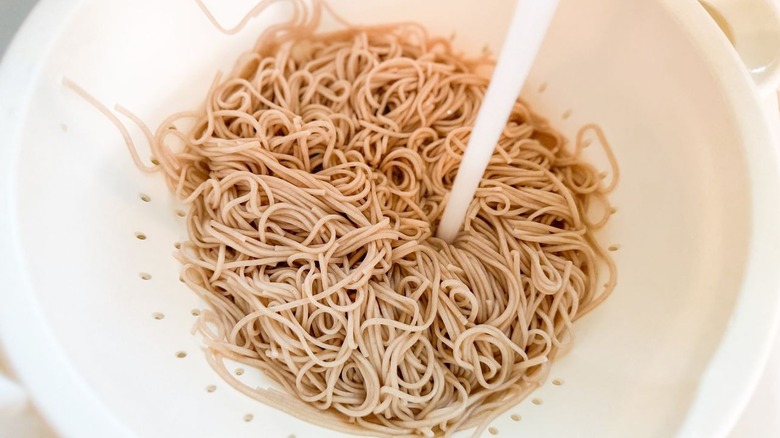
Cook the soba noodles according to package instructions, then immediately drain under cold running water to stop the cooking and remove extra starch.
Step 22: Dress and reheat the noodles
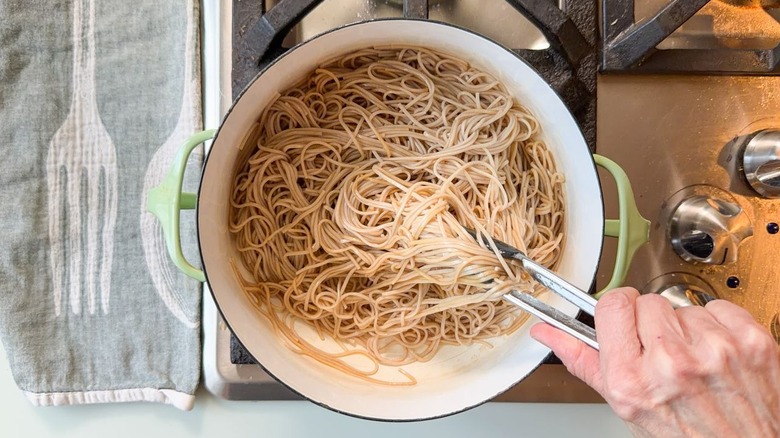
Shake excess liquid from the noodles, then return them to their cooking pot along with the reserved teriyaki sauce, sesame oil, and remaining tablespoon of rice vinegar. Toss to coat and gently reheat.
Step 23: Start assembling the bowls
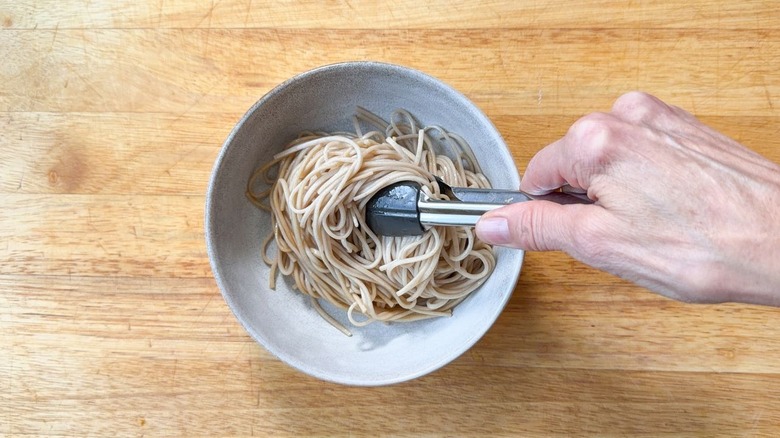
To assemble, twirl a mound of soba at the bottom of each bowl.
Step 24: Add the teriyaki mushrooms
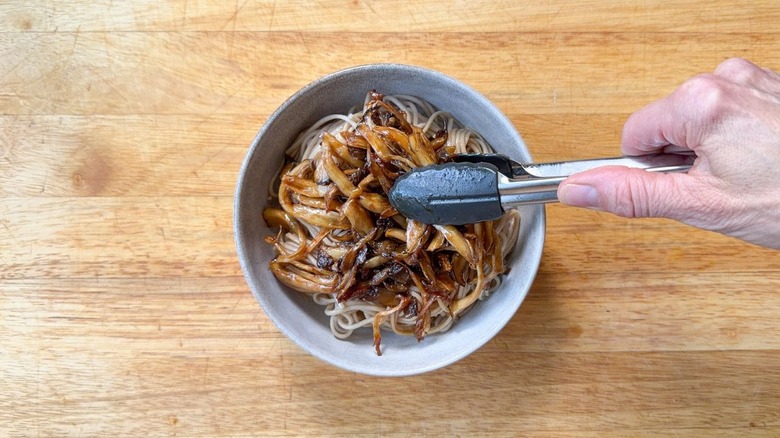
Top with the teriyaki mushrooms.
Step 25: Top with the slaw
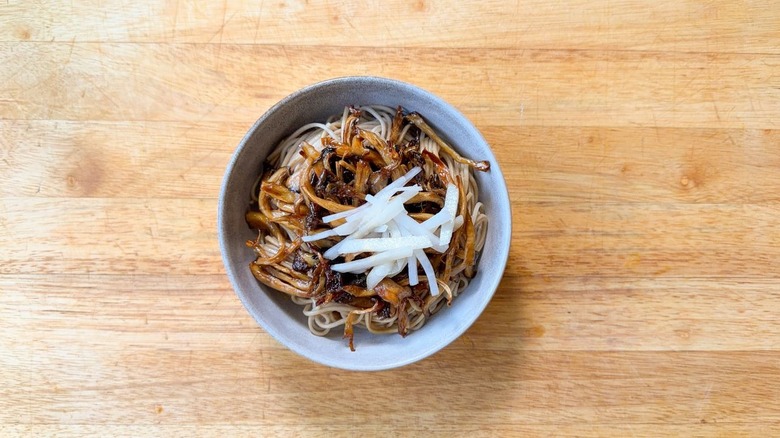
Add a mound of the pickled pear and daikon.
Step 26: Garnish with the egg, nori, and sesame seeds
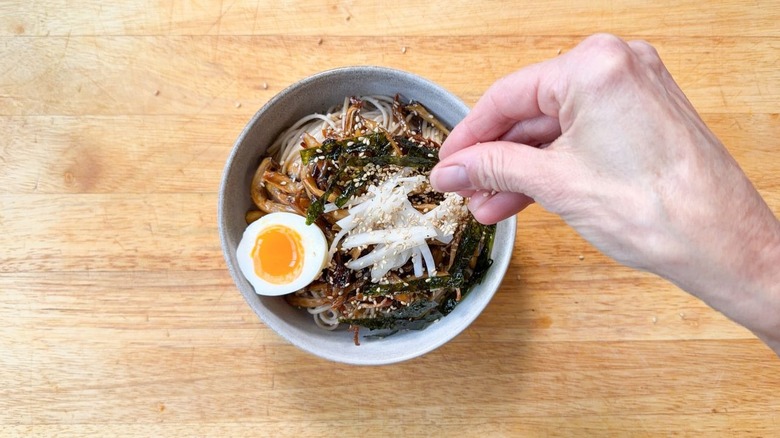
Finish with a soft-boiled egg half, the nori strips, and toasted sesame seeds to serve.
What can I serve with teriyaki noodles?
Teriyaki Mushroom Noodle Bowls Recipe
With earthy soba noodles, roasted teriyaki-glazed mushrooms, nori seaweed, and a velvety jammy egg, these bowls are umami bombs from start to finish.
Ingredients
- 1 ½ pounds mixed cluster or long-stemmed mushrooms (oyster, maitake, king trumpet)
- 3 tablespoons olive oil
- 1 ¼ teaspoons sea salt, divided
- ¼ cup + 1 tablespoon rice vinegar, divided
- 1 teaspoon sugar
- 1 small Asian pear, peeled and cut into julienne strips
- ½ cup julienned daikon radish
- 2 large eggs
- 4 scallions, trimmed and roughly chopped
- ½ cup soy sauce
- ⅓ cup mirin
- ¼ cup sake
- 3 tablespoons brown sugar
- 1 tablespoon peeled and grated fresh ginger
- 2 large cloves garlic, smashed
- 12 ounces dried soba noodles
- 1 tablespoon toasted sesame oil
- ¼ cup dried nori seaweed strips
- 2 tablespoons toasted sesame seeds
Directions
- Preheat the oven to 400 F.
- Line a baking sheet with parchment paper.
- Pull or shred the mushrooms into thin strips.
- Toss the mushroom shreds with the olive oil and 1 teaspoon sea salt in a large bowl.
- Spread the mushrooms in a single layer on the baking sheet and roast for about 25 minutes until the edges are crispy, stirring a few times.
- While the mushrooms roast, whisk together ¼ cup rice vinegar, the sugar, and ¼ teaspoon sea salt in a medium bowl.
- Add the Asian pear and daikon, tossing to coat.
- Cover the mixture to pickle and set aside at room temperature.
- Bring a pot of water to a boil.
- Carefully lower the eggs one at a time into the pot.
- Set a timer for 6 minutes and cook the eggs at a gentle boil.
- While the eggs cook, prepare a bowl with ice cubes and cold water.
- Immediately remove the eggs from the pot with a slotted spoon and submerge in the ice bath. Let sit for 5 minutes.
- Peel and halve the eggs.
- Heat a pot over medium-high heat and add the scallions to dry-char for about 2 minutes.
- Lower the heat and add the soy sauce, mirin, sake, brown sugar, ginger, and garlic.
- Simmer the teriyaki sauce for about 10 minutes until syrupy.
- Strain the sauce through a fine-mesh sieve set over a heat-proof container, pressing on the solids before discarding.
- Set aside 2 tablespoons of the teriyaki sauce, then return the sauce to the pot.
- Add the roasted mushrooms, gently tossing to coat. Keep warm.
- Cook the soba noodles according to package instructions, then immediately drain under cold running water to stop the cooking and remove extra starch.
- Shake excess liquid from the noodles, then return them to their cooking pot along with the reserved teriyaki sauce, sesame oil, and remaining tablespoon of rice vinegar. Toss to coat and gently reheat.
- To assemble, twirl a mound of soba at the bottom of each bowl.
- Top with the teriyaki mushrooms.
- Add a mound of the pickled pear and daikon.
- Finish with a soft-boiled egg half, the nori strips, and toasted sesame seeds to serve.
What is unique about the mushrooms used in these teriyaki mushroom noodle bowls, and are there any substitutes?
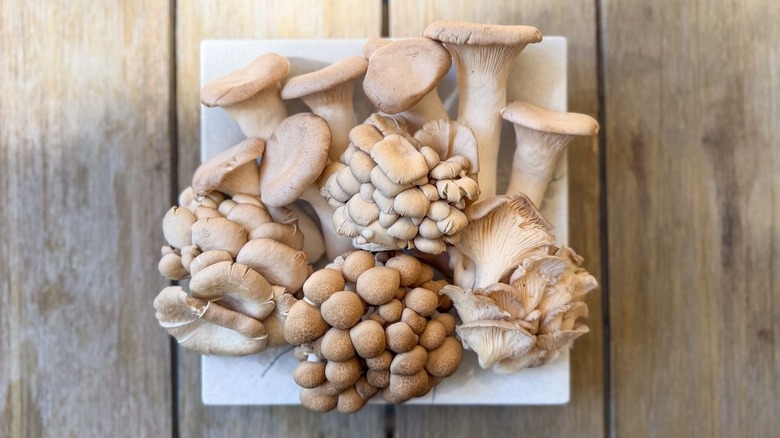
With so many types of mushrooms available in specialty grocers and farmers' markets, it can be overwhelming to choose just the right fungi for a recipe. In making these teriyaki mushroom noodle bowls, I wanted to mimic the texture of pulled meat, so I opted for mushrooms that had both delicate caps and stems that were long enough to shred while not being overly dense. Oyster and maitake mushrooms are perfect examples. They come in clusters and tend to have fluffy gills and frilly edges. They soak up marinades and sauces easily and develop wonderful crispy edges when roasted or fried. Oyster mushrooms have a lightly savory flavor, while maitakes are a bit more assertive with a spicy edge. I also adore king trumpet (often called king oyster) mushrooms for their sturdy, meaty texture that acts as a sponge when they're cooked. Brown beech mushrooms have tiny rounded caps and are also found in clusters. They have a wonderful nutty, almost buttery flavor when cooked, and are a perfect addition to the mushroom mix in this recipe.
Another mushroom option would be shiitake. Shiitake caps would work well for peeling apart, however, the stems tend to be quite tough. Shiitakes also have a much more distinctive and sharp flavor. If this is something you enjoy, definitely include shiitakes in your mix. Enokis are another petite mushroom variety, with long and supple stems. They take on the flavors of sauces readily and are slim enough to be included whole in this recipe.
What is the history of teriyaki sauce?
Teriyaki sauce has a bit of an unexpected history. Most people consider teriyaki a staple in Japanese food culture, and the word itself translates from Japanese to "shine" (teri) "grill" (yaki), referring to the lacquered glaze found on grilled fish in Japan. However, it seems that the style of teriyaki cooking and sauce we know and love today was created right here in the U.S., courtesy of Japanese immigrants attempting to recreate dishes from home. With this immigrant influence, teriyaki developed a following in both Seattle, WA, and on the Hawaiian islands (where fresh pineapple and pineapple juice were included in the sauce). Chicken became a popular teriyaki protein, as well as pork and beef, which were sometimes found on skewers or served over rice.
In Japan, teriyaki is not considered "restaurant quality," rather it is seen as something simple that is made at home in the unique style of your family. The sauce itself is quite thin as compared to the often thick, viscous sauce found in bottles in U.S. grocery stores. I have tried to emulate that traditional Japanese style in this teriyaki mushroom noodle bowls recipe, keeping the sauce balanced and light while showcasing the meaty mushrooms.