

10 Old-School Pork Dishes Boomers Will Remember Fondly
When you're in need of a tasty protein that won't break the bank, pork is always a solid solution. These days, there's no shortage of creative pork recipes that you can find with just the click of a button. However, back in the days before the internet made everything so accessible, home cooks depended on tried-and-true recipes that were passed down through generations or gleaned from well-thumbed cookbooks. Some of those dishes have since gone out of style, but plenty of boomers will likely remember them fondly.
As older generations look back on these dishes, they might be reminded that many were created with convenience and cost-cutting in mind. Plenty involved canned ingredients and casserole dishes. Pork spreads were common, as were pork loaves and simple soups and salads. And if you wanted to get fancy, you could amp it up with some fruit or pastry. These are some old-school pork dishes that may be hard to come by today, but give them a try, and you might just see (or be reminded of) why they were so popular in the first place.
1. Liverwurst sandwiches
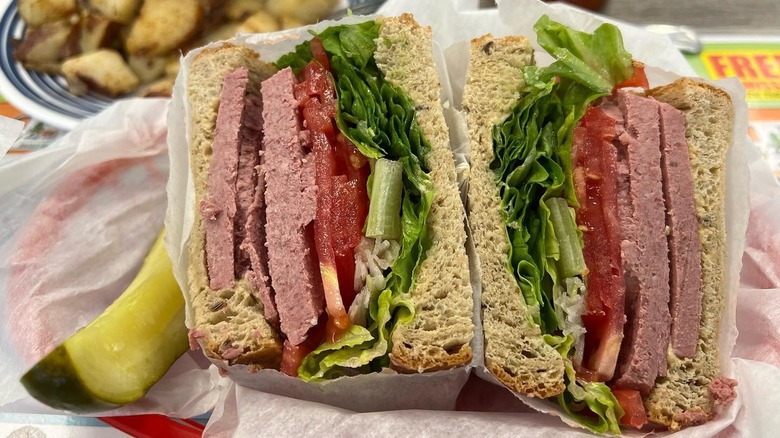
Sandwiches have been a lunchtime staple for generations, but not all fillings have withstood the test of time. One that used to be far more common is liverwurst. While this once-beloved deli meat has fallen out of favor with younger generations, many boomers have fond memories of eating liverwurst sandwiches when they were younger and still love them today.
Liverwurst is a sausage that has its origins in Central and Eastern Europe, and it made its way to America via immigrants in the early 1900s. As the name suggests, it's made with liver (typically pork, though chicken and beef liver can also be used) along with other ingredients like ground organ meats and spices. It comes as either firm, sliceable sausages or a soft pâté-like spread. The meat is packed with rich, umami flavors as well as a touch of saltiness.
There are plenty of ways you can prepare liverwurst sandwiches, but many boomers will tell you that the classic is simply sliced liverwurst on rye bread with a smear of brown mustard. Some people add raw onions to that mix and maybe some cheese and mayo. Of course, there's nothing to say you can't jazz up your liverwurst sandwich with extras like lettuce, tomato, cream cheese, cucumber, and pickles.
2. Pork and beans
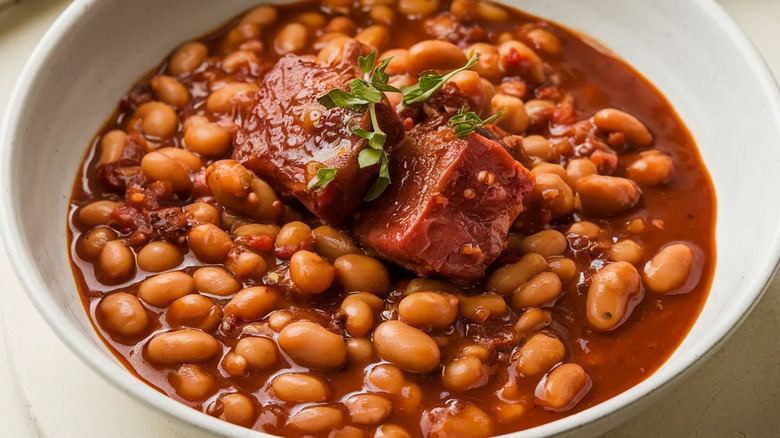
Pork and beans have been part of American cooking for centuries. The dish was one of the staple foods that cowboys ate on the trail, and it really exploded in popularity with the advent of canned foods. By the time boomers were growing up, pork and beans were an inexpensive convenience food that could be pulled from the pantry whenever a quick, affordable side or even a whole meal was needed.
One of the reasons pork and beans became so popular is that it's incredibly easy to make. All you need to do is soak dried beans in water, boil them until soft, add some seasonings and maybe some maple syrup or molasses for sweetness, and your preferred pork product. And if you really want to make things easy, you can use canned beans or simply heat up a can of pre-made pork and beans.
Pork and beans also come in many variations. Cowboy beans often include onions, tomatoes, and jalapeños. Red beans and rice can include celery, onion, and green pepper, along with smoked ham hock or Andouille sausage. And while the main meat in a typical French cassoulet is duck or chicken, some versions also include pork or sausage.
3. Ham with pineapple and cherries
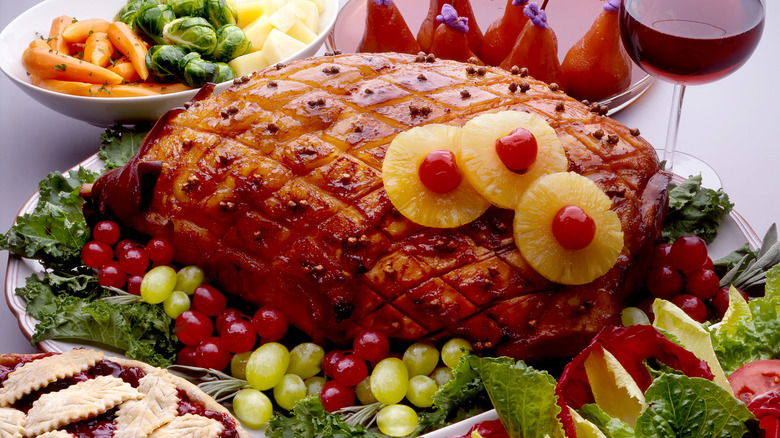
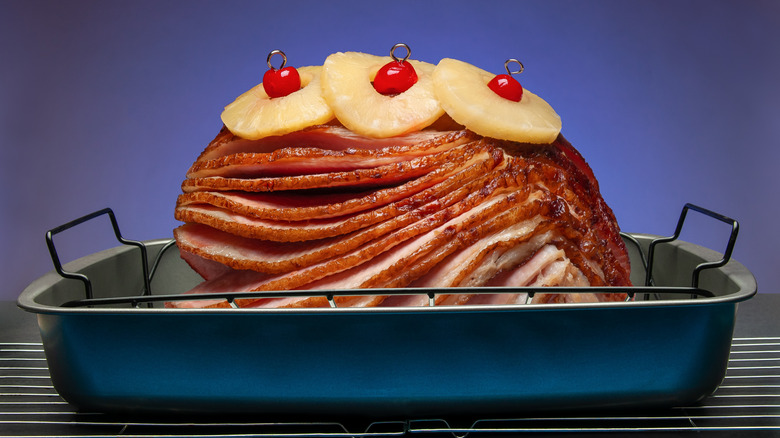
If you grew up in the 1950s or 1960s, there's a good chance that the centerpiece of at least one holiday meal was a baked ham laden with sliced pineapple and dotted with Maraschino cherries. It was one of those "fancy" meals that was popular for its eye-catching appearance. But it wasn't just the aesthetics that made it a treat. The sweet pineapple and cherries add a nice contrast to the saltiness and savoriness of the pork.
Interestingly, there was a time when pineapples were considered a luxury. When Christopher Columbus brought pineapples back to Europe from the Caribbean in the 15th century, they were a huge hit. However, they were hard to grow in colder climes, and transporting them was wildly expensive; hence, only the wealthy could afford them. When canned pineapple became readily available in the early 20th century, it opened the fruit up to a much wider audience, and parents of boomers found plenty of imaginative ways to incorporate it into their dishes.
A classic preparation for baked ham with pineapples and cherries involves coating a bone-in or boneless ham with brown sugar, layering it with pineapple slices, and skewering it with Maraschino cherries on toothpicks. Then, everything is popped into the oven to bake. Some cooks also use spiral-cut ham and stuff pineapple slices between the layers.
4. Glazed pork chops
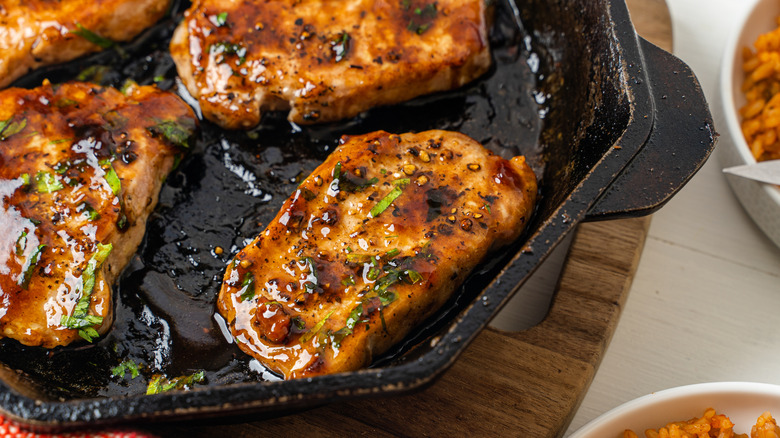
There are plenty of classic Boomer dinners that we still love today, and pork chops are one of them. Not only are pork chops hearty and homey, but they're also pretty versatile. They can be fried, baked, or dressed up with all manner of sauces and seasonings. And if you want to add a retro touch that seriously amps up the flavor, consider giving them a sweet and sticky upgrade. Glazed pork chops offer the same sweet-savory appeal as baked pineapple with ham and cherries, but in a much more everyday-meal format.
Many mid-century recipes for glazed pork chops suggest topping them with fruit like apples, oranges, or lemons and sprinkling them with brown sugar before cooking everything in a pan, sometimes with broth to add extra flavor and moisture. As the chops cook, the sugars caramelize, and the liquid condenses into a sticky glaze. You can also add ketchup for tanginess à la pork chops supreme, or create a honey-based glaze that you can apply before cooking. You may also want to consider balancing out the sweet elements with something acidic like apple cider vinegar and savory elements like herbs and spices.
5. Pigs in a blanket
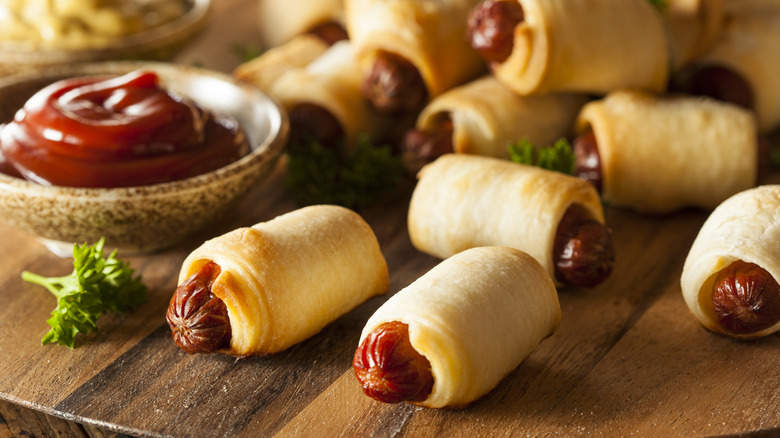
The 1970s were a golden age for dinner parties, many of which included elaborate appetizer spreads. While some of those quirky vintage appetizers have fallen out of fashion (think seafood mousse and grape jelly meatballs), one that still holds up today is pigs in a blanket. After all, it's hard to knock the combo of juicy frankfurters wrapped in buttery baked dough. Serve them with dipping sauces like ketchup, hot mustard, or ranch dressing, and you have a sure-fire hit for all ages.
The first recorded recipe for pigs in a blanket comes from the 1957 "Betty Crocker's Cookbook for Boys and Girls." It called for wieners wrapped in Bisquick biscuit dough and baked for 15 minutes. Oddly, the recipe was listed under the "Lunch main dishes" section. While some boomers remember their school cafeterias serving pigs in blankets for lunch, they became more widely known as a party and cookout dish.
Purists may choose to stick to Betty Crocker's original wieners-and-dough formula, but there are also several ways you can upgrade your pigs in a blanket. Bacon slices can add extra saltiness, and cheese can add melty richness. You can also swap the franks for artisan sausages and experiment with different wrappings like pretzel dough or wonton wrappers.
6. Scrapple
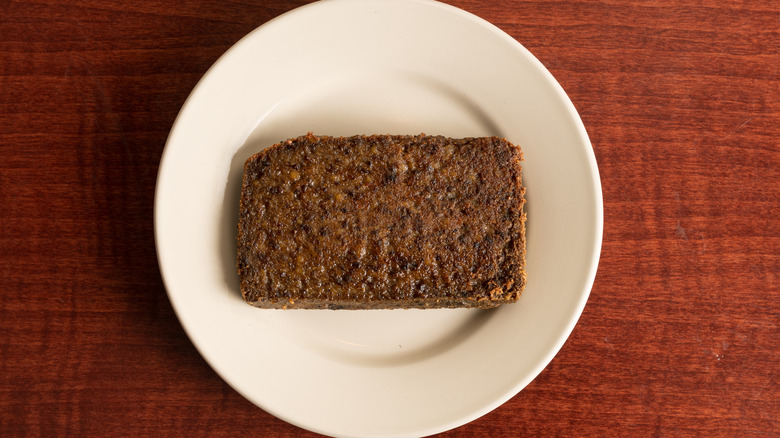
Outside of Pennsylvania and some surrounding states, you might be hard-pressed to find folks who know what scrapple is. But for many in the mid-Atlantic region, it's a nostalgic breakfast dish that's steeped in history and tradition. It was created by German immigrants in the 17th century as a way to use up pork trimmings, which is why, if you ask what's in it, the typical response you'll get is "everything but the oink."
Traditionally, scrapple includes pork scraps like the heart, liver, head meat, and eyeballs as well as cornmeal, spices, and flour. Everything gets mixed together and formed into a log that can be sliced and fried. For generations of families in the region, including many boomers, it was an economical way to make a hearty breakfast that would fill up farmers and keep them going through the morning. Today, many people buy it packaged and frozen.
The most common way to make scrapple is to cut off a slice and fry it in a pan with no oil on both sides. The end result should be crispy on the outside and soft and creamy inside. Some people eat it with ketchup, others with maple syrup, and some top it with apple butter. It's also a great accompaniment to breakfast dishes like eggs and hash browns.
7. Split pea soup with ham
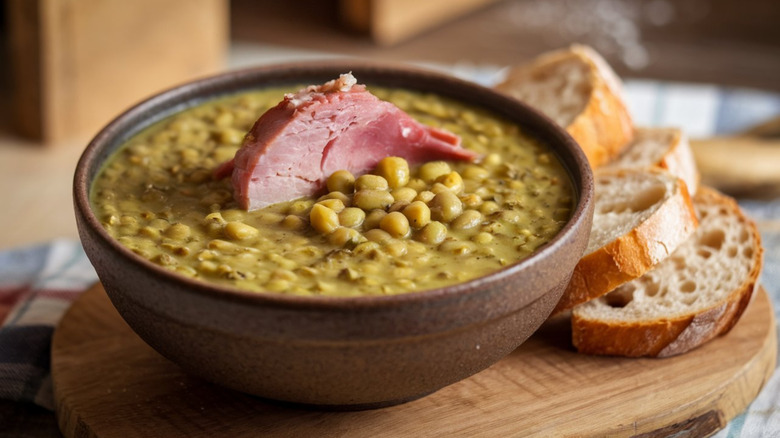
When the weather starts to get cold in Canada, nothing says comfort food like a bowl of old-fashioned split pea soup. It was a regular fall and winter meal when my Boomer dad was growing up, and to this day, it's still one of his favorites. Also called soupe aux pois cassés or habitant soup, it's a dish that can be traced back to the 16th century when the first French settlers (habitants) arrived. Many believe it's an adaptation of simple soups sailors made on ships with staples like dried peas and salted meat.
A classic split pea soup typically includes green or yellow split peas, ham hock or a ham bone with the meat on, celery, carrots, and onion. The split peas soak overnight, then get simmered with the pork, broth, veggies, and seasonings like salt, pepper, and thyme until tender and creamy. At the end, the pork bone is removed, and the pork is diced or shredded and added back to the soup.
Making split pea soup is somewhat of a time commitment, as it takes hours for the peas to soften. On the plus side, your kitchen will smell absolutely divine with the aromas of pork and herbs while the soup simmers away. If you're pressed for time, you can also make your split pea soup in the slow cooker.
8. Ham salad
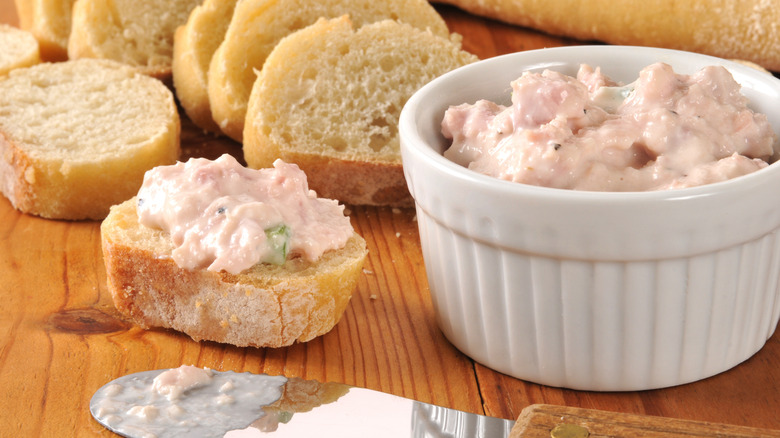
Looking for ways to use up leftover ham? Ham salad is a vintage sandwich spread that we think is primed for a return. It's salty, creamy, meaty, and pretty darn easy to make with just a few affordable ingredients. With that in mind, it's easy to see why it was once a staple during the Depression era and later became a favorite at church suppers, cookouts, and picnics. Ham salad remained a popular lunch option well into the era when boomers were growing up, particularly at family gatherings and community events.
To make it, you start with pre-cooked ham, either from a whole baked ham or deli slices. Throw that in a blender or food processor and pulse until it's chopped into little pieces. Then, you mix the meat with mayo and mustard in the style of chicken or tuna salad. Many people also add crunchy elements like chopped onions, celery, pickles, or green peppers. Hard-boiled eggs can also add more heft.
Ham salad is often served sandwich-style on bread. Plain white bread is fine, but rye or pumpernickel can add extra flavor. You can also wrap it up in lettuce leaves if you want to forgo the carbs entirely. In addition, the salad can also be served in a big bowl with crackers, crostini, or crudité on the side, which is great for parties and gatherings.
9. Pork chop casseroles
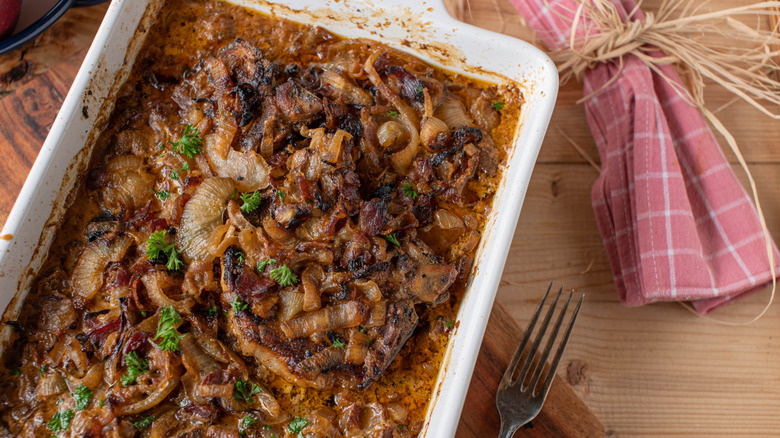
For many boomers, casseroles were a regular part of family dinners thanks to their simplicity and ability to easily feed a crowd. Even today, a casserole is the perfect solution when you want to put together a hearty dish that doesn't require a whole lot of complicated prep work. Pork chops may seem like a retro addition, but they actually make perfect sense because the cooking method keeps the meat juicy and infuses the other ingredients with porky flavor.
Many old-school pork chop casserole recipes from the 1950s and '60s suggest combining them with veggies like onions and carrots, as well as a starch like rice or potatoes. Most also suggest broth or canned gravy as a way to keep everything nice and moist. Everything gets thrown into a casserole dish, covered, and baked until the meat is cooked through.
If you want to go beyond the classic pork chop and potatoes (or rice) casserole dish, there's nothing stopping you from getting creative. Fun add-ins could include spicy jalapeños for a kick of heat, sweet apples, or crunchy toasted breadcrumbs. And if you want to go really basic, you can simply bake your pork chops with canned soup like cream of mushroom or cream of celery in a casserole dish.
10. Ham loaf
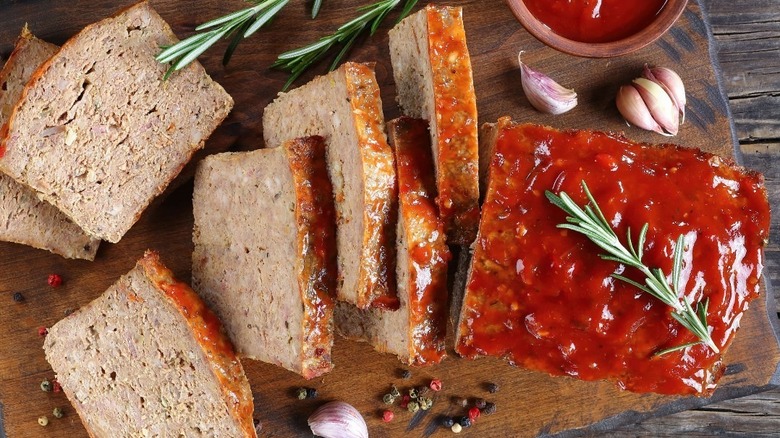
Few dishes are as homey and old-school as meatloaf, but many boomers might remember their parents or grandparents making a similar dish that's just as tasty and more economical to boot. Ham loaf combines ground ham with ground pork and all your typical meatloaf ingredients like eggs and breadcrumbs or crackers for binding, milk for moisture, as well as onions, herbs, and spices for flavor. It's formed into a loaf and baked until cooked through and sliceable.
The key to a good ham loaf is to grind the ham in a food processor until it's small enough to mix well with the ground pork. That way you don't get unevenly large pieces throughout. It's also worth noting that the ham can be pretty salty on its own, so you may want to dial back the salt when seasoning. And just like meatloaf, ham loaf also tastes great with a nice glaze on top. A simple one can include brown sugar, vinegar, and mustard to add sweetness and acidity, or a ketchup-based glaze can also work well. And if you want to add some fruity freshness, marmalade or crushed fruit is a great call. You really can't go wrong.