

11 Mexican Wines That Should Be On Your Radar
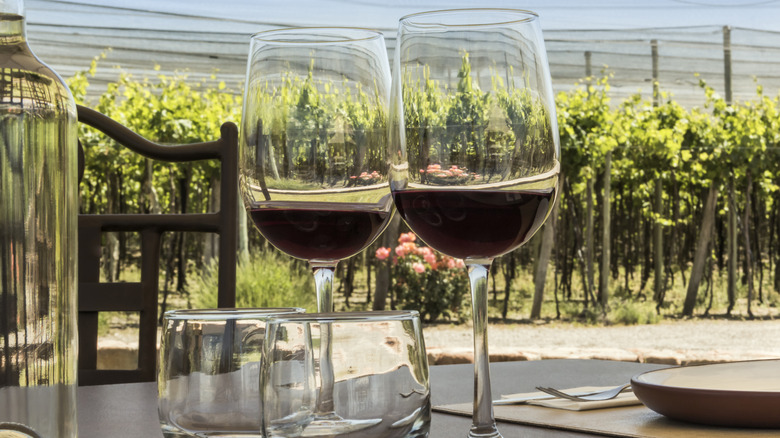
When it comes to alcoholic beverages, Mexico may be best known for its spirits, such as tequila and mezcal. However, the country also produces some fantastic wines. That shouldn't be surprising, considering it's the oldest wine-producing region in the Americas. The Spanish began planting vines in the 1520s, and wine production quickly grew into a thriving industry. Over the centuries, countless winemakers have contributed to making Mexico's viticulture scene as vibrant as it is today.
Mexico has several underrated wine regions that provide the ideal conditions for a wide array of grape varietals. Take the Valle de Guadalupe in Baja California, where sunny days and ocean breezes give it a Mediterranean-like climate. Then you have high-altitude valleys in places like Coahuila and Querétaro that have cooler climates with low humidity and mineral-rich soils. Add to that a wealth of passionate winemakers who draw on both traditional and modern techniques and aren't restricted by appellation rules, and you have the perfect formula for some very exciting wines.
Having lived in Mexico for over five years now, I've had the opportunity to try a wide range of wines from all over the country. Some have genuinely blown me away with their complexity and elegance, and those are the ones I turn to for celebratory meals and special occasions. Others are just so easy-drinking and approachable that they've become staples in my home. If you're interested in exploring Mexican wines, these are some bottles that I wholeheartedly recommend.
1. Monte Xanic Sauvignon Blanc Viña Kristel
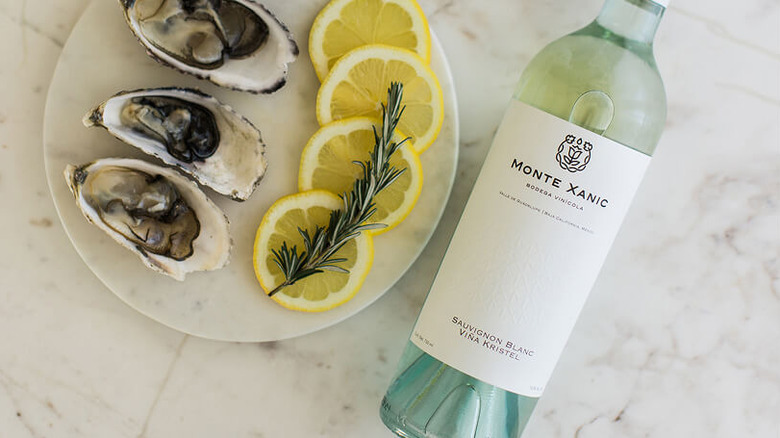
Valle de Guadalupe is Mexico's largest wine region, accounting for about 90% of the country's wine production. There are about 200 wineries scattered throughout the valley, and one of the most lauded is Monte Xanic. The winery produces a wide variety of highly rated wines, and one of my absolute favorites is the Sauvignon Blanc Viña Kristel. It's bright, refreshing, and offers beautiful tropical and citrus notes. And I'm not the only one who thinks so — it's won over 50 medals, both at home and internationally.
The Sauvignon Blanc Viña Kristel is made from 100% Sauvignon Blanc grapes, hand-selected and harvested at night when they're at their freshest. The wine is pale yellow with an easy-going 12.6% ABV, and on the nose it offers hints of grapefruit and tropical fruits. On the palate, it's fresh and fruity with notes of guava, pineapple, orange, and green grass.
I love how crisp and lively this wine is. It's dry with a medium body, and the high acidity nicely balances the fruity flavors. It's perfect for sipping on its own, but also pairs wonderfully with seafood dishes. In fact, it's a great wine to pair with raw fish dishes like sushi, oysters, and ceviche because it has a slight salinity from the region's sea breezes, which helps enhance the fresh, briny flavors of the seafood.
2. Casa Madero 3V
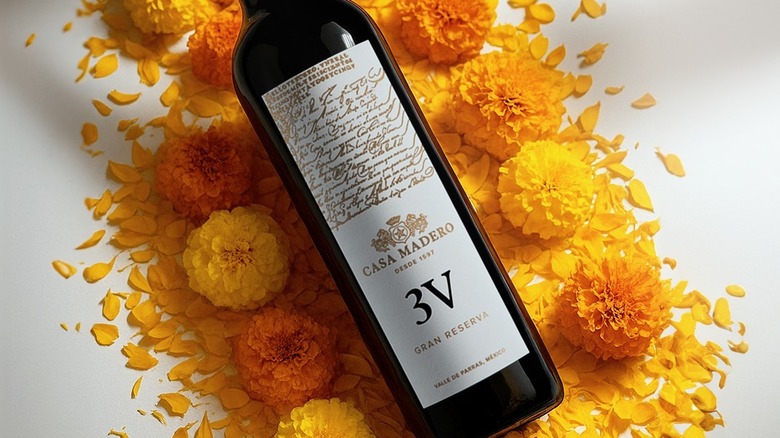
Located in the northern state of Coahuila, Valle de Parras is another of Mexico's premier wine-growing regions. This is where the Spanish first started making wine in Mexico, and Casa Madero is a living legacy of that time. Established in 1597, it's the oldest winery in the Americas, and it's still going strong today. It's famous for its red blends, and one of the most popular is the Casa Madero 3V.
The 3V is made with a blend of Cabernet Sauvignon, Merlot, and Tempranillo grapes. The wine spends 12 months in French and American oak barrels, and rounds out at an ABV of 13.7%. It offers aromas of red and black fruits, spices, and oak. Take a sip, and you get velvety tannins with juicy fruits like cherry and blackberry. It also has a nice long finish with hints of pepper.
It's easy to see why so many people love the 3V. For one, it's full-bodied and rich, but also smooth and very fruit-forward. Plus, the price point is fantastic for what you get. It's a great wine pairing for steak because the bold flavors can stand up to the beef's umami-richness. It also works well with barbecued and smoked meats, tomato-based sauces, and roast duck. And if you want to pair it with Mexican food, I can attest that it tastes great with birria tacos and dishes featuring rich mole sauce.
3. Casa de Piedra Espuma de Piedra Blanc de Blancs
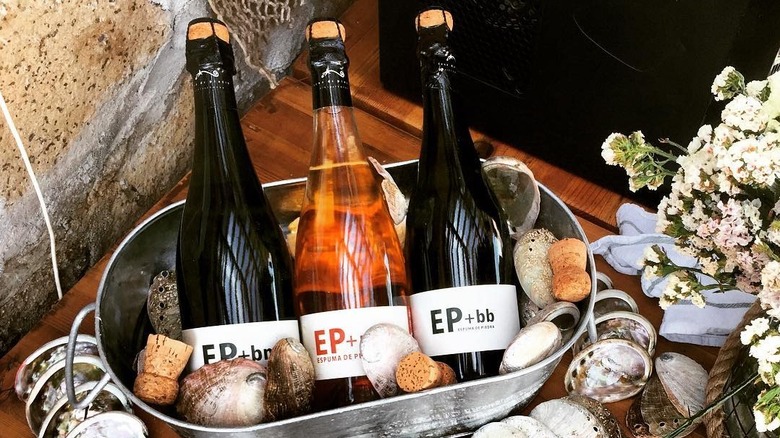
If you're planning on visiting wineries in Valle de Guadalupe, Casa de Piedra is an absolute must. This small winery is headed by Hugo D'Acosta, who is renowned for his work in viticulture. Besides operating his celebrated winery, he also founded Baja California's first wine school and collaborated on wine-centric Concha de Piedras, one of just 23 Michelin-starred restaurants in Mexico. Although all of his wines receive great reviews, the Espuma de Piedra Blanc de Blancs is a solid fan favorite.
The Espuma de Piedra line features three sparkling wines, and the Blanc de Blancs is the only one made with white grapes. It consists of 50% Chardonnay and 50% Sauvignon Blanc, and it's prepared using the traditional method for sparkling wines like champagne, where the wine undergoes a secondary fermentation in the bottle. At 12.5% ABV, it's fresh and effervescent with notes of green apple, citrus, and mango, and has a nice minerality.
With its clean flavors and reasonable price point, this is a great bottle to have on hand for anything from casual sipping to brunch gatherings and celebrations. I love the bright burst of acidity it gives and the notes of crisp fruits like pears and apples. Its coastal character pairs well with seafood dishes like shrimp, oysters, and white fish. Plus, sparkling wines go well with fried foods because they help cut the richness, so don't be afraid to pair it with dishes like fried chicken and tempura.
4. Tres Raíces Nebbiolo Sangiovese
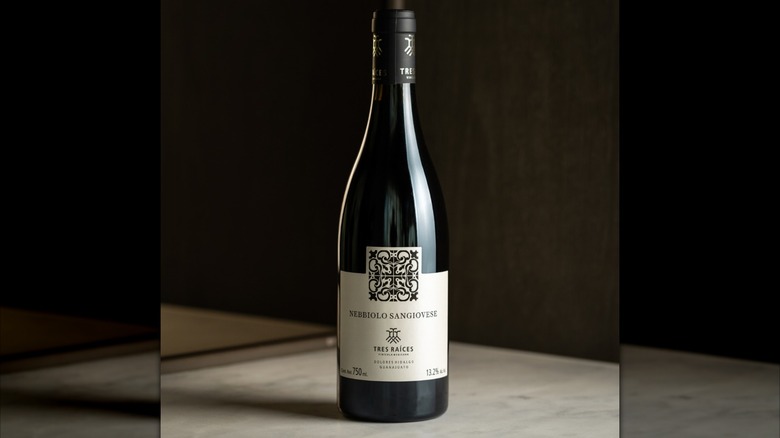
Located in the Bajío region of Guanajuato, Tres Raíces planted its first vines in 2016, making it a relatively new winery. However, it's already made huge waves in the Mexican wine scene and abroad. The winery is strikingly modern with unique architectural elements, which gives you a hint of what to expect from the wines. Winemaker Aaron Huertas isn't afraid to take risks, and that pays off, as evidenced by his award-winning Nebbiolo Sangiovese blend.
It's not very common to see Nebbiolo and Sangiovese grapes paired together, as they come from two different regions in Italy and are typically used to make very different wines. However, Tres Raíces makes it work beautifully, blending 70% Nebbiolo and 30% Sangiovese. The wine is aged in French and American oak barrels for 10 months and has a respectable ABV of 13.2%.
As soon as you open the bottle, you can tell you're getting something special. It gives aromas of red fruits like cranberry and raspberry, as well as earthiness and spice. On the palate, it's smooth but full-bodied with solid tannins and spicy, herbaceous notes from the Nebbiolo and soft fruitiness from the Sangiovese. Although this is a mid-range bottle, I like to save it for nice dinners, as it pairs well with decadent dishes like steak. It can also hold its own with rich cheeses.
5. Finca El Empecinado Cenzontle
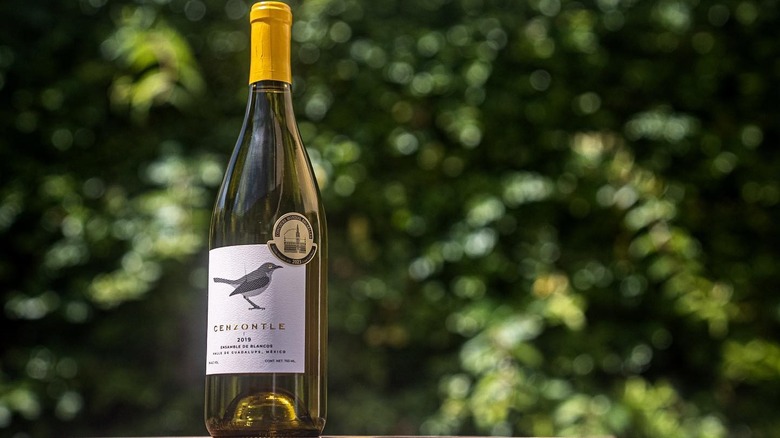
I first encountered Finca El Empecinado Cenzontle at a wine festival a few years back, and I was immediately taken with its body and complexity. When I heard that it won the Revelation Wine of the Year at the Concours Mondial de Bruxelles the following year (2023), I was thrilled it was getting the international attention it deserved. It's a sophisticated blend that manages to be light and refreshing with fruity notes, but also bold and buttery all at the same time.
Established in 2017, Finca El Empecinado is a boutique winery in Valle de Guadalupe that focuses on just a few wines. Among the four wines it produces, the Cenzontle is an absolute standout for its interesting blend of 20% Chardonnay, 70% Sauvignon Blanc, and 10% Palomino. It's aged for five months in French oak barrels, which gives it a rich golden color, and it clocks in with a 13% ABV.
Cenzontle has become one of my go-tos when I'm craving a well-balanced white wine with some substance. On the nose, it gives an array of aromas, including citrus, green apple, vanilla, honey, and just a hint of oak. Take a sip, and you get a luscious mouthfeel combined with just the right amount of acidity. It's a great pairing for roast chicken and creamy pasta dishes. And if you've been struggling to find a wine that pairs well with pork, look no further.
6. L.A. Cetto Petite Sirah
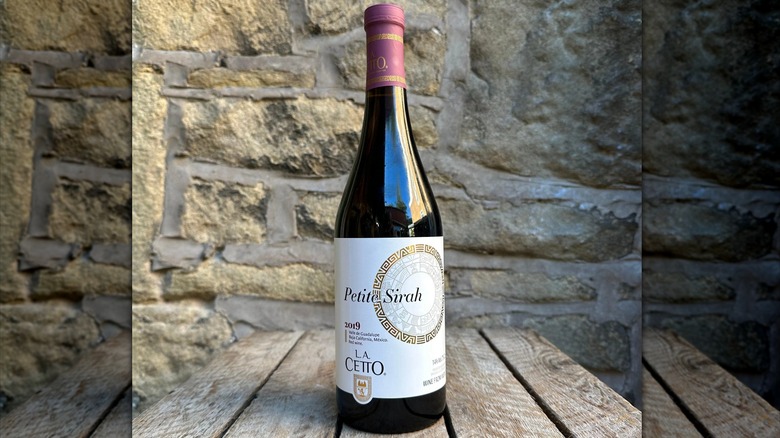
Step into any bottle shop or wine section at a grocery store in Mexico, and there's a good chance you'll find bottles of L.A. Cetto wine gracing the shelves. The winery was established in 1928 by Angelo Cetto, an Italian immigrant who came from a long line of winemakers, and it's now the biggest winery in the country. It produces a vast array of wines, but if you're new to the brand, the Petite Sirah is a good place to start.
Originally from France, Petite Sirah grapes aren't very common in Mexico, so that's one thing that sets this wine apart right from the get-go. L.A. Cetto grows them in the Valle de Guadalupe, where they thrive in the sandy soil and warm climate. The juice is fermented for 15 days, aged for six months in oak barrels, then rested for another six months in the bottle. The result is a 13.5% ABV wine that's soft, fruity, and medium-bodied.
One of the things I love about this wine is how affordable it is. But don't let the low price tag fool you because it's actually very well-balanced and drinkable. On both the nose and palate, it offers notes of rich red and black fruits. Think raspberries, blackberries, and plums. The medium acidity and tannins make it a good pairing for punchy foods like spaghetti bolognese, barbacoa, lamb chops, and charcuterie platters.
7. Cava Quintanilla Laberinto Sauvignon Blanc
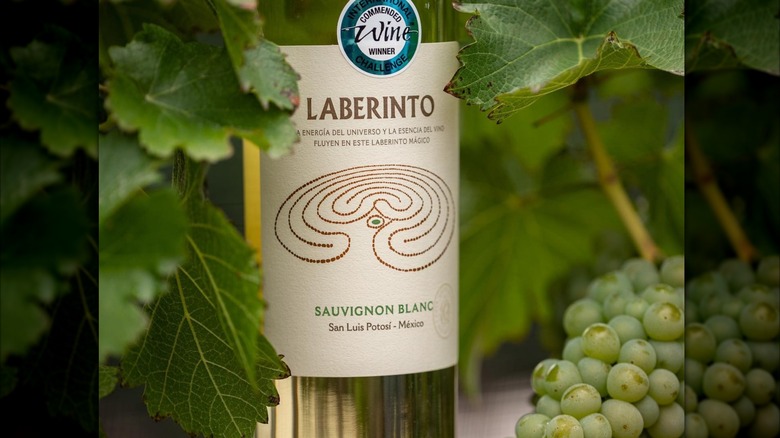
The Cava Quintanilla Laberinto Sauvignon Blanc is another wine I first encountered at a wine festival, and I immediately scooped up a few bottles. I'm a huge fan of crisp white wines with hints of fresh fruit and mineral notes, and that's exactly what this wine delivers. Plus, I was intrigued by the winery, which is located in San Luis Potosí, a state that hasn't always been known for its wine. That is, until Cava Quintanilla hit the scene in 2011.
Cava Quintanilla was founded by Carlos Quintanilla, a farmer who decided to try his hand at winemaking after visiting France and realizing that his land in San Luis Potosí shared some characteristics with Old World vineyards. His vines flourished, and soon he was producing gems like the Laberinto Sauvignon Blanc, which has won multiple awards over the years, including a Gold Medal at the CMB Mexico Selection in 2025.
The Laberinto Sauvignon Blanc is made from 100% Sauvignon Blanc grapes, harvested at dawn. The juice is fermented in stainless steel tanks, and the wine is bottled at 12.5% ABV. It's a light wine with notes of guava, grapefruit, green apple, apricot, and lemon. It's one of my first picks when I want something refreshing to sip on a warm day, and it's a great complement for fresh dishes like ceviche and guacamole. It's also a great wine to pair with flaky fish.
8. El Cielo Galileo
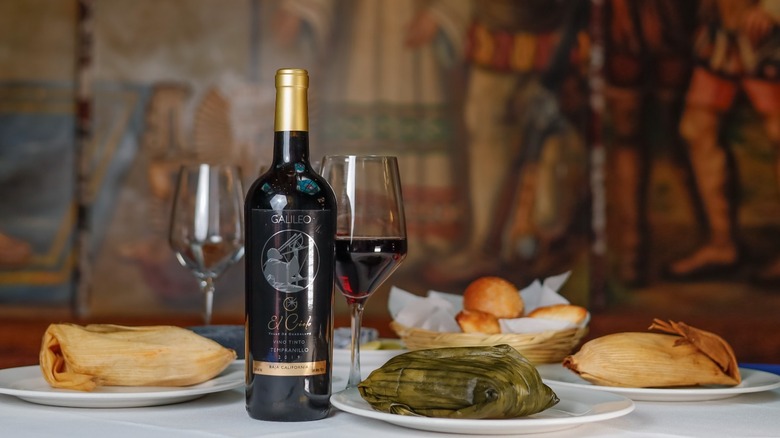
With 95 hectares of vineyards producing 15 different grape varietals, El Cielo is one of the largest wineries in Valle de Guadalupe. It actually began as a boutique hotel in the middle of the vineyards, but this is no tourist trap. The wines earn numerous awards both locally and internationally. If you want to sample a great representation of what the winery is capable of, the Galileo is a stand-out Tempranillo that recently won a Gold Medal at the 2025 CMB Mexico Selection.
El Cielo created Galileo as part of its Astrónomos collection, which features Old World-style wines. It's made with 100% Tempranillo grapes, and the wine spends 12 or 18 months in American and French oak barrels (depending on the vintage). The deep plum-colored wine has an ABV of 13.6%, and it offers earthy, spicy aromas with hints of cherries, currants, tobacco, and chocolate. On the palate, it's fruity with firm tannins.
Because this wine packs a bit of a punch, I like to pair it with foods that go big on flavor. It can hold its own next to steaks, burgers, and rich and tangy pasta sauces. The earthiness also pairs up well with umami-rich mushroom dishes and aged cheeses. It even works well with certain desserts, particularly those containing milk chocolate, as the chocolate's sweetness plays nicely with the tannins.
9. Montefiori Rosato
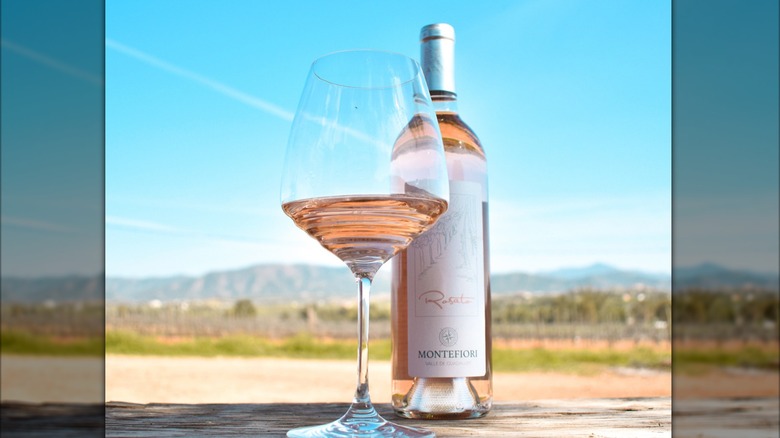
Villa Montefiori has been producing wines in Valle de Guadalupe since 1997. It was founded by Italian winemaker Paolo Paoloni, who has a Ph.D in agronomy with a specialization in enology. The winery produces numerous wines ranging from single varietals to blends. I've tried several wines from Villa Montefiori, and I can't say I've ever had a bad bottle. But I'm particularly partial to the Rosato, a pale pink rosé that's made with 100% Sangiovese grapes.
I often find that rosés can be hit or miss, as so many of them tend to lean to the overly sweet side. However, that's not the case with the Montefiori Rosato. You definitely get fruitiness on the nose with aromas of strawberries and raspberries, as well as floral notes. But it also has a lovely refreshing quality on the palate with those same notes of red fruit, along with zippy acidity.
Besides its bright, clean flavors, I like that the wine has a relatively low ABV of 12.5%, so you can sip a glass or two without feeling like you're overdoing it. It's great on its own, and also pairs well with a wide variety of dishes. Acidity helps cut through the richness of creamy pastas and can enhance the flavors of fatty fish like salmon. The subtle fruitiness is also a decent match for spicy dishes like salsas, aguachiles, and curries.
10. Magoni Reserva Nebbiolo Clone 34
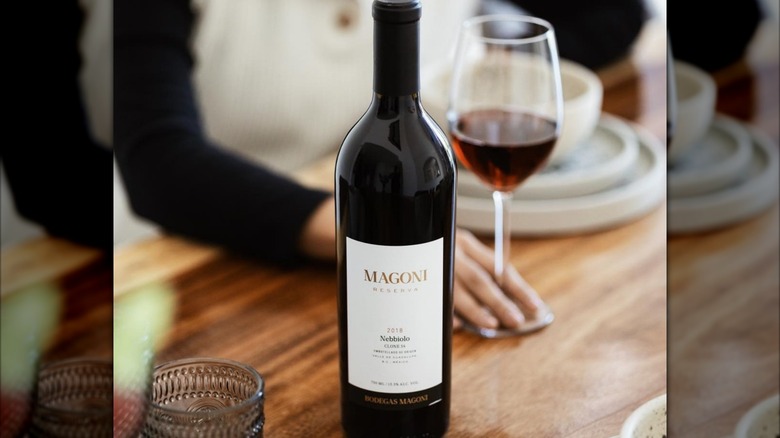
Italian winemaker and enologist Camillo Magoni was invited to Valle de Guadalupe by Angelo Cetto to join the team at L.A. Cetto winery, and he fell in love with the land. At first, Magoni and his family made wine from their personal vineyards for family and friends, but in 2013, they started selling wine to the public, and it was a hit. One of the most raved-about wines from the comprehensive Bodegas Magoni collection is the Magoni Reserva Nebbiolo Clone 34.
All of the wines from the Magoni Reserva line are made with grapes grown on clones of vines brought over from other parts of the world. The Nebbiolo Clone 34 is made from 100% Nebbiolo grapes from a clone originating in Valtellina in Italy. The grapes are macerated for 15 days, then the wine is aged in American oak barrels for 20 months. The result is a big, bold wine with an ABV of 13.5%.
If you love Italian Barolos, this bottle will be right up your alley. It offers those signature aromas of red and black fruits, tobacco, and spices like pepper and nutmeg. On the palate, it's rich and layered with notes of dark fruit, oak, and earthiness. It has great tannins and gives a nice, long finish. It's a pretty hefty wine, so it works well with rich dishes like hearty stews, meaty pastas, and steaks.
11. Octagono Naranja
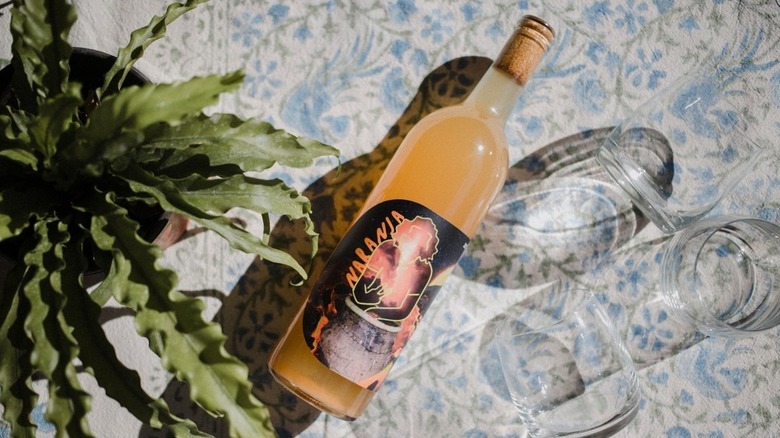
Octagono is a unique winery in San Felipe, Guanajuato, that makes all-natural wines in unconventional ways. The grapes are pressed by foot, the juice is fermented with wild yeast, and the wine is buried in locally-made clay pots for up to nine months. As you can imagine, there are some pretty innovative wines coming out of the winery, and one of the most interesting is the Naranja, a natural orange wine.
Orange wines are made with white grapes, and ferment with the skins in the juice to impart color and tannins into the wine. Octagono's Naranja is made from whole clusters of Muscat and Semillon grapes that ferment for about seven to nine months in clay pots. The wine is then pressed and bottled without filtering, so you get a slightly hazy orange-hued wine with a rich mouthfeel and notes of citrus, guava, plums, and apples.
There are so many things going for this fun orange wine. For one, it's free of sulfites, which is great for those with sulfite sensitivity. It's also fresh and fruity with a touch of tart acidity and slight funkiness. It's an easy-sipping wine that works well with a wide variety of dishes. The great thing about pairing orange wine with food is that it can handle both lighter and heavier dishes thanks to the light tannins. It even goes well with spicy foods and pungent cheeses.