

14 Easy Ways To Add More Beans To Your Next Meal
We may receive a commission on purchases made from links.
Fibermaxxing is one of the biggest food trends of 2026. People are flocking not only to high-fiber foods but also to minimally processed, so-called "ancestral diets." Beans are one of many foods that check off both of these boxes. They're proud members of a larger class of plants called legumes and are known for their nutrient density — which includes plenty of fiber, protein, and micronutrients.
Not everyone has extensive experience working with beans, and if you've never really gotten up close and personal with them, either in their canned or dried form, you may not realize the inherent learning curve that comes with them. You have to figure out ways to work with, rather than against, their starchiness and mesh their flavor tactfully with other ingredients. To get helpful advice on working with beans and ideas for using them in recipes, we spoke to the experts: David Lee, co-founder of PLANTA Restaurants; Cadry Nelson, author of "Living Vegan for Dummies"; and Jem Mantiri, recipe developer at The Fruity Jem. Once you master their tips, you'll be well on your way to eating beans for every meal.
1. Sprinkle them on salads
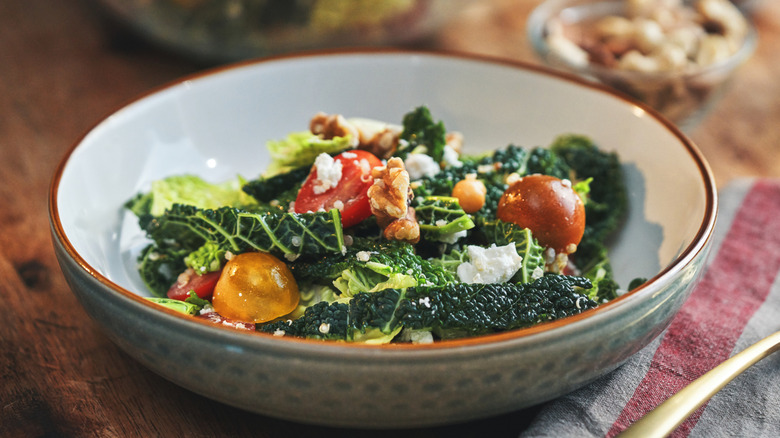
"Salad" is such a broad term for a dish. At the bare minimum, it contains dressing and greens. However, if you're only eating dressings and greens, you're missing out on far more filling toppings and additions — including beans.
Our experts recommend adding all types of beans to salads. "Adding legumes to a salad makes you feel properly full afterward, and they add great texture that really elevates the whole dish," says recipe developer Jem Mantiri. She is partial to adding chickpeas and black beans to her salad. David Lee, co-founder of PLANTA Restaurants, would agree. "Chickpeas, lentils, and cannellini beans are great for salads," he says. "They add protein, texture, and substance, turning a salad into something more complete and satisfying while still keeping it fresh."
Beans have a pretty neutral flavor, and few ingredients don't pair well with them. Our chopped mango avocado chicken salad, for example, could benefit from some nutty chickpeas. The cabbage base offers the perfect bitter contrast to the beans and crunchy pepitas. If you're giving any salad a Tex-Mex spin — like by adding avocado, chopped tomatoes, and crunchy tortilla strips — consider adding black beans for extra fiber, protein, and heartiness.
2. Blend them into soups
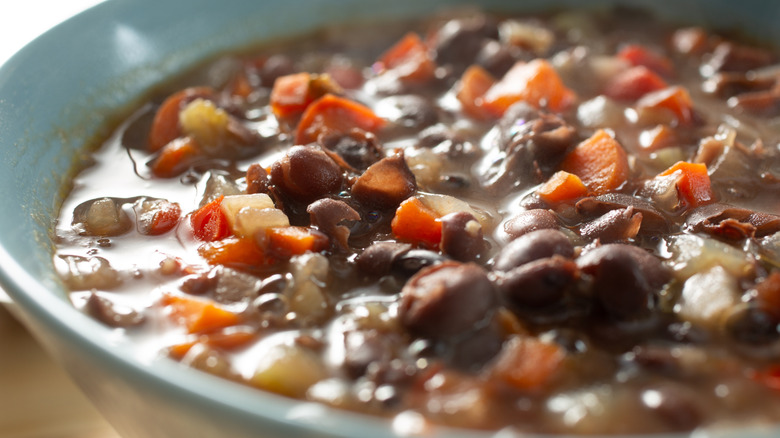
Soups tend to be very brothy and light, but they aren't reserved to this format. If you want to make them extra hearty, turn to that can of beans that's sitting in your pantry. "Beans work well in brothy soups, stews, and blended soups," says David Lee.
We all know that you can make (or source — there are plenty of excellent store-bought brands worth buying) black bean soup; this is far from the only soup variation that could benefit from a beany addition. Tortilla soup, per author Cadry Nelson, would be a good place for pinto, kidney, or black beans. "Beans add color, fiber, and toothsome bite," she says.
The type of bean and the context in which you use it in your recipe will depend on the colors and flavors that you're after. "Black beans will darken a white soup, which might not be what you're going for. White beans are usually the most versatile since they're mild in flavor and won't change the color of your dish," says Jem Mantiri. She recommends adding canned beans to soup at the end of the cooking time to just heat them through; they're already pre-cooked, so you don't want to overcook them. If you are concerned about the texture — or feeding a bean-averse audience — you can also blitz them in a blender or food processor beforehand. "If you feel weird seeing beans in a dish that doesn't usually have them, just puree them," she says.
3. Turn them into a dip
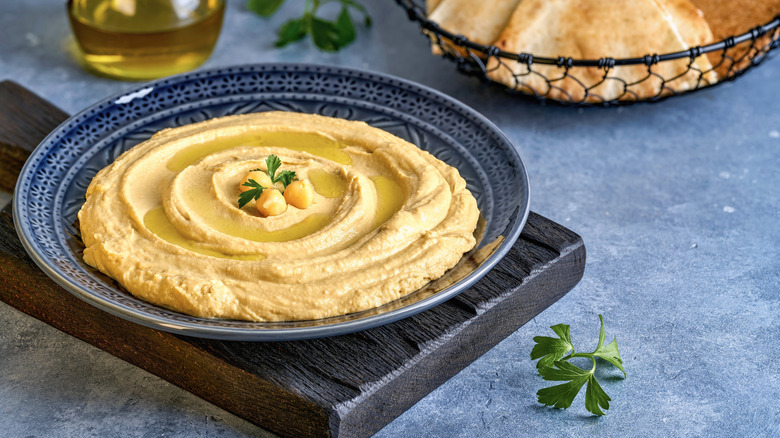
We would be remiss not to mention hummus on this list of ways to eat more beans. It is certainly the poster child for approachable bean dishes. Its flavor is so mild (and the beans are so well-concealed) that you can't really tell that it's made with chickpeas. The recipe is simple, too, requiring only a few ingredients aside from chickpeas, like tahini and olive oil, but so customizable. You can use it on tomato sandwiches, make it into a salad dressing, or even add it to a milkshake as a thickener. One of our favorite hummus variations is a dessert-style spread, sweetened with melted chocolate and maple syrup instead of the usual savory additions, served with pretzels or graham crackers.
Although hummus is a favorite, our experts note that it's not the only bean dip worthy of your attention. "White bean dip is one of my favorites. It's incredibly smooth and pairs beautifully with lemon, olive oil, and fresh herbs like rosemary or thyme," says Jem Mantiri. She also highlights black bean dip, which she recommends giving a Southwestern spin with cumin, lime juice, cilantro, and chopped tomatoes. "Both are easy to make and honestly a really fun way to switch things up from the usual hummus," she says. Cadry Nelson offers other dip-centric suggestions to get more beans into your diet, including refried or black beans in a seven-layer dip, or a vegan chili cheese dip.
4. Toss them into chili
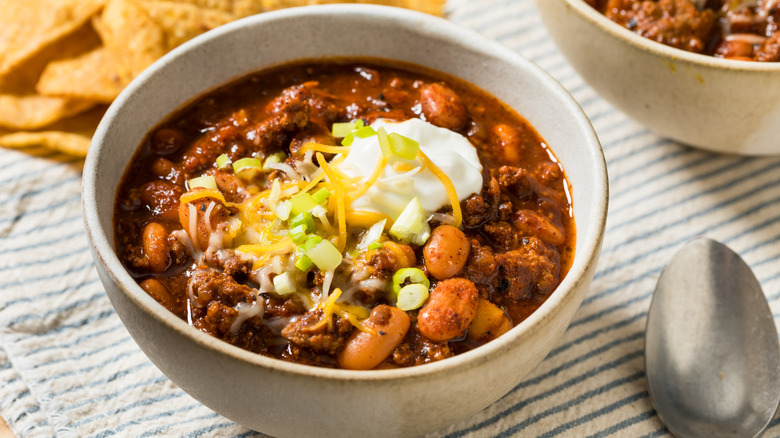
Texas chili lovers may want to look away here, as all of our experts highlighted chili as an excellent outlet for beans. And it makes sense: Chili is already hearty, courtesy of the ground meat (or textured vegetable protein for a vegan version), and beans make it that much more satiating. Not only do beans mesh well with your protein, but they can also jive with the medley of spices you add to your recipe. "Black beans, kidney beans, and pinto beans are classic. They pair well with cumin, smoked paprika, chili, and garlic for depth," says David Lee. Cadry Nelson points out that beans — both canned and dried — are affordable. Besides cutting down on your grocery budget, bulking up your chili with beans will also allow you to stretch your recipe across several meals.
Pick and choose your beans based on your recipe; if you're going for a spicy slow-cooker beef chili, you can get away with black beans, but lighter salsa verde turkey chili may warrant more neutral-tasting options, like white beans. Jem Mantiri is partial to black beans and kidney beans in a chili — and we are too, though we add Trader Joe's soyrizo (one of our favorite vegan staples) to the pot for extra flavor. Mantiri highlights similar spices as Lee, but offers additional seasoning suggestions. "Garlic and onion are a must, and a squeeze of lime juice right before serving really brightens everything up," she says.
5. Spread them on toast
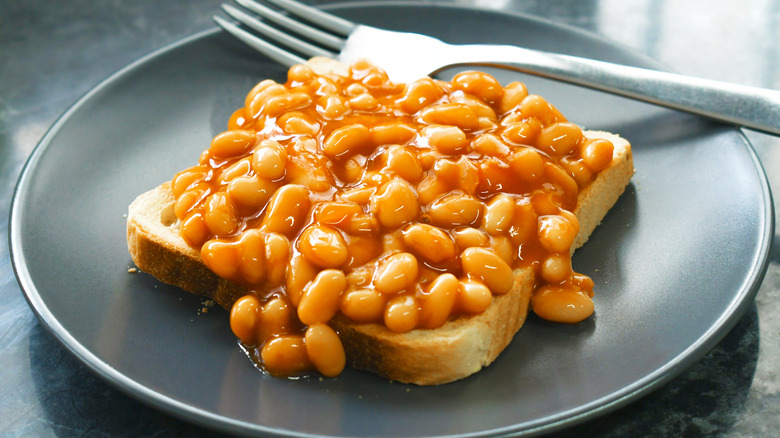
Sometimes, the best ways to eat more beans are the simplest. If you don't mind the beans' fibrous texture and mushy interior, you may like bean toast a lot. This dish is a favorite among Brits, and it's wicked easy to pull together in your own home kitchen. It's often made with dried Navy beans that have been soaked, mixed with a savory tomato sauce, and spooned over bread. However, if you're short on time, a can of Heinz Beans in Tomato Sauce will also work and scratch the itch for a midnight snack that's both filling and deeply savory.
As our experts point out, though, beans on toast is just one way to pair this fiber- and protein-packed topping with a humble slice of bread. "Avocado, pickled vegetables, fresh herbs, and a drizzle of olive oil or chili oil all work well to add contrast and brightness," says David Lee.
And if you aren't a big fan of the texture of beans, you can make them more palatable by pureeing them into a hummus-like spread and smearing it on your favorite bready base. "A slathering of hummus also works well in a bagel sandwich or wrap along with bell pepper, cucumber, and onion," says Cadry Nelson.
6. Mix them into burgers
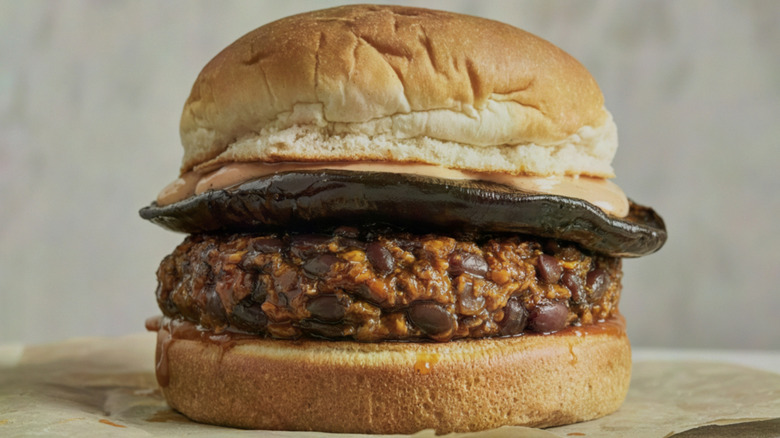
We've had quite a few black bean burgers in our day. They're popular in plant-based households and are quite versatile. Unlike beef burgers, which may make you feel sluggish and tired after you eat them, black bean patties specifically are very filling yet still light, and can be zuzhed up with any number of toppings.
While you can swap the standard black beans for other varieties, it's important to remember that not all beans are suitable for making burgers. "Black beans and chickpeas work well because they have structure and can bind easily. They create a balanced texture that's firm enough to hold shape but still tender," says David Lee. Jem Mantiri points to black beans and kidney beans, which are also conducive to making patties. "I also love making mung bean burgers, which might sound unconventional, but mung beans cook really fast," she says.
If you have never made black bean burgers yourself, they do come with a bit of a learning curve, especially if you're only used to working with meat-based burgers. Luckily, we have some tips, courtesy of Mantiri. "The key with any bean burger is making sure the mixture isn't too wet, so drain and dry your beans well and don't skip the binders like flax eggs or oats," she says.
7. Toss them into pasta
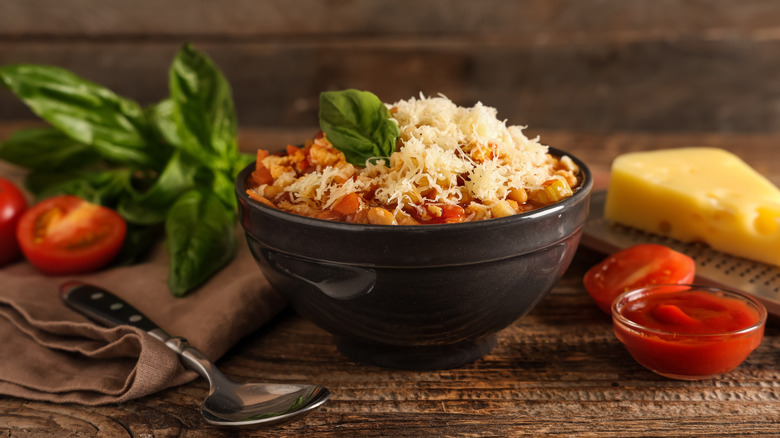
Pasta is heavy, carby, and can make you feel like you need to take a nap afterward. If you're in search of a more balanced dish that won't send you crawling to the couch, consider adding beans to your favorite pasta recipe. "Beans can be blended into sauces or added whole for texture. They pair well with garlic, olive oil, greens, and tomatoes," says David Lee. Since these ingredients are popular in pasta dishes anyway, you won't have to do much legwork to help beans fit into your favorite pasta recipes.
Jem Mantiri offered numerous suggestions for where to start. "Pasta e fagioli is a classic Italian dish that combines white beans with pasta, and it's incredibly comforting," she says. You can also pair chickpeas with a tomato-based sauce; the acidity will complement the beans' nutty, mild flavor. White beans are another popular pasta pairing. Mantiri specifically recommends pureeing the beans to create a creamy, dairy-free sauce for your noodles. "White beans love garlic, spinach, lemon, and olive oil, while chickpeas pair beautifully with cherry tomatoes, roasted peppers, and fresh basil," she says. We should also mention that you can find numerous bean-based pasta brands, like Banza and Explore Cuisine, in grocery stores and online, which let you add beans and their nutrients to your meal without having to contend with the texture and flavor of whole beans.
8. Use them as a taco filling
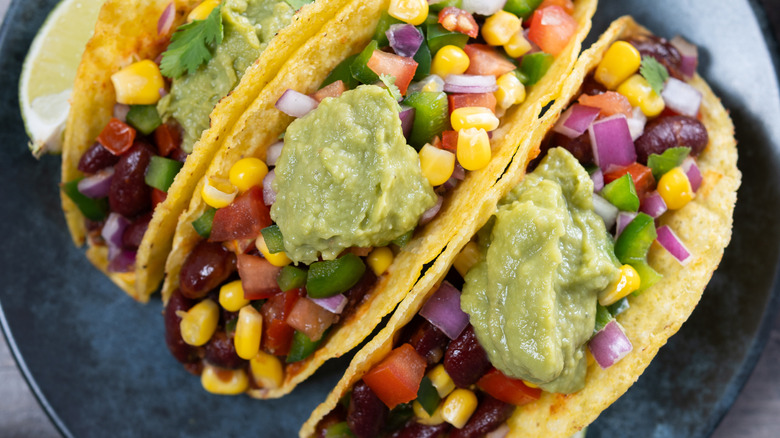
If you spent any part of your life as a plant-based eater, you've probably ordered a bean taco or two (and some nopales tacos, of course) from your favorite local taqueria. But if not, consider this your sign to try beans in your tacos. "They add richness and protein while absorbing seasoning well, making them a strong base for tacos, especially in plant-based cooking," says David Lee. There is also tremendous versatility here in the types of beans you add to your tacos. Cadry Nelson is partial to black and pinto beans, though she notes that chickpeas can also be a worthwhile choice. "Chickpea tacos are also a surprisingly good meatless option. Chickpeas have a pleasant bite and absorb spices well," she says.
Jem Mantiri also highlights black and pinto beans as great additions to tacos, and says that they are good matches for traditional taco flavors. "They're also cheap, quick to prepare from a can, and work for everyone at the table," she says. You can serve your tacos with a side of refried beans, or consider warming up a can or two of black beans (we recommend adding an acid, like vinegar, and salt) to bulk up your taco dinner.
9. Add them to a burrito or grain bowl
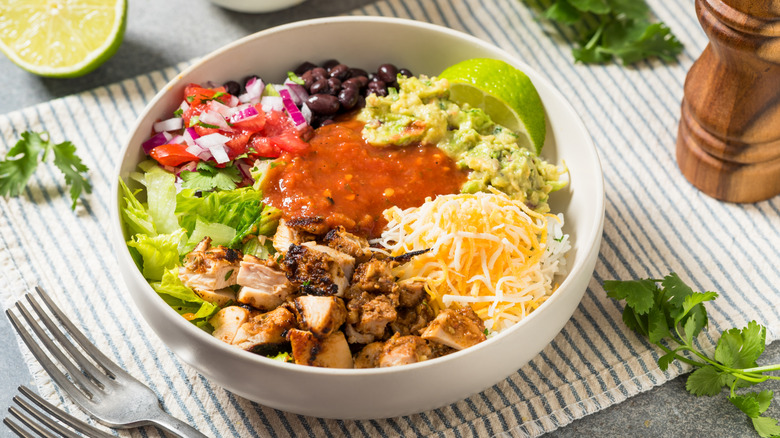
Grain bowls are one of our favorite easy weeknight meals. For one, they're easy to meal-prep in advance and enjoy throughout the week, and since the toppings and components can vary, you'll never get tired of them. Quinoa, rice, and farro are all suitable grains that can serve as the base of your bowl, but if you're looking for ways to bulk it up and complement the toppings, beans are the way to go.
"Beans are your protein anchor in a grain bowl," says Jem Mantiri. She recommends sturdy beans — including chickpeas and black beans — so they maintain their shape in the bowl. "Pair them with a chewy grain like quinoa, roasted vegetables, something pickled for brightness, and a good dressing like tahini or lime-cilantro. Balancing textures is really the key," she says. David Lee offers similar advice: "Pair beans with grains, fresh vegetables, something acidic, and a sauce to bring everything together."
When deciding what to add to your bowls, it's helpful to think in themes. For example, if you're pulling in Mediterranean flavors — like feta, roasted red peppers, and fresh herbs — you may want to go with summery chickpeas (or use them as a falafel topping). Southwestern-inspired components, like jalapeños, avocado, and seasoned chicken, will mesh better with black beans.
10. Turn them into chickpea salad
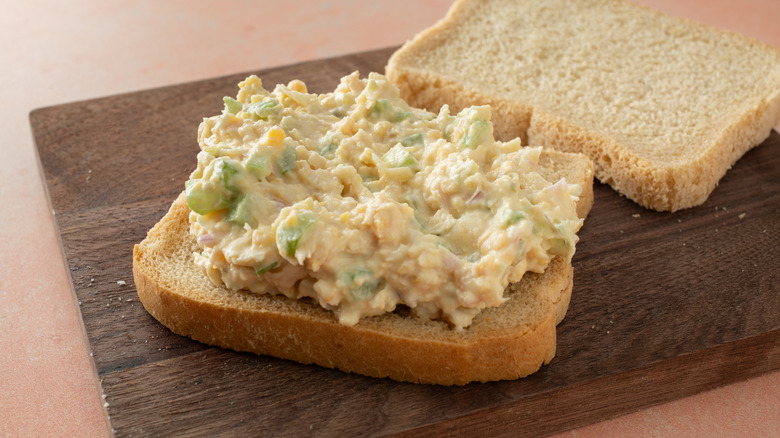
Chickpea salad is one of our all-time favorite foods. It allows plant-based eaters to enjoy a chicken salad-like sandwich filling without any of the meat, and it couldn't be simpler to make. "You just lightly pulse [the chickpeas] in a food processor, and combine with the usual tuna salad ingredients like vegan mayo, mustard, dill pickle, onion, celery, celery seed, and dill," says Cadry Nelson. Jem Mantiri makes a chickpea coronation "chicken" sandwich with mayo, mango chutney, curry powder, and raisins. We personally like swapping the mayonnaise for creamy avocado in our chickpea salad sandwiches, as its mild flavor balances the nutty chickpeas well.
If you are a fan of heat, take Nelson's suggestion and make a Buffalo chickpea salad by sautéing the beans with onion and garlic, adding Buffalo sauce, and piling it on a bun. "They're a little messy, but think of them as a cousin of the sloppy [Joe]," she says. These sandwiches are perfect for picnics or easy lunches.
11. Mix them into breakfast burritos
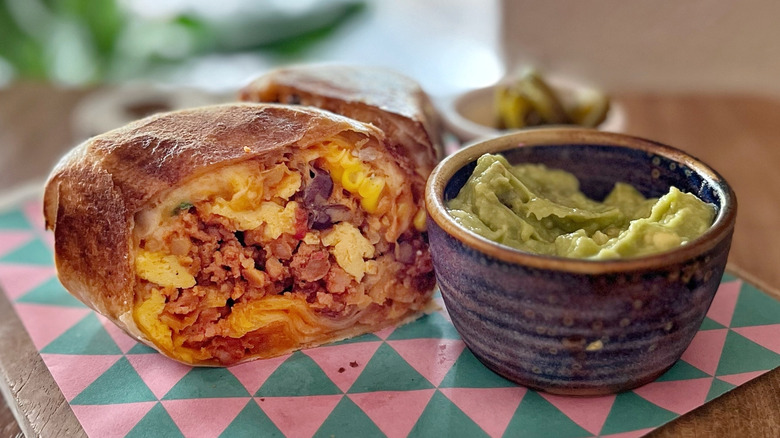
If you prefer savory over sweet breakfasts, you've probably eaten your fair share of breakfast burritos. Besides packing eggs, cheese, and meat into yours, consider getting your fiber in early by layering a spoonful of beans into your wrap. "Black beans and pinto beans work best. They hold flavor well and pair naturally with breakfast ingredients," says David Lee.
Jem Mantiri suggests using black or refried beans for your wrap. "They're hearty, flavorful, and pair so well with peppers, onions, and potatoes. Pinto beans are also a solid option if you want something a little milder," she says. Cadry Nelson recommends supplementing these ingredients with roasted potatoes and guac, and seasoning the beans with spices like paprika, cumin, and ancho chili powder.
12. Roast them for a crunchy topping
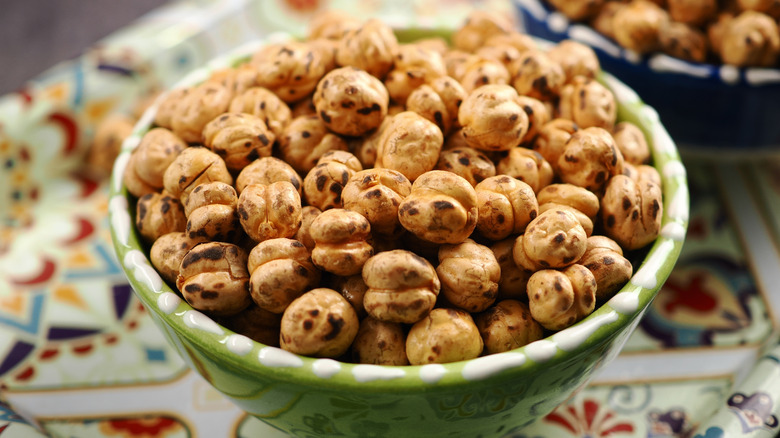
One of the biggest obstacles to adding beans to your favorite recipes is their texture. They can be a bit mushy on the inside and fibrous on the outside, making them more of a distraction than a textural enhancement. Roasting your chickpeas and sprinkling them on your favorite recipes is a far more approachable alternative. "Roasting completely transforms beans into something with a totally different personality," says Jem Mantiri, who suggests adding the roasted beans to grain bowls and salads.
If you don't want to preheat your oven, you can also make roasted chickpeas in an air fryer. Mantiri recommends drying them completely first and seasoning them after they cook so that your spices won't get too toasted. Cadry Nelson adds them to pasta. "They pair well with artichoke hearts, olives, garlic, basil, and other Mediterranean ingredients," she says.
13. Tuck them into stuffed pepper or tomato filling
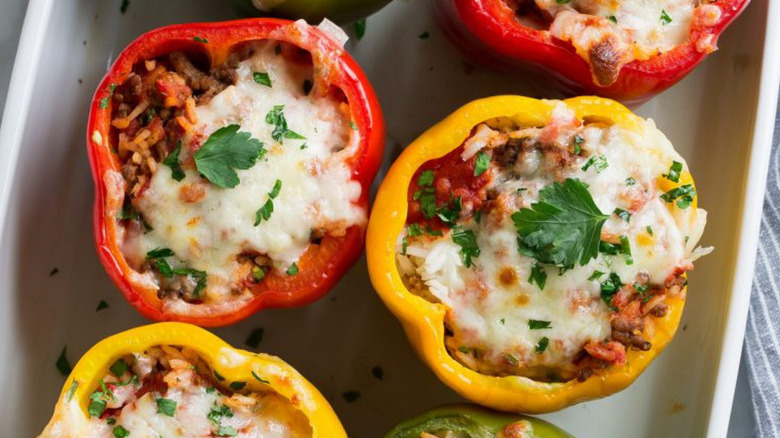
Stuffed vegetables (including onions, peppers, and even zucchini) are a slept-on dinner dish. They're so easy to make; just blanch the vegetables, stuff them with things like rice, meat, veggies, and, you guessed it, beans, and bake them.
"Black beans and kidney beans are both great for stuffed peppers and tomatoes. They're substantial enough to hold up during cooking and absorb all the surrounding flavors beautifully," says Jem Mantiri. She suggests pairing them with rice or quinoa for a satisfying meal. If you're looking for a place to start, we recommend Tex-Mex-inspired ones, stuffed with seasoned rice, black beans, and ground meat or textured vegetable protein, and topped with cheese, salsa, and guacamole. These taste great as leftovers, too, as beans have time to soak up the other seasonings and flavors.
14. Add them to a brownie recipe
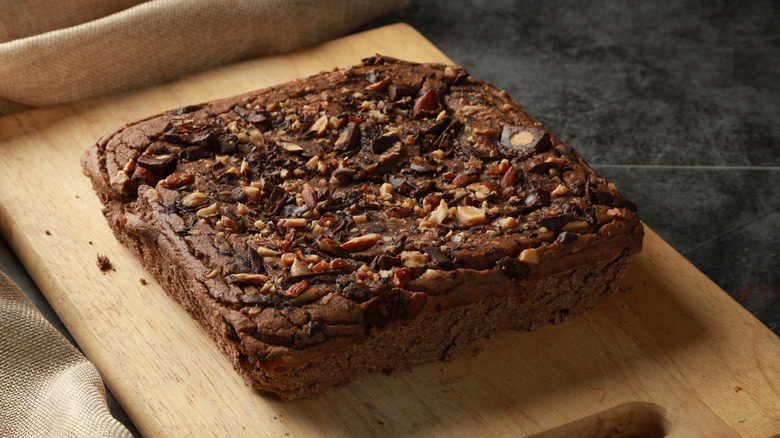
Black bean brownies may seem like a dessert reserved for health nuts, but we can attest that this simple, nutrient-rich dessert is incredibly satisfying. "Blended black beans work really well in brownies, creating something incredibly fudgy and gooey in the best way possible. You genuinely cannot taste the beans at all unless you're super sensitive to [them]," says Jem Mantiri. David Lee points out that the beans add moisture and structure and can be used in dense baked goods like brownies.
Brownies aren't the only dessert recipe that can utilize canned beans. "Beyond brownies, chickpea blondies are also great, and chickpea cookie dough is another one that's really worth trying," Mantiri says. Of course, beans don't work in light desserts, as their texture is far too dense, so keep this in mind when deciding how to add beans to, arguably, the best meal of the day: dessert!