

The 6 Best Vegetables For Beginner Gardeners To Grow
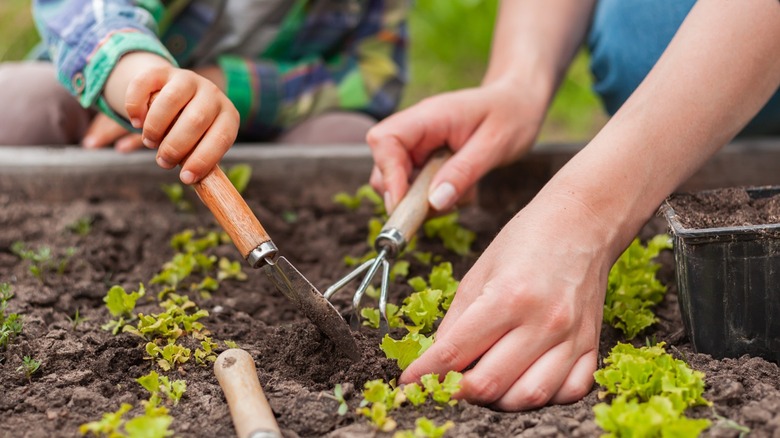
Now that winter has passed and we (hopefully) no longer have the potential threat of frosts looming, it's finally the right time of year to start prepping that vegetable garden that's been on your bucket list. Once you've sprung for a cute sun hat and carefully chosen the right area in the yard to place your garden, you have to decide which seeds and starters to grab from the nursery.
Sometimes, it's a little daunting to decide which veggies to plant. Certain items (such as cauliflower and Brussels sprouts) are known for being quite difficult to grow at home, and the thought of all that hard work going to waste can be discouraging to beginner gardeners. However, by choosing easy and adaptable vegetables recommended by experts, you'll be able to create and maintain a thriving garden that will impress your friends and family while providing fresh produce for your meals.
For this article, we worked with four experts to gather tips for helping novice gardeners get results that they can be proud of: Lindsey Chastain, founder of The Waddle & Cluck; Larry Stein, Ph.D., horticulture specialist and professor at the Texas A&M Department of Horticultural Sciences; Stephan Rebany, Master Gardener at AREV St. Tropez; and Chef Juan Cabrera, executive chef at Maréla, which focuses on farm tot able dining. Here are their most highly suggested vegetables for first-timers.
1. Cherry tomatoes
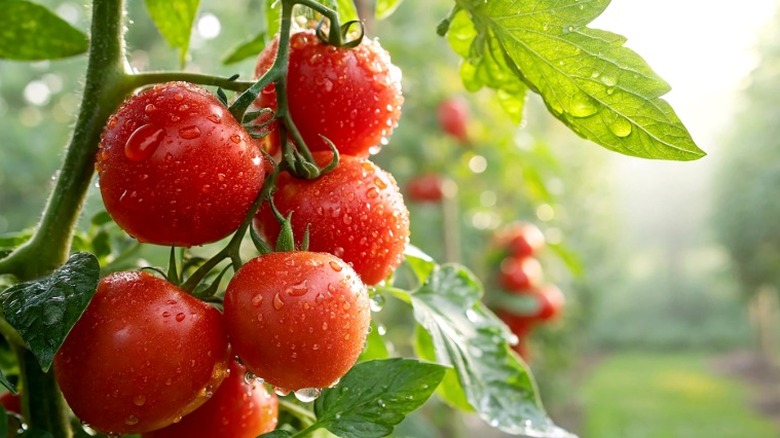
Tomatoes are a popular choice for those just starting out in the gardening world and are known to yield a tasty result. "When grown well, the flavor [of tomatoes] is incomparable to anything store-bought," says chef Juan Cabrera. And we can't help but agree.
While there are multiple varieties of tomatoes to choose from, like heirloom, beefsteak, roma, etc., Lindsey Chastain suggests one in particular. "Cherry tomatoes are a bit easier than larger tomatoes to start," she says, presumably because they mature more quickly than their larger counterparts. She also advises a specific method of growing them for the best results: "... grow them in a container with a tomato support or in the ground with a tomato support, cattle panel, or trellis...as the plant starts to grow, use string to gently tie the plant to the trellis." This will help keep the main stalk nice and stable as it begins producing heavier fruits.
Stephan Rebany says that cherry tomatoes are dependent on high-quality soil and adds that they do quite well when grown with basil, which not only keeps pests from munching on your precious plant, but encourages more growth when it's not staving off predators. And because of their relative low-maintenance and fast mature time, Cabrera, Chastain, and Rebany all agree that cherry tomatoes are a great option for beginners. Feel free to plant your cherry tomatoes in late spring or early summer after the last frost, water consistently, then harvest when your selected variety has achieved its optimal coloring.
2. Peppers
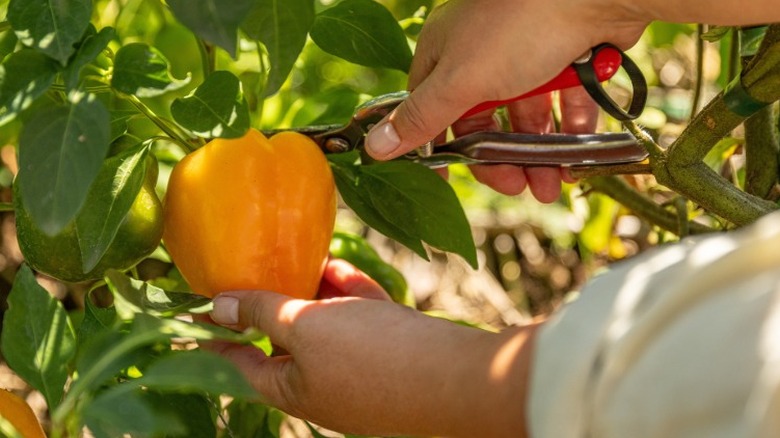
Much like the hearty tomato, pepper plants are a great place for beginners to start. While they can be grown from seeds, it's easier to use a tiny starter plant from a nursery and transplant it into your own garden after the last frost. Lindsey Chastain says that it's usually easier to start with a transplant when discussing planting peppers, as they are otherwise difficult to grow due to their long germination time. But when choosing what variety to plant, you really can't go wrong: Larry Stein proposes that both mild and spicy peppers like bell, jalapeño, and serrano are best for beginners.
Peppers do well either in pots or in the ground, so it's up to you what works best for your garden. If you live in an apartment, for instance, your only option is gardening out of containers — just make sure you choose a pot big enough so that they'll have ample space to allow their roots to grow. They're also "pretty pest hardy," per Chastain, which leaves you one less thing to worry about. Regarding care and the best time to start these plants, consider their preferred temperature: "Peppers love heat, so plant them outside after the soil warms up," Chastain advises. "Give them six to eight hours of sun and keep the soil moist, but not damp." Stein adds, "Peppers are [harvested] summer to fall; they can be harvested as young or immature fruit as well."
3. Lettuce
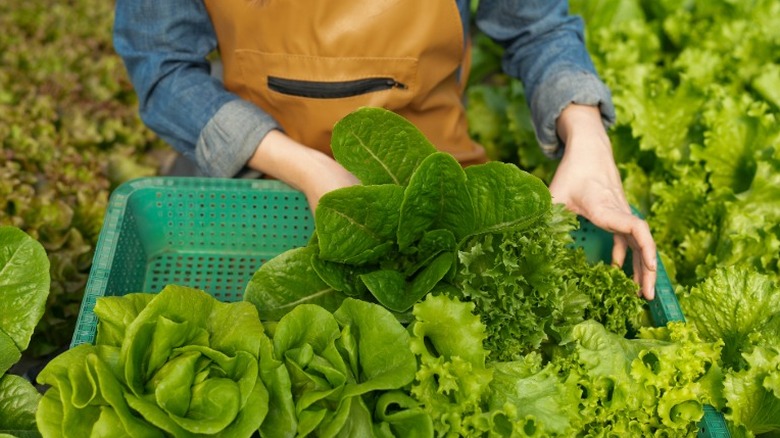
According to our experts, lettuce is great for sharing space with other vegetables being grown. "Flexible and adaptable, lettuces bring structure to the garden and work well with a wide range of crops," says Stephan Rebany. These bright green leaves are even a recommended garden addition by Martha Stewart because of their quick growth, versatility, and aesthetically pleasing nature. Not to mention, lettuce is also incredibly resilient because it can tolerate colder temperatures than some of the other veggies on this list, and, per Lindsey Chastain, "you can harvest one leaf at a time" without inhibiting growth.
As for where to add them to your garden, Chastain says that lettuce thrives in the shade while growing; however, it doesn't start off this way. "Many varieties of leaf lettuce germinate fast –- the key is not to bury the seed as the seed needs light to germinate," says Larry Stein."They pair naturally with taller plants such as tomatoes or beans, benefiting from light shade while helping to keep the soil cool," Rebany adds. Be sure to keep the soil moist while not over-watering, and you'll be sure to set yourself up for a successful lettuce harvest.
4. Radishes
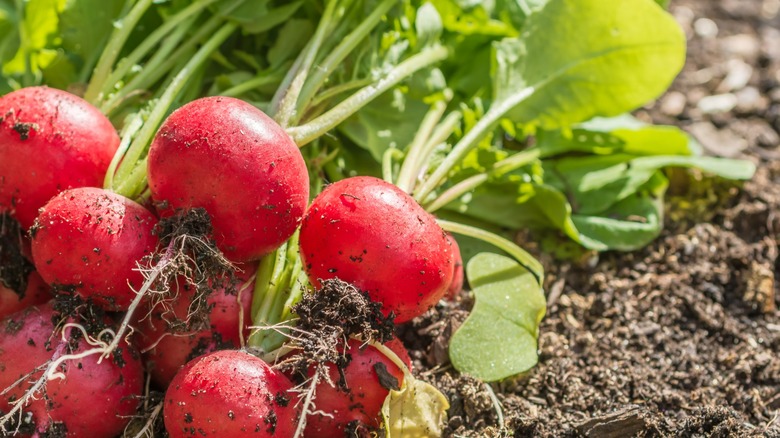
"Radishes are often a gardener's first success," claims Stephan Rebany. "Their very short growing cycle allows for quick, visible results." So if you're looking for something that'll make you feel like a master gardener right away, radishes should be up for consideration. Larry Stein adds, "Radishes germinate in three to five days and are ready to eat in less than 30 days," which means you'll be enjoying the fruits (or veggies) of your labor in no time.
When deciding where to plant them, you should put radish seeds directly into the soil next to "slower crops such as carrots or lettuces," Rebany recommends. This helps to account for space in your garden and not crowd other items. If you choose to plant your radishes in containers rather than in the ground, be sure that the pots have drainage holes and well draining soil because "too much water is as bad as not enough," per Stein, and you might waterlog these peppery roots.
These vegetables are flexible as well because you can harvest them based on your preferred taste. Stein says that "[radishes] are harvested as you desire; young and tender are best." He recommends Cherry Belle and White Icicle for beginners, but any variety you choose will do. And although there is a quick turnaround time for these crops, storing radishes correctly can extend their lifespan once harvested in either spring or fall.
5. Green beans
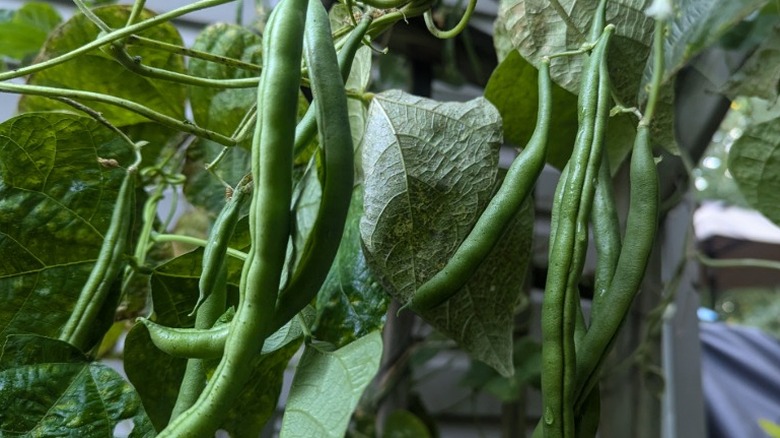
Green beans are perhaps the most low-maintenance vegetable our experts recommend for beginners. "[Green beans] are easy to plant and easy to grow," Lindsey Chastain remarks. They won't be plagued by bugs while growing, and "they also don't require any kind of support" in the same way that tomato plants do. Those qualities alone make these a winner in our books.
But if you need more convincing, Stephan Rebany concurs that green beans are basically hassle-free, saying, "They require minimal feeding and adapt well to lightly worked soil." For the beginner gardener, workable soil is that which is dry and ready to welcome plants. In this case, lightly worked soil may still have some moisture leftover from the cool, rainy, winter months, but thankfully, your green beans will thrive either way.
When it comes to planting, these vegetables should be placed in the ground after the last frost of spring and can be harvested in about two months. "The more you harvest, the more they grow," says Chastain. But be warned — these tasty, snappy beans come with a caveat. While they may be delicious raw, eating too many uncooked green beans could cause intestinal distress (and we definitely don't want that). Thankfully, making your green beans Italian-style is a great way to level them up without the fears of any potential tummy troubles.
6. Spinach
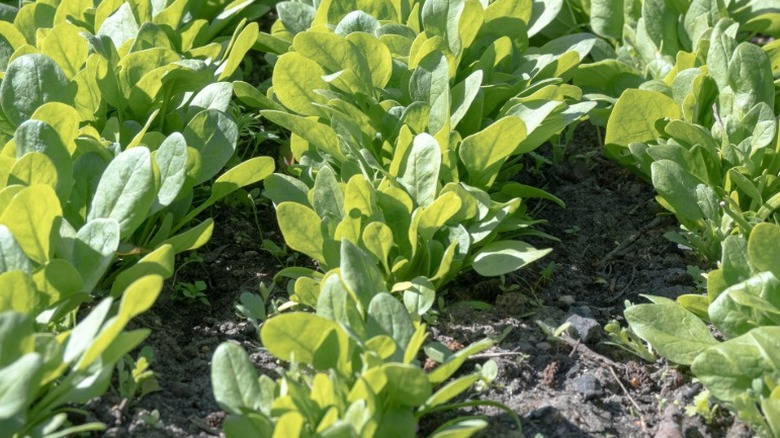
Spinach is a great example of a crop that plays well with others due to its shallow roots, which allow plenty of space for its neighbors to grow, so adding this leafy green to your beginner garden feels like a no-brainer. It also "fits easily between other crops, making efficient use of space," per Stephan Rebany.
This protein-packed vegetable loves cooler weather, so be sure to account for this when choosing which time of year to start. Gardeners tend to see more success in fall versus the spring, although either will work, provided the spinach is given six weeks of chilly air throughout the cycle. It can then be harvested after five to seven weeks, but be sure not to wait too long or you'll risk the leaves becoming bitter and inedible.
When it comes to maintaining this plant, Rebany suggests "Organic matter inputs and regular watering [to] support tender growth." Once you have all of your bases covered, you'll be swimming in a leafy green sea of spinach in no time.