

The 9 Best Ways To Cook Cabbage
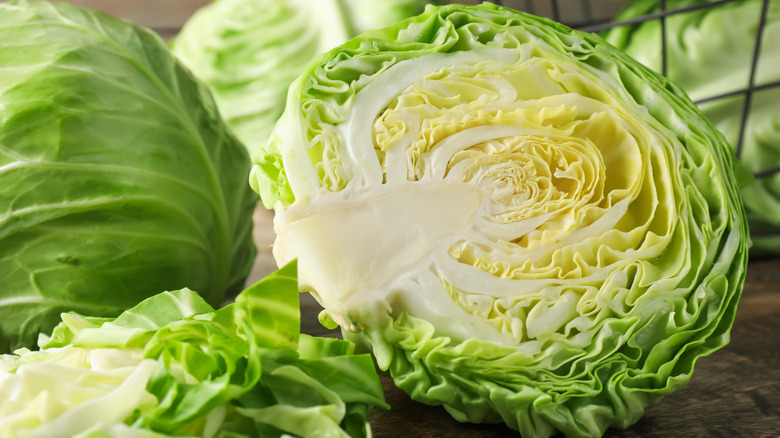
Nothing has made a comeback quite like cabbage (except maybe bellbottoms). For many people, cabbage was once a food that inspired disgust, both because of its strong, vegetal flavor and because it contains a compound called raffinose, a complex sugar that causes stinky farts. However, once-unfashionable cabbage has now made its mark as one of the biggest food trends to look out for in 2026, thanks to TikTok's growing fibermaxxing movement and fascination with gut health (something fiber-rich cabbage can help with).
In the interim, though, many of us have forgotten how to actually prepare cabbage to make it taste good. It's a daunting vegetable to cook with, on account of its impressive size and the number of cabbage varieties available. Besides this, cabbage has a bitter taste that can turn people off. And, if you've only eaten cabbage in coleslaw or once a year for the obligatory corned beef and cabbage day, you may be unaware of its full potential.
But that's where we come in. We've curated a list of some of the most popular methods for cooking cabbage to give you some fresh ideas, and also shared recommendations for ingredient pairings. We should note that we limited this list to cooking cabbage, but there are many delicious ways to eat cabbage that aren't included here — such as preserving it for kimchi or eating it raw in salads.
1. Try the viral cabbage boil
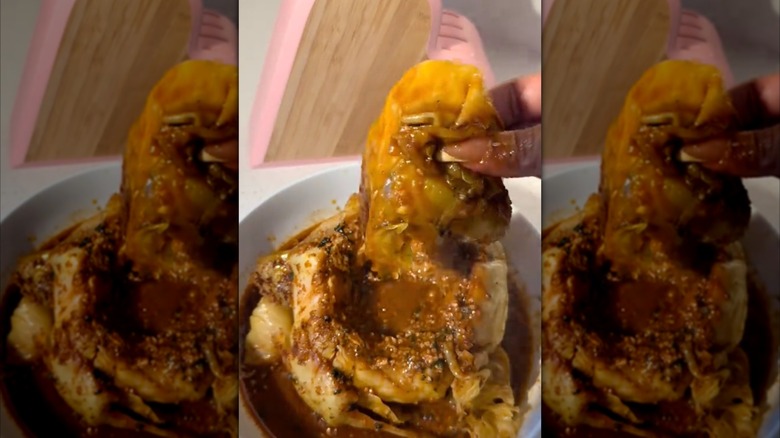
There are some TikTok food trends we wish we could leave in 2026 — and then there is the viral cabbage boil. If you're currently cabbage-averse, you may find yourself in an entirely different camp after trying the leafy green this way.
Although the name "cabbage boil" suggests you'll have to plunge it into a pot of water, you'll actually be steaming the cabbage. To prepare, you'll need to pull off any loose exterior leaves and remove the core from your cabbage using a sharp knife. Once the core has been removed, drizzle the cabbage with oil and place a large pat of butter in the center. Some variations on this recipe also add a whole bulb of trimmed garlic. Once your cabbage is ready, wrap it completely in foil, stick it in the oven, and slow-bake it until the leaves turn soft and fragrant.
Don't be afraid to enhance your cabbage boil with seasonings; Old Bay, lemon juice, and salt will give it a mouthwatering, briny flavor reminiscent of a classic seafood boil. You can also easily make this dish vegan by swapping your standard butter for plant-based spread.
2. Roast cabbage to bring out its sweetness
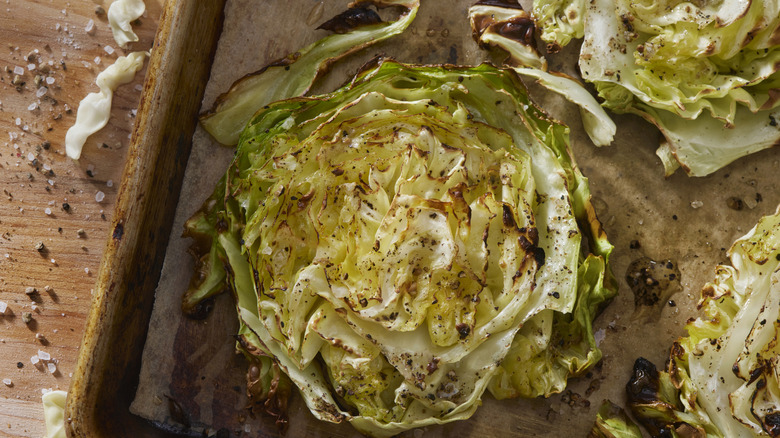
Cabbage is known for having a harsh and bitter flavor, so most good cabbage recipes focus on bringing out its sweeter notes. One of the best ways to do this is by roasting your cabbage in the oven (this time without wrapping it in foil). This is a really simple preparation that you can cook in a preheated oven alongside your roast chicken and potatoes.
Start by removing the core and cutting your cabbage into wedges or rounds. Coat the cabbage generously with oil and seasonings, then roast the pieces until you start to notice charring on the edges of the leaves. For best results, cook your cabbage directly on a sheet pan (foregoing parchment) or use a preheated cast-iron skillet. You'll also want to turn the heat up on the cabbage to really get a good roast; some recipes recommend setting your oven to 500 degrees Fahrenheit. Another technique that comes in handy here is flipping the wedges midway through cooking. Once you remove the core, the pieces will be difficult to turn and may fall apart, which is where a sturdy spatula comes in handy.
Salt and pepper are standard seasoning options, but the sky is really the limit here when it comes to flavor; garlic, lemon juice, and onion powder will all enhance your dish. You could also drizzle a tasty sauce over the finished product; chili crisp would contrast with the sweet cabbage, while a balsamic reduction would add tartness.
3. Braise the cabbage
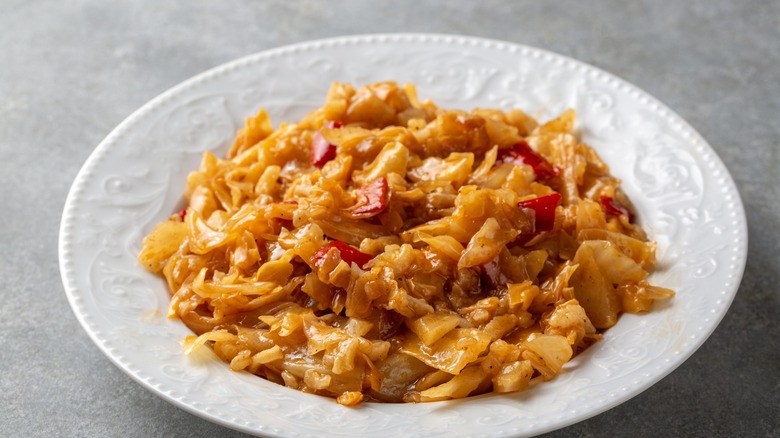
If you have enjoyed your fair share of corned beef and cabbage, you've likely eaten a braised version of this veggie without realizing it. Braising usually involves searing a food (this is most often done with meat, but it works just as well for veggies like cabbage) and then simmering it in liquid so that it soaks up the juices and becomes tender. You get the best of both worlds here: the flavor and char from the initial sear, and then the softness and juiciness from the braise.
One of the biggest mistakes people make with braising cabbage is not choosing the right braising liquid. The liquid is the source of all the flavor in your dish, and if you opt for a poorly seasoned reduction or tasteless broth, your cabbage won't end up with as much flavor.
One tantalizing suggestion is to braise your cabbage in beer. We recommend using a hearty Guinness or stout for this, as the malty flavors and bitter undertones will pair well with the cabbage's vegetal notes. You can also braise cabbage in apple cider to give it punchy sweetness and acidity. For extra flavor, consider searing the cabbage in a fat, like leftover bacon grease or chicken fat, so that the leaves can absorb all that flavor and develop the perfect char.
4. Saute it with aromatics
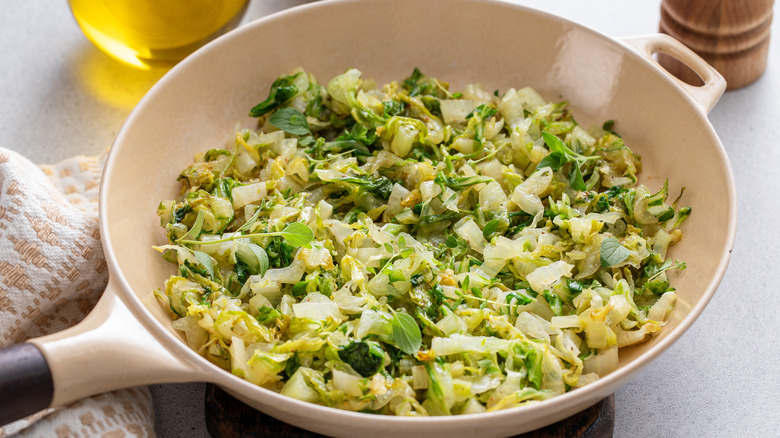
There are plenty of time-consuming ways to cook cabbage. But when you have a whole head of it sitting in your fridge and don't want to commit to slow-cooking, you can always turn to your trusty saute pan. Although this method for cooking cabbage is simple, it is also delicious and can create tender veggies that can be part of other recipes (like making soft leaves to stuff into gyozas).
After removing the core, start by chopping up your cabbage into small pieces. They should all be roughly the same size, as you don't want to have pieces of crunchy, undercooked cabbage mixed in with pieces that are fall-apart tender. Add your fat to the pan (butter and olive oil, or a combination of the two), let it heat up, then add your cabbage. You'll want to stir the cabbage occasionally so that it all cooks at the same rate. However, unlike other veggies, you can actually leave cabbage alone for the most part — especially if you like it with crispy, caramelized bits. Use salt and pepper as a seasoning base, though you should also hit your greens with some acid, like apple cider, white vinegar, or lemon juice. This will liven up the flavor of the greens and also help balance out any leftover bitterness.
There are many dishes that sit perfectly alongside sauteed cabbage. Pork chops, baked chicken, or even grilled sausages or brats will complement the strong, cruciferous flavor.
5. Grill up some cabbage steaks
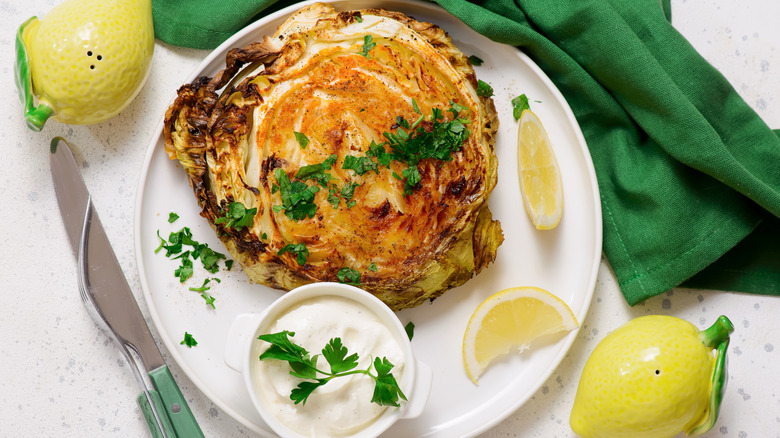
If your grill is playing host to burgers and dogs, why not throw some cabbage steaks on there with it? Grilled cabbage not only makes a hearty plant-based entree, but you can even use grilled cabbage steaks as a low-carb alternative to burger buns.
Leave the core in to hold the steaks together. It's also very important to slice your cabbage steaks to the same thickness, as you don't want to have some steaks come out raw while others are completely cooked. Aim for pieces that are about an inch thick. Before you fire up your grill, make sure that your cabbage wedge is coated generously in oil, which will prevent it from sticking to the grates or the grill pan.
You can cook your rounds over direct heat for about five to 10 minutes, depending on the size of your steaks. Although the core will help them stay intact, some of the leaves may break off, so be mindful of potential flare-ups and use a spatula to carefully flip the steaks midway through cooking. We love pairing grilled cabbage steaks with a bright lemon-Dijon dressing to liven up the flavor or a rich tahini to act as a nutty foil to any lingering bitterness.
6. Steam it
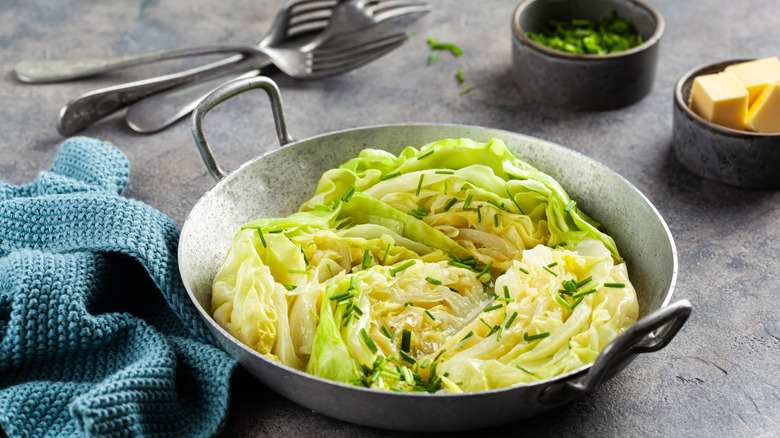
Steaming cabbage is not the most flavorful cooking method you can employ, but if you're prepping the leaves to use in another recipe, this cooking method can be helpful. It's also relatively simple: Remove the core, cut up the cabbage into wedges (or whatever shape you need for your recipe), and tuck them into a steamer basket. Depending on the size of your wedges, you may need to steam them for up to eight minutes on each side before topping with seasonings and butter.
You'll need to tailor your cooking time to the variety of cabbage you're using, too. Savoy or napa cabbage may only need about five minutes in the steamer basket because it's not as hard as green and purple heads. Steamed cabbage is best served hot. If you're sticking to basics, a pat of butter and a sprinkle of salt and pepper is all you need. You can add your cabbage to other recipes, like flavorful curries and soups, or eat it alongside salty meats like sausages, brats, or corned beef.
7. Blanch your cabbage
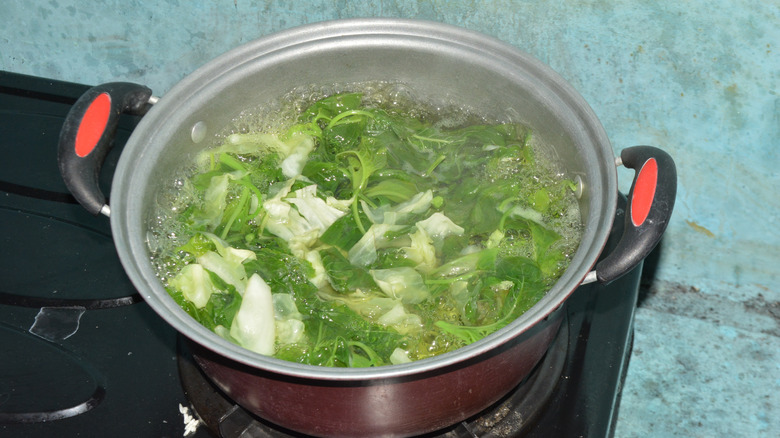
For most veggies, being submerged in boiling water and then shocked in an ice bath helps them maintain their color and texture. But when you blanch cabbage, you get another benefit: blanching allows you to freeze the veggie without it getting mushy. Blanching can also be a helpful cooking technique to employ if you plan on making cabbage rolls, since you want the cabbage leaves to be pliable but retain some crunch.
There are several different blanching methods you can use, depending on what you're making. You can use a pronged barbecue fork or tongs to gently plop the entire head of cabbage (with its tough outer leaves removed) into the water. Every couple of minutes, remove the head from the water, strip off the outermost leaves, and repeat — until you reach the hard core.
Alternatively, you can peel the cabbage ahead of time and submerge the leaves in water individually. After two or three minutes, transfer them to the ice water to halt the cooking process. This method may not be ideal for making dishes like cabbage rolls because it's easy to accidentally rip the leaves, but if you don't have a pot that can accommodate a whole cabbage head, it may be the way to go.
8. Air fry your cabbage
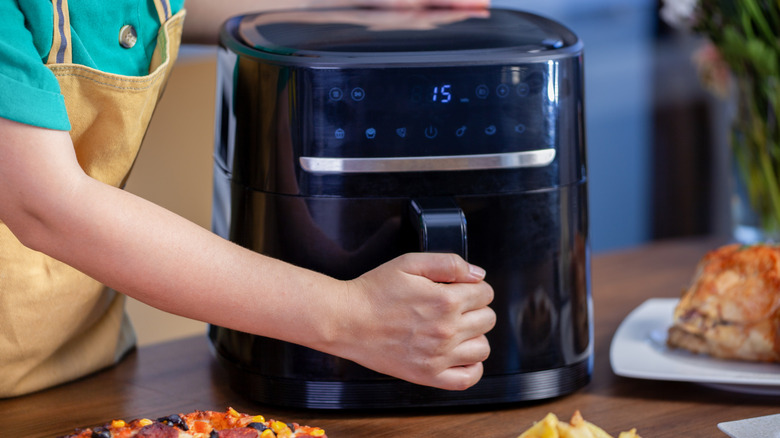
What can't your air fryer do? Seriously, this appliance is kind of what culinary dreams are made of, seeing as you can cook almost anything in it. You can even use an air fryer for baking. However, your mind may not immediately go to cabbage when you think of it — until now.
Air fryers are excellent for cooking cabbage because they are like powerful convection ovens. They require less preheat time than a conventional oven, allowing you to get perfectly crispy cabbage wedges in a fraction of the time. You'll want to follow all the same steps as you would for a standard oven, including preheating, slicing your cabbage into equally sized pieces, and coating the cabbage in oil, so that it browns as much as possible.
There are a few downsides to air frying cabbage that are worth mentioning, however. The first is that an air fryer's smaller size limits the amount of cabbage you can prepare in it. The second is that not all air fryers are equally powerful, so even if you're following a recipe, you'll want to keep an eye on your wedges to make sure they don't under- or overcook.
9. Give it a Southern twist and fry it
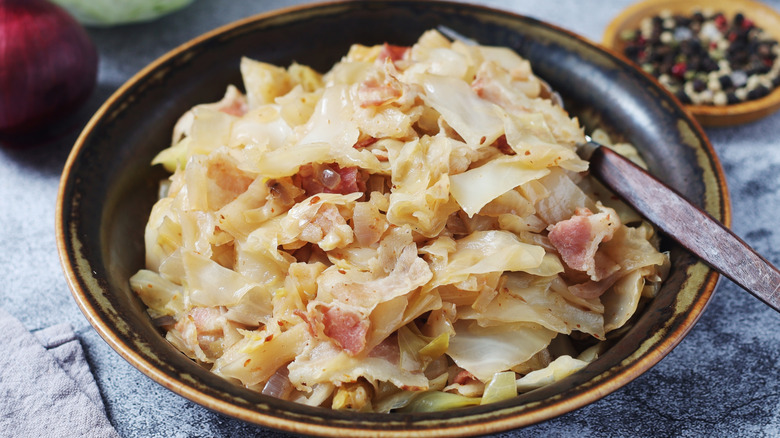
Rarely would we describe cabbage as "mouthwatering," but after you try Southern fried cabbage, you may do exactly that. Although the name might sound like you're literally frying an entire piece of cabbage, as you would a piece of chicken or catfish, this cooking technique actually involves frying chopped cabbage in a pan with fat — often bacon grease — and Creole- or Cajun-inspired seasonings.
The one important blunder you'll want to avoid when making Southern fried cabbage is adding too much moisture to the pan. The moisture ratio is what separates this method from sauteing or steaming. You'll usually need to add a dash of chicken broth, which can be absorbed by the cabbage leaves and helps make them supple. However, this dish can get waterlogged quickly, which is why it may be better to add your broth incrementally or nix it entirely (as some Southern fried cabbage recipes do). For the best flavor, you can also add pieces of salty, crispy bacon to the finished dish.
This dish is very hearty and is the definition of comfort food. As such, it's perfect paired with classic Southern fare, like the aforementioned fried chicken or catfish. Don't forget to dip your cornbread into the leftover juices, too.