

9 Best Shopping Tips For Saving Money On Beef
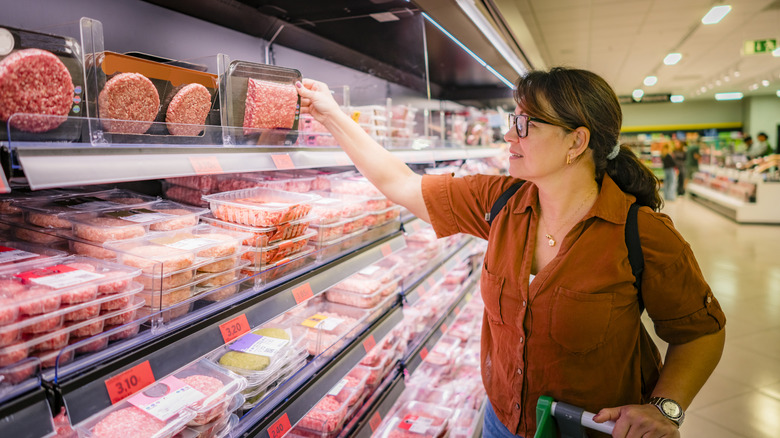
In case you missed it, the price of everything grocery-related has increased substantially in recent years — to the tune of 2.1% between January 2025 and January 2026 alone, per the United States Department of Agriculture. While industries of all sorts, from processed foods to fresh produce, have seen prices skyrocket as a result of a multitude of factors, spanning from labor and supply chains to tariffs, there is one product in particular that really has shoppers (and their wallets) hurting: beef.
Since February 2020 (pre-pandemic), beef prices have increased 51%, per data gathered by the Bureau of Labor Statistics and published by NPR. Like other price hikes, the cause is hard to drill down into, but smaller herd sizes, which were the result of climate change and drought, are certainly a big driver. While some consumers have opted to buy beef alternatives as a means to save money, the demand for beef burgers, steaks, and beef products isn't dwindling, meaning more and more shoppers have to shop smarter when it comes to beef.
If you are looking for ways to spend less on beef, you're in the right place. We spoke to an array of experts, including Rachel Coons from The Money Mom, Alexander Ketter, consumer expert at coupons.com, Chip Carter, host of "Where The Food Comes From", and third-generation butcher chef Thomas Odermatt. They shared their top tips for saving money on beef at the store, as well as how thrifty shoppers can make the most of their beef purchases.
1. Go for under-the-radar cuts
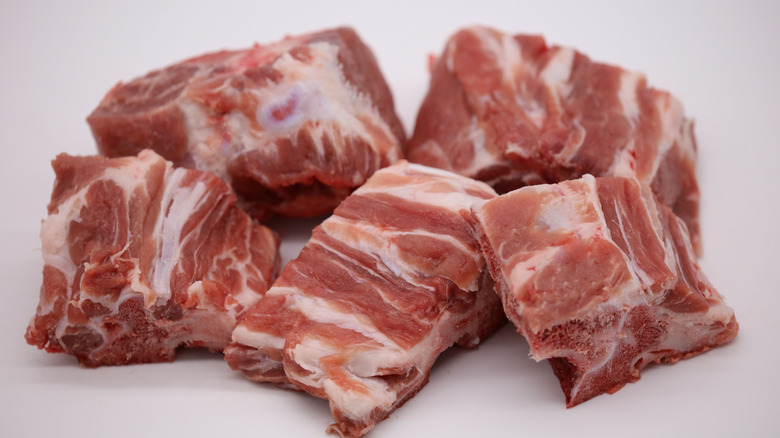
We all have our steak favorites, including juicy ribeye, high-end filet mignon, and almost-sweet grass-fed ground beef, but cutting costs may mean swapping these conventionally expensive cuts for more affordable ones. "Sure, we all want a ribeye or filet — but we also want to send our kids to college," says Chip Carter, host of "Where The Food Comes From." Don't think for a moment, though, that you're losing out on flavor when you select a cheaper cut; it's better to think of it as an opportunity to expand your culinary know-how. "We have to remember, luxe cuisine is easy — it's hard to mess up filet mignon and lobster. The real secret to cuisine and culture goes way, way back — it's based in poverty, actually, and it's all about taking things that might be less desirable and making them, well, wonderful — think Italian and Southern cooking as a great example," Carter says.
Our experts weren't shy about sharing their budget-friendly picks with us. He recommends going for beef cheeks and meaty neck bones. Whole beef shank also has a big place in his heart. "Some of my happiest moments at the butcher counter involve discovering a whole beef shank," he says. "[Slow-braised], roasted, or prepared as a classic Italian Stinco — served with polenta — it's the holy grail of budget-friendly meat. This cut celebrates inexpensive meat at its best."
Rachel Coons from The Money Mom, meanwhile, is a big fan of the slow-cooked cuts like chuck roast, top sirloin, and flank steak. She explains that her "rule" is "if it's a tougher cut, it just needs time ... not a higher grocery bill." Take this as your sign to take out the slow cooker and embrace the opportunity to learn (and cook with) these under-the-radar and affordable options.
2. Pay Costco a visit
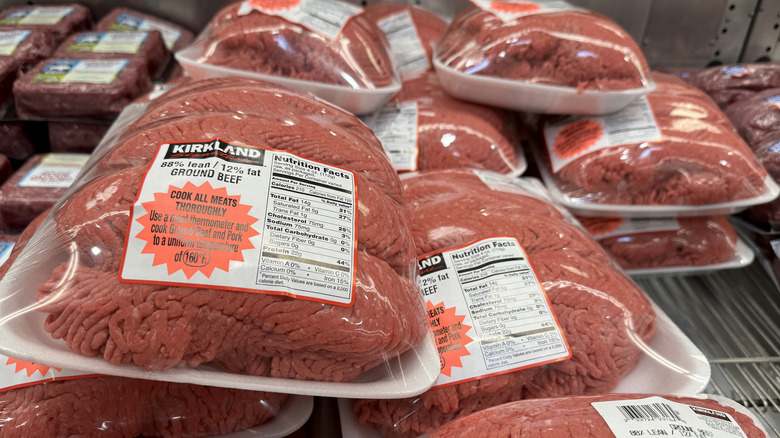
One of the questions we had to ask our experts was where they would recommend buying budget-friendly cuts, and what may come as a surprise to no one, they all had the same suggestion: Costco. "For bulk buying, Costco usually comes out on top. The upfront cost is higher, but the price per pound can be significantly lower than other major supermarkets, especially if you're buying larger cuts or family packs," says Alexander Ketter, consumer expert at coupons.com. Rachel Coons groups Sam's Club into a similar category as Costco when it comes to bulk buying and shares another perk for busy families: It offers free online ordering.
Chip Carter offered a well-rounded explanation of why these bulk stores can do so well when it comes to pricing. "Across the food chain, the Costcos of the world get first pick, whether it's meats, fruits, or veggies," he says, noting that the volume is what gives the wholesalers the opportunity to price their meat for so little. However, don't think for a moment that low prices correlate to low quality; Costco is one of the grocery chains with the highest-quality meat departments. Carter agrees. "All [big-box] stores do the same; my personal preference is far and away Costco for quality."
Obviously, there is one important caveat here: Costco charges an annual membership fee, so make sure you do your research about getting a membership first. However, if you can split the fee with other folks in your household or visit the store with a card-holding friend, you can save yourself some dough and get some great beef in the process.
3. Shop with the intent to freeze
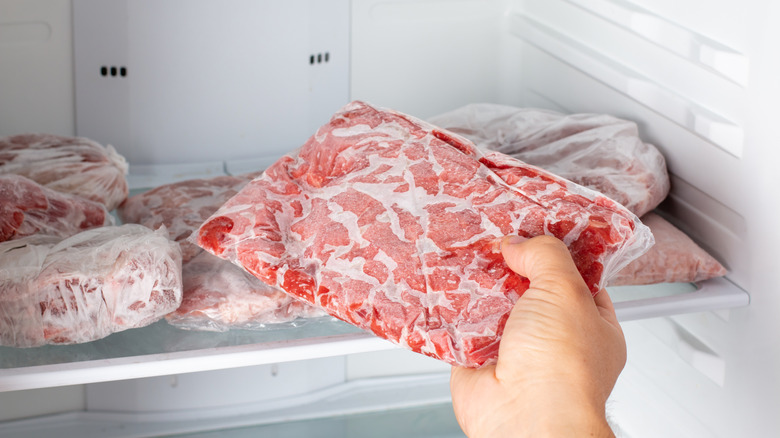
We get it: There's something very romantic about having a craving for steak for dinner, going to the grocery store and buying stuff for just that meal, and preparing yourself a candlelight dinner. However, not only are you wasting a ton of time going back and forth and buying food just for the day, but you could be missing out on the deals you'd get if you bought in bulk. The better approach is to shop ahead of time, with the intent to freeze whatever you aren't planning to use immediately.
Not everyone has a chest freezer large enough to store half a cow, but if you can find a way to pack away meat when it's on sale, you could end up spending less in the long run. Sometimes, this may mean switching up your usual purchases for something more freezer-friendly. "Loose ground beef should be consumed within days, but brick beef — vacuum-packed — becomes my freezer backup, especially when it's on sale," says butcher Thomas Odermatt.
If you do buy fresh meat, you may need to rethink your packaging choices before freezing it. "The biggest mistake I see is people freezing beef in the packaging it came in. That's what leads to freezer burn and wasted money," says Rachel Coons. Instead, she recommends flattening ground beef (you can use one baking tool in particular for this purpose) and rewrapping it in plastic wrap and a resealable bag. At this point, take Odermatt's advice and mark the bag with the date you packaged it so that you know when you have to use it.
4. Check out a CSA
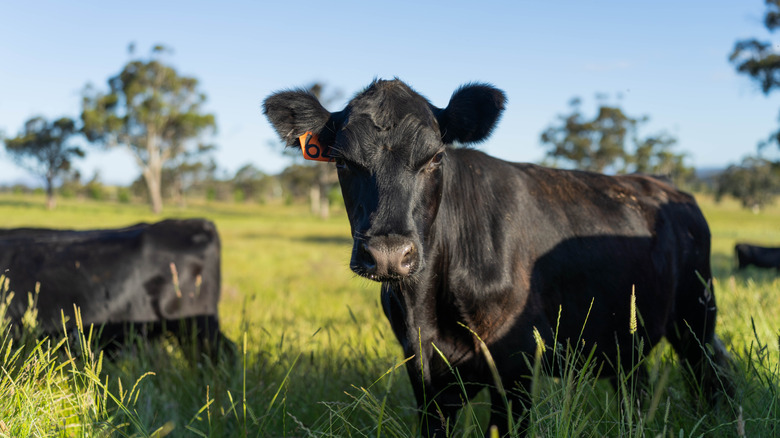
If you live in an urban area, you may not have even realized that there is an alternative to getting your meat from the grocery store — and potentially a more affordable one at that: Community supported agriculture (CSA) programs run by farms and producers. People pay farms directly, essentially buying "shares" of the crop (whether that's beef, produce, or diversified farm products), which often gets them weekly or monthly baskets of food. Depending on what types of foods your household eats and if you have enough culinary creativity to cook unique produce and fresh, under-the-radar cuts of meat, it might be a more financially viable alternative to buying high-quality meats at the store. "If you have a network of friends you can rely on for the shares, then it certainly makes sense to check it out," says Chip Carter.
Other direct-to-consumer models include buying quarter, half, or full parts of the cow from the rancher, which can get you a more affordable price per pound. However, it's about more than just cost here. "Recently, I purchased half a cow from a local farmer. It was inexpensive, yes, but more importantly, it supported the local community," says Thomas Odermatt. This may be a worthwhile option if you have the freezer space to do so and if you don't mind experimenting with different cuts.
5. Don't discount your local butcher
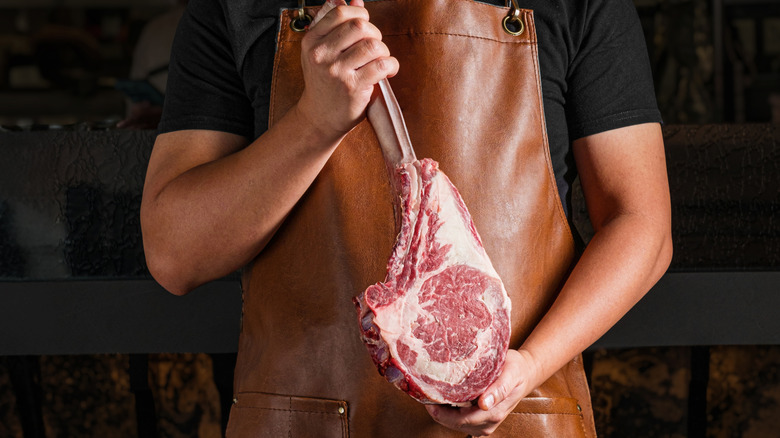
We often think of small, mom-and-pop butcher shops as being exclusive and not price-competitive with the Aldis and Costcos of the world, but depending on where you live, you may find high-quality cuts at affordable prices at your neighborhood butcher shop. "In swankier areas, butchers tend to be priced well over market value; they're offering premium product and presentation," says Chip Carter. "Now, depending on the neighborhood or even if you're in an urban or rural setting, local butcher shops can be amazing. In smaller towns, we find they're often working with local ranchers or even controlling their own farms," he says, noting that some shops can actually be cost-competitive to grocery stores.
Besides location, the type of meat you buy can also dictate whether a grocery store or a local butcher is going to be cheaper. "When it comes to the most popular cuts, local butcher shops often come out more expensive than supermarkets as they don't have the economies of scale that chain grocery stores have," says Alexander Ketter. However, Ketter does note that there are two ways that local shops can be cheaper: they may offer discounts if you buy in bulk or purchase certain cuts, and they can recommend cuts that are more affordable than more premium selections. Make a plan for how you intend to use the meat, whether you're making a traditional beef Wellington or unfussy steak quesadillas, and set a budget, then let your butcher walk you through your options.
6. Shop based on the season
Have you ever noticed that beef (and meat, in general) prices tend to hit lows at certain points of the year? This is no accident; it's usually centered around major holidays when stores are running grilling promotions. Rachel Coons offers a few occasions when you may see beef prices dip: grilling holidays (think Fourth of July and Memorial Day weekend) and after those holidays, when stores want to clear leftover inventory. If you're buying wholesale, you may also want to buy up beef in the "off" times of year when people aren't grilling. "Typically, from January to May and early autumn are when wholesale prices tend to be the lowest, although the difference isn't huge (typically a few percentage points)," says Alexander Ketter. If you have enough space to freeze your beef, you'll want to take advantage of these price lulls.
If you want to score a higher-end cut, like prime rib or rib roast (which are actually different), Chip Carter recommends paying attention during Christmastime. "Retailers usually pick one, sometimes two, whole beef items at ridiculous prices — that's usually done in conjunction with suppliers and the industry — and I make sure I have plenty of freezer space heading into the season," he says. He alludes to the fact that these cuts change; two years ago, he stocked up on prime rib during the holidays and is still cutting it into steaks now, and the same can be said for the whole New York strip roasts. "Now I have a freezer full of premium steaks I paid $5.99 a pound for," he says.
7. Buy Select or Choice instead of Prime
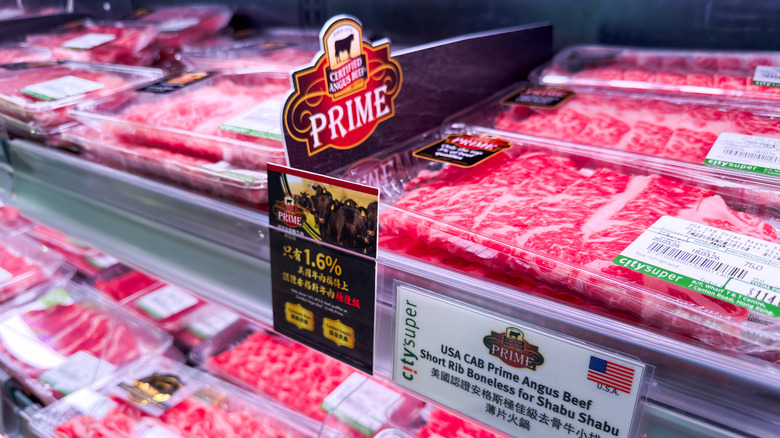
Now, if you don't consider yourself to be the exploratory type when it comes to cooking — or don't want to venture into different cuts for your favorite beef dishes — you may want to reconsider the quality of beef you're buying to save money. We get it: no one wants to feel like they're buying less-than-premium beef, but you may not even be able to notice the difference between the three most common grades of beef: Prime, Choice, and Select.
Prime, as its name implies, is the top-quality beef, and its high marbling typically correlates to a high price tag. "Prime beef has become hard to justify for everyday use — not because it isn't excellent, but because of the price," says Thomas Odermatt. Choice, by comparison, has less marbling, and Select has the least out of the big three, though don't eschew beef with these grades because of that. "For everyday cooking, Choice or even Select is completely fine," says Rachel Coons. "For most family meals and if your goal is grocery savings, the difference isn't worth the extra cost." She suggests using lower-cost beef for slow-cooker meals, soups, and stews, and really any instance where sauce and seasoning can cover up that flavor.
A big part of this is also how you cook it. "A well-selected Choice cut, cooked properly, will outperform a poorly handled Prime cut every time. Buy the cut, understand the cooking method, and respect the product," Odermatt says.
8. Stretch your beef with other ingredients
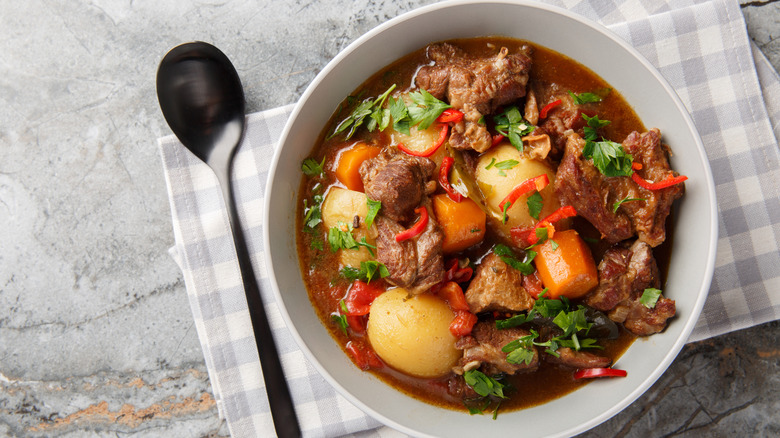
Meat has been the center of our plates, from 19th-century chophouses to post-war Baby Boomer households. However, in an economy where meat costs are on the rise, and more recipes, international cuisines, and ingredients are available than ever before, one has to ask, does meat still need to take up the entirety of the plate? We would argue no.
In fact, finding ways to stretch your beef purchases by using them as components of other recipes, rather than standalone dishes, is one way to maximize your grocery budget. "It's less about the meat and more about how you build flavor," says Rachel Coons, who recommends using a half-turkey, half-beef blend for some recipes and adding beefy flavor with the help of ingredients like Worcestershire sauce, beef broth, and seasonings.
Alexander Ketter offered some suggestions for ground beef in particular, including brown lentils. "Brown lentils are the winner when it comes to price, costing around $1.50 to $2 per pound, which is typically at least three times cheaper than the cheapest ground beef," he says. He agrees with Rachel's seasoning suggestions and recommends also adding mushrooms for that extra dose of umami.
Aside from stretching ground beef with these additions, you may also want to select recipes that use smaller portions of beef than, say, surf and turf. Add beef to curry, a root vegetable stew, or a stir-fry for a protein boost, but let other ingredients do the heavy lifting. Your wallet will thank you.
9. Shop around for the best deals
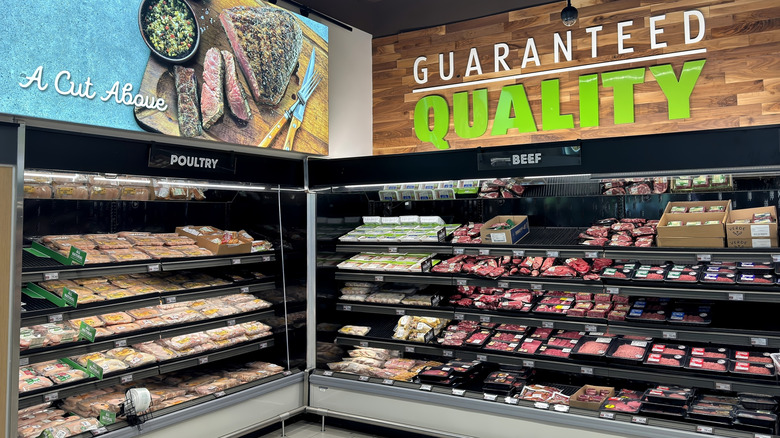
If there is one single piece of advice that our experts want you to know, it would be to shop around. "I always tell families to shop based on pricing patterns, not just the store name," says Rachel Coons. She offers the example of Kroger and Safeway, which offer great promotions but may not be the place to shop otherwise. "Keep an eye on the per-pound prices at your local grocery stores and stock up when they run promotions (and remember to freeze whatever you don't plan to use straight away)," says Alexander Ketter. An easy way to do this is to look for coupons on the store's apps, check online for sales, or flip through weekly circulars to compare prices.
When you shop around, it's also important to consider any trade-offs you'll need to make in the process. For example, although many of our experts called out Aldi specifically as having affordable meat, there are some cuts that are worth buying and others that you should skip, mostly on account of quality. You may also waste gas money and time driving all over creation trying to get a good deal on ground beef, even if it means paying more for all of your other grocery items. Therefore, doing as much research as you can, comparing prices from butchers, direct-to-consumer programs like CSAs, and seeing if you can score a good deal at a wholesaler will pay off in the long run.