

10 Creative Ways To Use Leftover Lobster
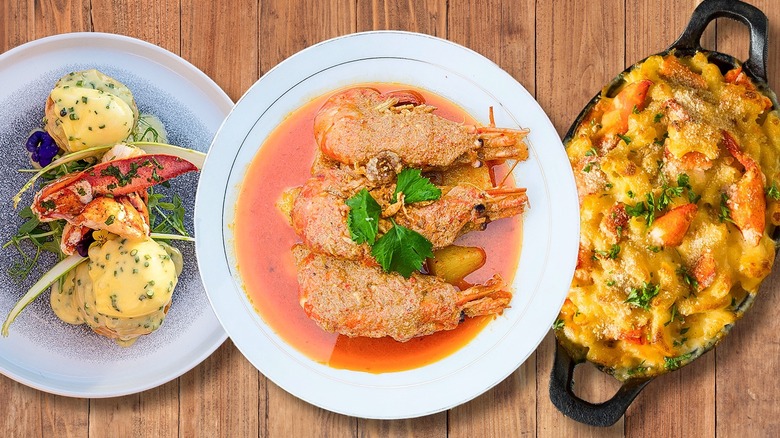
Few things feel more decadent than having lobster left over from a big meal. Once used as prison food because it was considered the "cockroach of the sea," lobster is now a delicacy that many wouldn't dream of tossing out, no matter how little is left. For many people, the go-to solution for leftover lobster is to whip up some mouthwatering lobster rolls or perhaps a quick and easy lobster salad. However, there are plenty of other ways you can use lobster in a variety of dishes.
In my home province of Nova Scotia, lobster is absolutely everywhere. You can find it in seafood markets, grocery stores, restaurants, and even at roadside stands. Of course, the easiest and most common way to cook it is to boil it or throw it on the grill. Lobster rolls are also wildly popular. But with so much of the shellfish readily available, many people like to switch things up, and so you often see lobster prepared in creative ways.
The great thing about lobster is that it's very versatile. The mild, slightly sweet, and briny flavor works well with many other flavors, from rich ingredients like butter and cheese to aromatic spices and herbs, fresh vegetables, and fiery chiles. Plus, the meat is firm enough to hold its own in hearty dishes like pastas, soups, and stir-fries. If you're seeking some inspiration for what to do with your leftover lobster, here are 10 fun lobster dishes that go beyond the same old lobster rolls.
1. Lobster Benedict
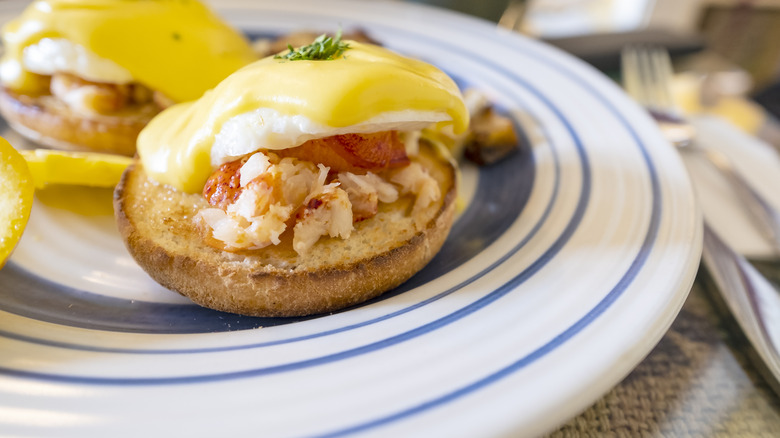
Eggs Benedict was born in New York City in the late 19th century, and since then, it's become a brunch staple across the world. It typically includes poached eggs and Canadian bacon on an English muffin with hollandaise sauce, but the dish has also been reimagined in many ways. Some of the most common variations include spinach or smoked salmon instead of Canadian bacon. If you visit places where lobster is abundant, like New England or the Canadian Maritime provinces, it's pretty common to see lobster Benedict on brunch menus.
A classic lobster Benedict follows the same format as the original, but swaps the Canadian bacon for chunks of lobster meat. It's a winning combo because the lobster makes the dish feel more decadent, and the flavors work together beautifully. The richness of the hollandaise and egg yolk complements the briny-sweet meat, and the English muffin gives the dish structure and acts as a neutral base. The lemon juice in the hollandaise also provides acidity to balance everything out.
If you've ever made eggs Benedict at home, it's pretty easy to make a lobster Benedict without too much extra effort. You can use leftover lobster tail or claw meat from a boiled or grilled lobster, or butter-poach lobster tails for a more delicate texture. Once the lobster is cooked, it's just a matter of layering it onto an English muffin with poached eggs and hollandaise. Some people also like to add a pinch of cayenne pepper or a sprinkling of dill for extra flavor.
2. Curried lobster
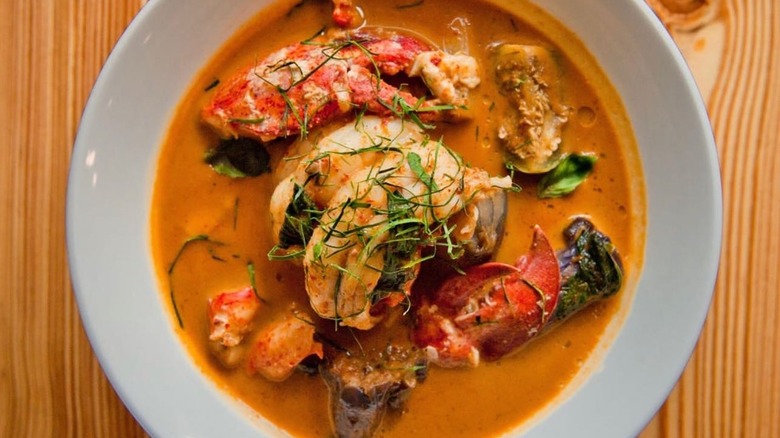
Many people believe that lobster should be served simply with drawn butter, or lightly dressed with butter or mayo if it's going in a lobster roll, so that the meat's flavor can really shine through. Yet, for all those purists, there are just as many people who don't see anything wrong with adding some spice to the mix. One way to do that is with curried lobster, a dish that's popular in many parts of the Caribbean and Southeast Asia.
Lobster pairs well with curry because the natural sweetness of the meat tempers some of the heat in the spice mix. In Caribbean-style curries, the sauce might include curry powder, thyme, garlic, and Scotch bonnet peppers. In Southeast Asia, you're more likely to find spices like turmeric, cumin, coriander, and chilies. Some cooks also like to simmer the shellfish and spices in coconut milk to make it creamy and add more sweetness.
It should be noted that in tropical countries, lobster dishes are almost always made with warm-water lobsters versus cold-water lobsters. Also called spiny lobsters or rock lobsters, warm-water lobsters don't have claws, so most of their meat comes from the tail. The flavor tends to be milder than cold-water lobster, which makes it perfect for soaking up the flavors of curry sauces. That being said, cold-water lobster can also work well. If you're using leftover lobster meat, consider adding it to the curry at the end so that it stays as tender as possible.
3. Lobster fra diavolo
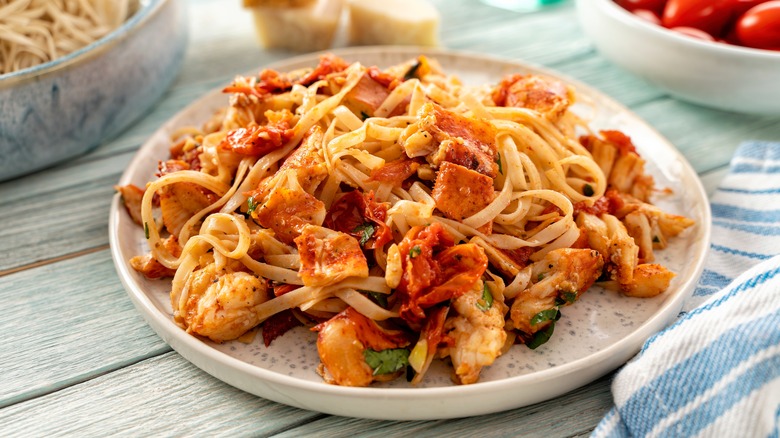
Another dish that kicks the heat up a few notches is lobster fra diavolo. It's a pasta dish that typically consists of lobster meat tossed in a spicy tomato sauce and served with long noodles like linguine or spaghetti. Fra diavolo, meaning "brother devil" in Italian, refers to its spicy nature and the fiery red color of the sauce and the lobster. It's an interesting dish not only for its vibrant flavors, but also for its contentious history.
Some say that lobster fra diavolo originated in Naples and that it was named after Michele Pezza, a fierce guerrilla who fought against the French in the late 1770s. His aggressiveness earned him the nickname "fra diavolo." However, many historians dispute this claim, arguing that lobster fra diavolo was actually created by Italian immigrants in New York City. Regardless of where the dish came from, it's a fun and flavorful way to use up leftover lobster meat.
The key to a great lobster fra diavolo is high-quality tomatoes and ample spice. The dish usually starts by sautéeing some garlic and chili flakes or chili paste in a pan. After that, some people add a splash of white wine or sherry. Then, the tomatoes go in along with some basil or oregano, and everything gets simmered down. If you want extra lobster flavor, consider adding stock made with lobster shells. The final step is to add cubes or chunks of lobster meat and the pasta, then toss to combine.
4. Lobster tacos
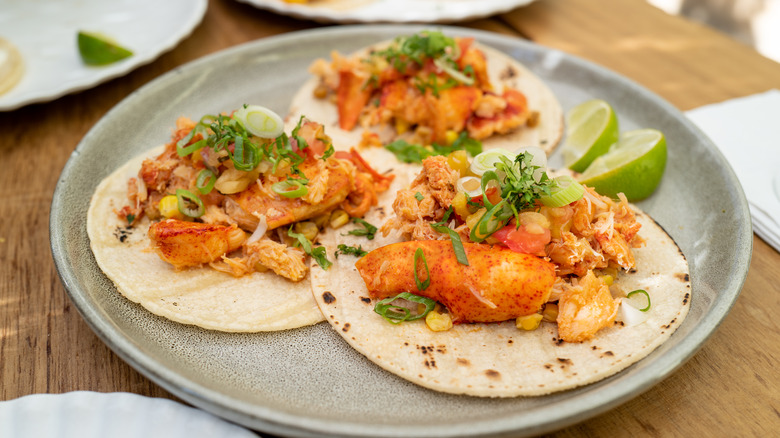
If you want to give your leftover lobster a Mexican twist, consider using it in tacos. Sure, lobster may not be the most authentic filling that comes to mind when you think of popular Mexican taco styles, but it's not unheard of. There are plenty of places along Mexico's Pacific and Caribbean coasts where you can find lobster tacos made with warm-water spiny lobster. Similar to fish and shrimp tacos, the lobster is often grilled or fried.
If you're going for a Baja-style lobster taco, you can take your leftover lobster and dredge it in a light tempura-like batter and deep fry it for crispy, golden goodness. Alternatively, you can simply reheat the lobster gently and serve it up on tortillas. And if your lobster hasn't been cooked yet, butter poaching it can add extra richness. Garnishes can include avocado, pico de gallo, cilantro, or chipotle mayo. Just remember that lobster has a delicate flavor, so you probably don't want to go overboard with the toppings.
Tacos aren't the only Mexican dishes that lobster works well in. You can also create lobster quesadillas by filling tortillas with lobster meat and a mild cheese, then griddling them so that the cheese gets melty and the tortillas get crispy. Lobster nachos are another great option. Just chop up your lobster meat and sprinkle it over tortilla chips along with some cheese and toppings like tomatoes, green onions, and jalapeños. Pop it in the oven, and you have a luxe party dish.
5. Lobster mac and cheese
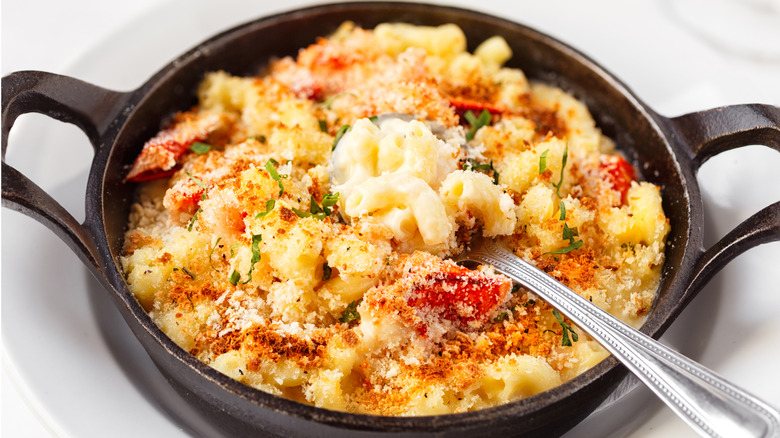
Although many Italians would balk at the idea of combining seafood and cheese, lobster mac and cheese definitely has its fair share of supporters. It's particularly popular at steakhouses thanks to its rich, indulgent flavors. You have springy macaroni (or other short noodles) tossed in a creamy, gooey cheese sauce with chunks of succulent lobster dispersed throughout. It's comforting and decadent all at the same time.
It's unclear exactly when lobster mac and cheese was created, but we do know that pasta and cheese dishes date back to the ancient Romans. The earliest versions were simply layers of dough and cheese. The earliest recipes for mac and cheese date back to the 12th century, and by the 18th century, the French had adapted the dish to include creamy bechamel sauces. When the dish made its way to North America, it wasn't a stretch to add ingredients like lobster, which was readily available on the Northeast Coast.
Lobster mac and cheese may sound extravagant, but it's not that difficult to make at home. Just cook your pasta until almost al dente, then fold it into a cheese sauce made with butter, milk, and cheeses like cheddar, Gruyère, or fontina. Some say that the best part of the lobster to use in lobster mac and cheese is tail meat because it's firmer, but tender claw and knuckle meat can also add variety. Stir in your chunks of lobster, spoon everything into a baking dish, top it with breadcrumbs, and bake until bubbling and crispy on top.
6. Lobster fried rice
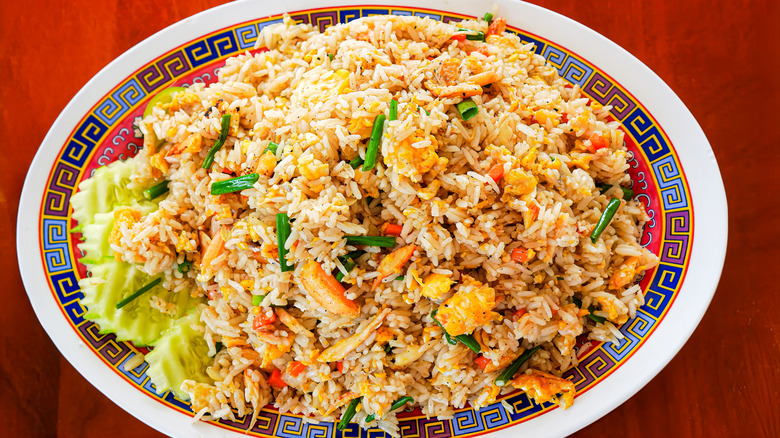
What do you do when you have a fridge full of odds and ends that you need to use up? For many people, the answer is fried rice. One of the beauties of the dish is that it can absorb just about any leftovers you throw in it, including bits of lobster. The trick to making the best fried rice is to use leftover rice because it's drier and will crisp up better. Heat some oil in the pan, throw in your rice, chopped lobster, diced veggies, and perhaps some garlic, ginger, and soy sauce for an elevated Asian-inspired dish.
While fried rice has Asian roots, that doesn't mean that you have to stick to Asian flavors. Paella is another fried rice dish that often features seafood. It originated as a simple peasant meal in Valencia, and now it's one of Spain's most celebrated dishes. It typically features short-grain rice cooked in a wide, shallow pan along with seafood, saffron, and vegetables like onions and tomatoes. You can add any proteins you have on hand, including chopped lobster.
If you're a fan of Italian food, risotto is also a great option. The dish features high-starch rices like Arborio or carnaroli. The rice is sautéed in a pan with butter or oil, then a splash of stock or wine is added. The rice is slow-cooked until it absorbs all the liquid and becomes plump and creamy. Many people also add cheese at the end. It's already a sumptuous dish, but lobster can take it to the next level.
7. Lobster bisque or soup
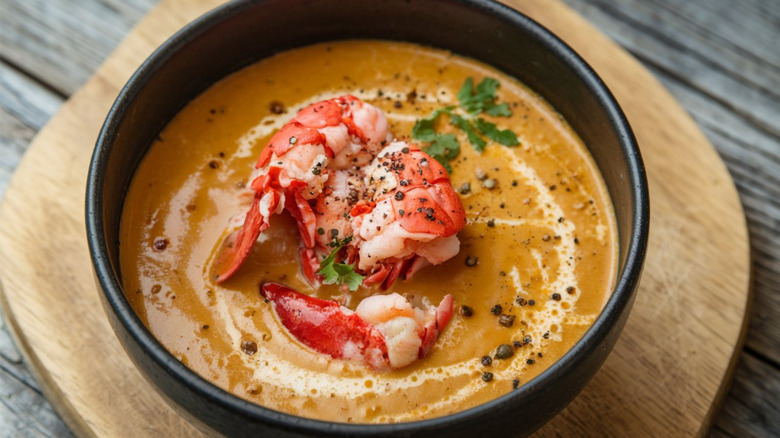
Soups are usually thought of as humble, everyday fare, but lobster bisque is anything but ordinary. The smooth and creamy soup is made by simmering lobster shells with aromatics to build a deeply flavored stock. The broth is strained, enriched with cream and sometimes a splash of brandy or sherry, then finished with tender pieces of lobster meat. The result is velvety and rich, with just enough sweetness from the lobster to balance the savory base.
The real secret to a great lobster bisque is the stock. The most wasteful mistake people make with lobster is throwing out the shells because that's where most of the flavor lives. Sauté the shells in butter until they turn bright red, or roast them first to deepen the flavor, then let them simmer slowly in water with onions, carrots, and celery. Strain the solids out, add cream and alcohol (if you're using it), blend it, then add chopped lobster meat and perhaps some herbs like tarragon or parsley for a complex, restaurant-worthy bisque.
While bisque is a classic, lobster can shine in other soups, too. Chilled avocado soup with chunks of lobster makes for a refreshing summer starter, and a light corn chowder becomes something special with lobster folded in. Even a simple potato leek soup can be elevated into something elegant with a few pieces of lobster stirred through before serving. The sweetness of the lobster pairs well with creamy or buttery bases, but it can also balance brighter, herb-forward broths.
8. Lobster pizza
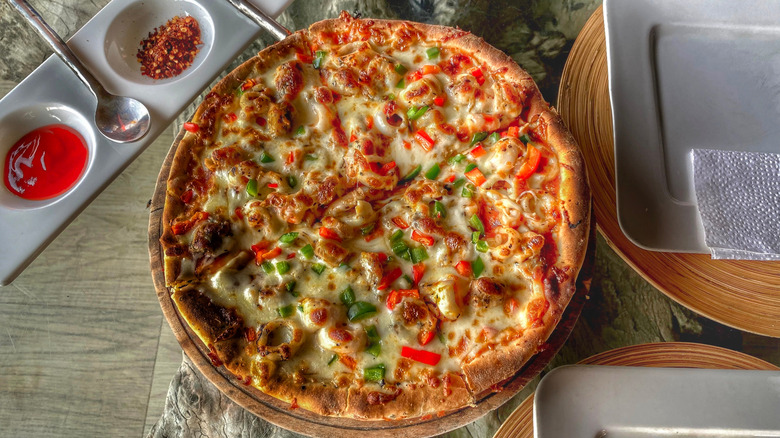
If you're a fan of Red Lobster, you're probably familiar with some of the surprising ways the chain incorporates lobster into dishes. Many people say one of the best appetizers on the menu is the lobster flatbread, which is essentially a lobster pizza. It features a thin, crispy crust with chunks of lobster and langostino, tomatoes, sweet basil, and mozzarella. It's a pretty genius dish in that all the flavors play well with each other and none overpower the delicate taste of the lobster. It's also an easy dish to make at home.
Thin crusts work best for lobster pizza because they let the lobster and other ingredients shine without getting lost in heavy dough. You also want to keep the toppings simple so that the lobster is the star. A light brush of garlic butter or a thin layer of cheese is often all you need. In addition, a chef let us in on a secret for stellar seafood pizza: Add the seafood at the end to prevent it from drying out and becoming rubbery. This is especially important if you're using leftover lobster that's already been cooked.
Lobster pizza is also surprisingly versatile. You can switch up the base with a white cream sauce instead of tomato, or add toppings like roasted vegetables, fresh arugula, or a drizzle of truffle oil for extra richness. You can finish it with a sprinkle of fresh herbs or a squeeze of lemon to brighten the flavors. Serve it with a crisp salad, and pair it with a light white wine or something bubbly.
9. Lobster Newburg
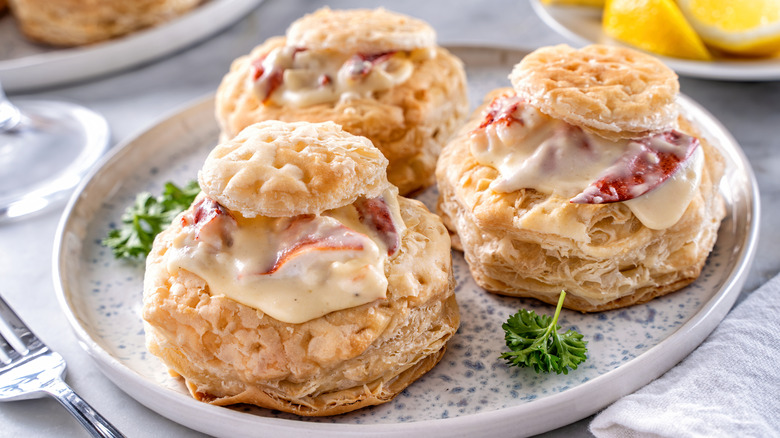
Lobster Newburg is a classic for anyone who likes their lobster rich and buttery. The dish features chunks of lobster in a creamy sauce made with butter, egg yolks, and often a splash of alcohol like Madeira wine, cognac, or sherry. It's usually served over toast or in pastry shells to help soak up the sauce. It's a dish that was all the rage during the Gilded Age, when dining on elaborate culinary creations was a mark of prestige.
There are several theories about how lobster Newburg was created, but the most credible is that it was born in New York City in the late 1800s at Delmonico's, one of the city's most famous restaurants at the time. Legend has it that a sea captain named Ben Wenburg was a regular at the restaurant, and he showed chef Charles Ranhofer a new way he had discovered to cook lobster. The dish went on the menu as "lobster a la Wenburg" and quickly became a hit. When Wenburg later had a falling out with one of Delmonico's owners, the name changed to lobster Newburg.
Leftover lobster is perfect for lobster Newburg because most recipes start by sautéeing cooked, sliced lobster with butter, then adding a splash of cream and simmering gently. Next, egg yolks mixed with cream go into the mix, along with alcohol, salt, and cayenne pepper. Everything is simmered until thickened and served with toast points or puff pastry. You can also use it as a topping for rice or noodles.
10. Lobster sushi
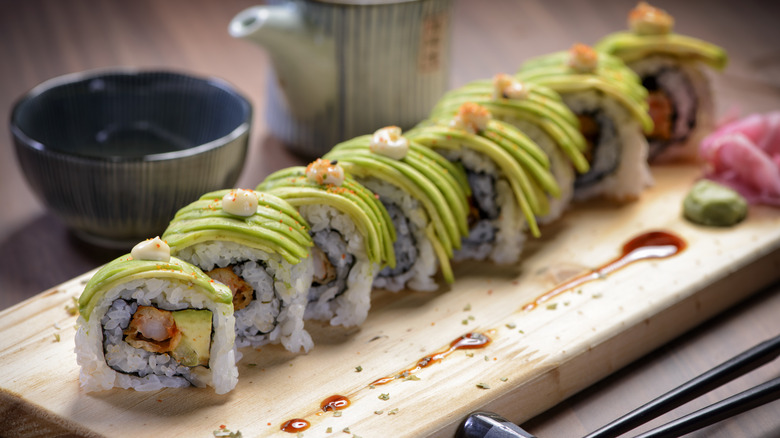
Looking for a lighter way to use up leftover lobster? Sushi is a great way to showcase the shellfish either on its own with lightly seasoned rice or with fresh vegetables. You can simply layer cooked lobster over an oval shaped ball of rice for nigiri-style sushi, or wrap it in nori along with rice and other ingredients for maki-style rolls. In addition, you can create temaki handrolls by placing lobster, rice, and crunchy vegetables in nori seaweed and rolling everything into an easy-to-hold cone.
One of the best things about making sushi at home is that you can customize your rolls just the way you like them. You can opt for ingredients like avocado and cucumber to enhance the fresh flavors of the lobster, or jazz things up a bit with flavorful add-ins like spicy mayo or citrus-soy dressing for extra brightness. Crunchy items like tobiko or sesame seeds can also add nicely contrasting textures to the firm, but tender meat.
If you're not confident in your sushi rolling skills, why not create a sushi-inspired poke bowl? This Hawaiian dish typically features raw fish on a bed of rice or salad greens, but there's no reason you can't use chunks of cooked lobster. You can get creative with additional ingredients like sweet corn, edamame, julienned carrots, and jicama. Finish it off with a drizzle of soy sauce, sesame oil, or a light citrus dressing, and sprinkle it with sesame seeds.