

The 10 Best Alcohol-Free Substitutes For Red Wine In Recipes
We may receive a commission on purchases made from links.
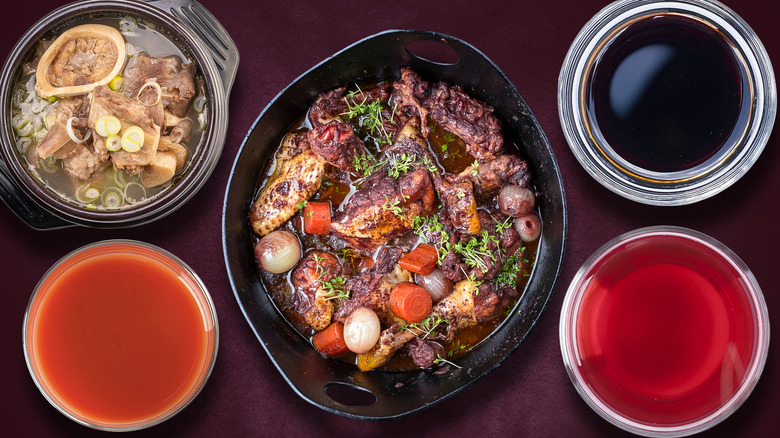
Many recipes call for red wine: Stews and braises, sauces and reductions, even some types of cake, if you'll believe it. "Red wine brings depth and complexity to a dish that is hard to replicate," explains Julia Chebotar, the private chef and Food Network star behind Health Chef Julia. "It adds acidity to balance richness, enhances umami, and helps build layers of flavor. Even in small amounts, it makes a dish feel a little more elevated and complete."
Sometimes, though, you just don't want to use it. "There are plenty of reasons a cook might swap out red wine," says Dennis Littley, chef and recipe expert at Ask Chef Dennis. "For some, it's a personal or dietary choice to avoid alcohol. Others might simply not have it on hand." You may also want to skip it to give dishes a lighter flavor profile, he says: "In certain recipes, especially those with seafood or mild vegetables, red wine can feel overpowering, and a different liquid can strike a better balance." Lastly, Chebotar adds, you might opt to avoid red wine in the interest of making your recipe more family-friendly.
Just as you can substitute for white wine in cooking (such as these marsala replacements), you can sub out red wine for something less expensive and non-alcoholic. Options run the gamut from vinegars, juices, and broths to more unexpected replacements. Without further ado, here are the 10 best alcohol-free substitutes for red wine in recipes.
1. Red wine vinegar
First off, it helps to understand why simply leaving red wine out of recipes can be detrimental. "Adding red wine to recipes adds a depth of flavor and aroma," explains Olivia Roszkowski, chef-instructor of Health-Centered Culinary Arts at the Institute of Culinary Education's New York City campus. "Natural yeast microorganisms drive the fermentation process in wine to convert sugars into alcohol. The natural acid formed acts to balance rich dishes, especially ones that contain a higher level of fat." That makes red wine an effective tenderizer in marinades and braises, for instance.
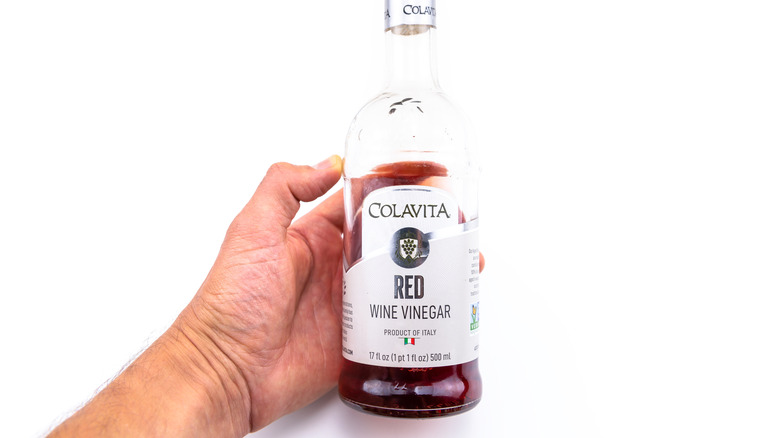
The good news is, you can get some of these same effects from red wine vinegar, which is essentially red wine's older, sourer cousin. "Red wine vinegar can be used to deglaze quickly, but make sure to use a smaller amount when making the substitution," Roszkowski says. "Red wine vinegar has a 6-8% acid content, which makes it a great addition to marinades as well."
Be warned, though, that while red wine vinegar offers tanginess, it doesn't carry the same sweet and fruity notes. Plus, although he appreciates that it's the second-closest swap when you need acidity, head chef at The Fairview Restaurant at Sandford Springs, James Callery, sometimes finds red wine vinegar's flavor a bit too boisterous. "I don't mind adding a drizzle of water or even broth to take the edge off," he says. That said, when you're working with recipes where that fruit basket flavor is counterproductive, red wine vinegar is a savior. Need to stock up? Pompeian Gourmet Red Wine Vinegar is one of the highest-rated options on Amazon.
2. Grape juice
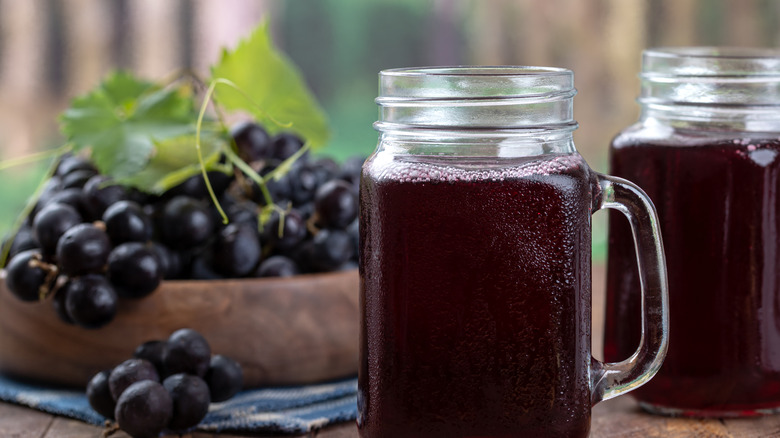
Juice is a great substitute for red wine in cooking. Indeed, experts even recommend drinking fruit juice with steak if you get bored with wine. Considering red wine is made from grapes, it's no surprise that grape juice should provide an obvious stand-in, Dennis Littley says, providing that fruity flavor without the booze.
"The key to getting a substitute right is thinking about the job wine is doing in the recipe — whether it's acidity, sweetness, or body — and matching that role with your alternative," Littley says. For instance, he says, unsweetened grape juice may still be a little too sweet for more savory dishes, so a splash of lemon juice or vinegar can address the imbalance. "And no matter what you use, always taste and adjust along the way. That's how you turn a swap into something that works just as well as the original."
Another characteristic in grape juice's favor is its ability to deglaze, or dissolve browned meat and veggie residue from the bottom of your pan. There's a lot of flavor there, and you don't want to waste it or let it burn. Red wine is often entrusted with this task. "Deglazing with red wine will enhance the flavor of your dish substantially, because alcohol is effective at dissolving both water and fat-soluble compounds," Olivia Roszkowski says. "Once the alcohol has evaporated, the dish is left with warm, spicy, fruity, and earthy flavor tones." Happily, products such as Lakewood Organic Pure Concord Grape Juice or Amazon Brand Happy Belly Grape Juice can create a similar effect.
3. Pomegranate juice
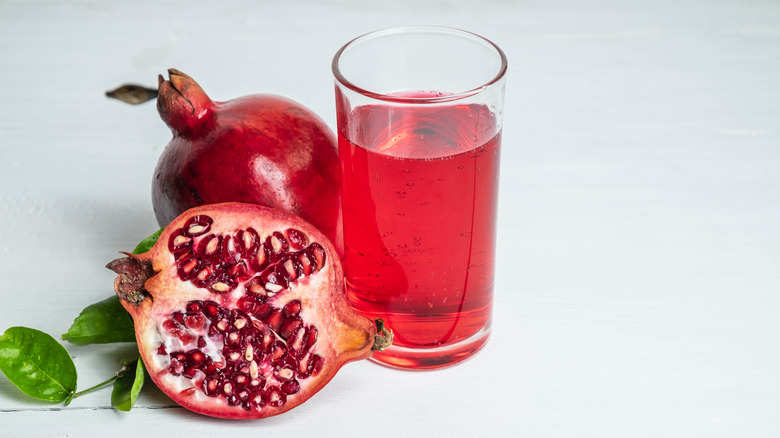
For many of the same reasons that grape juice works, pomegranate juice will work as well. "Pomegranate juice is one of my favorite swaps because it has a deep, fruity flavor and a natural tartness that mimics some of the qualities of red wine," Julia Chebotar says. "It works especially well in slow-cooked meats and hearty vegetable dishes." Bonus tip: Reduce the pomegranate juice a bit before adding it to your dish. This concentrates the flavors, thickens the liquid slightly, and results in a richer, more luxurious product that is closer to red wine in body.
Again, Dennis Littley says, make sure your flavors are balanced from the start. While pomegranate juice can offer lovely depth and sharpness in meat dishes and reductions, especially if you choose 100% juice without added sugar, you may still need to tweak your recipe. "Sometimes the best answer is combining two substitutes, like pomegranate juice with a splash of vinegar, to get the right balance," he explains. And make sure to get a good product. POM Wonderful 100% Pomegranate Juice is always well-reviewed.
Lastly, don't forget that you can use red wine — or, in this case, its pomegranate pinch hitter — in desserts. Think poached pears or rich drizzles, according to Olivia Roszkowski. "The natural acidity makes a lovely pairing for more decadent desserts such as flourless chocolate cake."
4. Bone broth
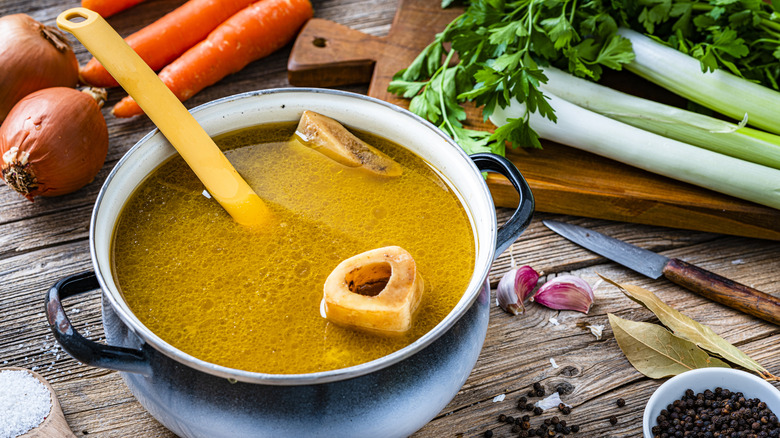
Bone broth might not seem very similar to red wine, but it turns out it provides some of the same elements you're looking for in an alcohol-free red wine substitute. "Bone broth can be a great substitute for red wine because it is protein-rich, carries a deep, developed flavor, and is a fuller-bodied liquid because of its natural collagen content," Olivia Roszkowski says. "It's also something most people have on hand." Even better, broth usually isn't heavily seasoned, so you can reduce it freely to concentrate the umami taste without making your dish too salty.
Because bone broth has no sweetness, it's best used in stews and gravies where you're looking for richness rather than a red wine fruitiness. However, James Callery says it never hurts to squeeze in a bit of lemon juice or throw in a splash of vinegar, which will mimic wine's brightness. If you don't make broth from scratch but want to keep some around in case you need it, LonoLife Beef Bone Broth Powder Mix is a shelf-stable option to try.
5. Tomato juice
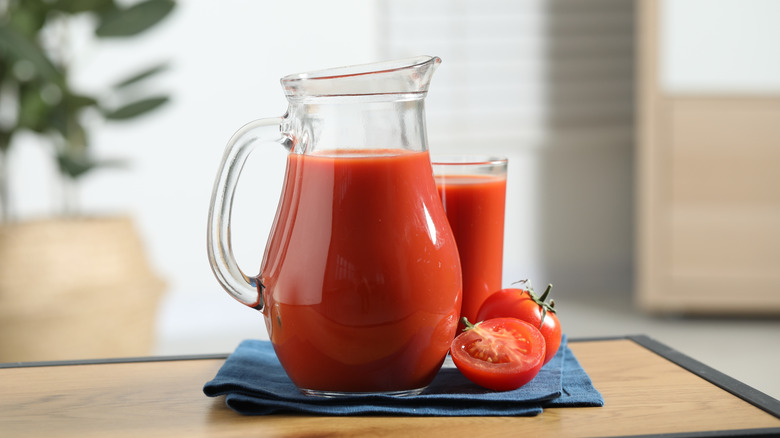
It likely won't surprise you to learn that tomatoes can provide some of that winey goodness when you're in a pinch or switching up your lifestyle. Tomato is already a critical ingredient in red-wine-infused savory dishes such as beef bourguignon or ragù sauce, and its dark red color and bold, juicy flavor can help fill the hole left by the real thing.
"Tomato juice is rich in glutamates, has a natural acid content that can work to tenderize proteins, and is rich in red tones," Olivia Roszkowski says. "This makes it a great swap in hearty sauces, braises, or stews." The glutamates are special winners because they give foods a deep, savory flavor. "Even though tomato juice is not a fermented product, the natural glutamates can act to add a nice depth of umami flavor to your dishes," Roszkowski adds. Just don't forget to add a splash of vinegar to round out the flavors and get the overall balance a bit closer to red wine. Campbell's 100% Tomato Juice is an affordable option in a single bottle, but if you love it and want to keep a lot on hand, try a 12-pack of everybody's favorite V8 Original 100% Vegetable Juice.
6. Balsamic vinegar

While red wine vinegar might be a bit closer to the actual flavor profile of red wine, balsamic vinegar can also give you a sweet, rich, fruity taste, which some recipes call for. Balsamic vinegar is bold, bittersweet, and complex, James Callery says, and it makes for great reductions, but you do have to be careful. "Too much and your sauce transitions from "MICHELIN star" to "salad dressing with delusions of grandeur."" We can all agree that delusions of grandeur are best avoided, at the dinner table or anywhere else.
"Balsamic vinegar adds both acidity and a subtle sweetness, so it is perfect when you want to replace red wine in a sauce or glaze," Julia Chebotar says. "I often pair it with a bit of stock to mellow the tang and let the flavor integrate into the dish. It is especially nice for roasted vegetables, pan sauces, or anything with tomatoes."
If you want an easy product to keep on hand, 365 by Whole Foods Market Organic Balsamic Vinegar of Modena is affordable and well-reviewed. However, my family always has a Nonna Pia's Variety Pack, with Classic Balsamic Glaze, Strawberry Fig, and Cabernet Merlot flavors, in the cupboard.
7. Cranberry juice
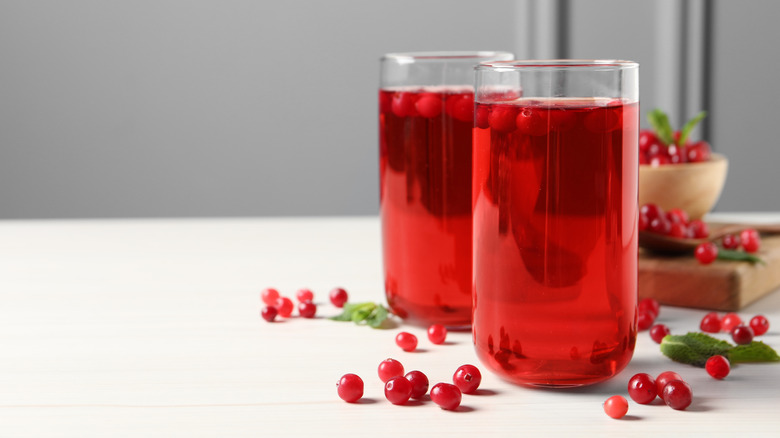
"Cranberry juice adds tartness and a light tannic edge that can mimic wine surprisingly well in poultry or pork dishes," Dennis Littley says. Meanwhile, James Callery describes it as "peppery and pucker-inducing — best used to cut through richer meats." For her part, Julia Chebotar likes cranberry juice's sharp fruitiness in roasted poultry glazes, reductions for lamb, and pork dishes as well. Because it's not very sweet, you don't run into the same issues you do with overly sweet grape juice, where you may need to counteract the fruit juice with more acidic ingredients.
"Just make sure to choose a pure, unsweetened version so you have control over the sugar in your recipe," Chebotar advises. Many cranberry juices sneak in sweeteners to balance out the natural tartness and make it drinkable on its own or as a mixer, which is great in a Cape Cod, but isn't what you're looking for in a stew or meat glaze. Ocean Spray Pure Unsweetened 100% Cranberry Juice From Concentrate is an affordable option that contains no extra sugars, while R.W. Knudsen Cranberry Juice is the real deal if you're willing to pay for it.
8. Veggie stock
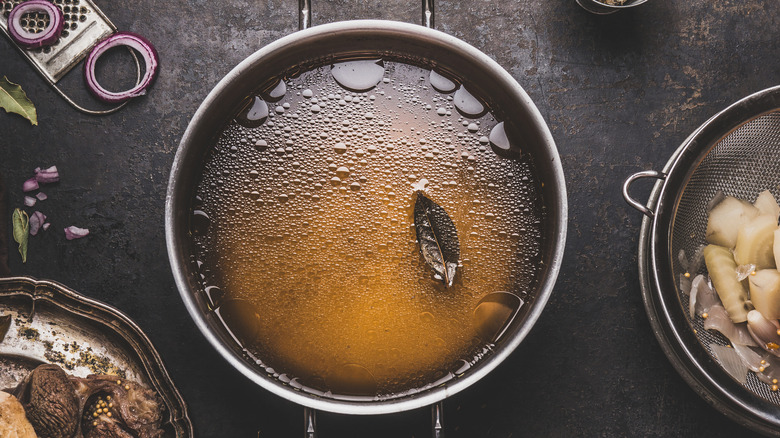
Are you a vegetarian and avoiding wine? Don't worry; you've still got stock options. "Vegetable stock is a lighter option that works well when you want to keep a dish clean and bright," Julia Chebotar says. "It does not mimic wine's fruitiness, but it can provide body and carry the other flavors. I use it often in soups or plant-based recipes where I want the vegetables to shine without introducing stronger notes." Store-bought veggie stocks such as 365 by Whole Foods Market Organic Vegetable Broth and the same brand's Organic Low Sodium Vegetable Broth both work well, depending on how salty you like your food. Many chefs like to choose low-sodium ingredients so they can control the final seasoning of a dish, but it's up to you.
Again, though, you should always think through the role the red wine is playing in your recipe before you blindly sub something in. "Is it there for acidity, sweetness, depth, or body?" Chebotar asks. "Once you figure that out, you can choose a substitute that brings the same qualities to the dish." And, remember, she adds, that you can layer ingredients for the most balanced result. If your veggie broth falls a little flat, add a bit of fruit juice to mimic red wine's grapevine origins. If it's not tangy enough, vinegar and lemon juice up the acidity. There's no rule saying you can't mix more than two ingredients, either. "Do not be afraid to play around until it tastes right to you," Chebotar concludes.
9. Zero-proof red wine

Sometimes you really want that red wine flavor, but you don't want the alcohol content. You don't always have time to mix up substitutes, cook the alcohol off, or fuss with ingredients. Zero-proof wine is here to save the day. "Nonalcoholic wine offers the same function and taste, so it's a good substitute in recipes that showcase red wine or call for a large amount of it," Olivia Roszkowski says. "No-proof red wine will provide a deep flavor with complex sweet, tannic, and acidic undertones."
This is especially true if you're making a dish where the wine plays a key role in the flavor, such as a classic beef bourguignon. "When making a recipe with a shorter cooking time at low heat, there may not be enough time for the alcohol to evaporate, and the lower heat does not allow for proper flavor development and interaction with the fat and water-soluble particles in the other ingredients," Roszkowski says. Again, that's where the nonalcoholic version comes in handy. Just make sure you don't use it in a recipe where the color might be problematic. "For example, chicken breast, artichokes, and white fish will pick up some of the ruby pigments," she adds.
There are a number of nonalcoholic wines you might like to try. Note that zero-proof has pretty mixed reviews as a bevy, but if you're using it in cooking, you're likely to have better luck. Look for options with decent ratings, such as Karviva Unwined Non-Alcoholic Malbec.
10. Canned mushroom liquid
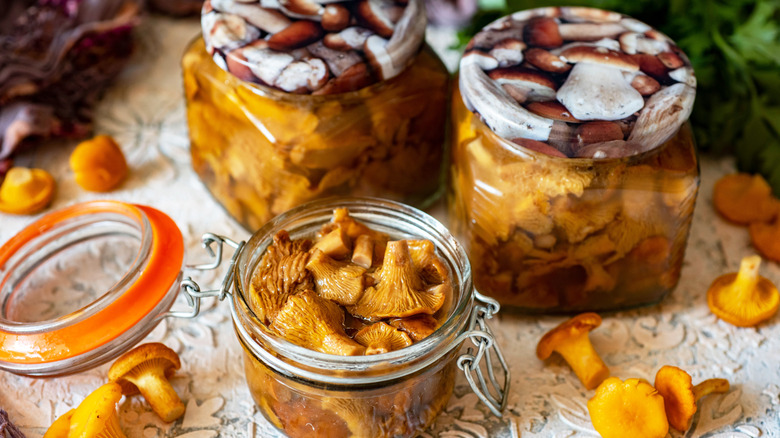
Canned mushrooms probably seem like something out of your great-grandmother's cookbook, but they still have their uses. Liquid from canned mushrooms is among the best wine substitutes in cooking, carrying those dark, earthy, savory flavors that red wine also brings. If you're going to use this trick, however, you'll probably have better luck combining mushroom liquid with fruit juice (cranberry, grape, and pomegranate all work) in a 1:1 ratio. This will get you closer to the fruity, rich flavor of red wine. Try Native Forest Organic Portobello Mushroom Slices if you want to give it a whirl.
Remember, at the end of the day, that it's all about the flavor balance. Sure, you can use water as the bulk of your red wine substitute in a dish if you want. It deglazes, thins sauces, and provides braising liquid, after all. But you'll need to make up those flavors another way. When cooking a beef bourguignon, for instance, you've got to make sure to replace that red wine taste more than with, say, a tomato sauce. Don't worry, luminaries such as Ina Garten and Julia Child have you covered, so make sure to do your research by looking up the best red wines for beef stew and emulating them however you can.
"Substitutions are a time to get aggressive," James Callery says. "Worst case, you end up with a new family recipe, best case, kids are green with envy for culinary brilliance they don't possess but wish they did, Mom."