

We Asked 3 Cocktail Experts What Drinks Are In (And Out) In 2025
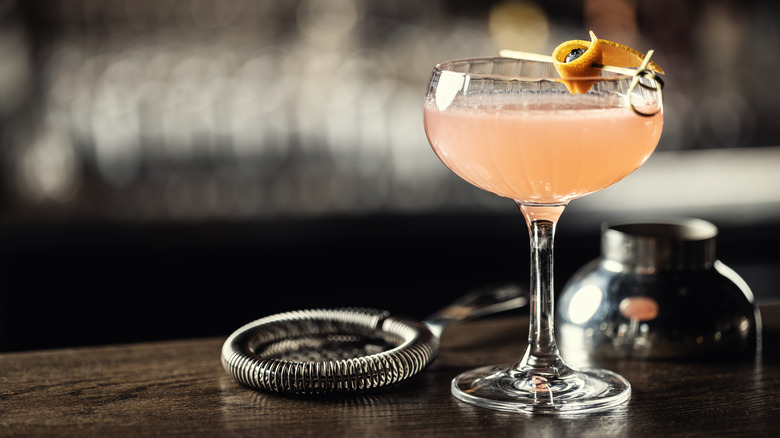
It should come as no surprise that, as with everything, food and beverages evolve with time. Palates change, new ingredients replace old ones, and social media trends move the needle, suggesting what we "should" be drinking and eating. Not too long ago, drink menus set a very low bar in terms of creativity, complete with a few classic spirits, wines, and pared-down cocktails. Though the new era of dining has totally changed as new, inventive beverages have come onto the scene and offered patrons a much different experience than 20, 10, and even five years ago.
In order to get some insight as to which drinks people are loving in 2025, we spoke to three cocktail experts, including Ingi Sigurdsson, beverage director at Allelo, Juno & the Peacock, and Pluma Lounge; Karina Silvestre, private bartender at Wee Mixed Mobile Bartending; and Marcelino Figueirashas, beverage director of Hecho Restaurants. Not only did they share the trends that they're noticing on bar menus, but also some insights as to which drinks they think are slowly fading into the depths of history — primed to be replaced by something new.
Non-alcoholic options are exploding in popularity
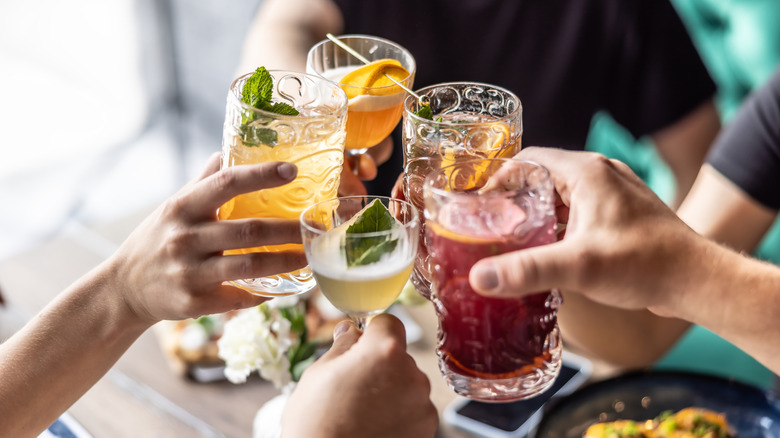
Not too long ago, if you were drinking a non-alcoholic beverage at a bar, you had to covertly whisper under your breath to the bartender that you were looking to order something ABV-free and were likely only to be met with a disappointing "Well, we could do soda..." We're glad to report that times have changed and that non-alcoholic beverages are on their way up, both in terms of complexity and the number listed on bar menus across the country. This is one trend that our experts can agree is happening — and is unlikely to go away anytime soon.
"Over the last 13 years of writing cocktail menus, I have seen zero-proof cocktails grow from just one or two orders a week to around 2 to 3% of cocktail sales," says beverage director Ingi Sigurdsson. He shares that while he used to write separate NA options on the menu, he's now found it advantageous to offer ABV-free spins on classic drinks. "I have found this has significantly increased sales, as more people who are trying to hide the fact that they're not drinking — whether for personal, health or other reasons — can order a drink that appears to be just another menu option," he says. Private bartender Karina Silvestre agrees with this, attributing the rise in NA options to a growing "wellness culture."
RTD cocktails are dying out
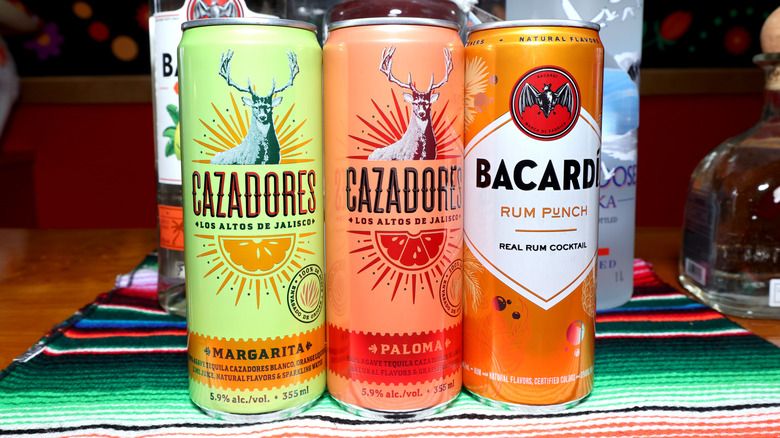
There's no denying that canned and ready-to-drink (RTD) cocktails, including those from popular brands like Cutwater, have their perks. All bartenders need to do is pop open the can and serve it to the guest. Plus, if the guest has already sipped on a brand in the past and liked it, they may be inclined to order it again. However, Marcelino Figueirashas, beverage director of Hecho Restaurants, shares that these cans might be on their way out.
He explains that one of the reasons why consumers may be straying from canned cocktails is because of the entire concept of a restaurant or bar experience. "While RTD cocktails are perfect for enjoying at home, I believe that when visiting a bar or restaurant that has taken the time to build a cocktail program, it's wise to sit back and let the bartenders do what they do well and craft a drink for you," he says. Some people may have had bad experiences with canned cocktails, as they can come off as underwhelming or flavorless. Bartenders can certainly dress up canned spirits to improve their flavor and make them more attractive to patrons, but the effort might be futile if there's an entire cocktail menu worth exploring. RTD libations may still have their place on liquor store shelves — you may just not see them gracing bar menus in the near future.
Food-inspired cocktails are making their mark
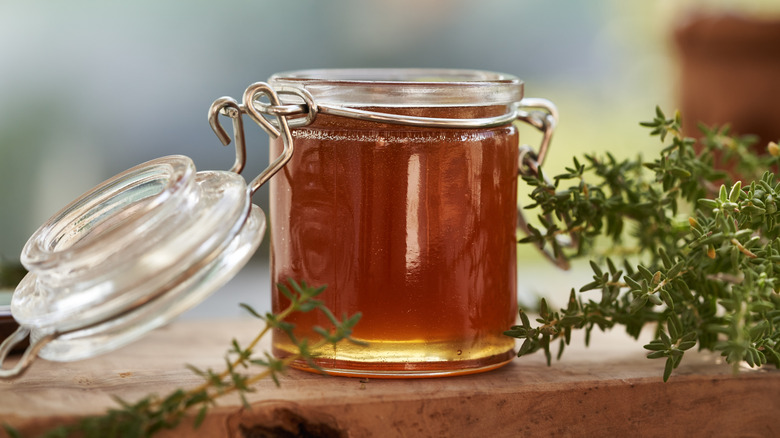
For a long time, the bar and the kitchen of a restaurant operated in separate spheres. Sure, they shared the same space — and served the same guests — but Ingi Sigurdsson reports seeing greater collaboration between these two spaces, which in turn influences cocktail menus and gives patrons a unique beverage experience. "Culinary ingredients are making bold entrances into cocktails, delivering flavors that feel both novel and familiar," he says.
It might be hard to think of examples of this off the cuff, but that may be because you have become so used to seeing herbs, botanicals, and traditionally food-oriented ingredients listed in bar menus. Sigurdsson gives one example, Allelo's Bay Got Me Sippin', a tequila cocktail with a bay leaf-infused syrup. "The result is an intriguing, deep emerald green cocktail that tastes like a completely new cocktail experience without pushing the boundaries too much, delivering flavorful fun while remaining approachable," he says. He also shares a more unconventional, Mediterranean-inspired concoction made with yogurt called Make Me Blush and an EVOO-infused drink cheekily called Like a Virgin. As drinkers become more adventurous and willing to try these downright wacky combinations, it's no wonder we can expect to see them increase in popularity moving forward.
Espresso martinis are still the it-girl beverage — maybe
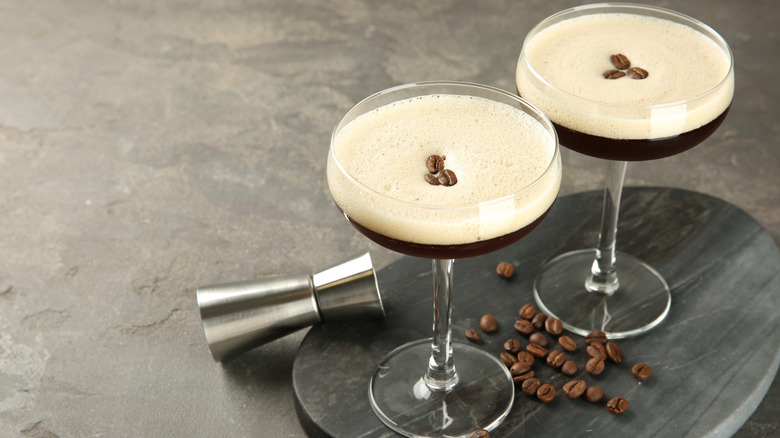
Ah, the espresso martini — the stalwart of the modern cocktail menu. This drink was invented in the 1980s and has experienced a surge in popularity in recent years due to its versatility and Instagram-friendly appearance. Bartenders aren't shy to include both the classic version made with vodka, espresso, and coffee liqueur, and to try new espresso martini variations with infused liquors, oaky bourbon, flavorful bitters, and more.
It shouldn't come as a surprise that bartenders don't like making espresso martinis, seeing as the espresso needs to be cooled before it can be added to the glass (and cold espresso isn't really that tasty, anyway), but how do patrons feel about it? Our experts have mixed feelings here. Karina Silvestre believes that the espresso martini's heyday is over. "While still ordered occasionally, guests are leaning away from overly sweet or heavy drinks and looking for more balanced cocktails," she says. On the other hand, Marcelino Figueirashas would probably argue that drinks like the martini, margarita, and the swanky espresso martini are here to stay, noting, "their enduring popularity can be attributed to their timeless appeal." However, the quality of these drinks is not to be overlooked. As he explains, "To stand out, these cocktails must be made with quality, fresh ingredients and attention to detail." No bad espresso here!
The Naked and Famous is the new Aperol alternative
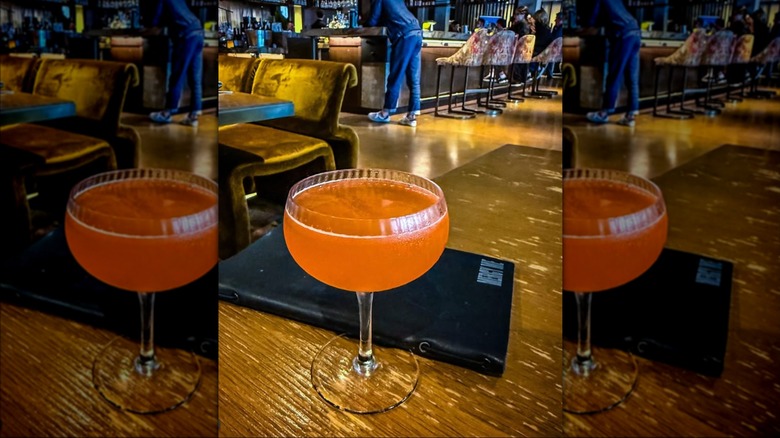
Declared the cocktail of summer 2025 by Delish, it's clear that the Naked and Famous is asserting its rightful place on the bar menu. Marcelino Figueirashas explains that this cocktail, made with mezcal, Chartreuse, Aperol, and lime juice, used to be just a popular choice among hospitality professionals, and has since made its way onto modern cocktail menus. "This shift is exciting, as it gives bartenders the creative freedom to innovate and push boundaries with new menu offerings even further," says Figueirashas. "It's a testament to the evolving nature of the industry and the willingness of consumers to explore new flavors and experiences."
That's not to say that this summery, light, Oaxaca-meets-Italy drink will dethrone the popular Aperol Spritz, but it's nice to see that drinkers have a more unique and internationally inspired libation to choose from when they're craving something equal parts refreshing and complex.
Spicy margs are here to stay
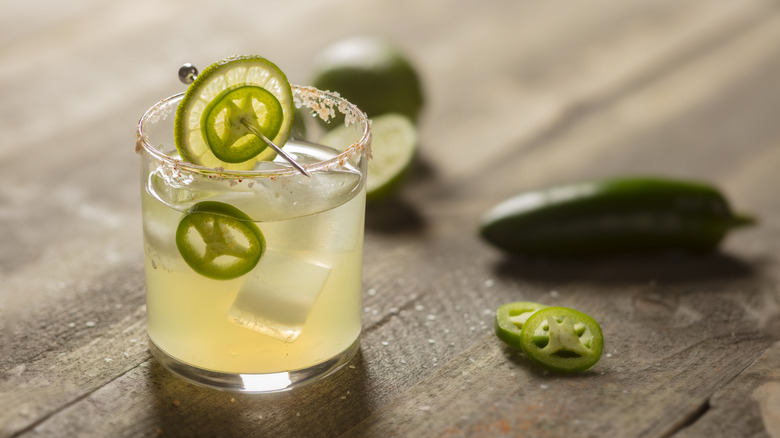
There's no denying how healing it can be to sip on a spicy marg, snack on a seemingly endless bucket of chips and salsa, and enjoy good company. The good news? We're not the only people who love spicy margs. "[The] combo of heat and tequila is still a fan favorite, especially with seasonal twists (like a watermelon or pineapple)," says Karina Silvestre. Indeed, there is no shortage of margarita recipes worth trying at home, though there is still something timeless about a refreshing margarita. The Diageo Bar Academy even predicted that the popular agave cocktail would become the top seller of 2025.
Marcelino Figueirashas notes that margaritas, as a whole, remain popular on menus, but like so many other cocktails, their quality matters. "No sour mix from the soda gun in my margarita, please," he says.
Global flavor profiles are becoming more popular
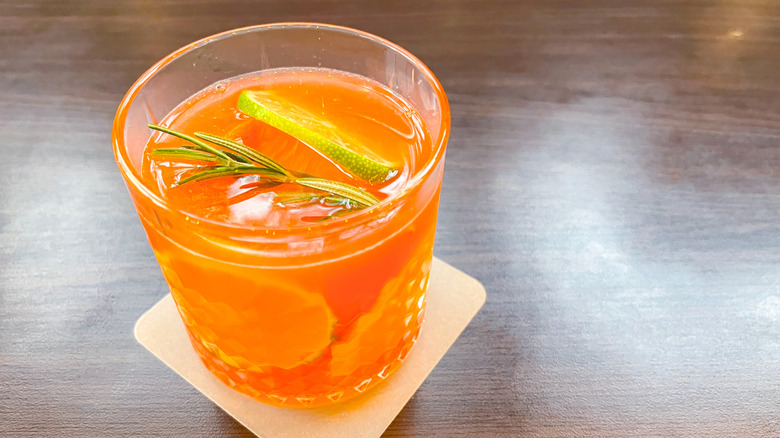
The food and beverage industry, as a whole, has leaned into international flavors more in recent years. Restaurant menus are filled with everything from Ethiopian ingredients, like berbere and teff, to Japanese sauces like shoyu, ponzu, and Kewpie mayo. So, it's not completely unexpected to assume that bar menus are also taking inspiration from cuisines across the world.
Karina Silvestre explains that she's seen flavors like tamarind and yuzu pop up on drink menus more and more recently, while Ingi Sigurdsson shares that the Pluma Lounge offers a cocktail called the Green Ember, which is inspired by Oaxaca's mole verde. "Guests are immersed in the story of mole verde's traditional preparation, with garnishes of toasted and seasoned pepitas and an aromatic cilantro finish to complement its flavors," he says.
It's hard to pinpoint why guests are ordering more globally inspired drinks in 2025, but there are some potential culprits. For one, there's the novelty of sipping on a drink with unique flavors — ones that may not be offered by other bars or inside of canned beverages and classic cocktail recipes. There's also the growing social media influence and interest in trying global flavors, fueled by adventurous palates and a willingness to try new things.
Customers are willing to pay for ultra-premium spirits
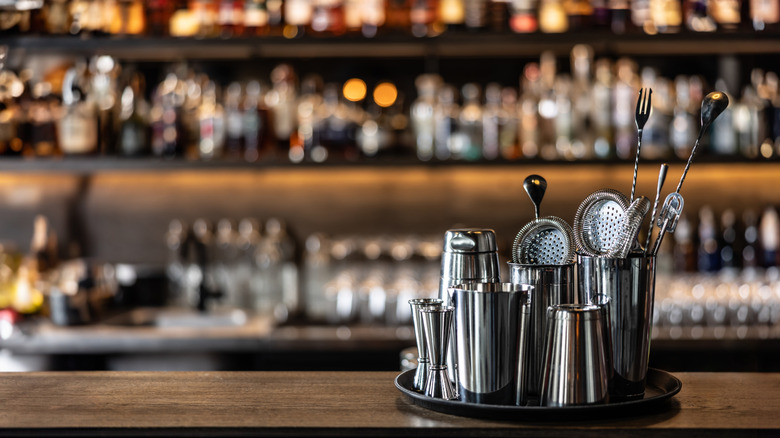
A lot of the trendiest drinks on bar menus in 2025 are novel flavors, techniques, and mashups. But despite this push to innovate and create, there is also an enduring emphasis on classic, quality spirits — and a willingness to pay for them. "I haven't noticed a shift away from ultra-premium spirits; if anything, I'm getting more requests than ever for high-end whiskeys, especially bourbon and tequilas," says Ingi Sigurdsson. He remarks that guests are willing to spend more on these top-shelf items, especially when it comes to celebrating memorable experiences or special occasions. He's also found success with a vintage spirit program, which allows guests to sample bottles that are up to 90 years old. "We found that guests are looking for these unique experiences and want to be able to leave with a memory and a story to tell their friends," he says.
Karina Silvestre notes that one cocktail that isn't going anywhere is the old fashioned. While this drink is timeless, as she shares, it hasn't stopped bartenders from experimenting with ingredients such as bitters and infused syrups. The old fashioned is a familiar cocktail, but the bartender's ability to personalize it with different add-ins and twists makes it unique to them and the person drinking it.
Cocktails are seen more as experiences than just drinks
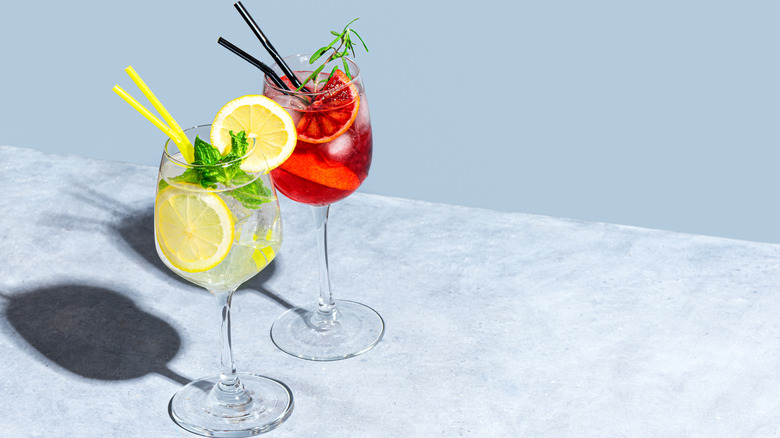
People don't just go to bars to drink. They go for the social experience of sitting on a stool, listening to the idle chatter of other patrons and the bartender, and, in some cases, enjoying a great libation with even better company. One popular trend Ingi Sigurdsson notes is guests looking for experiences — not just the drinks themselves. "In 2025, it's about making drinks taste better by telling a story, engaging your senses, and transporting you somewhere new," he says. "Cocktails aren't just beverages — they're gateways to curated experiences."
He explains that one of the ways that bartenders are offering these experiential offerings is by using storytelling, interactive elements, and "sensory immersion" in their drinks. This can look like anything from crafting a literary-inspired cocktail to offering a taste of molecular gastronomy via liquid nitrogen and more. However, Karina Silverstre notes that smoked cocktails are not necessarily on the list of trendy, experiential libations. "Many guests now prioritize flavor over a 'TikTok' trend, and these drinks can feel fussy," she says. Over-the-top drinks aren't just a dying trend on bar menus; the same rationale can be used to explain why things like freakshakes (milkshakes topped with outrageous garnishes, like an entire slice of cake) and cartoonishly tall sandwiches have fallen out of favor. People want drinks that are well-thought-out, not just showy.