

7 Things To Know Before You Drink Matcha For The First Time
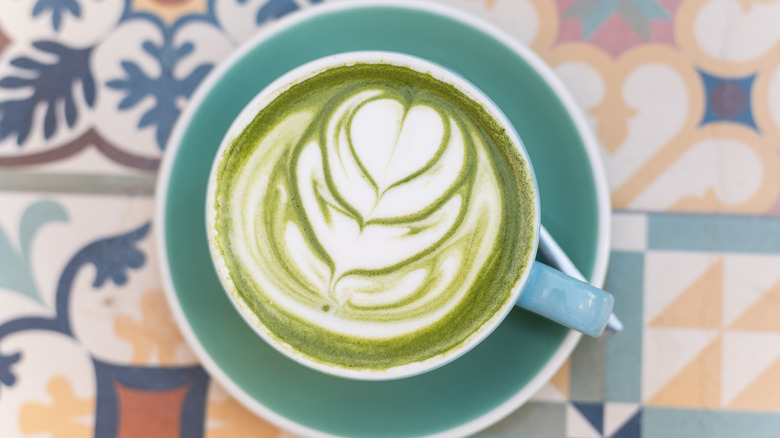
Step aside coffee, caffeine-seekers are sipping on a new brew these days. Vibrant green-hued matcha is everyone's newest obsession, thanks in part to social media, which has skyrocketed this green tea's popularity around the world. Now, nearly every coffee shop from the mom-and-pop shop down the street to Starbucks has a matcha drink on its menu for those who are craving a cup of this tea.
Of course, matcha isn't new — this specific type of green tea has been a staple in Japanese tea culture for centuries. "While it's important to pay deep respect to the culture and traditions that have kept matcha on the map for over a thousand years, matcha producers in Japan are excited to see matcha being used in creative new ways," says Alex Robateau, tea education manager at Matchaful.
If you're curious to give it a try, here is what you should know before drinking matcha for the first time, according to matcha experts.
1. Matcha preparation differs from other teas
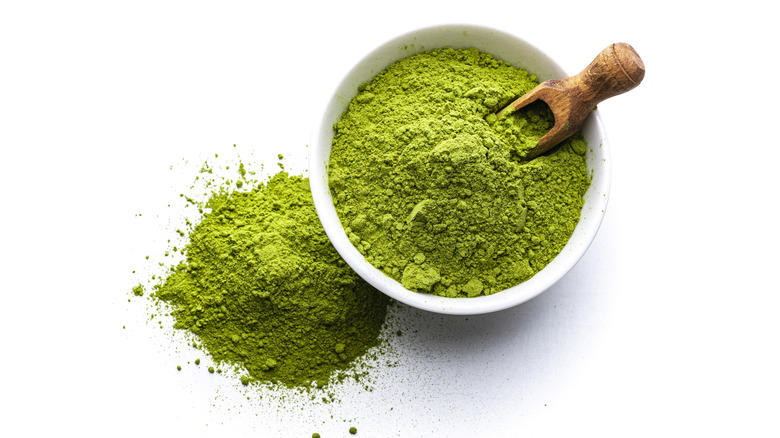
Like green tea, matcha also comes from the camellia sinenses plant, but it is grown and processed differently than the green tea you'd brew from a tea bag or infuser. That's because the processing for matcha involves an extra step where the leaves are ground into a fine powder. Rather than infusing your water with the tea extracts, you consume the whole leaf in your matcha tea as it gets dissolved into your hot water. The difference in preparation also means the flavor in a cup of matcha is much more concentrated than other green teas.
Here's a quick rundown on how to prepare a cup of matcha from Remy Park, founder of Frauth. "I recommend sifting out initial clumps (matcha is a fine powder so clumps form naturally as the powder clings together), whisking with hot but not boiling water in an M shaped motion for about 30-40 seconds, and then you can either enjoy it straight from the bowl, pour it over ice and top it off with water to enjoy Americano style, or make a latte."
2. It has more caffeine than you might think

For caffeine seekers, matcha might not offer the same buzz as coffee, but it is much higher in caffeine than most other tea varieties. An 8-ounce cup of brewed green tea contains 28 milligrams of caffeine, while a serving of matcha provides twice as much caffeine–as much as 70 milligrams. The reason matcha is much higher in caffeine than green tea is that you are consuming the whole leaf as you sip on your tea, rather than just an extraction. For reference, a cup of brewed coffee provides as much as 92 milligrams of caffeine — matcha is not that far off.
There's another reason that matcha might not give you the same stimulating effects that coffee does, despite its almost equal concentration of caffeine. "Matcha contains an amino acid called L-theanine, which helps your body to metabolize caffeine and enhances concentration and vigilance for a gentle, sustained energy boost without the crash," says Alex Robateau.
3. Not all matcha is bitter or grassy
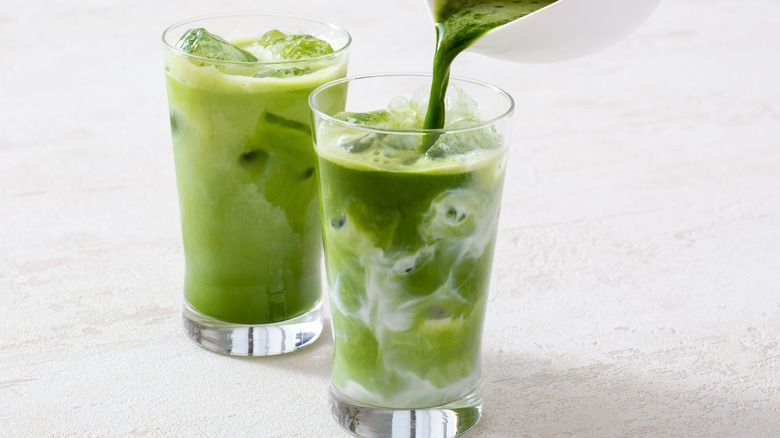
Not everyone falls in love with matcha on the first sip. "First-time matcha drinkers often say that matcha tastes "grassy" or "bitter," but not all matcha is created equal!" says Alex Robateau. "Similar to wine, different cultivars have different flavor profiles. Matcha can be multidimensional, containing natural sweetness, umami, nuttiness, or floral notes." If the first brew you try isn't your vibe, don't give up –- you probably just haven't found the right matcha for you.
"There are so many variables within matcha and the way it tastes including where it's grown, the cultivar and also the way it's prepared. Like coffee, you may need to experiment to figure out how you enjoy it the most," says Remy Park. She adds that matcha can be enjoyed in a variety of ways from lattes (like this strawberry milk matcha latte) to Americano style, so you might need to try a few before you find one that suits your tastes.
4. Matcha can be pricier than other teas
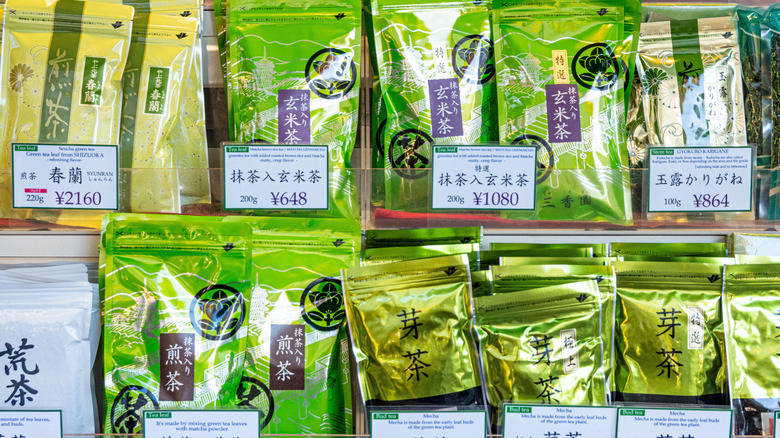
When picking up matcha for the first time, you may be surprised at the price but there are a number of factors that contribute to the cost. Matcha is only grown in specific geological locations and needs to be shade grown for three weeks before harvest. Additionally, harvesting and processing matcha is more specialized and labor intensive than other teas, so we asked our experts for tips on how to pick the best matcha for your money.
"Newcomers to the matcha world often think that the more expensive a matcha powder is, the better their experience enjoying their matcha as a latte or tea," says Alex Robateau. However, the most expensive option isn't necessarily the best pick. Robateau says that the price often reflects the prestige of the company or the delicateness of the cultivar (i.e. whether the cultivar is rare or has specific ideal growing conditions). Save the most expensive cultivar options for when you know what matcha best suits your preferences.
Matcha is often labeled as "ceremonial grade" or "culinary grade," which give you a clue about which application the matcha is intended to be used. Ceremonial grade matcha tends to be less bitter so it's a better choice when trying it for the first time. "You should always look for matcha that is grown in Japan and is a first harvest, ceremonial grade matcha, which is likely to be most tasty and is also more nutritious!" says Remy Park.
A few other tips for selecting better quality matcha, according to Alex Robateau, include transparency about sourcing and the cultivars blended into the product. Certifications such as JAS or USDA organic are also good indicators of a matcha brand with high quality standards.
5. Brew at the right temperature
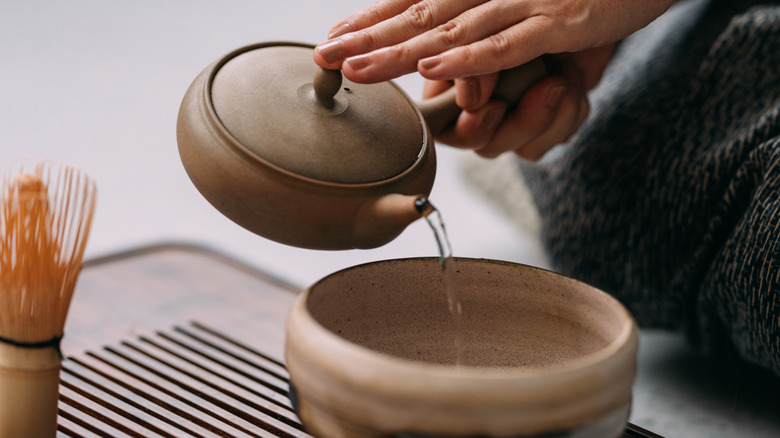
Like any tea variety, using the current water temperature for brewing your tea will give you the optimal flavor. In general, lighter teas like white and greens teas are brewed at lower temperature and matcha is no different. "I like to use hot, but not boiling water because when the water is too hot, it starts to scorch the matcha and bring out a lot more of the bitter notes. Try using water heated to about 175 F degrees," says Remy Park. The right brewing temperature not only makes a better tasting matcha but it may also preserve some of the delicate compounds that are responsible for matcha's health benefits.
Investing in an electric kettle that allows you to program the water temperature makes the process much easier. However, if you don't have one, Alex Robateau shares this tip for getting the right water temperature for your first cup of matcha. "If you don't have a precision electric kettle, use a thermometer, or — in a pinch — bring your water to a boil, grab two mugs, then pour your whisking water back and forth between the two mugs four times to cool it down."
6. Invest in a few tools
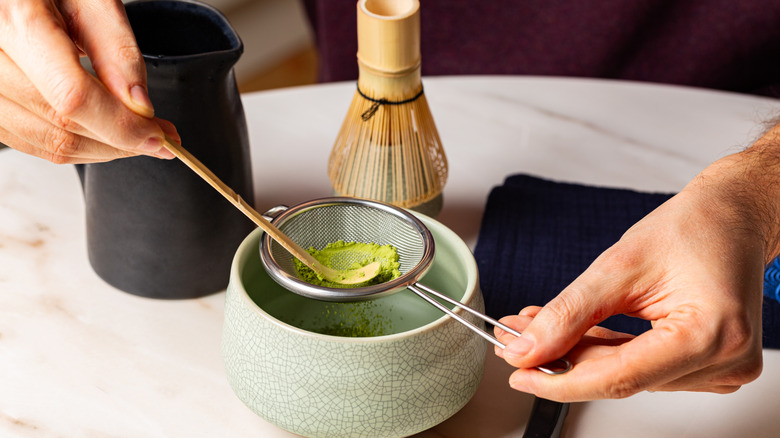
Having the correct tools can help you brew a better cup of matcha when you're making it at home. "If you're just starting out, I highly recommend getting the proper tools. You'll need a chasen (bamboo whisk), a sifter, and preferably a chawan (tea bowl)," says Zach Mangan, co-founder of the Japanese tea brand Kettl. "It might feel like an investment, but if you truly want to experience matcha the way it's meant to be enjoyed, using the correct tools will lead to a richer, more satisfying experience."
If you had to only pick one tool to buy before starting your matcha journey, Alex Robateau says to get a sifter. "The sifter is arguably the most important tool in the matcha-making process. Sifting breaks up clumps that occur naturally due to static electricity, helping you to attain the perfect creamy mouthfeel without any unpleasant lumps, grit, or silt."
The iconic bamboo whisk that is traditionally used for making matcha has several characteristics that will make a better cup of matcha than the metal wire whisk you might already have in your kitchen. "Bamboo's flexibility and natural antibacterial properties make it the perfect material to consistently incorporate matcha into water and develop the perfect microfoam," explains Robateau.
7. Packaging and storage are important
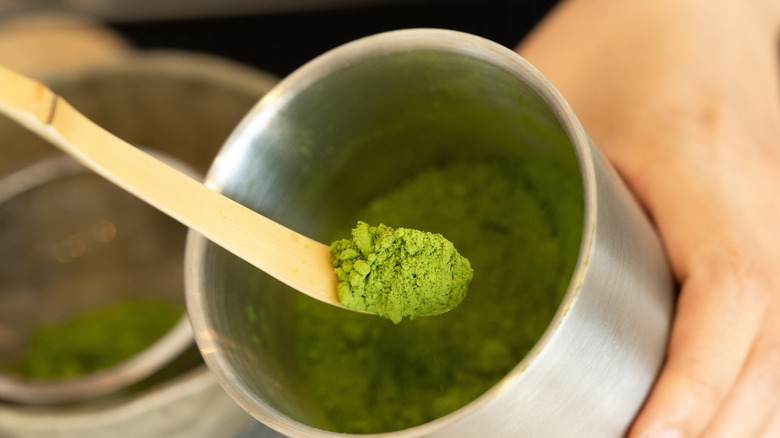
Matcha's higher cost point means that you'll want to make sure you are storing it correctly so that you get the perfect cup of matcha from the first scoop to the last. According to Zach Mangan, matcha is more than just a trendy tea — it's also a tradition and livelihood for the people who produce it. "The best way to honor that hard work is by taking care of the product: store it properly, keep it fresh, and prepare it with care. Doing so preserves not just the flavor, but the effort and craftsmanship behind every bowl," per Mangan.
Since matcha comes in a powder, it needs to be packaged and stored a little differently than other teas. "Because matcha is a milled tea, its surface area is fully exposed, making it prone to degradation. Look for opaque, airtight packaging. Avoid glass or any container that lets in light or air," says Mangan. Using an airtight container not only preserves the flavor of your matcha, but may help prevent the deterioration of the health-promoting nutrients in matcha that are susceptible to oxygen exposure.