

10 Unexpected Savory Uses For Matcha Powder
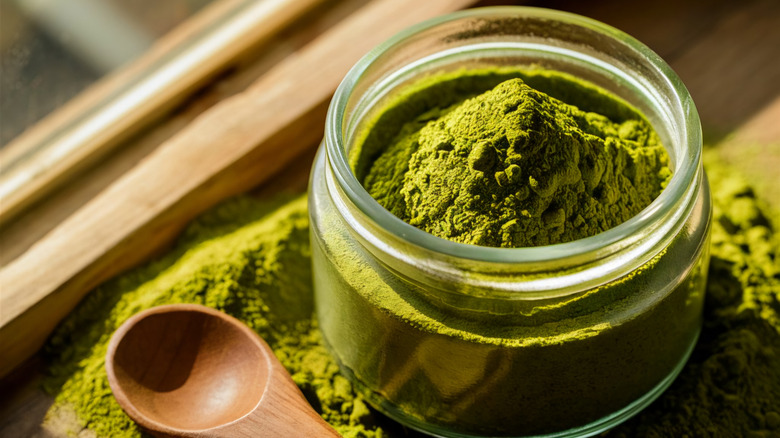
Matcha has had its own social media frenzy in the past few years. From matcha drinks to matcha baked goods, including cakes, muffins, and cookies, there's no shortage of ways to use this uniquely earthy ingredient. Although the two share a similar color and botanical origins, matcha is not the same thing as green tea. Besides the amount of time the tea plant is exposed to sunlight, the two also have very different flavors and culinary applications. The bright green matcha powder is highly caffeinated and offers a wonderfully earthy, herbaceous, and organic flavor.
It's this unique flavor that makes matcha such a great addition to sweet recipes and drinks. However, there are far more recipes on the savory end of the spectrum that can benefit from the inclusion of matcha. If you have a surplus of matcha powder on your hands, or are looking to experiment with this unique ingredient, check out some of these tasty savory ways to use it.
1. Add it to your creamy hummus
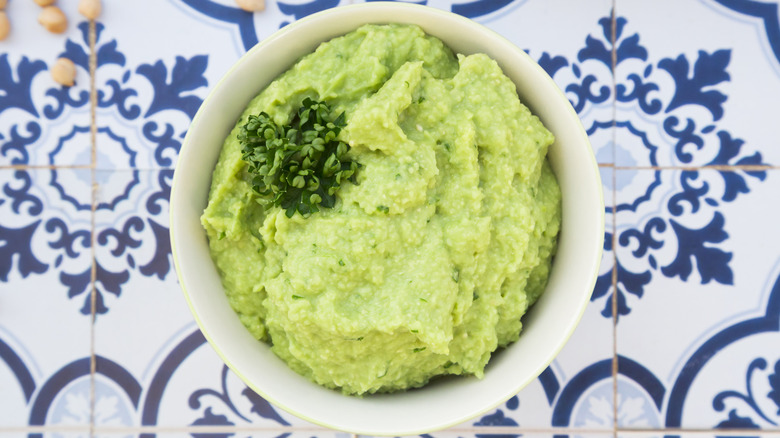
One of our favorite things about matcha is that it's like a "catch-all" food. You can add basically anything to it — sweet or savory — and still have it come out tasting alright (or, in many cases, more than alright). Cocoa powder, garlic, caramel, beets, and herbs are all fair game, and now you can also confidently add matcha to the list.
Matcha's bright green hue will give your hummus a unique color, while its earthy flavor will complement an array of other add-ins. There are several ways to go about adding matcha to your bean spread. The first is to infuse your olive oil with matcha — basically sifting the powder into the oil until it's well-distributed — then adding it to your hummus or using it as a drizzle on top. Of course, this won't give your hummus the most vibrant color, but it's still a viable option for adding that subtle matcha flavor to your recipe. You can also add culinary-grade matcha directly into your recipe with the chickpeas, tahini, lemon juice, and the like. It's best to add your matcha at the end of the blending process, after all of the other ingredients are combined, so that the powder can easily distribute throughout the thick spread.
Matcha has a very subtle and grassy flavor, so it can be overpowered by more flavorful hummus additions. In other words, save your sun-dried tomatoes, olives, and roasted garlic for a later batch.
2. Infuse it into your butter
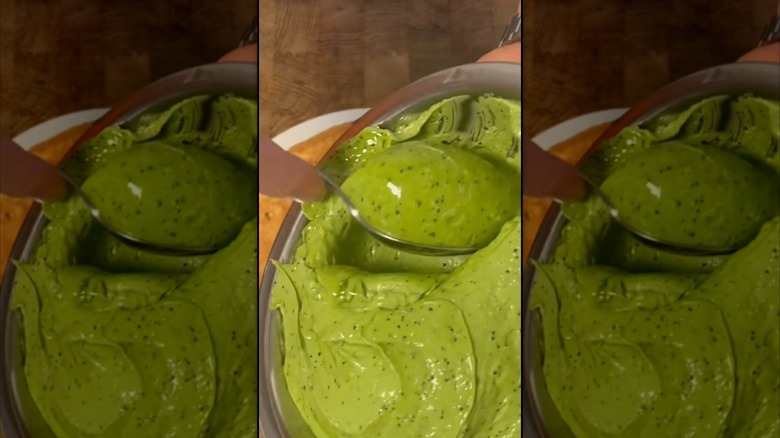
Compound butters are a wonderful vehicle for flavors. Combining an ingredient with the versatile fat makes it easily spreadable and expands its use far beyond its powder form — which is especially true for matcha. To give your butter a boost with matcha powder, simply soften the butter so that it's easy to whip. Then, add your culinary-grade matcha to the food processor or stand mixer, blending until there are no pockets of dry powder remaining. You can scoop and serve your butter directly from the bowl, or wrap it up in parchment paper or plastic wrap and store it in the fridge until you're ready to use it.
Your savory, slightly salty butter can be used for an array of savory applications; you'll just want to make sure the matcha's earthy profile is compatible with whatever you're serving it on. If you want to get a good idea of what it tastes like, you can try spreading it on bread or toast first. You can also add a pat of the butter to your roast chicken or fish, or toss a little bit in with your roasted or grilled vegetables. We think it would be especially delicious slathered on corn on the cob, since the sweetness of the kernels would play well off the earthy and organic flavor of the matcha.
3. Use it to color your pasta
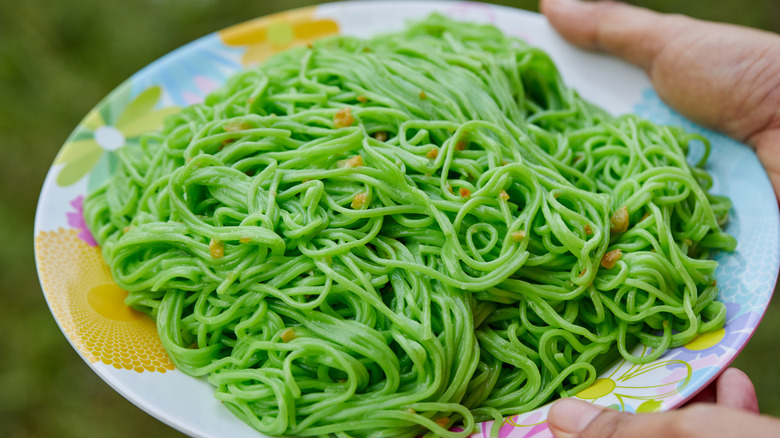
We'd be remiss not to mention matcha's potential as a natural food dye. Its green color is unmistakable and quite vivid, making it a great addition to foods that could use a little pop of green, like homemade pasta. You'll want to mix the powder into the dry ingredients, like the flour and semolina, then add in your eggs. You don't need to use a ton of matcha powder to reap its colorful effect; try adding a tablespoon for every 2 cups of flour. From there, you can prepare your pasta as you normally would — putting it through a pasta maker, boiling the noodles, and topping it with your favorite sauce. Since you're adding the matcha to the dough itself, you can make an array of pasta shapes, including lasagna sheets, ravioli, fettuccine, and spaghetti.
The matcha imparts a grassy flavor on the dough, but other than that, its flavor isn't really all that noticeable. It works best with similarly-flavored pasta sauces, like pesto, though it could also be paired with a creamier and richer sauce, like Alfredo, for an earthier bite.
4. Give your salad dressing an earthy flavor
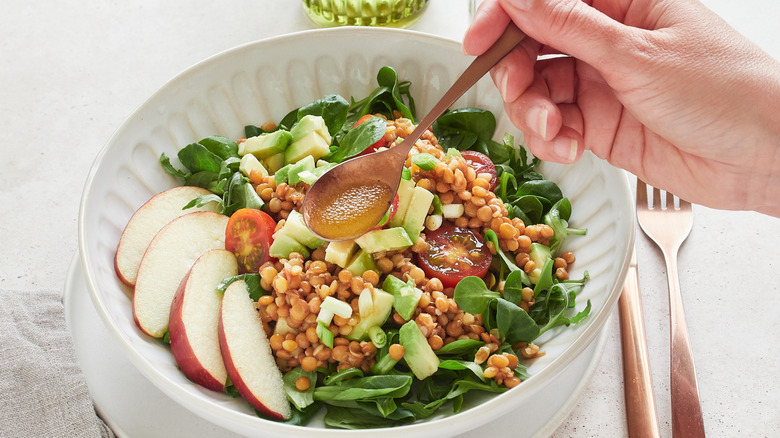
Like the matcha butter example, it's important to give matcha a vehicle for its flavor. That way, you can use it in places where a powder just isn't conducive — like in a salad. Adding matcha powder to the dressing will help blanket all of your salad components with its flavor. The powder pairs particularly well with tahini, a sesame paste, since the two both have very grounded flavors. To balance out the fattiness of the tahini, and add some brightness to the dressing, be sure to hit it with ample amounts of vinegar, and add a drizzle of honey to sweeten it and balance out any tangy notes. This versatile dressing can be used for an array of salads, and it can also be repurposed as a dressing for roasted veggies like carrots or as a topping for your grain bowls.
You can also pair it with a creamy base, like one made with yogurt, avocado (another fantastic pairing for matcha), basil, and parsley. The Greek yogurt base is lighter than a dressing made with sour cream or mayo, and it would be excellent for a simple leafy green side salad.
5. Add it to a fancy aioli
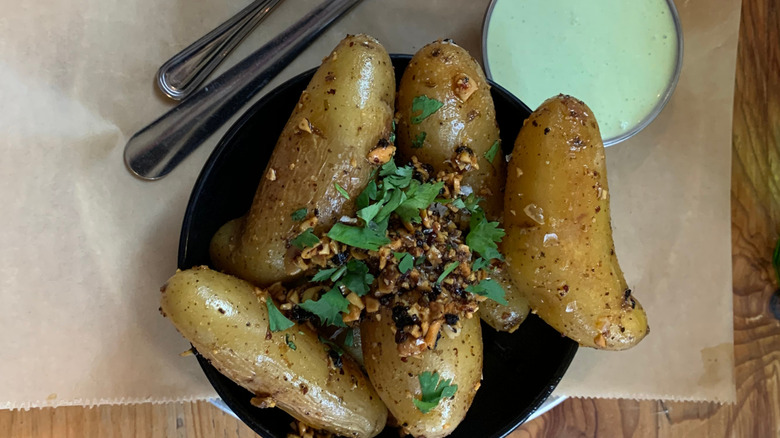
Mayo haters will probably want to avert their eyes for this one. Regardless of how you feel about this hotly contested condiment, you can't deny that it would taste at least marginally better with the addition of matcha. Flavored mayos and aiolis tend to have a very eggy profile, but beyond that, their flavor is lacking. When you add matcha to the picture, you'll find that the flavor of the mayo takes on an earthier and less synthetic tone.
Making your own matcha aioli at home is simple, especially if you already have a jar of store-bought mayo lying around. Simply mix together your mayo base with matcha (a little over a teaspoon should suffice, since you don't want it to taste like you're eating grass), and other aioli ingredients like lemon juice and garlic. Provided that you don't add too much matcha to your recipe, you'll find that this tasty addition grounds the flavor of the mayo, but does not shift its flavor into something too niche.
You can use this upgraded dipping sauce for an array of foods, from crunchy crudités to french fries, chicken tenders, and even fried seafood (if you're adventurous enough). It would also be a great topping for a veggie burger or savory sandwich, as its mellow flavor would offer a great complement to other toppings like lettuce, tomatoes, and even red onions.
6. Use matcha as a savory popcorn topping
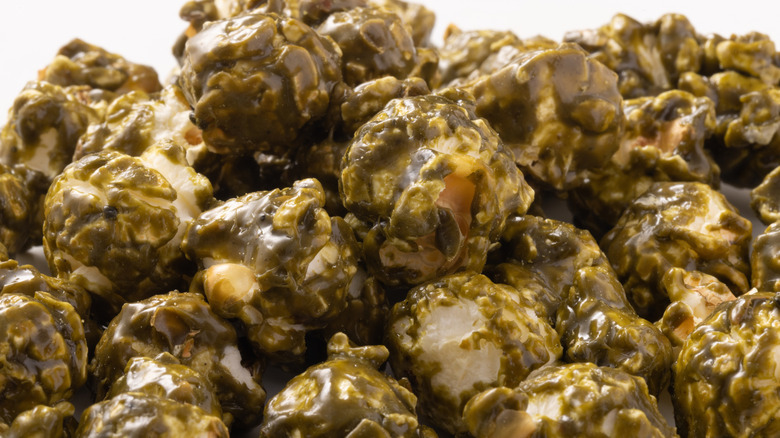
We doubt your local movie theater is going to have matcha popcorn on the menu — but at this point, it really should. Once your kernels have come out of the popper, season them with the fat of your choice, salt, and matcha powder. Most matcha popcorn recipes take a sweeter route, with additions like melted white or dark chocolate, but you can always take a savory route and harness the matcha's innate earthiness.
Avoid topping your popcorn with other bold flavors that will distract from the matcha undertone. Black and white sesame seeds are a neutral-flavored option that will complement the flavor of the matcha well. You could also opt for a salty and briny furikake seasoning instead. This seasoning blend alone will transform your popcorn, and the organic, grassy flavor of the matcha will be in good company with its subtly sweet and salty flavor.
7. Add some earthiness to your pesto
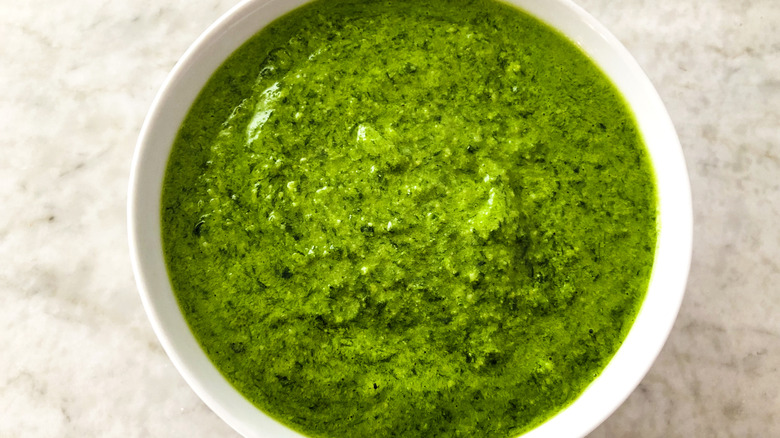
Pesto is one of our favorite summery pasta sauces. The combination of aromatic basil, good olive oil, lemon juice, and garlic is absolutely divine. One ingredient that you should consider adding to your next batch of pesto is matcha. It aligns easily with the aromatic and sharp basil, and the lemon juice will help round out the powder's earthy flavor. You don't even have to stick to just basil, either. Spinach will help you extend your herbs a little bit, while adding a couple of handfuls of mint and parsley will introduce new and unexpected flavor nuances. Once your ingredients have been processed into a paste, incrementally add your olive oil and cheese (if you're using it).
Matcha pesto can be used for a whole host of recipes. You can use it to top your pasta; it would be especially tasty with a cheesy, filled pasta or one made with a matcha-infused dough. It's also one condiment you should add to breakfast, since its herby flavor would liven up a ricotta toast or cut through the greasiness of a breakfast sandwich.
8. Stir some into your soup
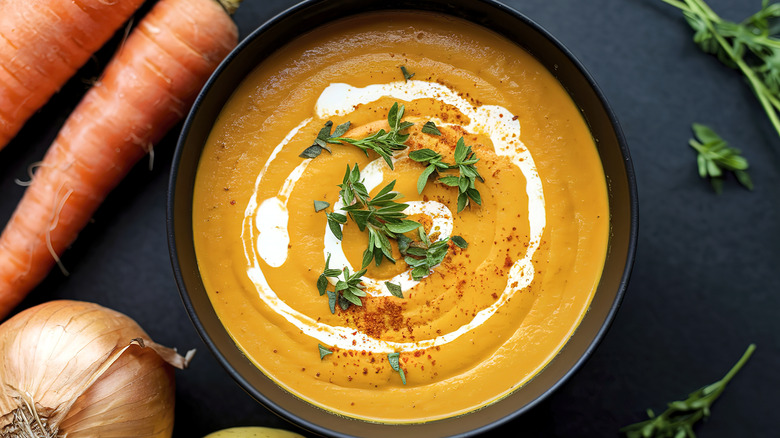
Soups, in any and all forms, are terrific. Creamy soups are especially tasty pairings for matcha because the flavor of the tea will ping-pong off the flavors in the soup. A creamy mushroom soup, for example, would sing with the addition of matcha. Shiitake mushrooms are perfectly woodsy and umami and would complement the grassy flavor of the matcha well — without eclipsing it entirely. Add it into your soup when you add your mushrooms, and watch those earthy flavors pop even more.
Another unique place where matcha shines is in a carrot soup. Carrots have a subtly sweet profile, which the matcha clings to quite well. If you want to enhance your carrot soup, try adding in fresh ginger; it will add a zesty bite that complements both the sugariness of the root vegetables and the herbaceousness of the matcha.
Matcha can also stand alone in a soup, especially when it's paired with a creamy base. For one, you can try a riff on a Thai coconut soup, loaded up with leafy greens like kale, aromatics like garlic and ginger, creamy coconut milk, and, of course, your favorite brand of culinary-grade matcha powder.
9. Add some to your guacamole
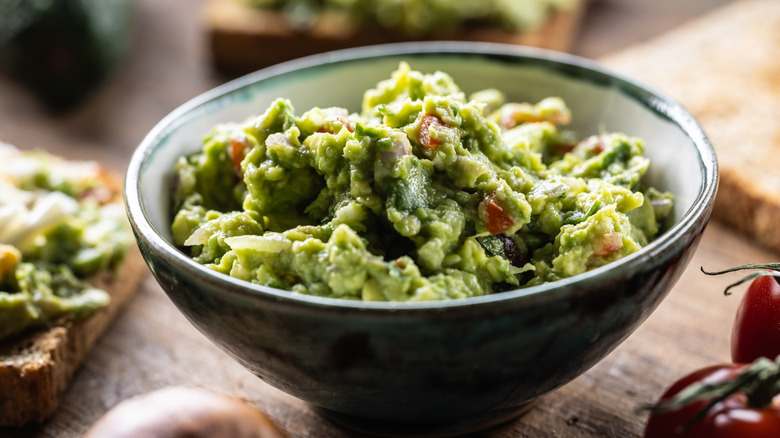
Matcha and avocados are a unique pairing that, at first, may not seem like they go together. The large, high-fat fruit has a clean mouthfeel, but doesn't have much to offer by way of flavor. This makes it an excellent canvas for a creamy (or chunky) guacamole, as well as a pairing for matcha. Matcha guacamole probably won't make its way onto the menu at your favorite Mexican spot anytime soon, but if you're looking to make your homemade dip extra special, you may want to try adding a couple of teaspoons of culinary matcha to it.
Adding the powder to your guac with the rest of the ingredients, including diced white onions, tomato, and lime juice, will help ground it and add a herbaceous flavor. Guacamole can have a lot going on, from the sharp onions and cilantro to the addition of jalapeños or chiles, so matcha can act as a balancer. Another benefit is its green color, which will lend a vibrant pop to a spread made with older fruit. Pair it with a bowl of crispy tortilla chips, add it into your breakfast burrito, or even serve it atop a juicy chicken or salmon burger.
10. Use it in your savory spice rubs
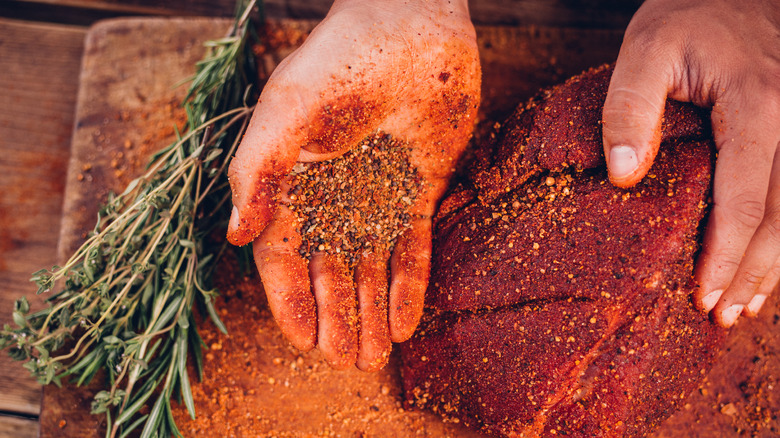
Spice rubs allow you to infuse a lot of flavor into your meat, fish, and more with ease. Matcha's flavor borders on earthy and savory, meaning it can help smooth out the piquant, acidic, or peppery components of your rub. Its green color will also stand out on neutral-colored proteins, like fish and chicken.
When building out any spice rub, regardless of whether it contains matcha or not, the goal is to find balance and harmony. For example, matcha likes being paired with sugar, so you might try adding a little bit of brown sugar to your rub. It'll also fit with other herbaceous elements, like thyme and rosemary. Hit it with savory aromatics like smoked paprika and garlic, and you'll have a versatile rub that you can use for everything from steak and shrimp to chicken and fish.
Another important thing to keep in mind is that matcha should make up a very small proportion of your spice blend. While you may be using several teaspoons of brown sugar, garlic, onion powder, and the like, you'll only need about a teaspoon of matcha for it to affect the flavor of your protein.