

9 Pantry Staples You Should Always Avoid Buying At Whole Foods

It may be hard to beat the quality when it comes to nutritious and delicious foods, but the prices at Whole Foods Market are also some of the highest. It might be worth it to splurge on specialty items from time to time (and the lineup on the hot bar, while pricey, is fantastic). When it comes to basics for your pantry, though, you're usually better of sticking to a more budget-friendly alternative. A lot of us like to keep the pantry stocked for convenience, so both cost and usefulness are important considerations. Taste, of course, and quality ingredients are also big factors.
The selection at Whole Foods isn't always what you would expect to see at other mainstream grocery stores, either. You won't find popular brands like Goldfish or Campbell's soup on the shelves, which tend to favor boutique labels instead. If you're in search of iconic childhood snacks or simple cream of mushroom soup for green bean casserole, you'll be wasting a trip heading to Whole Foods for these brands.
Here are the top pantry staples that you shouldn't buy at Whole Foods. Save your hard-earned dollars on these simpler items so that you have room in your budget for something special from the Whole Foods bakery.
1. Spices

Some spices fetch for a good value at Whole Foods, but the selection is definitely more specialty than staples. For basic spices, you'll have better luck on prices and to buy larger packs at other stores.
If you're in search of hard-to-find varieties — especially boutique salts — it's hard to beat what's available at Whole Foods. However, you won't find brands like McCormick on the shelves. Whole Foods does carry Morton & Basset spices, which you can also find at other stores. If you grab them on sale, they can even be good on your wallet at Whole Foods. Overall, though, most of the offerings are those on the higher end of the price spectrum in the first place.
The store brand, 365, usually has the best value and you can often save extra as an Amazon Prime member using your member number. Another good option when you can find it is getting spices from the bulk department. Whole Foods has a nice setup for bulk baking goods, nuts, and dried fruit, but it doesn't include spices in all stores. Some of the larger locations carry serve yourself spices, which is a good option if you only need a small amount. For prepackaged options, we'd recommend looking elsewhere for both value and selection on staples.
2. Crackers
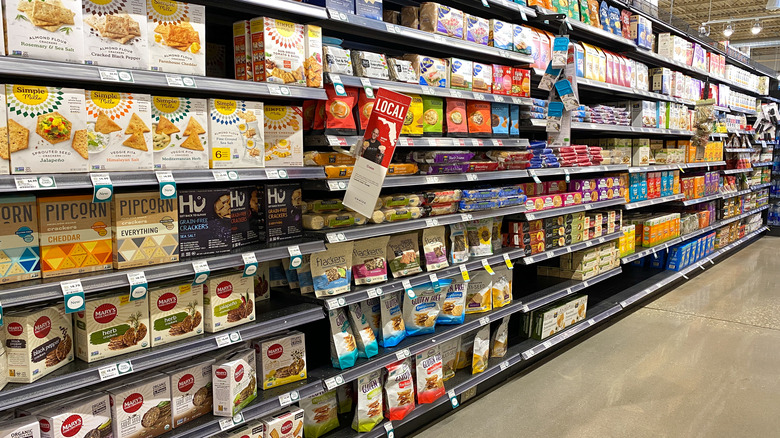
If you want gourmet crackers, Whole Foods is your spot, but for basics like Ritz and Goldfish, you can get a broader selection of flavors at other grocery stores. For simple basics, the options on the Whole Foods shelves are pretty slim. There also aren't any larger boxes, which you may need if you're getting crackers to serve on a party platter or just to stock up on this pantry staple.
There are a lot of flavored crackers, including lemon olive oil crunchy crackers and guava toasted corn crackers. You can also find plenty of gluten-free options as well as seed crackers. There aren't nearly as many simple classic round crackers, however, and the ones that are available are pretty expensive.
If you want crackers, you'll find a lot more options that can pair with a variety of cheeses, meats, and other toppings at other mainstream grocery stores. When buying in bulk, you're better off stopping by Costco or another warehouse store. For specialty crackers with interesting flavors, Trader Joe's has tasty options that are much more budget-friendly. While the Whole Foods cracker section definitely has some interesting variety, you can find similar options and more basic staples at other shops.
3. Bread
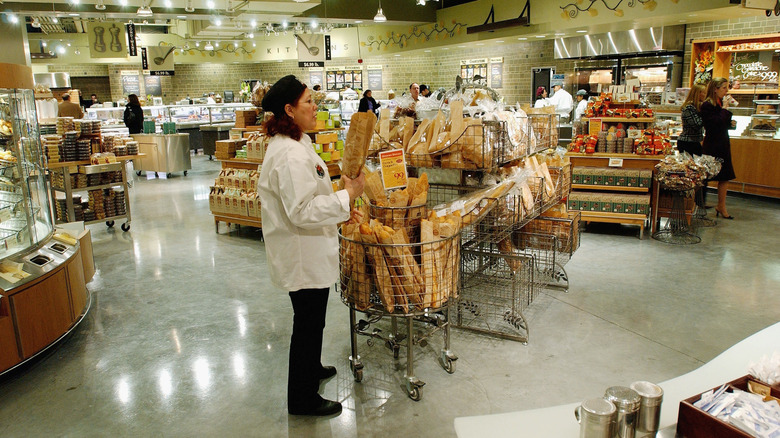
Unless you want something specific from the Whole Foods bakery (which is known for excellent fresh baked goods), look elsewhere for basic sandwich bread. Whole Foods' bread is quite pricey and not any better than cheaper alternatives. You can find brand names as well as copycats from store brands at other stores that work just as well whether you're making a sandwich or french toast.
For example, you can get a loaf of Dave's Killer sandwich bread, which includes extra seeds and grains for around $6 at Whole Foods and Simple Nature Seedtastic bread, a dupe from Aldi, for less than $4. This may not seem like a huge difference, but when you consider the higher prices at Whole Foods in general, a few dollars here and there can really add up. You can find deals using your Amazon Prime membership, often as much as $1 or more, so make sure to set up your discount on your mobile device before heading to Whole Foods.
The selection at Whole Foods definitely tends toward nutrient-rich breads made with organic ingredients, such as the Dave's Killer bread. This can be a pro or a con, depending on what you're used to eating. If your family prefers the soft, fluffy white sandwich bread, you'll notice fewer options at Whole Foods compared to other grocery stores.
4. Canned soups
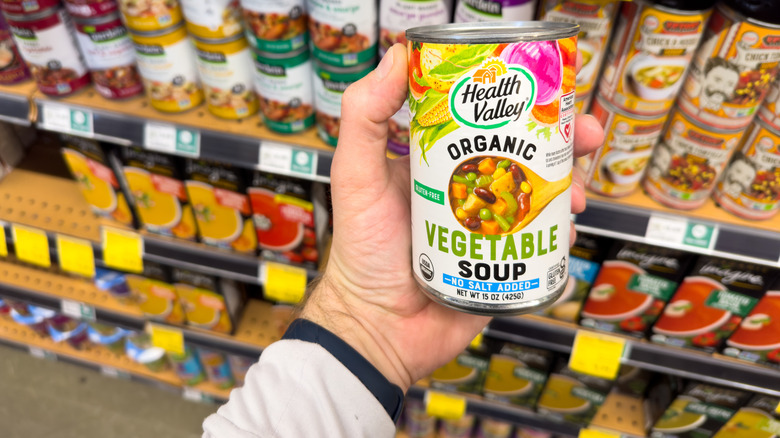
Whole Foods doesn't carry some of the best known brands, like Campbells, in the canned soup section. The selection at Whole Foods is tailored to those who want options with organic and plant-based ingredients.
Even for a high-quality soup, it's hard to justify paying $6 for a 16-ounce jar when you can get a 23.2-ounce can of Campbell's for less than $4 at another store. If you really want the best soup possible, go by the Whole Foods soup bar, instead. You can get just what you want of a fresh-made and deliciously hot soup, often for less than some of the pricier options on the shelf. The only downside is that it isn't pantry compatible, although you can put it in a freezer-safe container and store it for a few months on ice.
Because canned soup is a pantry staple that is known for being economical and convenient, you may be a bit disappointed with options that are more expensive or that require additional steps to prepare. Where Whole Foods does have the advantage over other stores, however, is with stocks and broths. There are many more options on the shelves at Whole Foods than you'll find at just about any other store.
5. Pastas
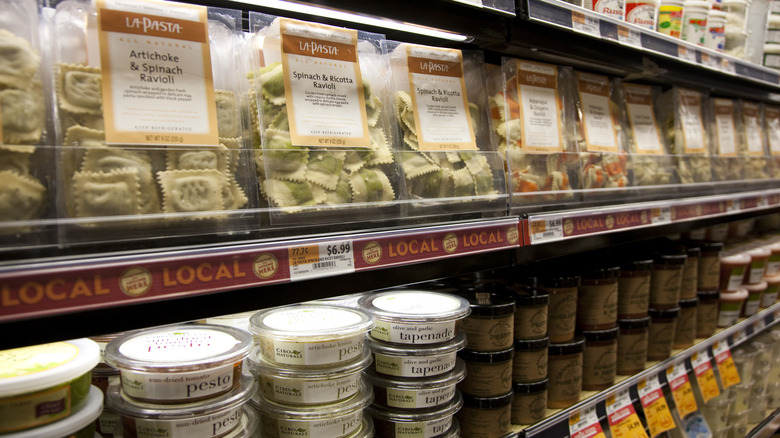
You'll pay quite a bit for pasta at Whole Foods, making this a pantry staple that's better left out of your cart. The best deals are on the store brand, 365, but everything else is pretty expensive. De Cecco comes close and can actually be similar or even less expensive than what you'd see at another grocery store for this high-quality brand. That being said, most of the pastas at Whole Foods are gourmet, many imported and made with the highest quality flour and other ingredients.
If this is what you're looking for, you'll find a great selection at Whole Foods. If simple spaghetti and meatballs is all you're after and your priority is keeping this meal budget-friendly, though, it will quickly add up if your shopping at Whole Foods. The upside is that Whole Foods carries a wide variety of shapes and sizes, including some pastas that you may not have tried before or those that are harder to find at mainstream grocery stores.
6. Coffee
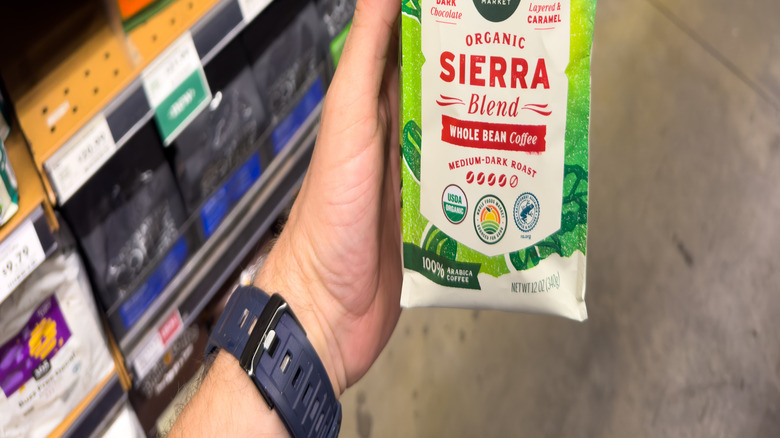
If you need your morning cup of joe to get the day started, you may be tempted to grab high-quality beans at Whole Foods. The store often stocks local brands as well, saving you a trip to the coffee shop to pick up another bag of beans. If you want to get your coffee to drink right away, some Whole Foods stores even have a coffee bar inside the store. We can't hate on the coffee sold at Whole Foods, but it's no longer the only game in town when it comes to fantastic coffee from the grocery store.
While the selection is fantastic and you can find varieties from all over the world, other grocery stores have stepped up their coffee game with gourmet options and give Whole Foods a run for the money, often at a much lower price. Plus, they have the staples like Folgers and Maxwell House available for those who prefer one of the budget-friendly classics. Some of the best coffee bean brands are stocked at plenty of stores, not just at specialty shops.
Coffee quality can really impact the end result of your cup. Whole Foods does a great job of stocking from farms that grow and produce beans sustainably and from coffee roasting companies that pair a fair price for the beans. But, there's no shortage of fair-trade and organic options out there. So don't feel the need to stick with Whole Foods to get the best prices or the best quality.
7. Sauces
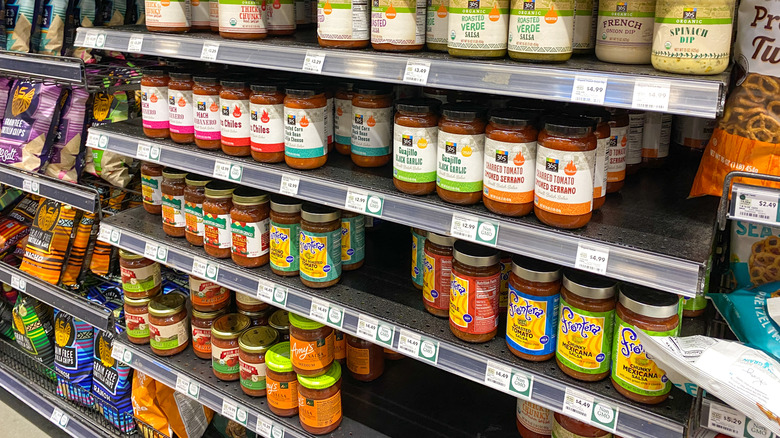
Just like the pasta selection at Whole Foods, the sauces are also on the gourmet side. Whole Foods only stocks items that meet strict quality standards, including being free from potentially-harmful chemicals and preservatives. While this means that you can count on the sauce selection to taste great and be better for you than cheaper alternatives, that often translates to high prices as well.
You'll be better off making your own homemade sauce for both price and quality. If you really want to control what goes into your sauce, from added sugar to food dyes, making your own from scratch is the best bet. Turning it into canned sauce means that it will take the place of shelf-stable convenience options that you can still pull out at other times of the year.
This doesn't just apply to pasta sauce, since Whole Foods also stocks dips, dressings, and hot sauces. There are a lot of gourmet options and local favorites, but they are also on the pricey side. If you really want to try something new or unique, it may be worth the splurge. But for basic staples, most people want to stick with something more economical. Whole Foods has some delicious sauces for everything from pasta to enchiladas, but you'll pay for the convenience.
8. Honey

We're big fans of local honey, which you can pick up at your farmer's market to support local beekeepers and producers. Whole Foods has good options, but they're typically more expensive and there aren't as many small batch options on the shelves. The local companies are typically labeled so that you can pick something that's made nearby for a truly local flavor. But like with any product, Whole Foods takes a cut of the profits. So skip the honey section at Whole Foods and buy directly from your local farmer when you can.
Whole Foods does have a good amount of raw honey, honeycombs, and specialty honeys that are unfiltered. It can be hard to find these specialty options since the majority of people looking for honey gravitate toward the pure stuff. In this case, I'd recommend Whole Foods for one of these specific needs. But in most cases, you can get honey that is just as good and cuts out the corporate middle man by shopping directly from farmers.
9. Baking mixes
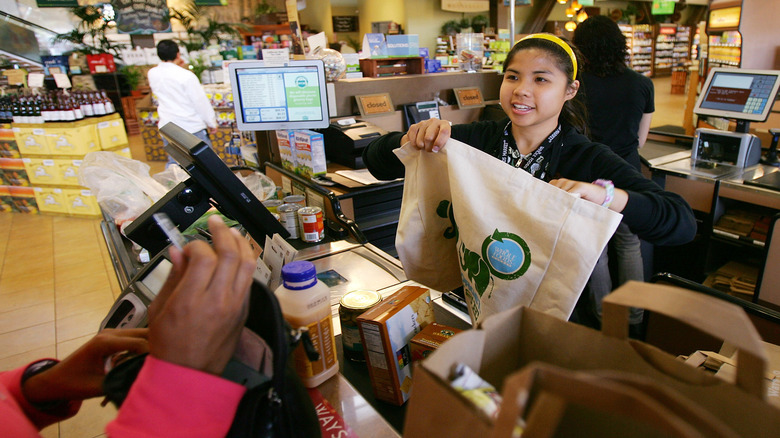
Mixes for cakes, cookies, brownies, and breads usually aren't the most economical choices in the first place, but the Whole Foods selection is even more expensive than those you'll find at other stores. While one of the top benefits of shopping at Whole Foods is access to a high-quality selection of interesting foods that you can't find elsewhere, the shelf with baking mixes is pretty standard. Most of the offerings are chocolate cake, white cake, chocolate chip cookies, chocolatey brownies, and similar treats.
There is a good selection of gluten-free options, but with many other stores also offering similar mixes, you can likely find something that is less expensive. Store brands with gluten-free mixes are becoming more common and many mainstream grocery stores have an entire section catering to different dietary needs.
If you want something super convenient and made with high quality ingredients, go to the Whole Foods bakery instead of the baking mix aisle. You can order a custom cake that still meets that same strict ingredient guidelines, not to mention delicious taste. This is even more convenient than grabbing a mix from the shelf, cutting out the baking step completely. You can also get packaged baked goods, such as the carrot cupcakes that took home our top ranking for best store-bought carrot cakes.