

19 Vegetables With More Fiber Than Cauliflower
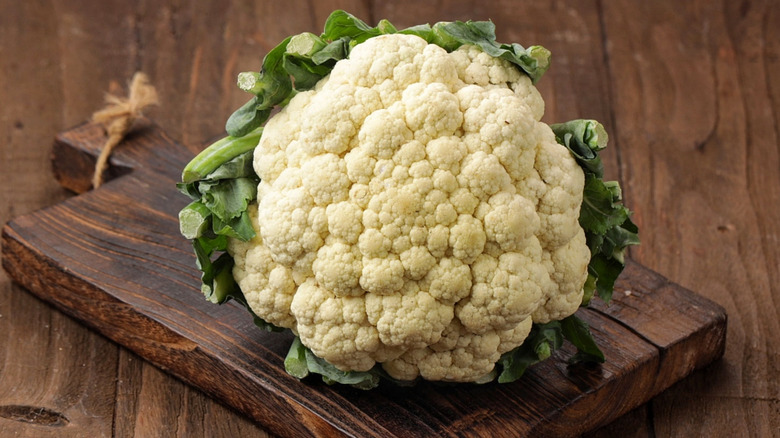
Cauliflower has earned its spot on plenty of healthy eating menus. It's a super-versatile vegetable you can use in a variety of ways, from roasted side dishes to creamy soups. It can even be used as a rice substitute or in casseroles. It provides some fiber, which is important for digestive health, and helps you feel full longer. It also helps lower cholesterol and improves blood sugar levels.
Per the USDA, cauliflower has 1.9 grams of fiber per 100 grams. That's a little bit of fiber. If you're looking for more, there are plenty of vegetables worth adding to your diet with significantly more fiber than cauliflower. Think beyond your usual leafy greens and steamed broccoli (although those have good amounts of fiber, too). I'm talking about colorful picks and root veggies.
People in general don't get enough fiber in their diets — only 10 to 15 grams a day on average, when it should be about 20 to 40 grams a day, depending on a few factors (via Harvard Health Publishing). That's totally doable if you eat these high-fiber vegetables. Think of it as getting about 10 grams of fiber per meal if you eat three meals a day. You can swap cauliflower for another higher-fiber food, toss an extra serving in a recipe, or add more veggies to a grain bowl. Every little sneak in of these veggies can help you get the fiber you need.
Navy beans
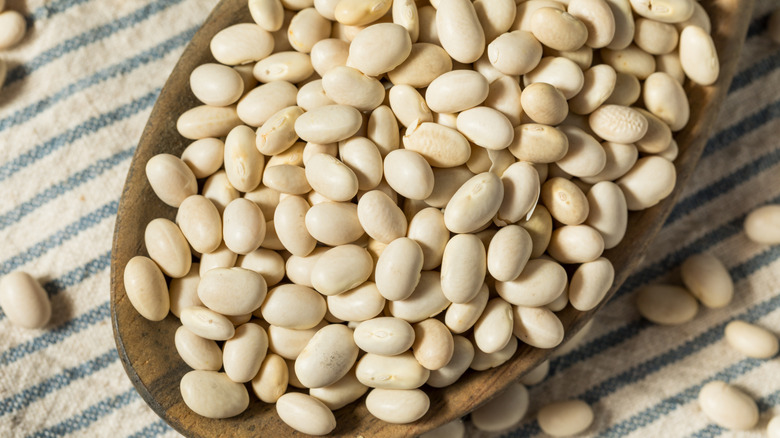
Navy beans have substantially more fiber per serving than cauliflower, coming in at 6.85 grams of fiber per 100 grams (via the USDA). That's more than three times the amount in cauliflower. The little white legumes work well in a variety of dishes, and you can easily sneak them into meals, which is helpful especially with kids. Canned navy beans make it super simple. Just rinse, drain, and add to soups, stews, salads, casseroles, and even pasta. For a more affordable option, buy dried beans, but you do need to cook them before using them.
Edamame
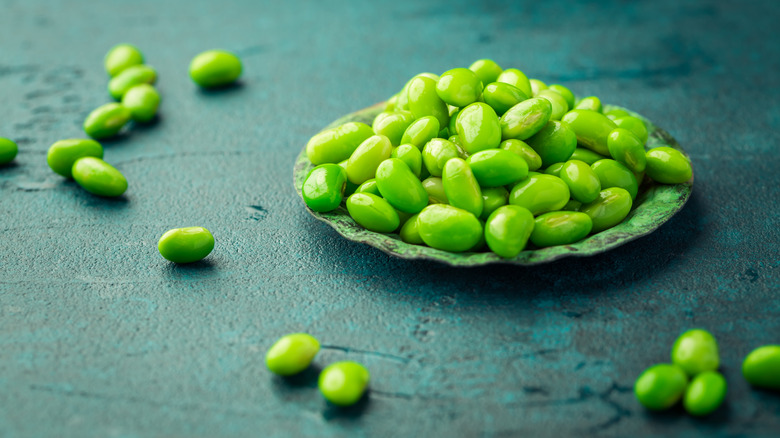
Edamame, or young soybeans, provide much more fiber than cauliflower — 6.2 grams of fiber per 100 gram serving (via the USDA). These bright green beans are sweet and nutty, with a tender texture that's super satisfying. You can find these in your grocery store's produce or freezer section, usually in a small container ready for serving. You may also be able to find them still in their pods. Use them in pasta salads, stir-frys, grain bowls, or soups and stews. You can also make a hummus alternative by blending the edamame with garlic, olive oil, parmesan, and lemon juice.
Peas
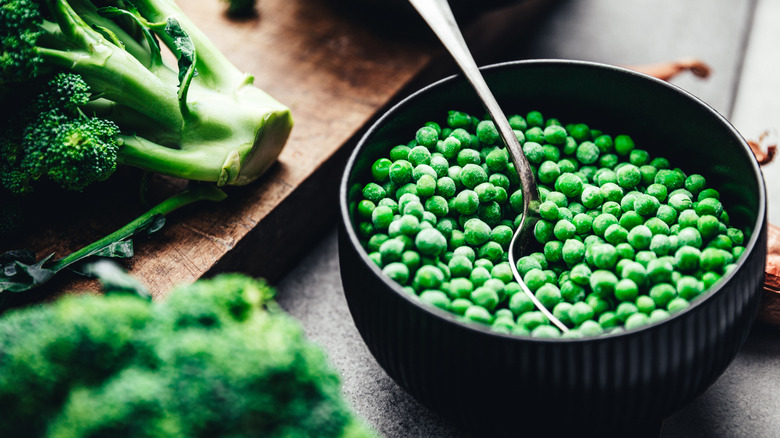
Peas provide a whole lot of fiber: 5.95 grams per 100 grams (via the USDA). You can find them fresh, frozen, or in a can for easy additions to meals. They have a mild, sweet flavor that works well in a variety of dishes. Stir them into soups or stews; add to pasta dishes, such as mac and cheese; make a peas and rice side dish to go with dinner; or just warm them up and add a little butter, salt, pepper, and lemon juice. You can even mash them with some basil and olive oil for a spread, or add them to mashed potatoes.
Artichokes
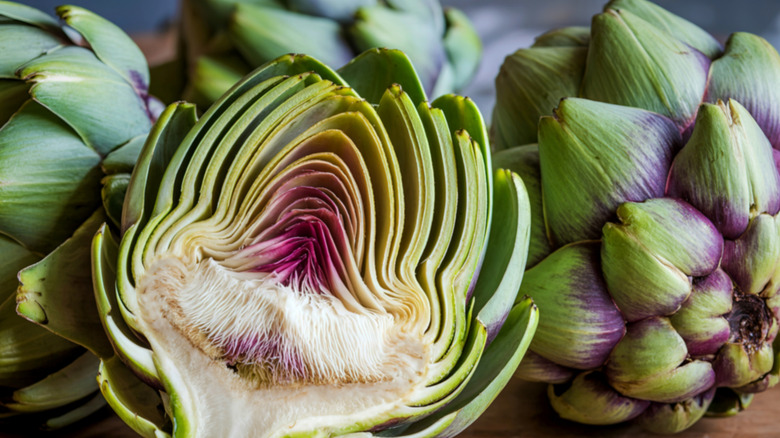
Artichokes provide 5.7 grams of fiber per 100 grams (via the USDA) for cooked artichokes. You can also eat them raw, and they still provide a whole lot of fiber: 5.4 grams per 100-gram serving (via the USDA). Artichokes are an interesting-looking vegetable with a tender texture and slightly nutty, tangy flavor. They work well in so many dishes. Try them in a spinach artichoke dip or a casserole, add them to your favorite pasta sauce for a fiber boost, top your pizza with them, or use them in a salad.
Parsnips
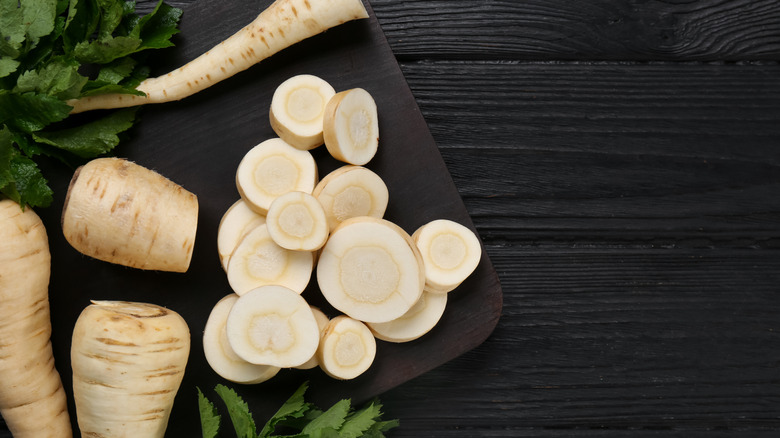
Parsnips aren't talked about enough. They're a delicious root vegetable that provide 5.4 grams of fiber for every 100 grams (via the USDA). They kind of look like carrots, but are white. Parsnips have a sweet, earthy flavor and creamy texture when cooked. Try roasting them with olive oil, and add some garlic at the end for a tasty side dish; chop them into sticks for a great french fry alternative; mash them and stir them into your potatoes; or blend and add to soups and stews.
Jicama
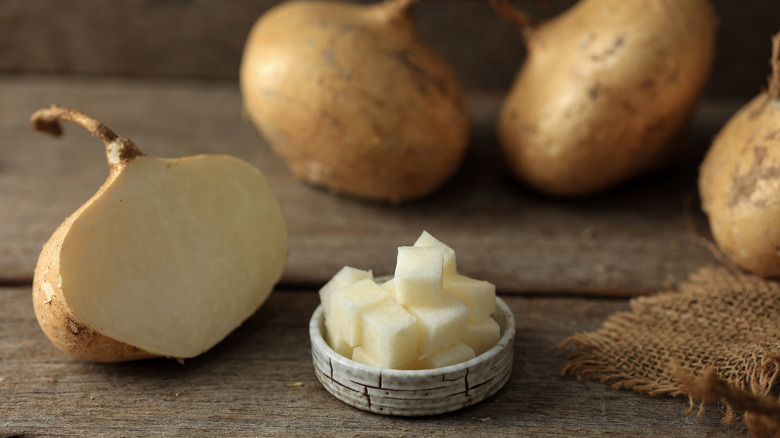
Jicama is another underrated root vegetable that deserves a spot on your grocery shopping list. This veggie has 4.9 grams of fiber per 100 grams (via the USDA). It has a mildly sweet flavor and crisp texture. Chop it into sticks and pair with your favorite hummus; toss into your salad; add to your coleslaw; or slice them thin for a crunchy addition to tacos. No preparation needed — enjoy them raw.
Brussels sprouts

Brussels sprouts are commonly disliked, especially by kids, but when you prepare them properly, you see how good these little vegetables are. Brussels sprouts look like tiny cabbage heads and have a slightly earthy flavor that becomes much more tasty when roasted. They provide a good source of fiber, coming in at 4.8 grams per 100-gram serving (via the USDA). When cooked, they still provide 4.1 grams of fiber (via the USDA). You can find them fresh or frozen in your grocery store. Chop them in half, toss with olive oil, and roast until tender. Shred them for an addition to your coleslaw, or add them to a pasta dish.
Sweet potatoes
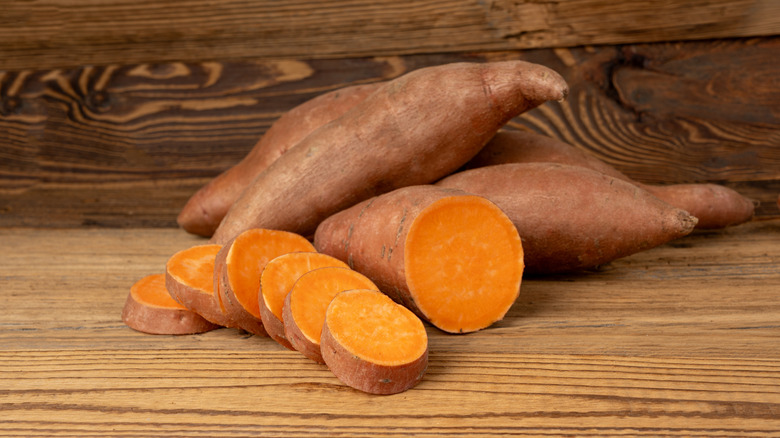
Sweet potatoes are beautifully bright orange, and their earthy, sweet flavor and smooth, creamy texture make them super versatile. Plus, they provide 4.44 grams of fiber per 100 grams (via the USDA). Sweet potatoes are an affordable ingredient, and they're easy to bake. Just wash, stab it with a fork, and bake until tender. Make mashed sweet potatoes, sweet potato fries, or cube and roast them for a delicious side dish. Leave the skin on and eat it for the most fiber. You can also use them in soups, stews, pasta, and even chili.
Kale
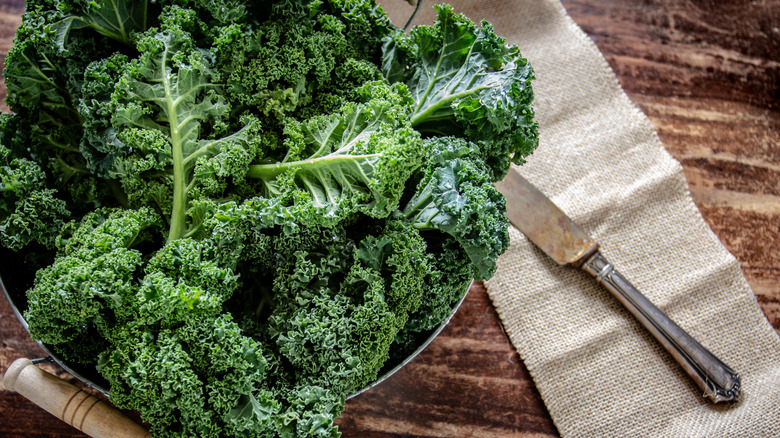
Kale is a leafy green vegetable with a bit of a bad reputation for people not liking it before trying it. Give it a chance. Kale provides 4.1 grams of fiber per 100 grams (via the USDA) when eaten raw, and you still get 4 grams when cooked (via the USDA). Kale is perfect for salads and smoothies, but you can also try it in soups, stir-fries, and pasta dishes. You can also make a tasty snack by roasting kale leaves with olive oil and salt and making some nutritious chips.
Taro
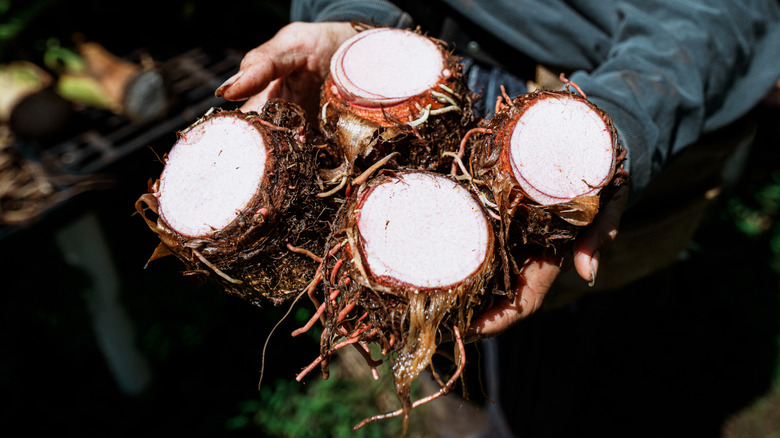
Taro is a starchy root vegetable that looks similar to a potato and provides 5.1 grams of fiber per 100-gram serving (via the USDA) when cooked. Always cook before eating because raw taro can irritate the skin, and always use gloves when preparing it. Taro can be used just like potatoes, so it works well in a variety of dishes. For example, you can make mashed taro just like you make mashed potatoes: boil or steam until tender, then season with your favorites to complement your meal. You can also add taro to soups, stews, chili, potato salad, and more.
Yams
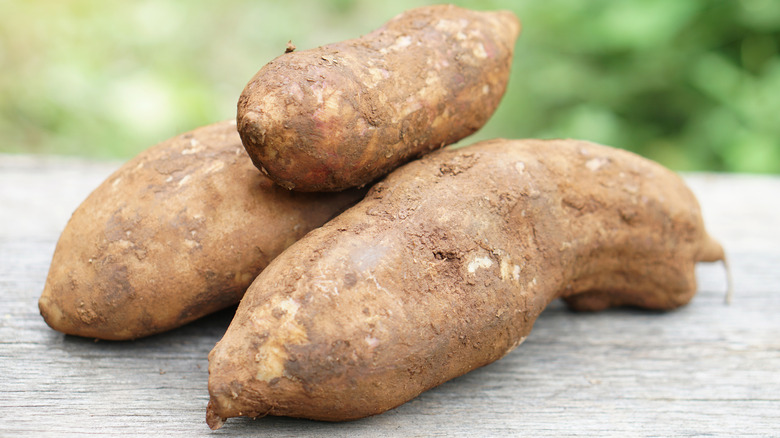
Yams are another root vegetable similar to potatoes and often confused with sweet potatoes. Yams provide 4.1 grams of fiber per 100-gram serving (via the USDA). When cooked, yams still contain 3.9 grams of fiber (via the USDA). You can prepare yams just like you would sweet potatoes since they have a similar taste and texture. Mash them, bake them whole, or roast them cubed up. Add them to stews and soups, or even your latest pot of chili.
Hubbard squash
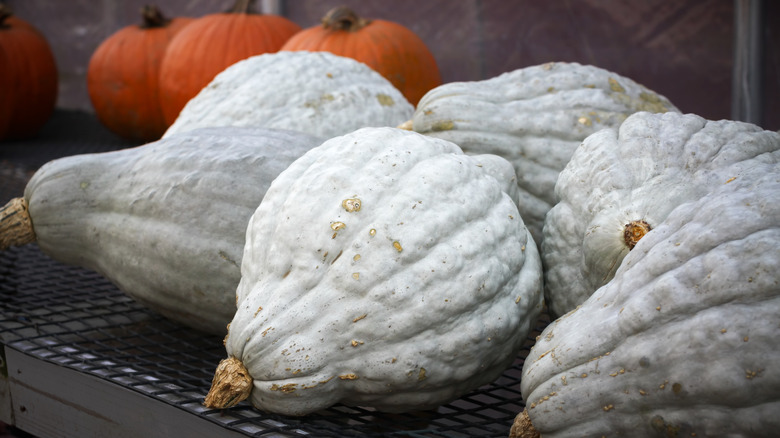
When it's fall it's the perfect time to grab a squash from your local grocery store. Hubbard squash is a round, green-blue bumpy plant with bright orange flesh inside. It delivers 3.9 grams of fiber per 100 grams raw (via the USDA) or 4.9 grams when baked (via the USDA). The easiest way to prepare is by chopping it in half, scooping out the seeds, and baking with butter or olive oil until tender. Serve it up as a side as is, and use a fork to scoop and eat. It tastes similar to pumpkin with its mild sweetness, and it's perfect for comfort foods in the fall and winter.
Collard greens
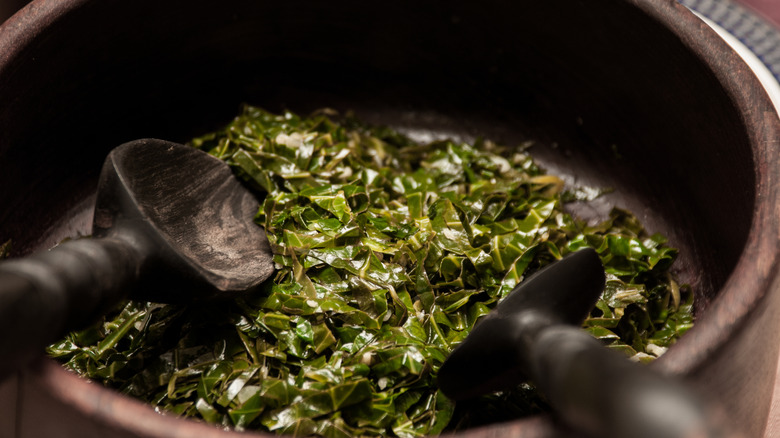
Collard greens are a leafy veggie providing 3.8 grams of fiber per 100-gram serving when raw (via the USDA) and 4.2 grams of fiber in a 100-gram serving (via the USDA) when cooked from fresh. It has an earthy, slightly bitter taste that can add a lot of flavor to your dishes. Prepare by washing the leaves and removing the tough stems. You can simmer or saute them with some onions, garlic, and seasonings. You can also chop them and add them to stews and soups for added fiber and nutrition. You can find them fresh at your grocery store, or frozen.
Mustard greens
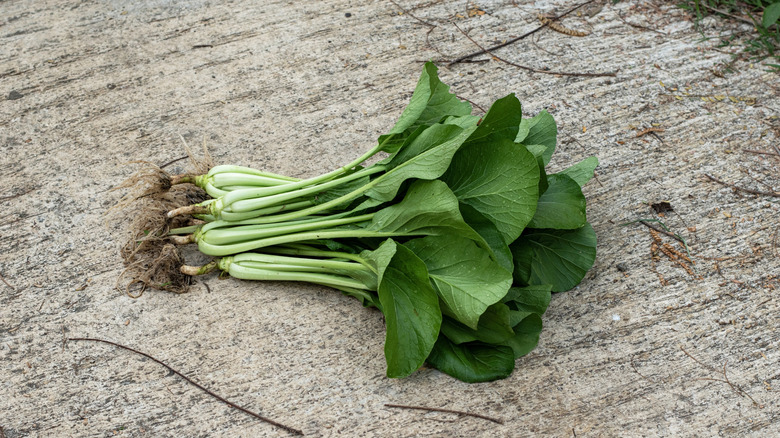
Mustard greens are a cruciferous veggie in the same family as collard greens. They bring 3.2 grams of fiber in a 100-gram serving (via the USDA) when raw and 2.8 grams when boiled (via the USDA). They have a spicy, peppery flavor that works well in Southern-inspired dishes, though you can make the flavor less spicy by cooking them. Try using them in salads by mixing with other leafy vegetables, such as spinach or kale, especially if the pepperiness is too much for you. Otherwise, you can simmer with some olive oil and seasonings for a nice side dish.
Turnip greens
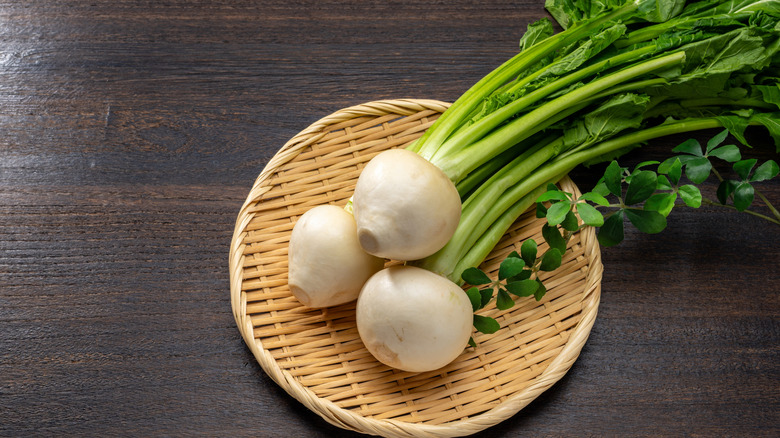
Turnip greens, a dark green, leafy veggie, have 3.2 grams of fiber in 100 grams when eaten raw (via the USDA), and 3.5 grams of fiber when boiled (via the USDA). They're similar to mustard greens in flavor, but milder. You can prepare these a few ways: boil them, saute them, chop them to add to salads, soups, stews, or pasta dishes, or fry them up with some onions and garlic for a satisfying side dish with just about any meal.
Beets
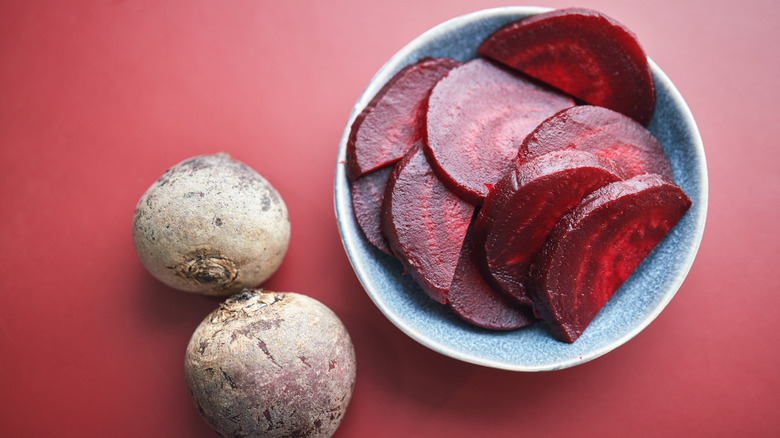
Beets bring you 2.8 grams of fiber in a 100-gram serving when raw (via the USDA), and 2 grams of fiber when boiled (via the USDA). One tasty way to prepare beets is by slicing them thin and roasting them with olive oil and salt until they're crispy chips. You can also roast them whole until tender then slice or dice them for salads and yogurt bowls; shred them up for a bright color in coleslaw; pair their natural sweetness with goat cheese and leafy greens; or fry them up with olive oil and garlic.
Beet greens
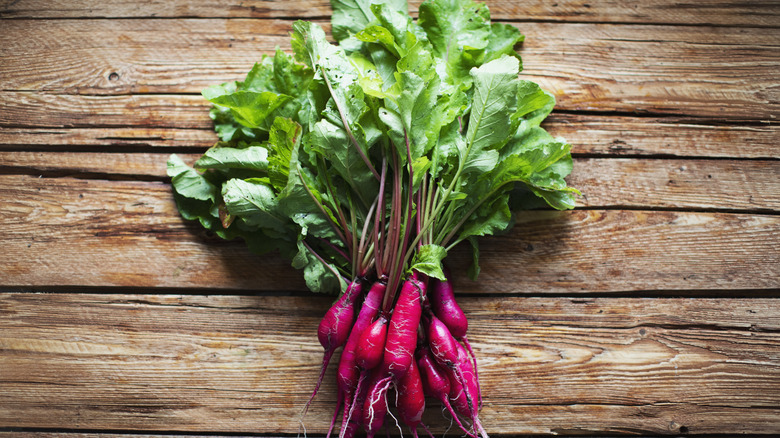
Don't throw out those greens you get with beets! These provide 2.6 grams of fiber in a 100-gram serving when raw (via the USDA) and 2.9 grams when boiled (via the USDA). The dark green leaves with reddish stems are just as pretty as the beetroots. They have a mild, earthy flavor. For any easy side dish, fry them up with some olive oil and garlic. You can also chop them for an addition to salads, soups, and pasta dishes.
Broccoli
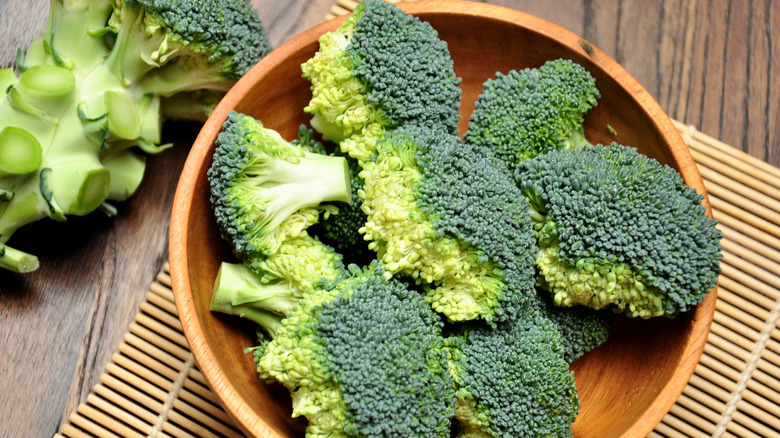
Raw broccoli delivers 2.6 grams of fiber in a 100-gram serving (via the USDA) while boiled broccoli provides you with 3.3 grams of fiber (via the USDA). These green veggies have a mild, earthy flavor and a nice crunch when eaten raw. You can add them to salads for a satisfying bite, or boil them up for a softer texture. They make a nice side dish with olive oil and garlic, and you can kick up the comfort level by topping with shredded cheddar. While similar-looking to cauliflower, broccoli contains more fiber.
Pumpkin
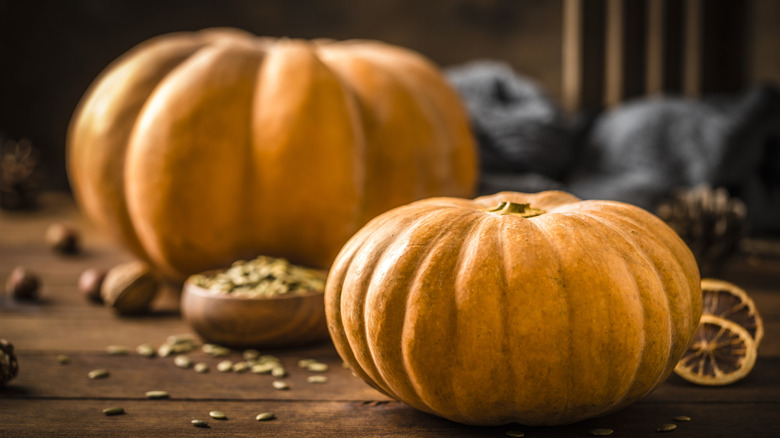
Another veggie with more fiber than cauliflower is the iconic fall pumpkin. Raw pie pumpkin (a small version of larger pumpkins) provides 2.3 grams of fiber in a 100-gram serving (via the USDA) while canned pumpkin has 2.8 grams (via the USDA). It's pretty easy to prepare canned pumpkin puree; stir into soups, stews, and even pasta sauce or chili. Just check the label for plain pumpkin puree rather than pumpkin pie filling, which has some pumpkin spice seasoning in it.