

14 Lesser-Known Comfort Foods You'll Remember If You Grew Up In The Rocky Mountains
We may receive a commission on purchases made from links.
Every region has its distinctive comfort foods, from Philly cheesesteaks to shrimp and grits. So, too, do the Rocky Mountain states. The sort of meal or snack that, if you find yourself transplanted to New York or Los Angeles, you may not easily find, but one bite takes you immediately back to your years in Montana, Colorado, Wyoming, or anywhere else in or near the Rockies.
As someone who grew up in Idaho and worked throughout Wyoming and Montana, there are a number of specific foodstuffs that can take me right back to the region, from elk steaks and Flathead Lake cherry jam to Idaho Spud candy bars and New Mexico-style sopapillas. Even tater tots are a Northwest creation that take me back. Though available nationally since the mid-1950s, they were a distinctive regional treat early on.
Some dishes below are steeped in the cultural heritage and geography of the Rockies, others are unique recipes that emerged from a single restaurant. Still others are riffs on ubiquitous dishes, including Colorado green chili. Most of these bites are not well known outside the region, or morphed dramatically as they expanded nationwide. All of them have such deep ties to the Intermountain West that the very mention of fry sauce or pastrami burgers elicit cravings from someone who grew up there.
Huckleberry pie
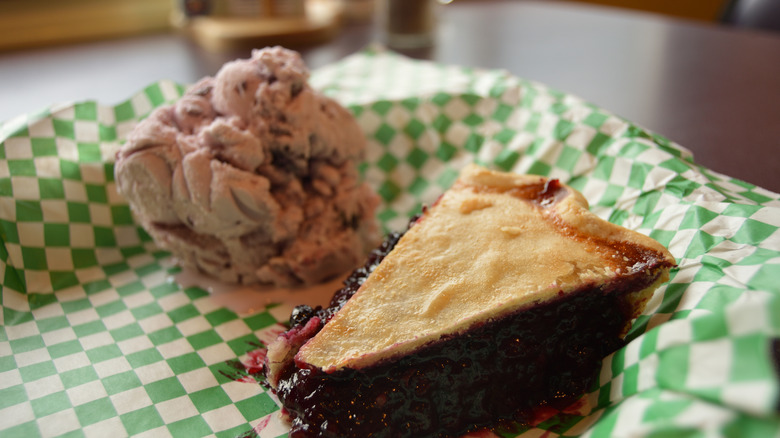
The juicy, intense huckleberry can't be commercially farmed, but grows wild in the mountains of Idaho and Montana, where it's the official fruit for both states. Through late summer and into fall, you find huckleberry milkshakes, ice cream, and especially succulent pies on menus and farmers markets throughout the northern Rockies, particularly in Montana. Many people consider the huckleberry culinary epicenter to be northwest Montana, especially around Glacier National Park.
Finger steaks
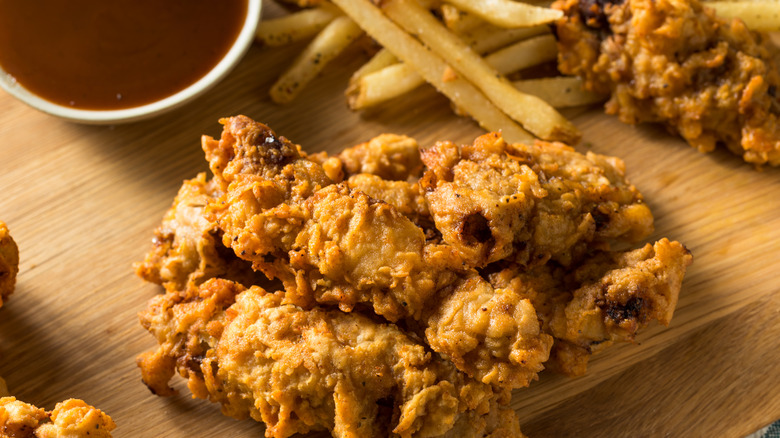
Even though Texas Dairy Queens carry a dish called steak fingers, the real thing began life in the 1950s at Mylo's Torch Drive-In (later Cafe, then Lounge), in Boise, Idaho. Unfortunately, the original Torch Lounge became a gentleman's club in the late '90s and nixed finger steaks.
Today, the thin slices of battered, seasoned, deep-fried steak show up on menus and as homemade recipes throughout the West. According to the Idaho Beef Council, B and D Foods, a major producer of the treat in the state, even makes a peppered finger steak that's popular in Texas.
Funeral potatoes
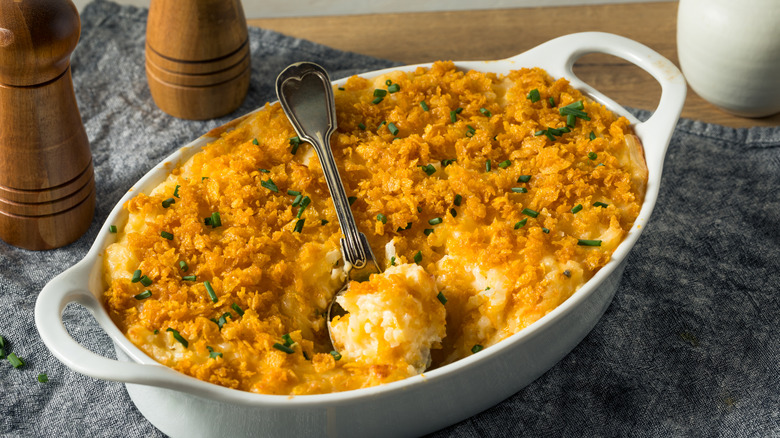
People can claim that the morbidly named funeral potatoes are a Midwest comfort food, but anyone who grew up in the shadow of the Rockies knows it's a Utah-centric casserole. An inexpensive, carb-loaded melange of potatoes, cheese, cream sauce, and cornflakes or potato chips (plus a million grandma-driven variations), the ultimate comfort casserole was popularized by the women of the Church of Jesus Christ of Latter-Day Saints. It was famously served by the church's Relief Society Organization to families in need for decades. Today, you can pick up an Augason Farms Funeral Potatoes Pouch at Walmart.
Rocky Mountain oysters
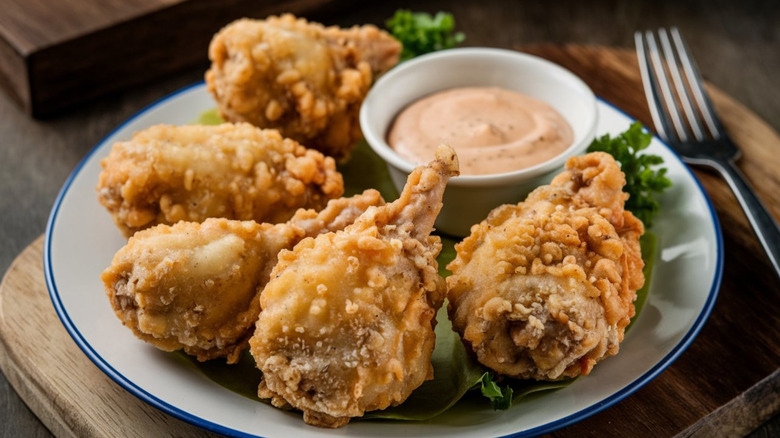
The first time I tried these, er, delicacies was in a ghost town in the Idaho mountains. Local ranchers thought they were being clever serving the city boy deep-fried bull testicles. These oysters don't come from the sea, and they're something of a rite of passage. But honestly? Paired with eggs, they were delicious. Born of a ranching practice of castrating cattle to control breeding stock and improve the flavor of the beef, you can try them at stalwarts such as Buckhorn Exchange in Denver, Colorado. If you're wondering, they do indeed taste like gamey chicken.
Chugwater chili
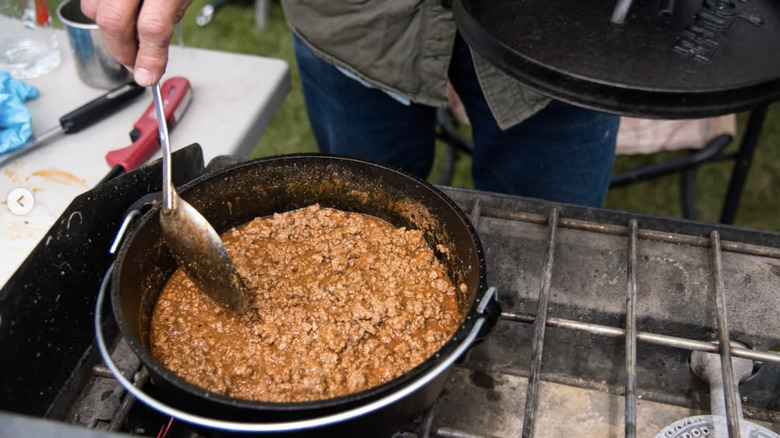
Many states have distinctive chili. Wyoming's cowboy chili, particularly when seasoned with Chugwater Chili spice blend, is especially memorable. The Chugwater Chili Corporation began in 1986 in the town of — you guessed it — Chugwater when a group of farm families bought a local prize-winning spice blend and started marketing it regionally across the country. You can order the spice and add it to your favorite recipe, or make a pilgrimage to Wyoming during the annual Chugwater's Chili Cook-Off. Swing by the Stampede Saloon and Eatery, or other spots around town, to try the real thing.
Cornish pasty
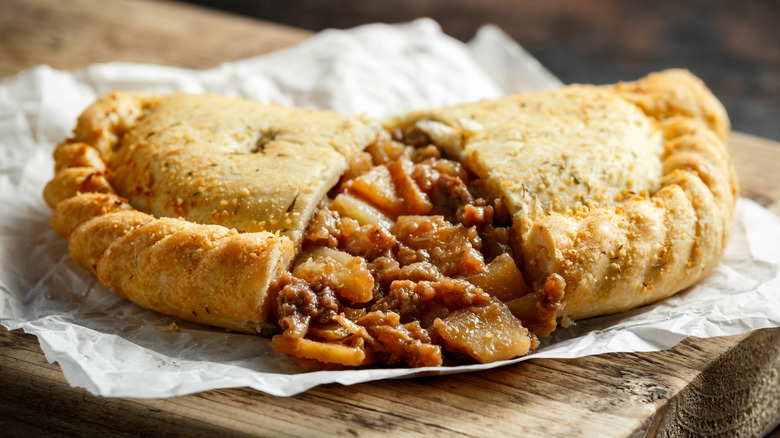
This English folk dish is intrinsically linked to western Montana. Experienced miners from Cornwall immigrated to the area in the late 1800s, bringing their empanada-like Cousin Jacks pasty with them. Stuffed with beef, potato, onion, and whatever else you have on hand, you can find these dense, delicious hand pies at several restaurants throughout Montana, including Joe's Pasty Shop in Butte, or Wind's Pasties in Anaconda, which delivers to many of the Rocky Mountain states.
Fry bread
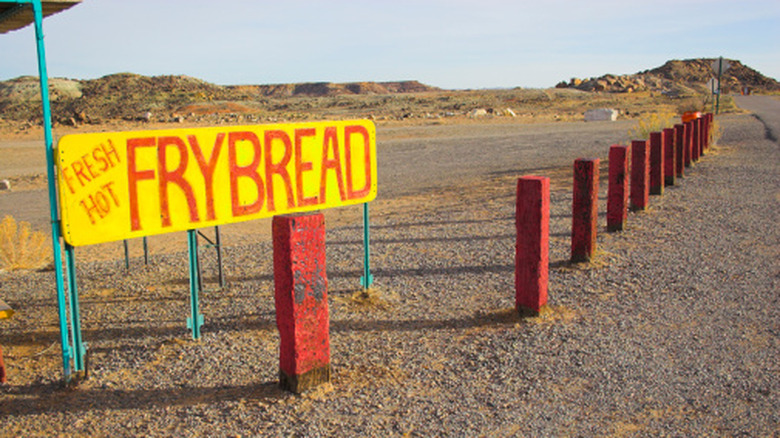
Though now found across the country, there was a time you were most likely to encounter fry bread at chapter houses in the Navajo Nation, or at the Santa Fe Indian Market, held annually since 1922. These large chunks of puffed, deep-fried dough, iconic to New Mexico, have a complex past. In the 1860s, the Diné (Navajo) were forced into internment camps in New Mexico and provided starvation rations that included flour, baking powder, and salt. From this trauma came the delicious, chewy pastry we cover in sugar or serve as the base for Navajo tacos.
Pastrami burger
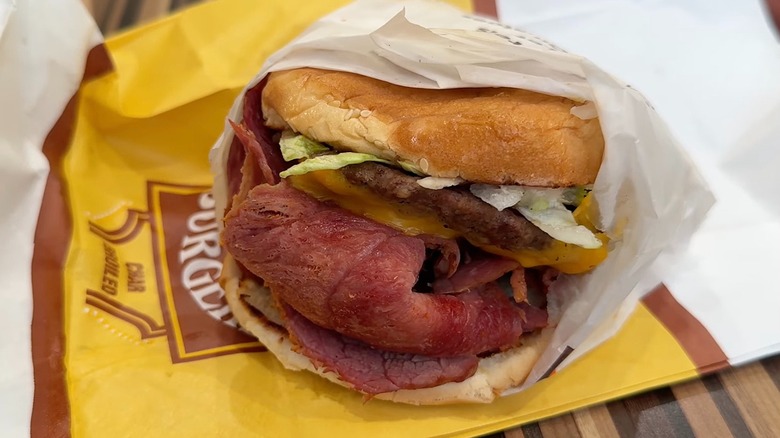
Utahns often poke good-natured fun at their own local dishes, from Hawaiian haystacks to green Jell-O everything. But these distinctive, stacked burgers are a must-try. Initially served in Anaheim, California, in the early 1970s by the Katzourakis family, they landed in Salt Lake in 1978 when John and Rula Katzourakis opened their first Crown Burger, as much Greek diner as burger joint. The mini-chain's signature hamburger features a burger patty topped with sliced pastrami, cheese, lettuce, tomato, and secret sauce. These days, you can snag the deli-influenced burger at several Utah destinations, including Astro Burgers and Apollo Burger.
Basque food
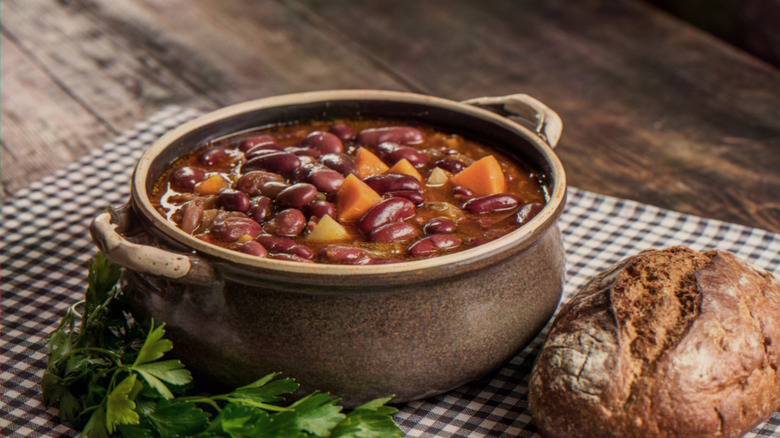
How did the food of Spanish Basques become Rocky Mountain comfort food? Because of a massive migration to Idaho, Nevada, Wyoming, and California in the last half of the 19th century, chasing the Gold Rush, then shifting (traditionally) to sheepherding. They brought dishes such as solomo and babarrunak beans with them, serving them in boarding houses, restaurants, and at festivals throughout the West. It's why Boise is a destination for Basque cuisine, and why many people who grew up in the region view lamb stew as nostalgically as steak and potatoes.
Fry sauce
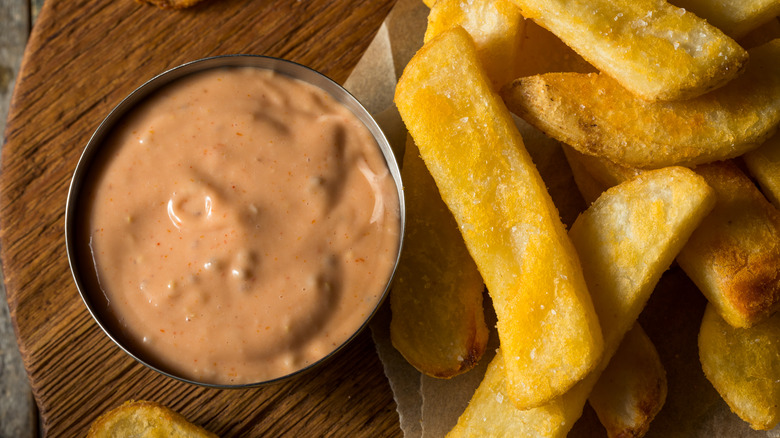
It's impossible to overstate how beloved fry sauce is amongst a segment of Utahns and Idahoans. Today, most everyone is familiar with the concept of special sauce, but this version, originally called pink sauce, was developed in the late 1940s and popularized in the '50s by the Utah-based burger chain Arctic Circle, a full decade before the Big Mac appeared. While every home cook and restaurant has their own take on the recipe, it's usually much more than mayo, ketchup, and relish, often containing sugar, Worcestershire sauce, paprika, and onion. Meanwhile, Arctic Circle has kept its version a secret for 80 years.
Bison anything
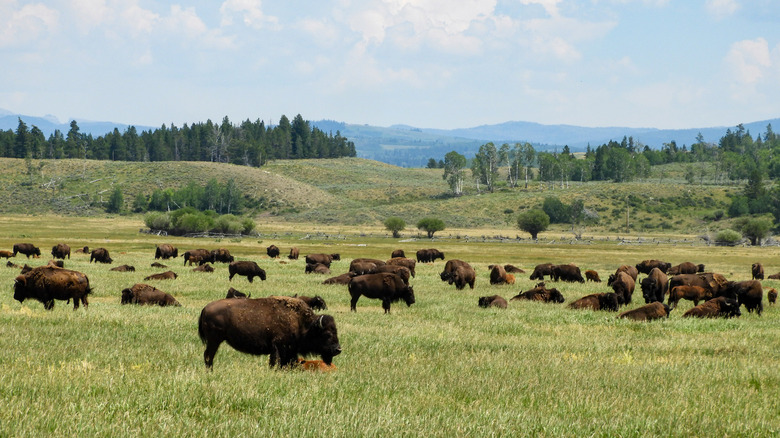
While bison burgers appear on menus these days from Los Angeles to New York City and beyond, it wasn't always so. By 1900, there were under 1,000 animals remaining due to deliberate overhunting by white settlers. Recovery began in the early 20th century with national parks, and was accelerated by Montana and Wyoming ranchers in the 1980s and '90s. Today there are around 450,000 bison, largely livestock. As a result, bison dishes abound in the West, from burgers and pan-fried steaks to kebabs and pizzas. It's also an important food for indigenous peoples in the region, historically and today.
Colorado green chile stew
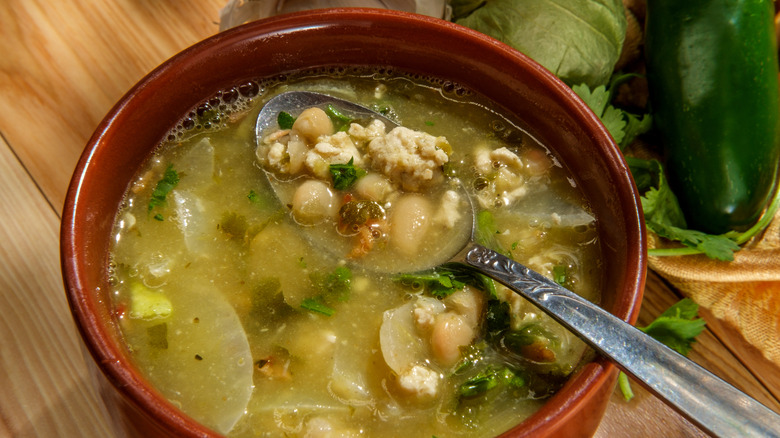
That the preferred spelling is with an e is not the only thing that makes this thick, pork-based dish unique. Its base is usually the Pueblo green chile, a fruity, heat-forward pepper commonly used for chile rellenos, it grows well in southeastern Colorado, the thick flesh making it particularly good for roasting. Colorado green chile (the stew) typically features diced pork shoulder, onions, garlic, and Pueblo chiles, often in a roux-thickened sauce. It also gets poured over burritos, eggs, and other dishes, like a gravy.
Green chile cheeseburger
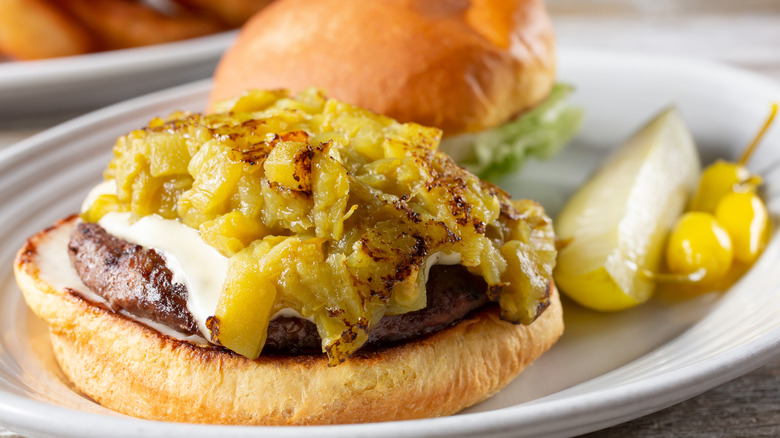
Competing with Colorado for green chile fame is New Mexico. Green chiles, especially those grown in the Hatch Valley, are beloved by New Mexicans (and anyone else who tries them). They show up in everything and anything, including cheeseburgers. The cheeseburgers are so associated with the state — and may have been invented there — that the tourism board even promotes a Green Chile Cheeseburger Trail covering much of New Mexico, including Santa Fe, Taos, and other spots in the Rocky Mountains. Try one with a side of blue corn tortilla chips, another New Mexico touchpoint.
Ice cream baked potato
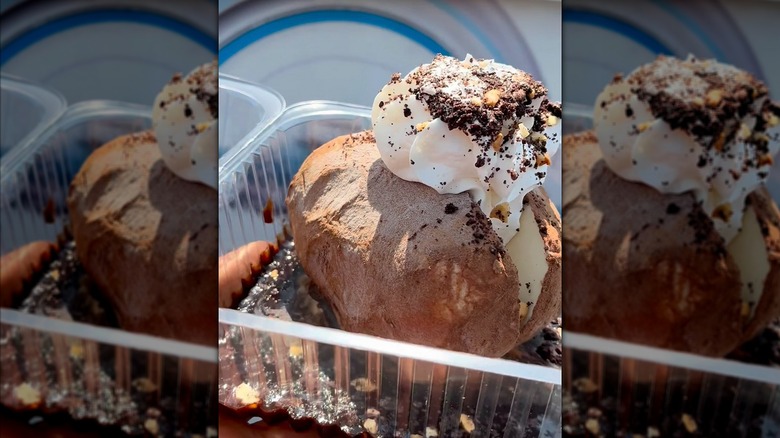
Perhaps no state has a food more associated with it than Idaho and potatoes. That fact can make a non-rural native cringe, but there's at least one version that doesn't: The Idaho ice cream potato. The brainchild of chef Lou Aaron, who bought Boise's '50s-era Westside Drive-In in 1994, it consists of potato-shaped vanilla ice cream rolled in cocoa. It's then opened like a steamy baker, filled with whipped cream and Oreo crumble sprinkles, and finished with chocolate syrup. Not only is it Instagram-worthy, it's been featured on "Diners, Drive-Ins and Dives" and "Man v Food."