

10 Benefits Of Using A Gas Grill Over Charcoal
We may receive a commission on purchases made from links.
If you do a lot of outdoor cooking, a grill may be essential. These large appliances can cost several hundred — potentially several thousand — dollars, and since people spend a lot of time in front of them flipping plump brats, burgers, and other foods, you want to invest in a model you like and that fits your needs.
One of the biggest questions to consider before making this investment is which type of grill you want. The two primary, and arguably most popular, types are charcoal and gas. A gas grill (available at almost any price point) operates by igniting a gas-based fuel source (like propane), which is controlled by a series of internal valves and knobs. Charcoal, meanwhile, uses briquettes and requires the user to light, preheat, and control the temperature.
Grillmasters are obsessed with charcoal, often because of the smoky flavor briquettes provide and the finesse required to control their heat. But that doesn't mean gas grills don't have their own advantages. In order to find out what makes a gas grill worth buying over a charcoal grill, we spoke to several experts: Roman Abysov, owner of Same Day Appliance Repair in Los Angeles; Scott Thomas of The Grillin' Fools; Amy Chernoff, appliance expert and vice president of marketing at appliance and grill retailer AjMadison; and Dustin Green, Head Grill Master at Weber.
1. Easier to clean
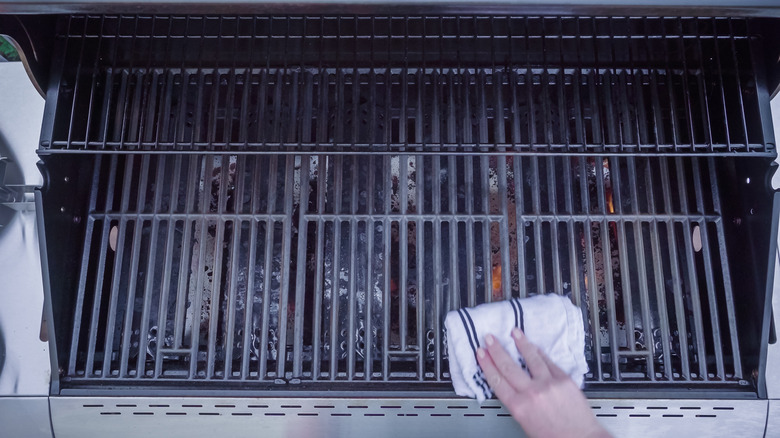
To keep your grill functional for as long as possible, you'll need to clean it often (and well). This maintenance step is essential regardless of the grill type, but our experts say gas is generally easier to clean than charcoal.
"I'd give gas the leg up for everyday cleanup simply because you're not dealing with ash after every cook," says Amy Chernoff. She explains that cleaning gas grills is as simple as brushing the grates, cleaning and emptying the grease tray, and checking for any potential interference or issues with the burners and ports. Roman Abysov highlights the importance of the last step. "The mistake I see constantly is people cleaning the grates religiously and never opening up the bottom, where the actual problem lives," he says.
Charcoal, on the other hand, requires a bit more intentional cleaning. After the grill has cooled down, you need to scrub away the leftover soot from the underside of the lid, clean the grates, scrub the inside of the bowl where the briquettes sit, and remove leftover ash, as leaving it can promote corrosion (rust). This is time-consuming and messy, and you can avoid most of it by using a gas grill instead.
2. Heating Up and Cooling Down Time
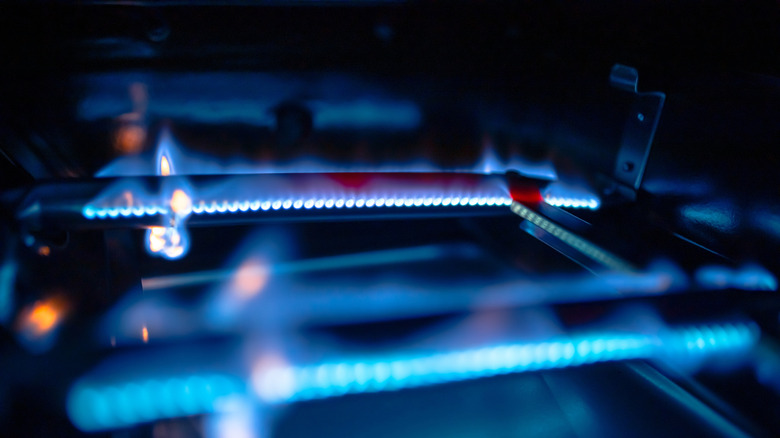
One of the biggest differences between charcoal and gas grills is how long they take to light, heat up, and cool down. Amy Chernoff says a gas grill can take 10 to 15 minutes to heat, and charcoal 30 to 45 minutes. "On a weeknight that difference decides whether people grill at all," she says. Scott Thomas adds that heating the grill isn't the only slow thing about charcoal. "Charcoal takes much longer to get lit, and changing the temperature is a bit like turning a battleship. It can be done, just not real fast."
Not only does lighting and maintaining the heat of a charcoal grill require a lot of time, but so does shutting down the grill when you're done with it. "You can turn a gas grill on, preheat it, dial in the temperature, and turn it off when dinner is done without lighting coals, managing vents, or waiting for ashes to cool," says Roman Abysov. If a griller is after speed and convenience, gas may be the way to go.
3. Easier to control and change the heat
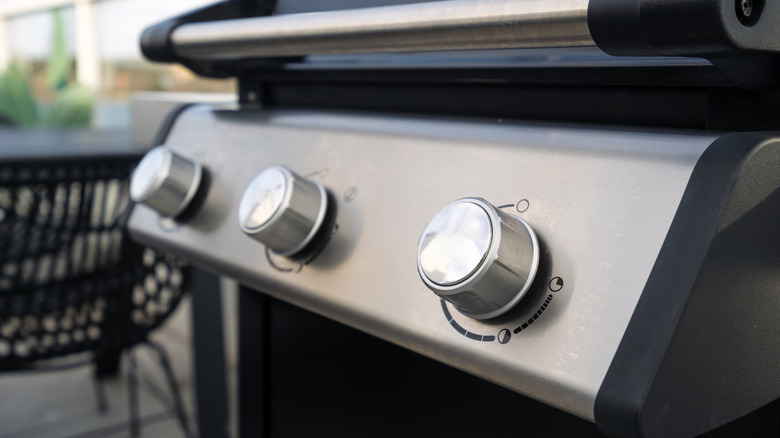
Just like indoor gas stoves, gas grills offer you precision control at your fingertips — literally. If something is charring more than you like or cooking more slowly than you want, you can adjust the heat on a gas grill by just turning a knob. According to Amy Chernoff, you can't say the same about a charcoal grill. "With charcoal, you control temperature by changing the amount and placement of the coals and adjusting the vents, so there's more technique involved, and changes aren't quite as immediate," she says. Dustin Green agrees. "Depending on the food, gas grill knobs can be adjusted accordingly, and the thermometer on the grill will show the fluctuation of temperature very easily," he says.
Scott Thomas shares some of the learning curves that come with changing temperature on a charcoal grill, noting that fuel (which may not produce a temperature change right away) and oxygen are two variables that affect how hot the grill is. "Someone who is impatient or hasn't learned the cooker they use yet might add too much fuel and open the vents too much, and instead of an internal temperature of the grill at 250 [degrees Fahrenheit], it could jump to 400 [degrees Fahrenheit]," a change that he says is hard to recover from and may require the cook to shut off the air and risk putting that fire out altogether. A simple knob turn is a better option by comparison.
4. More straightforward to operate
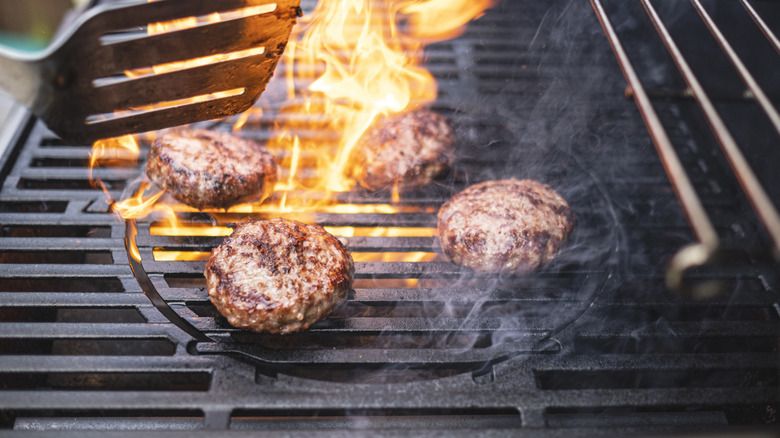
Not everyone is born a grillmaster. It can take time, experience, and patience to conquer the flame and make the grilled recipes of your dreams. If you are a novice who is still learning your way around the grill, gas is the way to go.
Dustin Green actually says ease of use is one of the biggest advantages of gas over charcoal. "For gas grills, you turn the gas on, start the grill, allow it to preheat, clean the grates, and cook. The steps are just easier," he says. "Charcoal takes a bit more: start the charcoal, dump the charcoal, let the grill preheat, clean the grates, and cook."
Not only is operation easier, but our experts also note that gas is steady, consistent, and easy to replicate from cook to cook. "Once you know where the knobs need to be on your particular grill, it's fairly easy to recreate the same temperature from one cook to the next; charcoal takes a little more feel because the amount of fuel, airflow, and position of the coals all affect the heat," says Amy Chernoff.
5. Reduced risk of flare-ups
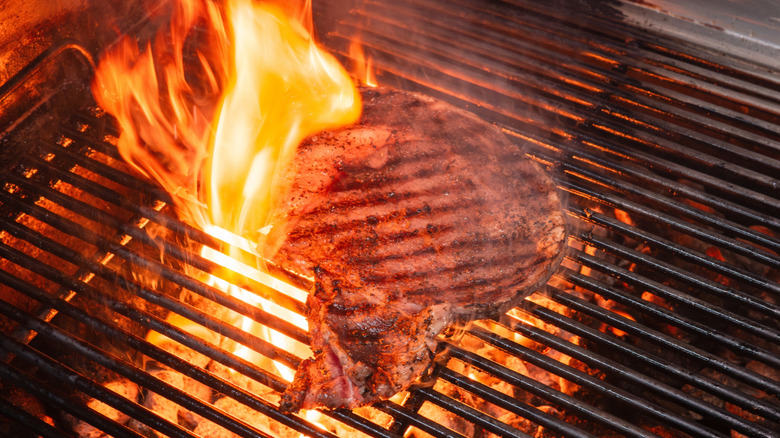
They may be an inevitable part of the grilling experience, but flare-ups can make your food taste like ash. Think of them as mini grease fires: when fat from your grilling food hits the flame, it ignites and quickly engulfs your food. However, some gas grills — specifically infrared gas grills — offer a fix that charcoal doesn't: a metal plate that sits between the burners and the grill grates. As Scott Thomas explains, this metal piece shields the flame from the drippings. "They still might flare a little, but they are much smaller flare-ups," he says.
Beyond this added metal piece on some models, gas grills offer more control, so you can better manage flare-ups if they do happen. "You can immediately reduce a burner or move the food over an unlit section when fat starts to flare," says Amy Chernoff. She also underscores the importance of cleaning out the grease trap on your gas grill, as it can contribute to flare-ups. Roman Abysov agrees with Chernoff and shares how much charcoal grills are at the mercy of the flame. "On charcoal, your only options are [to] close the lid or move the food, and the fire keeps doing what it's doing," he says.
6. Better for reverse searing
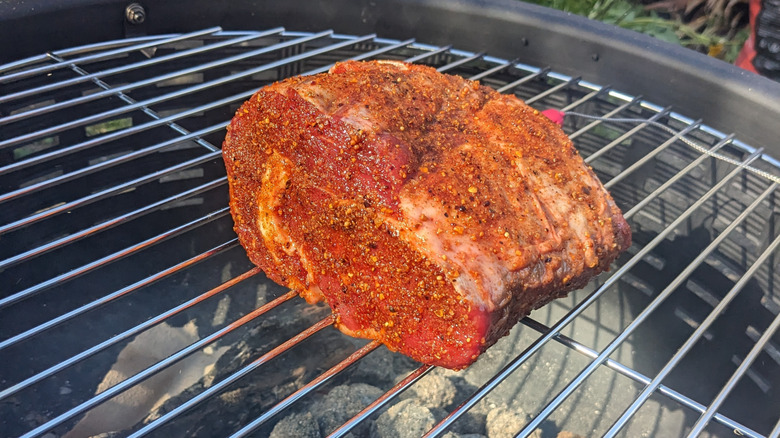
Reverse searing is a cooking technique for all kinds of meats, including pork tenderloin, to add more flavor and texture. Some say reverse searing makes the best prime rib and is the technique to use for thick, juicy pub-style burgers. According to Scott Thomas, reverse searing is all the rage in the world of barbecuing, and it may be why charcoal grill owners want to add a gas grill to their arsenal.
"Basically, slow smoke a piece of meat to bring it up to about 10 to 20 degrees short of the desired doneness and then sear off at the end to get a tasty flavor crust and bring the temp up those final 10 to 20 degrees," Thomas says. He recommends cooking low and slow on a smoker, or sous vide, then using a gas grill to crank up the heat and color the cut. Gas is reactive, and the temperature is easy to control, making it a better grill for reverse searing. A charcoal grill, on the other hand, would require you to reposition the coals to create the perfect sear. In other words, while you can reverse sear on a charcoal grill, it is much harder.
7. Safer operation
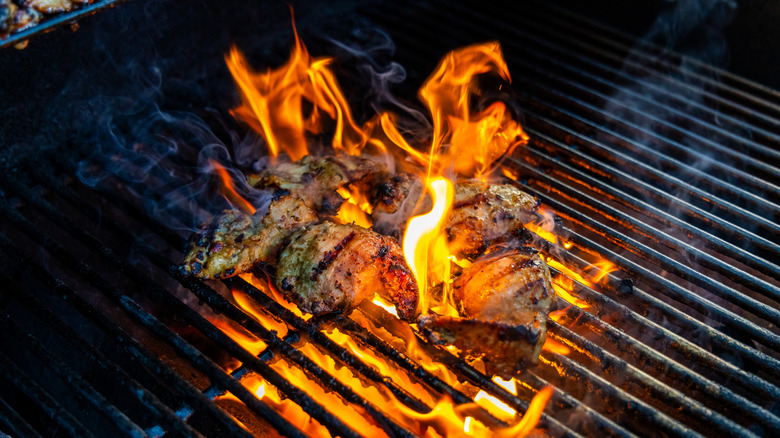
Grilling can be dangerous if you don't do it right, so following proper safety protocols matters. That being said, the type of grill you have may play a bigger role in safety than you would think. Scott Thomas highlights two safety advantages of gas. The first, he says, is the sparks (or lack thereof). "No sparks are going to pop out of a gas grill. Lots of apartment complexes ban charcoal grills because of this," Thomas explains. He also says that gas grills cool down sooner than charcoal, and since putting a cover on a hot grill can be risky, it's one more thing that you have to worry about. Roman Abysov offers other benefits of gas grills: "No live coals to dispose of, nothing that stays hot for hours after you're done, no ash blowing around."
Of course, that doesn't mean you can ignore proper grilling safety just because you buy a gas grill instead of charcoal. "I wouldn't call gas universally safer, as propane leaks and grease fires carry their own risks, so both types of grills need to be used outdoors, maintained properly, and given plenty of clearance from the home," says Amy Chernoff.
8. Better for zone cooking
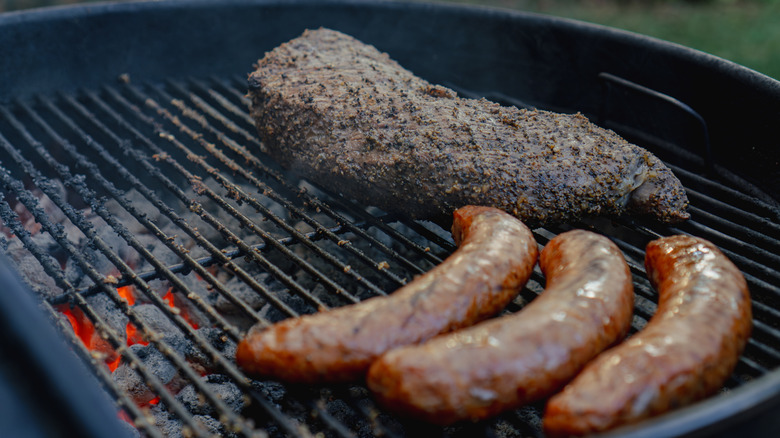
Learning to create direct and indirect heat zones is a skill budding grilling enthusiasts must master. Our experts say gas grills may be easier to learn. "Indirect cooking on a gas grill is extremely easy to set up. Turn a burner off. Whether it is the middle burner or side burner. What I'm cooking typically dictates setup and what burner I turn off to create indirect versus direct," says Dustin Green.
Amy Chernoff agrees, though highlights that more advanced grillers may not have a problem figuring out how to create heat zones on a charcoal grill. "With multiple burners, you can create high, medium, and indirect zones with the turn of a few knobs, whereas charcoal requires you to physically arrange the coals — but an experienced charcoal griller can absolutely create excellent two- or three-zone setups," she says.
Using zone cooking properly is one way to get excellent flavor and color from a gas grill. "Preheat the grill properly, give food time to develop a good sear, and learn how to use direct and indirect heat rather than leaving every burner on high for the entire cook," says Chernoff.
9. Opportunity for smart integrations
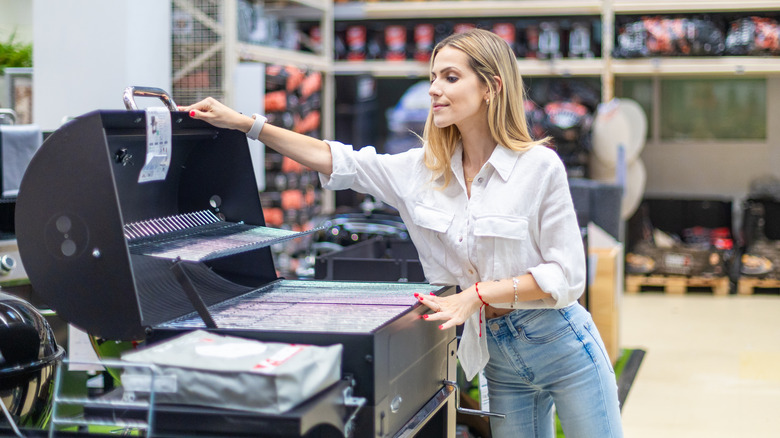
Are you smarter than your outdoor grill? As with any consumer product, new tech advances are changing how we cook, making it more accessible and enabling integrations with other technologies in ways we couldn't imagine even decades ago. Gas grills are leading the charge here. "Some newer models offer built-in Wi-Fi, food probes, app monitoring, doneness alerts, and even electronic temperature control; Weber's Summit Smart, for example, can automatically set the grill temperature and let you monitor or adjust a cook from your phone," says Amy Chernoff.
This technology can help someone who doesn't want to babysit their steak or who wants to cook multiple cuts at a time to perfection. While these integrations may drive up the purchase cost — and not everyone will use them to their fullest potential — they show that gas grills are on the cutting edge of cooking tech. "This gives the user the ability to better understand what is happening in the grill and to their food. It gives people more confidence and control when grilling," says Dustin Green.
Chernoff highlights that this tech can integrate with other smart devices, including controllers and thermometers. "The technology isn't exclusive to gas, but it tends to be more seamlessly integrated into the grill itself," she adds.
10. Cheaper in the long run
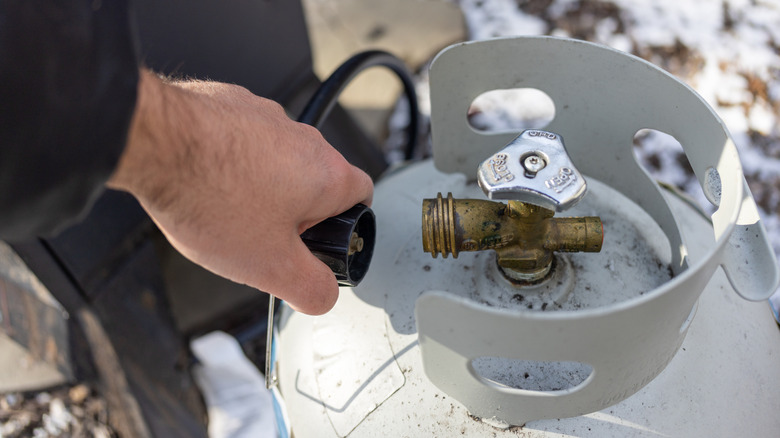
When we asked our experts whether gas or charcoal grills were cheaper to purchase, charcoal was a clear winner. Dustin Green credits this to the number of components and parts in a charcoal grill, which is considerably fewer than in a gas grill. However, if you are looking at fuel cost, gas grills may have charcoal beat.
"Gas tends to be less expensive per cook, particularly if you grill frequently or have a natural-gas connection, although local fuel prices make a difference. A propane tank can last through a few meals, while charcoal is something you're replenishing and using up with every cook," says Amy Chernoff. Green agrees. "A tank of gas will last longer than a bag of charcoal. Once you make the initial purchase of the gas tank, refilling it will pay dividends in the long run," he says.
If you want to cut costs on a charcoal grill, you can use cheaper briquettes, Scott Thomas says. But of course, even these come with drawbacks. "Cheap charcoal has a lot of petroleum products mixed in to bind the bits of charcoal together to form briquettes. If the question comes from good, lump charcoal and gas, then the answer is gas is cheaper," he says.