

10 Old-Fashioned Steakhouse Sides That Make Homemade Steak Dinners Feel Special
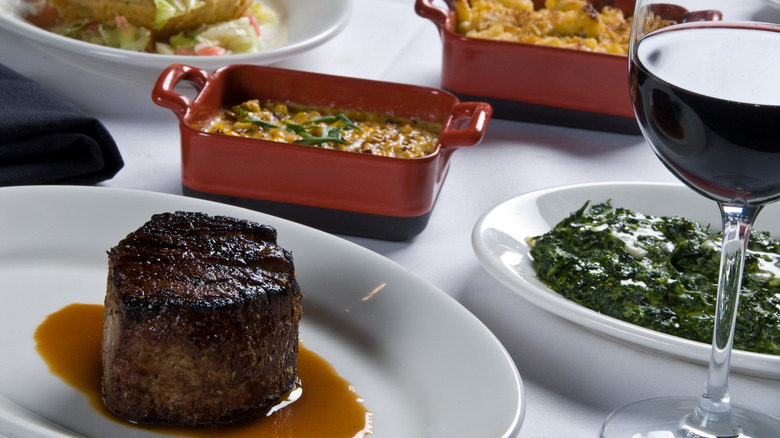
There's something inherently celebratory about a trip to the good old American steakhouse. The rosy cuts of beef and ice-cold martinis topping tables in convivial dining rooms signal abundance like little else. Until you get to the long lists of side dishes. Steakhouse sides occupy a class by themselves, evoking as much a sense of place as those sumptuous chateaubriands and filet mignons themselves. (After all, how many other kinds of restaurants, outside of maybe neighborhood diners, are slinging quite so many baked potatoes these days?) Some dishes just seem to belong at — and to — the steakhouse, but you can bring that feeling home, even if you're cooking budget-friendly cuts like hanger or skirt steaks.
Some of these classic steakhouse sides endure as icons. Others have fallen from ubiquity over the decades. But everything here will make your steak dinners at home feel like more of an occasion, and that alone is worth celebrating.
Creamed spinach
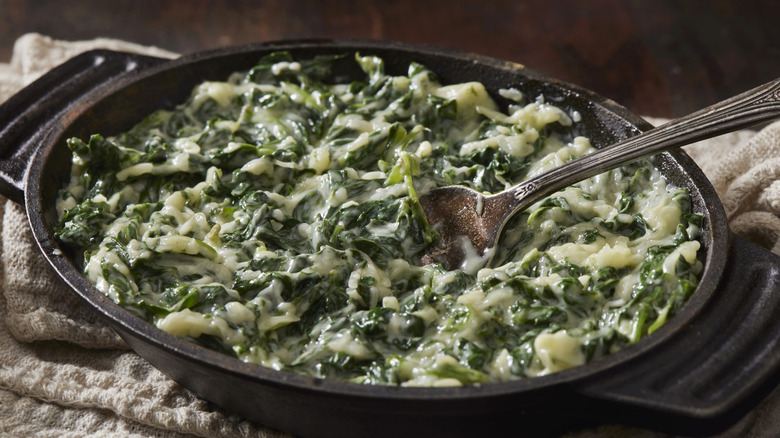
Creamed spinach might just be the second most recognizable steakhouse side in circulation next to baked potatoes. Like the humble oven-cooked spud, it has long been more synonymous with steakhouses than other kinds of restaurants. It is also kind of a hilarious way to get something green on the table, cloaked in salty, velvety dairy as it is. All of the greats serve some version of creamed spinach, and you can make what is, perhaps, the world's most decadent vegetable at home in well under half an hour.
Wedge salad
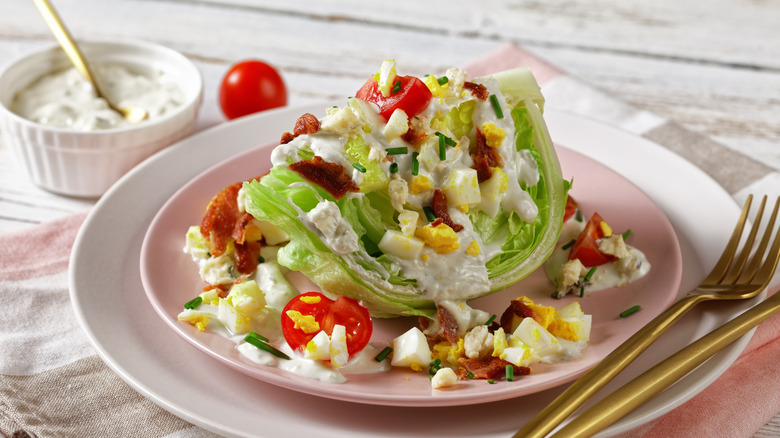
The wedge salad is said to have been conceived at New York City's storied Delmonico's in the 1930s. The original version slathered a wedge of tomato-studded lettuce in bacon and blue cheese dressing, which is pretty much how it's still served today (What is it with steakhouses and their yassified greens?). You can retrace those Jazz Age steps in your own kitchen with minimal effort, or follow an easy wedge salad recipe should you wish for a little more precision.
Sliced tomato and onion
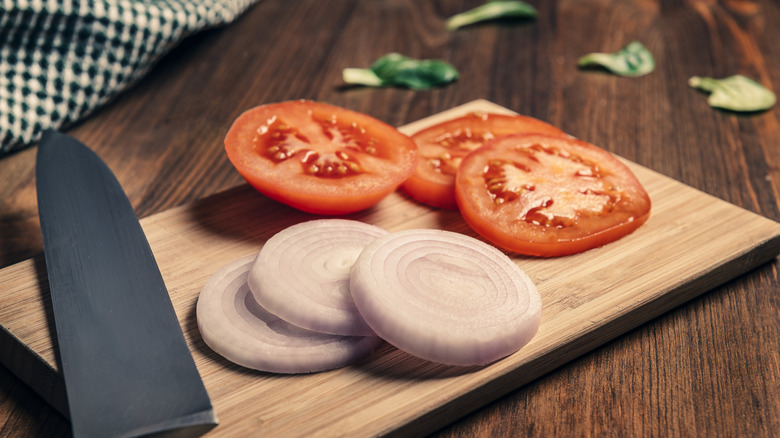
Peruse old bills of fare from the New York Public Library's "What's on the menu" collection, and you'll find recurring items popping up at steakhouses all over the country dating back to the 1800s. Were you dining at Original Pete's Famous Steaks in 1948, for example, Chicago's "home of steaks that do not need steel knives," you may have added a 60-cent sliced tomato and onion to your $3.50 tenderloin. Other spots offered the same pairing, and some still do today. You'll certainly break more than a dollar, but it's still cheaper to cut the veggies yourself.
Sauteed mushrooms
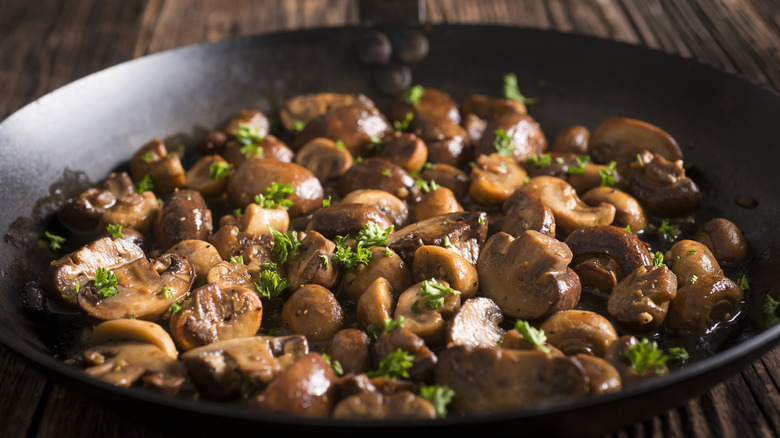
These are not just any mushrooms; they're steakhouse mushrooms. You know them when you see them: The whole buttons of browned fungi, rich with umami in a savory sauce. You can find them on steakhouse menus from coast to coast, and on your very own stovetop. Toss those criminis, shiitakes, or baby portabellas in bourbon with butter and a little extra virgin olive oil for an even fancier finish than you might normally achieve.
Mashed turnips
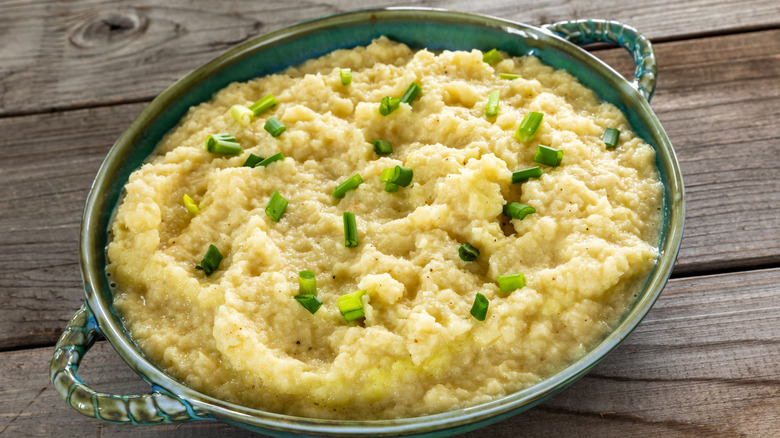
Sometimes you just gotta mash something! And while mashed potatoes are great, turnips were de rigueur for all manner of bashing in the halcyon days before everything had to be social media optimized. You might have enjoyed a pale pile of them just that way alongside a loin of veal at Congress Hall in Saratoga Springs, New York in 1856, or with the porterhouse at Boston's Parker House in 1858. Mashed turnips are less likely to turn up on menus today, which makes your own kitchen the ideal locale to whip up an earthy, somewhat peppery batch.
Celery Victor
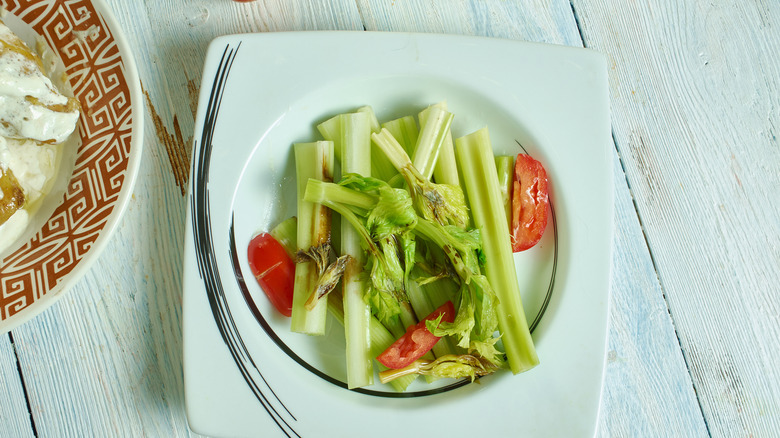
Plenty of those ye olde menus listed general celery options among their prix fixe and à la carte offerings, leaving additional details mysteriously scant. So we're going to take a little liberty and suggest the more specific celery Victor for your next home steakhouse night. It was first created by the eponymous Victor Hirtzler at the Hotel St. Francis in San Francisco in the early 1900s, and the lightly braised vegetable is a refreshing accompaniment for your heartiest steaks. The earliest version would have simply simmered the ribs in seasoned chicken broth before cooling, but modern interpretations vary.
Broccoli in hollandaise sauce
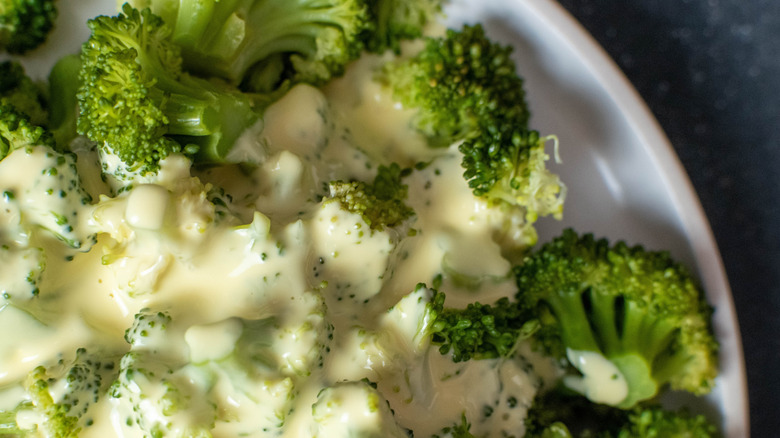
Back on the smothered side, broccoli in hollandaise sauce swaps the more frequently dressed steakhouse asparagus with cruciferous florets. You can make the broccoli however is convenient at home, keeping in mind that something like roasting will lead to a more concentrated flavor and texture versus steaming when pairing with the bright, buttery sauce. The condiment more synonymous with brunch isn't exactly known for being simple, but using a blender will help you make a faster, easier hollandaise.
Cauliflower au gratin
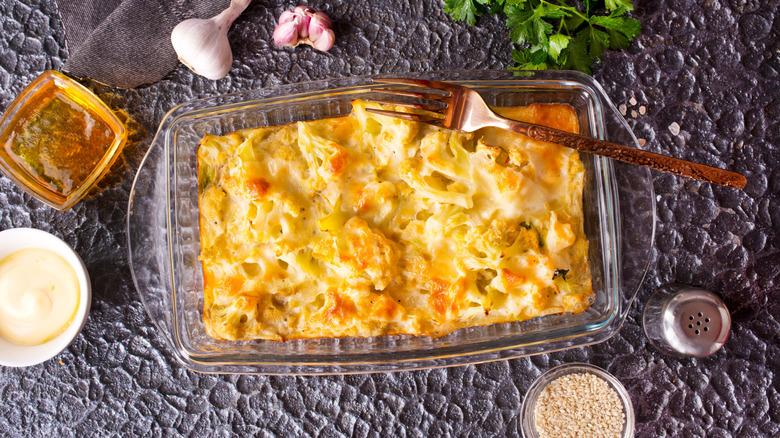
In another switcheroo, cauliflower au gratin eschews the everyday potatoes for this slightly more flavorful veg, and it's been gracing menus since long before mildly clever swaps such as these ever started going viral. But who are we kidding? The most delicious bits of this dish are going to be amid all the grated cheese you pile on top. This is great with Gruyère, but you can tailor it to your own taste and whatever steak you're planning to make.
Hominy
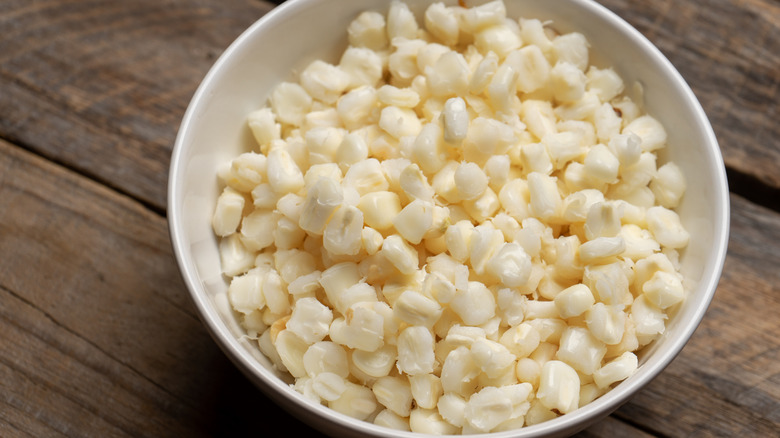
Hominy makes perfect sense as a red meat side, neutral and pillowy in contrast to the dense, intense beef. But you're among a lucky few if you've seen it on a steakhouse menu — in recent years, at least. Although it seemed pretty popular around the 1800s, one is hard-pressed to find the tender nixtamalized corn as readily available at steakhouses in iPhone times. There are also a ton of ways to make it a complement to steak: as the star of a salad, fried, or even as another au gratin adaptation.
Relishes
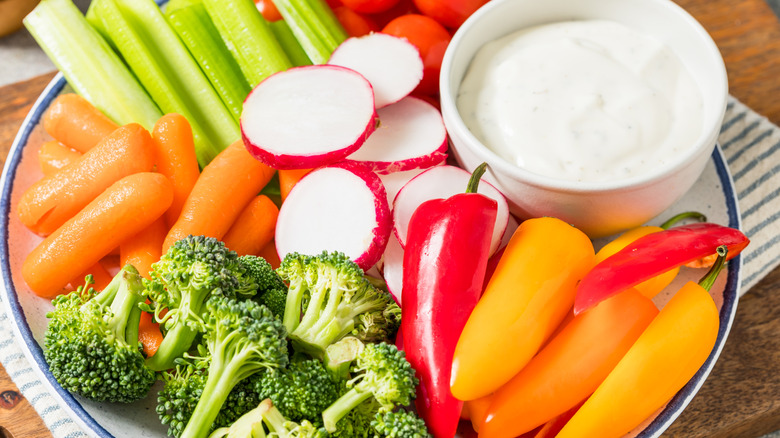
Relishes are also common across vintage menus. Although the recipe-writing chef de cuisines of yore were more succinct than those penning food descriptions today, context clues point away from the thick sauces presently topping hot dogs. The relish that you would have had at Manhattan's Keens in 1922 or Old Homestead in 1914 was more like what you'd call crudites, or a vegetable plate in modern times. Basic raw veggies work for busy modern lifestyles, too, so go ahead and pair some cucumber or red bell pepper slices with that filet. It's what the pros have been doing for more than a century.