

These 6 Baking Trends From The 1960s Deserve A Revival

We may receive a commission on purchases made from links.
In the grand scheme of human history, the 1960s weren't that long ago. You could, in theory, go back in time to then and have a perfectly normal conversation with someone your own age, and sure, some things will be different. But get into a conversation about everyday food, and you'll quickly learn things were definitely not the same. A 1960s kitchen would have been stocked with all kinds of frozen foods that are all but forgotten today, and when it came time to whip up some sides? Let's just say that the home cooks of the '60s had a very different idea about what a great side dish was.
Baking trends in the '60s were incredibly fascinating, and a number of them hold up in the 21st century world. In fact, some of them are downright delightful, and we'd love to see them make a comeback.
Perhaps surprisingly, many were cakes. Boxed cake mixes were still new enough to be all the rage, so it makes sense that they were tops. They were also surprisingly important. That decade was a unique time, when families were getting used to a post-World War II shift that saw more women heading out of the home and into the workforce. Treating your family to a lovely, freshly baked cake was a way to hold onto a bit of the now old-school domestic lifestyle of a pre-war world, and there's something poignant about that. It wasn't all about cakes, though, so let's talk about some neat ways various baked foods took center stage on 1960s-era tables.
1. Bundt cakes
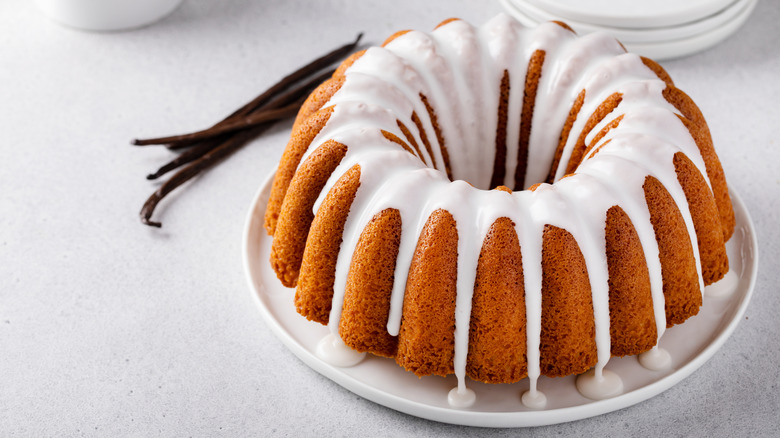
There's a good chance you have a Bundt cake pan in your kitchen now, even if you swear you never bought one. Bundt pans were invented in 1950 by the Minnesota-based Nordic Ware, and although these particular desserts can be challenging (getting a Bundt cake out of the pan in one piece is tricky), they were wildly popular in the 1960s thanks in large part to a single recipe.
In 1966, the Tunnel of Fudge Cake, which was a chocolate Bundt cake with a deliciously fudgy interior, took second place in the Pillsbury Bake-Off Contest. This turned Bundt pans into the equivalent of a 1960s-era viral sensation, and demand for them skyrocketed to the point where Nordic Ware was suddenly selling tens of thousands of pans a week. And we get it. Just look at all that real estate for frosting!
This comes with an interesting footnote about that OG cake. It may have been a massive sensation, but the recipe as it was written is impossible to recreate today. One of the key ingredients — a two layer size double Dutch fudge buttercream frosting mix — has been discontinued. But good news: We here at Chowhound have come up with our own Old-Fashioned Tunnel of Fudge Cake recipe, so it's time to dig out that pan.
2. Cola, root beer, and 7UP cakes
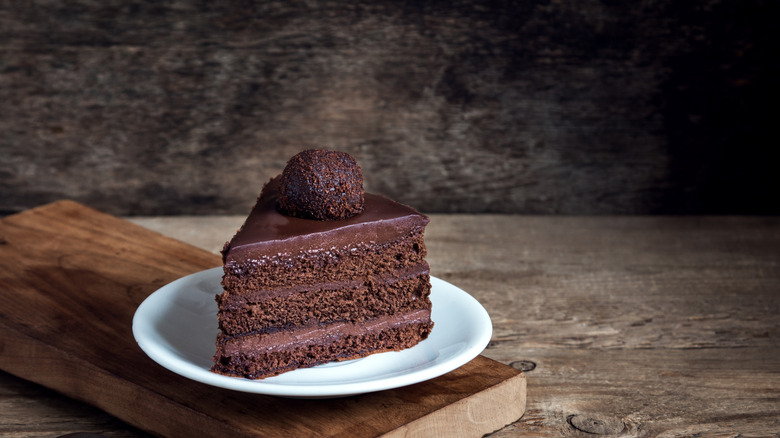
There are a lot of really neat ways to use soda in your cooking, like adding a spicy-sweet depth to chili and barbecue sauce. In the 1960s, you may have been treated to a downright delectable cake that used any one of a number of sodas as a secret ingredient. While no one's been able to tell exactly when, why, and how sodas ended up being used in cake recipes, we do know that ginger ale icebox cakes at least existed in the 1930s, with others using 7UP, Pepsi, and Coke appearing post-World War II.
As to when they gained traction, cake historian Anne Byrn, who wrote "American Cake: From Colonial Gingerbread to Classic Layer," shared on Southern Living that Coca-Cola chocolate cakes made a late-'50s appearance in a Texas newspaper. By the mid-'60s, the idea had spread throughout the South. They remained wildly popular, and for good reason.
Talk to anyone who's made one of these delightfully retro cakes, and you're likely to hear them described as a wonderfully flavorful way to up your cake game. Chocolate (or devil's food) cake with cherry soda or root beer? Vanilla cake with strawberry, orange, root beer, or lemon-lime soda? Delish, right? As for the cake itself, you can expect something extra-light, very fluffy, moist, and perhaps in need of a little creativity when it comes to baking times. Some note that it's so good you might just skip the frosting.
3. Cream of soup casseroles
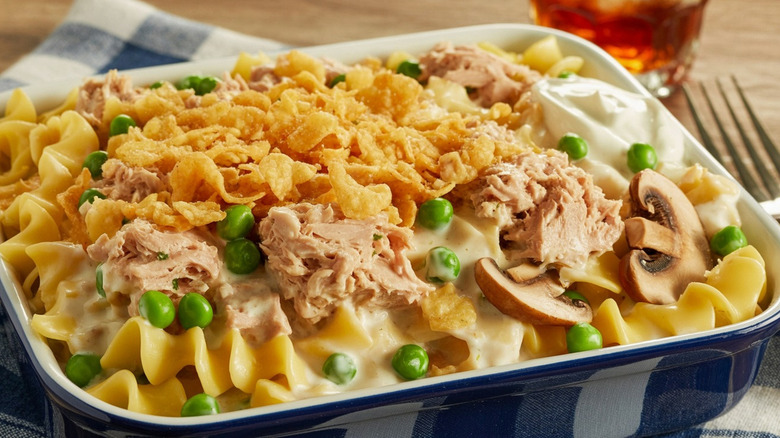
Getting a home-cooked meal on the table can be tough sometimes, and that's just one reason we'd love to see a return of 1960s-style cream of soup casseroles. (Not all baking is sweet treats, after all, and we knew this one needed a shout-out!)
A post-World War II economic boom made tuna casserole an American staple, and it's easy to see why: A one-dish meal that was darn tasty, simple to put together, and made from shelf-stable ingredients you could stock your pantry with was an absolute win. It still is today. The idea of casseroles that use a can of creamed soup goes back to the 1930s, and as far as popularizing the idea, we can thank Campbell's for its iconic green bean casserole. It, along with tuna casserole, remained a go-to meal throughout the '60s, and other companies knew a good thing when they stumbled on it.
In 1965, Better Homes and Gardens released its "Casserole Cook Book," which is still available, and some people consider these delightfully retro casseroles as dinnertime mainstays. We'd even go as far as to say that maybe some cans of condensed soup should be considered a pantry staple, as there's really no limit to the things you can make. Chicken and rice casseroles, ham and cheese, scalloped potatoes and ham, chicken and broccoli — some creamy soup makes them into a full meal, and who doesn't love quick, delicious, and customizable dinners?
4. Dump cakes
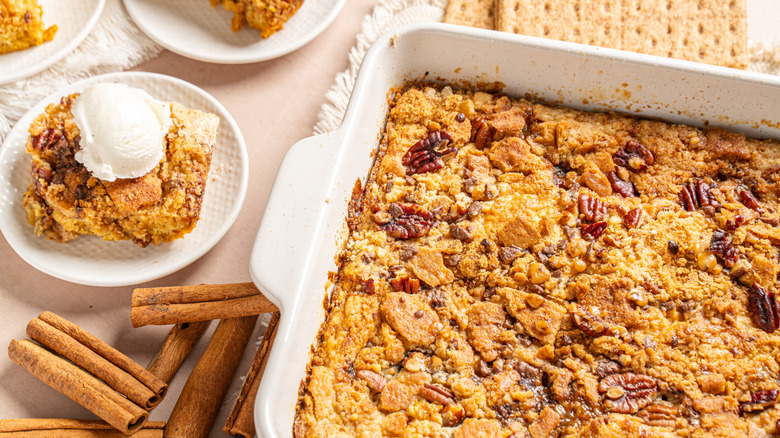
What is a dump cake? Not only is it a simple cake that even baking beginners can easily master, but it's pretty delicious, too. The basic idea is that you take your baking dish, add some fruit or pie filling of your choice, dump some boxed cake mix on top, add a splash of butter, and you're done. Seriously, that's it. It's versatile, too. Mix and match all kinds of cake and fruit options, and you'll never get bored!
The creation took off in the '60s in large part because it was quick to make and both ingredients — canned pie filling and boxed cake mix — were widely available. And it certainly doesn't hurt that there are a ton of simple ways to give this one an upgrade. Serve it with some ice cream or whipped cream; add a topping of sliced almonds, crumbled nuts, or coconut; finish it with a drizzle of caramel or chocolate; and don't forget that you can add more than one kind of fruit, too.
Honestly, maybe the only problem with this one is its name. "Dump cake" is an unappetizing name for a dessert, so perhaps this one would be more widely accepted if we gave it a little bit of a PR makeover. Maybe if we introduced it as a Fruity Crumble Cake?
5. Refrigerator cookies
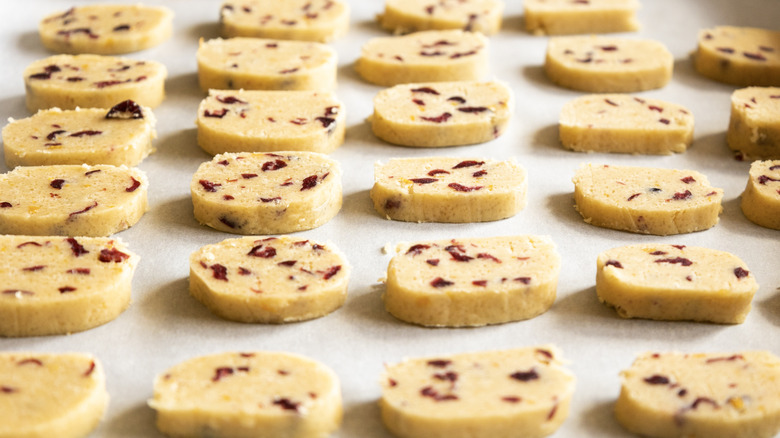
Is there anything quite like the smell of cookies right out of the oven? We didn't think so. There are a number of super-easy cookie recipes that are perfect for beginners (or those in a time crunch), but we're here to take a look back at the mid-20th century. Home bakers of the '50s and '60s were introduced to something easier that we still enjoy today: refrigerator cookies, icebox cookies, or slice-and-bake cookies, which is premade dough that is scooped or sliced and baked yourself.
Betty Crocker and Pillsbury pioneered the idea in hopes of appealing to busy families who still wanted freshly baked cookies, and it's brilliant, if you ask us. In the '60s, premade cookie dough was available in all kinds of delicious options, from toasted coconut, butterscotch nut and peanut butter to caramel chip, ginger, and fudge nut.
6. Chiffon cakes
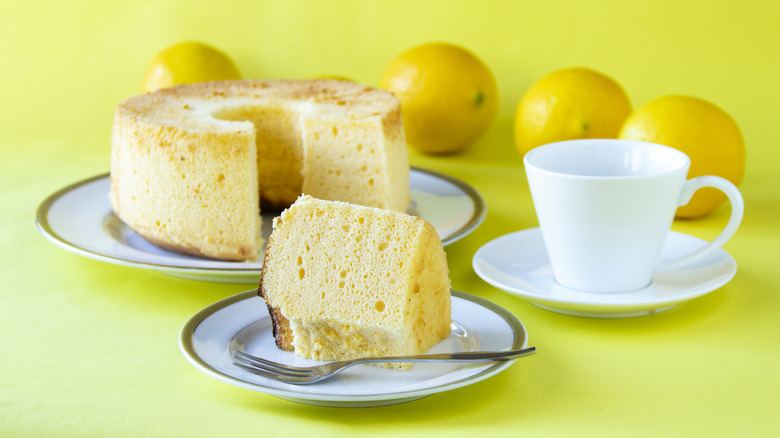
The story of the chiffon cake is a pretty neat one, and it actually goes back to the 1920s. That's when Harry Baker developed this new kind of cake, and he kept his recipe top secret until 1948. (He was so protective of it that he didn't even let anyone else get a look at his baking pans and dishes.) When he sold to General Mills, it took almost another year before the company went public with its version. Boxed chiffon cake mixes debuted in 1958, and since it was possible for everyone to make these delightfully light-yet-moist cakes, they were everywhere in the 1960s.
We'd suggest that this definitely deserves a place among the trendiest of modern cakes, too. Sponge cakes are close, but chiffon cakes have an even lighter texture. Vegetable oil and whipped egg whites help create something that should have stood the test of time. So, why didn't it?
We headed to Reddit and very quickly discovered that most of the threads discussing chiffon cakes were people wondering just how the heck they were supposed to bake one without it turning into a collapsed mess. Some are quick to chime in to say that they've discovered everything needs to come together, from properly beaten eggs to handling that keeps enough air in the batter for that light texture, and in some cases, something as easily overlooked as the ambient temperature in your kitchen can interfere with the process. Difficult? Sure. Rewarding? Definitely.