

The 9 Biggest Fruit Recalls In US History
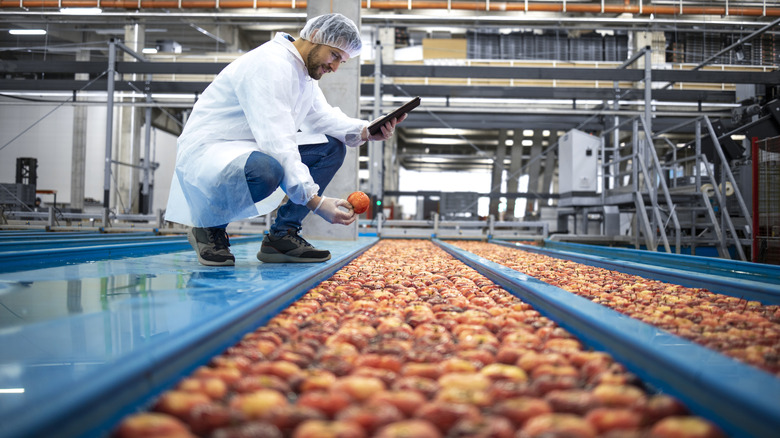
If you've ever hesitated before biting into a peach after seeing a recall on the news, you're not alone. Food recalls — whether from grocery stores or large U.S. fast food chains — have a way of lodging in our collective memory. The fear of a nasty bout of food poisoning — or worse, hospitalization — is enough to write off entire chains. Thankfully, recall incidents like these remain relatively uncommon. Modern farming and distribution are backed by layers of oversight from agencies like the FDA and CDC, whose job is to keep us safe through testing and swift action in response to news of contamination.
Yet the biggest fruit recalls in American history — whether from locally grown or imported produce — occurred despite government oversight and modern farming practices. These major outbreaks exposed weaknesses in everything from pesticide regulation to produce-washing practices, prompting sweeping industry changes to prevent any repeats. Thankfully, technology has helped fight pathogens in our food, with investigators leveraging tools like whole-genome sequencing to solve outbreaks that once would have remained mysteries.
And on the consumer side, we'll never know whether illness could have been prevented here with proper rinsing with water, but you should probably wash your produce regardless. And you shouldn't fear fruits like cantaloupe that have been linked to Listeria outbreaks in the past, especially if you take the right precautions. Without trying to make anyone queasy, here are nine of the biggest fruit recalls in U.S. history.
1. The 1985 California Watermelon Pesticide Crisis
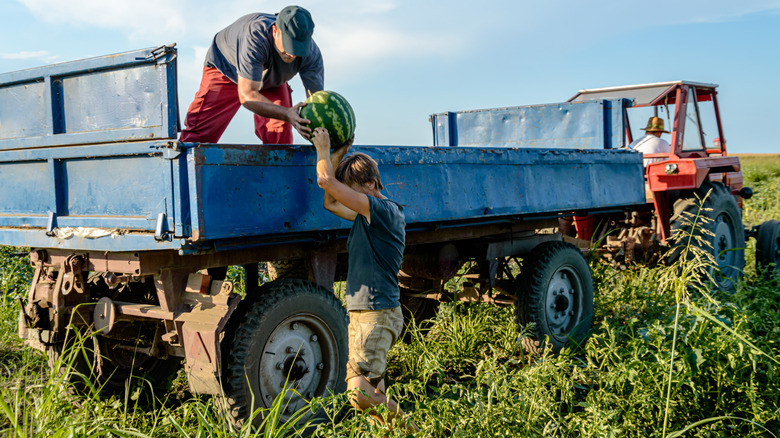
Most food recalls involve bacteria, viruses, or pesky parasites. There's certainly been some big ones throughout U.S. history. But back in 1985, California's watermelon crisis was different. Instead of microbes, the culprit was Aldicarb, an agricultural pesticide used at the time. In this incident, the chemical had been applied to nearby crops years earlier, but traces lingered in the soil long enough to contaminate watermelons grown afterward. The bigger question is how it affected those unlucky enough to consume the contaminated fruit, and whether the symptoms resembled those of typical food poisoning. In this case, symptoms appeared quickly. After eating the watermelon, consumers reported blurred vision, nausea, vomiting, muscle weakness, and other signs consistent with accidental pesticide poisoning.
By the end of the investigation in California, 1,376 illnesses had been linked to the contaminated fruit, and when related contamination in other western states was taken into account, it constituted the largest pesticide-related food poisoning outbreak — and the largest pesticide recall — in U.S. history. As many as 17 people required hospital treatment, with 47 pregnant women affected, too.
If there is a silver lining here, it's that the incident prompted regulators to review how long pesticides remain active in agricultural soils, highlighting the need for stricter oversight of pesticide residue monitoring. While most food-borne illnesses today center on gross pathogens like Salmonella or Listeria, the California watermelon crisis showed that chemical contamination is equally dangerous.
2. The 1989 Chilean grape cyanide crisis
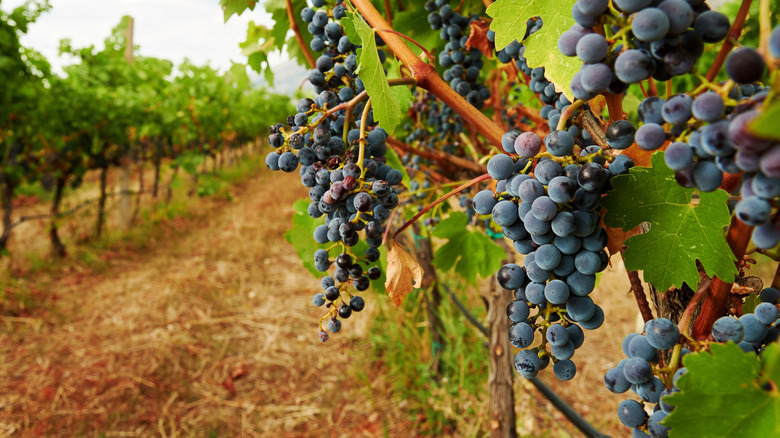
While gorgeous local grapes are always a sight to behold when in season, we're lucky enough to import lots of great produce from places like Chile, giving us grapes even in the winter. Unfortunately for some, the sight of fresh Chilean grapes in 1989 was a source of concern. After inspectors at the Philadelphia port discovered traces of cyanide in grapes arriving from the South American nation, officials responded with great caution. All imports of Chilean fruit were temporarily suspended, during which time roughly two million boxes of grapes were pulled from grocery shelves. Shoppers were urged not to eat the fresh Chilean fruit they had already purchased, hopefully following a good protocol for disposing of the recalled food.
The remarkable part is that the investigators initially found only two individual grapes with the poison; this wasn't a widespread contamination. Till this day, there is no definitive answer as to how the toxin got into the grapes, though it is believed to have been injected into them. As such, it was more of a case of better safe than sorry, but it was also marked by conflicting lab findings amid immense public health pressure. According to the Chileans, the FDA's recall actions cost their economy $333 million, though the figure was never verified by U.S. officials. Still, a recall like this surely didn't help the public's view of the country's fruit industry, even after around nine million crates of Chilean fruit were cleared post-inspection following the contamination.
3. The 2011 Jensen Farms cantaloupe outbreak
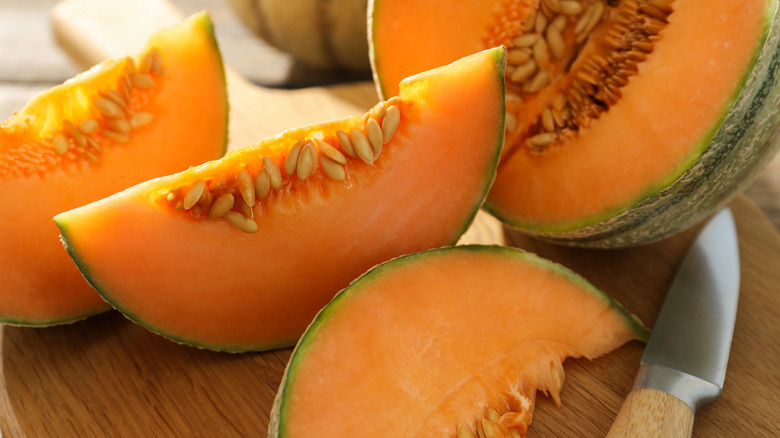
Cantaloupes sometimes get a bad rap. They're refreshing and juicy, with lovely orange flesh, yet even if you know how to choose the tastiest cantaloupe at the store, it's impossible to tell if it's been contaminated. Back in 2011, unsuspecting shoppers across the country took home listeria-tainted cantaloupes, making over 100 people sick across 28 states and, sadly, causing some to perish. By the time FDA investigators reached Jensen Farms in Colorado, the problem was already far beyond a single shipment of contaminated fruit. The issue was suspected to have stemmed from the field, via animal feces or rotting vegetation, and then been brought into the packing facility, with no definitive proof either way. At the time, this was one of the deadliest outbreaks in the country, responsible for 33 deaths linked to listeriosis.
According to the FDA, Jensen Farms may have shot itself in the foot by sourcing secondhand processing equipment that was difficult to clean thoroughly and showed signs of corrosion. While the investigation didn't point the finger at dirty machinery outright, it certainly doesn't help consumer confidence knowing the state of the farm. What it does do is raise awareness of the importance of washing fruit, especially considering that Listeria-related illnesses can show symptoms up to three months after exposure. Yikes!
4. The 2013 Townsend Farms organic berry blend outbreak
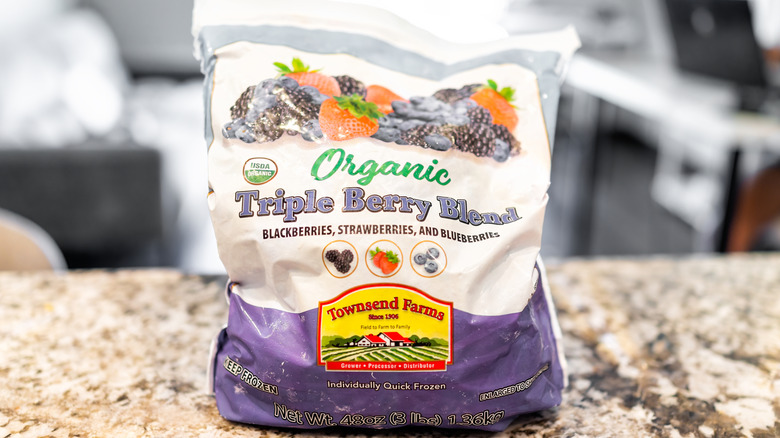
The "organic" label meets the needs of some shoppers with specific dietary requirements and preferences. But it has never meant immunity from contamination, and the Townsend Farms outbreak in 2013 made that painfully clear. Some unlucky smoothie lovers who grabbed the company's frozen triple berry blend ended up getting pretty sick. For such a wholesome and convenient frozen food, this was a brutal outcome for Townsend Farms.
This mixed-berry blend was linked to a Hepatitis A outbreak attributed to contaminated Turkish pomegranate arils. In turn, at least 165 consumers of the product were sickened across multiple states. Because frozen fruit is often consumed without high-heat cooking — typically blended into smoothies or thawed for yogurt toppers and the like — these berries bypassed the one safety net that might otherwise have neutralized the pathogens.
Thankfully, no one died during this nasty outbreak, though 71 individuals were hospitalized. The majority of the contaminated bags of berries came from Costco, prompting the company to notify 250,000 customers as part of the recall. Some of the victims sought reparations through lawsuits — justifiably so — while Townsend Farms paid the ultimate price in reputational damage and loss of consumer trust.
5. The 2019 Caito Foods pre-cut melon outbreaks
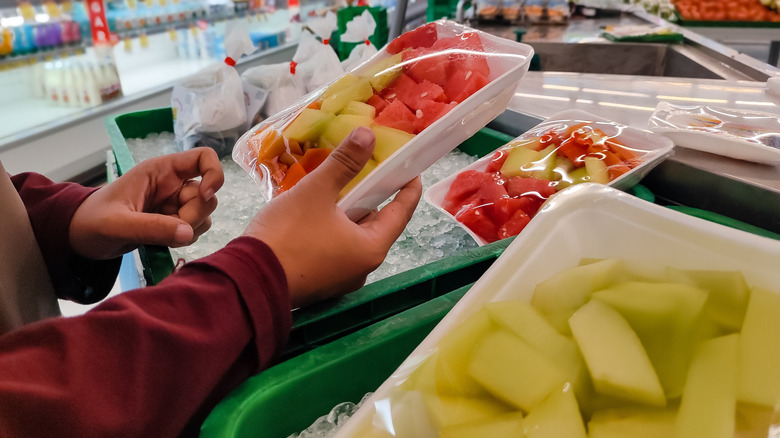
Fresh-cut fruit is one of the great conveniences of modern grocery shopping that so many of us love. Those pre-sliced, pre-packaged, and ready-to-eat containers of fruit in the deli section are a godsend when you want a refreshing snack. But that convenience can, from time to time, come with a hidden risk: Salmonella.
In 2019, Caito Foods faced recalls after pre-cut melons (cantaloupe, watermelon, and honeydew) were linked to Salmonella Carrau outbreaks that ultimately sickened 93 people, with 23 hospitalized. Thankfully, there were no deaths attributed to this outbreak, but it spread across nine states. Both the FDA and CDC believed the pathogen originated at one of Caito's facilities in Indianapolis.
Apparently, this particular strain of Salmonella associated with the Caito Foods outbreak was rare yet still troublesome for those affected. According to the FDA, healthy people who ingest the pathogen often experience fever, diarrhea, abdominal pain, vomiting, and nausea, while it is particularly dangerous for toddlers and the elderly. The bottom line is that whenever you're eating out — whether at a restaurant or with pre-cut grocery store packs — you are rolling the dice, though it is a calculated risk and thankfully quite safe overall.
6. The 2020 Prima Wawona peach outbreak
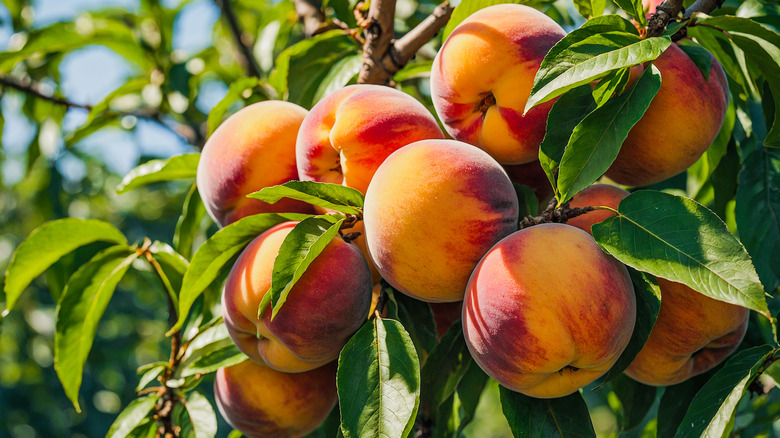
Peak-summer juicy peaches are among the seasonal treats many look forward to all year. But stone-fruit outbreaks are particularly unsettling because peaches, nectarines, and plums are often eaten fresh, skin-on, with little consideration for risk. Back in 2020, between August and October, this assumption was challenged during a multi-state Salmonella outbreak traced to peaches distributed by Fresno, California-based Prima Wawona.
The affected fruits were sold in grocery stores in loose and bulk pack formats across more than a dozen retailers, including major retailers like Kroger, Walmart, and Food Lion. In total, 101 illnesses were reported across 16 states due to this contamination before the FDA announced a full recall of the peaches. The fruit originated from multiple orchards and, in turn, went through numerous distributors and packing plants post-harvest.
What makes this recall even more fraught is that it wasn't confined to the U.S.; the governments of Canada, New Zealand, and Singapore had to issue their own recalls of Prima Wawona peaches at the end of August 2020. 12 other nations received the peaches from this same harvest, all of whom had been informed about the matter by American investigators. When the dust settled, the FDA examined more than 570 samples of both products and environmental components, swabbing peaches and tree leaves in search of the source, which was never determined.
7. The 2023 Malichita and Rudy Brand cantaloupe outbreak
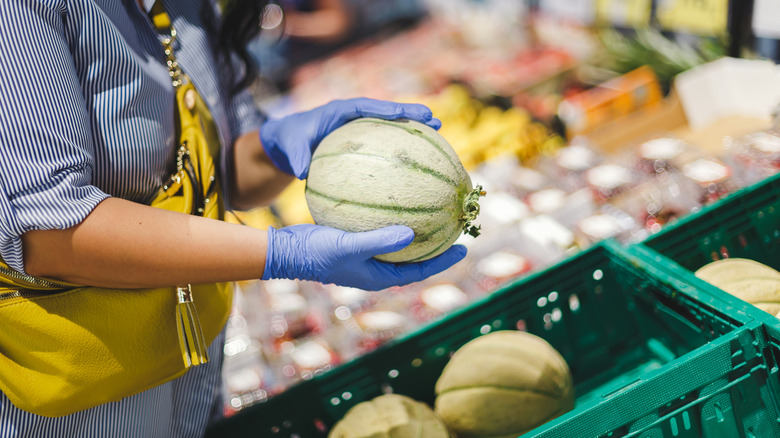
Yet another cantaloupe contamination tops the list here. This one is more recent, taking place in 2023, with fruit from Mexico to blame. The cantaloupes in question were linked to the Malachite and Rudy brand names and were sold both in whole form and in pre-sliced deli packs.
Unlike the other melon outbreaks on our list, this one had a particularly high case count. A staggering 407 people were affected by this recall, with 158 hospitalized and, sadly, six deaths. These Salmonella-tainted cantaloupes wreaked havoc across 44 states, from coast to coast, leaving a wake of sick — and likely quite angry — people in their path. Through genome sequencing, investigators determined that the same strain was present on fruit from Malachita sold to Canadian consumers, though only a fraction of people were affected by the outbreak compared to the United States.
The amount of time and energy required for a case this large is hard to wrap your head around, especially when it involves cooperation among multiple agencies and retailers across the nation. While it was particularly nasty and even tragic, hopefully it pushed the industry to be more rigorous across all aspects of the supply chain, in the name of cleanliness and safety.
8. The 2014–2015 Bidart Bros. caramel apple outbreak
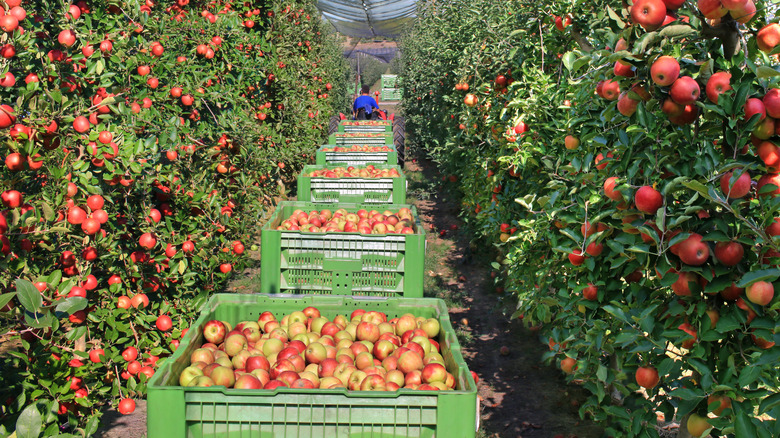
All things considered, caramel apples feel like a relatively low-risk indulgence for grocery shoppers in the produce aisle. They're fruit coated in gooey caramel, sold individually wrapped, and often displayed seasonally. Unfortunately, in 2014, a nasty Listeria outbreak linked to contaminated apples made 35 people think twice about such a seemingly innocent treat.
The fruit to blame was sold by the Bidart Bros. company, based in Bakersfield, California, which supplied the contaminated Granny Smith and Gala apples. This multi-state Listeria outbreak stemmed from the company's apple-packing plant, leading to 34 hospitalizations and seven deaths. All told, it spread to 12 states, mostly in the Southwest, and also affected Canada, where it affected only two individuals, thankfully.
Investigators used PulseNet — a national network of regulatory and public health labs, orchestrated by the CDC — to help track down the bacteria in question. Through DNA testing and whole-genome sequencing of the pathogen from infected people, researchers sought to pinpoint the specific strains involved, enabling faster tracing and greater clarity. In hindsight, what is clear is that these outbreaks are scary but, thankfully, quite rare in America.
9. The 2023 HMC Farms stone fruit outbreak
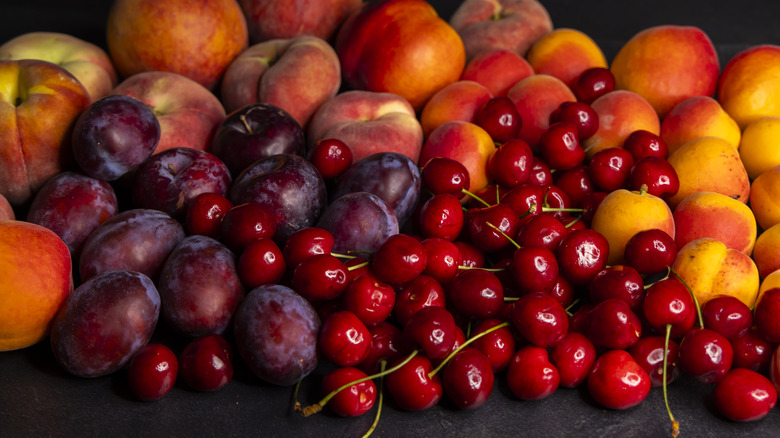
Between May 1, 2022, and November 15, 2023, a small but serious Listeria outbreak caused a scourge of illness and at least one death. The regular, non-organic fruit included peaches, plums, and nectarines, which led to listeriosis in unsuspecting customers unlucky enough to eat them. The outbreak spanned seven states, hospitalizing 10 people, as HMC Farms — the company responsible — voluntarily recalled the stone fruit in question. But it wasn't confined to the States — distribution channels shipped some of the tainted fruit from the same HMC harvest to Canada, Taiwan, and Mexico, proving how vulnerable we all are in a globalized supply chain network.
Interestingly, CDC researchers working with state and federal agency partners examined outbreak samples dating back to 2018 to identify matching cases and gain further genetic clarity. They determined that plums (red and black), nectarines (yellow and white), and peaches (white and yellow) were indeed responsible for harboring the nasty pathogens, with positive genome sequencing matches to prove it.