

8 Cooking Myths Your Grandparents Probably Believed

As good as your grandmother's cooking was, there's a chance that some of the rules she swore by in the kitchen weren't based on actual truth. It's not her fault — cooking myths are passed down over generations. Plus, she probably learned that advice from her grandmother. And the longer a "rule" is passed down, generationally, the harder it is to convince people that it's a myth, not a fact.
Food science has come a long way since the days of our grandparents learning to cook, however. We now have answers we didn't have back then, due to years of research. And when put through a fact-checker, it turns out that a lot of Grandma's cooking advice has since been debunked. She meant well, but it's time to leave these non-rules behind. Here are eight cooking myths your grandparents probably believed.
1. Produce must be washed with soap (except mushrooms, which should never be washed)
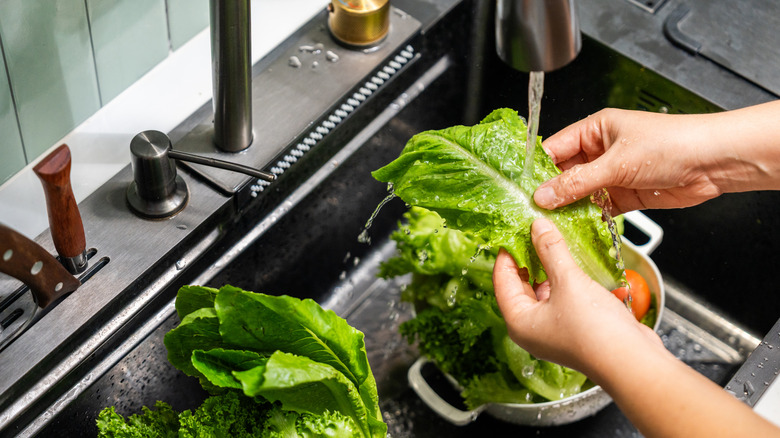
There was once a myth that claimed all produce needed to be washed with soap, rather than just water. This is not so — all this will do is make your produce taste like soap. Even if you get all the soap off, there's always the chance of leftover residue. Plus, fresh produce can be very porous and could possibly absorb any detergent you wash it with.
This goes for mushrooms, too. There's an old myth that says washing or soaking mushrooms will make them lose their flavor and become clogged with water, but this is not the case. Mushrooms are mostly water (around 92%), so a little rinsing isn't going to ruin them. Don't worry, all the excess water left on the mushrooms will cook out when you prepare them. The best liquid to wash your fresh vegetables with is clean, cold tap water.
2. Sprinkle avocados with lemon juice to prevent browning
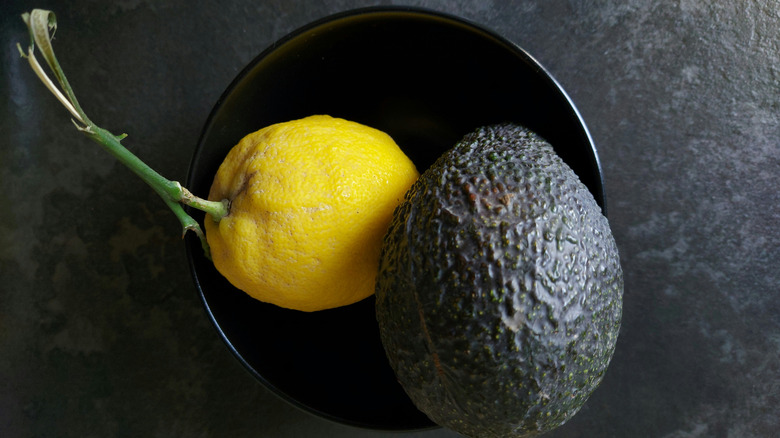
It's been said over and over that sprinkling the inside of an already-cut open avocado with lemon juice will prevent browning. And while this myth is grounded in some truth, it's not totally true. Adding lemon juice to your avocado won't stop the browning entirely, sadly. However, it might just slow it down a little bit (unlike using a metal knife to cut the avocado, which will speed it up).
Enzymic browning happens when the avocado is exposed to oxygen. These enzymes will start to break down, causing the fruit to turn brown. The acidity of the lemon juice prevents the enzyme from functioning properly by altering the pH. The result is a slower browning process, but a browning process nonetheless. It's time to accept the truth that, unfortunately, any hack to stop your avocados (and guacamole) from browning entirely is useless.
3. Watermelon seeds will sprout in your stomach
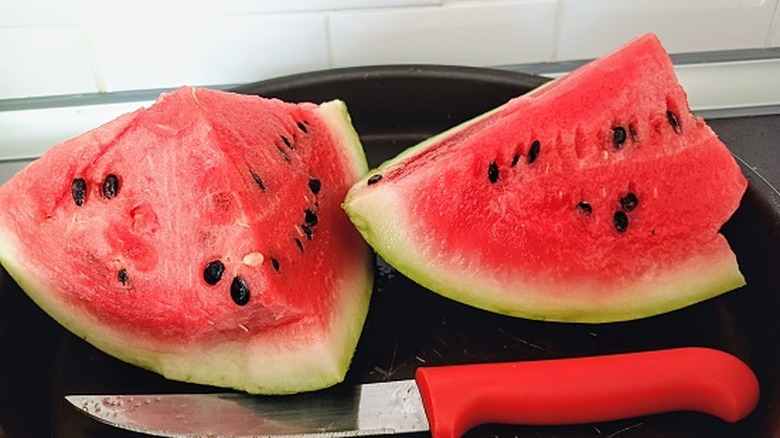
The story told to children by parents and grandparents alike (as well as a terrifying episode of the show Rugrats, which scarred some of us for years to come) about how swallowing the seeds of fruit like watermelon or apples will cause them to sprout in your stomach is, obviously, one of fiction. Contrary to this myth, no, an orchard is not going to grow inside your body. Your stomach is just not an environment where this is possible.
Your grandparents meant well with this tall tale, though. They were probably just trying to prevent you from experiencing a stomach ache or abdominal pain, which, in some people, watermelon seeds are prone to causing. If you're not one of these people, though, watermelon seeds are perfectly fine, healthy even, to eat. However, if you're still just not a fan of them (or can't quite shake that Rugrats episode despite the myth being debunked), there are ways to get rid of the seeds before eating seeded watermelon.
4. Your hair becomes curly if you eat bread crusts
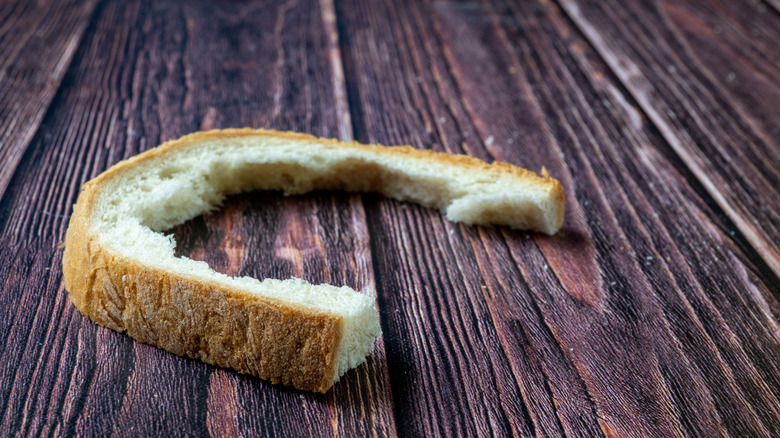
Some of us were told as kids that eating the crusts of bread would make your hair curly. As it turns out, the only things that can do this are genetics or a perm (or, for some of us, high humidity). This myth may have roots in Europe, centuries ago, when food was scarce and curly hair was seen as "healthier." Back then, Grandma was just trying to keep you alive (and looking good, apparently). So, as always, her intentions were based in love, her facts, not so much.
Not eating the bread crust isn't just a waste of food, though. It might not make your hair any curlier, but bread crust does have some extra nutritional value and contains more cancer-fighting antioxidants than the rest of the bread. The added nutrition is a solid enough reason to eat bread crust. For the other thing, you're better off finding a good hair salon.
5. Gum takes seven years to digest

Many of us were told as kids that if we swallowed gum, it would be in our stomachs for seven years. This was probably enough to keep many kids from willingly swallowing gum (it was for me, anyway), but it, like the other myths, has since been debunked. While gum can't be digested, it does not stay in your body for years on end. The gum will make its way through your system and leave your body within a few days.
Of course, gum isn't meant to be eaten, as it's usually made from a base of polyisobutylene (a food-grade rubber). It's not food, and your grandma was correct in suggesting you don't ingest it, just not about what actually happens if you do. That said, if you swallow a bunch of gum, it could lead to blockage in the intestine, especially if you're prone to constipation already — so this might've been what Grandma was trying to protect you from.
6. After eating, wait one hour before swimming
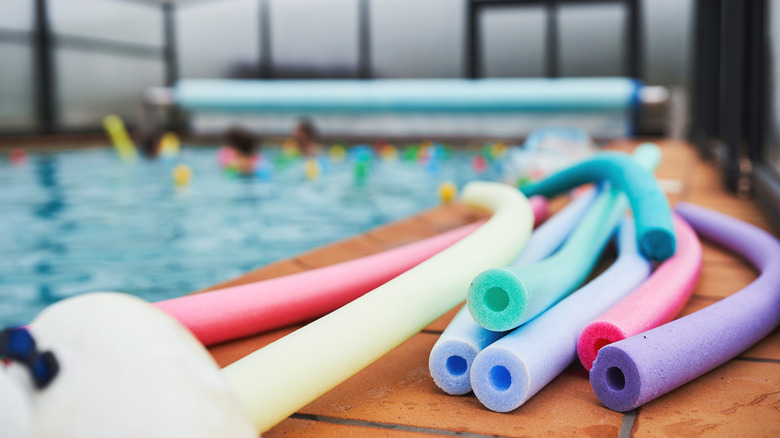
Your grandparents may have been adamant about making you wait an hour after eating before getting in the pool. It was a widespread belief for many years that going for a swim right after eating a meal would lead to possible drowning due to life-threatening stomach cramps. Alas, this is yet another myth. According to the American Red Cross, there is no evidence that splashing around in the pool after eating a meal is going to harm you.
While no medical institutions suggest waiting to go swimming after eating, that doesn't mean swimming after eating wouldn't be uncomfortable. As with any exercise, moving around and doing cardio after eating a lot might result in an upset stomach or cramps. But it's probably not going to be intense enough to cause you to pass out and drown. More likely, you'll just feel discomfort and be able to get out of the pool on your own.
7. Carrots help you see in the dark
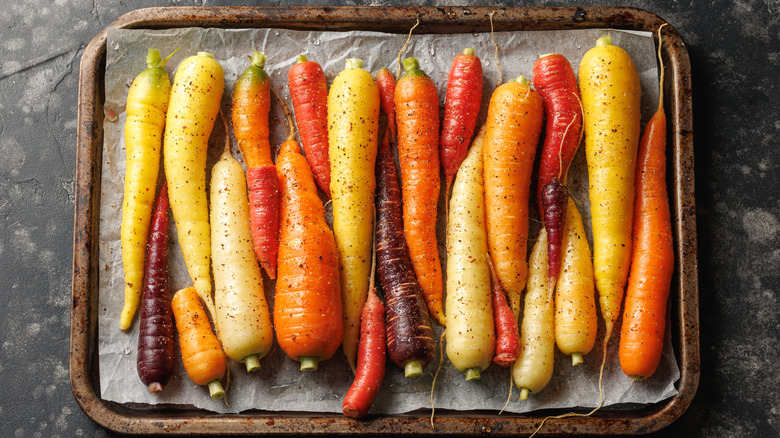
Carrots cannot actually help you see in the dark, but the British government certainly tried to make it seem like they did. This myth is based on an old propaganda campaign from World War II, when the Royal Air Force tried to hide the fact that it was using aircraft-intercept radar to detect enemy bombers at night. Instead, they said their pilots were just eating a lot of carrots.
Eating carrots regularly may not actually help you see in the dark, but it does improve your eyesight in a more general sense. The veggie is packed with beta-carotene, a carotenoid that the body converts into vitamin A. Deficiencies of this vitamin can cause major issues in the human body. So, while they are good for you — and can help people with a vitamin A deficiency improve their eyesight — they're not going to turn healthy eyes into superhero eyes.
8. Salt makes water boil quicker
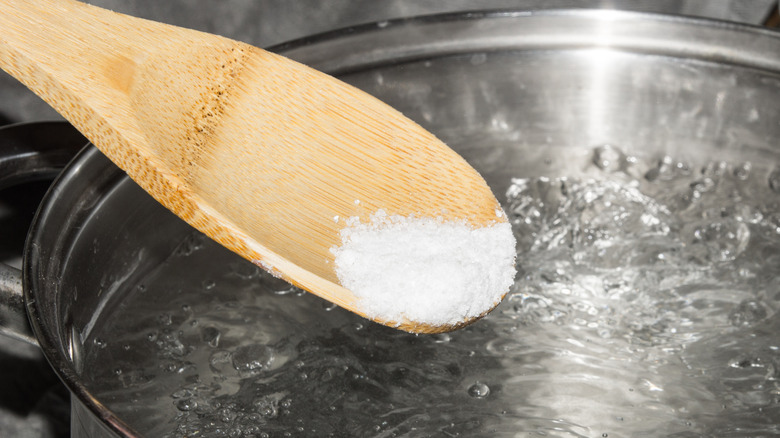
This myth is a half-truth. Adding salt to water as it heats on the stove will, technically, increase its boiling point. However, the increase is so small that it sort of negates the entire "hack." You'd have to add so much salt to the water for this to actually do anything — so much so that it would be entirely unhealthy. You'd basically be eating a pile of salt. So while this myth isn't totally untrue, it's not going to do you much good.
Adding salt to pasta water will help it taste better if you add the right amount. Add too much, and you'll be dealing with salt overload. Adding the right amount will ensure your pasta doesn't stick together into a big clump as you cook, and will make sure it's tasty and well-seasoned. Just don't expect it to heat your water up any faster when you're in a hurry – that's where Grandma got it wrong.