

9 Biggest Food Trends To Look Out For In 2026
Both inside and outside of the food world, 2025 was a wild year. From Dubai chocolate bars to tariff scares, there was a lot to report on. Now, we're putting 2025 in our rearview mirror and focusing on everything that the year of 2026 has to offer.
Each year, food experts from around the world get all of their crystal balls together and try to predict what's going to be trending in the year to come. Some of this is speculative and arguably influenced by what people want to see become popular in 2026. Other predictions are informed by data, existing and enduring trends, and other points of reference. We wanted to cover it all, focusing not only on our biggest predictions for food and dining trends in 2026, but also what other people are saying will be all the rage. Only time will tell if we got our guesses right or not, but let's dive in.
1. The year of the cabbage
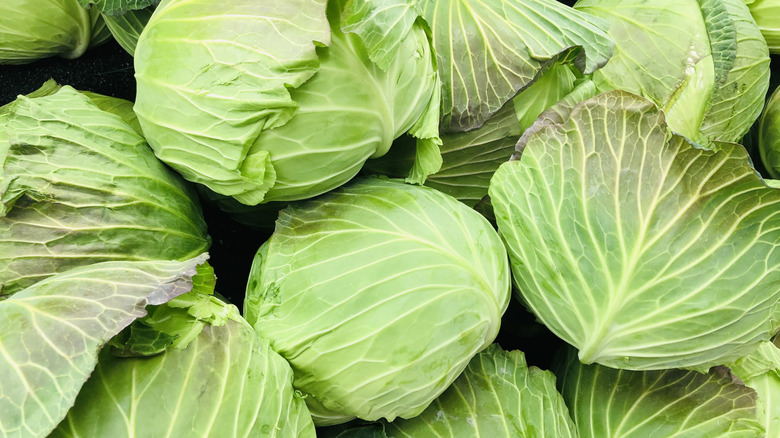
Smelly, crunchy, and cruciferous — all words used to describe what we think will be the most up-and-coming food trend of 2026: cabbage. This stinky veggie has gotten its fair share of bad press over the years, but it seems poised to have a renaissance in 2026. Pinterest's 2026 trend report suggests that more people are looking for cabbage-themed recipes on its site. Cauliflower has historically popped up in the veggie conversation, thanks to products like cauliflower gnocchi, cauliflower pizza crusts, and, of course, cauliflower rice. However, people may be hungry and looking for an alternative vegetable to fill their fascinations in 2026, which is where cabbage comes in.
Why cabbage, specifically? Well, it's a relatively cheap vegetable, which ties in with many consumers' desires to spend less on meal staples. It also literally feeds into the changing conversations around gut health and "fibermaxxing," as it's relatively low-calorie yet packed with nutrients and fiber.
Cabbage's rise to global stardom also aligns with another food that we can expect to receive more air-time in 2026: vinegar, which was named by The New York Times as the ingredient of 2026. Play with both cabbage and vinegar in a funky ferment, or try your hand at homemade kimchi to see what all the hype is about.
2. Freezer meals get a facelift
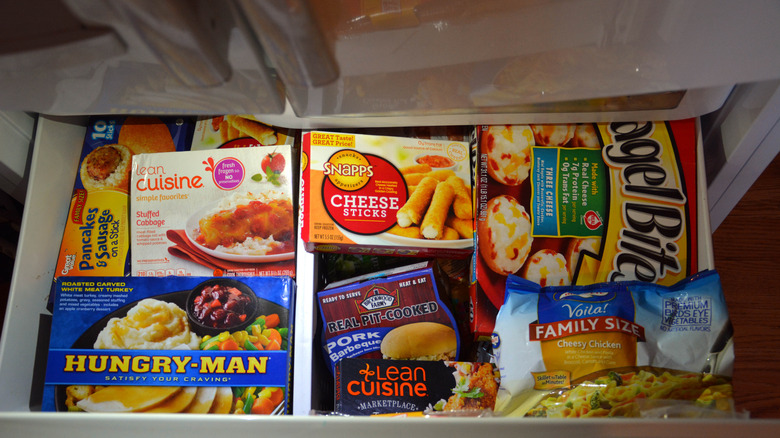
Freezer meals have long been the butt of jokes due to their lackluster flavor and worse-for-wear texture ... until now. Younger generations are flocking to the freezer aisle of the grocery store to stock up on affordable and time-saving meals that can be made in the oven or in the microwave and still deliver all the nutrients and flavors of a home-cooked meal. Research published by SmartSense in 2025 suggests that Gen Z has leveraged frozen foods as an economic safety net. About 57% of the surveyed population of Gen Zers claim that they have increased their consumption of frozen foods in an effort to cut costs. Millennials and Boomers are also buying frozen food, but GenZers appear to be the population guiding the trends — and we know they're often the ones behind creative TikTok videos about how to elevate frozen dinners.
Retailers are responding to that consumer demand by releasing more products that bring upscale dining to the home kitchen. Whole Foods Market even included "freezer fine dining" on its list of trends to watch out for in 2026, which suggests that we may see more creative and tasty frozen offerings hitting shelves within the coming months.
3. All in for fibermaxxing
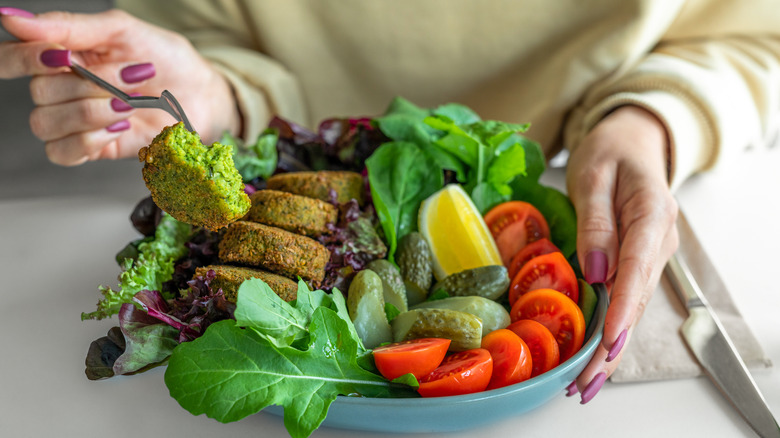
Numerous outlets have named fiber (and "fibermaxxing" — a TikTok trend in which people try max out the fiber content of a meal) to be one of the biggest trends of the upcoming year. It's fair to say that this trend isn't necessarily a bad thing; a 2016 study published in the American Journal of Lifestyle Medicine indicated that roughly 95% of the population doesn't consume enough fiber on a regular basis.
During an earnings call with shareholders in October 2025, PepsiCo CEO Ramon Laguarta said that he believes "fiber will be the next protein" (via Business Insider), hinting that the brand will be releasing more fiber-enhanced products over the next year. This is not a new concept, seeing as the number of prebiotic sodas has increased sharply over recent years, and conversations on social media have shifted toward gut health. Likewise, Whole Foods Market predicts that more companies will offer fiber-enhanced foods (and packaging that shows it).
This consumer push towards fiber-enhanced products also dovetails other current events in food, including the rise of GLP-1 medications – as eating enough fiber can help subdue some of the medication's side effects.
4. Solo dining
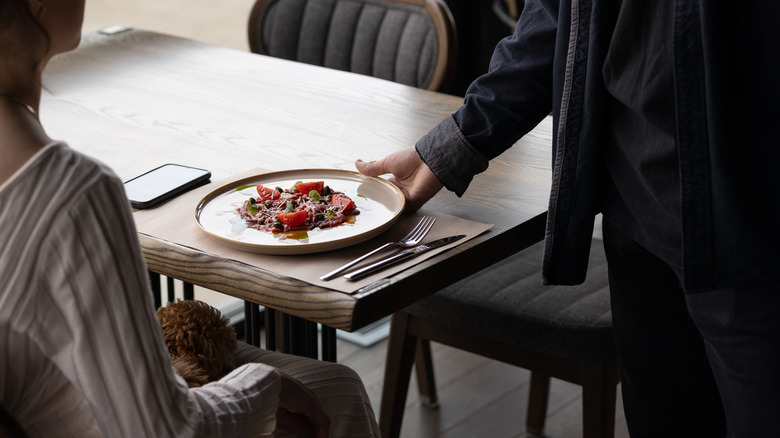
Not long ago, eating alone at a restaurant was considered somewhat sad and depressing. In 2026, however, diners could be set to reclaim and change the narrative around solo dining. Toast reported that there was a 22% increase in single dining reservations between Q3 2024 and Q3 2025, and this trend may not slow down in 2026. A 2025 report conducted by Yum! Brands and Collider Lab predicted solo dining would be a mainstay of 2026, especially when it comes to satisfying individualized cravings (meaning your "sweet treat" won't be going anywhere). The researchers group this under what they call the "Me-Me-Me economy," which emphasizes personalization and meeting individual tastes, rather than group preferences.
But why solo dining, specifically? It's not necessarily that we're all becoming hermits. It may be fueled instead by the high cost of dining, but also by the number of chains offering personalized options on menus, such as Sweetgreen's customizable bowls. Some even believe that eating alone is a form of self-care — which has become nothing short of a buzzword in the modern lexicon. Peace and quiet, decent food, and the opportunity to people-watch: what more could we want in 2026?
5. Beef tallow
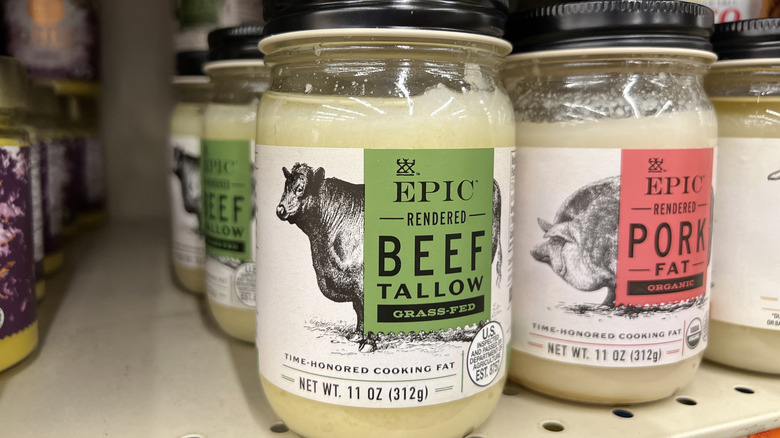
Beef tallow is likely not going away anytime soon, according to a Whole Foods Market trend report. The rise of this cooking ingredient — which is made from melted beef fat — has always been around, but it really exploded in popularity after becoming the poster child in the war against seed oils. Although seed oils, like canola, have not been scientifically proven to increase inflammation — nor are they "unknowingly [poisoning]" Americans, as Health and Human Services Secretary Robert F. Kennedy Jr. says they are — it has not stopped people from going wild for oil alternatives like tallow. The discussions around seed oils have also caused restaurants and food producers to take a stand, with some of them even switching their frying oil of choice to beef tallow (Steak 'n Shake did so in January 2025).
The popularity of beef tallow may also suggest shifting consumer preferences toward so-called "ancestral ingredients," meaning minimally processed ones that were popular long ago. This move is also reinforced (and politicized) by the updated Dietary Guidelines for Americans, which encourage the consumption of saturated fats like beef tallow and butter. This is despite decades of nutrition research recommending limited saturated fat consumption due to the correlation with heart disease.
6. Texture over flavor
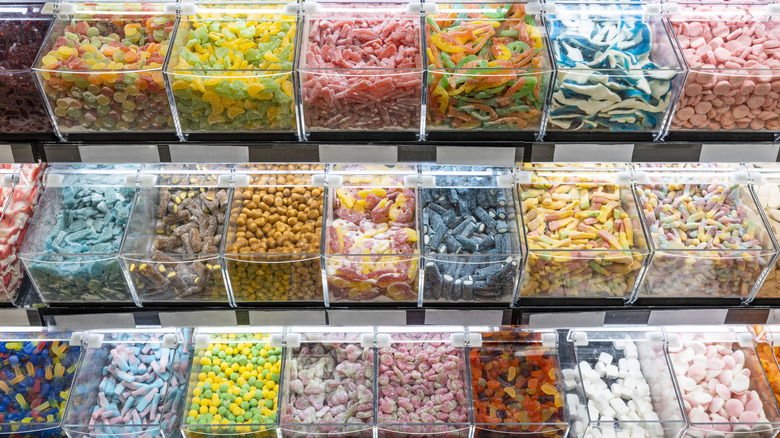
For many years, food product engineering has centered around flavors: how do companies make products that appeal to the flavor demands of consumers? However, many outlets predict that 2026 will center more around textures. Pinterest predicts that 2026 will be all about gummies — from edible gummy candies to gummy phone cases, fingernails, and more.
However, gummy candies aren't just all the rage; Food & Wine suggests that 2026 will bring more sensory-driven food experiences as a whole and underscore the relationship between flavor, texture, and sensory experience in eating. Not only is innovation in regard to textured foods expected to increase, but also the way we consume those experiences, including through media. DOT Foods predicts that ASMR sensory videos, which allow users to watch and listen to crinkling, chewing, and other expressions of texture through video, and audio aren't fading into history, either. Besides soothing the nervous system of viewers, food- and texture-driven ASMR videos satisfy a deep human need for connection, which we are still craving in the wake of the COVID-19 pandemic.
7. GLP-1-friendly menus

GLP-1s may have made their mark on the health and wellness community over the past few years, but it wasn't until recently that the food industry made an effort to be more inclusive of folks who are taking them. Many restaurant chains have started to adapt their menus to target consumers who are taking GLP-1s, including by offering items that are higher in protein and fiber or come with smaller portions — a trend we can expect to see will be carried into 2026. The movement towards protein — a muscle-maintaining macro-nutrient — and higher fiber (to promote satiety) have caused some experts to link the these changes to the explosion in GLP-1 use. Failing to adapt to changing dietary preferences can have monumental impacts on restaurants; people may not order pricey, large portions if they know they can't finish the plate, which can hurt the bottom lines of restaurants.
It's fair to say that, in addition to restaurants, food product companies are also making moves to try and retain customers who are using GLP-1s or on a high-protein, high-fiber diet. Daily Harvest has released a GLP-1-friendly smoothie set, for example. Other companies, especially those in the processed food sector, are feeling similar pressures. A 2025 study published in Food Quality and Preference suggested that the snack and soda industries may be some of the most poised to change, as they are less likely to be consumed by those on GLP-1s than by those who were not.
8. Beverage innovation in lieu of alcohol
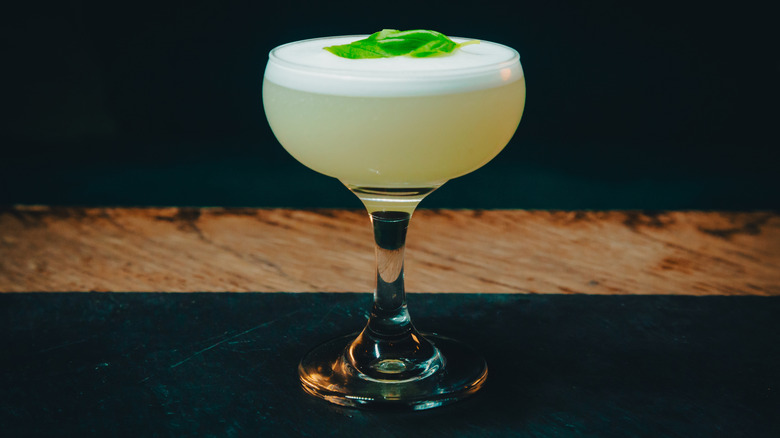
Forbes predicted that one of the biggest alcohol trends of 2026 would actually be less alcohol. Statistically speaking, more Americans are embodying an alcohol-free or low-ABV lifestyle, which fits with health and wellness recommendations on consumption from major organizations, like the World Health Organization. A 2025 Gallup poll indicated that only 54% of Americans are drinking alcohol — one of the lowest rates ever recorded — with one of the biggest drops in consumption reported among young Americans. Reports suggests that folks are going out of their way to buy light or ABV-free options; Nielsen IQ reports a 22% growth year-over-year for the ABV-free beverage category.
The prediction that we'll be drinking less was in line with what cocktail experts told Chowhound in 2025 — the consensus being that NA options were becoming more popular and driven by wellness trends. If you've gone to a fancy-schmancy cocktail bar and seen the array of NA beers, canned mocktails, and alcohol-free spirits listed on the menu, you can probably testify to this. With these numbers increasing, there may be a push for companies to design new and innovative products to attract customers. In 2026, this may look like an expansion of functional beverage offerings – fitting into wellness culture through ingredients like adaptogens and teas — as well as ingredients that mimic the unique flavor profiles of alcohol, like hops and vinegar shrubs.
9. The resurgence of home-cooking
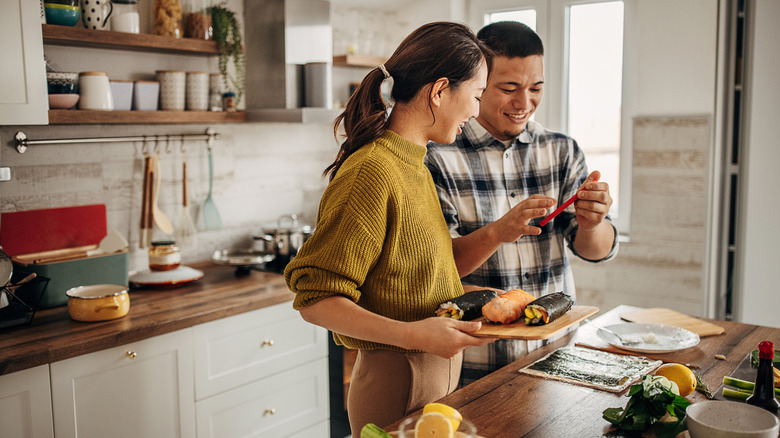
Eating out isn't cheap, and with the rising cost of living and everything getting progressively more expensive, it's fair to say that finances have an impact on people's decisions to eat out or in. Data analyzed by McKinsey & Company indicates that the cost of food away from the home has increased at a more drastic rate than the cost of groceries and eating at home. Older generations are at the forefront of folks who plan to spend less while eating out in 2026. However, cutting back on eating out as a whole is a trend that will likely be experienced across all demographics in the coming year.
Could this shift mean a rise in home cooking? The statistics certainly suggest it. HelloFresh, in collaboration with Wakefield Research, surveyed 5,000 U.S. adults and discovered that 93% of them plan to cook either more or the same amount at home in the next year. About 85% of those folks attributing this change as a direct response to the economy. A greater interest in home cooking, as well as a penchant for timeless recipes that offer comfort and warmth, means we can expect to see the resurgence of time-honored favorites, from shepherd's pie to old-school, cozy soups. We, for one, couldn't be happier.