

9 Tips You Need When Cooking Green Bean Casserole
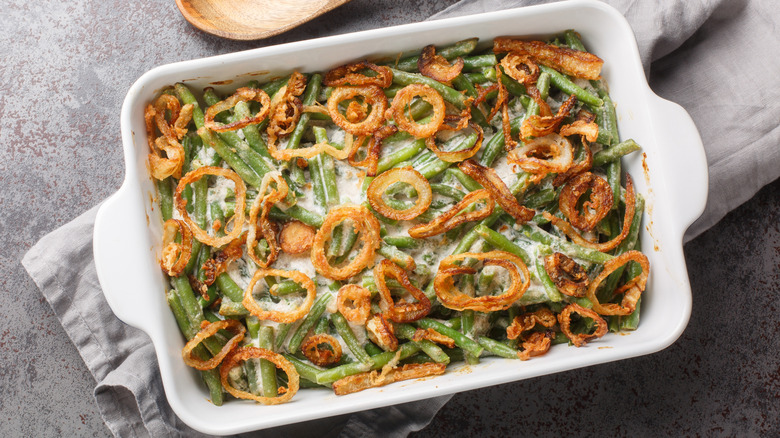
When it comes to ultimate holiday dishes, few can hold a candle to the iconic green bean casserole. No Thanksgiving or Christmas meal would be complete without this oozing, gooey dish of deliciousness made from just a few humble ingredients, namely green beans, cream of mushroom soup, and fried onions. Invented in 1955 by Campbell's recipe supervisor Dorcas Reilly, this recipe is the ultimate expression of American ingenuity, frugality, and a can-do attitude.
While the classic recipe for green bean casserole can still be found on Campbell's website, chefs and home cooks alike have continued to perfect this dish, elaborating on the original and developing various tips and tricks to enhance it. I am no exception to this rule — as a professional chef, I have fine tuned my recipe, incorporating fresh green beans, homemade mushroom soup, and even making my own fried onions from scratch.
If you are planning on making this iconic dish to serve to friends and family while entertaining this holiday season, you may want to bust out your notepad and jot down some of these hacks. They may just change the way you make a green bean casserole forever.
1. Use fresh green beans
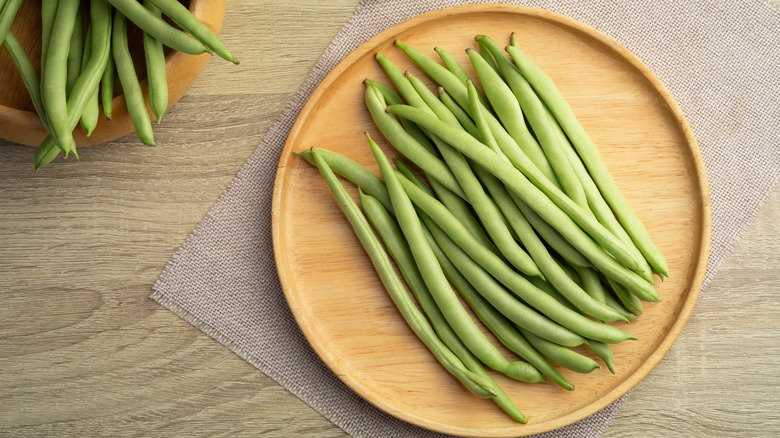
Though most standard green bean casserole recipes feature canned, cooked green beans, I have found that the flavor and texture of these can be somewhat lackluster and disappointing. While frozen beans can be a step up from canned, perhaps the best way to level up your next green bean casserole recipe is to use fresh ones. Fresh green beans are typically available year-round at most grocery stores, despite the fact that their peak season spans from late spring to early fall.
When selecting fresh green beans for a green bean casserole, search for varieties that are supple, sweet, and stringless, such as Kentucky Wonder, Kentucky Blue, Blue Lake, or Contender. Ripe green beans should be svelte and roughly the diameter of a pencil. They should also have a solid verdant hue, be free of blemishes, and have a firm, crisp texture. Before using fresh green beans, they should be cleaned, and the ends either trimmed or snapped off.
If you do prefer using canned green beans — either because they are more cost-effective or more convenient — you will want to keep a couple of things in mind to help improve their taste and texture. First, drain them completely and rinse them thoroughly. This will eliminate any excess salinity from the canning liquid. Next, strain the cleaned beans and pat them dry to remove any residual moisture. This can water down the finished casserole and make the beans even mushier.
2. Blanch the green beans
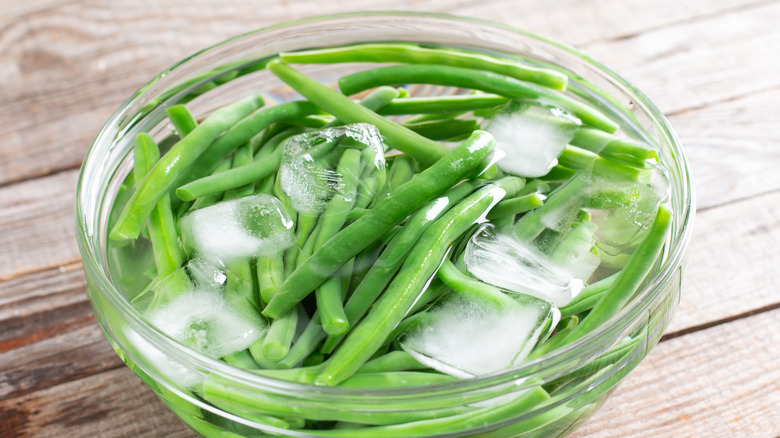
If you do opt to use fresh green beans, they will need to be precooked before adding them to the casserole. Raw beans will not completely soften in the amount of time the casserole bakes nor will they be capable of absorbing the flavors of the remaining ingredients. The best way to precook or parcook fresh green beans is to blanch them.
Blanching vegetables is an instant way of making them stand out in a recipe. The process involves boiling the beans in salted water for a few minutes until just tender, but not overcooked. The beans are swiftly transferred to a bowl of ice water to shock them and halt the cooking process. Blanching not only tenderizes the green beans, but it preserves their verdant hue, making the casserole brighter and more visually appealing.
If you aren't keen on the amount of clean up and time it may take to properly blanch green beans, you can also opt to sauté them in butter or olive oil before adding them to the casserole. The only challenge with this is cooking the beans evenly, which requires constant stirring and attention. Once the beans have cooled completely, they can be combined with the remaining ingredients for the finished casserole.
3. Add homemade mushroom soup or gravy
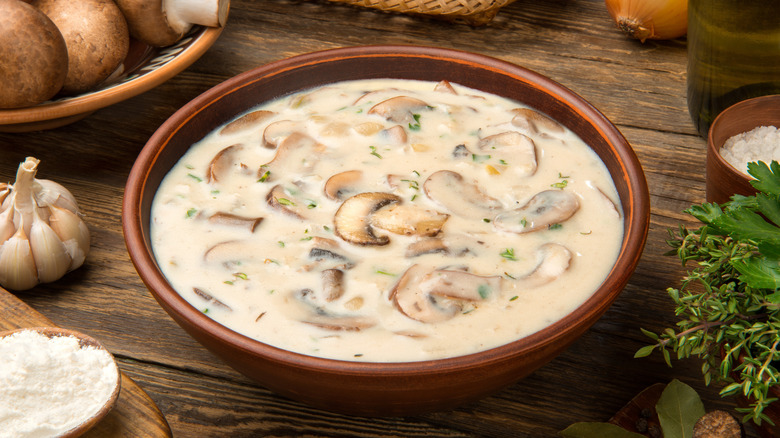
Canned soup may be convenient, but it has a number of pitfalls that make it less-than-ideal when trying to elevate a recipe like the green bean casserole. First and foremost, canned cream of mushroom soup is loaded with sodium, to the tune of 860 milligrams per serving, which is 37% of the recommended daily value. Additionally, it is laden with various preservatives and additives that can impact the final flavor and texture of the dish. This masks much of the inherent mushroom flavor and leaving behind a synthetic aftertaste.
The solution to this is to use homemade mushroom soup or gravy. While this takes a bit of extra effort, it doesn't have to be overly labor-intensive and it can make a world of difference in the finished dish. I always begin by using an assortment of different kinds of mushrooms to give the soup or gravy a more robust, complex flavor. If you cannot find a good variety of fresh mushrooms at your local grocery store, this is a great place to use those dehydrated mushrooms that have been lying around in the pantry.
The best way to rehydrate dried mushrooms is in hot water, broth, or even wine. Alternatively, submerge the dried mushrooms in cold water and store them in the refrigerator overnight. This cold soaking process enhances the umami notes within the mushrooms, giving the final casserole and even bolder flavor profile.
4. Spice it up
The original recipe for Campbell's green bean casserole is relatively simple, containing just soy sauce for a dose of savory flavor. That said, any chef worth their salt (pun intended) knows that the key to making a recipe pop is to infuse it with various herbs, spices, and condiments. This elevates the flavor and create layers of complexity.
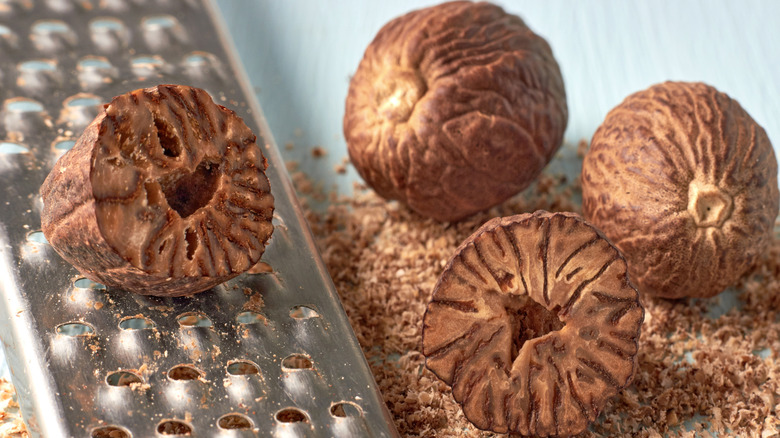
Among my favorite herbs to add to a green bean casserole recipe are those that are commonly paired with mushrooms, like fresh thyme, rosemary, sage, and lavender. Where spices are concerned, I enjoy adding dashes of heat and sweet. Freshly grated nutmeg is a must with both mushrooms and green beans, as is onion or garlic powder, which infuses the dish with aromatic notes.
When it comes to condiments, this is the time to lean into those that are abundant in umami and spicy flavor components. Some of the best savory condiments to use in green bean casserole include miso paste, Worcestershire sauce, fish sauce, and oyster sauce. Just be careful not to overdo these, as they can make the finished product too salty. For a dash of heat, funky hot sauces, like gochujang or harissa paste, can help perk up this dish and balance out the creamy soup and contrasting the earthy green beans.
5. Add textural intrigue
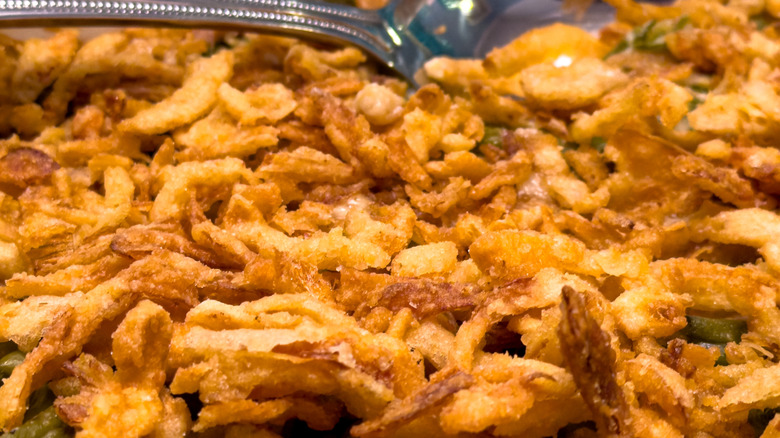
No good casserole is complete without a crunchy topping to help give it some textural intrigue. While French fried onions are standard, they are by no means the only ingredient you can use to liven up the mouthfeel of a green bean casserole. They can easily be swapped with crushed crackers, cookies, cereal, and even tortilla or potato chips. Other potential toppings that can elevate a green bean casserole may include panko bread crumbs, nuts, bacon, and cheese.
Once you have decided on your topping(s) of choice, it is important to consider when you add them to the casserole. Timing is everything — if you add them too early, they will become soggy and you won't achieve that distinctive crunchy texture. Alternatively, if you add them too late, they won't have a chance to crisp up in the oven. Ideally, you should bake the green bean casserole for approximately 20-30 minutes before you add the final toppings. These will take roughly 10-15 minutes longer to achieve the perfect texture.
6. Pick the right casserole dish
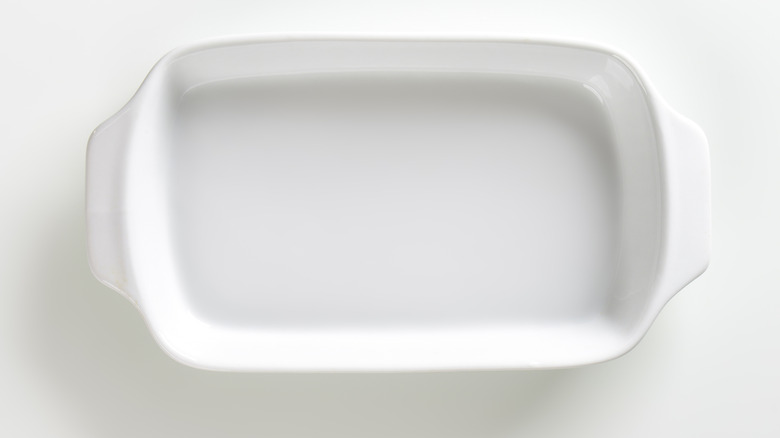
When it comes to casseroles, it's all about the dish. These one dish wonders rely on the vessel in which they are prepared for their success or failure. This is no less true for a classic green bean casserole. There are a few things to consider when selecting the best dish for making a casserole. First, make sure the casserole dish is oven safe. This means it can withstand high temperatures without falling apart. Among the best materials for a casserole dish are ceramic, glass, stoneware, and cast iron. These lend themselves to even heating, heat retention, and can look elegant straight out of the oven without the need to transfer the contents onto a serving bowl or platter.
Another important factor to take into account when selecting a casserole dish is its size. It shouldn't be too large or too small — a dish that is too large will result in the ingredients drying out in the oven as the casserole bakes; one that is too small will result in the contents overflowing and making a mess in the oven. The casserole ingredients should ideally fill only ¾ of the baking dish, giving it ample space to bubble as it bakes and for the topping to be added toward the end of the cooking process.
7. Cover the casserole while it bakes
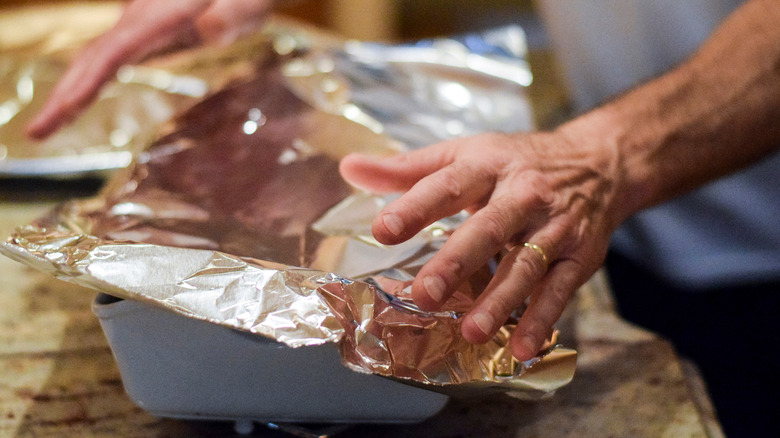
Among the many simple tips for producing a more craveable green bean casserole is to cover it with aluminum foil while it bakes. While many recipes skip this step, covering a casserole can accomplish a couple of things. First, it helps to seal in the juices of a casserole, keeping the ingredients moist and preventing it from drying out as it bakes in the oven. It also promotes even heat, which will ensure the casserole is cooked uniformly. Lastly, it can prevent the top of the casserole from burning before the center has reached a safe minimum internal temperature of 165 degrees Fahrenheit.
Though you can use any type of aluminum foil to cover a green bean casserole as it bakes in the oven, you might want to consider getting the nonstick variety. Nonstick aluminum foil is made with two sides — one that is shiny and one that is dull. The dull side of this type of foil is made with a food-safe, nonstick coating, which prevents it from sticking to food. This can be useful when attempting to keep a green bean casserole from adhering to the foil. Alternatively, you will want to coat the foil with cooking spray before covering the casserole to keep it from sticking.
8. Let it rest before serving
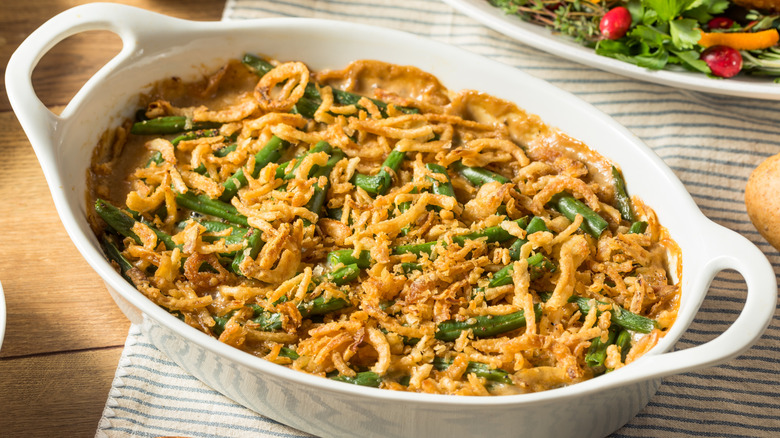
Another key to making the best green bean casserole ever is to allow it to rest adequately before digging in. From a practical perspective, this is useful because many of us struggle with having ample oven space during a big holiday meal, and it can be helpful to pre-bake some of the side dishes and desserts. That said, there are some other reasons to allow a green bean casserole to rest that are more utilitarian in nature.
First, the casserole will be too hot to consume straight out of the oven. Giving it time to rest will allow it to cool enough to consume safely without burning the roof of your mouth. Second, resting the casserole encourages all the ingredients to meld together, which will improve the flavor of the dish. Lastly, giving a green bean casserole a few minutes to rest improves the structural integrity by thickening the sauce, eliminating excess moisture, and holding the whole thing together so it is easier to serve.
For best results, let the green bean casserole sit for 15 to 20 minutes before serving it. Never allow the casserole to sit at room temperature for more than two hours — it can quickly become an incubating ground for pathogens, which can result in the outbreak of a foodborne illness.
9. Get creative with the recipe
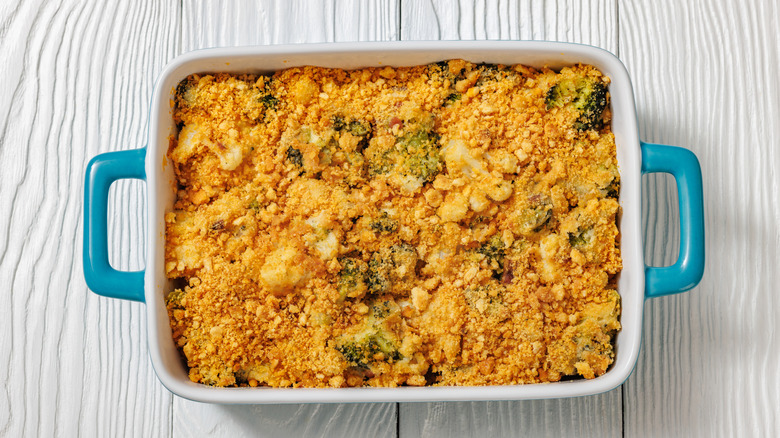
While the green bean casserole is a classic for a reason, that's no reason to get into a rut. There are plenty of ways you can change things up when assembling this dish. All it takes is a little creativity and a willingness to step outside of your comfort zone. First, consider swapping the green beans for another type of vegetable. Asparagus, broccoli, cauliflower, Brussels sprouts, and even summer squash can all be used to produce a similar type of holiday casserole.
Another place you can get creative is with the soup base of the dish. Rather than cream of mushroom soup, try using another creamy soup. Among my favorites are cream of chicken, cream of celery, or cream of potato soup. These can be used interchangeably with cream of mushroom soup. That said, don't limit yourself to these. Other varieties that can be unique and exciting in a green bean casserole include creamy winter squash soups, like roasted butternut squash or pumpkin, a tomato bisque, or even a broccoli cheese soup.