

The Future Of Your Morning Cup Of Coffee Might Be Beanless
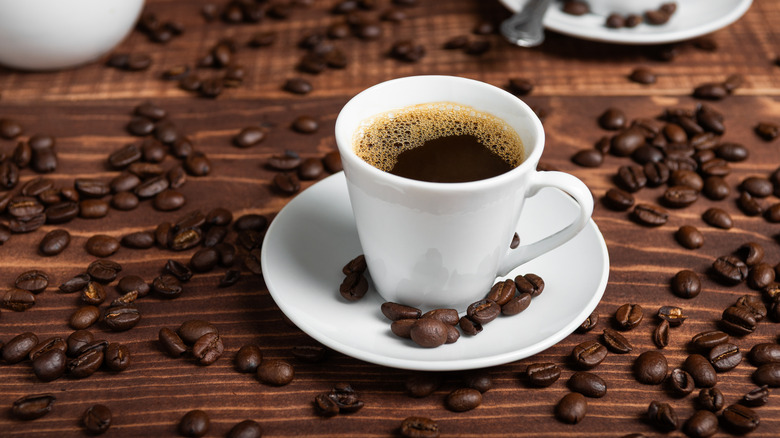
The future of coffee is in question. Reports suggest nearly 60% of the world's wild coffee species are facing the risk of extinction thanks in part to deforestation and climate change. In fact, wild arabica, which is among the most prominent coffee plants around the world and most likely the type of coffee you have in your pantry (it's also the only type of coffee bean Starbucks uses), is now an endangered species. The obvious solution is the nevertheless herculean feat of successfully combating the climate crisis, but that's far beyond the scope of our expertise. Instead, let's delve into how the beverage industry is responding to the need for a more sustainable alternative to coffee.
Chances are, there will be no beans involved in your morning cup of joe. Pioneers in the space are seeking innovative ways to recreate the experience of coffee, from the flavor and texture of the brew to its coveted pick-me-up potential. Voyage Foods, for example, has developed a proprietary blend of roasted chickpeas, rice hulls, and caffeine from green tea to provide an energizing boost — all at a fraction of the cost of conventional coffee production. On the other hand, Atomo is incorporating superfoods such as lion's mane mushrooms — the same mushroom used for a meaty, vegan steak — and animal-free collagen for purported additional benefits for the brain, gut, and skin.
The world of coffee alternatives
Chances are, this isn't the first time you've heard about beanless coffee (or what might otherwise be called caffeine alternatives). Whether driven by the impacts of climate change or the rise in consumers choosing replacements more aligned with personal health goals, the coffee substitute industry on the whole is on the rise. Some market analyses report a projected value of over 17 billion USD by 2033 for the global coffee alternative industry, while others expect the industry to be valued at over 20 billion USD by the early 2030s.
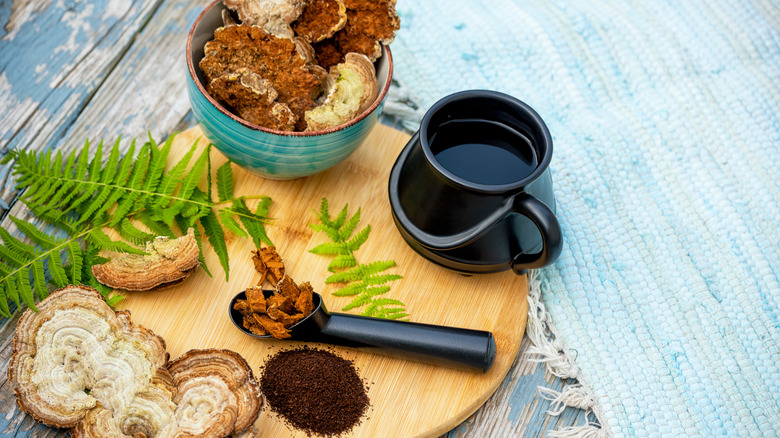
There are a number of natural drinks that provide a similar boost as coffee, and many of them are the foundation of several coffee alternatives on the market. One popular choice for a caffeine swap that still wakes you up comes from the rich, diverse family of mushrooms. Mushroom-based coffees are typically prized for having a similar taste to regular coffee brews. However, there is one gaping factor that people tend to overlook with mushroom coffee: caffeine dosage, which varies by brand (if you're curious about mushroom coffee, take a look at Chowhound's ranking of popular mushroom coffee brands). Beyond recreating the taste of coffee, some alternatives take a different route and pair caffeine with water for hydration without the sugar rush. As creativity continues to drive innovation, it's an exciting time to see what coffee-free caffeine creations come next.