

How To Design A Kitchen That Honors History Yet Feels Fresh
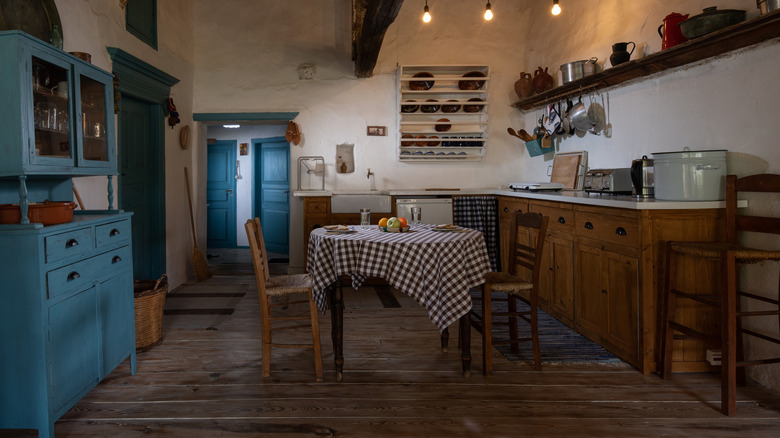
Historic homes have an inimitable charm. While an expert can flip your space inspired by an old time period, an actual lived-in room with a rich history is unparalleled. Old spaces tell stories of the people who lived there and the way of life of the previous generations — that's what makes them worth keeping. In an attempt to do so, you might find yourself tempted to keep the space as-is, but here's the truth: historic homes are not always designed for modern-day use, especially with the kitchen. Sometimes the layout is outdated, which can disrupt your workflow, while certain aesthetic elements might not really speak to you.
Fortunately, you can still honor the home's history while keeping its look fresh. Chowhound exclusively spoke with Mark Johnston, founder of Historic Design Consulting, to find out how to give a historic kitchen a seamless makeover without losing its personality. But first things first: "Updating the kitchen's electrical and plumbing should be the first step in updating the kitchen. Once completed, this will allow the homeowner to make other changes," Johnston says.
Once that's complete, a few subtle touches — like changing the hardware — can add a modern feel. Refreshing a vintage space can be a kitchen upgrade you can accomplish without any renovations. But you can also go bigger by adding remodel projects like new floors, too. As long as you're preserving what makes the space fascinating while adding your own touches, it's guaranteed to be a gorgeous homage to its roots.
Give the paint a worthy refresh
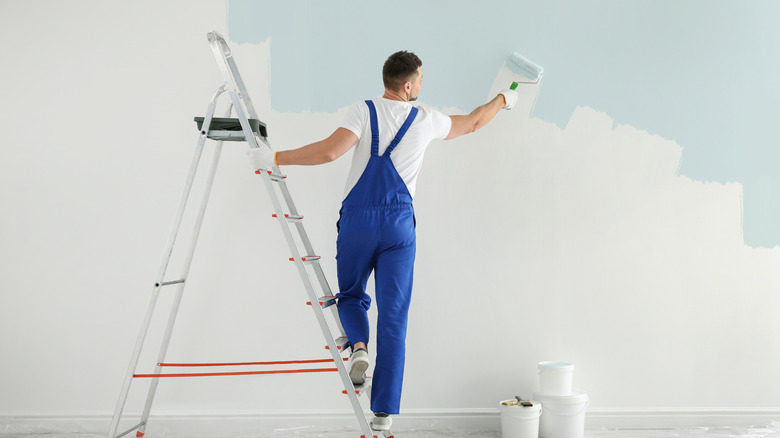
If you've moved into an old home, repainting and updating the finishes can give it a new look without losing its old-timey appeal. "This allows you to preserve historic features while creating a new and fresh look with modern paint colors and decorative finishes," Mark Johnston mentions, adding that walls, ceilings, and cabinets are perfect for this approach. It's an improvement that you can effortlessly DIY, so if you're trying to stay on a strict budget, it's easy not to go overboard.
When in doubt about kitchen remodel colors, neutrals are your safest bet. They're timeless and can go well with anything, which is especially convenient if you plan on doing another revamp in the future. However, if you're a sucker for bold hues — including yellow, green, and blue — then by all means, stick to daring statements. The golden rule is that the colors should still complement the traditional elements of your kitchen.
Focus on style and function
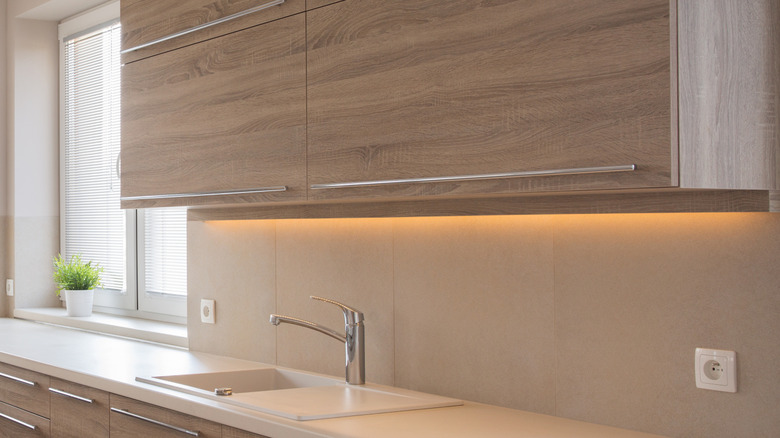
According to Mark Johnston, changing the cabinets is one of the biggest upgrades you can make to a historic home. It's almost always needed if you're working with an outdated kitchen, since modern kitchens require an abundance of storage space that allows you to dig through your dinnerware with ease. One suggestion that Johnston offered is incorporating custom cabinetry so that it seamlessly integrates with how you use the kitchen. But of course, its aesthetic perks also come in handy. "Custom options will allow for historic molding profiles, finishes, and hardware to be incorporated into the design to complement existing features," he says. There are a lot of easy and affordable ways to upgrade your kitchen cabinets to introduce some modern flair, including painting the surface.
Giving your kitchen a refresh can be achieved with something even more subtle, too. Installing new hardware on your cabinets and updating the lighting fixtures can make the space look more polished. This upgrade isn't just for aesthetic reasons, either; upgrading your faucet to a pull-down type adds convenience, while installing a modern bridge faucet serves as a proper nod to its history. And don't forget about the lighting. A rustic pendant light can add an interesting focal point. "Undercabinet lighting is another easy and unobtrusive way to make a kitchen easier to use while adding a novel and interesting look," says Johnston.
Transition to a practical layout
"Perhaps [the] most important [thing] is creating a functional layout," Mark Johnston says. "Historic kitchens weren't designed for the way we use them today." A layout update is especially important if you use your kitchen a lot; you'd want a smoother workflow, with the same convenient features offered in most modern kitchens. Changing the layout doesn't have to require a full renovation, however, because that would defeat the point of preserving the space.
A great way to start is to figure out how you usually move around the kitchen. After all, what's practical for other people might not be practical for you. Do you like having different areas for preparing, cooking, and storage? You might want to design your kitchen using task zones. It's a smart move to upgrade your existing storage by installing drawer or cabinet organizers. You should also consider adding multi-functional aspects to your kitchen, such as by extending your countertops with a hidden pull-out drawer.
Switch to modern flooring
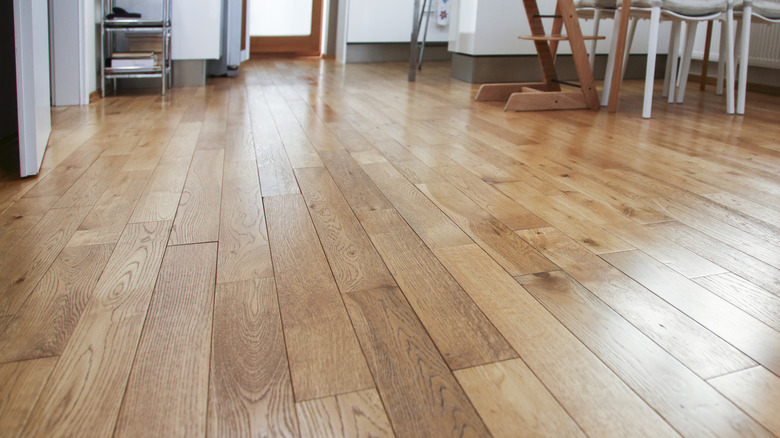
Old flooring has its charm, and it might be difficult to part ways with it. But it can be practical, especially if you spot signs of water damage or if it has too many battle scars. When you do change up your floors, you can switch to a new material that's inspired by the previous flooring, so that the whole space doesn't lose its essence. Mark Johnston gives an example: "Mid-century modern kitchens often featured linoleum or tile, and updating with large-format tile, terrazzo, or traditional linoleum can make a real change to a kitchen's feel," he shares.
Even outdated wood flooring can be updated by simply swapping it out for new wood floors. Johnston recommends incorporating modern color palettes to give an unexpected tribute to the old style. Alternatively, you can opt for a different wood finish to refresh your space. Whatever design you're considering, stick to kitchen flooring options that are both durable and stylish, allowing you to enjoy the look for years to come.
Avoid common kitchen update mistakes
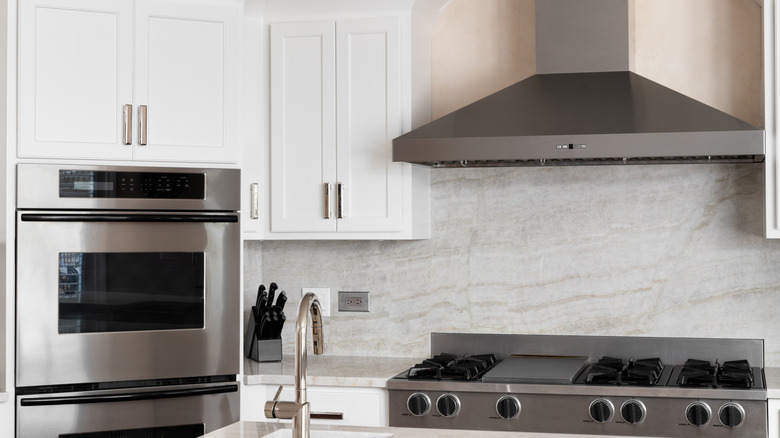
Before giving your kitchen a modern makeover, don't overlook the common mistakes that can make the overall design look mismatched. Mark Johnston advises against using overly elaborate and polished designs, as they're not exactly the best pair for historic spaces. You want the new elements to complement the current space, while celebrating the stories behind the old one. "Stainless steel, high-gloss varnishes, stark white paint, and synthetics often look out of place with the warm tones of historic furnishings," he says.
Know when to preserve certain details, too. For instance, an intricately-designed door adds a distinctive flair that might be hard to recreate with a modern replacement. "Rather than replacing original doors and windows, the originals can be restored and repainted. Built-ins should be preserved, when possible, as these are character-defining features of these older kitchens," Johnston tells us.
While you want to make the kitchen feel cozy and curated to who you are, you're working with a space with a lot of history, so it's only natural to feel a bit limited if you don't want to lose its charm. The only way to honor that is to respect its original features and highlight its timeless qualities by selecting harmonious pieces that still feel like you. This ensures that you feel connected to the space without any distracting elements that make it look disconnected from its rich history.